
![Tralalero Tralala Meme Explained: Parent's Complete Guide [2025]](https://runable.blog/blog/tralalero-tralala-meme-explained-parent-s-complete-guide-202/image-1-1765661157096.jpg)
Understanding the Tralalero Tralala Phenomenon: A Parent's Complete Guide to Internet Culture
Your kid walks into the room humming something that sounds like absolute nonsense. "Tralalero tralala, ballerina cappuccina, brr brr patapim." You pause. You listen harder. Surely this is just your child making up random sounds while playing with toys, right?
Wrong.
Turns out, your child has stumbled upon one of the internet's most bizarre, chaotic, and inexplicably viral meme trends taking over TikTok, YouTube, and the minds of children everywhere. And if you're a parent over 30, you're probably wondering what on earth you're witnessing.
Here's the thing: if your kid knows what Tralalero Tralala is, they're not behind on trends. They're actually right in the middle of something genuinely viral. The question is, what exactly are they watching? Is it safe? Should you be concerned? And most importantly, why does your six-year-old keep referencing "Cappuccino Assassino" while eating breakfast?
Welcome to the world of Italian brainrot. No, that's not a joke. That's literally what the internet calls this trend.
The generational gap between parents and kids has never felt wider. We grew up learning technology as it evolved. We were there for chat rooms, early YouTube, and the birth of meme culture on platforms like 4chan and Reddit. We thought we understood the internet. We thought we could keep up.
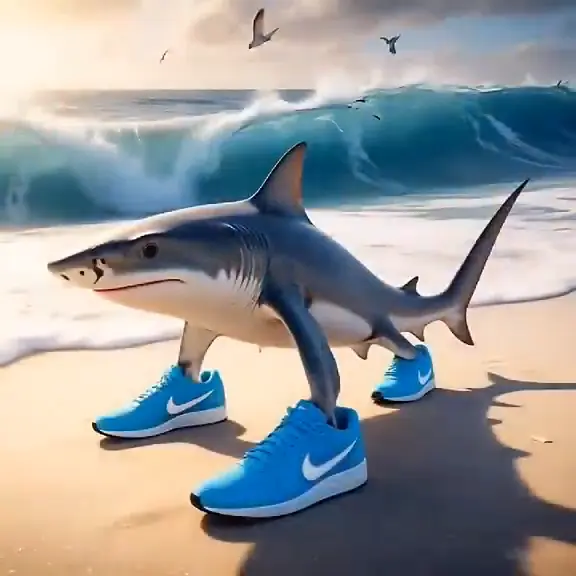
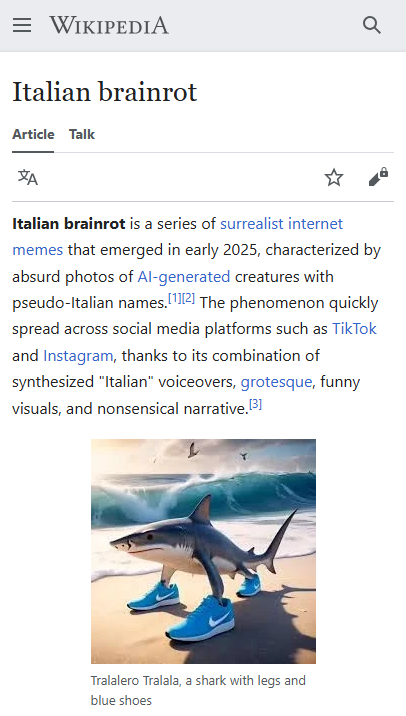
But then something like Tralalero Tralala appears, and suddenly we're the ones asking our children to explain what's happening online. The roles have completely reversed. We're not the tech-savvy ones anymore. We're just trying to figure out why our kids are obsessed with a three-legged shark wearing Nike sneakers.
This guide is for every parent who's felt that moment of confusion. We're going to break down exactly what Tralalero Tralala is, where it came from, why it's so viral, what it means for your kids' screen time and digital safety, and most importantly, how you can actually engage with this strange corner of internet culture without feeling completely lost.
Because here's the reality: understanding what your kids are watching isn't about killing their fun. It's about staying connected to their world, keeping them safe, and maybe even sharing a laugh with them along the way.
TL; DR
- What It Is: Tralalero Tralala is a chaotic AI-generated meme trend featuring nonsensical characters like a three-legged shark in sneakers, a ballerina with a cappuccino head, and dozens of other absurd mashups
- Why It's Viral: Kids love it because it's deliberately illogical, repetitive, catchy, and makes absolutely zero sense—which is peak comedy for anyone under 10
- Where It Started: The trend exploded on TikTok in early 2024 and has since spread to YouTube and Instagram, with fan communities creating elaborate lore and backstories
- Safety Level: Generally harmless—no violence or inappropriate content, but it's a reminder that unfiltered, random content reaches kids quickly
- Parent Takeaway: Stay aware of what your kids watch, engage with them about it, and remember that understanding trends helps you stay connected to your children's digital lives
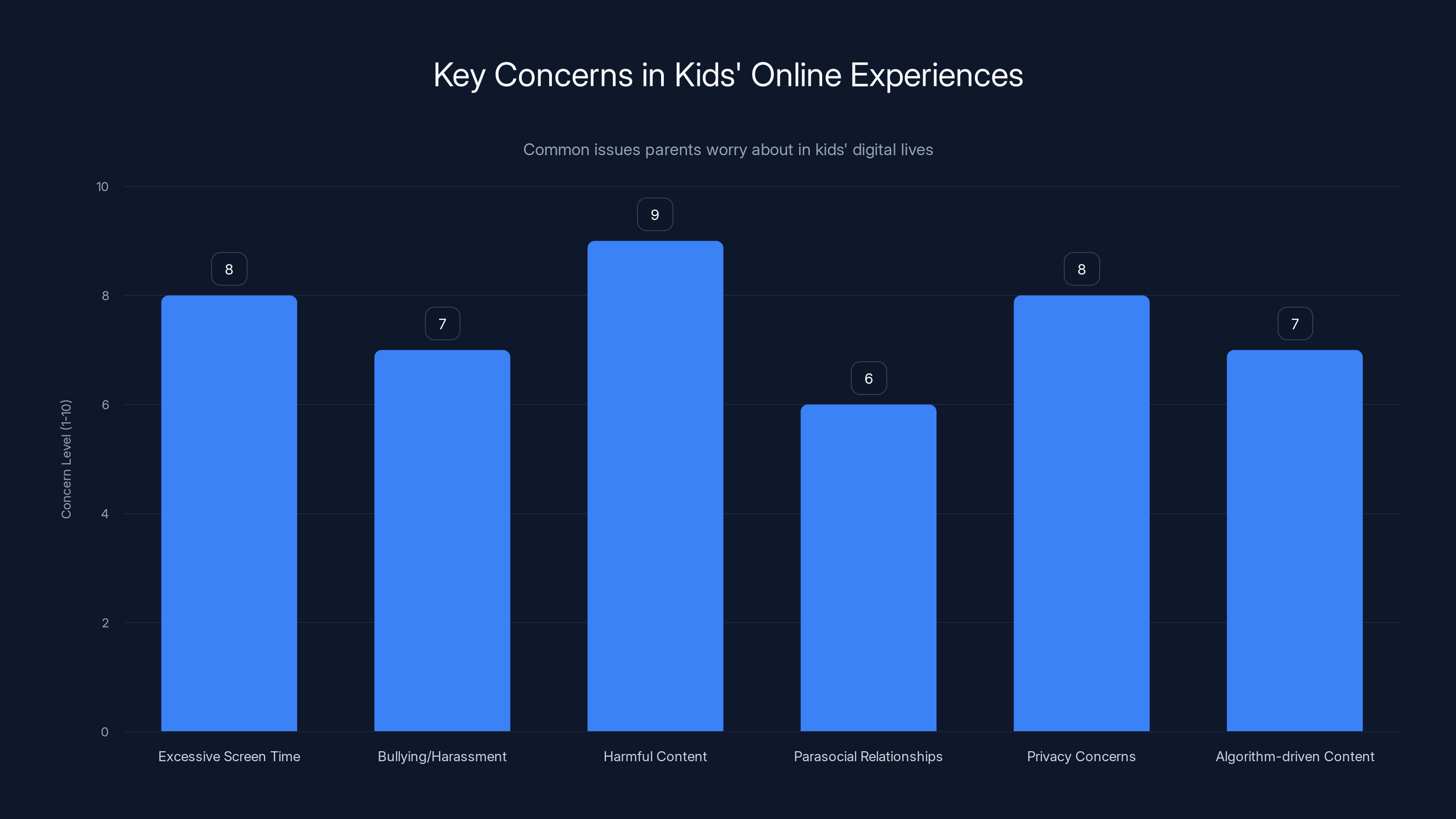
Parents are most concerned about exposure to harmful content and excessive screen time in their children's online experiences. Estimated data.
What Exactly Is Tralalero Tralala? Breaking Down the Meme
Let's start with the basics, because this is genuinely confusing if you haven't seen it yourself.
Trallalero Tralala is not a cartoon. It's not a TV show. It's not a game or an educational app. It's a viral meme trend that exploded on TikTok and has since spread across YouTube, Instagram, and TikTok for Kids. At its core, it's a collection of AI-generated or digitally created characters with absurd names and ridiculous mashup bodies that make absolutely no logical sense.
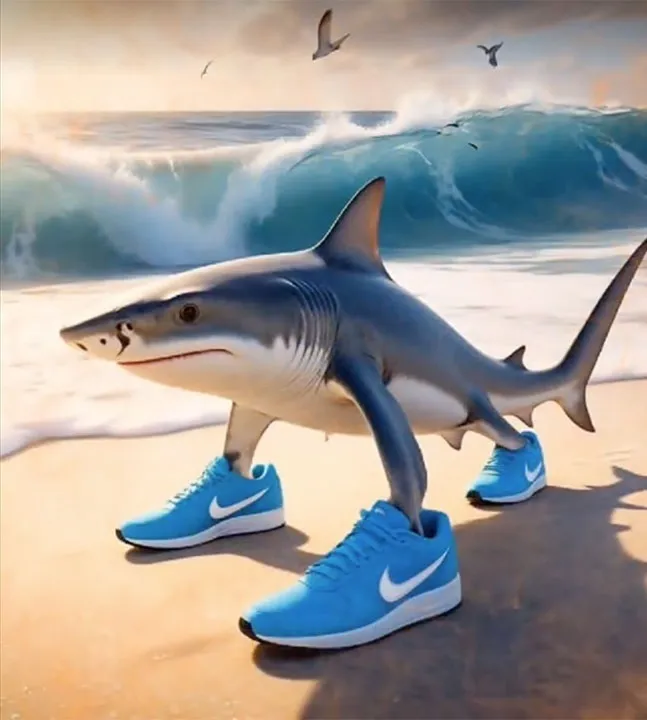
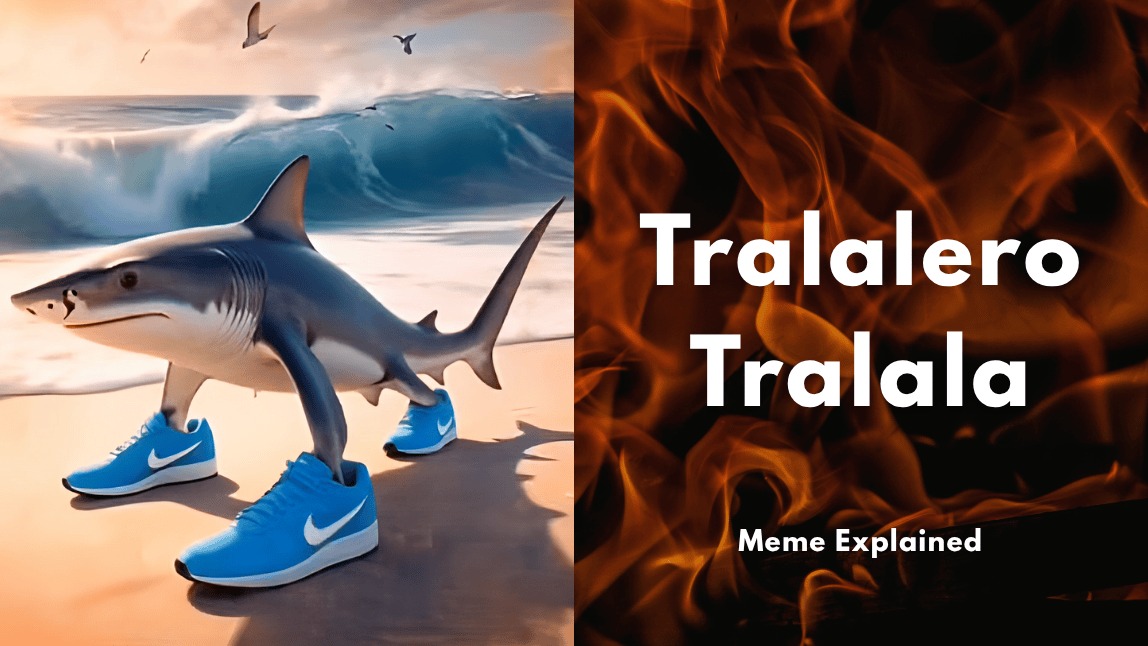
The trend started simple. Someone created a character called "Tralalero Tralala"—described as a three-legged shark wearing Nike sneakers—and paired it with repetitive, somewhat Italian-sounding nonsense syllables. The audio is catchy in that stuck-in-your-head way that makes you want to scream. The visuals are deliberately chaotic. There's no plot. There's no educational value. There's just... chaos.
And somehow, that's exactly what made it explode.
The earliest versions of Tralalero Tralala appeared on TikTok in early 2024. The trend picked up momentum slowly at first, gaining traction among younger TikTok users aged 6-14. But by mid-2024, it became genuinely viral. Kids were making their own versions, remixing the audio, creating elaborate videos featuring the characters, and developing what the community calls "lore"—basically, fan-created backstories and mythology around these nonsensical creatures.
What's wild is how fast it spread to platforms beyond TikTok. YouTube creators started making 10-minute compilation videos of Tralalero Tralala content. Teachers reported students referencing it in class. Parents worldwide started seeing their kids obsessed with characters they'd never heard of. Within months, what started as a niche TikTok trend became a genuine cultural moment for kids.
The meme represents something interesting about how internet culture works in 2024. It's not driven by high production value. It's not from a major studio or streaming platform. It's chaotic, absurd, and deliberately nonsensical. And that's the entire point. In a world where kids consume tons of polished, educational, carefully-crafted content from platforms like Disney+ and YouTube Kids, there's something appealing about content that's just pure, unfiltered weirdness.
Think of Tralalero Tralala as the spiritual successor to other chaotic meme trends that came before it. Remember Ugandan Knuckles? Or the Doge meme? Or even older internet culture like Leek Spin or Numa Numa? Those were all absurd, often grammatically incorrect, deliberately nonsensical pieces of internet culture that made no sense to outsiders but were hilarious to the people who understood them. Tralalero Tralala follows that exact same pattern—it's deliberately stupid, which is what makes it funny to its core audience.
But here's where it gets different. Tralalero Tralala has actual character development. The community around it has created dozens—possibly hundreds—of characters with names, supposed backstories, relationships, and an entire fictional universe. This isn't just a meme anymore. It's becoming a full-fledged meme mythology, complete with fan art, animated videos, and interconnected lore.
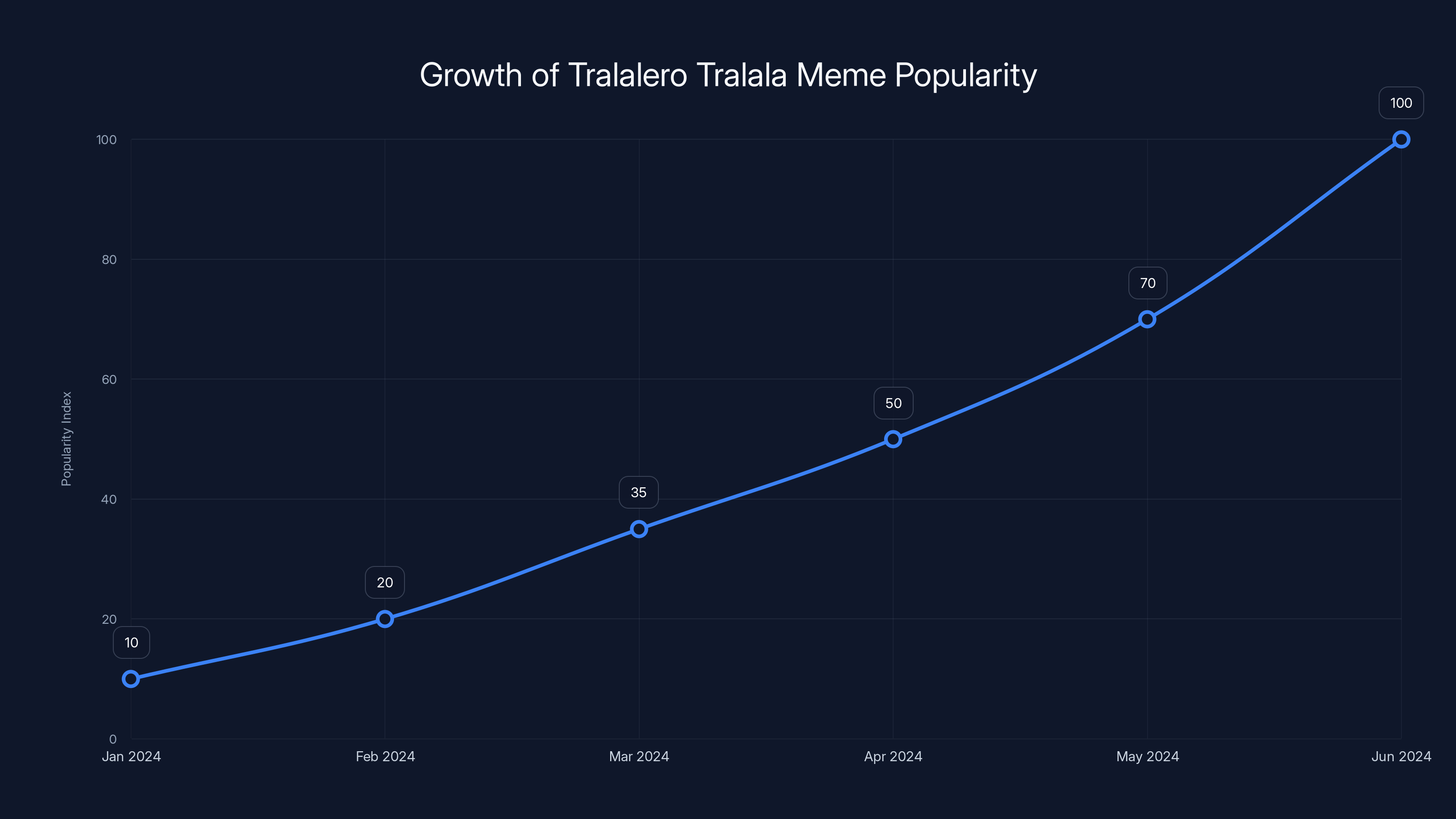
The Tralalero Tralala meme saw a rapid increase in popularity from early to mid-2024, especially among younger audiences. Estimated data.
The Cast of Characters: Who Are These Creatures?
One of the most confusing aspects of Tralalero Tralala for parents is that there isn't just one character. There are dozens. And they all have increasingly ridiculous names and even more ridiculous bodies.
Let's start with the main character, the one that started it all: Tralalero Tralala himself. He's described as a three-legged shark wearing Nike sneakers. Not a regular shark. A shark with three legs (presumably the front two and one back leg?) wearing modern athletic shoes. The visual is deliberately absurd. It makes no biological sense. That's the point.
But Tralalero Tralala isn't alone. There's an entire roster of equally nonsensical characters:
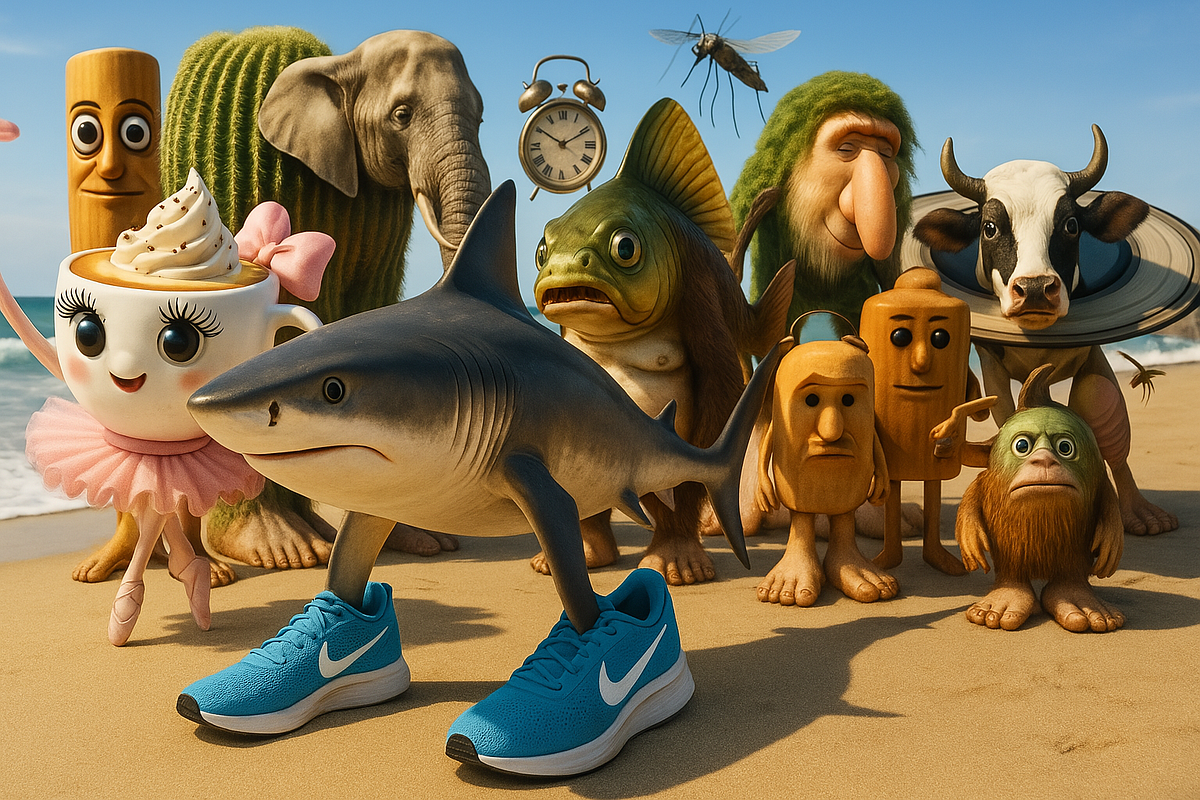
Ballerina Cappuccina is a ballerina whose head is replaced with a cappuccino cup. Think about that for a second. A human body in a ballerina pose, but instead of a head, there's a coffee cup. It's simultaneously ridiculous and somehow oddly cute in the way that absurdist humor can be.
Brr Brr Patapim is where things get even weirder. This character is described as a baboon-tree hybrid with a poetic backstory. The community has supposedly created lore around this character involving some kind of backstory, though good luck understanding it if you don't speak the language of meme culture.
Tung Tung Tung Sahur is a wooden log with a baseball bat. Yes, you read that correctly. A piece of wood with a bat through it. The name supposedly references the Ramadan drums (suhur) that wake people up for pre-dawn meals, which suggests someone in the community actually put thought into creating these characters, even if the end result is completely nonsensical as noted by Perfect Corp.
Boneca Ambalabu is a frog inside a tire. Just imagine a cartoon frog enclosed within a black rubber tire. No explanation. No reason. It just is.
Frigo Camelo is a camel with a refrigerator for a torso. Picture a camel's head and legs, but where the body should be, there's just a full-size fridge. Somehow, this is one of the more visually coherent characters in the entire canon.
Cappuccino Assassino (yes, the alliteration is intentional) appears to be some kind of ominous cappuccino with assassin vibes. The fact that kids are running around saying "Cappuccino Assassino" is genuinely hilarious to adults, even if we don't understand the joke.
There are literally dozens more. Chipi Chipi Chapa Chapa, Dubi Dubi Dubi, Patapim Patapam, Trololo Tralalala—the list goes on, and it seems to grow every week as the community creates new characters and their supposed mythologies.
What's interesting is how this community aspect has evolved. Kids aren't just watching pre-made content anymore. They're creating their own characters, designing their own visuals (or using AI image generators), and contributing to the lore. Some of the fan-created videos on YouTube have millions of views, complete with animated backstories, character introductions, and serialized narrative structures.
This is actually quite different from passive consumption. Kids are actively participating in creating and expanding a universe, even if that universe is deliberately absurd and nonsensical. They're developing creativity, learning how online communities work, and engaging in collaborative storytelling—just not in any format that looks like "legitimate" creative expression.
Where Did This Come From? The Origin Story
Understanding how Tralalero Tralala became a phenomenon requires understanding how viral content works in 2024, which is completely different from how it worked even five years ago.
The trend didn't emerge from a major entertainment company or established content creator. It came from the grassroots meme community, likely starting on TikTok in early 2024. The original content appears to have been created by someone who either generated the character images using AI or created them digitally and paired them with nonsensical audio that sounds vaguely Italian.
The initial video was simple: an image of the Tralalero Tralala character (the shark) paired with repetitive, nonsensical audio saying "Tralalero Tralala" with some variations thrown in. It wasn't high production. It wasn't trying to be funny in a traditional sense. It was just... weird.
But here's where the internet's algorithm did its magic. The video was weird enough to be interesting, short enough to watch multiple times, and catchy enough that it stuck in people's heads. Kids saw it, laughed at the absurdity, and shared it with their friends. The algorithm noticed the engagement and started recommending it to more kids. Within weeks, it became a trend.
What happened next is crucial to understanding how modern meme culture works. Instead of the trend dying out (which most TikTok trends do within a few weeks), the community started expanding it. Creators made follow-up videos introducing new characters. Someone created an elaborate character roster with names and supposed backstories. Artists started drawing fan art. Animators created videos showing the characters in scenarios. Musicians remixed the audio.
The turning point came when larger YouTube channels started creating 10-minute compilation videos of Tralalero Tralala content. These compilations had titles like "Every Tralalero Tralala Character Explained" or "Complete Tralalero Tralala Lore Timeline." These videos accumulated millions of views, introducing the trend to kids who might not be regular TikTok users.
From there, it became self-sustaining. Kids watched the compilations, learned the character names, started referencing them with their friends, and the trend spread from TikTok to YouTube to Discord servers to school playgrounds.
What's notable about this origin story is that there's no central authority controlling the narrative. There's no main character creator, no official canon, no corporate entity trying to monetize it. It's pure, organic, community-driven content creation. That's both part of why it's appealed to kids and why it's so hard for parents to pin down—there's no single source to check or official explanation.
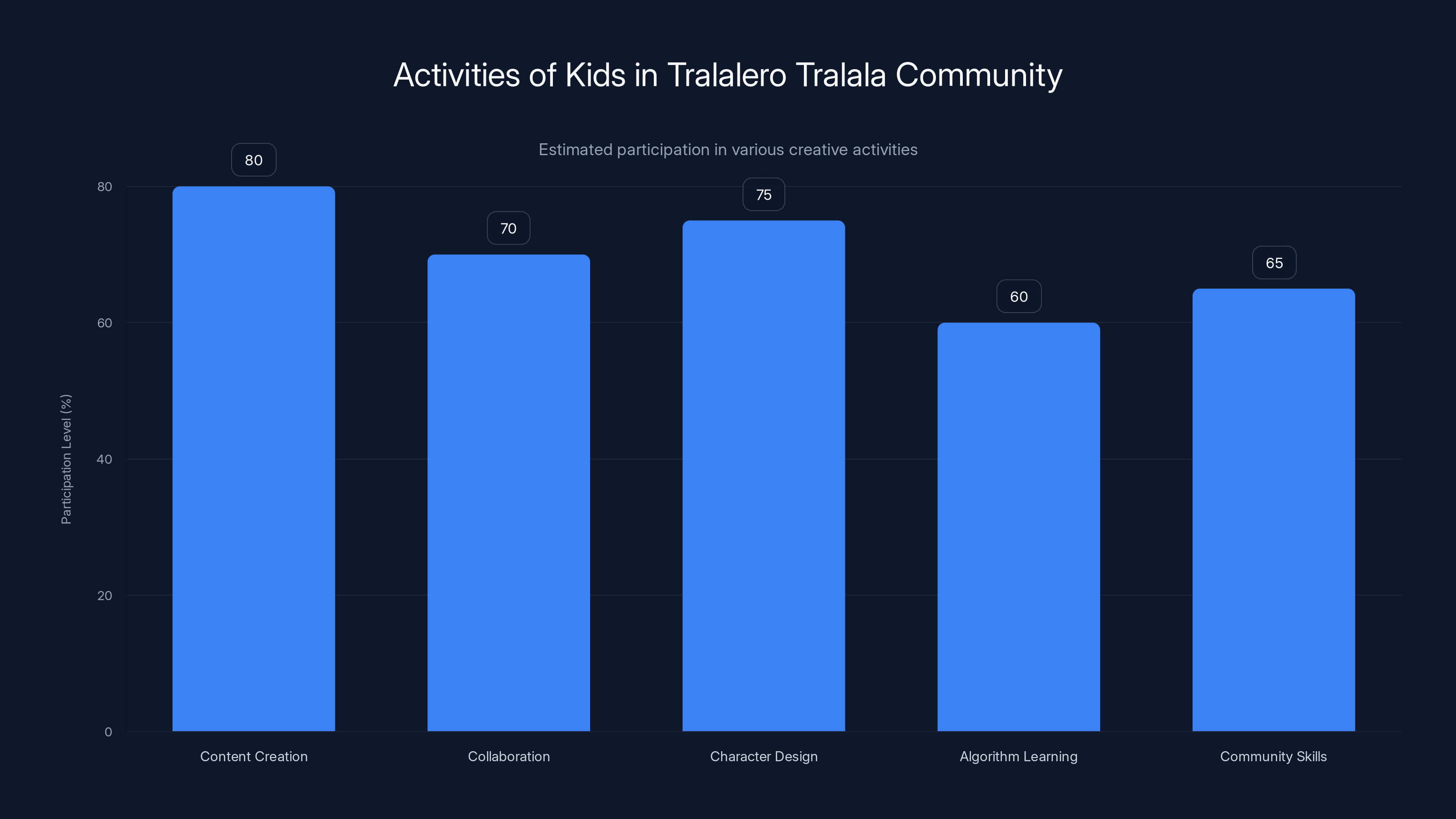
Kids are actively participating in the Tralalero Tralala community through content creation, collaboration, and learning, with high engagement in creative activities. (Estimated data)
Why Are Kids So Obsessed? The Psychology of Brainrot
If you're a parent trying to understand why your kid finds Tralalero Tralala funny, you're not alone. It seems to violate every principle of humor that older generations understand.
Traditional humor usually relies on setup and punchline. There's a logical structure. You hear something unexpected, your brain processes it, and you laugh when the unexpected element creates surprise or recognition. That's how comedy has worked for decades.
Brainrot humor—and Tralalero Tralala is peak brainrot—operates on completely different principles. It's funny precisely because it makes no sense. The humor comes from the absurdity itself. A three-legged shark wearing sneakers isn't funny because of clever wordplay or a witty observation. It's funny because it's so illogical that your brain can't process it as anything but ridiculous.
For kids growing up in 2024, this actually makes sense. Think about what children are exposed to every day. They watch educational content. They see carefully crafted entertainment designed by teams of experts to be age-appropriate and educational. They're constantly being taught and guided toward "correct" thinking and behavior.
Brainrot offers the opposite. It's deliberately wrong. It's intentionally nonsensical. It's the internet equivalent of just being weird for the sake of being weird. For kids who are constantly being guided and corrected, there's something liberating about content that celebrates chaos and doesn't try to make sense.
There's also the social aspect. Understanding a meme—even a nonsensical one—creates a sense of belonging. When your friends all know what Tralalero Tralala is and you know it too, you're part of a community. You can reference it in conversations. You can make jokes that other kids understand but adults don't. In a world where kids feel like they're constantly being watched and monitored online, having inside jokes and community references creates a sense of private space.
The repetitive nature of the audio is also crucial. "Tralalero tralala" is catchy in a way that gets stuck in your head. Kids naturally enjoy repetition and patterns—it's how they learn language, numbers, and social structures. Even though the Tralalero Tralala audio is nonsensical, the repetition satisfies the same part of their brain that enjoys nursery rhymes and pop songs.
There's also the novelty factor. In a content landscape dominated by established shows, apps, and creators, Tralalero Tralala is new and weird. It's not from Netflix or Disney or YouTube Kids. It's from the raw internet, the messy organic community that creates culture. That outsider status makes it more appealing, not less.
The Italian Brainrot Connection: Understanding the Trend Category
You might be wondering why this specific trend is called "Italian brainrot." It's not because anything about it is actually Italian. It's because the trend category itself has become associated with nonsensical names that sound vaguely Italian.
This category emerged from an earlier meme trend involving characters with Italian-sounding names that were deliberately absurd. The pattern caught on, and now anything with that particular flavor of chaotic humor—random character names that sound pseudo-Italian, mashup creature designs, no logical explanation for anything—gets categorized as Italian brainrot.
It's worth noting that this term isn't meant to be offensive to Italian people or culture. It's more of an inside joke within meme communities. The "brainrot" part refers to the idea that consuming this content is so absurd that it supposedly "rots your brain." It's self-aware. The people creating and sharing it know it's nonsensical and celebrate that fact.
Understanding this category actually helps explain a lot about internet culture in 2024. Meme trends have become so specific and interconnected that they have subcategories, internal logic, and community guidelines that newcomers can't immediately grasp. It's like a secret language that takes time to learn and understand.
What's happening is that meme culture is maturing. It's not just random jokes anymore. It's a fully developed ecosystem with history, genealogy, evolution, and community standards. There are memes that reference other memes that reference other memes going back years. To truly understand Tralalero Tralala requires some understanding of meme history, internet culture, and how trends evolve online.
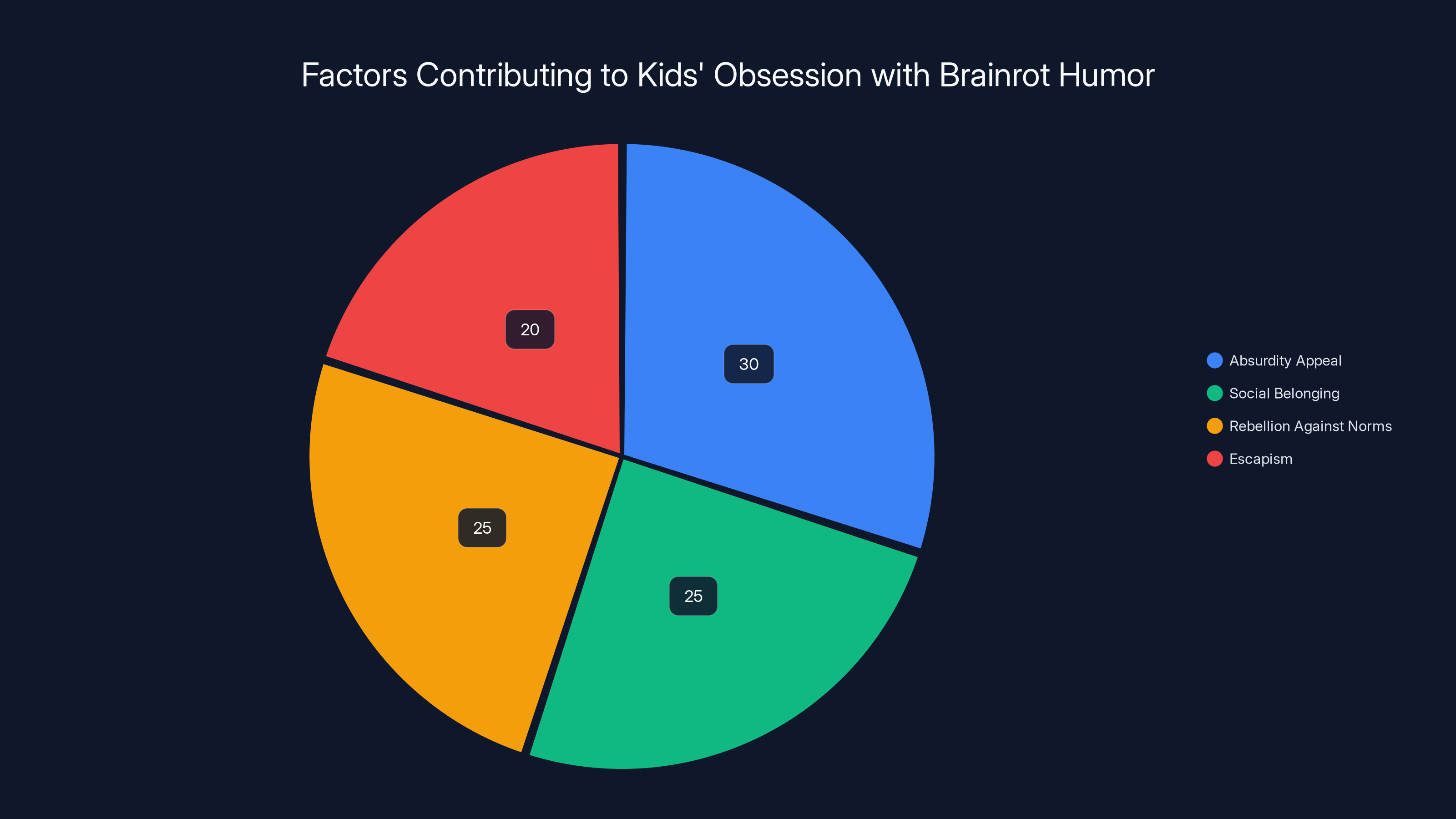
Estimated data suggests that absurdity appeal and social belonging are key reasons for kids' fascination with brainrot humor, each contributing significantly to its popularity.
Screen Time and Digital Safety: What Parents Should Actually Worry About
Let's address the question that's probably on your mind: should I be concerned about my kid watching this content?
The short answer is: not specifically because of Tralalero Tralala, but you should definitely be aware of what's happening more broadly with your child's screen time and what they're exposed to.
In terms of explicit content, Tralalero Tralala is generally harmless. The videos don't contain violence, explicit language, sexual content, or anything that would normally trigger parental concerns. The characters are silly and nonsensical, but not disturbing. Most kids are watching it, talking about it with their friends, and moving on to the next trend.
But here's where it gets more complex: what Tralalero Tralala represents is the broader issue of unfiltered content reaching kids quickly and at scale.
One decade ago, kids' media consumption was much more controlled. They watched TV shows scheduled at specific times. They used DVDs or Netflix, which had parental controls. YouTube Kids existed, but it was a separate platform with more limited content.
In 2024, that's completely changed. Kids can access regular TikTok (the main platform, not the "Kids" version). They can access regular YouTube, not just YouTube Kids. They can download apps, join Discord servers, and participate in online communities with minimal parental oversight. Algorithm-driven content discovery means they might go from watching a legitimate educational video to something completely random in a single swipe.
Trallalero Tralala itself is mostly harmless, but it's a symptom of a larger trend: chaotic, unfiltered internet content reaching kids. Today it's a three-legged shark. Tomorrow it could be something genuinely concerning. The issue isn't this specific meme—it's the environment in which this meme spreads.
What parents should actually focus on:
Know what platforms your kids are using. Not just YouTube Kids or TikTok Kids. Ask which apps they actually use and spend time on those platforms yourself to see what content is available.
Have regular conversations about what they're watching. Not interrogations or lectures. Genuine conversations. "I saw you watching Tralalero Tralala videos. What do you like about them?" This shows interest and helps you understand their taste.
Set reasonable limits on screen time. This applies regardless of specific content. Even harmless memes can be addictive, and kids need balance with physical activity, outdoor time, and in-person social interaction.
Understand that some content will be nonsensical to you, and that's okay. Your kid doesn't need to explain every meme they enjoy. But asking questions and showing genuine interest in their media consumption helps build trust and keeps you connected to their world.
Use parental controls thoughtfully, not as a substitute for engagement. Controls can help filter obviously inappropriate content, but they can't replace actual conversations about what kids are watching and why.
The Community Aspect: How Kids Are Participating, Not Just Consuming
Here's something important that often gets missed when parents worry about viral trends: kids aren't just passively consuming Tralalero Tralala content. They're actively participating in creating and expanding it.
Many kids who love this trend are making their own Tralalero Tralala videos. They're designing their own characters (sometimes using AI image generators). They're writing fan fiction about the characters. They're creating elaborate lore and backstories. They're sharing their creations on YouTube, TikTok, and Discord servers dedicated to the trend.
From a developmental perspective, this is actually pretty healthy. Kids are:
- Creating content instead of just consuming it
- Collaborating with peers in online communities
- Exercising creativity by designing characters and writing stories
- Learning how algorithms work by understanding why their content does or doesn't get engagement
- Developing community skills by participating in discussions and communities with shared interests
Now, this isn't to say that all of this is perfect or that there aren't legitimate concerns about kids online. Anonymity can lead to bullying. Algorithms can create filter bubbles. Kids can spend excessive time on these platforms. But the act of participating in meme culture itself isn't inherently harmful.
In fact, compare Tralalero Tralala to some of the other online communities kids participate in. At least with a meme trend, the content is relatively short-form, doesn't require sustained engagement to understand, and doesn't develop parasocial relationships with individual creators or influencers. A kid can watch a few Tralalero Tralala videos and then move on to something else. That's different from getting drawn into a lengthy YouTube series where they feel personally connected to a creator.
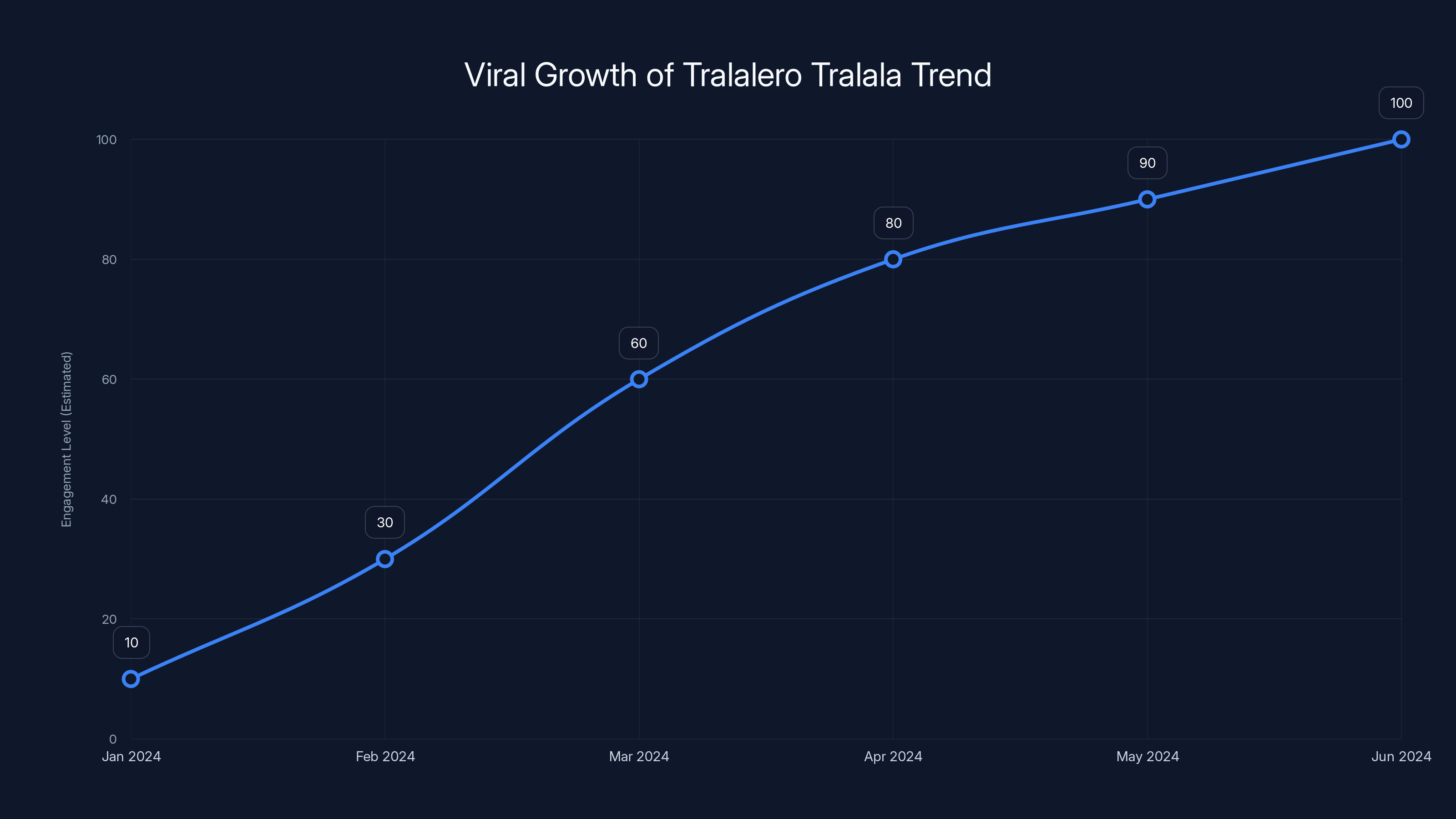
The Tralalero Tralala trend saw rapid growth from its inception in early 2024, driven by grassroots meme culture and algorithmic promotion. Estimated data.
How Parents Can Actually Engage Without Seeming Uncool
Here's the challenge: as a parent, you want to stay connected to your child's interests and what they're doing online. But you also don't want to be that parent who tries way too hard to be cool and ends up embarrassing your kid.
With Tralalero Tralala, this is especially tricky because the entire appeal of the trend is that it's weird, nonsensical, and belongs to kids' internet culture, not adult culture.
Here's the approach that actually works:
Ask genuine questions. "I keep hearing you say 'Tralalero Tralala.' What's that from?" This isn't you pretending you understand it. It's you showing interest in what they're interested in.
Let them explain it. Kids actually enjoy explaining things to adults who don't understand. It puts them in a position of knowledge and authority. Let your child be the expert. They probably know way more about this trend than you do, and they'll enjoy sharing that knowledge.
Find the humor in it without trying too hard. You might actually find it funny that a camel has a refrigerator for a torso. It's absurd. Absurdity can be genuinely amusing. You don't have to pretend to be obsessed with the trend, but you can acknowledge that it's funny in its own weird way.
Use it as connection, not surveillance. The goal isn't to monitor every piece of content they consume. The goal is to maintain a relationship where they feel comfortable sharing what they're interested in. If asking about Tralalero Tralala opens up conversations about what they're doing online, that's a win.
Recognize that their sense of humor is developing. Your kid's jokes might not make sense to you, but that doesn't mean they lack humor. They're learning to appreciate different types of comedy, wordplay, references, and absurdity. That's actually a sign of cognitive development.
Share your own weird interests. Maybe you don't get Tralalero Tralala, but you probably have some interest that your kid doesn't understand. Share why you find it interesting. This models mutual respect for different interests and helps your kid understand that it's normal for people to enjoy different things.
The Broader Picture: What This Trend Reveals About 2024 Internet Culture
Trallalero Tralala isn't important because it's a specific trend that will last forever. Honestly, six months from now, there will probably be a new chaotic meme trend that replaces it. That's how trends work.
But Tralalero Tralala is important because it reveals a lot about how internet culture works in 2024 and what kids are actually engaging with online.
First, it shows that authenticity and polish are less important than authenticity. The most viral content isn't always the most professionally made. Tralalero Tralala's appeal partly comes from the fact that it's not trying to be polished or perfect. It's deliberately rough and chaotic.
Second, it demonstrates that community participation matters more than passive consumption. Kids don't just watch Tralalero Tralala videos. They create their own content, develop lore, design characters, and participate in discussions. The trend is sustained by community engagement, not by a central creator or company pushing content.
Third, it shows that meme literacy is becoming a crucial skill. To understand Tralalero Tralala, you need to understand internet history, meme culture, meta-humor, and community inside jokes. Kids are developing these skills naturally by participating in online communities. It's a form of cultural literacy that didn't exist twenty years ago but is now necessary to navigate online spaces.
Fourth, it reveals how algorithms accelerate trends in ways that weren't possible before. Tralalero Tralala went from a niche TikTok creation to globally viral in weeks, entirely driven by algorithmic recommendation. That speed of spread is unprecedented and creates new challenges for parents trying to understand what their kids are watching.
Fifth, it demonstrates that kids still want to be part of communities and share inside jokes. In an age where everything is documented and monitored, having a trend that feels like it belongs to kids—that adults don't understand or control—is actually quite valuable to them. It creates a sense of ownership and belonging.
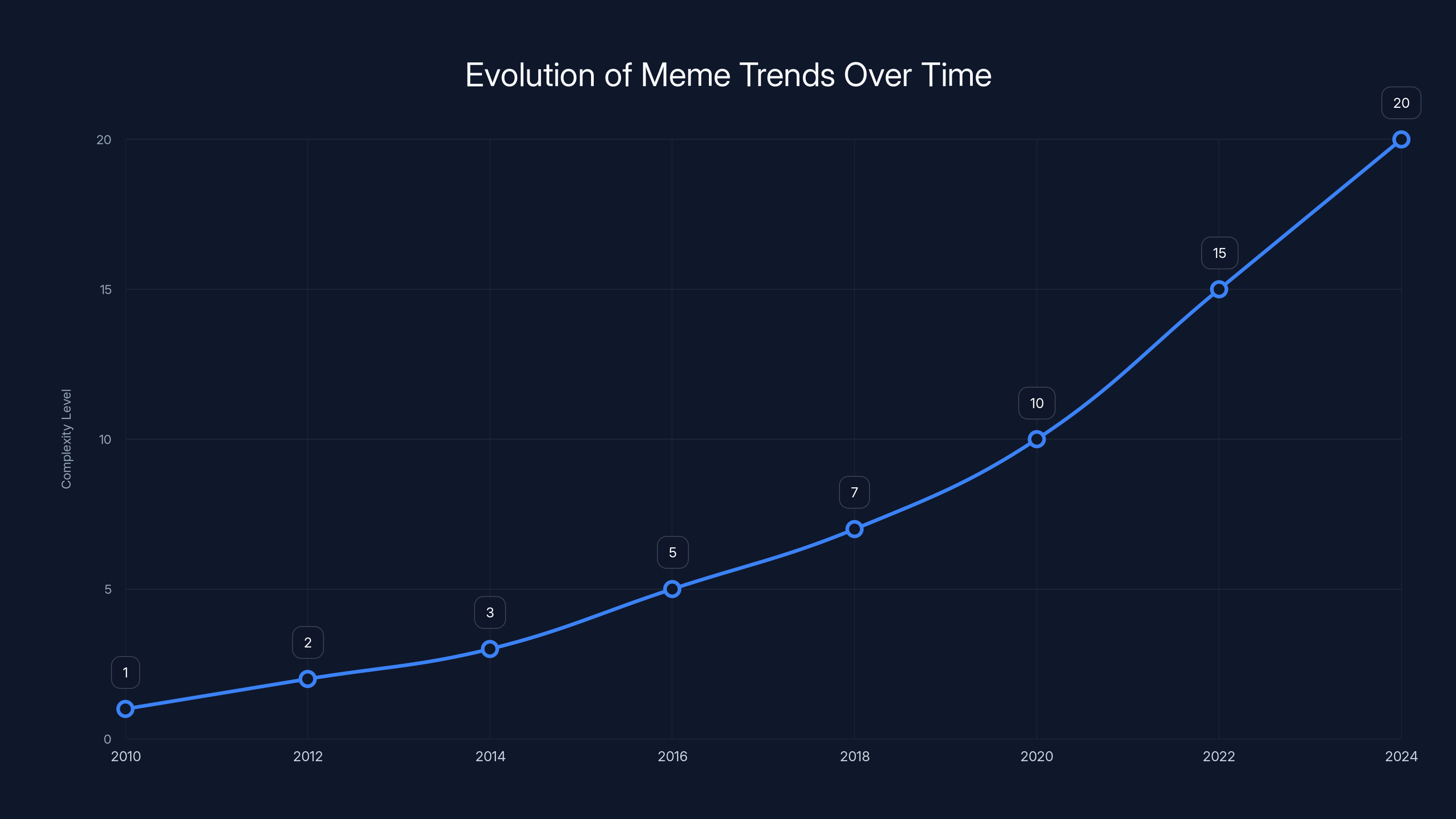
Meme trends have evolved significantly, becoming more complex and interconnected over time. Estimated data shows a trend towards increasing complexity from 2010 to 2024.
AI-Generated Content and What It Means for Kids' Media
One element worth discussing separately is that much of Tralalero Tralala's appeal might come from the fact that at least some of the character images appear to be AI-generated or use AI tools in their creation.
This is actually a significant shift in how content is created. Ten years ago, making professional-looking character designs required either artistic skill or money to hire artists. Today, anyone can use tools like DALL-E, Midjourney, or Stable Diffusion to generate character images in seconds.
This democratization of content creation is part of why trends spread so quickly now. If you have an idea for a weird character, you don't need to be an artist or animator to bring it to life. You can use AI to generate images and audio, slap together a quick video, and upload it. If it resonates, the algorithm amplifies it.
For kids, this means they can create content at scale. A kid who has an idea for a Tralalero Tralala character doesn't need advanced design skills. They can describe it and use an AI image generator to create it. This lowers barriers to entry and encourages participation.
But it also raises questions about media literacy and how kids understand the content they're consuming and creating. Is an AI-generated character as meaningful as one created by hand? Does it matter? What does it mean when kids can't distinguish between human-created and AI-created content?
These are larger questions that extend beyond Tralalero Tralala, but this trend is part of the conversation. As AI-generated content becomes more common, kids (and adults) will need to develop new skills for evaluating sources and understanding how content is created.
Comparing Tralalero Tralala to Other Viral Trends: Is This Normal?
If you're wondering whether Tralalero Tralala represents some kind of concerning shift in internet culture, it might help to understand how it fits into a longer history of viral trends.
Think back to earlier viral memes and trends. There was Ugandan Knuckles, where kids would make sounds and reference the character from Sonic. Adults thought it was weird. Kids found it hilarious. Then Doge emerged with deliberately broken English and random colors. Again, adults didn't understand the appeal. Then Silly Billy and Skibidi Toilet and countless others.
The pattern is consistent: chaotic, often nonsensical trends emerge from internet culture, kids embrace them because they're weird and don't make sense to adults, the trends spread rapidly through social media, and then they eventually die out when the next trend emerges.
Trallalero Tralala fits perfectly into this pattern. It's not fundamentally different from trends that have been emerging for the past decade. It's just the current version of the same phenomenon.
What has changed is the speed of spread and the scale of adoption. Trends reach kids faster now because of algorithmic amplification. They spread globally almost instantly instead of remaining regional or spread slowly through word of mouth. The intensity of adoption can be higher.
But the core phenomenon—kids embracing weird, nonsensical content that adults don't understand—is completely normal. It's been happening since the earliest days of internet culture.
In fact, you could argue that it's a healthy sign that kids are developing their own culture separate from adult control and supervision. Every generation needs its own culture—its own jokes, references, trends, and inside jokes that belong to them, not to their parents.
The Role of TikTok and YouTube Kids: Platform Impact
Trallalero Tralala wouldn't exist without the platforms that spread it. Understanding which platforms are primary for this trend helps explain how it works and reaches kids.
TikTok is the primary birthplace. The short-form video format, the powerful recommendation algorithm, and the community-driven nature of TikTok make it perfect for trends like this. A creator posts a 15-second video, the algorithm shows it to thousands of users, some engage with it, and the algorithm amplifies it further. Trends that catch on can reach millions in days.
What's crucial is that TikTok's algorithm is specifically designed to show users content they'll engage with, regardless of whether it's from accounts they follow. This means your kid doesn't need to follow Tralalero Tralala creators to end up seeing this content. The algorithm just decides to show it to them.
YouTube is the secondary platform where the trend gets expanded. YouTube creators make compilation videos, explanation videos, and elaborate fan content that accumulates millions of views. These longer-form videos give the trend staying power beyond the initial viral moment.
Instagram and other platforms get the trend eventually, but they're not the primary drivers.
What's important for parents to understand is that these algorithms aren't neutral. They're specifically designed to maximize engagement, which means they will push content that catches users' attention, regardless of the quality or appropriateness of that content. Chaotic, weird, nonsensical content actually performs very well algorithmically because it's surprising and generates engagement.
This is why parents can't simply "monitor" what their kids watch. Even if you set parental controls, the algorithm will still recommend content based on engagement patterns. Even if you limit screen time, the time your kid spends might be spent engaging with algorithmically-amplified content that you wouldn't have chosen for them.
This isn't unique to Tralalero Tralala or to kids' content. It's how these platforms work fundamentally. The algorithm isn't trying to educate kids or provide quality content. It's trying to keep them engaged so they spend more time on the platform.
What Should Parents Actually Do? Practical Strategies
Okay, you understand what Tralalero Tralala is now. You understand why it's viral. You understand the broader context. But what should you actually do as a parent?
Here are practical strategies that don't require you to become an expert in meme culture:
Strategy 1: Stay informed without obsessing. You don't need to memorize every character name or understand every joke. But it's worth checking in occasionally with what your kid is watching. Spend 15 minutes on TikTok or YouTube looking at trending content for kids. You don't need to do this daily, but monthly awareness helps you stay connected.
Strategy 2: Have media literacy conversations. Instead of saying "stop watching that nonsense," ask questions: "Why do you find this funny?" "How do you think the creator made this?" "Have you seen similar content before?" These conversations help develop critical thinking about media.
Strategy 3: Set boundaries around screen time, not content. Rather than trying to police which specific videos your kid watches (which is exhausting and often ineffective), focus on when and how much they're watching. Maybe no screens during meals, or a one-hour limit on weekdays. Time-based rules are easier to enforce than content-based rules.
Strategy 4: Create alternatives. If you're concerned about excessive screen time, offer other activities that appeal to your kid's interests. If they like creating content, maybe get them a decent camera or art supplies. If they like humor, go to a comedy show together or watch funny movies. The issue isn't usually the specific content—it's often that screens are the most easily accessible form of entertainment.
Strategy 5: Use it as connection. When your kid mentions Tralalero Tralala, instead of dismissing it, use it as an opportunity to connect. Ask them to show you videos they like. Watch together. React genuinely (even if just finding the absurdity amusing). This maintains your relationship and keeps you updated on their interests.
Strategy 6: Understand that you won't understand everything, and that's okay. Your kid might have interests and humor styles that don't resonate with you. That's normal and healthy. You don't need to like everything they like. You just need to respect that they're entitled to their own interests and culture.
Strategy 7: Watch for concerning patterns, not specific content. Specific videos or memes aren't usually the problem. Problems emerge when kids are isolating themselves, spending excessive time online, or being bullied or exposed to genuinely harmful content. Monitor for patterns and behaviors, not individual videos.
The Future of Viral Trends: What's Next?
One question that naturally follows is: how long will Tralalero Tralala last?
Honestly? Probably not much longer. Trends like this typically have a lifespan of three to six months before they become old news and the next trend emerges. In six months, your kid might be obsessed with something completely different that makes you equally confused.
But that's not a reason to stress. It's actually healthy. Kids cycling through trends keeps their interests dynamic. It exposes them to new aspects of internet culture. It keeps them connected to their peer communities.
What will likely replace Tralalero Tralala? Probably something equally chaotic and nonsensical. Internet culture in 2024 is trending toward more absurdist humor, more community-driven content creation, and more acceptance of content that doesn't need to make logical sense.
We're probably also going to see more AI-generated content integrated into viral trends. As AI image generation and audio synthesis become easier and more accessible, we'll see trends that combine human creativity with AI tools in new ways.
We might also see trends that emerge from gaming communities, Discord servers, or newer platforms that haven't yet become mainstream. TikTok has been the dominant platform for launching viral trends, but that could change. Every few years, a new platform emerges that becomes the center of youth internet culture.
The important thing for parents to recognize is that trend cycles are normal and accelerating. Kids will always have their own culture that doesn't make sense to their parents. That's not a problem to solve. It's part of growing up.
Real Talk: Why You Shouldn't Panic About This
Let's be direct: Tralalero Tralala, despite its weirdness, is not something to panic about.
It's not exposing kids to harmful content. It's not dangerous. It's not promoting bad behavior. It's not addictive in a psychological sense (though like all entertaining content, it can be overconsumed). It's just... weird.
Weird is okay. In fact, weird is probably healthy. Kids need space to explore nonsense, to develop their own humor, to find communities based on shared inside jokes that adults don't understand.
The real concerns with kids' online experiences aren't usually about specific memes or trends. They're about:
- Excessive screen time that displaces physical activity, sleep, and in-person social interaction
- Bullying or harassment in online communities
- Exposure to genuinely harmful content like violence, sexual content, or hate speech
- Parasocial relationships with creators or influencers that become unhealthy
- Privacy concerns and data collection by platforms
- Algorithm-driven content that creates filter bubbles or promotes harmful behaviors
Trallalero Tralala doesn't check any of these boxes. It's just a chaotic, nonsensical meme trend that kids find funny.
So instead of worrying about whether your kid should be watching this, focus on the bigger picture. Are they getting enough sleep? Are they spending time with friends in person? Are they engaging in physical activity? Are they exposed to genuinely harmful content? Are they being bullied?
If the answers to those questions are good, then Tralalero Tralala is fine. Let them enjoy their weird memes.

Teaching Kids About Digital Literacy in the Age of Viral Trends
One positive thing that comes out of kids' engagement with trends like Tralalero Tralala is that it creates opportunities to teach digital literacy.
Digital literacy in 2024 isn't just about knowing how to use technology. It's about understanding:
- How algorithms work and why platforms show them certain content
- How to evaluate sources and understand if content is credible, satire, or just for fun
- How to recognize manipulation in advertising, influencer culture, and persuasive content
- How to participate in online communities respectfully and safely
- How to create and share content responsibly
- How to maintain privacy and protect personal information
Trallalero Tralala can be a teaching moment for all of these things. When your kid is obsessed with the trend, you can ask:
"Why do you think this content gets recommended to you so much?" (Understanding algorithms) "Do you think this content is meant to be taken seriously?" (Understanding satire and intent) "Why do you think so many kids are interested in this?" (Understanding community and trends) "Have you ever created your own Tralalero Tralala content?" (Understanding content creation) "How would you feel if this content was about you?" (Understanding empathy and digital citizenship)
These conversations don't require you to understand Tralalero Tralala. They just require you to use the trend as a starting point for broader conversations about how internet culture works.
Final Thoughts: Parenting in the Age of Rapid Trends
Here's the reality of parenting in 2024 versus parenting twenty years ago: you will never fully understand all the trends your kids engage with. That's not a failure on your part. It's just the nature of how fast culture moves now.
Your parents might not have understood MTV or music videos when those were new. You might not have understood TikTok when it first became popular. Your kids will probably not understand the next wave of digital culture that emerges in five years.
That's okay. You don't need to be an expert in every trend. You just need to maintain a relationship with your kids where they feel comfortable sharing what they're interested in, where they know you respect their interests even if you don't fully understand them, and where you can have conversations about digital safety and media literacy.
Trallalero Tralala, for all its chaos and nonsense, represents something important: your kids are engaged with internet culture, they're part of communities, they're developing their own sense of humor and culture separate from adult influence. These are healthy signs of development, not warning signs that something is wrong.
So when your kid is chanting "Tralalero tralala, ballerina cappuccina, brr brr patapim," resist the urge to make them explain the logic. Instead, just laugh with them. Maybe even ask them to teach you the names of their favorite characters. Acknowledge that it's weird and funny in its own special way.
Because that moment of connection—when you're willing to enter their world instead of dismissing it—is worth more than understanding every reference or memorizing every character name.
The internet is weird. Meme culture is chaotic. Kids are growing up in a digital landscape that's completely different from the one we grew up in. But they're still kids. They still want to belong, to share jokes with their friends, to have their interests respected, and to feel connected to their parents.
Trallalero Tralala is just this generation's version of the weird, nonsensical stuff that every generation has embraced.
And honestly? That's kind of beautiful.
FAQ
What exactly is Tralalero Tralala?
Trallalero Tralala is a viral TikTok meme trend featuring AI-generated or digitally created characters with absurd names and ridiculous mashup bodies, like a three-legged shark wearing Nike sneakers. The trend exploded in 2024 and is characterized by nonsensical audio, chaotic visuals, and deliberately illogical character designs that make no sense—which is the entire point of the humor.
Why do kids find Tralalero Tralala funny if it makes no sense?
Kids find Tralalero Tralala funny precisely because it makes no sense. Brainrot humor operates on absurdity rather than traditional setup-punchline comedy. The chaotic, illogical nature appeals to kids because it's deliberately wrong, celebrates weirdness, creates a sense of community through shared inside jokes, and offers a break from the constantly polished, educational content they're usually exposed to.
Is Tralalero Tralala safe for kids to watch?
Yes, Tralalero Tralala is generally safe. The content contains no violence, explicit language, sexual content, or genuinely harmful material. The main considerations are typical screen time concerns (making sure it doesn't displace sleep, physical activity, or in-person social interaction) and maintaining awareness of what your child is watching online, rather than specific concerns about this particular trend.
How did Tralalero Tralala become so viral so quickly?
Trallalero Tralala spread through a combination of TikTok's powerful recommendation algorithm, which amplifies engaging content regardless of follower counts, community participation where creators expanded the trend with new characters and elaborate lore, and subsequent YouTube compilation videos that introduced the trend to kids outside of TikTok. The trend went from niche to global viral in weeks due to algorithmic acceleration.
What are some of the character names in Tralalero Tralala?
Some main characters include Ballerina Cappuccina (a ballerina with a cappuccino cup for a head), Brr Brr Patapim (a baboon-tree hybrid), Tung Tung Tung Sahur (a wooden log with a baseball bat), Boneca Ambalabu (a frog inside a tire), Frigo Camelo (a camel with a refrigerator torso), and Cappuccino Assassino (an ominous cappuccino). The community continues creating new characters regularly.
What should I do if my child is obsessed with Tralalero Tralala?
Instead of dismissing the interest, use it as an opportunity to stay connected. Ask genuine questions about why they find it funny, watch videos together occasionally, and acknowledge that their humor and interests are valid even if you don't fully understand them. Focus on broader digital literacy conversations rather than policing specific content, and monitor for concerning patterns (excessive screen time, isolation, bullying) rather than worrying about the specific meme itself.
Is Tralalero Tralala part of a concerning trend in internet culture?
No, Tralalero Tralala is part of a normal, generational pattern of kids embracing chaotic, nonsensical memes that adults don't understand. Similar trends have emerged throughout the history of internet culture (Ugandan Knuckles, Doge, Skibidi Toilet, etc.). It's a healthy sign that kids are developing their own culture separate from adult control and represents normal childhood development in a digital age.
How long will the Tralalero Tralala trend last?
Viiral meme trends like Tralalero Tralala typically have a lifespan of three to six months before becoming "old news" and being replaced by the next trend. This is normal and healthy—kids cycling through trends keeps their interests dynamic and exposes them to different aspects of internet culture and communities.
What is "Italian brainrot" and why is Tralalero Tralala called that?
"Italian brainrot" is a category of chaotic meme trends characterized by nonsensical names that sound vaguely Italian, ridiculous creature designs, and deliberately absurd content. It's not offensive to Italian culture—it's an inside joke within meme communities. The "brainrot" part refers to the idea that this content is so absurd it supposedly "rots your brain," a phrase used self-consciously by communities who create and share this type of content.
Should I try to explain Tralalero Tralala to my child or let them enjoy it independently?
Neither approach is necessary. Instead, ask your child to explain it to you. Kids enjoy sharing their knowledge and being the "expert." This approach maintains connection, helps you stay informed about their interests, and validates their engagement without requiring you to become fluent in meme culture. Simple acknowledgment that it's funny or weird is sufficient.
Conclusion: Embracing Your Child's Digital Culture
Trallalero Tralala might seem like absolute nonsense to you. And honestly? It kind of is. But that's the entire point, and that's why kids love it.
We grew up in a world where parents controlled much of what we watched and listened to. We had parental controls on TV, limits on which channels we could access, and a relatively small ecosystem of media to choose from. Your kids exist in a completely different world. They have access to basically unlimited content from around the globe. They can participate in communities with millions of people. They can create and share their own content instantly. The media landscape is incomprehensibly vast compared to what we experienced growing up.
In that context, having little pockets of culture that are just theirs—trends that don't make sense to adults, inside jokes that belong to their peer community, memes that celebrate chaos and weirdness—is actually really valuable. It gives them space to develop their own identity, to belong to communities based on shared interests, and to have aspects of their lives that aren't curated by adults or algorithms (even though algorithms play a role in how trends spread).
So yes, your kid might spend the next few months chanting "Tralalero tralala, ballerina cappuccina" while doing a silly dance. It might drive you absolutely crazy. You might not understand why a wooden log with a baseball bat is hilarious.
But that's okay. You don't need to understand it. You just need to respect it, engage with curiosity rather than dismissal, and maintain the connection with your child that allows them to share their interests with you without fear of judgment.
Because one day, this trend will be forgotten. Tralalero Tralala will be replaced by the next chaotic meme that makes no sense. But the memory of your child explaining their weird interests to you, laughing at their jokes, and respecting their culture even when you didn't fully understand it? That will matter far more than any specific trend ever could.
The world is moving fast. Internet culture moves even faster. But parenting—the actual work of maintaining connection with your kids and respecting who they are—remains the same. Do that well, and you'll navigate whatever weird trends come next.
Now, if you'll excuse me, I think I hear a two-year-old somewhere chanting something about "Chipi Chipi Chapa." The cycle continues.
Key Takeaways
- Tralalero Tralala is a chaotic AI-generated meme trend featuring nonsensical characters and deliberately illogical designs that appeal to kids because they make no sense
- The trend exploded through TikTok's algorithm and community participation, spreading globally in weeks—demonstrating how modern viral content works at scale
- Kids find value in chaotic internet culture because it creates community, inside jokes, and cultural ownership separate from adult control
- The trend is generally harmless (no violence or inappropriate content), but represents broader concerns about unfiltered algorithmic content reaching children quickly
- Parents should focus on maintaining connection with kids' interests rather than policing specific memes, using trends as entry points for digital literacy conversations
Related Articles
- 100+ Painting Ideas to Break Through Artist's Block [2025]
- Challenge 40 Battle of Eras Finale: 10 Key Takeaways [2025]
- How Companies Know Your Credit Cards: Data Privacy Explained [2025]
- Mackenzie Scott's $7.1B Donation & Bezos Legal Battle [2025]
- 5 Life Lessons from Itachi Uchiha That Actually Work [2025]
- The $60 Supplement Myth: Why 'Natural' Isn't Always Better [2025]


