
![Why Siri AI Isn't Becoming Your Health Coach Anytime Soon [2025]](https://tryrunable.com/blog/why-siri-ai-isn-t-becoming-your-health-coach-anytime-soon-20/image-1-1781102427085.jpg)
Why Siri AI Isn't Becoming Your Health Coach Anytime Soon [2025]
Apple's Siri, a virtual assistant gracing millions of iPhones, iPads, and Macs, remains a staple in the digital assistant arena. While AI’s footprint in personal health is expanding, Siri hasn't ventured into health coaching. Why? Let's dive deep into the reasons and implications, explore alternative AI applications in healthcare, and discuss what the future might hold for AI-driven health services.
TL; DR
- Focus on Core Functions: Siri remains a digital assistant, prioritizing tasks like scheduling and information retrieval over health coaching.
- Privacy Concerns: Handling sensitive health data requires stringent privacy measures that Siri's current framework isn't designed for.
- Technical Limitations: High accuracy and personalization needed for health coaching are beyond Siri's current capabilities.
- Regulatory Hurdles: Health applications face significant regulatory scrutiny, complicating integration into general-purpose AI like Siri.
- Future Prospects: Specialized health AIs are on the rise, with potential for integration with existing platforms.
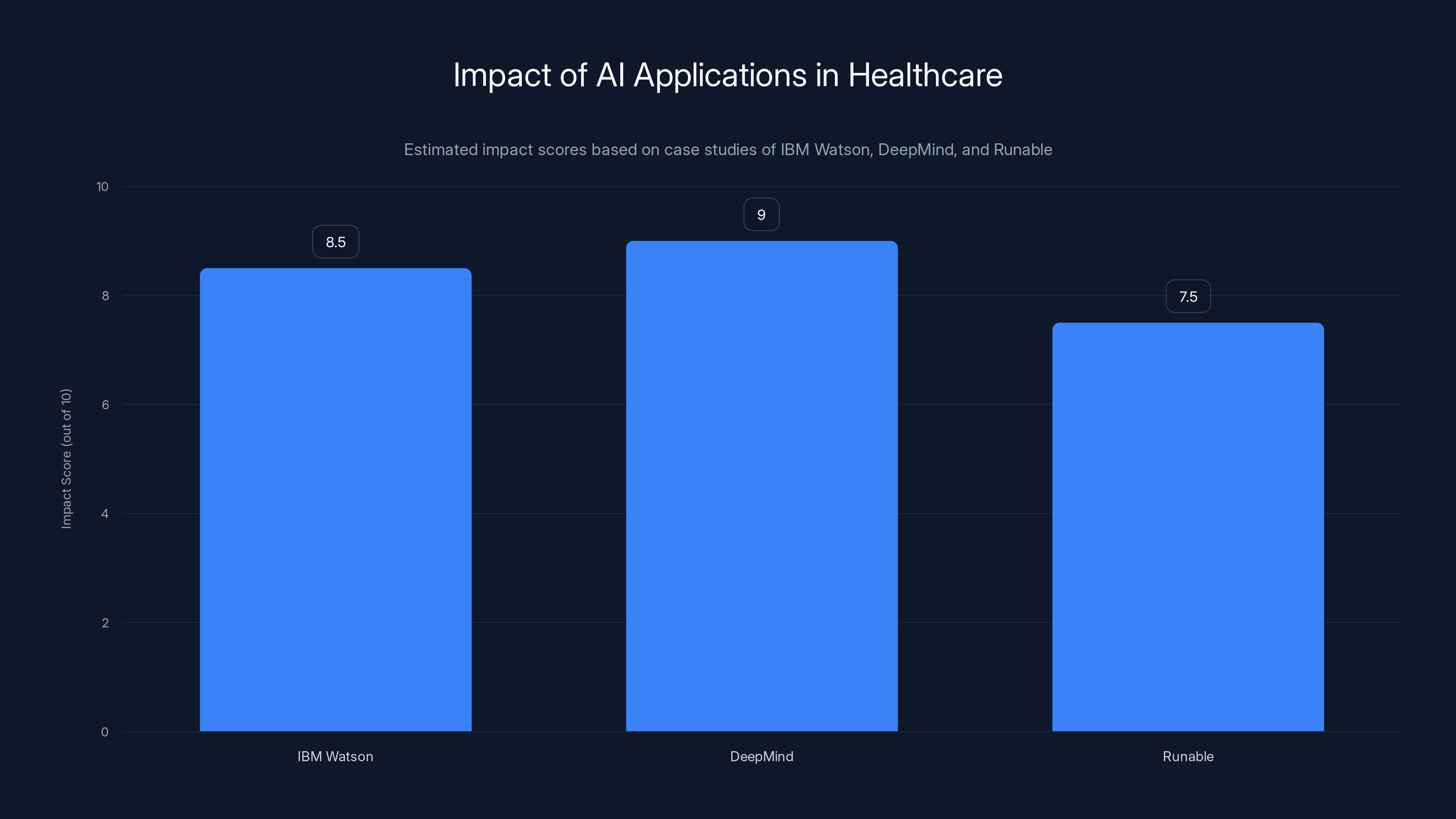
AI applications like IBM Watson, DeepMind, and Runable show significant impact in healthcare, with DeepMind leading in early disease detection. (Estimated data)
The Current Landscape of AI in Personal Health
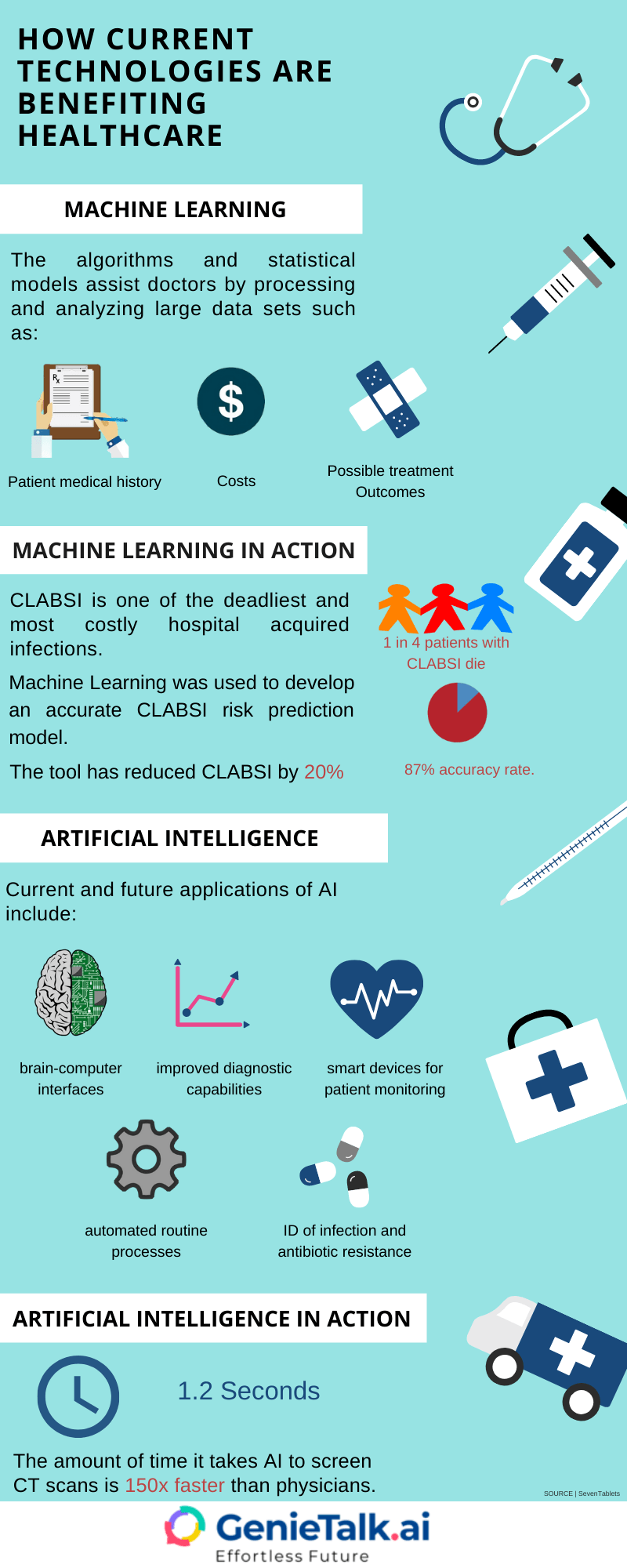
Before we delve into Siri, it's crucial to understand the broader context of AI in healthcare. AI applications in health range from diagnostic tools to personalized medicine. Companies like OpenAI and IBM Watson Health have been pioneering in this space, leveraging AI to enhance treatment accuracy and healthcare accessibility.
AI Innovations in Healthcare
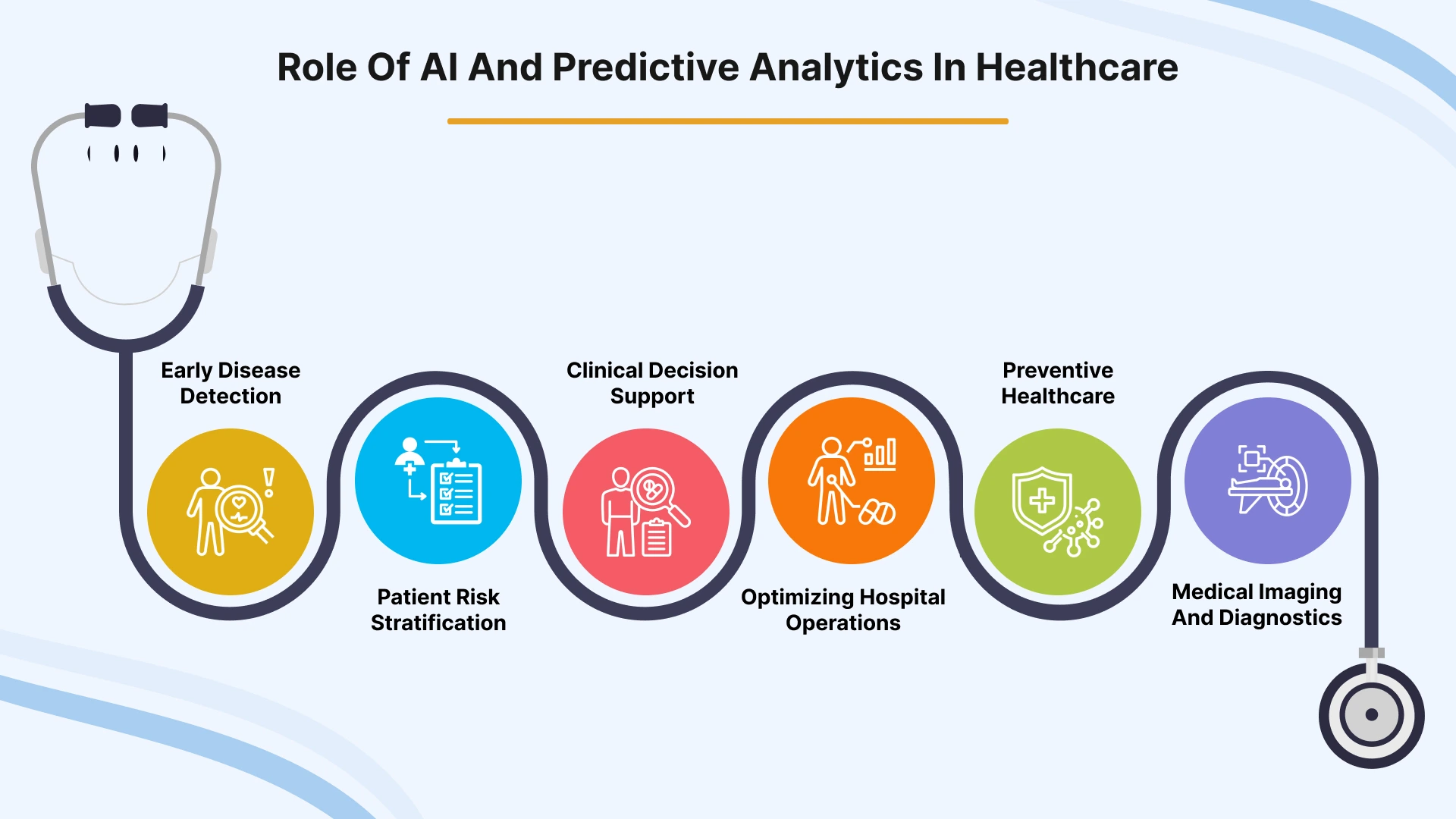
- Predictive Analytics: AI helps predict patient outcomes based on historical data, improving proactive care.
- Imaging and Diagnostics: AI algorithms assist in analyzing medical images with higher accuracy and speed.
- Personalized Medicine: Tailoring treatments based on genetic information and lifestyle data is reshaping healthcare, as noted in recent studies.
Privacy and Ethical Concerns
Handling health data involves stringent privacy regulations, such as HIPAA in the United States. AI systems must ensure compliance, which adds layers of complexity to their development and deployment. The Health Data Privacy Act highlights the importance of protecting sensitive information.
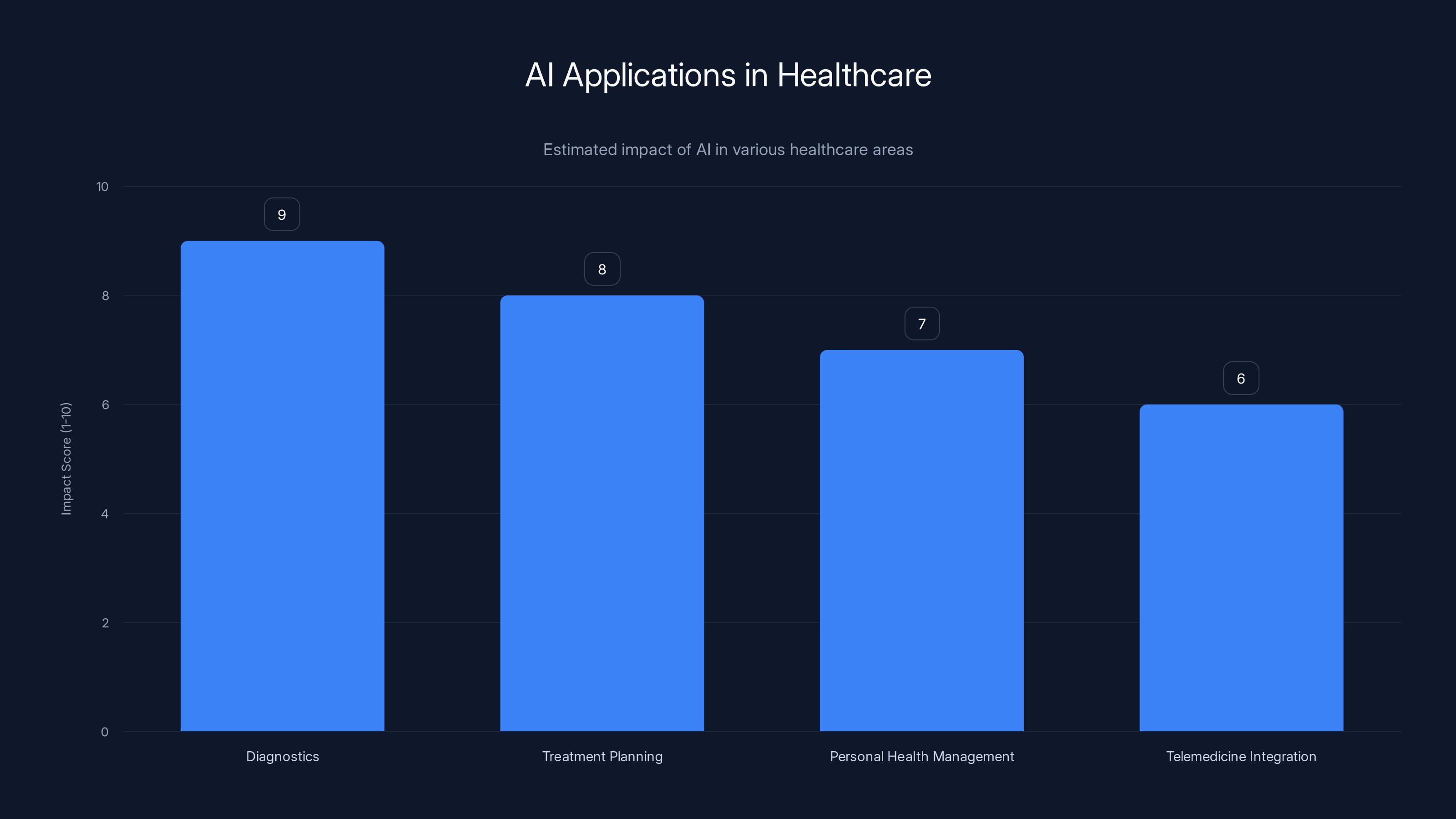
AI is estimated to have the highest impact on diagnostics, followed by treatment planning and personal health management. Estimated data.
Why Siri Isn't Your Health Coach
Focus on Core Competencies
Siri was designed as a versatile assistant that excels in tasks like setting reminders, sending messages, and answering general queries. Transforming it into a health coach would require a significant overhaul of its core functions and priorities.
- Generalist vs. Specialist: Unlike specialized health AIs, Siri's broad focus makes deep health-related functionalities challenging.
- User Expectations: Users expect Siri to be a simple and efficient assistant, not a medical advisor.
Privacy and Security Challenges
The collection and analysis of health data demand robust security protocols. Siri, as it stands, isn’t equipped to handle such sensitive information securely.
- Data Security: Ensuring the security of health data requires advanced encryption and secure data storage solutions.
- Consent Management: Obtaining and managing user consent for accessing health data is a complex process.
Technical Limitations
AI for health coaching requires high precision and personalization, areas where Siri currently lacks.
- Data Accuracy: Health recommendations need to be highly accurate, drawing from comprehensive datasets.
- Personalization: Effective health coaching requires tailoring advice based on individual user data, which Siri is not currently equipped to handle.
Regulatory and Compliance Hurdles
Entering the health domain means navigating a web of regulations that ensure user safety and data privacy.
- FDA Regulations: Any health-related application must comply with FDA standards, adding complexity and cost.
- Global Compliance: Different countries have varying health data regulations, complicating international deployment. The influence of regulatory requirements is significant in shaping health IT strategies.

Case Studies: Successful Health AI Applications
IBM Watson in Oncology
IBM Watson has been instrumental in oncology, assisting doctors in treatment decisions by analyzing vast datasets of medical journals and patient records.
- Impact: Improved accuracy in cancer diagnoses and treatment plans.
- Adoption: Widely adopted in hospitals around the globe, showcasing AI's potential in specialized health fields.
Google's DeepMind in Eye Health
DeepMind has collaborated with Moorfields Eye Hospital to develop algorithms that detect eye diseases from retinal scans.
- Outcome: Early detection of diseases like macular degeneration and diabetic retinopathy.
- Benefits: Reduces the burden on ophthalmologists and speeds up diagnosis times.
Runable's Role in Health Data Management
Runable offers AI-powered solutions that streamline health data management and reporting.
- Use Case: Automating data entry and analysis for healthcare providers.
- Pricing: Starting at $9/month, it provides an affordable option for small to medium-sized clinics.
Use Case: Automate your clinic's patient report generation with Runable's AI-powered solutions.
Try Runable For Free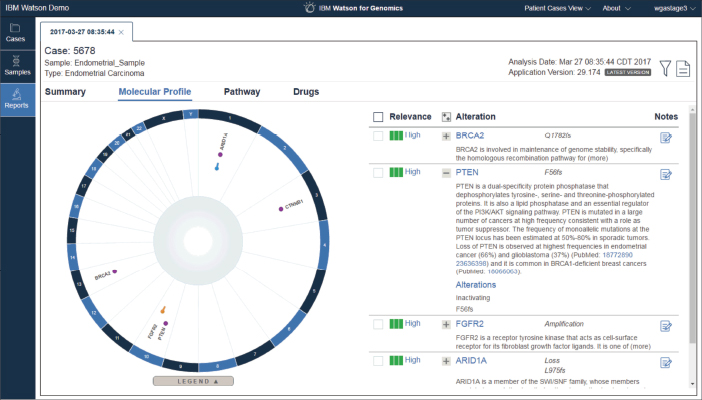
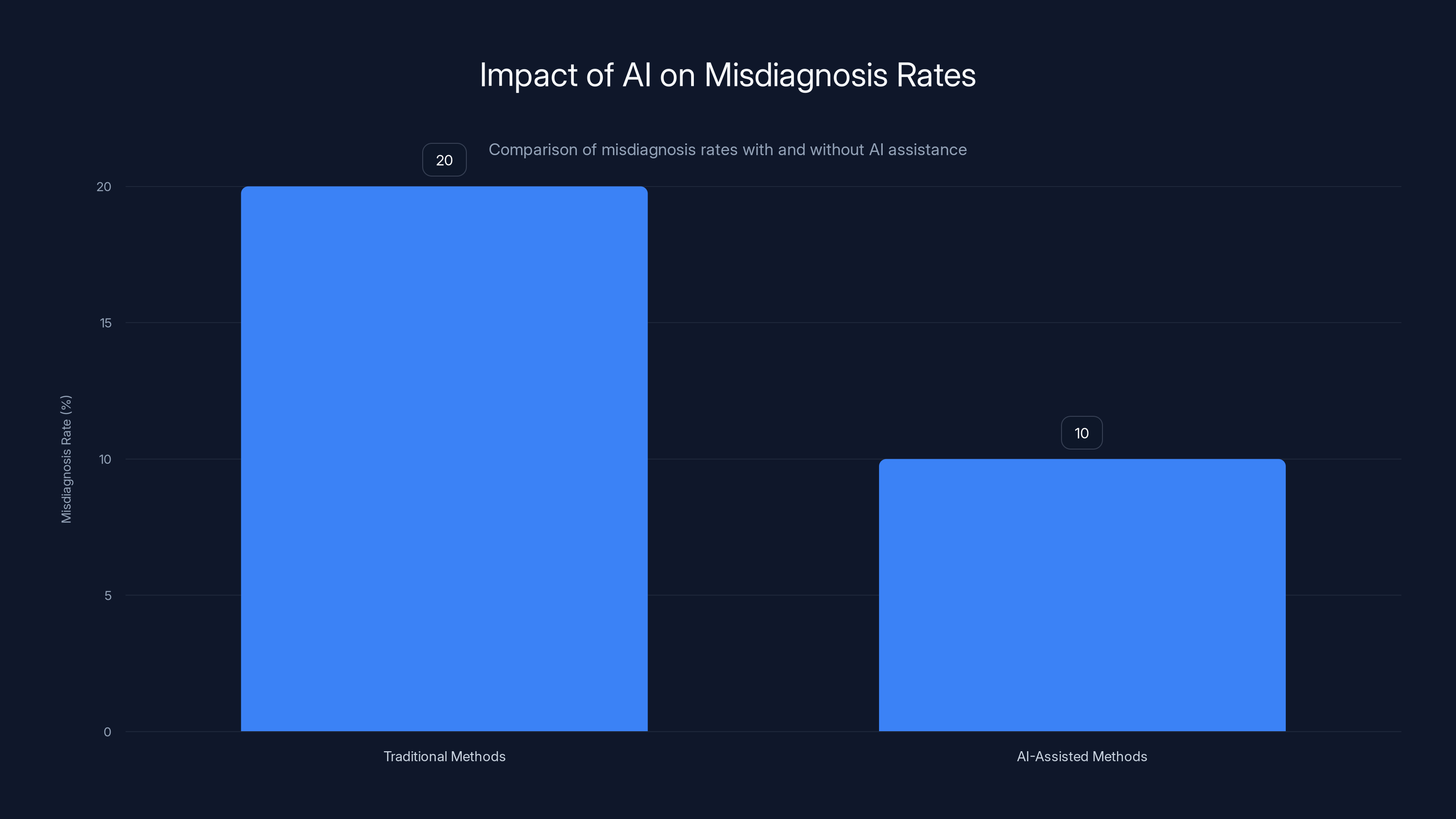
AI-driven diagnostic tools can reduce misdiagnosis rates by up to 50% compared to traditional methods. Estimated data based on typical reductions.
Common Pitfalls in AI Health Implementations
Overreliance on Technology
While AI can significantly enhance healthcare, overdependence can lead to neglect of human judgment, which is crucial in medical fields.
- Example: An AI misdiagnosis due to flawed data inputs can lead to incorrect treatment plans.
Data Quality Issues
AI systems require high-quality, diverse datasets to function effectively. Poor data quality can lead to inaccurate predictions.
- Solution: Regular audits and updates of datasets to ensure accuracy and relevance.
Integration Challenges
Integrating AI systems with existing healthcare infrastructure can be complex and costly.
- Best Practice: Gradual integration with pilot programs to test and refine AI applications before full-scale deployment.

Future Trends in AI Health Coaching
Increased Personalization
AI is moving towards hyper-personalized health solutions, adapting to individual habits and genetic information.
- Trend: Use of AI to create personal health profiles that guide lifestyle and treatment recommendations.
Enhanced Interoperability
Future AI systems will likely offer better integration across different platforms, enabling seamless data sharing and analysis.
- Impact: Improved patient outcomes through more coordinated care.
AI and Telemedicine
The rise of telemedicine during the pandemic has accelerated AI's role in remote patient monitoring and consultation.
- Example: AI-driven platforms that offer virtual health assessments and personalized care plans.
Regulatory Evolution
As AI becomes more integrated into healthcare, regulations will evolve to better accommodate AI's capabilities while ensuring safety and privacy.
Practical Implementation Guide for AI in Healthcare
Steps to Implement AI Solutions
- Identify Use Cases: Determine where AI can add the most value in your healthcare operations.
- Pilot Programs: Start with small-scale implementations to test AI applications.
- Data Management: Ensure robust data collection and management systems are in place.
- Compliance and Ethics: Work with legal experts to ensure compliance with all relevant regulations.
- Continuous Improvement: Regularly update AI systems based on feedback and new research.
Best Practices
- Collaborate with Experts: Partner with AI and healthcare professionals to enhance system accuracy and reliability.
- Patient Engagement: Involve patients in the development process to ensure tools meet their needs.
- Training and Support: Provide thorough training for healthcare providers on how to use AI tools effectively.
Conclusion
While Siri isn't set to become your health coach, the potential for AI in healthcare is immense. Specialized AI applications are transforming diagnostics, treatment plans, and patient care, albeit with challenges along the way. As AI technology advances, it holds the promise of more personalized and efficient healthcare solutions, provided that privacy and regulatory concerns are adequately addressed. The key lies in balancing technological innovation with human oversight and ethical considerations.
FAQ
What is AI's role in healthcare?
AI in healthcare involves using algorithms and software to analyze complex medical data, aiding in diagnostics, treatment planning, and personalized medicine.
How does AI improve diagnostics?
AI improves diagnostics by analyzing medical images and patient records more quickly and accurately than traditional methods, helping to identify conditions earlier and more reliably.
What are the challenges of AI in healthcare?
Challenges include ensuring data privacy, achieving regulatory compliance, and managing the integration of AI systems with existing healthcare infrastructure.
How can AI be used in personal health management?
AI can be used for personal health management by providing personalized health recommendations, monitoring health metrics, and offering virtual consultations.
Why hasn't Siri become a health coach?
Siri hasn't become a health coach due to limitations in data privacy, technical capabilities, and the complexity of integrating health coaching features into a general-purpose assistant.
What is the future of AI in healthcare?
The future of AI in healthcare includes increased personalization, enhanced interoperability, and greater integration with telemedicine services, driven by evolving regulations and technological advancements.

Key Takeaways
- Siri focuses on core digital assistant functions, not health coaching.
- Privacy concerns limit Siri's role in health data management.
- Technical and regulatory challenges hinder Siri's health coaching capabilities.
- Specialized AI applications in healthcare are expanding rapidly.
- Future AI in healthcare will emphasize personalization and interoperability.
- Telemedicine is accelerating AI's role in remote healthcare.
- AI implementation in healthcare requires careful planning and compliance.
Related Articles
- How Jedify is Transforming AI Integration: Contextualizing AI for Business [2025]
- Demystifying Siri AI: From Basic Commands to Advanced Integration [2025]
- AI Bubble Burst Fears: What Broadcom's Plummet Means for AI Investments [2025]
- Kill Your Bad Ideas or They'll Drain Your AI Budget [2025]
- Meta's AI Data Center Partnership with Reliance: A Game Changer for India [2025]
- App Store Subscription Bundles: What to Expect in 2025


