
![AI Investment Strategies: Maximizing ROI in 2025 [2025]](https://tryrunable.com/blog/ai-investment-strategies-maximizing-roi-in-2025-2025/image-1-1781113057666.jpg)
AI Investment Strategies: Maximizing ROI in 2025
The rapid evolution of artificial intelligence (AI) technology has reshaped the business landscape, challenging companies to rethink their investments. Recently, a spotlight was cast on ‘AI-pilled’ firms—those deeply committed to AI adoption—spending a staggering $7,500 per employee each month on AI expenses. This raises a critical question: How can businesses strategically invest in AI to maximize ROI?
TL; DR
- $7,500 Per Employee: Leading firms are heavily investing in AI per employee monthly.
- Strategic Allocation: Companies must balance AI spending with human resource costs.
- Best Practices: Implement phased AI investments to optimize efficiency.
- Common Pitfalls: Avoid over-reliance on AI without human oversight.
- Future Trends: Expect increased integration of AI in business operations by 2025.
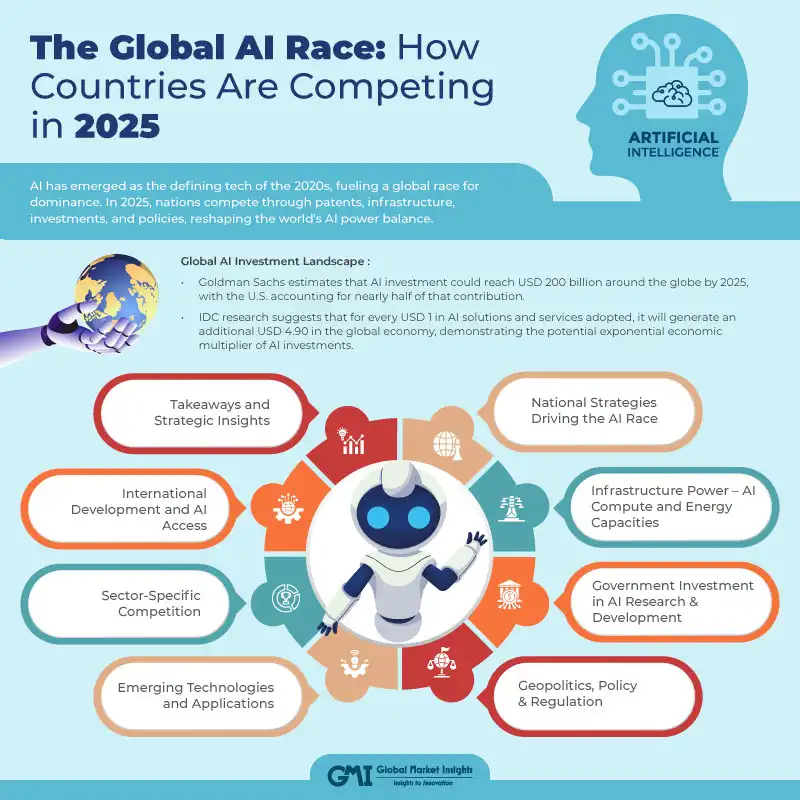
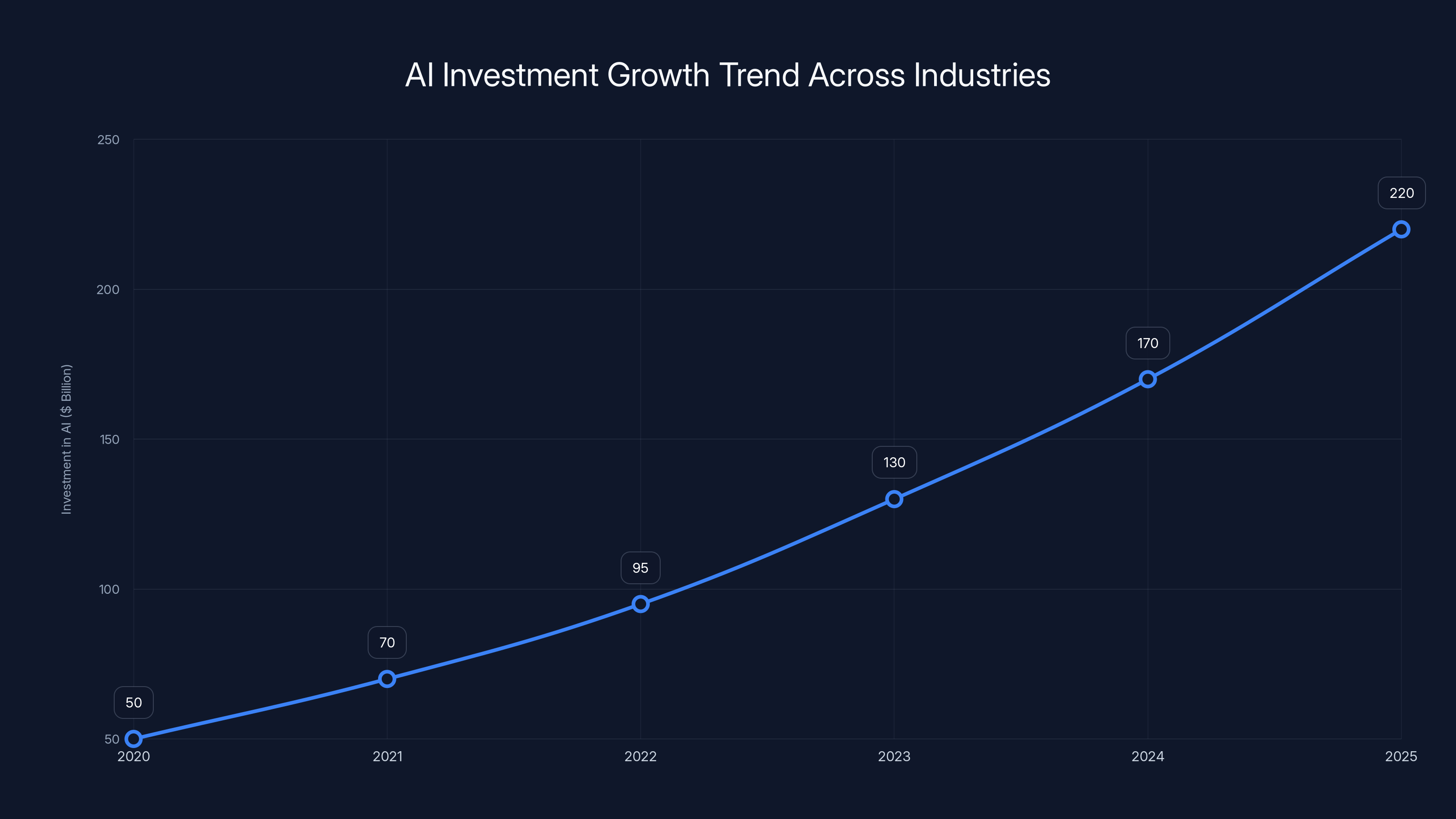
AI investments are projected to significantly increase from
Understanding AI Investment: A New Business Paradigm
In the digital age, AI is no longer just a futuristic concept. It's a present-day reality that businesses must navigate. The investment in AI reflects more than just a financial commitment; it's an investment in a company’s future competitive edge. But how does one balance AI expenditure with traditional expenses like salaries?
The Financial Landscape of AI Adoption
Companies are allocating significant portions of their budgets to AI. An Nvidia executive highlighted that compute costs are now surpassing employee salaries. This shift signifies a paradigm change where AI is not just a tool but a strategic asset.
Implementing AI: A Strategic Approach
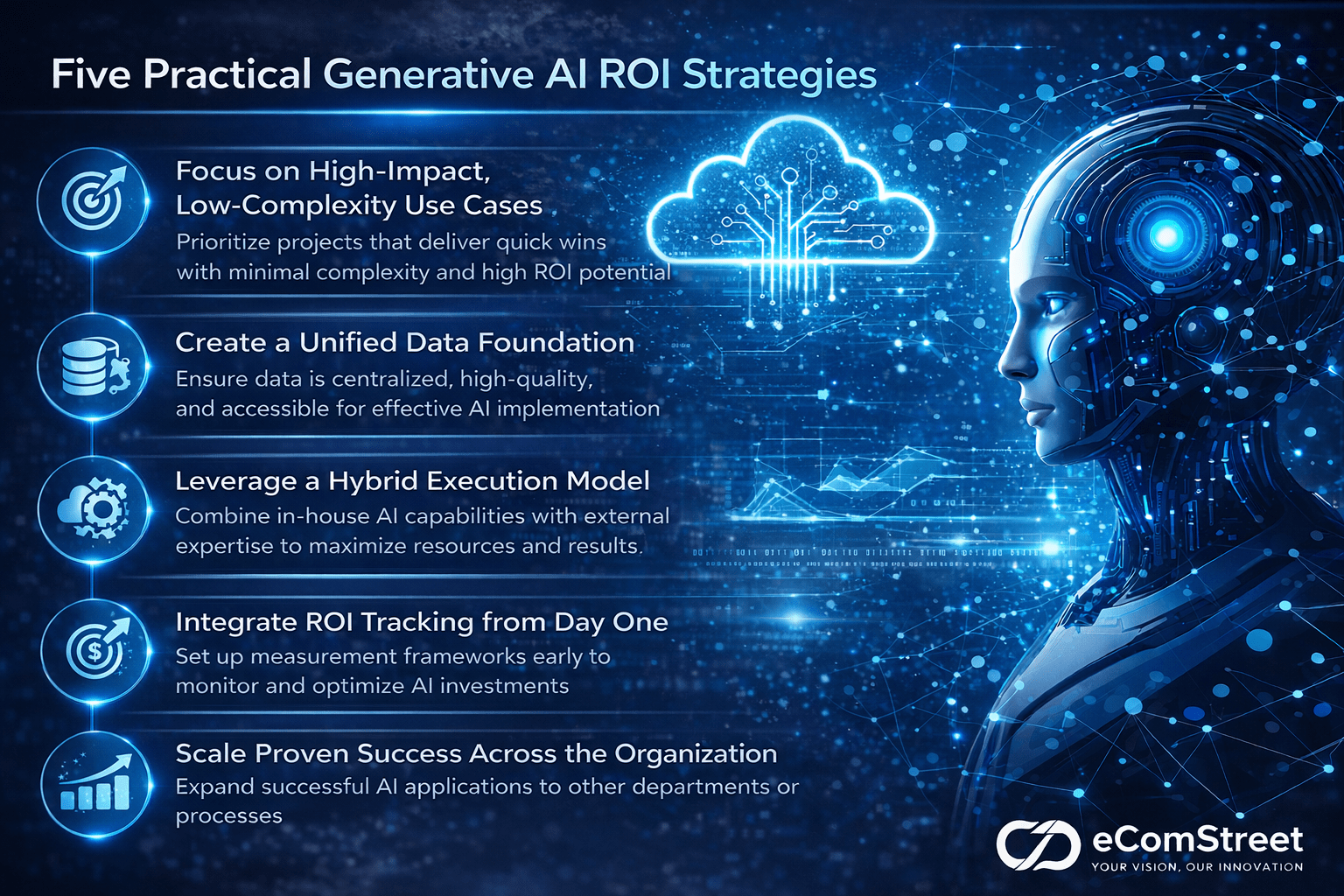
- Phased Rollout: Start with a pilot project to assess AI's impact before full-scale deployment.
- Targeted Investment: Focus on areas with the highest potential for AI-driven improvements, such as customer service and data analytics.
- Continuous Evaluation: Regularly review the AI’s performance and adjust strategies accordingly.
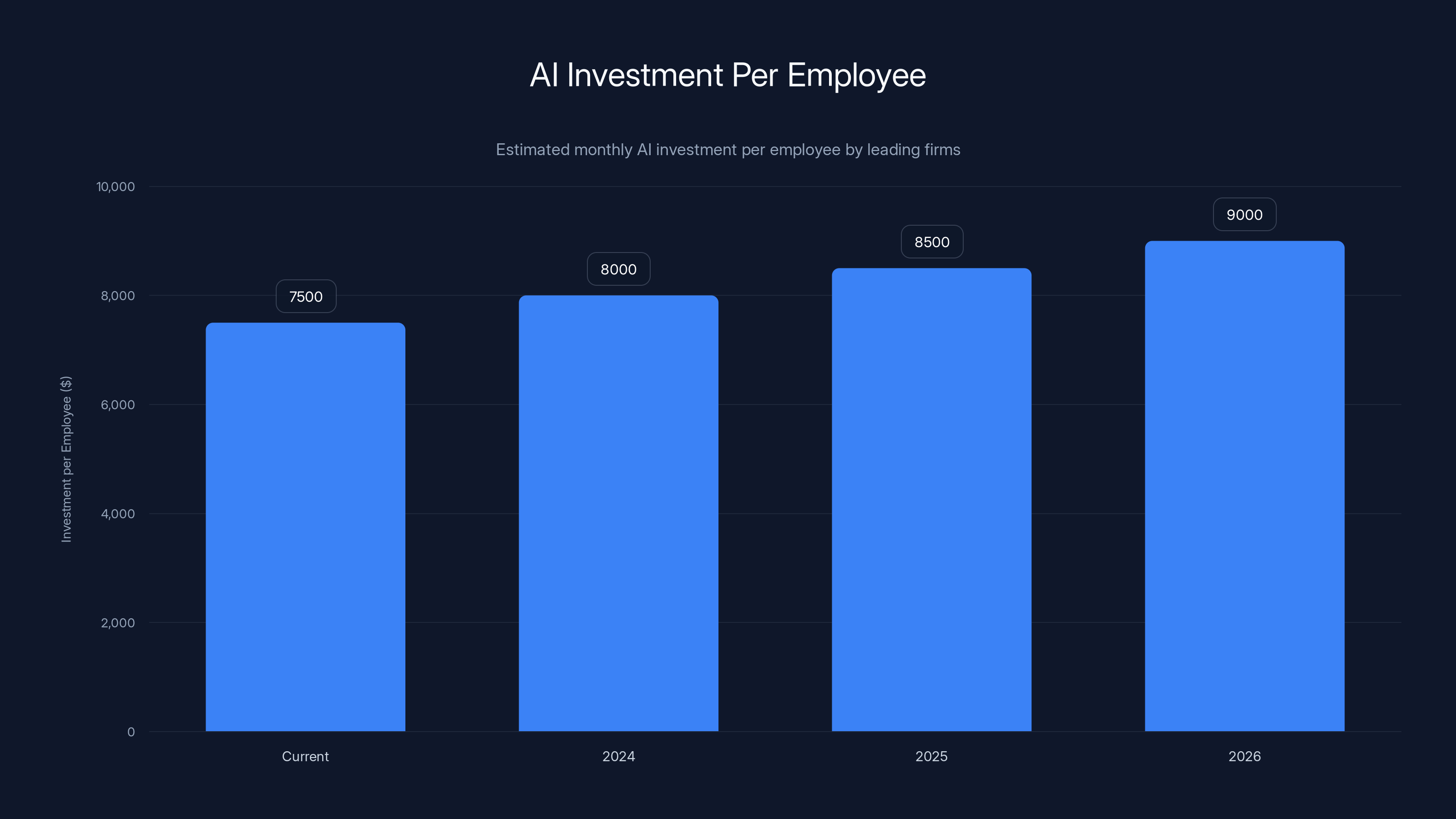
Leading firms are projected to increase AI investment per employee from
Practical Implementation Guides
Step 1: Identify High-Impact Areas
Before diving into AI investments, identify which areas of your business will benefit most. Common sectors include:
- Customer Experience: AI can personalize customer interactions, leading to higher satisfaction rates.
- Supply Chain Management: AI optimizes logistics, reducing costs and improving delivery times.
Step 2: Develop a Scalable AI Architecture
Designing a scalable architecture is crucial for sustainable AI integration. Consider:
- Cloud-Based Solutions: These offer flexibility and scalability to meet varying demands, as demonstrated by ExxonMobil's cloud cost reduction.
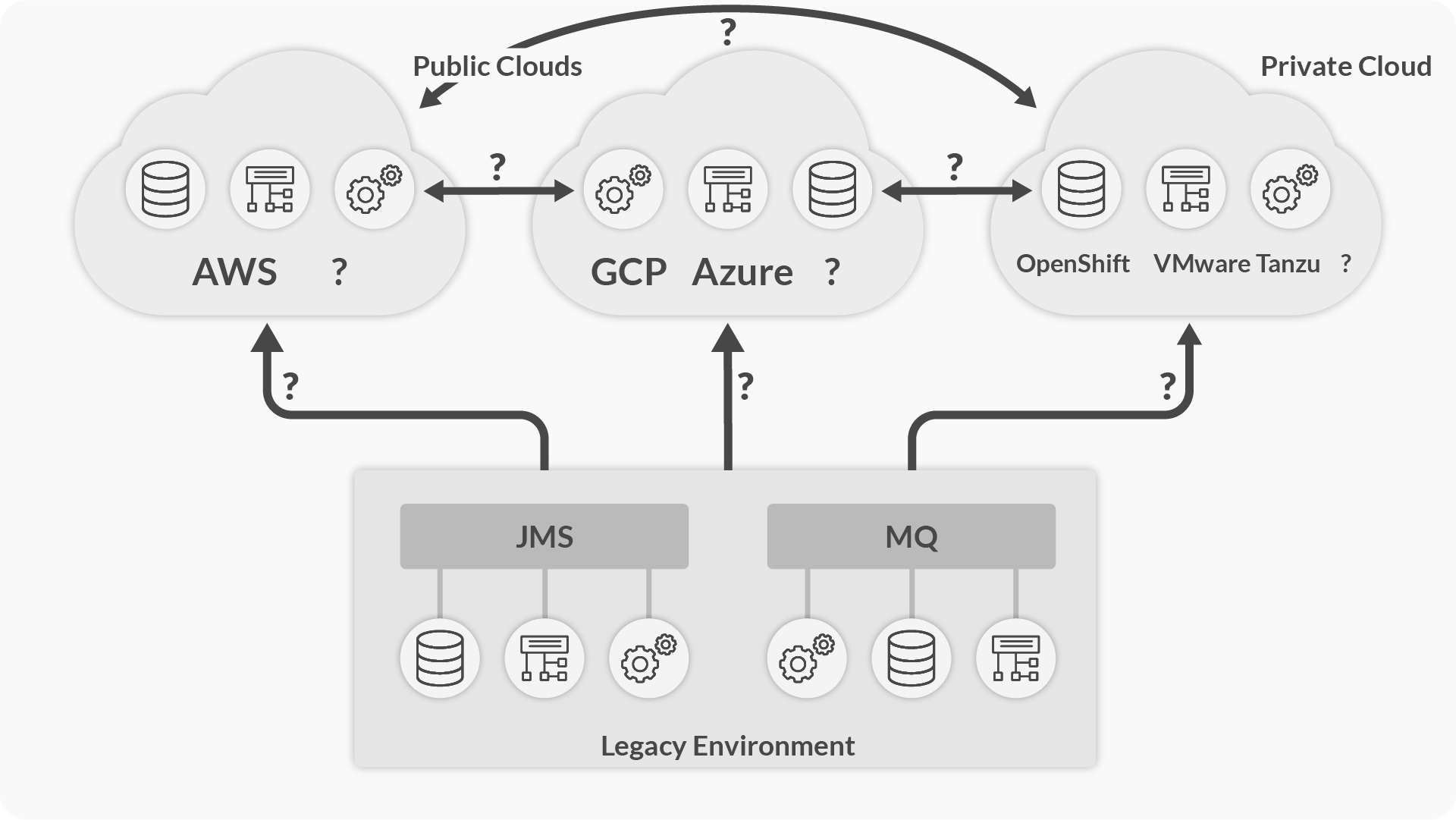
- Hybrid Models: Combining on-premises and cloud solutions can optimize performance and cost.
Common Pitfalls and Solutions
Over-Reliance on AI
Pitfall: Companies might become too dependent on AI, neglecting the human element essential for nuanced decision-making.
Solution: Maintain a balanced approach by integrating AI with human expertise to ensure comprehensive analysis and decision-making.
Underestimating Costs
Pitfall: Initial AI deployment can lead to unforeseen expenses.
Solution: Conduct thorough cost-benefit analyses and prepare for potential financial fluctuations, as suggested by KPMG's AI ROI measurement.

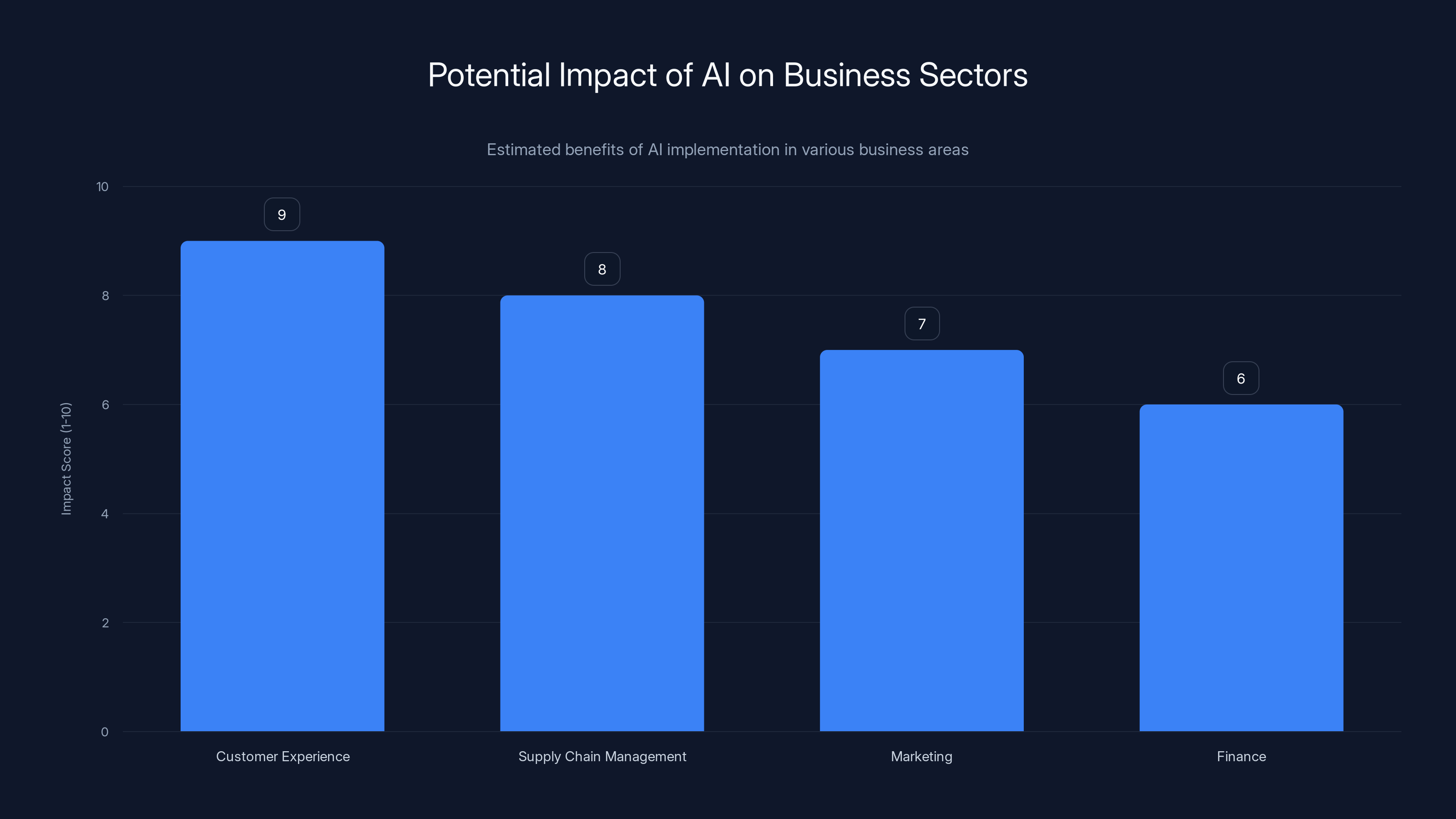
Estimated data shows Customer Experience and Supply Chain Management as high-impact areas for AI, with scores of 9 and 8 respectively.
Future Trends and Recommendations
Predictive AI: The Next Frontier
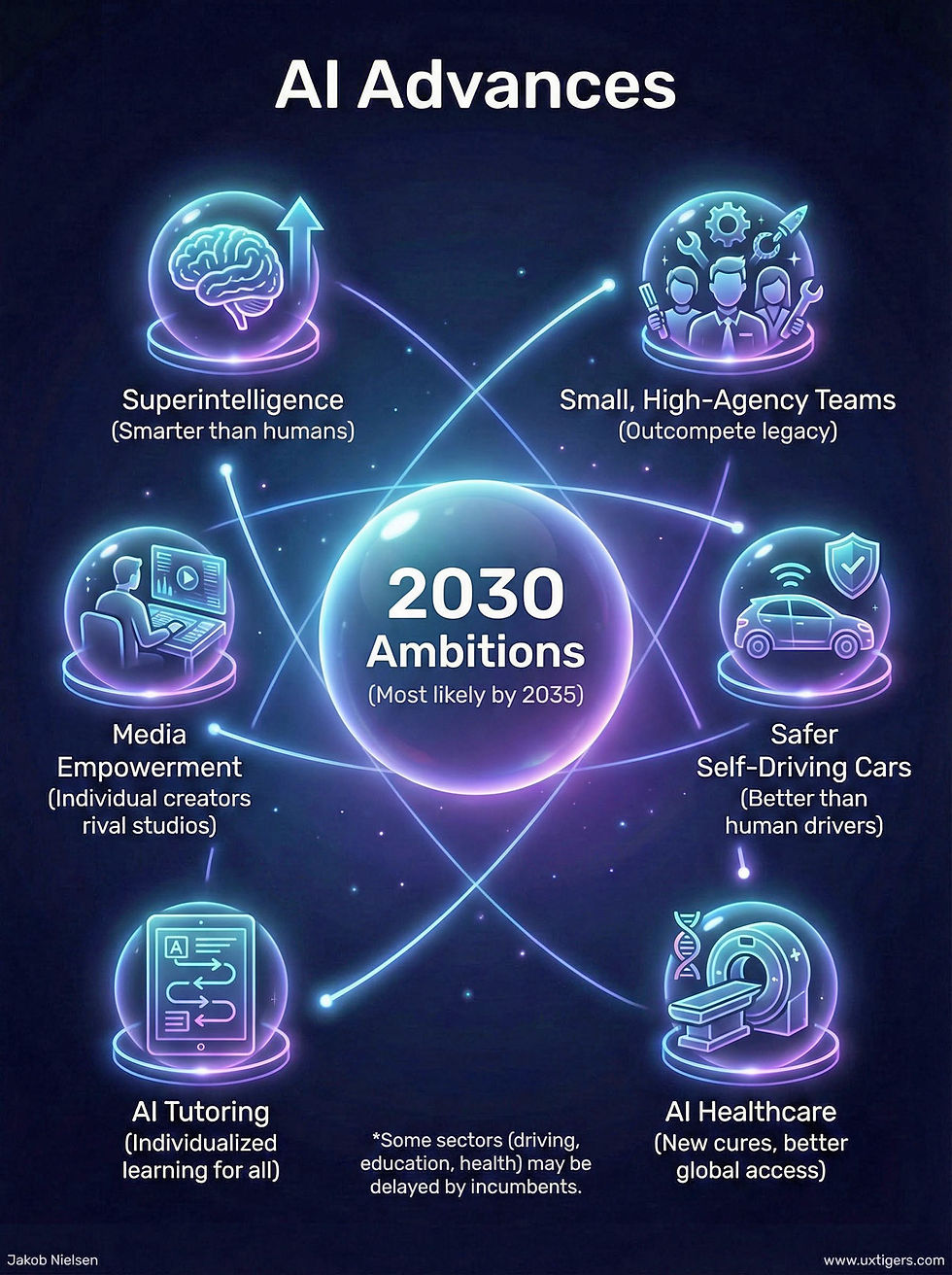
As AI technology advances, predictive analytics will play a crucial role in business strategies. Businesses can leverage AI to foresee market trends, customer behaviors, and potential disruptions.
- Trend Analysis: Use AI to analyze large datasets for emerging trends.
- Predictive Maintenance: Anticipate equipment failures before they occur, minimizing downtime.
Enhanced AI-Human Collaboration
Future workplaces will see a seamless integration of AI with human roles. This collaboration will enhance productivity and innovation, as highlighted in HCAMag's analysis of AI usage.
- Training Programs: Develop programs to upskill employees, enabling them to work effectively alongside AI technologies.
Key Takeaways
- Strategic Allocation: Balancing AI spending with traditional costs is crucial.
- Scalable Solutions: Implement cloud-based and hybrid AI models for flexibility.
- Predictive Capabilities: Leverage AI for trend analysis and predictive maintenance.
- Human-AI Collaboration: Foster environments where AI and human expertise complement each other.
FAQ
What is the primary reason for the high AI investment in leading firms?
Leading firms invest heavily in AI to gain a competitive edge by enhancing operational efficiency and customer experience, as noted in WSJ's report on AI funding.
How can businesses ensure they are not overspending on AI?
Implement phased investments and regular evaluations to align spending with strategic goals.
What are the benefits of a hybrid AI architecture?
Hybrid AI architectures offer flexibility, allowing businesses to optimize performance and cost by combining on-premises and cloud solutions.
How can companies mitigate the risks associated with AI adoption?
Maintain a balanced approach by integrating AI with human oversight and conducting regular cost-benefit analyses.
What are the future trends in AI investment?
Expect increased integration of predictive analytics and enhanced AI-human collaboration by 2025, as discussed in Minneapolis Fed's AI adoption report.
Companies that strategically invest in AI today position themselves to lead tomorrow. As technology continues to evolve, businesses must remain agile, continuously adapting their strategies to maximize ROI and drive innovation.
Related Articles
- Why Siri AI Isn't Becoming Your Health Coach Anytime Soon [2025]
- How Jedify is Transforming AI Integration: Contextualizing AI for Business [2025]
- Apple's Leap into AI Photo Editing: A Deep Dive [2025]
- Unlocking the Full Potential of AI Agents: Challenges and Strategies [2025]
- Unveiling Creativity: Inside The Pelley Minutes with Its Visionary Duo [2025]
- Kill Your Bad Ideas or They'll Drain Your AI Budget [2025]


