
![Time to Switch to Bing? An In-Depth Look at AI Challenges in Google Search [2025]](https://tryrunable.com/blog/time-to-switch-to-bing-an-in-depth-look-at-ai-challenges-in-/image-1-1779541441037.jpg)
Introduction
Last year, I had a peculiar encounter with Google Search that left me scratching my head. I typed in a simple query involving the word "disregard," expecting the usual AI-generated summary to pop up. Instead, the AI overview was mysteriously absent. This wasn't a one-time glitch. Words like "ignore" seemed to trigger the same issue. According to recent reports, such words can disrupt Google's AI summaries due to their complex polysemy.
In this article, we dive deep into why specific words are causing AI overviews to falter in Google Search and whether it's time to consider Microsoft's Bing as a viable alternative. We'll cover technical explanations, practical use cases, and potential future trends.
TL; DR
- AI Overview Glitches: Words like "disregard" and "ignore" disrupt Google's AI summaries.
- Bing's Edge: Bing's AI integration is less prone to such disruptions.
- User Experience Impact: Inconsistent AI responses affect search reliability.
- Technical Explanations: NLP limitations and context misunderstanding are key factors.
- Switching Considerations: Bing offers a more stable AI experience.
Current State of Google Search AI
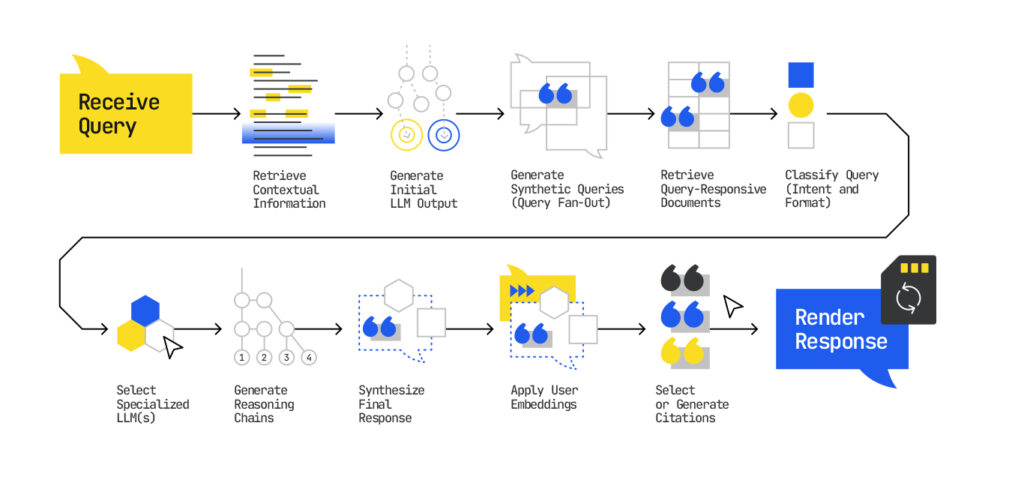
Google's AI, primarily driven by its BERT and MUM models, aims to understand context beyond mere keyword matching. These models are designed to grasp the nuances of human language, considering factors like intent, context, and semantics. However, as noted in a recent study, these models often struggle with ethical and governance issues, which can impact their performance.
Why Certain Words Break AI Overviews
The crux of the issue lies in Natural Language Processing (NLP) systems, which sometimes struggle with polysemy (words with multiple meanings) and context interpretation. Words like "disregard" or "ignore" can lead to ambiguity, causing the AI to misinterpret the intent of the query. This challenge is highlighted in a recent educational article that discusses the complexities of modern machine learning tools.
Technical Breakdown
- Context Misalignment: NLP models may fail to align their understanding with the user's intent.
- Polysemy Complexity: Words with multiple meanings increase processing difficulty.
- Lack of Data: Insufficient training data for specific word contexts can lead to errors.
Bing's Approach to AI Search
Okay, so why are some users considering Bing? Microsoft's search engine has been quietly improving its AI capabilities with a focus on providing consistent AI-generated summaries. According to industry insights, Bing's AI models are gaining traction for their reliability.
Bing's AI Models
Bing employs a combination of deep learning models and AI algorithms that prioritize context accuracy. Their AI aims to mitigate issues of ambiguity by using more comprehensive datasets and refined context understanding. This approach is supported by SEO experts who highlight Bing's advanced data integration techniques.
Key Features of Bing's AI
- Enhanced Contextual Understanding: Better handling of ambiguous language.
- Consistent AI Overviews: Less prone to disruptions from tricky words.
- Robust Data Integration: Utilizes broader data sources for training.
Practical Use Cases and Benefits
Imagine you're researching legal precedents involving the term "disregard." In such cases, Google's AI might struggle to provide a coherent summary, whereas Bing's AI remains consistent, offering a reliable synopsis. This is particularly useful in academic research where precision is critical.
Common Scenarios
- Academic Research: Consistent AI overviews aid in faster literature reviews.
- Business Intelligence: Reliable summaries enhance decision-making processes.
- Personal Use: Everyday searches become more reliable with consistent AI support.
Transitioning to Bing: A Step-by-Step Guide
If you're considering making the switch, here's how to transition smoothly:
- Evaluate Current Needs: Determine if AI consistency is critical for your searches.
- Try Bing for Specific Queries: Use Bing for searches involving ambiguous terms.
- Compare Results: Assess the quality and reliability of results between Google and Bing.
- Adjust Settings: Customize Bing's settings to suit your preferences.
Quick Tips for Transitioning

Common Pitfalls and Solutions
Switching search engines isn't without its hurdles. Here are potential challenges and how to overcome them:
- Habitual Bias: Users often default to Google out of habit. Overcome this by setting Bing as your default search engine.
- Interface Familiarity: Bing's interface might take time to adapt to. Familiarize yourself by exploring its features.
- Integration with Other Services: Some users find Google's ecosystem more integrated. Use browser extensions to bridge gaps.
Future Trends in Search AI
Looking ahead, the future of search AI is bright, with several trends on the horizon:
Enhanced Personalization
AI will increasingly focus on delivering personalized results based on user behavior and preferences.
Improved Contextual Awareness
Expect to see advancements in how AI models interpret context, reducing issues with ambiguous language.
Cross-Platform Integration
AI will become more seamlessly integrated across devices and platforms, offering a unified search experience.
Conclusion
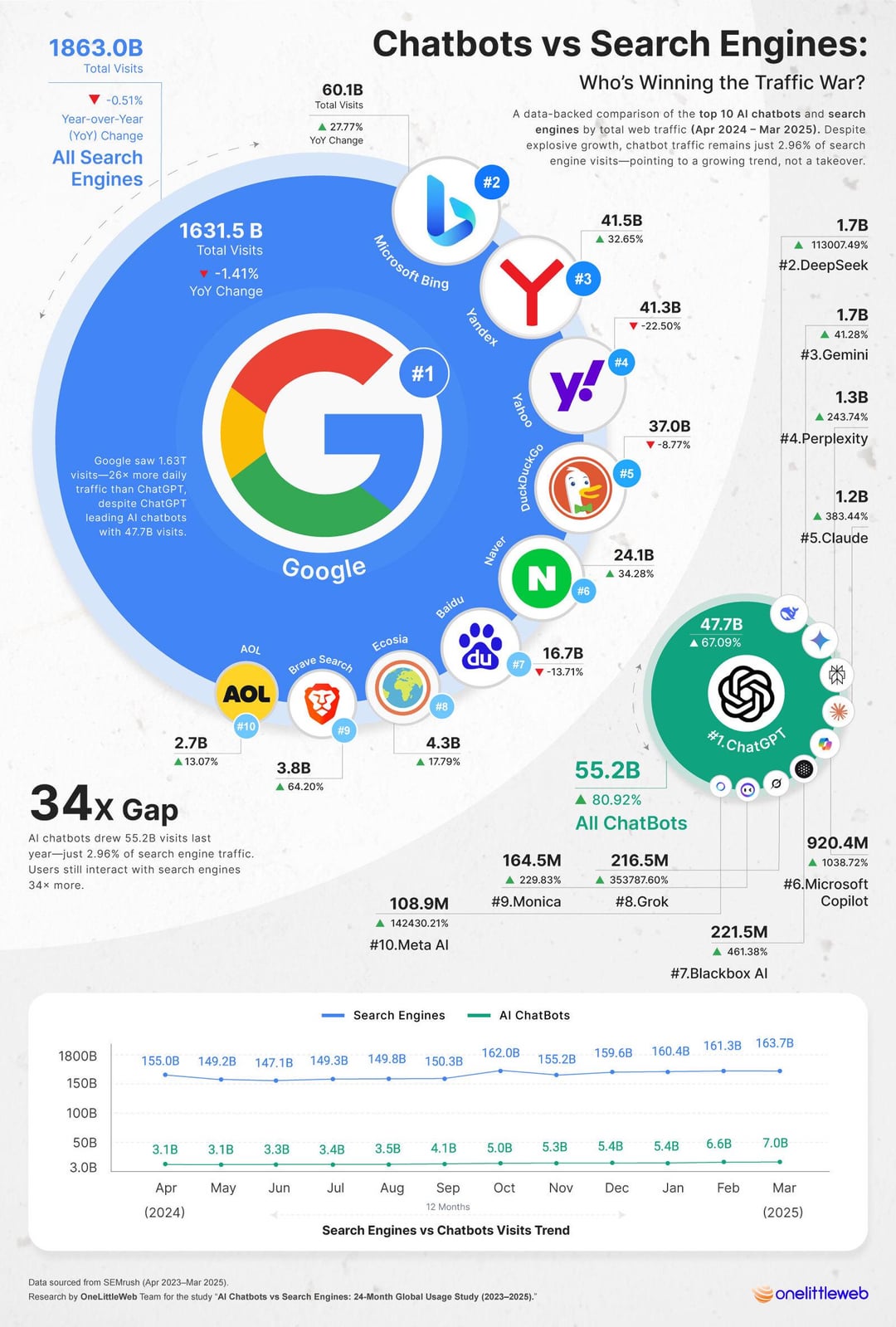
The debate between Google and Bing is far from settled, but one thing is clear: AI is reshaping the way we search. Whether you stick with Google or explore Bing, understanding the nuances of AI-driven search can enhance your online experience.
FAQ
What is causing AI overviews to break in Google Search?
AI overviews in Google Search can break due to NLP limitations, especially when dealing with words that have multiple meanings or ambiguous contexts.
How does Bing handle ambiguous terms differently from Google?
Bing employs advanced AI models with enhanced contextual understanding, which reduces the likelihood of AI overview disruptions.
What are the benefits of using Bing over Google?
Benefits include more consistent AI-generated summaries, better handling of ambiguous language, and a potentially more reliable search experience.
Is it difficult to transition from Google to Bing?
Transitioning can be seamless by gradually using Bing for specific queries, comparing results, and customizing settings to enhance the user experience.
What future trends can we expect in search AI?
Future trends include enhanced personalization, improved contextual awareness, and increased cross-platform integration, making searches more intuitive and user-friendly.
Key Takeaways
- AI overviews in Google struggle with polysemy and context interpretation.
- Bing offers a more stable AI experience for ambiguous language.
- Switching to Bing can enhance search reliability for certain queries.
- Future AI trends include improved contextual understanding and personalization.
- Technical limitations of NLP impact the consistency of AI-generated summaries.
Related Articles
- Navigating Google's AI Search: Challenges and Future [2025]
- Engadget Podcast: Google I/O 2026 Was AI All The Way Down [2025]
- YouTube's AI-Powered Conversational Search and Gemini Omni: A New Era of Video Interaction [2025]
- Google’s AI Agent Ecosystem: A Deep Dive Into Its Potential and Pitfalls [2025]
- Google's Revolutionary Anything-to-Anything AI Model: A Deep Dive [2025]
- Navigating Challenges in Autonomous Driving: Waymo’s Strategic Halt and Path Forward [2025]


