
![Google's Revolutionary Anything-to-Anything AI Model: A Deep Dive [2025]](https://tryrunable.com/blog/google-s-revolutionary-anything-to-anything-ai-model-a-deep-/image-1-1779536150577.png)
Google's Revolutionary Anything-to-Anything AI Model: A Deep Dive [2025]
Last month, a Google engineer's casual tweet hinted at a new project in the AI realm. Fast forward to today, and we're diving into Google's anything-to-anything AI model that's setting the tech world abuzz. This isn't just another AI system. It's a significant leap towards versatile, multi-modal AI solutions. Let’s explore what makes this model special, how it works, and its potential impacts.
TL; DR
- Versatile Capabilities: This AI can transform inputs across multiple formats—text, images, audio, and more.
- Real-world Applications: From medical imaging to real-time translation, the use cases are vast.
- Technical Innovations: Combines transformer architecture with multi-modal training data.
- Challenges and Limitations: Training costs, ethical concerns, and data privacy issues.
- Future Trends: Convergence of AI and IoT, enhanced personalization, and robust AI ethics frameworks.
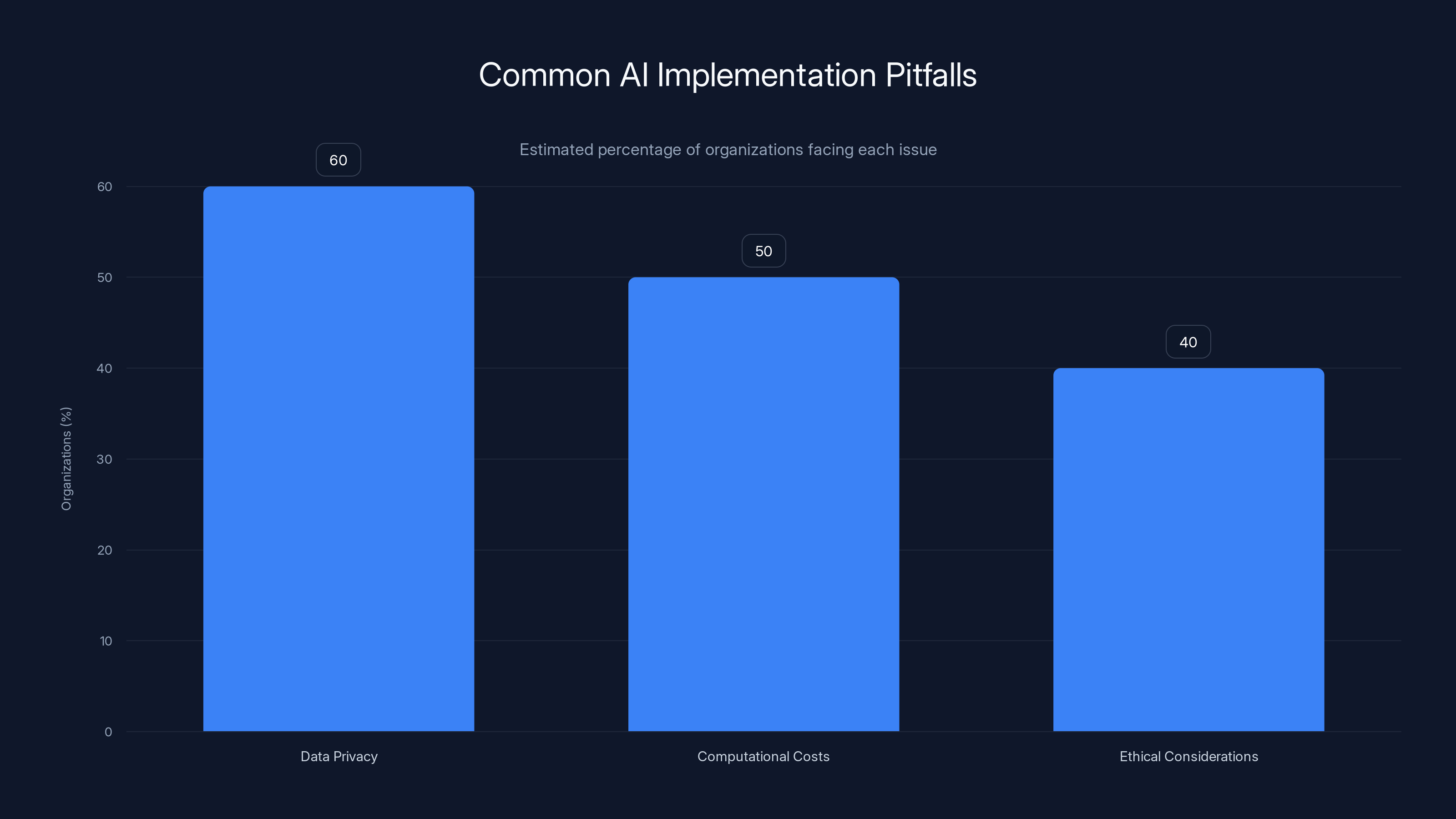
Data privacy is the most common issue, affecting over 60% of organizations, followed by computational costs and ethical considerations. (Estimated data)
What is Google's Anything-to-Anything AI Model?
Google's new AI model is designed to process and transform multiple data types seamlessly. Unlike traditional AI systems that specialize in a single modality (like text or images), this model is built to handle any type of input and output, hence the term 'anything-to-anything'. According to Gizmodo, this model is a game-changer in the field of AI.
The Core Architecture
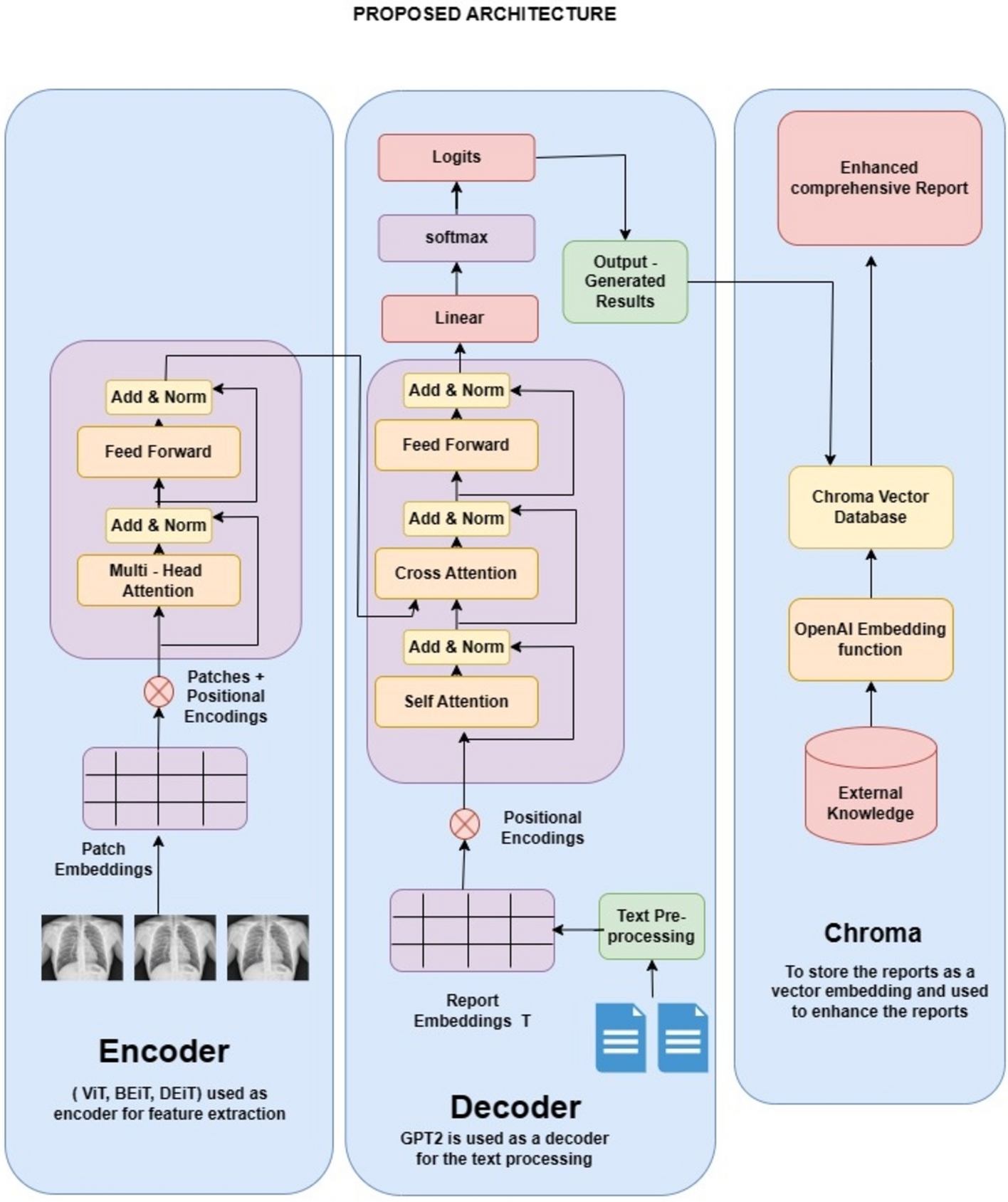
At its heart, this model leverages a transformer architecture. Transformers, originally designed for natural language processing, have been adapted to handle multi-modal data. Here's a breakdown of its core components:
- Encoder-Decoder Structure: The model uses a sophisticated encoder-decoder setup to interpret input data and generate the desired output.
- Cross-Attention Mechanisms: These enable the model to focus on relevant parts of the input data, ensuring accurate transformations.
- Training on Diverse Data: By training on a diverse dataset encompassing text, images, audio, and more, the model learns to generalize across formats. This approach is detailed in a study published in Nature.
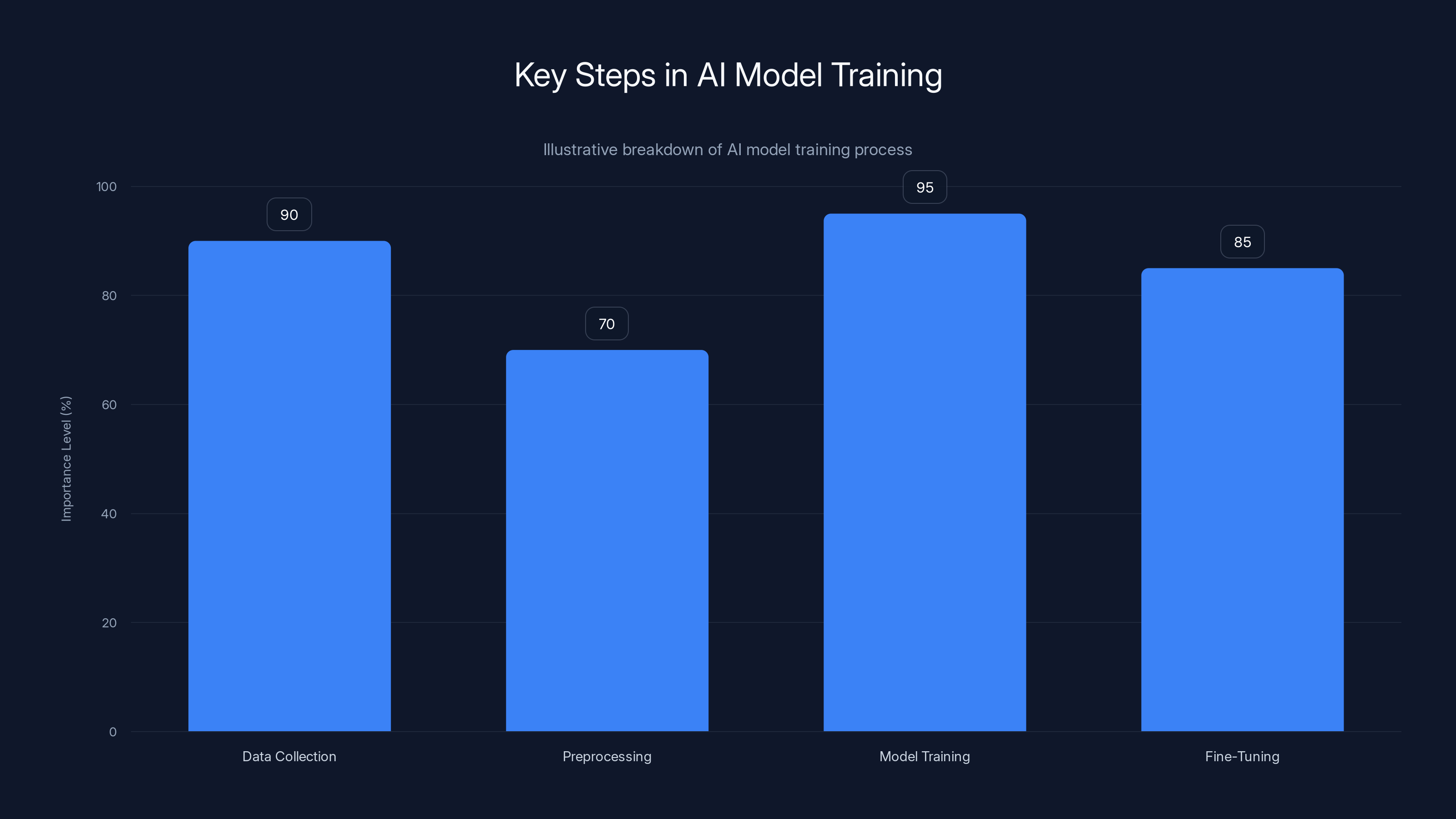
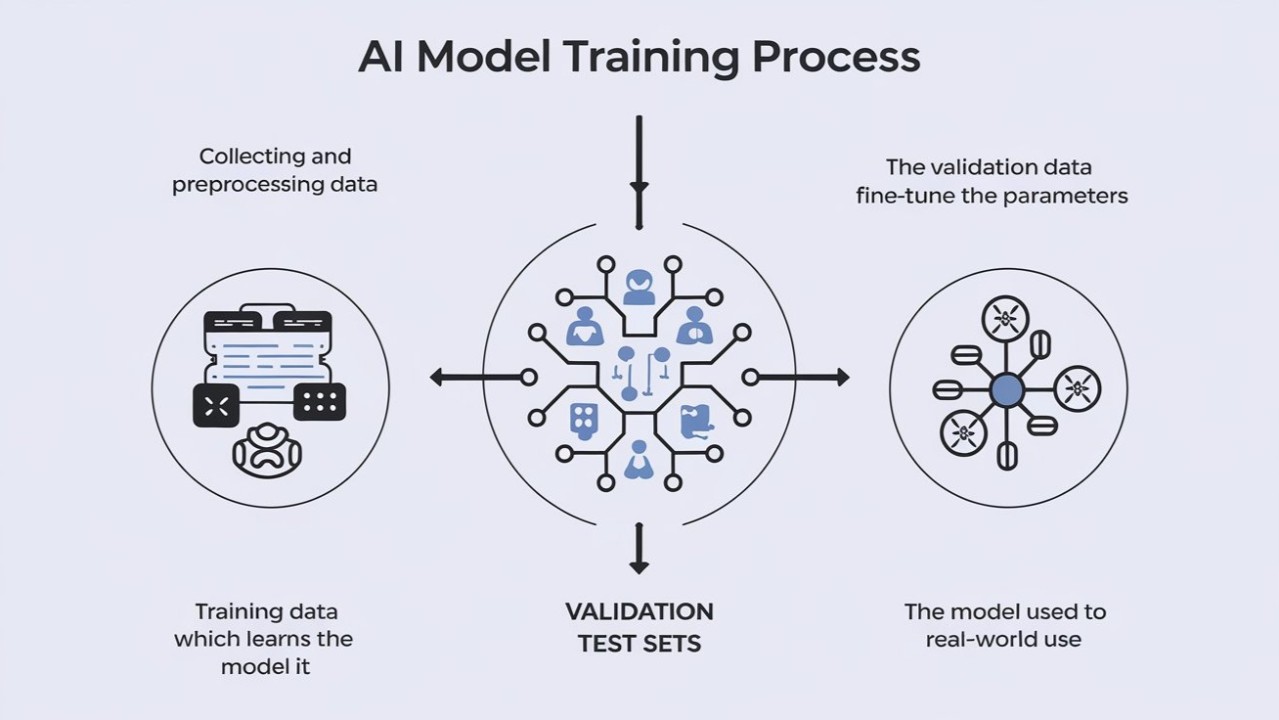
Model training involves critical steps like data collection and model training, with each step having varying levels of importance. Estimated data based on typical AI training processes.
Potential Applications and Use Cases
Healthcare
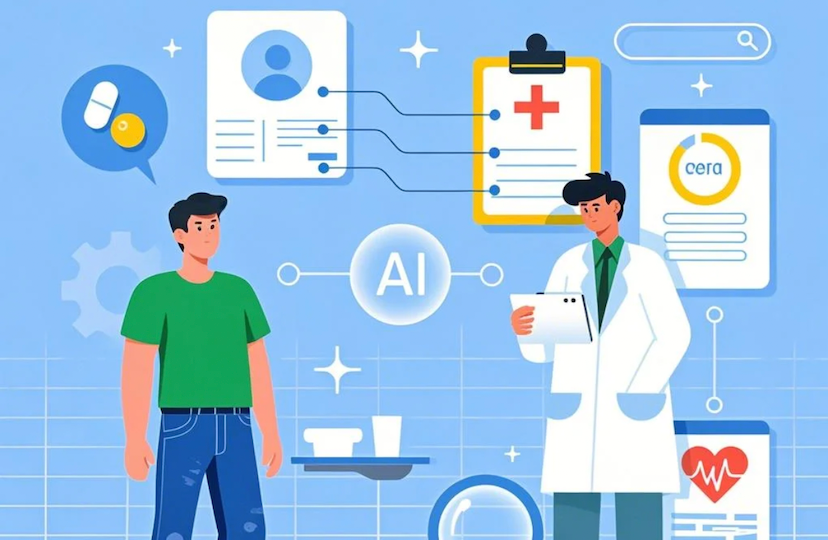
In healthcare, this AI model can revolutionize diagnostics. For instance, it can analyze medical images (like X-rays) and patient history simultaneously to provide comprehensive diagnostic reports. DeepMind's AI co-clinician initiative highlights similar advancements in AI-driven healthcare solutions.
Example Use Case:
- Medical Imaging: Automatically annotate and provide insights on MRI scans alongside patient records.
Real-Time Translation
Imagine traveling abroad and needing real-time translation across multiple languages and formats. This AI can listen to a conversation, translate it, and display subtitles on your device. Google's Google Translate has been pioneering in this space.
Example Use Case:
- Multi-Language Meetings: Facilitate meetings with participants from different linguistic backgrounds by providing real-time audio and text translations.
Creative Industries
For content creators, the model can transform a written script into a video, complete with generated visuals and audio. This aligns with the capabilities discussed in CryptoBriefing's analysis of Google's AI advancements.
Example Use Case:
- Script to Screen: Convert a screenplay into an animated short film with synthesized voices and generated imagery.
Technical Details and Best Practices
Training the Model
Training such a versatile model requires a massive dataset and significant computational resources. Here’s how it’s typically done:
- Data Collection: Gather a diverse set of multi-modal data. This includes text, images, audio, and even videos.
- Preprocessing: Normalize the data to ensure consistency across formats.
- Model Training: Use distributed computing to train the model across multiple GPUs or TPUs.
- Fine-Tuning: Adjust the model on specific tasks to enhance its performance in particular domains.
Practical Implementation Guides
To implement this AI model in a real-world scenario, follow these steps:
- Define the Problem: Clearly outline the problem you want the AI to solve.
- Select Appropriate Data: Use relevant data that matches the input-output transformation you’re targeting.
- Integrate with Existing Systems: Ensure the AI model can communicate with your existing software infrastructure.
- Monitor and Iterate: Continuously monitor the AI’s performance and retrain as necessary to improve accuracy and reliability.
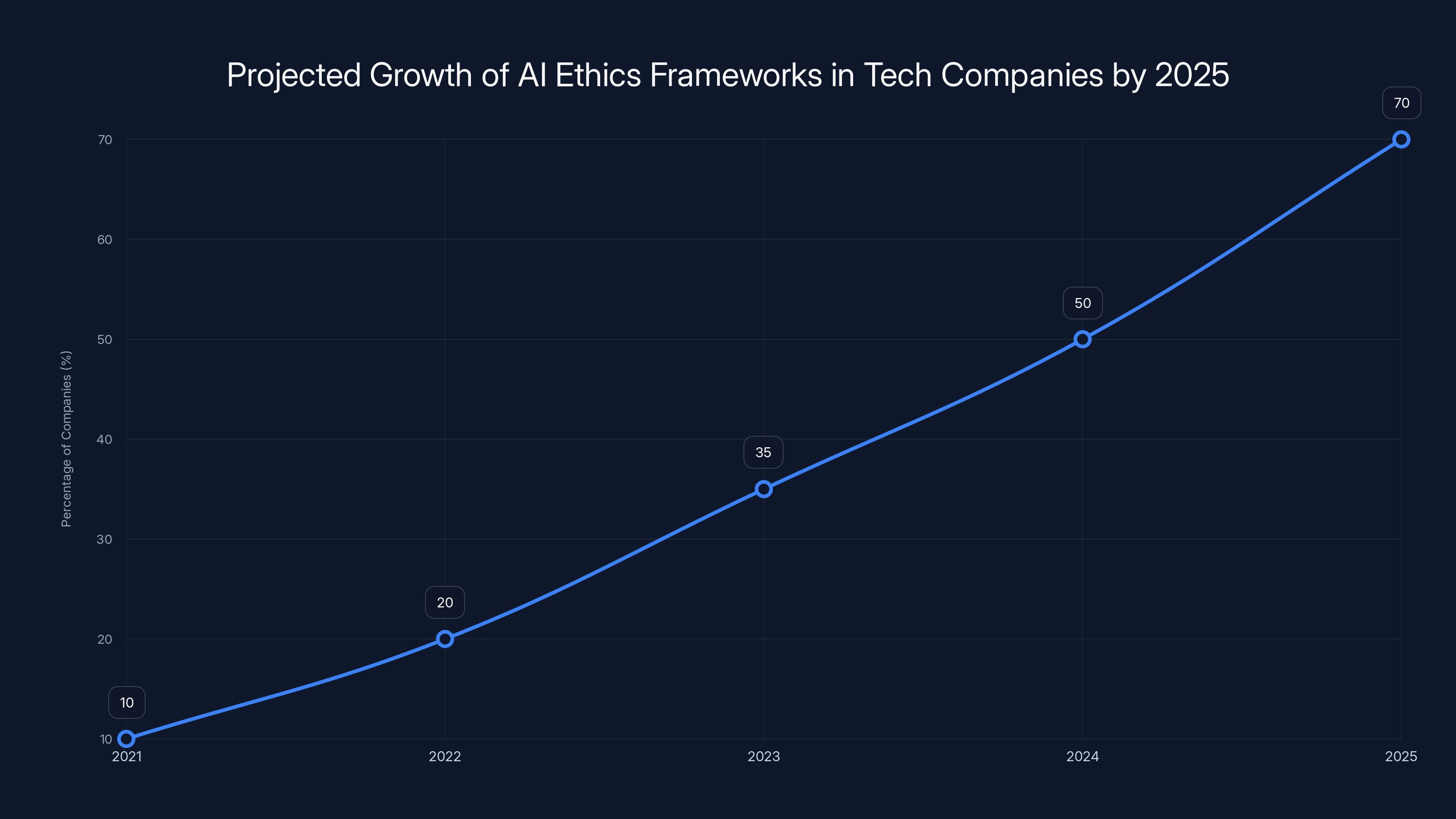
The adoption of AI ethics frameworks in tech companies is expected to grow significantly, reaching 70% by 2025. (Estimated data)
Common Pitfalls and Solutions
Data Privacy Concerns
Handling sensitive data, especially in healthcare or finance, raises privacy issues. Ensure compliance with regulations like GDPR and CCPA. A recent study by MIT discusses methods for privacy-preserving AI training.
Computational Costs
Training complex models is resource-intensive. Mitigate costs by using cloud platforms that offer flexible pricing models, as suggested in AWS's cost management insights.
Ethical Considerations
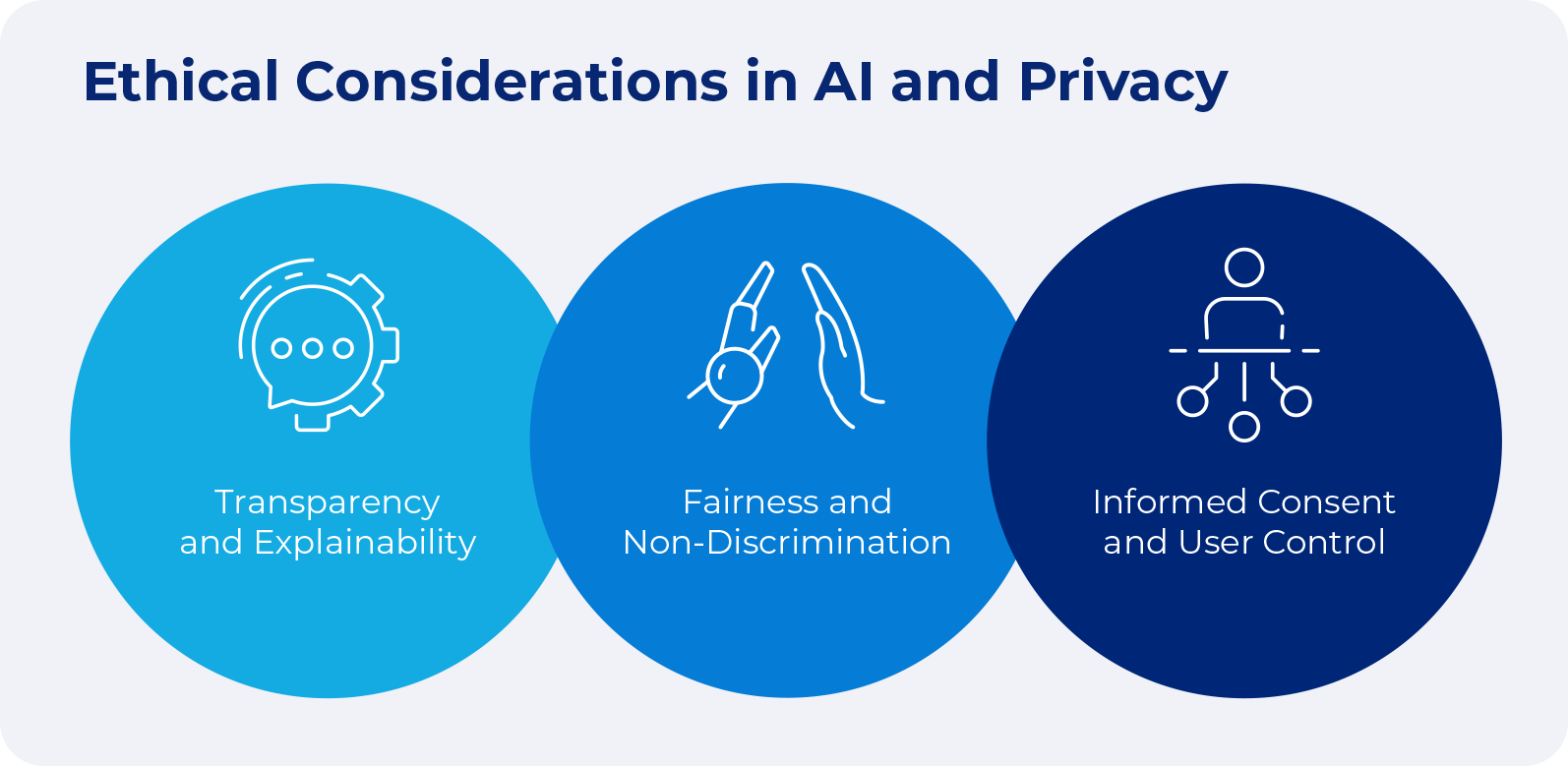
Bias in training data can lead to biased outcomes. Address this by diversifying training data and incorporating fairness checks in the AI lifecycle, as recommended in a Frontiers in Digital Health article.
Future Trends and Recommendations
Integration with IoT
As IoT devices proliferate, integrating this AI model can enhance device interoperability, creating smarter homes and cities. The potential for AI and IoT integration is vast, as explored in a Nature article.
Enhanced Personalization
The model’s ability to handle various data types can lead to more personalized user experiences across digital platforms. This trend is supported by research on AI personalization.
Robust AI Ethics Frameworks
Developing ethical frameworks will be crucial to guide the responsible use of such powerful AI models. The importance of ethics in AI is underscored in Nature's discussion on AI ethics.
Conclusion
Google’s anything-to-anything AI model is a testament to how far AI technology has come. Its ability to process and transform multiple data types opens up a world of possibilities across industries. While challenges remain, the potential benefits make it a pivotal development in the AI landscape.
FAQ
What is Google's anything-to-anything AI model?
Google's anything-to-anything AI model is a multi-modal system capable of transforming any type of input (text, image, audio) into any type of output. It utilizes transformer architecture to achieve this versatility, as discussed in Forbes.
How does the model handle different data types?
The model uses an encoder-decoder architecture with cross-attention mechanisms, allowing it to focus on relevant data segments and process them accurately.
What are the practical applications of this AI model?
Applications range from healthcare diagnostics and real-time translation to creative content generation and personalized user experiences.
What are the challenges of implementing this AI model?
Challenges include high computational costs, data privacy concerns, and potential ethical issues related to bias in training data.
How can businesses integrate this AI model into their systems?
Businesses can integrate the model by defining clear use cases, selecting appropriate data, and ensuring compatibility with existing systems.
What future trends can we expect from AI developments like this?
Expect increased integration with IoT devices, more personalized digital experiences, and the development of robust AI ethics frameworks to guide responsible use.
Key Takeaways
- Google's model transforms inputs across multiple formats seamlessly.
- Applications include healthcare, real-time translation, and creative industries.
- Combines transformer architecture with diverse training data for versatility.
- Challenges include computational costs and ethical considerations.
- Future trends point to IoT integration and personalized experiences.


