
![Quantum Jamming: Exploring the Mysteries of Causality [2025]](https://tryrunable.com/blog/quantum-jamming-exploring-the-mysteries-of-causality-2025/image-1-1779536158297.jpg)
Quantum Jamming: Exploring the Mysteries of Causality [2025]
Quantum mechanics is no stranger to upending our understanding of the universe. From the eerie entanglement that Einstein famously derided as "spooky action at a distance" to the probabilistic nature of quantum states, it challenges the very foundation of classical physics. Now, a new concept known as quantum jamming is poised to shake our understanding of causality itself.
TL; DR
- Quantum jamming suggests that causality may not be as linear as we think, introducing potential for new quantum communication protocols.
- Entanglement and superposition play crucial roles in this phenomenon, challenging classical notions of cause and effect.
- Practical applications could revolutionize quantum computing and secure communications.
- Common pitfalls in understanding quantum jamming include misconceptions about determinism and probability.
- Future implications include potential advancements in AI and machine learning.
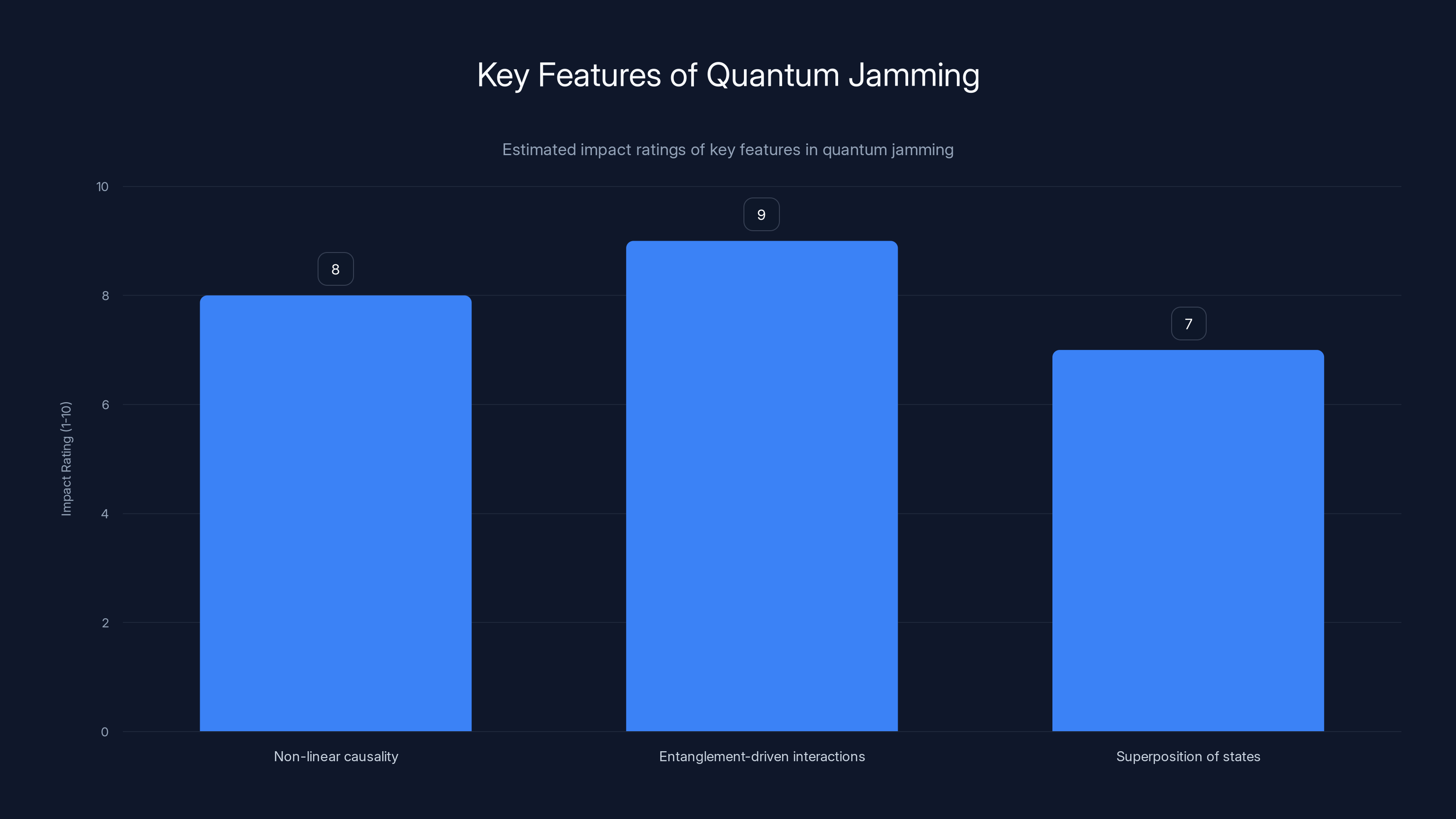
This chart estimates the impact of key features in quantum jamming, highlighting entanglement-driven interactions as the most impactful.
What is Quantum Jamming?
Quantum jamming refers to a theoretical concept where quantum systems can interfere with each other's causal relationships. Unlike classical systems, where cause and effect are straightforward, quantum systems can behave in ways that defy our conventional understanding of time and causality.
Key Features of Quantum Jamming:
- Non-linear causality: Events do not always follow a predictable path.
- Entanglement-driven interactions: Quantum states are interconnected in ways that can influence each other instantaneously.
- Superposition of states: Multiple potential outcomes can exist simultaneously.
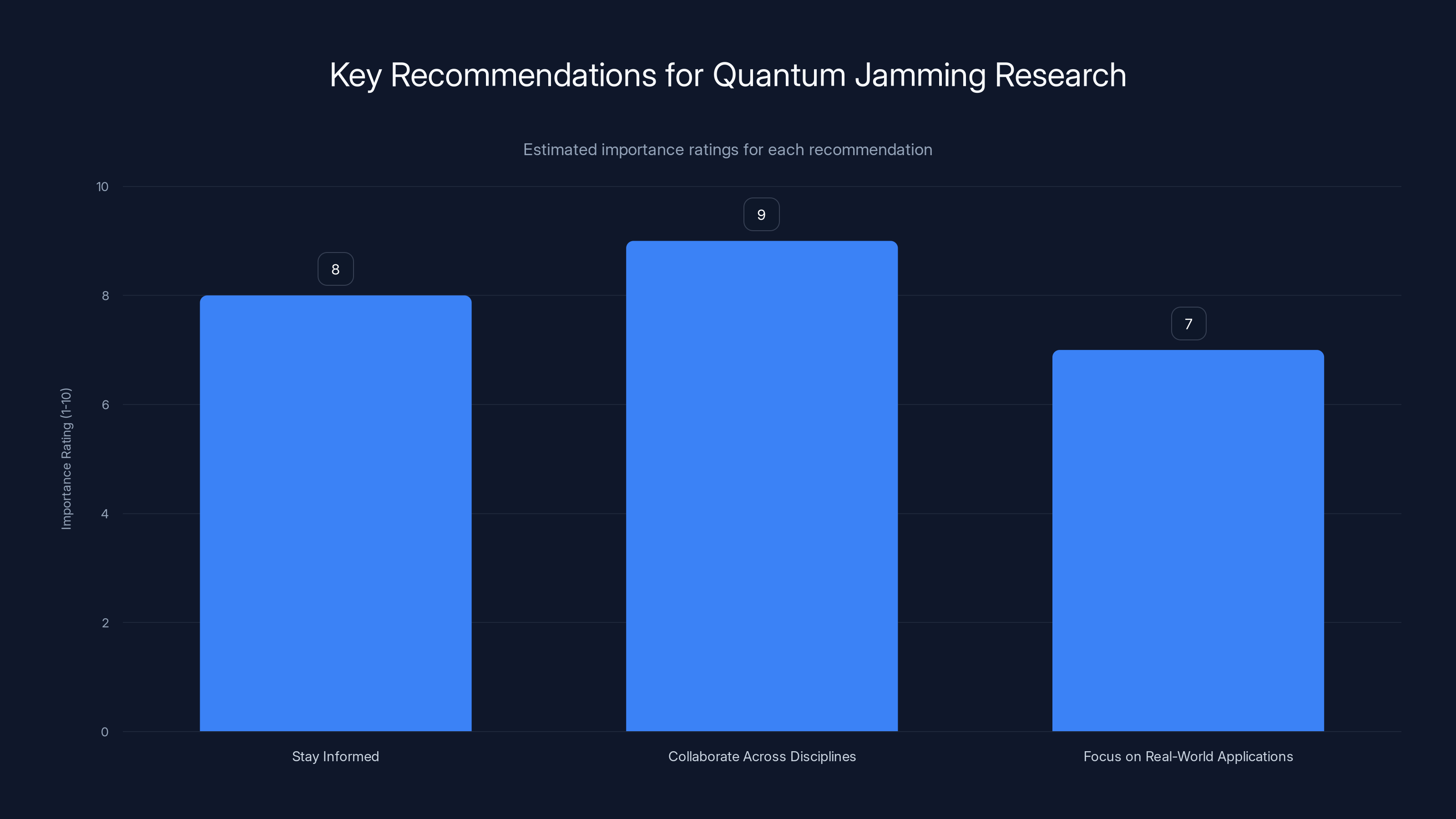
Collaboration across disciplines is rated as the most important recommendation for advancing quantum jamming research. (Estimated data)
How Quantum Jamming Challenges Causality
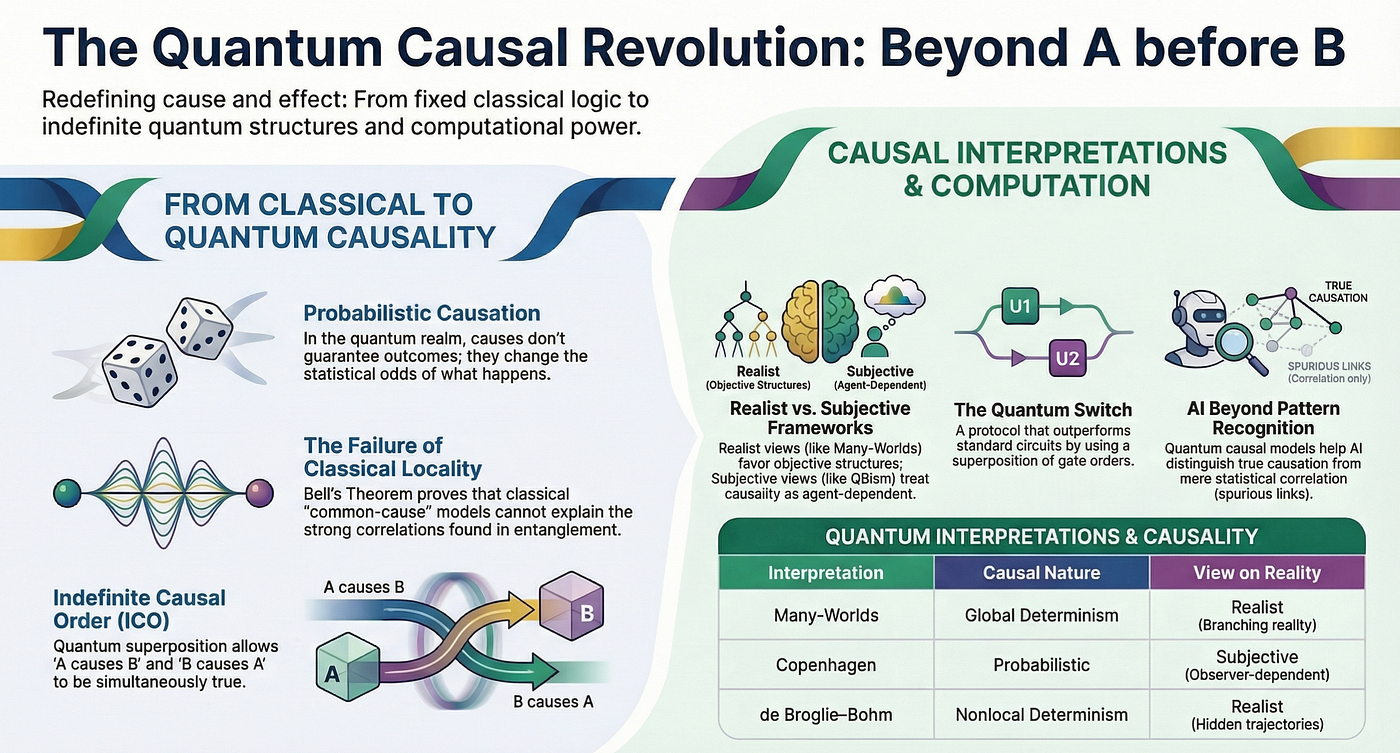
In classical physics, causality is a fundamental principle. If you push a domino, it will fall over, causing a chain reaction. Quantum jamming, however, suggests that the dominoes might fall out of order or even return to their original positions without external interference. This challenges our perception of time as a linear progression from past to future.
Entanglement: The Heart of the Matter
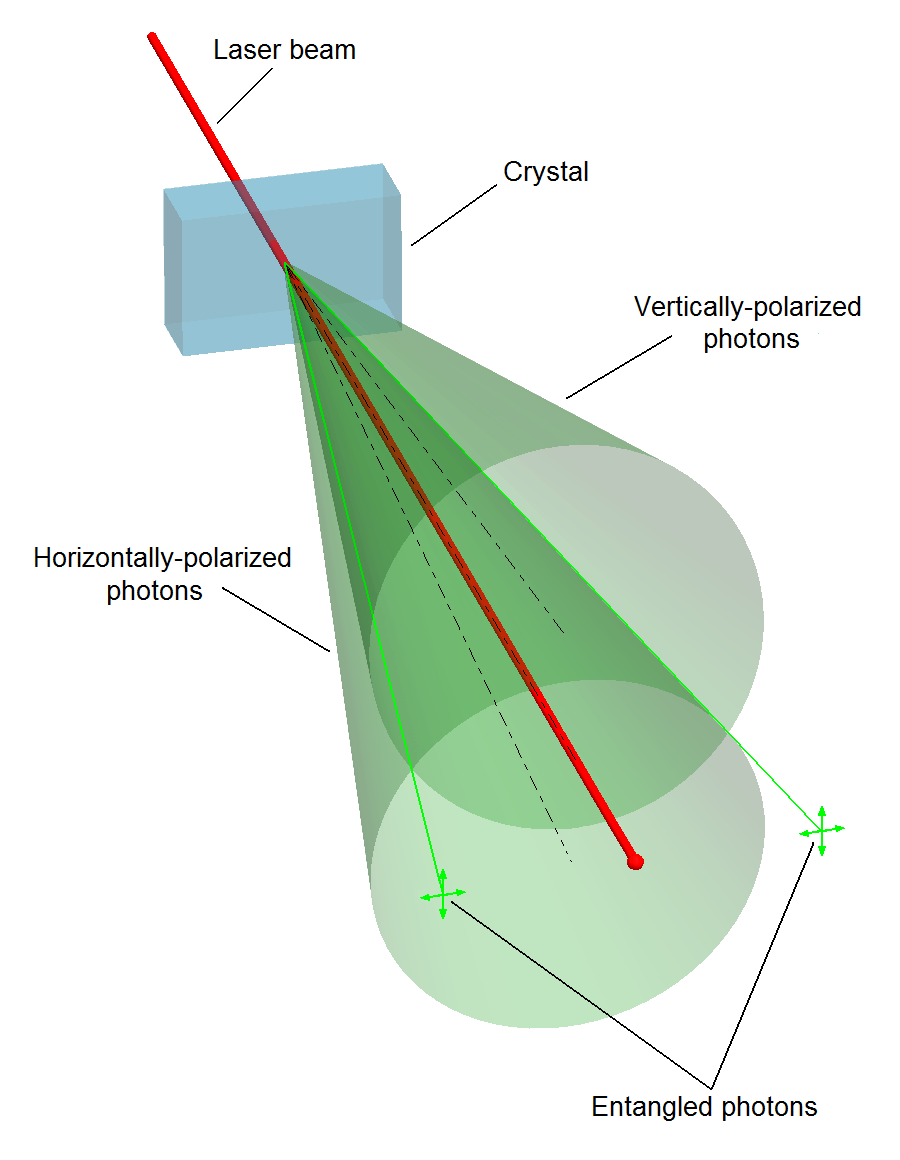
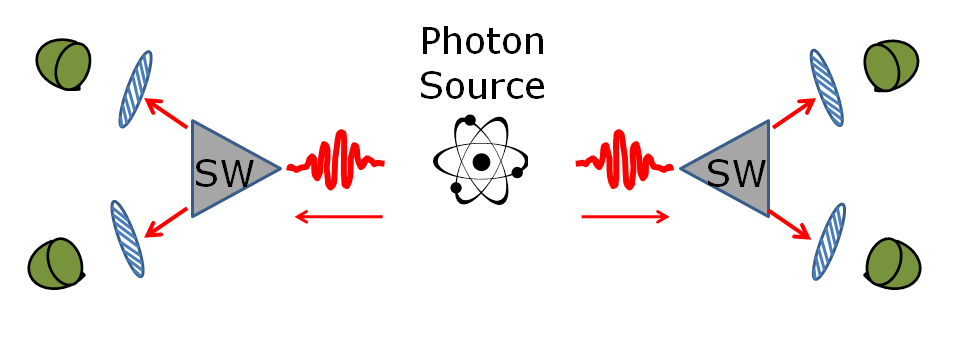
Entanglement is a quantum phenomenon where particles become interconnected such that the state of one instantaneously affects the state of another, regardless of distance. In the context of quantum jamming, entanglement allows for the possibility of non-local interactions that could disrupt causal chains.
Example: Imagine two entangled particles, A and B. If A is measured, its state is determined, and B's state is instantly affected, even if it's light-years away. This immediate link defies classical causality, where information cannot travel faster than light.
Practical Implementation of Quantum Jamming
Implementing quantum jamming in practical applications involves leveraging its unique properties to create new technologies or improve existing ones. Below are some potential use cases and best practices.
Quantum Communication
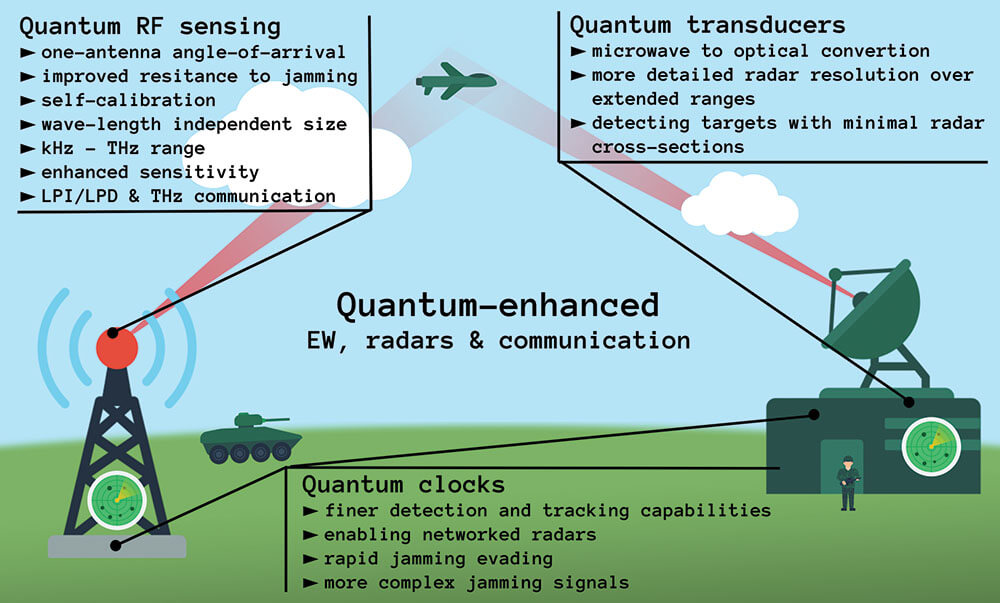
Quantum jamming could revolutionize secure communication by allowing messages to be transmitted with unprecedented security. By using entangled particles, information can be shared across vast distances without fear of interception.
Best Practices for Quantum Communication:
- Entangle particles at the source and destination.
- Use quantum keys generated through entanglement to encrypt messages.
- Employ error correction protocols to mitigate noise and maintain message integrity.
Quantum Computing
In quantum computing, jamming could optimize algorithms by allowing for the manipulation of entangled states to solve complex problems more efficiently.
Key Algorithmic Enhancements:
- Optimize quantum gates for entanglement manipulation.
- Leverage superposition to explore multiple outcomes simultaneously.
- Integrate quantum error correction to maintain coherence over long computations.
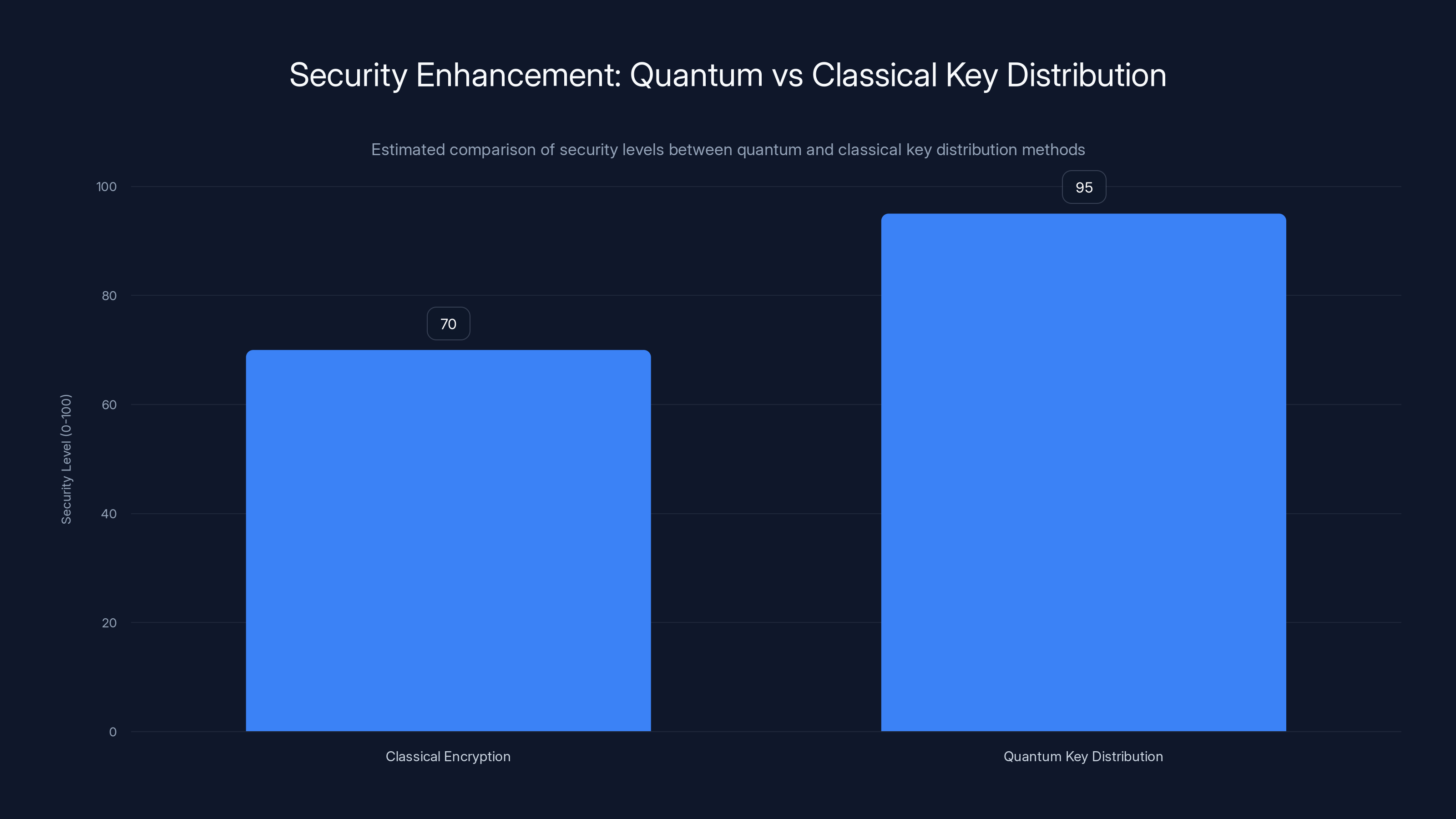
Quantum key distribution significantly enhances security over classical methods, with an estimated security level of 95 compared to 70 for classical encryption. (Estimated data)
Common Pitfalls and Solutions
Understanding quantum jamming comes with its challenges. Here are some common misconceptions and their solutions.
Misconception: Determinism in Quantum Systems
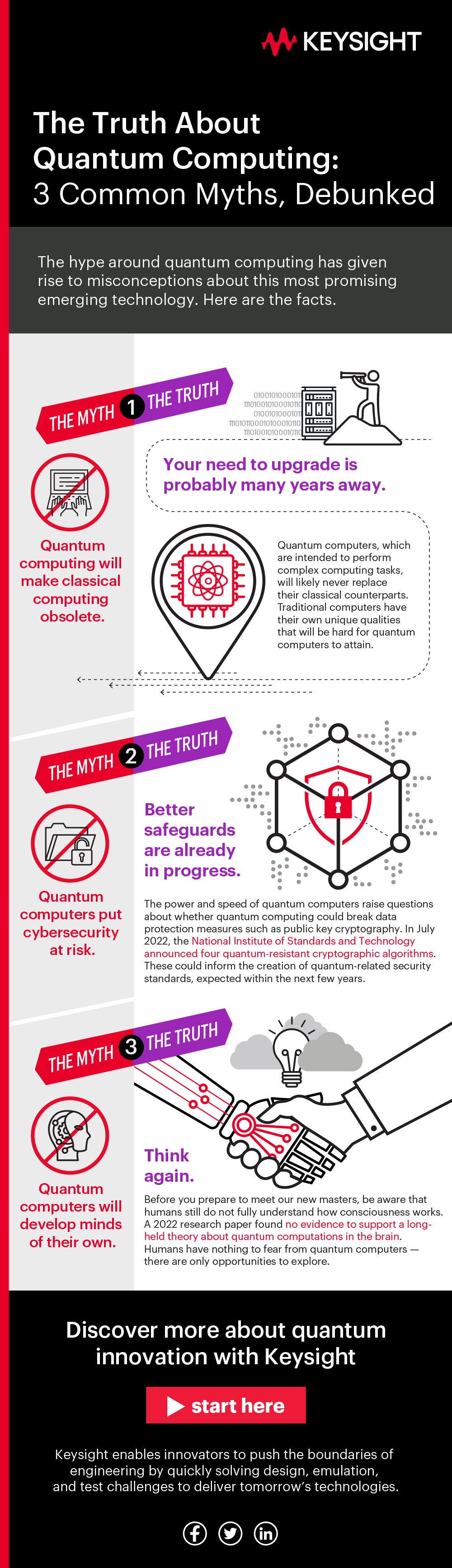
Many assume that quantum systems behave deterministically like classical systems. However, quantum systems are inherently probabilistic.
Solution: Embrace the probabilistic nature of quantum mechanics. Use statistical models to predict outcomes rather than deterministic ones.
Misconception: Instantaneous Communication
Quantum jamming does not allow for faster-than-light communication.
Solution: Focus on the security benefits of entanglement rather than speed. Use quantum keys to enhance encryption rather than attempting to transmit data instantaneously.
Future Trends in Quantum Jamming
As research progresses, quantum jamming has the potential to impact several fields significantly.
Artificial Intelligence and Machine Learning
Quantum jamming could enhance AI algorithms by enabling faster data processing and improved decision-making through entangled states.
Potential Developments:
- Quantum neural networks: Utilizing entangled qubits for more efficient learning.
- Enhanced data analysis: Processing large datasets with improved accuracy and speed.
Cryptography and Security
With quantum jamming, cryptographic protocols could evolve to become virtually unbreakable, safeguarding against future quantum attacks.
Future Innovations:
- Quantum-resistant algorithms that leverage entanglement for added security.
- Decentralized quantum networks for secure information sharing.
Recommendations for Researchers and Developers
For those looking to explore quantum jamming, here are some recommendations to guide your research and development efforts.
Stay Informed
The field of quantum mechanics is rapidly evolving. Keeping up with the latest research is crucial.
- Read journals such as "Physical Review Letters" and "Nature Physics."
- Attend conferences like the American Physical Society's March Meeting.
Collaborate Across Disciplines
Quantum jamming touches on physics, computer science, and cryptography. Collaborating with experts in these fields can broaden your understanding and open new avenues for exploration.
Focus on Real-World Applications
While theoretical research is vital, applying quantum jamming to practical problems will drive innovation.
- Develop pilot programs to test quantum communication systems.
- Prototype quantum algorithms for machine learning applications.

Conclusion
Quantum jamming represents a fascinating frontier in our understanding of the universe. By challenging the linearity of causality, it opens up possibilities for new technologies that could transform communication, computing, and security. As we continue to explore this enigmatic phenomenon, the potential for discovery is as vast as the quantum realm itself.

FAQ
What is quantum jamming?
Quantum jamming is a theoretical concept where quantum systems can interfere with each other's causal relationships, challenging the classical notion of linear causality.
How does quantum jamming work?
It utilizes entanglement and superposition, allowing particles to influence each other's states instantaneously, leading to non-linear causal interactions.
What are the benefits of quantum jamming?
Benefits include enhanced secure communications, optimized quantum computing algorithms, and potential advancements in AI and machine learning.
Can quantum jamming enable faster-than-light communication?
No, quantum jamming does not allow for faster-than-light communication but enhances security through entangled quantum keys.
How can researchers explore quantum jamming?
By collaborating across disciplines, staying informed on quantum research, and focusing on real-world applications to drive innovation.
What are the future implications of quantum jamming?
Future implications include advancements in cryptography, secure communications, and potentially unbreakable quantum-resistant algorithms.
Key Takeaways
- Quantum jamming challenges traditional notions of causality with non-linear interactions.
- Entanglement and superposition are central to quantum jamming's potential.
- Practical applications include secure quantum communication and optimized computing.
- Common pitfalls include misconceptions about determinism and faster-than-light communication.
- Future trends suggest advancements in AI, cryptography, and secure networks.
- Researchers should focus on interdisciplinary collaboration and real-world applications.
Related Articles
- Spotify's AI Revolution: More Choices, Less Clarity [2025]
- Navigating the Road Ahead: Waymo Halts Freeway Driving Citing Safety Concerns [2025]
- Forget “Would You Hire Them Again.” The Real Test Now Is Whether You’d Replace Them With an AI Agent [2025]
- Antitrust Strategies for Live Nation-Ticketmaster [2025]
- Firefox's New Rounded Redesign: A Deep Dive Into Privacy and AI [2025]
- MagenticLite, MagenticBrain, Fara1.5: Optimizing Small Models for Agentic Experiences [2025]


