
![How Mediocre Prompts Are Revolutionizing Software Development [2025]](https://tryrunable.com/blog/how-mediocre-prompts-are-revolutionizing-software-developmen/image-1-1779546876639.jpg)
How Mediocre Prompts Are Revolutionizing Software Development [2025]
Software development has undergone a seismic shift. What used to be a domain requiring deep technical expertise now invites anyone with a keyboard and a basic understanding of prompts to participate. This evolution owes much to AI technologies that have matured to the point where even mediocre prompts can yield substantial software solutions. Here’s how this change unfolds and what it means for the future of development.
TL; DR
- AI Advances: Even basic prompts can now generate functional software, democratizing development.
- Efficiency Gains: Saves teams an average of 30% in development time. According to McKinsey, AI can significantly reduce development timelines.
- Runable's Role: Platforms like Runable optimize workflows with AI-powered automation for $9/month.
- Best Practices: Simple, clear prompts work best—focus on the problem, not the solution.
- Future Trends: Expect more intuitive AI tools, further reducing the barrier to entry.
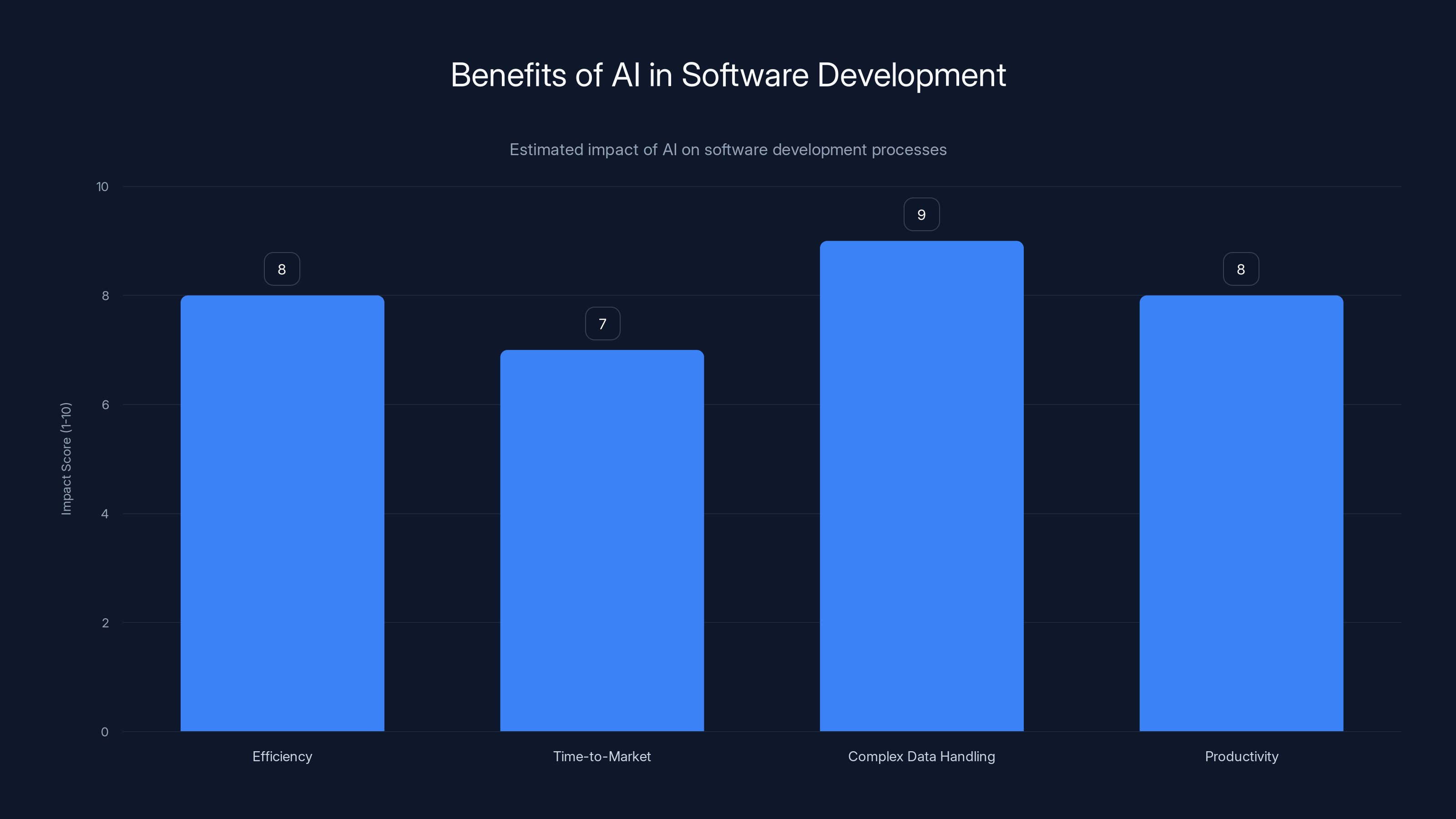
AI significantly enhances efficiency and productivity in software development, with high scores in handling complex data and reducing time-to-market. (Estimated data)
The Rise of AI in Software Development
The last decade has seen rapid advancements in AI, particularly in natural language processing (NLP) and machine learning (ML). These technologies have evolved beyond mere assistance into powerful engines capable of generating code, debugging, and even suggesting architectural improvements.
How AI Transforms Development
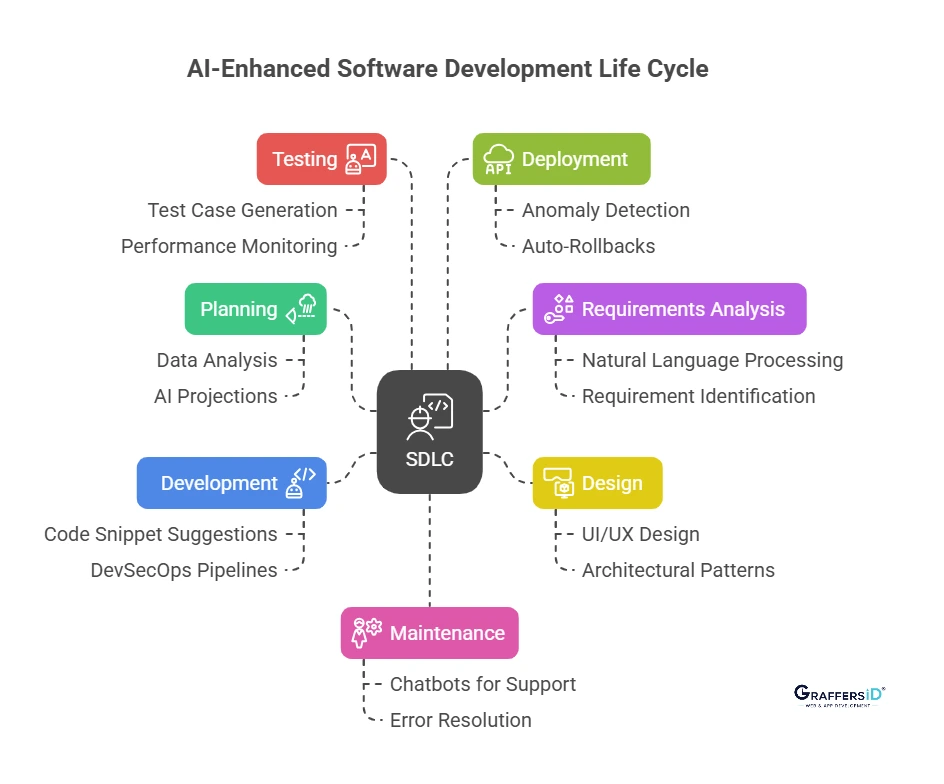
AI tools are now integral to software development, offering capabilities such as code generation, testing automation, and performance optimization. AI's ability to process complex datasets and learn from them allows developers to focus more on creative problem-solving rather than repetitive coding tasks.
- Code Generation: AI tools can generate code snippets from simple text prompts, as demonstrated by DeepMind's AI advancements.
- Testing Automation: Automated test scripts reduce manual QA efforts, a trend highlighted in federal modernization efforts.
- Performance Optimization: AI analyzes runtime data to suggest improvements, as seen in Microsoft's collaboration with Nissan.
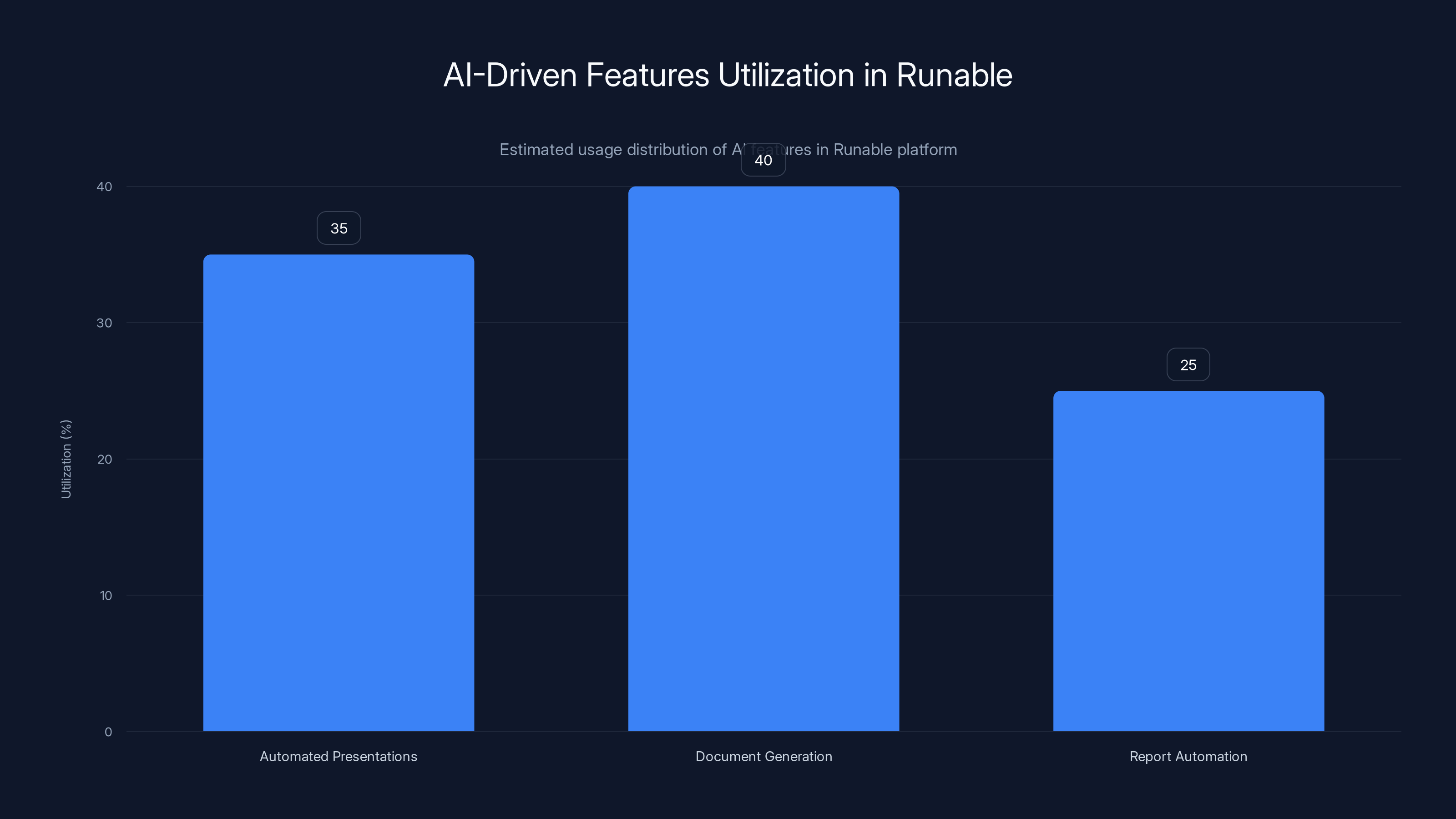
Estimated data shows Document Generation as the most utilized feature at 40%, followed by Automated Presentations at 35%.
Mediocre Prompts, Impressive Results
You might wonder, how can a mediocre prompt lead to good software? The secret lies in the AI's ability to infer the desired outcome from minimal input. This is akin to a seasoned chef preparing a gourmet meal from a sparse shopping list.
The Mechanics of AI Prompting
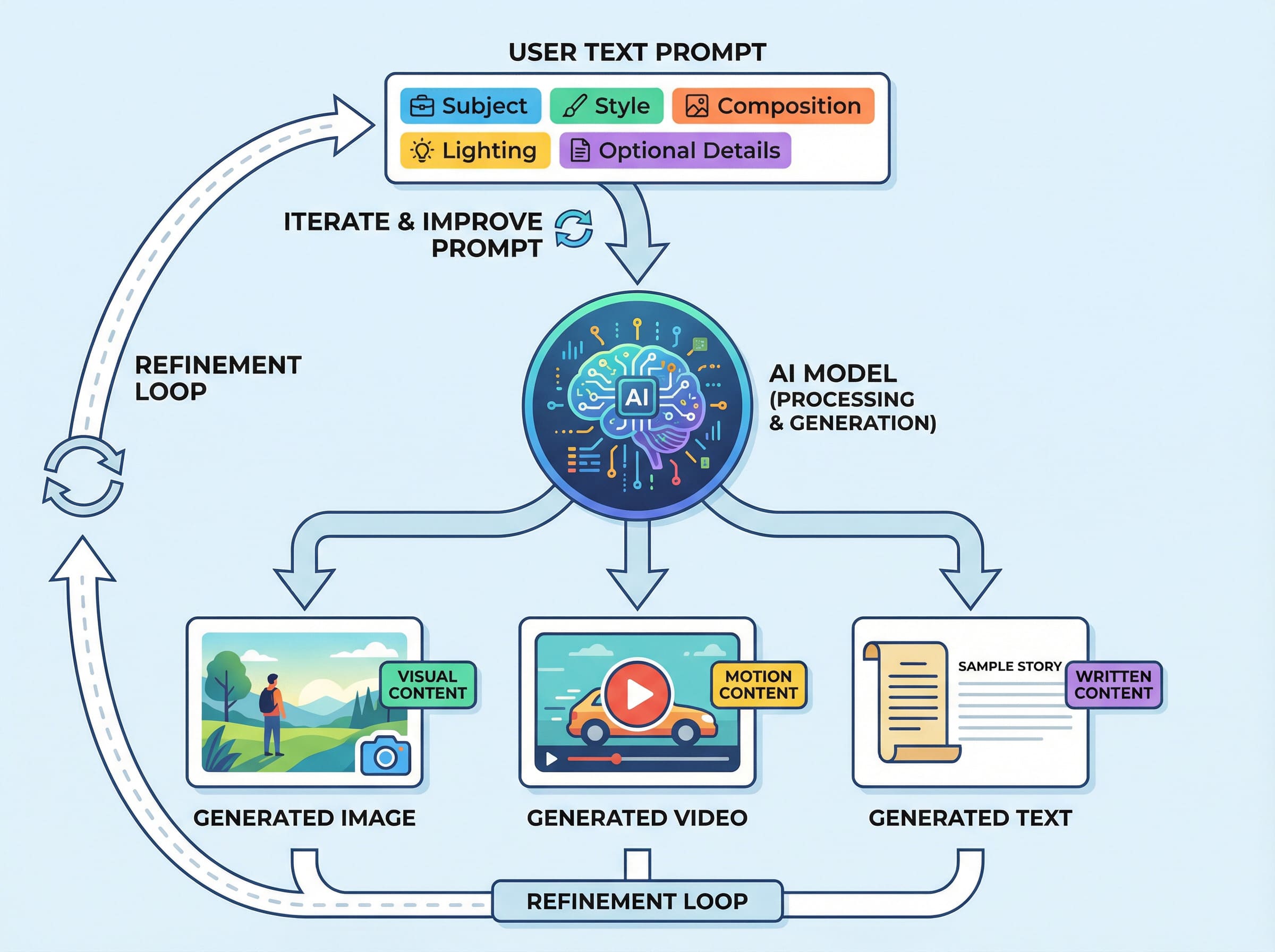
Prompts are essentially instructions given to an AI model. These can range from highly detailed specifications to vague, high-level ideas. The AI interprets these prompts and generates corresponding outputs, often exceeding expectations.
- Simple vs. Complex Prompts: Simpler prompts often force the AI to fill in gaps using its training dataset, leading to creative solutions. This concept is explored in PCWorld's analysis of AI prompting.
- Iterative Refinement: Users can refine their prompts based on initial outputs to guide the AI towards more precise results, as discussed in educational AI applications.
Real-World Applications and Examples
Case Study: Runable
Runable is a prime example of a platform leveraging AI prompts to enhance productivity. By allowing developers to input basic prompts, Runable automates the creation of presentations, documents, and reports.
- Automated Presentations: Converts bullet-point prompts into full-fledged slideshows.
- Document Generation: Transforms basic outlines into comprehensive documents.
- Report Automation: Summarizes data inputs into detailed reports.
Implementation in Startups
Startups are increasingly adopting AI-driven development to accelerate time-to-market. A startup might use AI to prototype their MVP with basic prompts, iterating and refining based on AI feedback.
- Prototype Development: Quick generation of MVP features for faster iteration, as noted in Amazon's AI initiatives.
- Rapid Testing: AI-generated test cases streamline the QA process, a method explored in data management strategies.

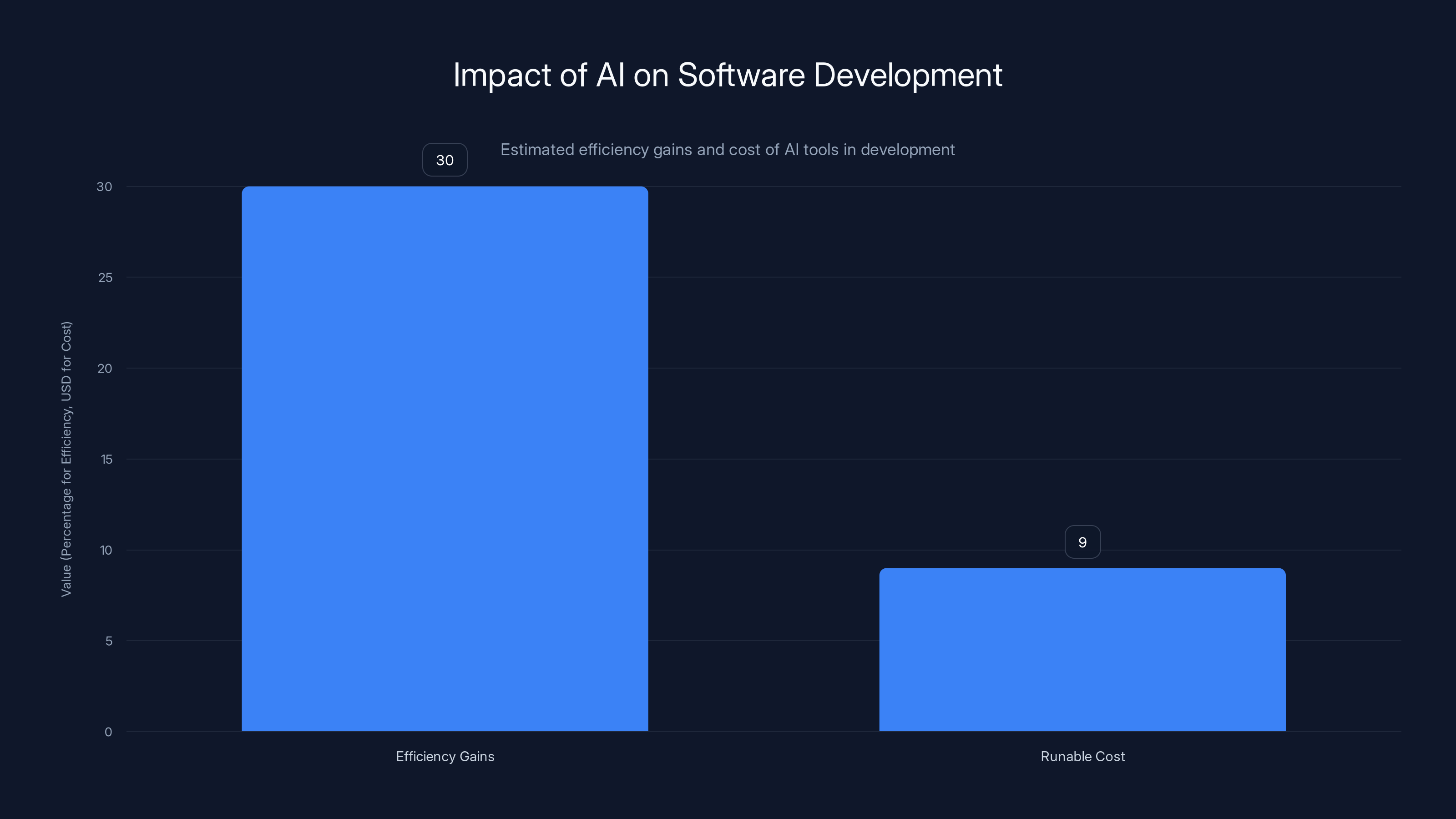
AI advancements save development teams an average of 30% in time, while platforms like Runable offer AI-powered automation for just $9/month.
Best Practices for Using AI Prompts
To maximize the effectiveness of AI tools, follow these best practices:
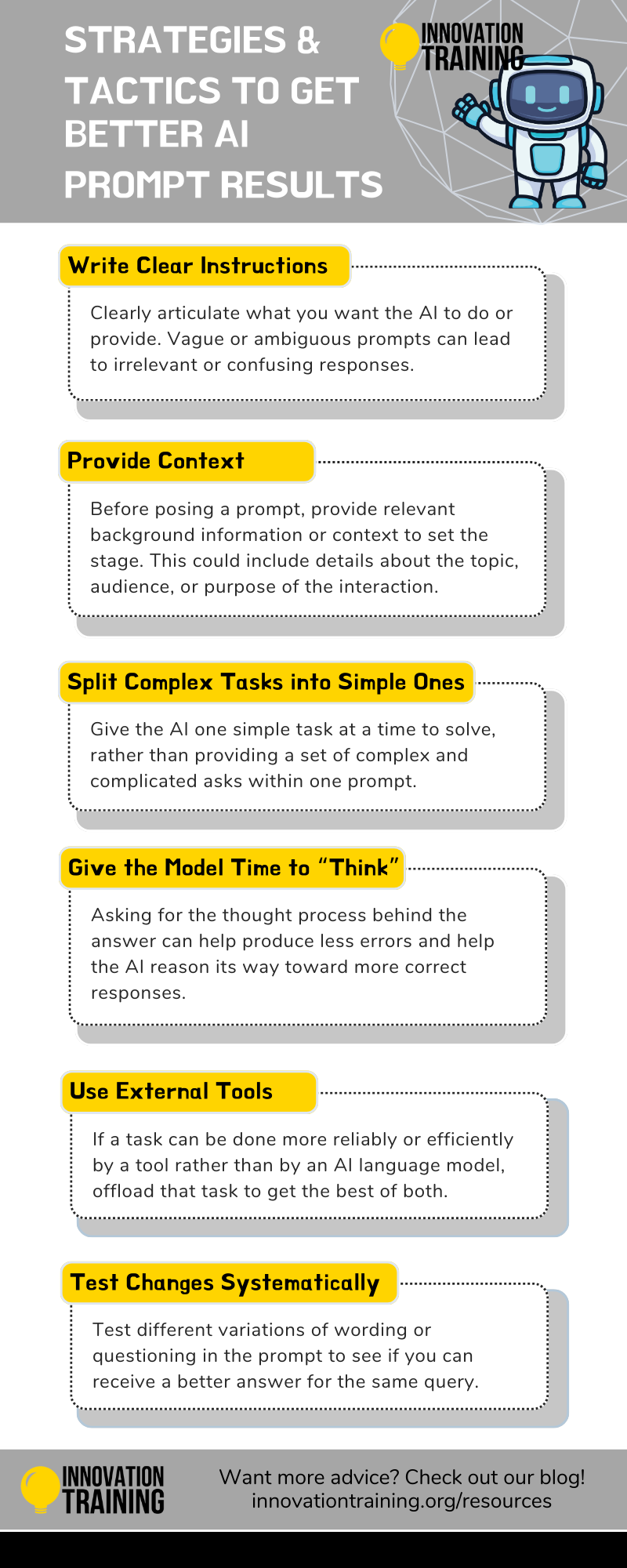
- Clarity is Key: Clearly define the problem, not the solution, as emphasized in spec-driven development.
- Iterate: Use AI feedback to refine prompts iteratively.
- Leverage AI Strengths: Focus on tasks where AI excels, such as data analysis and code generation.
Common Pitfalls and How to Avoid Them
While AI can significantly enhance development, it’s not without pitfalls. Here are a few common issues and their solutions:
- Over-reliance on AI: Developers may become too reliant on AI, neglecting their critical thinking skills. Solution: Balance AI use with manual validation.
- Inadequate Prompting: Vague prompts can lead to irrelevant outputs. Solution: Provide context and constraints in your prompts.
- Security Concerns: AI-generated code might not always adhere to security best practices. Solution: Conduct thorough code reviews and security audits.
The Future of AI in Development
Looking ahead, the role of AI in software development will only grow. Here’s what to expect:
- Advanced Contextual Understanding: Future AI will better understand context, leading to more accurate outputs, as discussed in AI's role in scientific discovery.
- Increased Accessibility: AI tools will become more user-friendly, lowering the barrier for non-developers.
- Enhanced Collaboration Tools: AI will facilitate better collaboration by integrating seamlessly with team workflows.
Conclusion
The advent of AI-driven software development is more than just a trend—it’s a paradigm shift. By empowering developers with tools that can interpret even the most basic prompts, AI is paving the way for more efficient, creative, and accessible software development.
As AI continues to evolve, it will fundamentally change how we approach challenges in software engineering, making it an exciting time for both new and seasoned developers.
FAQ
What is AI-driven software development?
AI-driven software development involves using artificial intelligence to automate and enhance aspects of the software creation process, such as code generation, testing, and performance optimization.
How can mediocre prompts yield good software?
AI technologies can interpret basic prompts to generate software solutions by leveraging vast datasets and learning algorithms that predict and fill in the gaps left by less detailed instructions.
What are the benefits of using AI in software development?
Benefits include increased efficiency, reduced time-to-market, and the ability to handle complex data analysis tasks that would be time-consuming for humans.
How does Runable facilitate AI-driven development?
Runable offers tools that transform simple prompts into presentations, documents, and reports, automating routine tasks and improving productivity.
What are the common pitfalls of AI-driven development?
Common pitfalls include over-reliance on AI, inadequate prompting leading to poor outputs, and potential security issues in AI-generated code.
What future trends can we expect in AI development tools?
Expect advancements in AI's contextual understanding, increased accessibility for non-developers, and better integration with collaborative tools.
Key Takeaways
- AI advances allow even basic prompts to generate effective software.
- Runable provides AI-powered automation for presentations, documents, reports at $9/month.
- Simple, clear prompts often yield the best results when using AI tools.
- AI-driven development saves teams significant time, boosting productivity by 30%.
- Future AI tools will be more intuitive, further lowering barriers to entry.
- Common pitfalls include over-reliance on AI and security concerns in generated code.
Related Articles
- Helply: The Evolution of AI-Powered B2B Support Platforms
- Forget “Would You Hire Them Again.” The Real Test Now Is Whether You’d Replace Them With an AI Agent [2025]
- Google I/O 2026 Wrap-Up: The Post-Search AI Era Begins [2026]
- AI Video Evolution: Moving Beyond Clip Slop [2025]
- Quantum Jamming: Exploring the Mysteries of Causality [2025]
- Navigating the Road Ahead: Waymo Halts Freeway Driving Citing Safety Concerns [2025]


