
![Meta and the EU Clash: The Battle Over AI Chatbots on WhatsApp [2025]](https://tryrunable.com/blog/meta-and-the-eu-clash-the-battle-over-ai-chatbots-on-whatsap/image-1-1781093086765.jpg)
Meta and the EU Clash: The Battle Over AI Chatbots on WhatsApp [2025]
In the ever-evolving world of digital communication, the European Union's recent decision to pressure Meta into allowing rival AI chatbots on WhatsApp has become a pivotal moment. This move is not just about competition; it's about the future of AI integration within messaging apps and the broader implications for consumers and businesses alike.
TL; DR
- EU Orders: Meta must allow rival AI chatbots on WhatsApp, impacting its dominance, as detailed in Thurrott's report.
- Antitrust Concerns: The EU is investigating potential antitrust violations by Meta, as noted in Vital Law's coverage.
- Implications for Businesses: Companies can now use various AI chatbots for customer interactions, enhancing their service offerings.
- Consumer Benefits: Increased choice and potential for better services are expected, as discussed in EU Today's article.
- Future Trends: AI chatbots will continue to evolve, influencing the messaging app landscape.
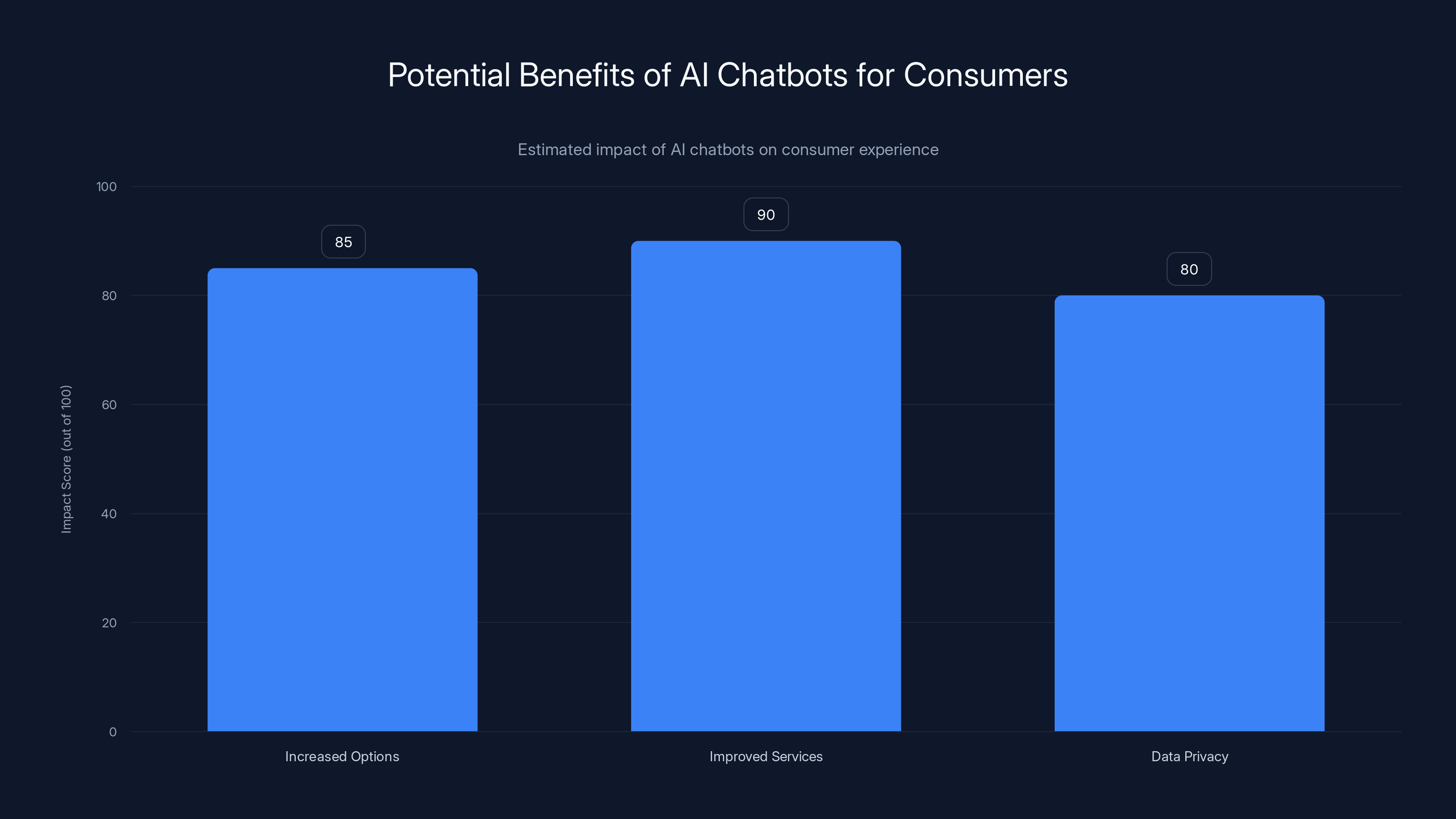
AI chatbots are expected to significantly improve service quality and data privacy, offering consumers more options. (Estimated data)
The Backstory: Meta's Dominance in Messaging
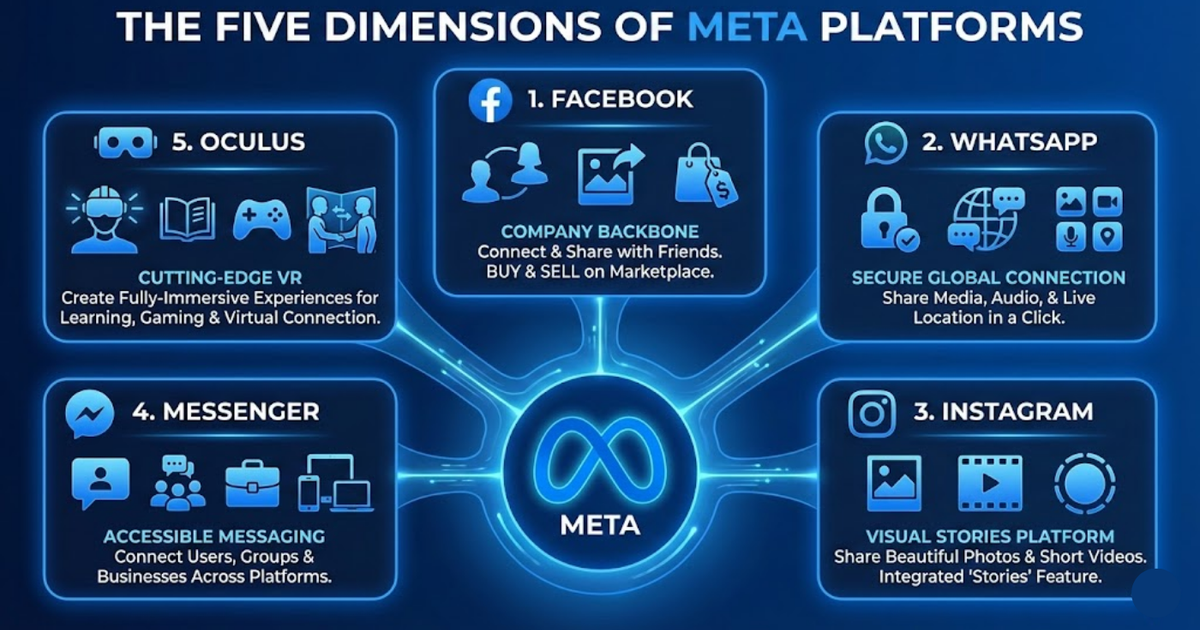
Meta, the parent company of WhatsApp, has long been a dominant player in the messaging app market. Since its acquisition of WhatsApp in 2014, Meta has steadily increased its influence, integrating various features that make it an indispensable tool for both personal and business communication.
But here's the thing: With great power comes great scrutiny. The European Union has been particularly vigilant about ensuring competition remains fair and open. This is where the current conflict arises, as reported by BBC News.
The EU's Intervention: Why Now?
The European Union, through its regulatory arm, has been monitoring Meta's activities closely. In October 2025, Meta introduced a policy that effectively barred third-party AI chatbots from accessing the WhatsApp for Business API. This move was seen as an attempt to consolidate its position by limiting competition, allowing only Meta's AI to operate within WhatsApp's ecosystem, as highlighted in ABC News.
The EU's decision to intervene is based on the potential antitrust implications of this policy. By forcing Meta to lift the ban, the EU aims to prevent any abuse of its dominant market position, as explained by CSIS.

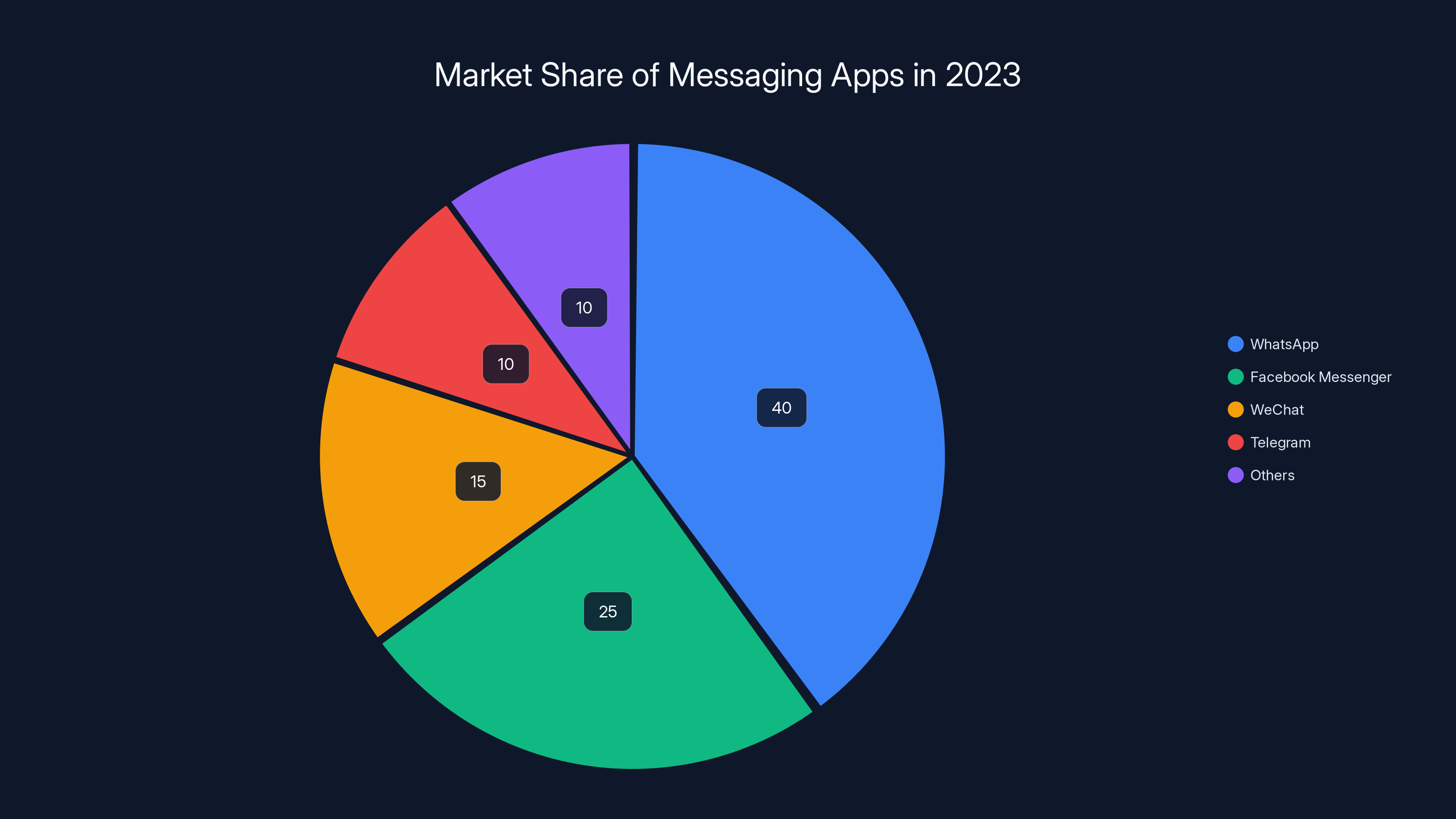
WhatsApp holds a significant 40% share of the messaging app market, reflecting Meta's dominance. Estimated data.
Understanding Antitrust Laws in the EU
Antitrust laws in the European Union are designed to promote fair competition and prevent monopolistic practices. These laws ensure that no single company can dominate a market to the detriment of consumers and other businesses.
Here's how it works:
- Market Dominance: A company is considered dominant if it can act independently of competitors, customers, and consumers.
- Abuse of Dominance: This occurs when a dominant company engages in practices that limit competition, such as exclusive dealing or refusal to supply.
In Meta's case, the EU's concern is that by blocking rival AI chatbots, it is abusing its dominant position in the messaging app market, as discussed in Cayman News Service.
The Impact on Businesses
For businesses, the EU's order is a game-changer. Before the ban, companies could leverage various AI chatbots to interact with customers on WhatsApp. These chatbots were used for:
- Customer Support: Answering queries and resolving issues in real-time.
- Order Notifications: Providing updates on order status and delivery.
- Marketing Campaigns: Engaging customers with personalized messages and promotions.
With the ban lifted, businesses can once again choose the best AI tools for their needs, fostering innovation and competition in the chatbot market, as noted by IBM's insights.
Technical Details: How AI Chatbots Integrate with WhatsApp
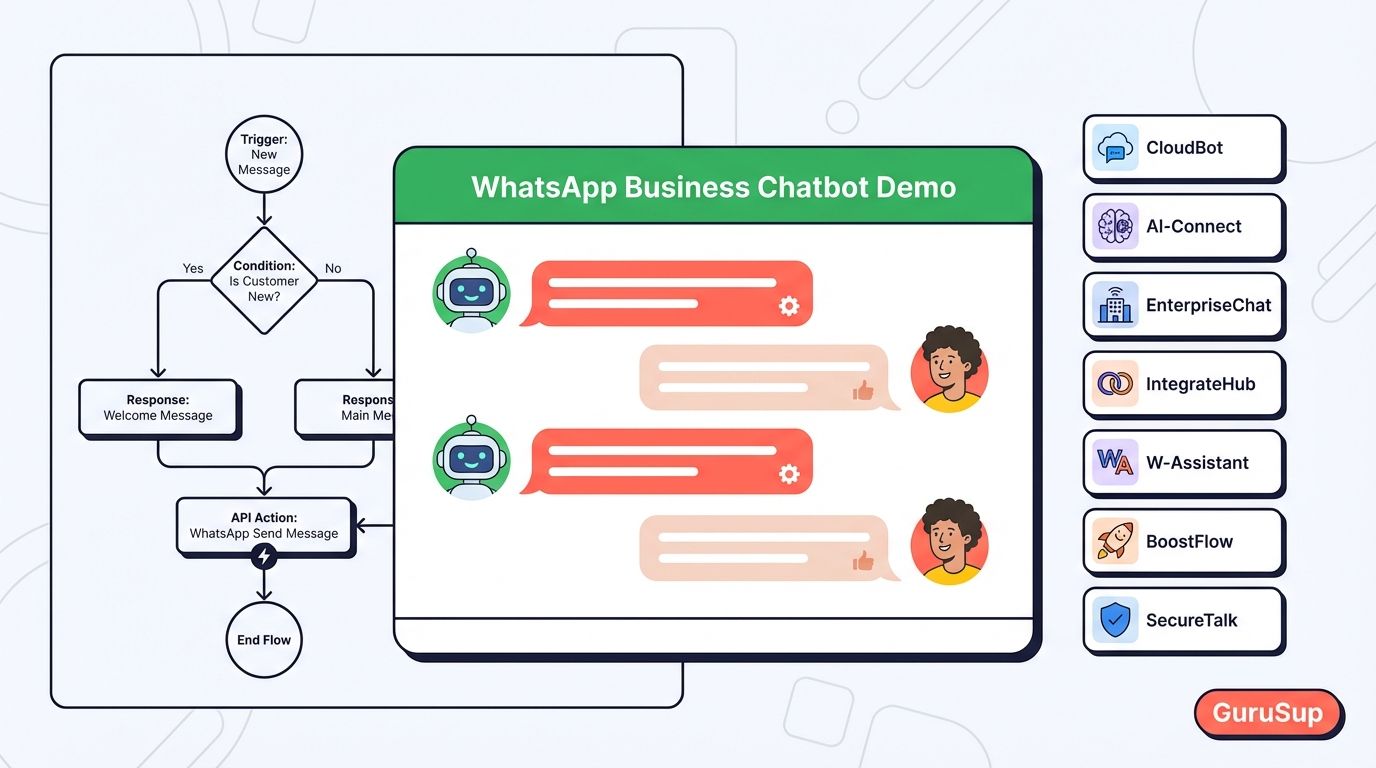
Integrating AI chatbots with WhatsApp involves several technical components:
- WhatsApp Business API: This is the interface through which businesses can communicate with customers via WhatsApp.
- AI Chatbot Frameworks: Tools like Dialogflow, IBM Watson, and Microsoft Bot Framework are used to build and deploy chatbots.
- Message Routing: AI chatbots use message routing to direct customer inquiries to the appropriate response system.
- Natural Language Processing (NLP): This technology allows chatbots to understand and respond to human language in a conversational manner.
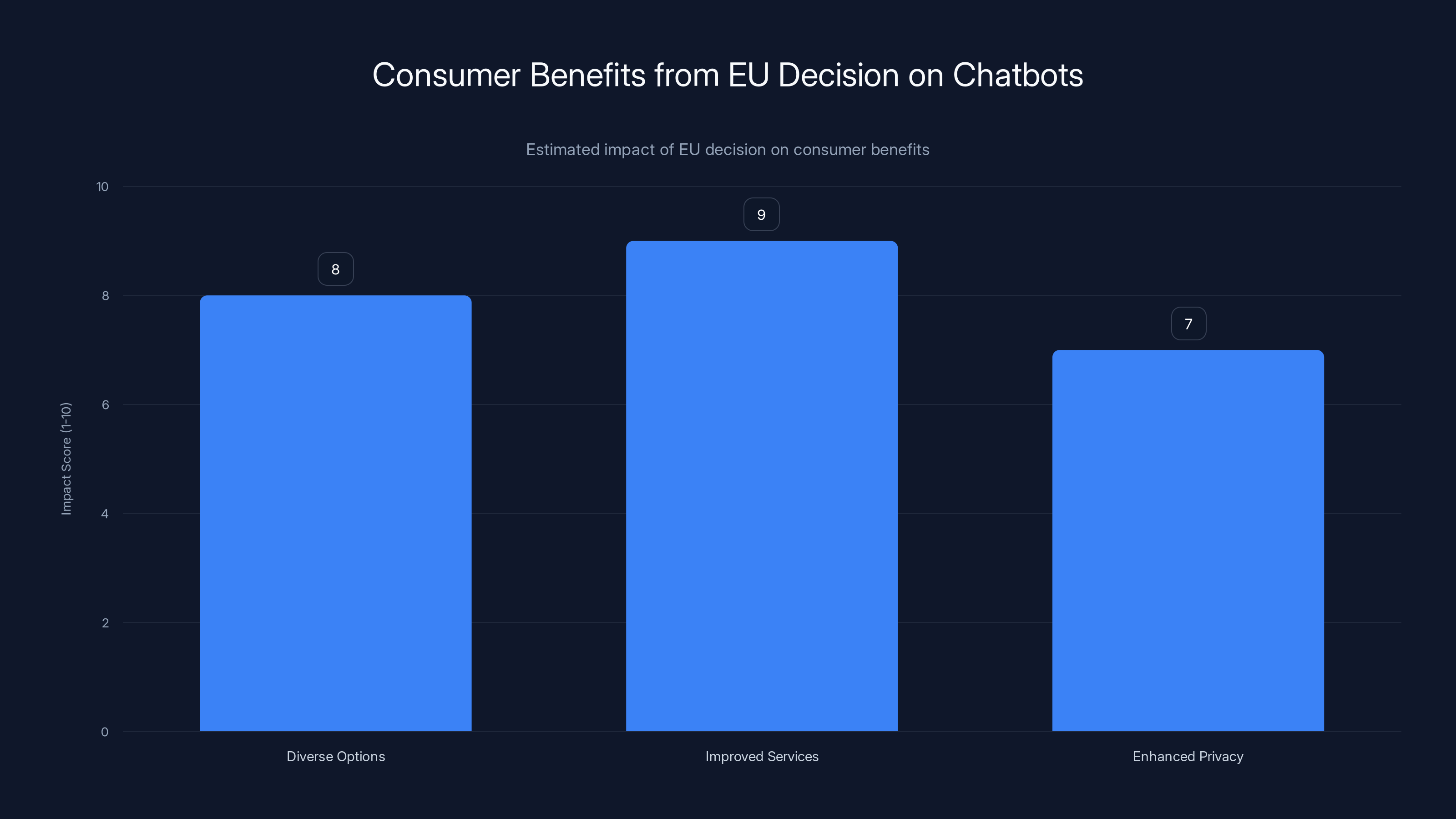
The EU's decision is estimated to significantly enhance consumer benefits, with improved services scoring the highest impact. Estimated data.
Best Practices for Implementing AI Chatbots
Integrating AI chatbots into WhatsApp requires careful planning and execution. Here are some best practices:
- Define Clear Objectives: Understand what you want to achieve with your chatbot, whether it's improved customer service or increased sales.
- Choose the Right Framework: Select a chatbot framework that aligns with your technical capabilities and business needs.
- Focus on User Experience: Ensure that the chatbot provides a seamless and intuitive experience for users.
- Test Thoroughly: Conduct extensive testing to identify and fix any issues before going live.
- Monitor and Optimize: Continuously monitor chatbot performance and make improvements based on user feedback.
Potential Pitfalls and How to Avoid Them
Like any technology, AI chatbots come with their own set of challenges. Here are common pitfalls and how to avoid them:
- Overcomplicating the Bot: Keep the chatbot's functionality simple and focused. Overloading it with features can confuse users.
- Ignoring User Feedback: Regularly collect and analyze user feedback to ensure the chatbot meets customer needs.
- Neglecting Security: Implement robust security measures to protect user data and prevent unauthorized access.
- Failing to Update: Regularly update the chatbot's knowledge base to reflect new products, services, or policies.

The Consumer Perspective: What Does This Mean for Users?
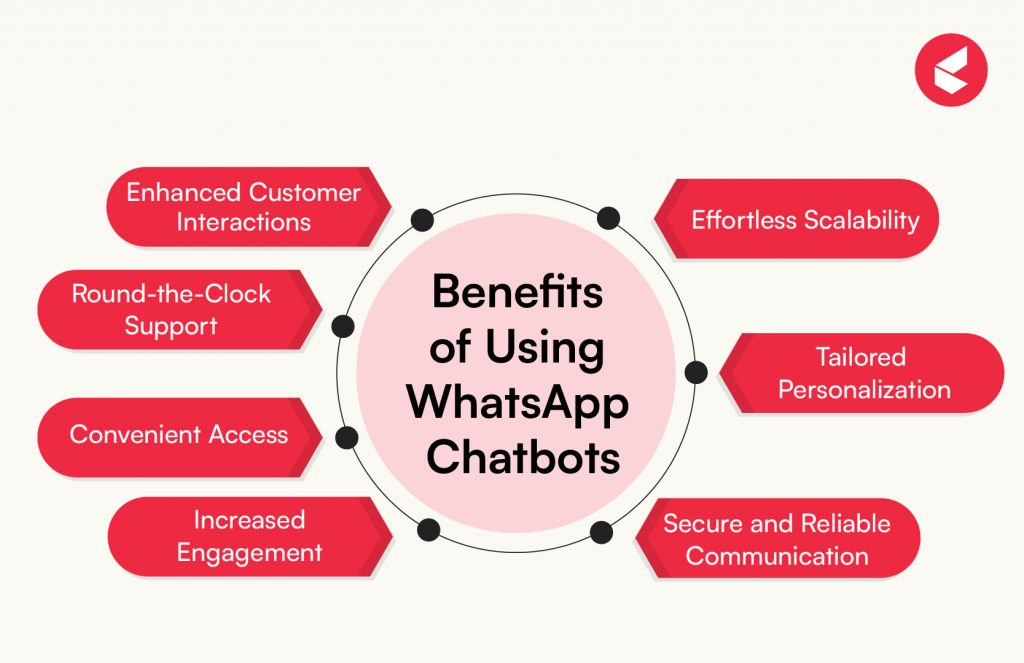
For consumers, the EU's decision means more choice and potentially better service. Users can benefit from:
- Diverse Chatbot Options: Access to a variety of chatbots that offer different features and functionalities.
- Improved Services: Competition among chatbot providers can lead to better and more innovative services.
- Enhanced Privacy: The EU's intervention underscores the importance of data protection and privacy in digital communications, as emphasized by TechBuzz.
Future Trends: The Evolution of AI Chatbots
The future of AI chatbots in messaging apps like WhatsApp looks promising. Here are some trends to watch:
- Increased Personalization: Chatbots will become more adept at personalizing interactions based on user data.
- Multilingual Capabilities: As global communication expands, chatbots will need to support multiple languages.
- Integration with IoT: Chatbots will increasingly interact with IoT devices, offering new ways to control smart home systems.
- Voice and Video Integration: Future chatbots may incorporate voice and video capabilities for more dynamic interactions.
Recommendations for Businesses
For businesses looking to leverage AI chatbots on WhatsApp, consider the following recommendations:
- Stay Informed: Keep up with the latest developments in AI chatbot technology and regulatory changes.
- Invest in Training: Ensure that your team is trained to manage and optimize chatbot interactions.
- Focus on Data Privacy: Implement strong data protection measures to comply with regulations and build customer trust.
- Collaborate with Experts: Partner with AI and chatbot experts to ensure successful implementation and operation.
Conclusion: A New Era for Messaging Apps
The EU's order for Meta to stop blocking rival AI chatbots on WhatsApp marks a significant shift in the messaging app landscape. By ensuring fair competition, the EU is paving the way for innovation and improved services for consumers and businesses alike, as noted in TechCrunch.
As AI chatbots continue to evolve, businesses must adapt and embrace these technologies to stay competitive and meet the growing expectations of their customers. The future of digital communication is bright, and the possibilities are endless.
FAQ
What is the EU's order to Meta about?
The European Union has ordered Meta to stop blocking rival AI chatbots on WhatsApp to address potential antitrust issues and ensure fair competition, as reported by Storyboard18.
How does this decision impact businesses?
Businesses can now use various AI chatbots on WhatsApp, allowing for greater flexibility and innovation in customer interactions.
What are the benefits of AI chatbots for consumers?
Consumers benefit from increased chatbot options, improved services, and enhanced data privacy protections.
How do AI chatbots integrate with WhatsApp?
AI chatbots integrate with WhatsApp through the WhatsApp Business API, using frameworks for natural language processing and message routing.
What are some best practices for implementing AI chatbots?
Define clear objectives, choose the right framework, focus on user experience, test thoroughly, and continuously monitor and optimize performance.
What future trends can we expect in AI chatbots?
Expect increased personalization, multilingual capabilities, IoT integration, and the incorporation of voice and video features.
What recommendations do experts have for businesses using AI chatbots?
Stay informed, invest in training, focus on data privacy, and collaborate with AI experts for successful implementation.
Why is the EU focused on antitrust laws in this case?
The EU aims to prevent companies like Meta from abusing their dominant market positions to ensure fair competition and consumer choice.
Key Takeaways
- The EU's order highlights the importance of competition in the digital market.
- Businesses can leverage diverse AI chatbots for improved customer service.
- AI chatbots are integral to the future of messaging apps and digital communication.
- Data privacy and security remain critical in the implementation of AI technologies.
- Regulatory oversight ensures fair competition and innovation in the tech industry.
Related Articles
- WhatsApp's Game-Changing Move: Hosting Rival AI Assistants for Free [2025]
- The Future of AI in White-Collar Work: Beyond the Hype [2025]
- Unlocking the Full Potential of AI Agents: Challenges and Strategies [2025]
- How Meta Uses Your Online Activity to Tailor Your Social Media Experience [2025]
- Traveling to North America for the World Cup? Boost Your Digital Privacy and Cut Down on Roaming Fees with This VPN and eSIM Combo [2025]
- Why Tech Professionals Need a Standard to Adhere To [2025]


