
![How Jedify is Transforming AI Integration: Contextualizing AI for Business [2025]](https://tryrunable.com/blog/how-jedify-is-transforming-ai-integration-contextualizing-ai/image-1-1781100238838.jpg)
How Jedify is Transforming AI Integration: Contextualizing AI for Business [2025]
Last year, Jedify—a burgeoning startup based in New York—secured a whopping $24 million in Series A funding. The goal? To revolutionize how AI agents interact with enterprise systems by embedding them with deep, business-specific context. This move is set to bridge a crucial gap in the AI landscape, where many solutions fail to deliver on their promised potential due to a lack of contextual understanding, as reported by Business Insider.
TL; DR
- Jedify raised $24M to enhance AI agent contextual awareness, according to SiliconANGLE.
- Context graphs connect AI to business-specific data sources, as detailed by Neo4j.
- Integration challenges include handling diverse data formats, highlighted by Applied Clinical Trials.
- Future trends point to more personalized AI solutions, as noted by CIO.
- Key takeaway: Contextual AI transforms business operations.
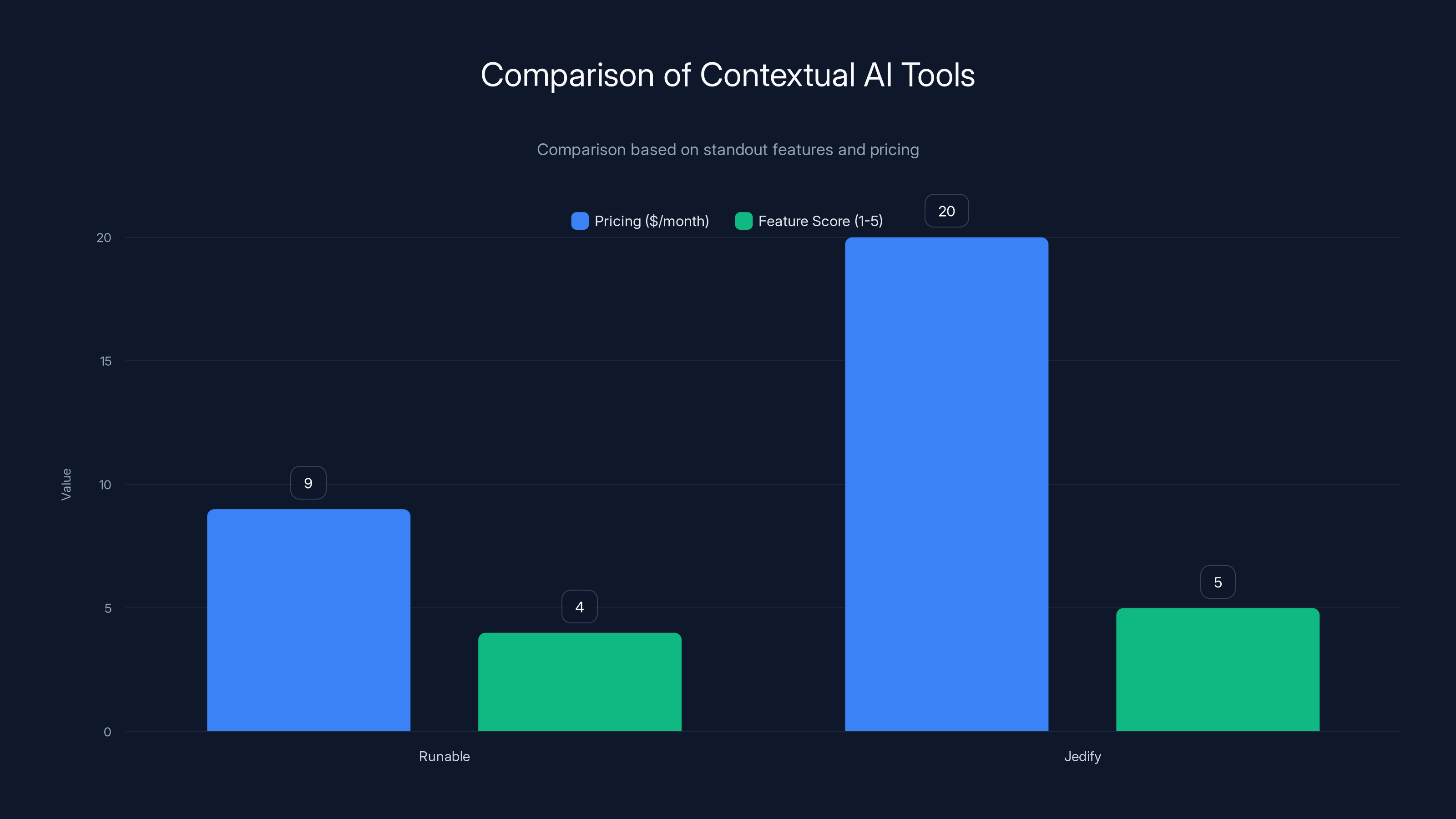
Runable offers a competitive pricing of
Understanding the Contextual AI Paradigm
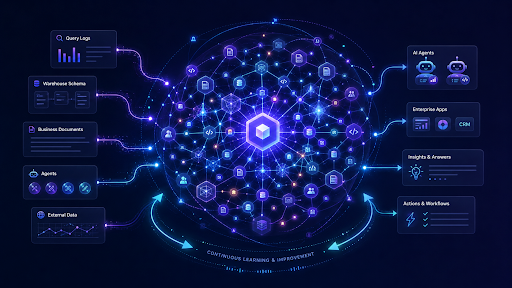
AI has long been touted as the magic bullet for automating complex processes and making intelligent decisions. Yet, without a tailored understanding of the specific business environment, AI agents often fall short. This is where Jedify steps in, offering a platform that connects to a company's existing knowledge sources to build a comprehensive context graph. This graph acts as a rich repository of business-specific information, enabling AI agents to make informed decisions, as explained by Neo4j.
The Role of Context Graphs
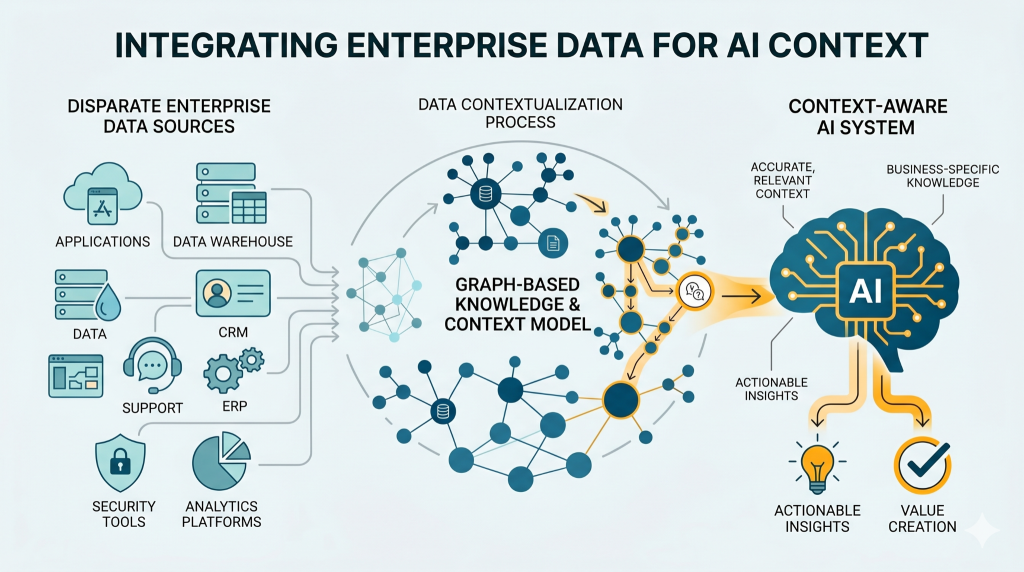
A context graph is essentially a structured map of data that provides AI with the context necessary to understand and operate within a specific business environment. Think of it as a detailed blueprint that outlines how a business operates, including key metrics, operational processes, and data flows. By integrating with existing enterprise systems—such as databases, data lakes, and SaaS applications—Jedify's platform constructs these graphs to tailor AI functionality.
Practical Use Cases of Contextual AI
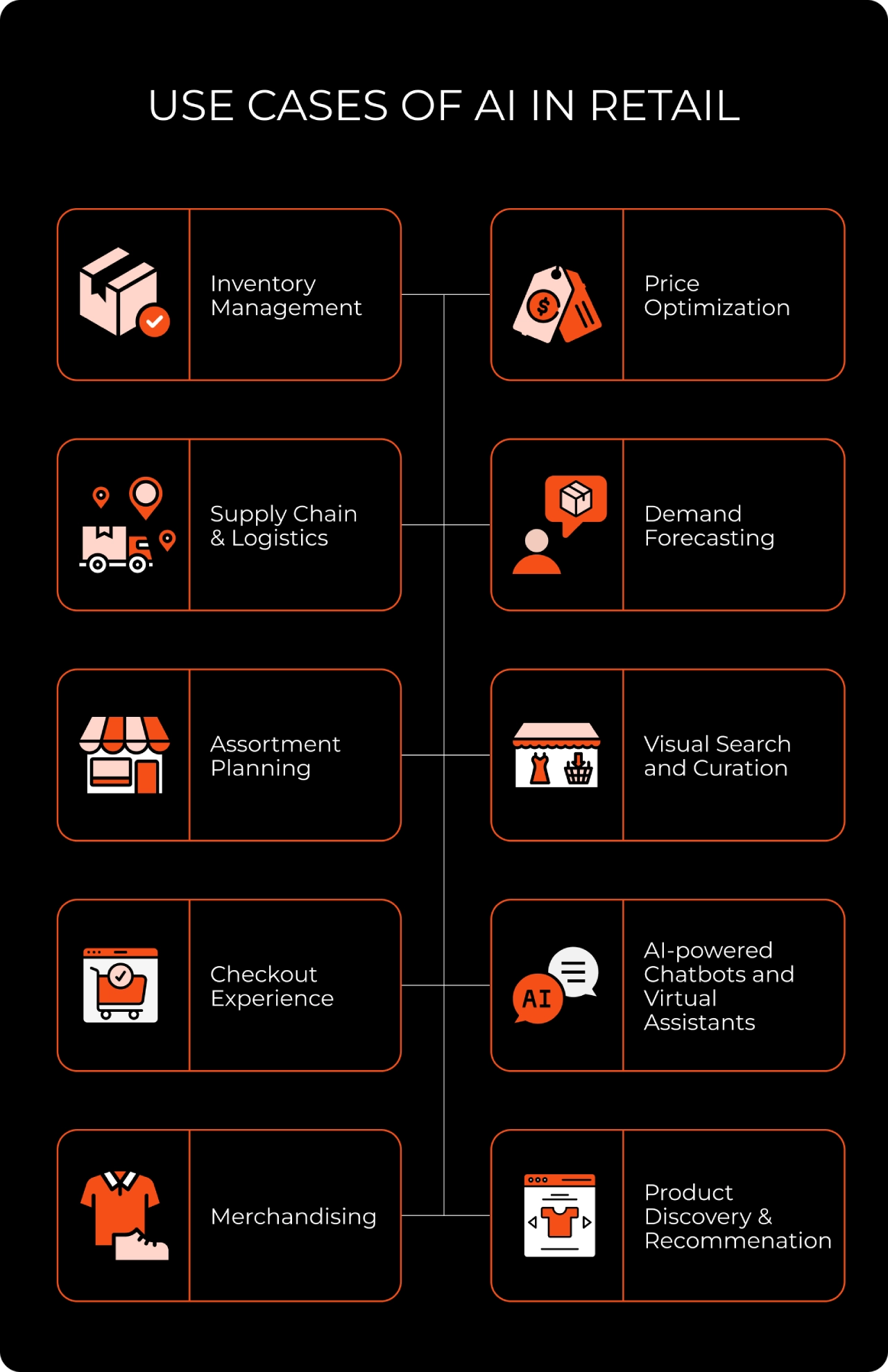
Imagine a large retail chain using Jedify's platform. By connecting its AI systems to POS databases, customer feedback platforms, and supply chain management tools, the company can enable AI agents to make data-driven decisions with real-time insights. For instance, AI could predict stock shortages and automate reordering processes, all while considering historical sales trends and current promotional campaigns, as noted by CIO.
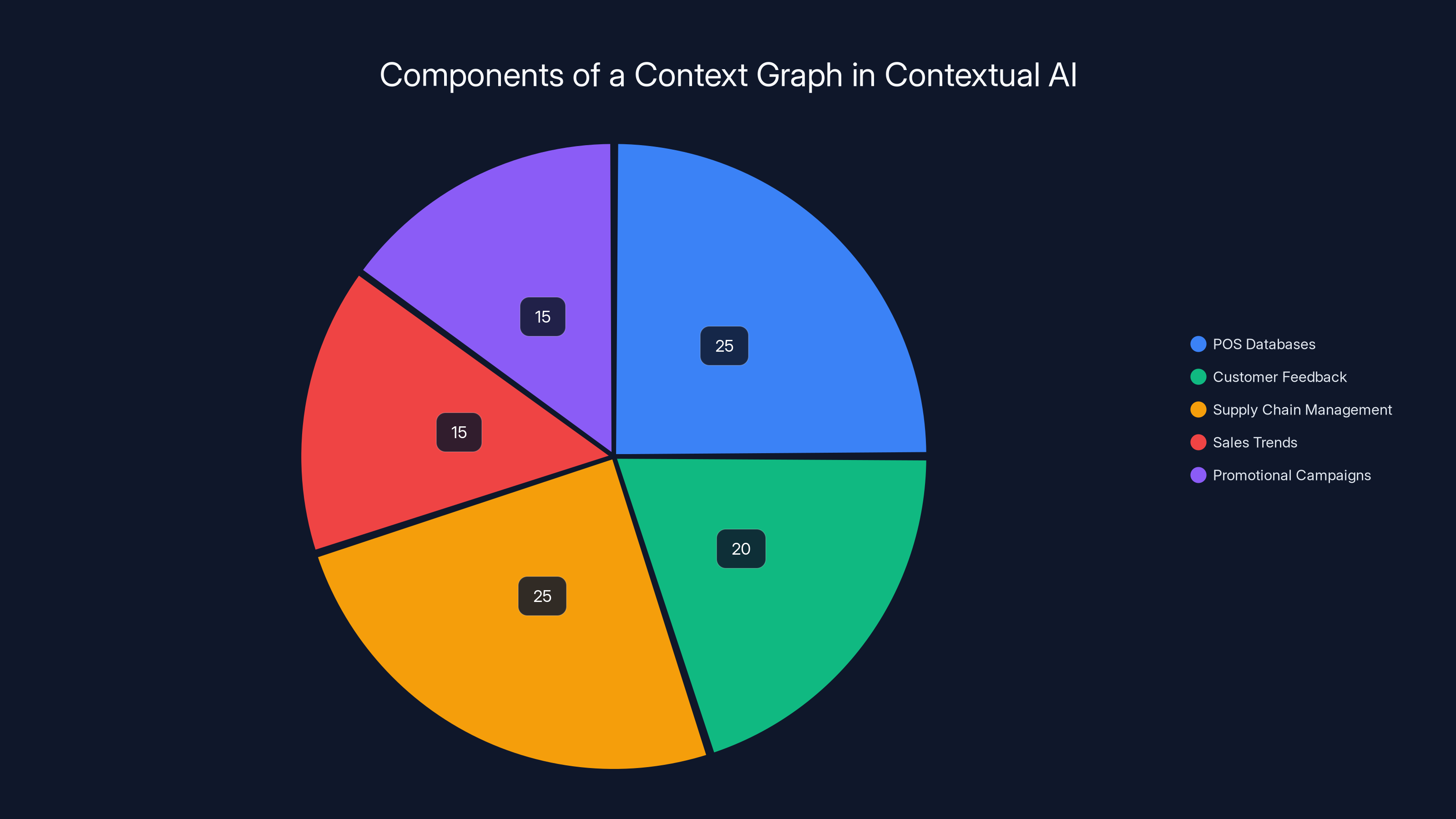
Estimated data shows that POS databases and supply chain management tools are major contributors to context graphs, each accounting for 25% of the data sources. Estimated data.
Overcoming Integration Challenges
Implementing contextual AI isn't without its obstacles. One of the biggest challenges is data integration—ensuring that AI systems can access and interpret data from a multitude of sources. This process often requires custom APIs and middleware to harmonize disparate systems, as discussed by Applied Clinical Trials.
Another hurdle is data privacy and security. With AI accessing sensitive business information, companies must ensure robust security measures are in place to protect against data breaches, as emphasized by the NSA.
Best Practices for Implementation
- Start with a Clear Roadmap: Identify key business processes where AI can add the most value.
- Prioritize Data Quality: Ensure data sources are accurate and up-to-date to avoid misleading AI conclusions.
- Invest in Scalability: Design systems that can grow with your business needs.
- Engage Cross-Functional Teams: Collaborate with IT, operations, and business leaders to align AI goals with business objectives.

Future Trends in Contextual AI
The future of AI lies in its ability to not just process data, but to understand and utilize it contextually. As AI continues to evolve, expect to see more personalized AI solutions tailored to niche business needs. These advancements will likely be driven by improvements in natural language processing and machine learning algorithms, enabling AI to interpret and act on complex data sets more effectively, as noted by CIO.
Recommendations for Forward-Thinking Enterprises
- Invest in AI Training: Equip teams with the skills needed to manage and optimize AI solutions.
- Monitor Industry Developments: Stay informed about new AI technologies and methodologies.
- Foster a Culture of Innovation: Encourage experimentation with AI to discover unique business applications.
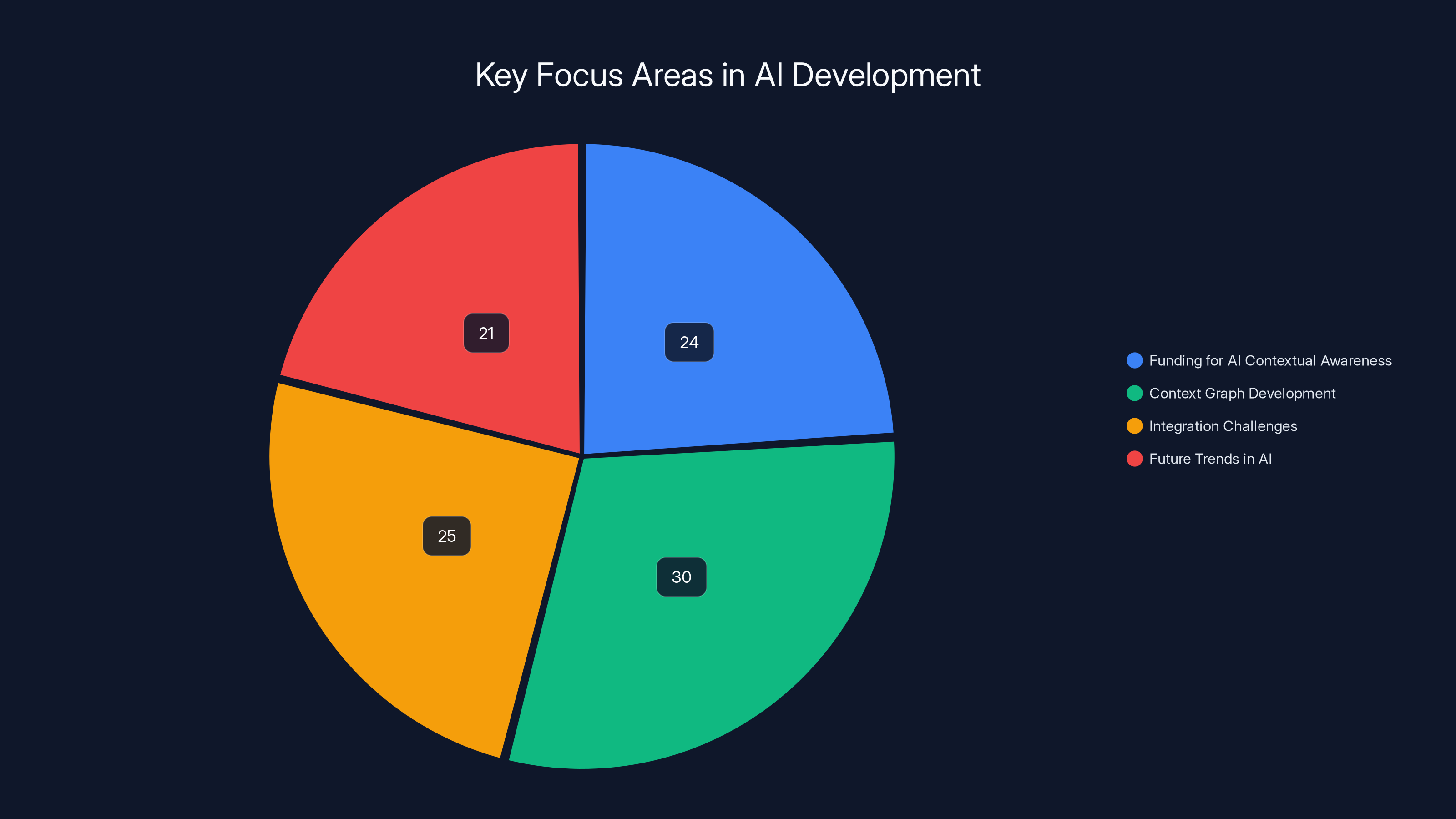
The pie chart illustrates the distribution of focus areas in AI development, highlighting significant investment in contextual awareness and integration challenges. Estimated data.
Conclusion
Jedify's approach to AI integration represents a significant step forward in making AI more relevant and effective for businesses. By focusing on context, companies can unlock the full potential of AI, transforming how they operate and make decisions. As AI technology continues to advance, those who adopt a contextual approach will be well-positioned to lead in their respective industries, as highlighted by LawNext.
FAQ
What is a context graph?
A context graph is a structured representation of business data that provides AI systems with the necessary context to operate effectively within a specific business environment, as explained by Neo4j.
How does Jedify's platform work?
Jedify's platform connects to various enterprise data sources, such as databases and SaaS applications, to build a context graph that informs AI agents, as detailed by SiliconANGLE.
What are the benefits of using contextual AI?
Contextual AI enables more accurate and relevant decision-making by AI agents, leading to improved efficiency and effectiveness in business operations, as noted by CIO.
What challenges are associated with AI integration?
Key challenges include data integration, privacy concerns, and ensuring data quality and accuracy, as discussed by Applied Clinical Trials.
How can businesses prepare for future AI trends?
Businesses should invest in AI training, stay informed about new technologies, and foster a culture of innovation to leverage future AI advancements, as recommended by CIO.
The Best Contextual AI Tools at a Glance
| Tool | Best For | Standout Feature | Pricing |
|---|---|---|---|
| Runable | AI automation | AI agents for presentations, docs, reports, images, videos | $9/month |
| Jedify | Contextual AI | Context graphs | Custom pricing |
Quick Navigation:
Key Takeaways
- Jedify's $24M funding will enhance AI contextual understanding, as reported by Business Insider.
- Context graphs provide AI with business-specific insights, as detailed by Neo4j.
- Successful AI integration requires addressing data challenges, as discussed by Applied Clinical Trials.
- Future AI trends include more personalized solutions, as noted by CIO.
- Businesses should invest in AI training and monitor industry developments, as recommended by CIO.
Related Articles
- WhatsApp's Game-Changing Move: Hosting Rival AI Assistants for Free [2025]
- Demystifying Siri AI: From Basic Commands to Advanced Integration [2025]
- Unlocking the Full Potential of AI Agents: Challenges and Strategies [2025]
- Meta and the EU Clash: The Battle Over AI Chatbots on WhatsApp [2025]
- Why Tech Professionals Need a Standard to Adhere To [2025]
- Kill Your Bad Ideas or They'll Drain Your AI Budget [2025]


