
![Marshall's Wireless Speakers: Enhanced Bass and Repairability [2025]](https://tryrunable.com/blog/marshall-s-wireless-speakers-enhanced-bass-and-repairability/image-1-1783425865352.jpg)
Marshall's Wireless Speakers: Enhanced Bass and Repairability [2025]
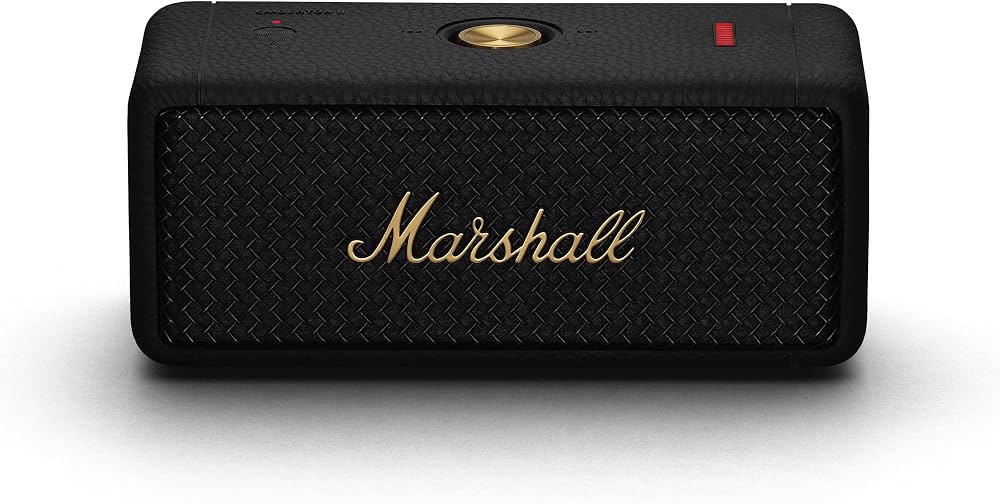
Marshall has taken a significant leap in the wireless speaker market by upgrading the bass and repairability of its latest models. This move not only caters to audiophiles but also addresses growing consumer demand for sustainable and long-lasting products. In this comprehensive guide, we delve into the technical enhancements, practical use cases, and future implications of Marshall's innovations.
TL; DR
- Enhanced Bass: Marshall's new speaker models deliver deeper, richer bass without sacrificing clarity, as highlighted in The Guardian's review of top Bluetooth speakers.
- Improved Repairability: Design modifications make these speakers easier to repair, extending their lifespan, as discussed in StupidDope's analysis of Marshall's Stockwell III.
- Sustainability Focus: The emphasis on repairability aligns with environmental concerns and consumer preferences, as noted in MusicTech's feature on Marshall's sustainable design.
- Technical Innovations: Advanced driver technology and modular components are key highlights, as detailed in RTINGS' review of the best sounding Bluetooth speakers.
- User-centric Design: Simplified assembly and disassembly processes empower users to maintain their devices.
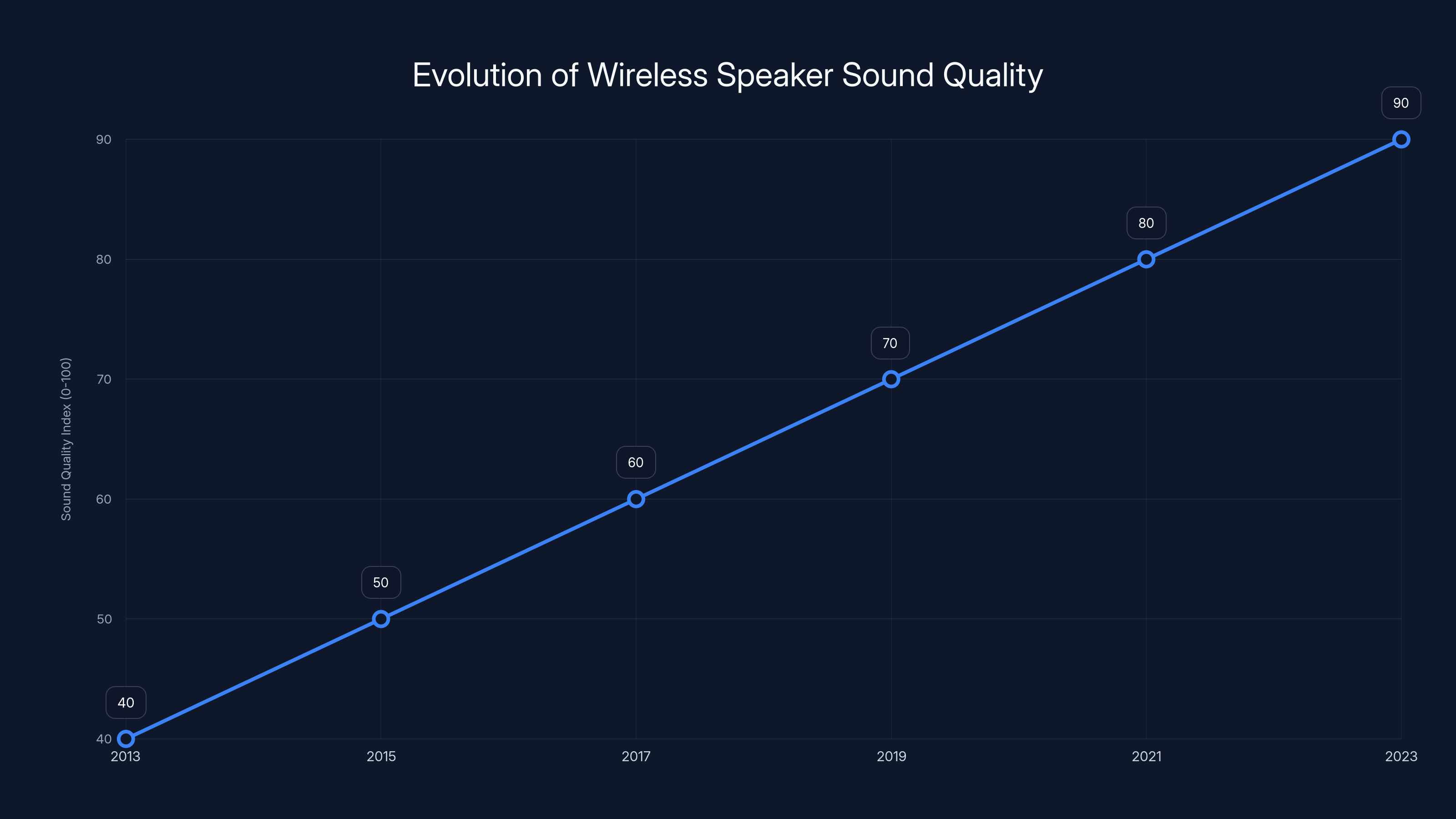
The sound quality of wireless speakers has significantly improved over the past decade, with a focus on enhancing bass performance and overall audio fidelity. (Estimated data)
The Evolution of Wireless Speakers
The wireless speaker industry has seen rapid advancements over the past decade. Initial models prioritized convenience and portability, often compromising on sound quality. However, as technology progressed, manufacturers began integrating high-fidelity audio features into compact designs. Marshall, known for its iconic amplifiers, has been at the forefront of this evolution, as noted in TechRadar's roundup of the best Bluetooth speakers.
Historical Perspective
In the early days, wireless speakers were primarily used for background music and casual listening. Their sound quality was often criticized, with bass frequencies lacking depth and clarity. As consumer expectations grew, so did the demand for better audio performance in portable devices.
The Shift Towards Quality
Recent advancements have focused on enhancing sound quality, with bass performance being a critical component. This shift is driven by the increasing popularity of genres like hip-hop and electronic music, which rely heavily on bass frequencies. Manufacturers have responded by incorporating larger drivers, passive radiators, and digital signal processing (DSP) technologies, as outlined in RTINGS' guide to the best Bluetooth bass speakers.


The global smart speaker market is projected to grow significantly, reaching $39.3 billion by 2025, driven by trends like smart integration and enhanced connectivity. Estimated data.
Marshall's Approach to Enhanced Bass
Marshall's latest models feature advanced driver technology designed to deliver powerful bass without distortion. These speakers use a combination of larger woofers and optimized enclosures to produce deep, resonant bass that complements the mids and highs, as detailed in StupidDope's feature on the Stockwell III.
Technical Specifications
- Driver Size: Larger woofers for improved bass response.
- Enclosure Design: Optimized for minimal resonance and maximum sound clarity.
- DSP Technology: Fine-tunes audio output to balance bass with other frequencies.
Real-World Use Cases
Imagine hosting a party where the music sets the mood. With Marshall's enhanced bass, even the most bass-heavy tracks are delivered with punch and precision, ensuring an immersive listening experience. Whether you're an audiophile or a casual listener, the improvement in bass performance is palpable, as highlighted in The Guardian's review of top Bluetooth speakers.
Practical Implementation of Enhanced Bass
To achieve superior bass, Marshall employs a multi-faceted approach combining hardware and software innovations. Here's a closer look at how these elements work together:
Hardware Innovations
The key to enhanced bass lies in the physical components of the speaker:
- Larger Woofers: By increasing the surface area of the woofers, Marshall enhances the speaker's ability to move air, producing deeper bass.
- Rigid Enclosures: Sturdy materials minimize unwanted vibrations, ensuring that the bass remains clear and undistorted.
Software Contributions
Digital signal processing (DSP) plays a crucial role in balancing audio output:
- Dynamic Range Control: Prevents distortion by automatically adjusting the output levels.
- Bass Boost Algorithms: Enhance low-frequency sounds without overwhelming other frequencies.

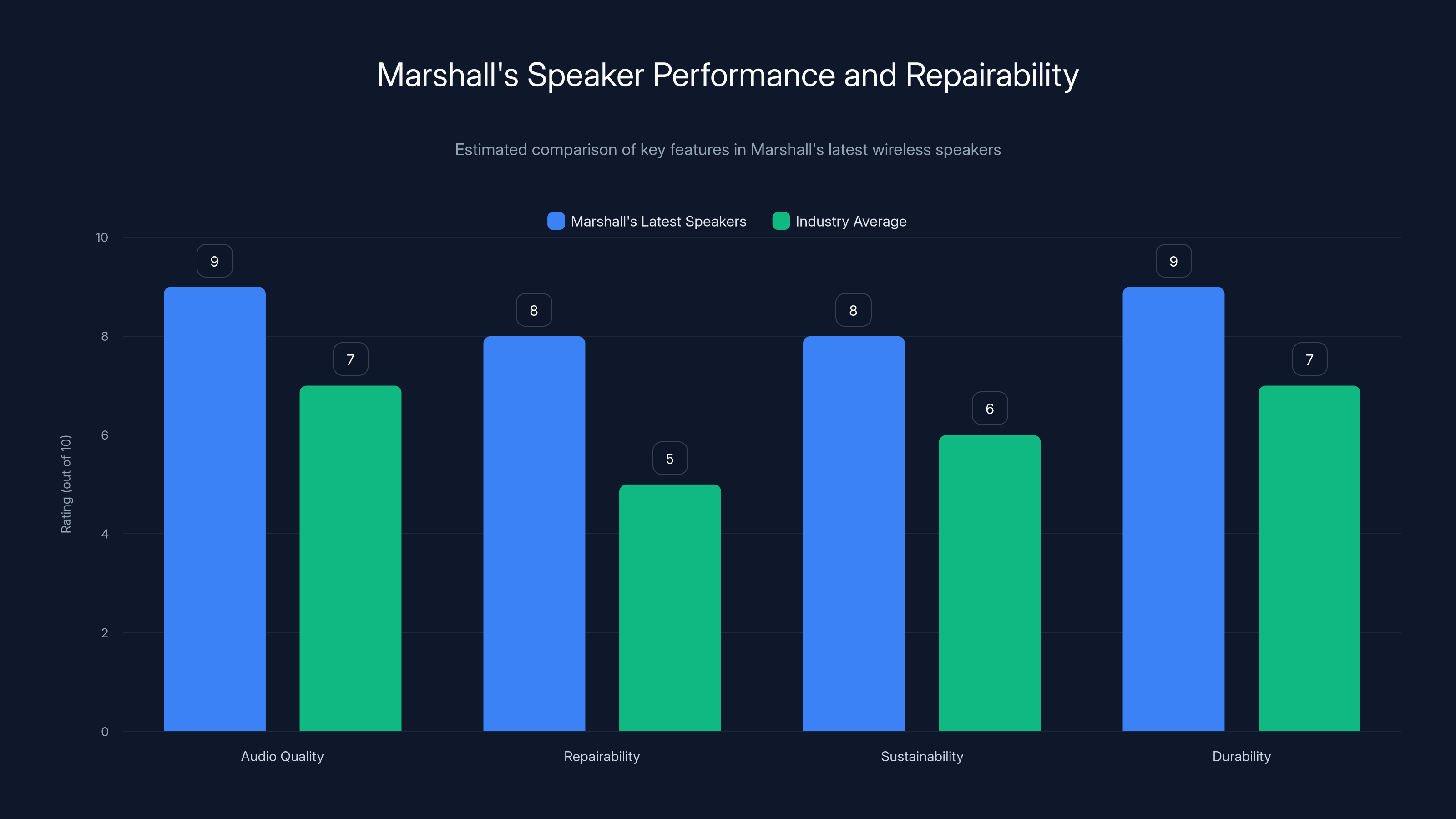
Marshall's latest speakers outperform the industry average in audio quality, repairability, sustainability, and durability. (Estimated data)
Improving Repairability: A Sustainable Approach
In addition to audio enhancements, Marshall's focus on repairability marks a significant step towards sustainability. By designing speakers that are easier to repair, Marshall not only extends the product's lifespan but also reduces electronic waste, as discussed in StupidDope's analysis.
Design Features
- Modular Components: Key parts like drivers and batteries are designed to be easily replaceable.
- Simplified Assembly: Fewer screws and snap-fit components make disassembly straightforward.
Consumer Benefits
Enhanced repairability translates to several advantages for consumers:
- Cost Savings: Repairing a speaker is often cheaper than replacing it.
- Longevity: With proper maintenance, these speakers can last significantly longer than non-repairable models.
Repairability in Practice: A Step-by-Step Guide
For those interested in maintaining their Marshall speakers, here’s a practical guide to basic repairs:
Tools Required
- Phillips screwdriver
- Plastic opening tool
- Replacement parts (available from Marshall)
Repair Process
- Remove the Grille: Use a plastic opening tool to gently pry the grille away from the speaker.
- Access the Internal Components: Unscrew the back panel to access the internal parts.
- Identify the Faulty Component: Check for visible damage or use a multimeter to test electronic components.
- Replace the Component: Swap out the faulty part with a new one from Marshall's catalog.
- Reassemble the Speaker: Reverse the disassembly steps to put the speaker back together.

Common Pitfalls and Solutions
While repairing speakers can be straightforward, there are common pitfalls to avoid:
- Incorrect Part Sourcing: Always use genuine parts to ensure compatibility and performance.
- Over-Tightening Screws: This can damage the speaker’s housing; tighten screws gently.
- Static Discharge: Use an anti-static wrist strap to prevent damage to sensitive components.
Future Trends in Wireless Speaker Technology
Looking ahead, several trends are expected to shape the future of wireless speakers:
Smart Integration
Speakers are becoming more than just audio devices. Integration with smart home systems and voice assistants is becoming standard, allowing users to control their environment with ease, as noted in TechRadar's analysis.
Enhanced Connectivity
Future speakers will likely support a wider range of connectivity options, including Wi-Fi 6 and Bluetooth 5.2, offering faster data transfer rates and more stable connections.
Personalized Audio Experiences
Advancements in AI and machine learning are paving the way for personalized audio experiences. Speakers could learn user preferences and automatically adjust settings to deliver optimal sound quality.
Eco-Friendly Designs
As sustainability becomes more critical, manufacturers will continue to explore eco-friendly materials and energy-efficient technologies, as highlighted in MusicTech's feature.
Conclusion
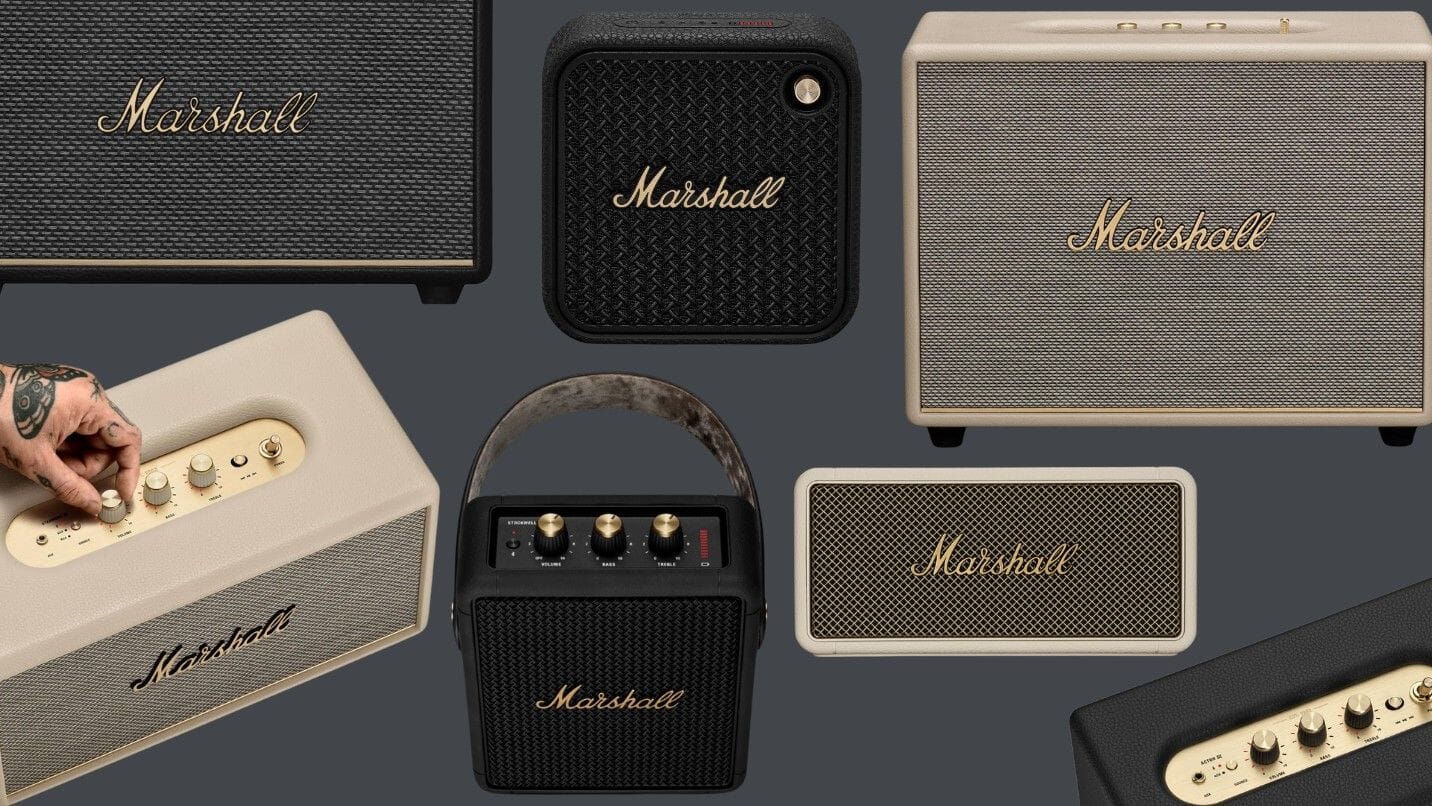
Marshall's latest upgrades in bass performance and repairability represent a significant step forward in the wireless speaker industry. By combining superior audio quality with sustainable design practices, Marshall is setting a new benchmark for consumer electronics. As technology continues to evolve, the emphasis on user-centric and environmentally conscious design is likely to become even more pronounced, as discussed in RTINGS' analysis.
Incorporating these innovations into everyday use not only enhances the listening experience but also promotes a more sustainable future. Whether you're an audiophile seeking top-notch sound quality or a consumer looking for durable and eco-friendly products, Marshall's latest offerings are well worth considering.
Key Takeaways
- Marshall's new speakers deliver enhanced bass for richer sound quality.
- Improved repairability aligns with growing consumer demand for sustainability.
- Modular components and simplified design facilitate easier repairs.
- Future trends include smart integration and personalized audio experiences.
- Proper maintenance can significantly extend the lifespan of wireless speakers.
- Eco-friendly design practices are becoming increasingly important in audio technology.
Related Articles
- Exploring the Innovations of Nothing’s Earbuds: Recording Calls and Beyond [2025]
- Noble Osprey Review: Imperfect Audiophile Earbuds [2025]
- The Evolution of Nothing Ear 3(a): What to Expect from the Latest Earbuds [2025]
- Nothing Ear (3a): Affordable ANC Earbuds Under $100 [2025]
- The Global Puzzle: Why Nothing’s First B-Series Phone is Skipping the US [2025]
- Nintendo Switch 2 with Replaceable Battery Coming Soon: What to Expect [2025]
FAQ
What is Marshall's Wireless Speakers: Enhanced Bass and Repairability [2025]?
Marshall has taken a significant leap in the wireless speaker market by upgrading the bass and repairability of its latest models
What does tl; dr mean?
This move not only caters to audiophiles but also addresses growing consumer demand for sustainable and long-lasting products
Why is Marshall's Wireless Speakers: Enhanced Bass and Repairability [2025] important in 2025?
In this comprehensive guide, we delve into the technical enhancements, practical use cases, and future implications of Marshall's innovations
How can I get started with Marshall's Wireless Speakers: Enhanced Bass and Repairability [2025]?
- Enhanced Bass: Marshall's new speaker models deliver deeper, richer bass without sacrificing clarity
What are the key benefits of Marshall's Wireless Speakers: Enhanced Bass and Repairability [2025]?
- Improved Repairability: Design modifications make these speakers easier to repair, extending their lifespan
What challenges should I expect?
- Sustainability Focus: The emphasis on repairability aligns with environmental concerns and consumer preferences


