

The Future of Smartphone Repairability: Lessons from Fairphone and Nothing [2025]
In an era where smartphones are ubiquitous, the conversation around device repairability has taken center stage. Recently, Fairphone’s tongue-in-cheek jab at the Nothing Phone (4b) highlighted critical issues in the tech industry: repairability and sustainability. While technology continues to advance, the ease with which consumers can repair their devices often lags behind. Let’s dive into the intricacies of this debate, explore real-world examples, and discuss future trends in smartphone design.
TL; DR
- Fairphone leads the charge with truly repairable designs, contrasting with the Nothing Phone (4b)'s faux repairability.
- Consumer empowerment through repairability can significantly reduce e-waste.
- Design choices in smartphones impact repairability and sustainability.
- Regulatory trends suggest growing global support for repairable devices.
- Industry recommendations include adopting modular designs and transparent repair policies.


The Fairphone 4 achieves a competitive performance score of 85, closely matching leading non-modular smartphones. Estimated data.
The Context: Fairphone vs. Nothing
Fairphone, a pioneer in sustainable smartphone design, has consistently emphasized repairability as a core feature. Their latest jab at the Nothing Phone (4b) humorously criticized its design for not being as repair-friendly as advertised. But why does repairability matter?
Why Repairability Is Crucial
The ability for consumers to repair their devices impacts not just the user experience but also environmental sustainability. E-waste is a growing concern, with millions of tons generated annually. Repairable designs can extend the lifespan of devices, reducing the need for new products and minimizing waste. According to Statista, mismanaged waste contributes significantly to environmental degradation.
Fairphone’s Approach
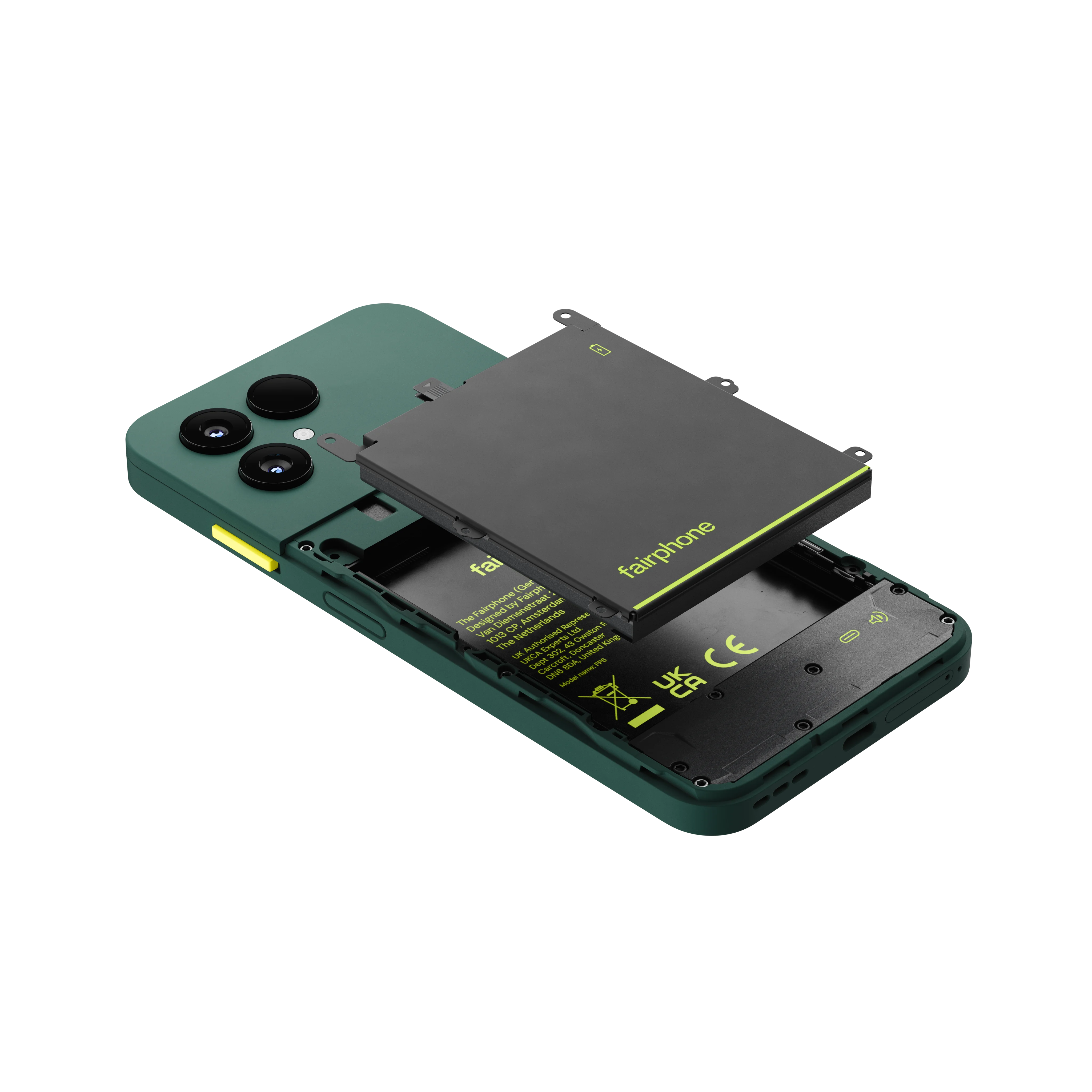
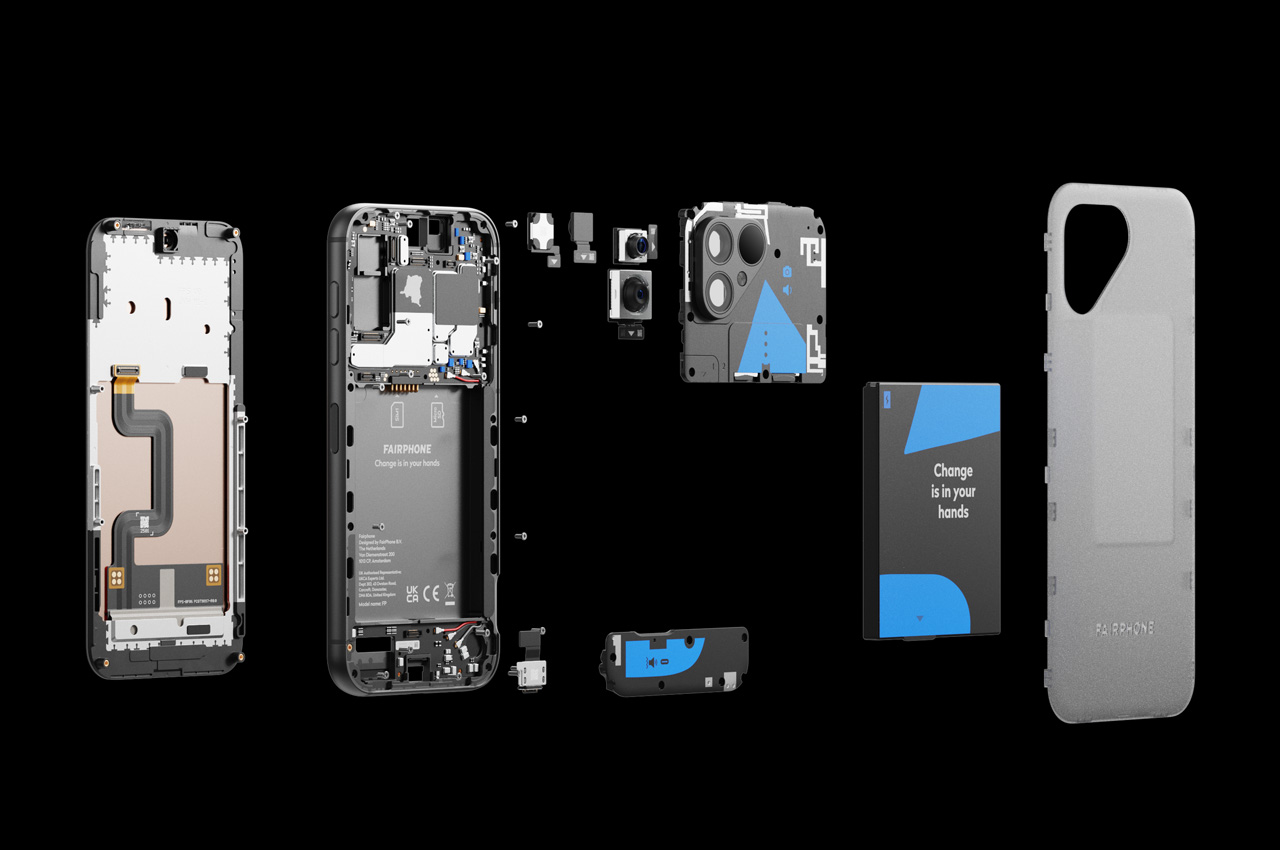
Fairphone has set the standard for repairable phones. Their devices come with modular components, allowing users to easily replace parts like batteries and screens. This not only empowers consumers but also promotes a circular economy by encouraging reuse and recycling. As noted by PCMag, Fairphone's modular design is a significant step towards sustainable technology.
Key Features of Fairphone:
- Modular Design: Parts can be swapped without specialized tools.
- Open Source Software: Encourages community-driven improvements.
- Ethically Sourced Materials: Focus on conflict-free minerals.
Nothing Phone’s Controversy
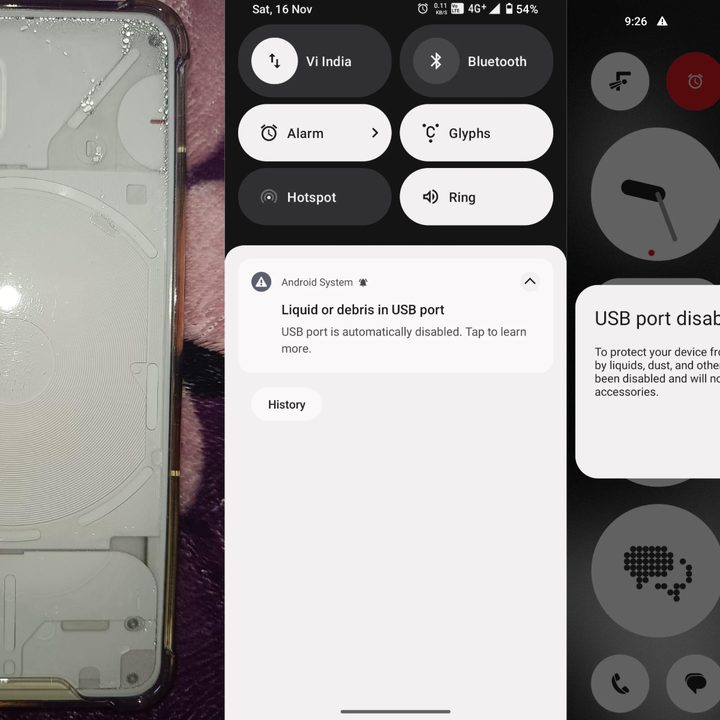
The Nothing Phone (4b) promised a new take on transparency and design. However, its approach to repairability fell short. While the design features visible screws, actual disassembly requires specialized tools and skills, contrasting with the ease promised by Fairphone.
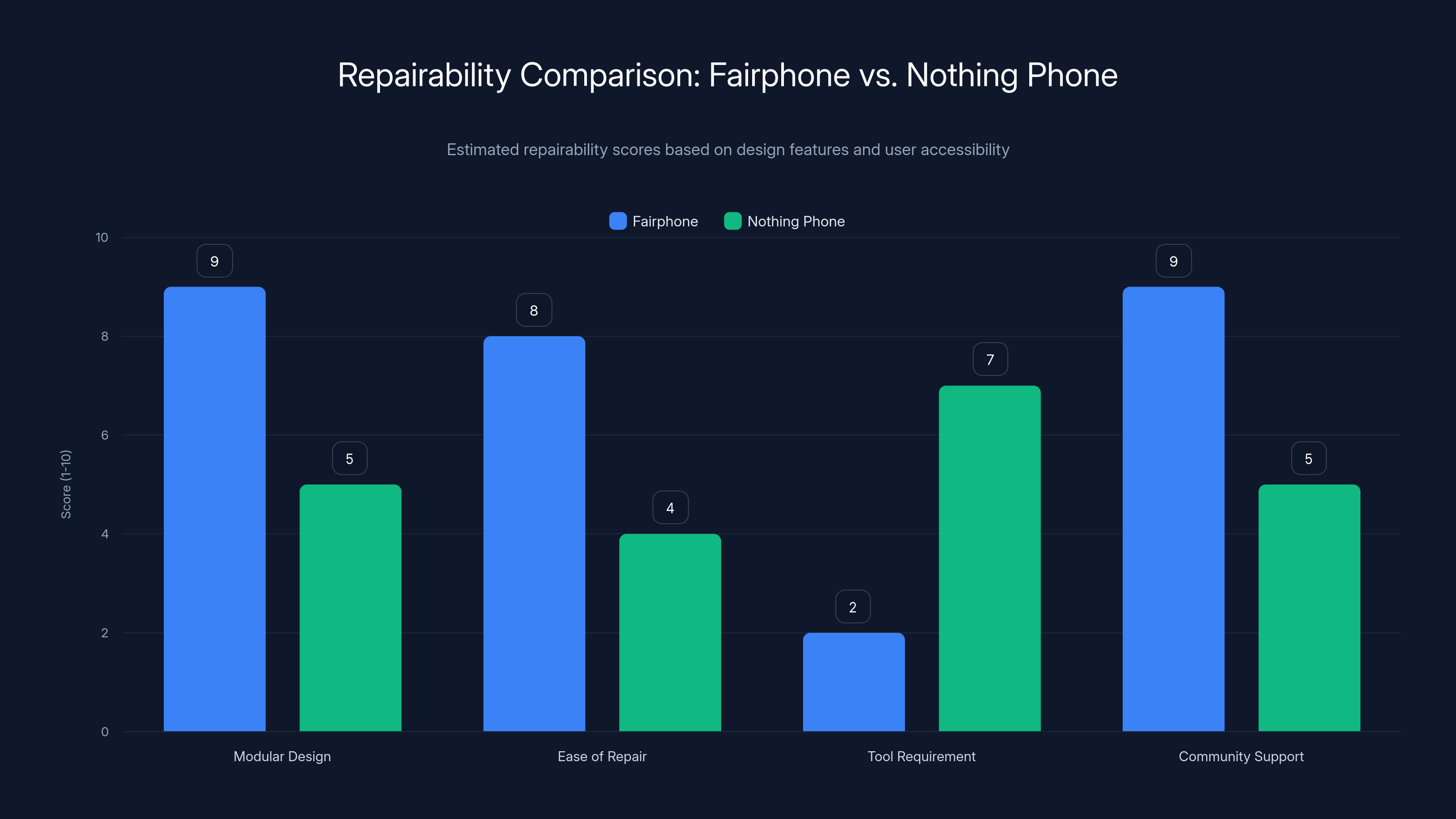
Fairphone significantly outperforms Nothing Phone in repairability due to its modular design and ease of repair. Estimated data based on design analysis.
Exploring the Technical Details
To understand why repairability varies between these devices, we need to delve into the technical aspects of smartphone design.
Modularity in Design
Modular design refers to a system composed of interchangeable parts, which can be independently created and then used in different systems. In smartphones, this means components like batteries, cameras, and screens can be replaced or upgraded without affecting the whole device.
Advantages of Modular Design:
- Ease of Repair: Users can fix or upgrade their phones without professional help.
- Cost-Effective: Replacing a single part is cheaper than buying a new phone.
- Environmental Benefits: Reduces e-waste by extending device life.
Challenges of Implementing Modularity
While modularity offers significant benefits, it also presents challenges:
- Increased Production Costs: Designing modular phones can be more expensive due to the complexity of parts.
- Bulkier Designs: Modular phones might be bulkier than monolithic designs.
- Market Acceptance: Consumers may prioritize sleek designs over repairability.

Best Practices for Designing Repairable Devices
For manufacturers looking to enhance repairability, consider these best practices:
- Use Standard Screws: Avoid proprietary fasteners that complicate repairs.
- Provide Repair Manuals: Offer users detailed guides for common repairs.
- Design for Disassembly: Ensure that critical components are accessible without removing others.
- Offer Spare Parts: Maintain a stock of parts for popular models.


Modular smartphone designs score high in repairability and cost-effectiveness but face challenges like increased production costs and bulkier designs. (Estimated data)
Case Study: Fairphone 4
The Fairphone 4 exemplifies how design choices can prioritize repairability without sacrificing performance.
Design Philosophy
The Fairphone 4 was designed from the ground up with repairability in mind. Its philosophy centers around user empowerment and sustainability.
Key Design Elements:
- Snap-In Components: Most parts snap into place without tools.
- Comprehensive Repair Guides: Available online for free.
- Ethical Sourcing: Prioritizes fair labor practices and sustainable materials.
Performance and User Experience
Despite its modular design, the Fairphone 4 doesn’t compromise on performance. It offers competitive specifications comparable to non-modular counterparts.
Common Pitfalls in Smartphone Design
Even with the best intentions, manufacturers often face pitfalls when aiming for repairable designs:
- Overcomplicated Designs: Trying to add too many features can complicate repairs.
- Neglecting User Input: Failing to consider consumer feedback on repair experiences.
- Ignoring Material Costs: Using expensive materials that drive up the cost of repairs.
Solutions
Manufacturers can avoid these pitfalls by:
- Conducting User Research: Regularly gather feedback from users about repair experiences.
- Iterative Design Testing: Continuously refine designs based on real-world use.
- Transparent Policies: Clearly communicate repair policies and part availability.

The Role of Regulation
Government regulations are increasingly pushing for more repairable consumer electronics. The Right to Repair movement advocates for laws that require manufacturers to provide repair manuals and spare parts.
Key Regulatory Trends
- European Union Initiatives: The EU is leading with legislation that mandates repairability scores for electronics.
- US Right to Repair Laws: Several states are considering bills that would require manufacturers to make parts and tools available to consumers.
- Global Adoption: Countries worldwide are recognizing the environmental benefits of repairable designs.

Future Trends in Smartphone Repairability
Looking ahead, several trends are likely to shape the future of smartphone repairability:
- Increased Consumer Demand: As awareness grows, consumers will demand more repairable devices.
- Technological Advancements: New materials and technologies will enable more modular designs.
- Collaborative Ecosystems: Companies may collaborate with independent repair shops to improve service offerings.

Recommendations for Manufacturers
To stay ahead in the market, smartphone manufacturers should consider:
- Embracing Modularity: Develop more modular designs that allow easy part replacements.
- Supporting Repair Shops: Partner with local repair shops to offer certified repairs and parts.
- Educating Consumers: Provide resources to educate consumers on the benefits of repairing over replacing.
Conclusion
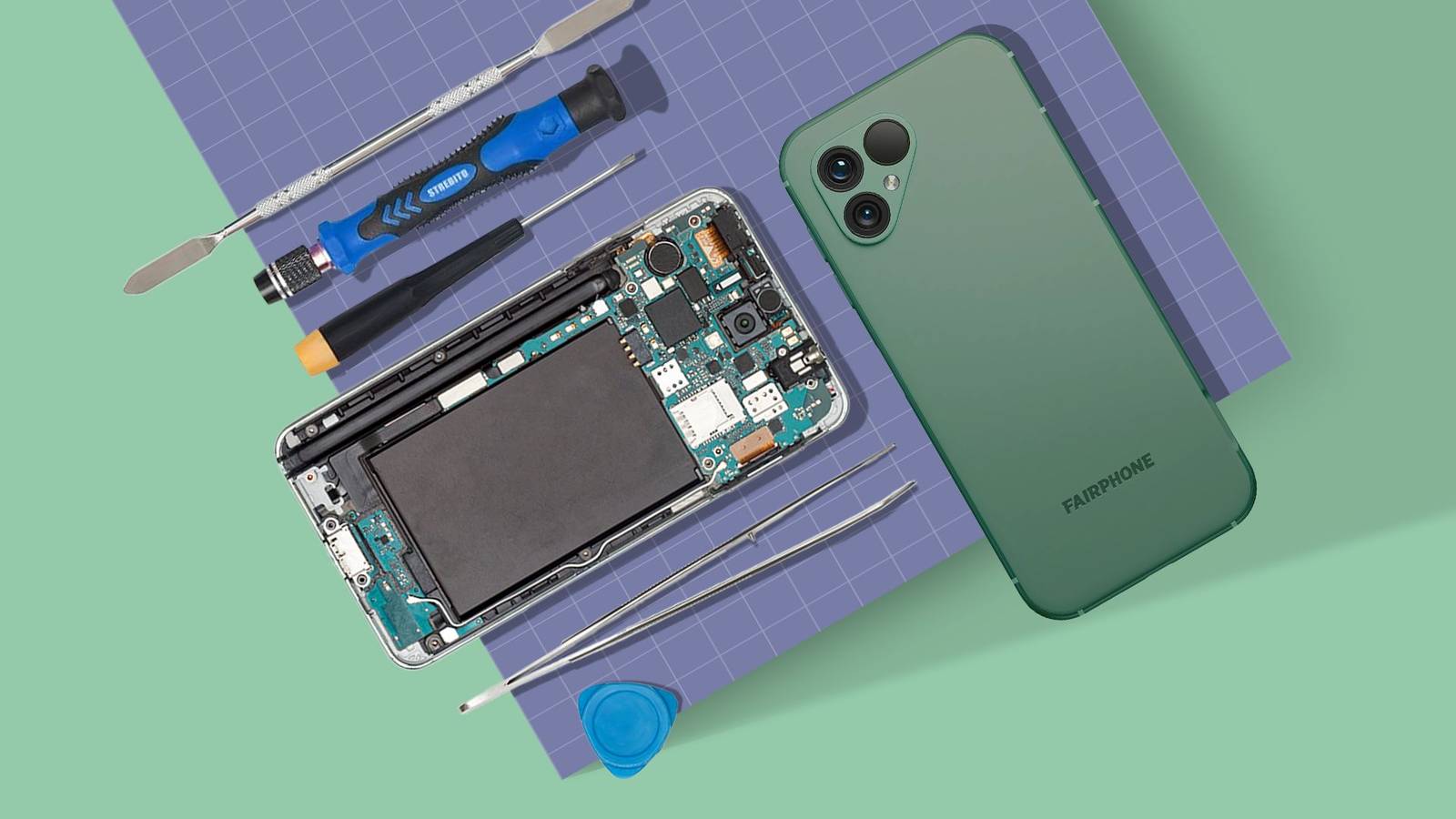
The conversation around smartphone repairability is gaining momentum, driven by companies like Fairphone and regulatory pressures worldwide. By focusing on modular designs, transparent policies, and consumer education, manufacturers can lead the way in sustainable technology.
As we look to the future, the question is not just about how advanced our smartphones can become, but how we can ensure these advancements align with sustainable practices and consumer empowerment. Embracing repairability is not only an opportunity but a responsibility.
FAQ
What is smartphone repairability?
Smartphone repairability refers to the ease with which users can repair their devices, including replacing parts like batteries and screens without needing professional help.
Why is repairability important for smartphones?
Repairability is crucial as it extends the lifespan of devices, reduces e-waste, and empowers consumers to fix their devices rather than replace them.
How does modular design enhance repairability?
Modular design enhances repairability by allowing individual components to be replaced or upgraded independently, reducing the need for specialized tools or skills.
What are the challenges of implementing modular designs?
Challenges include increased production costs, potential bulkier designs, and market acceptance, as consumers may prioritize aesthetics over repairability.
What role do regulations play in smartphone repairability?
Regulations, such as the Right to Repair legislation, mandate manufacturers to provide repair manuals and spare parts, promoting more repairable designs.
What future trends are expected in smartphone repairability?
Future trends include increased consumer demand for repairable devices, technological advancements enabling modular designs, and collaborative ecosystems with independent repair shops.
How can manufacturers improve smartphone repairability?
Manufacturers can improve repairability by embracing modularity, supporting repair shops, educating consumers, and implementing transparent repair policies.
What is the Right to Repair movement?
The Right to Repair movement advocates for laws requiring manufacturers to provide consumers with the necessary tools, parts, and information to repair their devices.
Key Takeaways
- Fairphone exemplifies true repairability with modular designs.
- Consumer demand for repairable devices is on the rise.
- Regulatory pressures are encouraging repairable designs globally.
- Modular designs offer environmental benefits by reducing e-waste.
- Future trends point to increased collaboration with repair shops.
- Transparency in repair policies can enhance consumer trust.
- Technological advancements will facilitate more repairable designs.
- Educating consumers about repairability can drive sustainable practices.
Related Articles
- The Future of Floor Cleaning: iRobot's Newest Innovation [2025]
- Mastering DIY: The Ultimate Guide to iFixit's New Toolkit for Home Repairs [2025]
- Marshall's Wireless Speakers: Enhanced Bass and Repairability [2025]
- Here's What All Of Those Android Status Bar Icons Mean [2025]
- The Discord Glitch: Lessons from the Accidental Ban of 8,000 Users [2025]
- How to Sell Online Without a Website: A Comprehensive Guide [2025]


