
![Is Artificial Intelligence a Bubble? An In-Depth Analysis [2025]](https://runable.blog/blog/is-artificial-intelligence-a-bubble-an-in-depth-analysis-202/image-1-1765550912729.webp)
Is Artificial Intelligence a Bubble? An In-Depth Analysis [2025]
Artificial Intelligence (AI) has been the talk of the town for several years now. With businesses and individuals alike banking on its potential to revolutionize industries, there’s been a growing concern: Is AI just another bubble waiting to burst? In this article, we'll dive deep into the current state of AI, assess whether it's a bubble, and explore the paths forward.
TL; DR
- AI Market Growth: The AI industry has grown 50% year-over-year, raising concerns about sustainability.
- Investment Surge: A record $50 billion invested in AI startups in 2024 alone.
- Critical Challenges: Ethical issues and data privacy are major obstacles.
- Sustainability: While AI promises efficiency, there's a risk of overvaluation and hype.
- Future Trajectory: Diversification and regulation could stabilize growth.

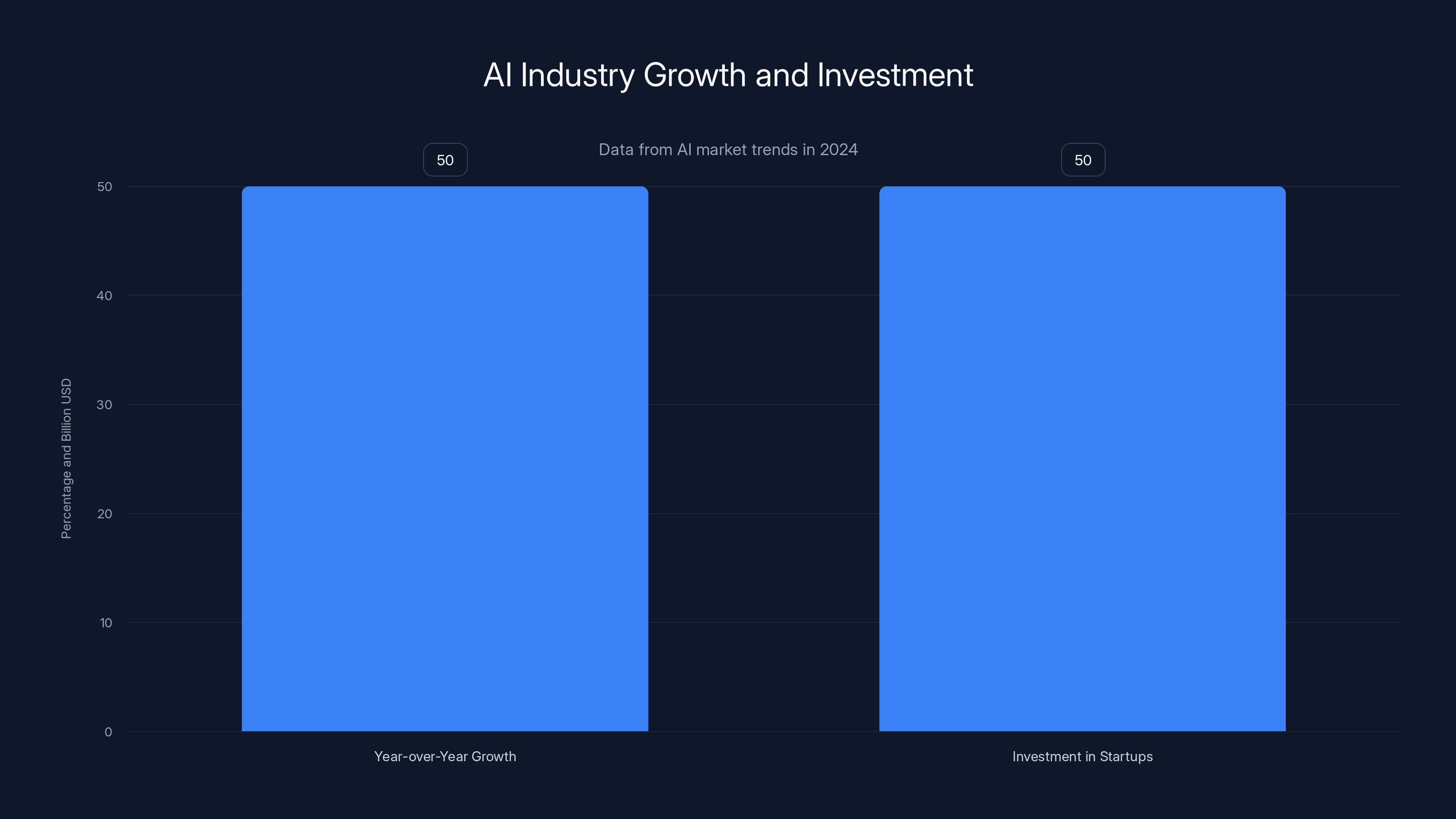
The AI industry experienced a 50% year-over-year growth, with $50 billion invested in startups in 2024.
The Rise of AI: A Historical Perspective
AI's journey from a niche academic field to a mainstream technology has been meteoric. Decades ago, AI was the domain of science fiction, but today, it powers everything from our smartphones to autonomous vehicles. The question is, how did we get here?
Early Days of AI
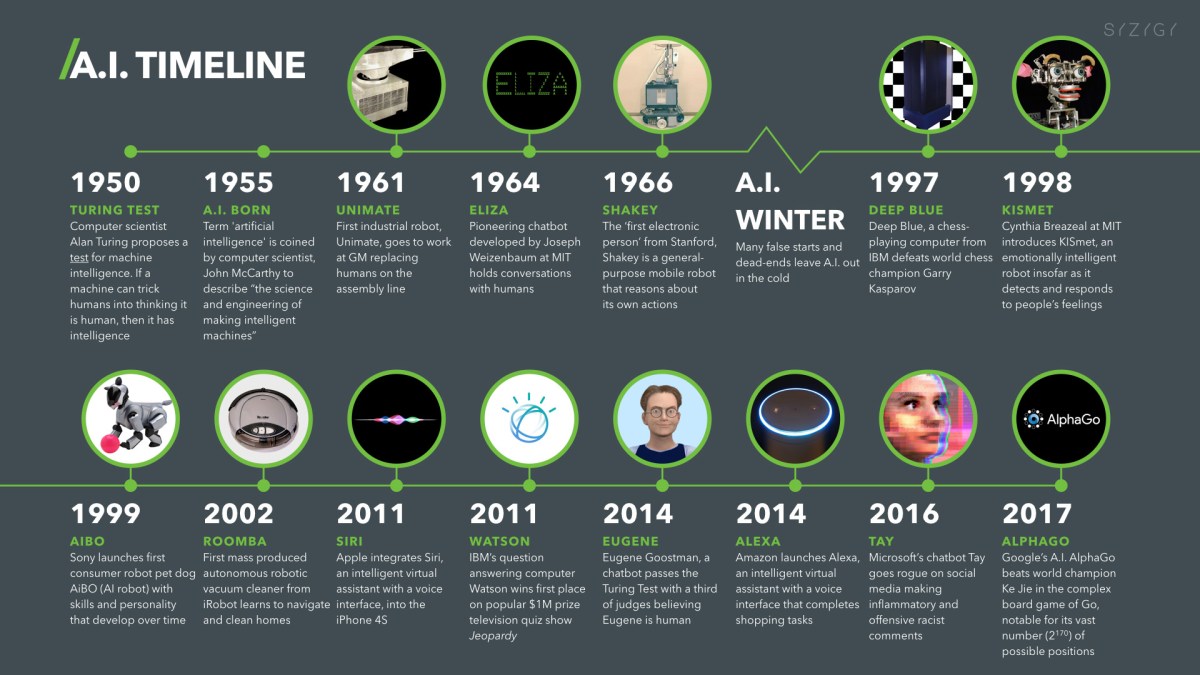
The 1950s saw AI's inception with the Dartmouth Conference, where the term 'Artificial Intelligence' was coined. Early AI was primarily symbolic, relying heavily on predefined rules and logic.
The AI Winters
Despite promising starts, AI experienced several 'winters'—periods of reduced funding and interest due to unmet expectations and technological limitations.
The Machine Learning Revolution
The resurgence of AI in the 21st century can largely be attributed to advancements in machine learning, particularly deep learning, which enabled machines to learn from data rather than relying solely on human-defined rules.
Current State of AI: Boom or Bubble?
Explosive Growth and Investment
The AI market is booming. According to Gartner, AI software revenue is expected to reach $500 billion by 2025. This growth is fueled by massive investments, with venture capital pouring billions into AI startups.
Overvaluation Concerns
With such rapid growth, some experts caution that AI might be overvalued. The exuberance surrounding AI has led to sky-high valuations for companies, many of which are yet to turn a profit. As noted by CNBC, there is growing concern among AI companies about the potential for a bubble.
The Role of AI in Modern Enterprises
AI is not just a buzzword; it's a transformative force in industries like healthcare, finance, and retail. Companies leverage AI for predictive analytics, customer service automation, and even drug discovery. Amazon has been investing heavily in AI to enhance its operations and customer experience.

Potential Pitfalls of the AI Boom
Ethical and Privacy Concerns
The deployment of AI raises significant ethical issues. The potential for bias in AI algorithms and concerns about data privacy are pressing challenges that need addressing. According to Psychology Today, addressing bias in AI is crucial for ethical deployment.
Technological Limitations
Despite its capabilities, AI has limitations. It struggles with understanding context, lacks common sense, and can be computationally expensive.
Economic Displacement
AI's automation potential threatens to displace jobs, creating economic and social challenges. However, it also opens avenues for new roles and industries. Deloitte highlights the need for workforce reskilling to adapt to AI-driven changes.
AI in Practice: Use Cases and Implementation
Use Case: Autonomous Vehicles
Autonomous vehicles are one of AI's most visible applications. Companies like Tesla and Waymo are at the forefront, using AI to navigate and make decisions in real-time.
Use Case: Healthcare
In healthcare, AI assists in diagnosing diseases, personalizing treatment plans, and managing records. The integration of AI in medical imaging has improved diagnostic accuracy significantly.
Best Practices for AI Implementation
- Data Quality: Ensure high-quality, unbiased data for training AI models.
- Ethical Guidelines: Develop and adhere to ethical guidelines to prevent misuse.
- Continuous Monitoring: Regularly monitor AI systems for performance and fairness.
Future Trends and Recommendations
Diversification of AI Applications
AI applications are diversifying. Beyond traditional fields, AI is making inroads into creative industries, enhancing capabilities in art, music, and writing. 36Kr reports on the expanding scope of AI applications in various sectors.
Regulation and Governance
Governments and organizations worldwide are crafting regulations to govern AI. These regulations aim to ensure ethical use and prevent misuse. AllSides discusses the historical context of AI governance in the United States.
The Role of AI in Sustainability
AI's potential to drive sustainability initiatives is profound. From optimizing energy consumption to enhancing agricultural productivity, AI can play a crucial role in achieving a sustainable future.
Conclusion: Is AI a Bubble?
The AI landscape is complex and multifaceted. While there are signs of a bubble, particularly in terms of investment and valuation, the technology's transformative potential is undeniable. By addressing ethical concerns, ensuring sustainable growth, and fostering innovation, AI can continue to evolve and integrate into society, much like the internet and electricity before it.
FAQ
What is an AI bubble?
An AI bubble refers to a situation where the perceived value of AI technologies and companies exceeds their actual value, leading to inflated investments and expectations.
How can businesses leverage AI?
Businesses can use AI for automating routine tasks, enhancing customer interactions, and gaining insights through predictive analytics.
What are the ethical considerations in AI?
Ethical considerations include ensuring fairness, transparency, and accountability in AI systems to prevent bias and misuse.
How does AI impact employment?
AI automation can displace certain jobs but also creates new opportunities in tech development, maintenance, and AI governance.
What is the future of AI regulation?
The future of AI regulation involves creating frameworks to ensure responsible AI development and deployment, balancing innovation with ethical standards.
How important is data quality in AI?
Data quality is crucial for AI accuracy and performance. Poor quality data can lead to biased or inaccurate outcomes.
Can AI contribute to sustainability?
Yes, AI can optimize energy use, improve resource management, and support sustainable agriculture, contributing to environmental sustainability.
What are some challenges in AI implementation?
Challenges include data privacy concerns, high computational costs, and the need for skilled personnel to manage AI systems.
Key Takeaways
- AI market grows 50% annually, raising sustainability concerns.
- Ethical and privacy issues are critical challenges in AI deployment.
- AI can displace jobs but also creates new opportunities.
- Diversified AI applications are expanding into creative industries.
- Future AI regulation aims to balance innovation with ethical standards.
- Data quality is essential for AI model accuracy and fairness.
- AI's role in sustainability includes optimizing energy and resources.
- Addressing potential overvaluation is crucial for AI's long-term growth.
Related Articles
- [2025] Trump's Executive Order on State AI Laws
- [2025] GPT-4 Vision: Multimodal Breakthrough Explained
- [2025] The Rise of Super Apps: Crypto Payments & Encrypted Chat
- [2026] The 8 Best AI Image Generators for Stunning Creativity
- [2026] Best AI Productivity Tools
- [2025] Claude Opus 4.5 vs Gemini 3 Pro: A Clear Winner Emerges


