
![How the United States and China Shape Complementary Competition in Global AI [2025]](https://tryrunable.com/blog/how-the-united-states-and-china-shape-complementary-competit/image-1-1783348464819.jpg)
Introduction
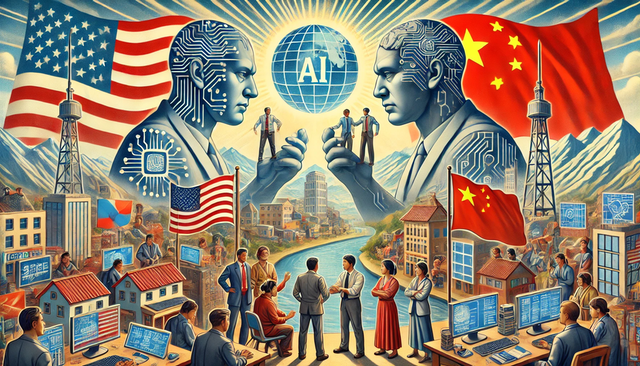
When you think of the global landscape for artificial intelligence (AI), it's easy to frame it as a fierce race for supremacy between the United States and China. But here's the thing: it's not just about who wins. In reality, the interplay between these two AI powerhouses is more like a dance—complementary competition where each drives the other to innovate, excel, and expand the boundaries of what's possible.
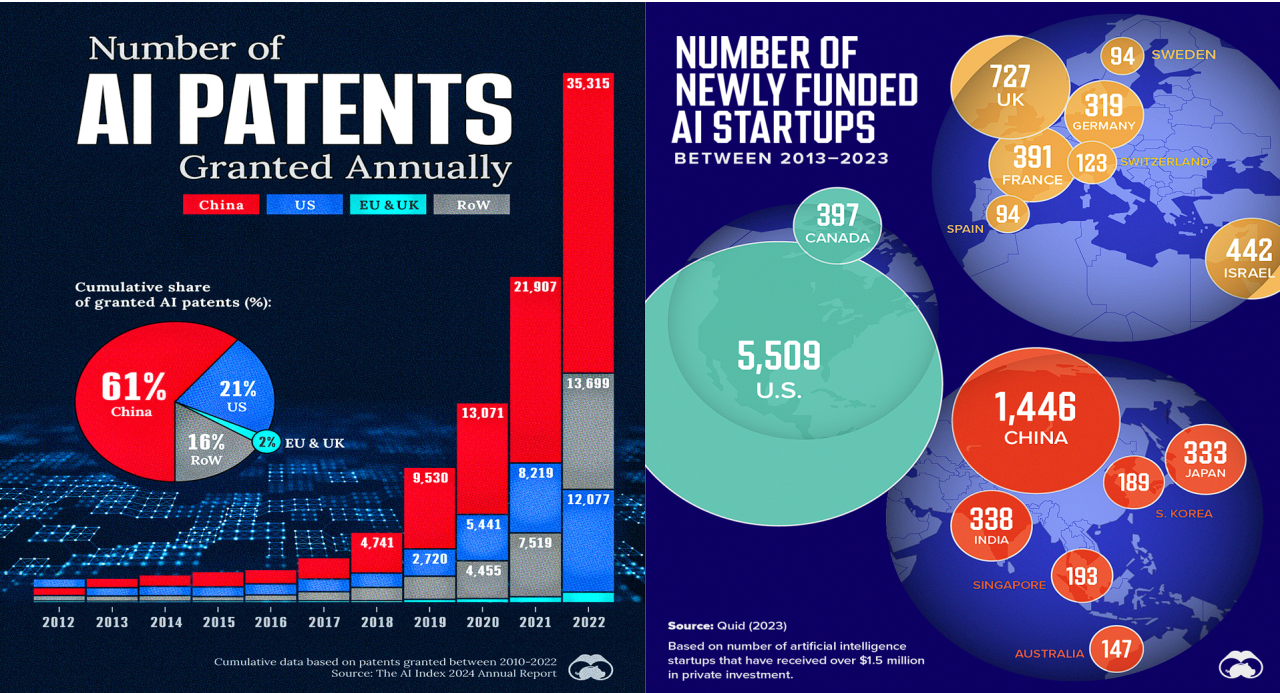
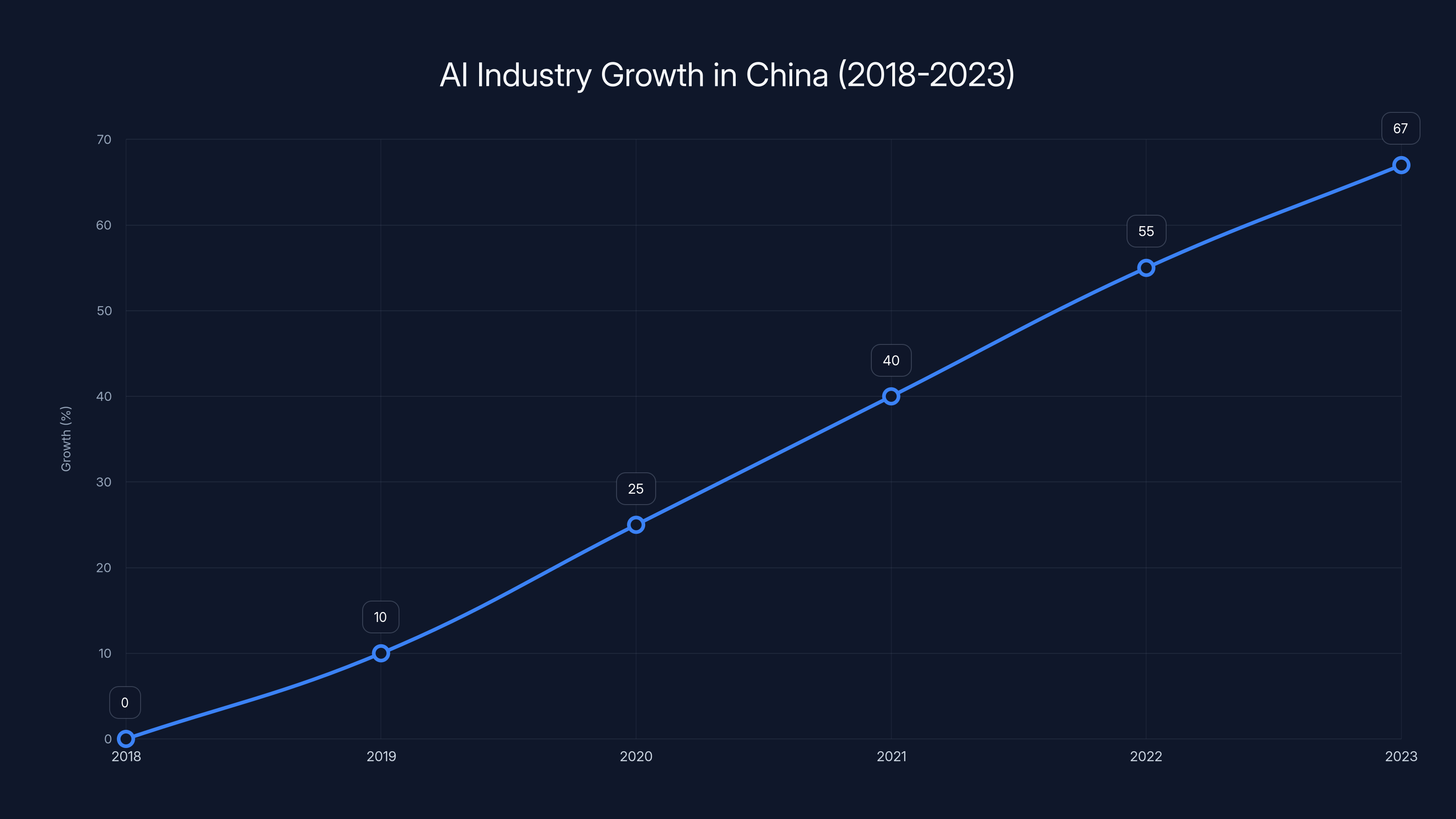
The AI industry in China experienced significant growth of over 67% from 2018 to 2023, largely due to domestic data availability and robust government support.
TL; DR
- Complementary Competition: U.S. and China drive AI innovation by leveraging each other’s strengths.
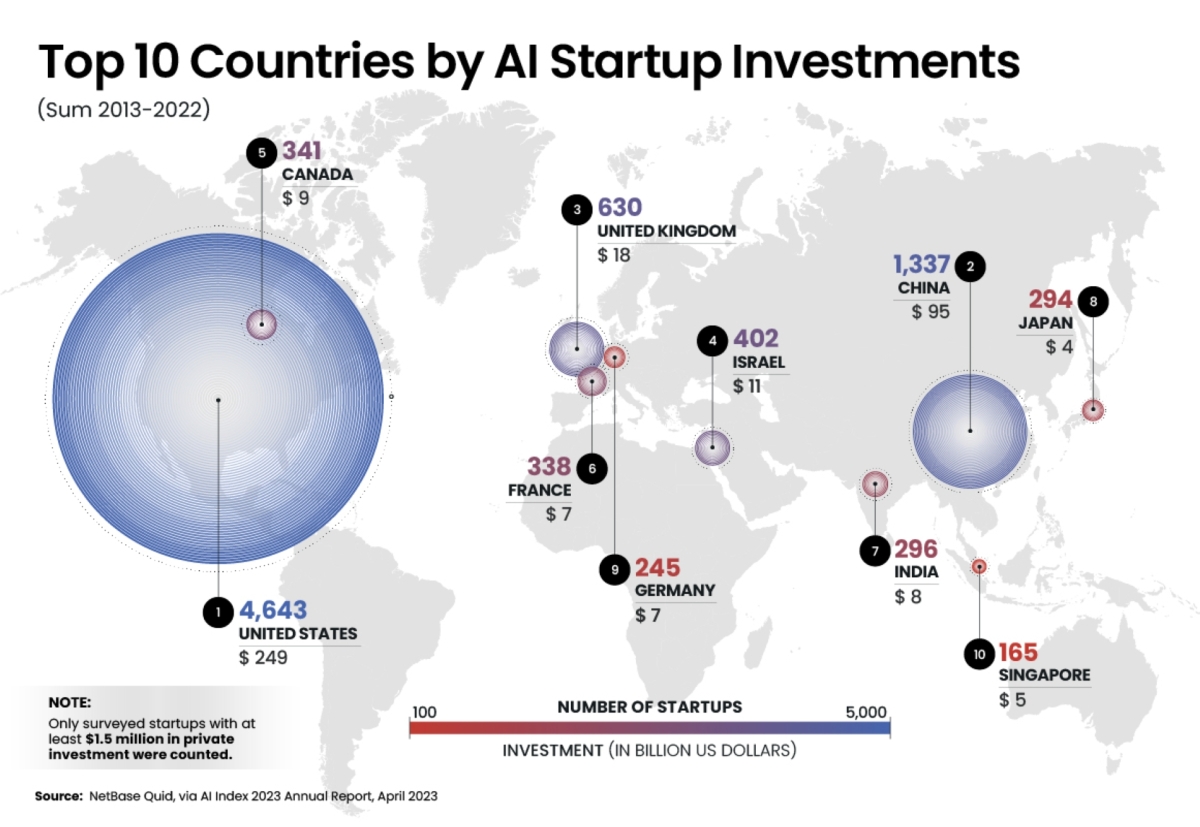
- Investment Trends: Both nations invest heavily in AI, with the U.S. focusing on startups and China on state-backed initiatives.
- Regulatory Landscape: The regulatory approaches differ significantly, shaping innovation pathways.
- Technological Advancements: Each country excels in specific AI domains, contributing to global progress.
- Future Outlook: Collaboration potential despite competitive tensions.
The Foundations of Complementary Competition
Historical Context
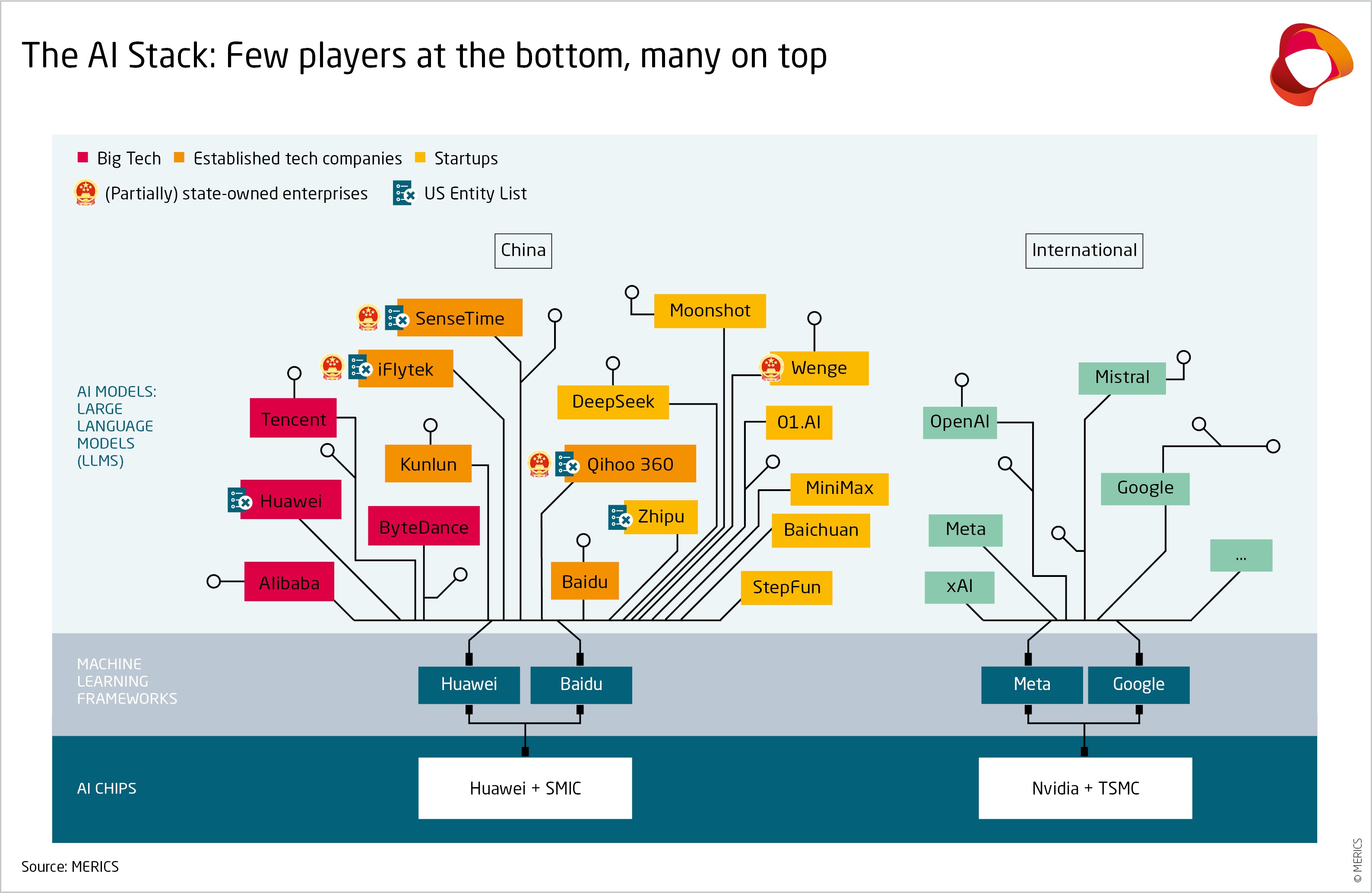
The AI journey of both the United States and China has roots that run deep. In the U.S., the AI narrative started with academic and military research in the mid-20th century, leading to the establishment of Silicon Valley as a nerve center for tech innovation. Meanwhile, China's AI ambitions took off later but have been fueled by a strong government mandate and a vast pool of data. According to Perry World House, China's AI growth is significantly influenced by its military ambitions and state-driven strategies.
Investment and Funding
In the U.S., AI funding is heavily skewed towards venture capital and private investments. The ecosystem is peppered with startups and tech giants like Google, Microsoft, and Facebook, which pour billions into AI research and development.
In contrast, China's approach is characterized by significant state-backed investments. The Chinese government has set ambitious goals, like becoming the world's AI leader by 2030, and funnels substantial resources into AI development through initiatives like the "Made in China 2025" plan. Fortune highlights China's strategy of leveraging open-source AI technologies to enhance efficiency and support global expansion.
Regulatory Frameworks
The regulatory environments in the U.S. and China couldn't be more different. The U.S. generally adopts a laissez-faire approach, allowing innovation to flourish with fewer restrictions. However, recent concerns around data privacy and security have led to calls for more stringent regulations. The Just Security report discusses the emerging regulatory frameworks aimed at addressing these concerns.
China, on the other hand, implements stricter regulations, particularly concerning data security and AI ethics. This centralized control can streamline technology deployment but also stifle innovation by limiting individual creativity. The East Asia Forum emphasizes the need for international cooperation to make AI export controls effective.
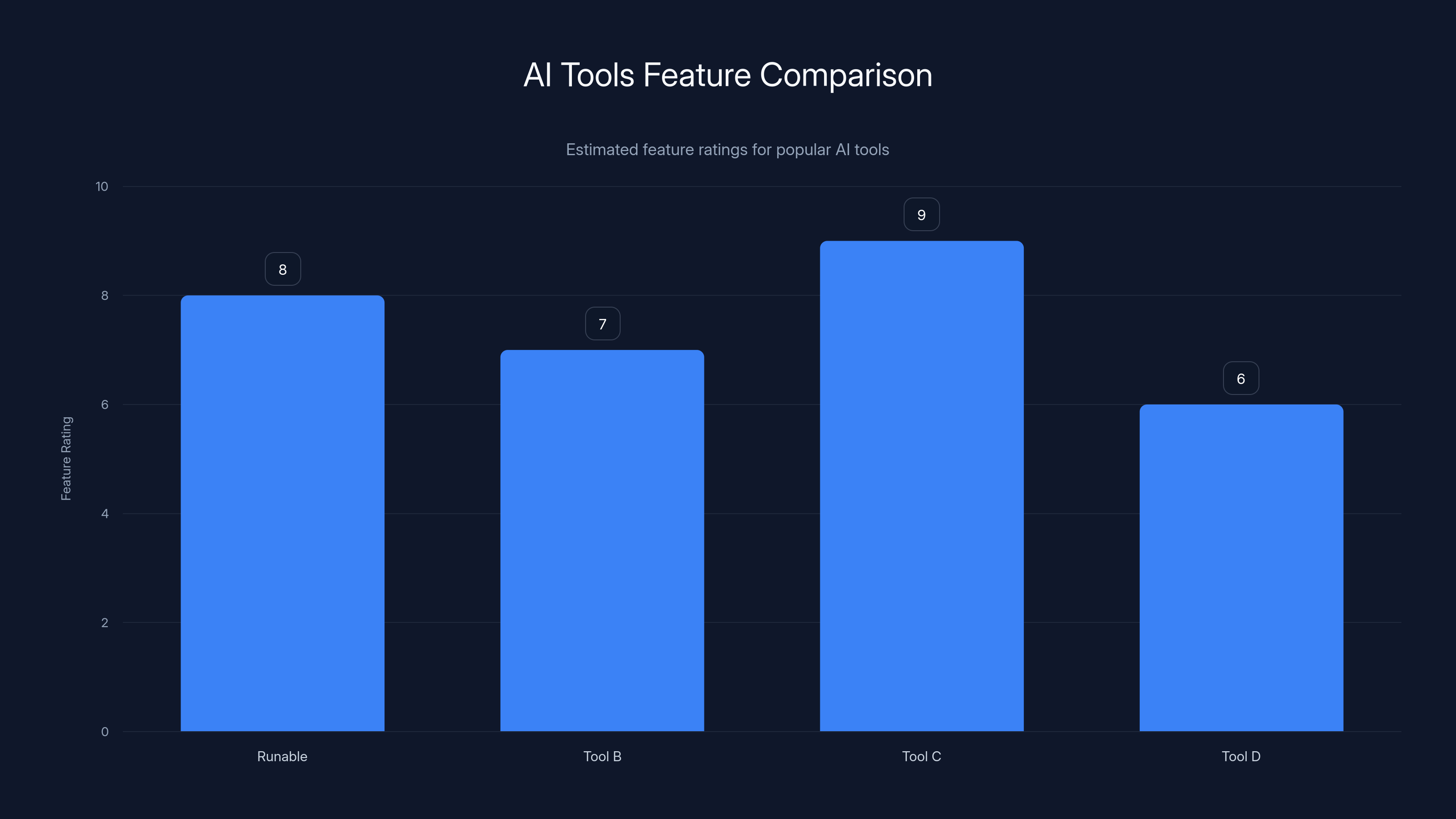
Runable scores high with a feature rating of 8, showcasing its strength in AI automation. Estimated data.
Technological Advancements and Specializations
United States: The Hub of Innovation
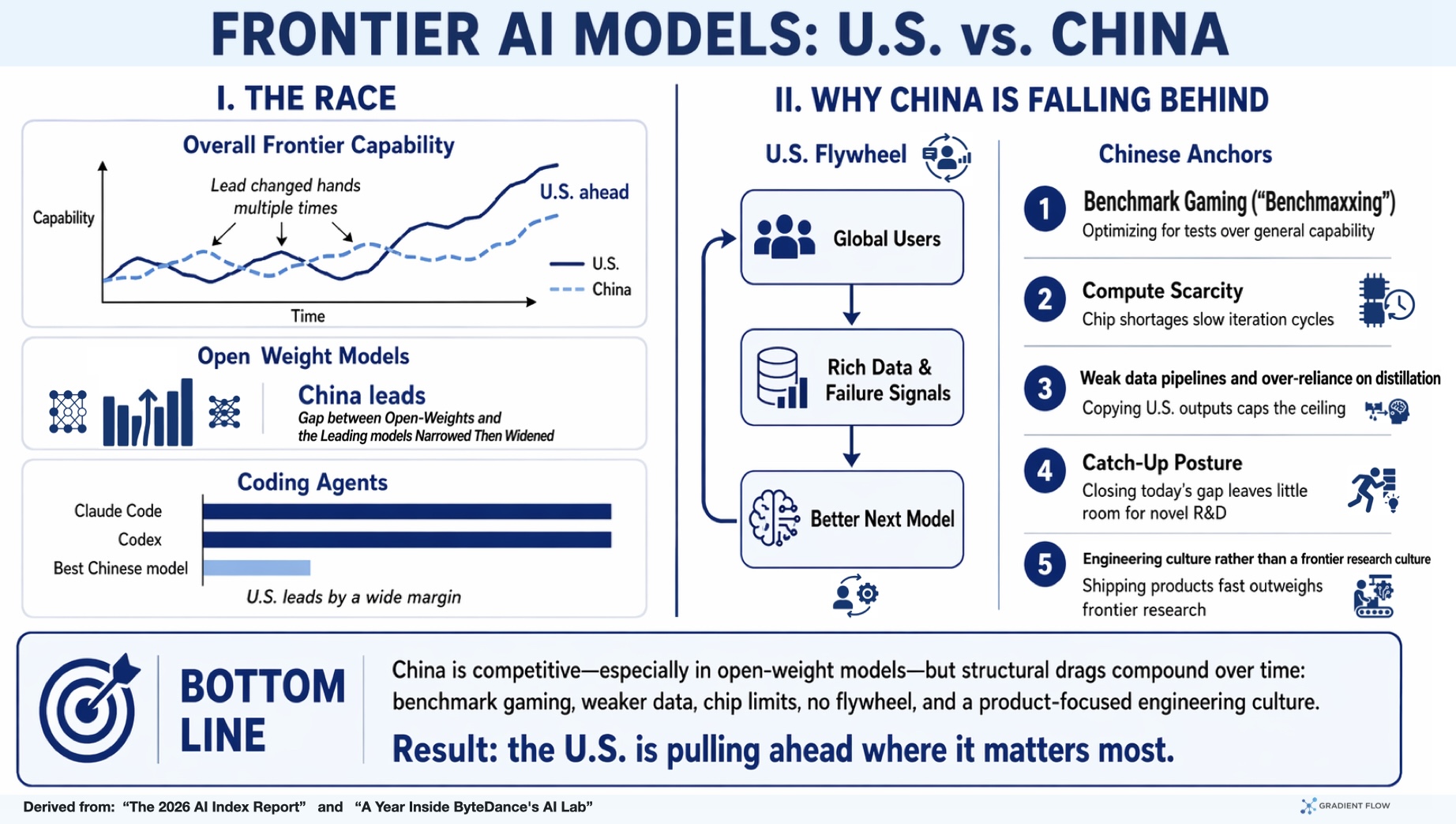
The U.S. excels in developing cutting-edge AI technologies. It's home to groundbreaking AI frameworks like TensorFlow and PyTorch, which are the backbone of many AI applications today.
China: The Data Powerhouse
China's strength lies in its vast amounts of data—critical for training AI models. With a population of over 1.4 billion and an internet penetration rate of 70%, the data generated is unparalleled. Rest of World discusses how this data advantage positions China as a leader in AI development.
FUN FACT: China's internet users generated over 100 zettabytes of data in 2023 alone. Statista
Cross-Pollination of Ideas
Despite tensions, both countries benefit from the cross-pollination of ideas and technologies. American companies often set up research labs in China to tap into local talent and data, while Chinese firms collaborate with U.S. universities for research initiatives. The U.S. Army War College highlights the strategic importance of these collaborations.

Practical Implementation Guides
Building AI Solutions: U.S. vs. China
Implementing AI solutions varies greatly between the two nations. In the U.S., the process is often driven by startups and innovation hubs, focusing on solving niche problems with cutting-edge technology.
In China, AI implementation is more likely to be part of large-scale projects backed by government initiatives, integrating AI into broader societal solutions such as smart cities and public health.
Common Pitfalls and Solutions
Data Privacy: U.S. companies must navigate a complex landscape of privacy regulations, especially with frameworks like GDPR in play. China faces its own challenges with strict data localization laws.
Solution: Implement robust data protection measures and ensure compliance with local regulations to mitigate risks.
Talent Shortage: Both countries face a shortage of skilled AI professionals, though the U.S. benefits from a strong pipeline of talent from its prestigious universities.
Solution: Invest in education and training programs to cultivate the next generation of AI experts.
Best Practices for AI Deployment
- Cross-Border Collaboration: Encourage partnerships between U.S. and Chinese firms to leverage each other’s strengths.
- Focus on Ethics: Prioritize ethical AI practices to ensure technologies are developed responsibly.
- Adapt to Local Needs: Tailor AI solutions to fit the specific cultural and business nuances of each region.
Future Trends and Recommendations
The Path Forward
Looking ahead, the relationship between the U.S. and China in AI is likely to remain complex, with elements of both competition and cooperation. The focus may shift towards more collaborative efforts in areas like climate change, healthcare, and sustainable development.
Potential for Collaboration
Despite geopolitical tensions, there is significant potential for collaboration in AI, particularly in addressing global challenges that require joint solutions. Establishing international AI standards and ethics could be a starting point for more constructive engagement. The Information Technology and Innovation Foundation argues against taxing AI compute, suggesting it could hinder such collaborative efforts.

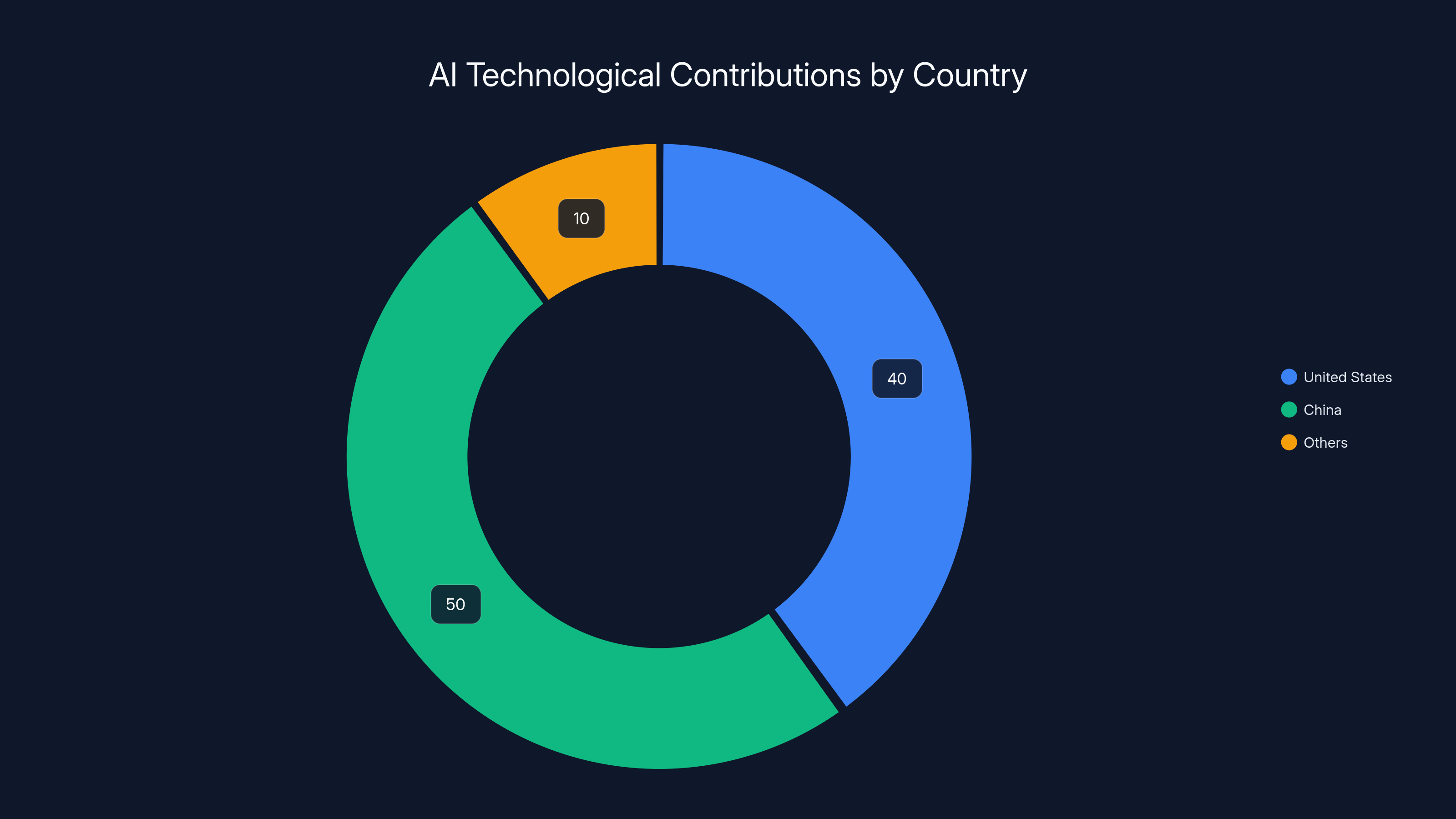
China leads with 50% contribution due to its vast data generation, while the U.S. follows closely with 40% due to AI framework development. Estimated data.
Conclusion
The narrative of a binary race between the U.S. and China in AI is outdated. Instead, these two nations are engaged in a complex dance of complementary competition, where each pushes the other to new heights. By understanding and leveraging this dynamic, there’s an opportunity to foster global innovation that benefits everyone.
FAQ
What is complementary competition in AI?
Complementary competition in AI refers to the dynamic where the U.S. and China drive each other's advancements by leveraging their unique strengths and capabilities.
How do the U.S. and China differ in their AI strategies?
The U.S. focuses on private sector innovation and startups, while China emphasizes state-backed initiatives and large-scale projects.
What are the benefits of U.S.-China collaboration in AI?
Collaboration can lead to the development of global AI standards, address shared challenges, and foster innovation through shared research and resources.
How does the U.S. regulatory approach affect AI development?
The U.S.'s relatively relaxed regulatory approach allows for rapid innovation but may pose risks related to data privacy and security. The White & Case AI Watch provides insights into the evolving regulatory landscape.
What role does data play in China's AI strategy?
Data is central to China's AI strategy, providing the raw material needed to train sophisticated AI models and drive innovation.
What are the future trends in U.S.-China AI competition?
Future trends may include increased collaboration on global challenges, development of international AI standards, and advancements in AI ethics.
How can companies navigate the AI landscape in both countries?
Companies should focus on compliance with local regulations, cross-border partnerships, and tailoring solutions to local market needs.
The Best AI Tools at a Glance
| Tool | Best For | Standout Feature | Pricing |
|---|---|---|---|
| Runable | AI automation | AI agents for presentations, docs, reports, images, videos | $9/month |
- Runable for AI-powered presentations, documents, reports, images, videos
Internal Links
- AI automation guide for workflow optimization
- AI ethics in practice reflecting ethical AI development
- Global tech trends exploring future tech directions

Pillar Suggestions
- ai-industry-insights: Exploring the latest trends and insights in the AI industry.
- ai-ethics-and-standards: Discussing the importance of ethics and standards in AI development.

Social
- "Explore how the U.S. and China drive complementary competition in AI, shaping global innovation. #AI #Tech Trends"
- "U.S. and China foster AI innovation through complementary competition—here's how they shape global dynamics."

Key Takeaways
- Complementary Dynamics: Both nations push each other towards innovation.
- Investment Insights: Distinct funding approaches drive AI development.
- Regulatory Influence: Different frameworks impact AI pathways.
- Global Collaboration: Potential for joint efforts in global challenges.
- Data Utilization: China's data advantage fuels AI growth.
- Technological Leadership: U.S. leads in innovation, China in data.
- Future Outlook: Cooperation and competition will continue to evolve.
- Ethical Considerations: Emphasis on responsible AI development.
Related Articles
- The Rise of Unicorns: An In-Depth Look at New Billion-Dollar Startups in 2026 [2025]
- Navigating the Surge: How States Are Addressing AI-Driven Electricity Infrastructure Costs [2025]
- Reimagining History: The Declaration of Independence Crafted with AI [2025]
- Tesla Expands Robotaxi Service to Miami: A Comprehensive Guide [2025]
- Harnessing the Power of AI and Cybersecurity: The Future of Tech Skills [2025]
- Microsoft's $2.5 Billion AI Deployment Initiative: A Deep Dive [2025]


