
![Decoupling Models from Agents: Insights from Vercel CEO Guillermo Rauch [2025]](https://tryrunable.com/blog/decoupling-models-from-agents-insights-from-vercel-ceo-guill/image-1-1783368170367.jpg)
Decoupling Models from Agents: Insights from Vercel CEO Guillermo Rauch [2025]
In the rapidly evolving landscape of artificial intelligence, one of the most significant trends is the decoupling of models from agents. This shift, championed by industry leaders like Guillermo Rauch, CEO of Vercel, represents a fundamental change in how AI systems are designed and deployed. By separating the intelligence (models) from the decision-making processes (agents), companies can achieve greater scalability, flexibility, and innovation.
TL; DR
- Decoupling models from agents increases scalability and flexibility.
- Vercel leads the way with over 6 million deployments daily as highlighted in SaaStr's deep dive.
- Focus on separating intelligence from decision-making processes.
- Common pitfalls include integration challenges and data silos.
- Future trends involve more personalized AI experiences.

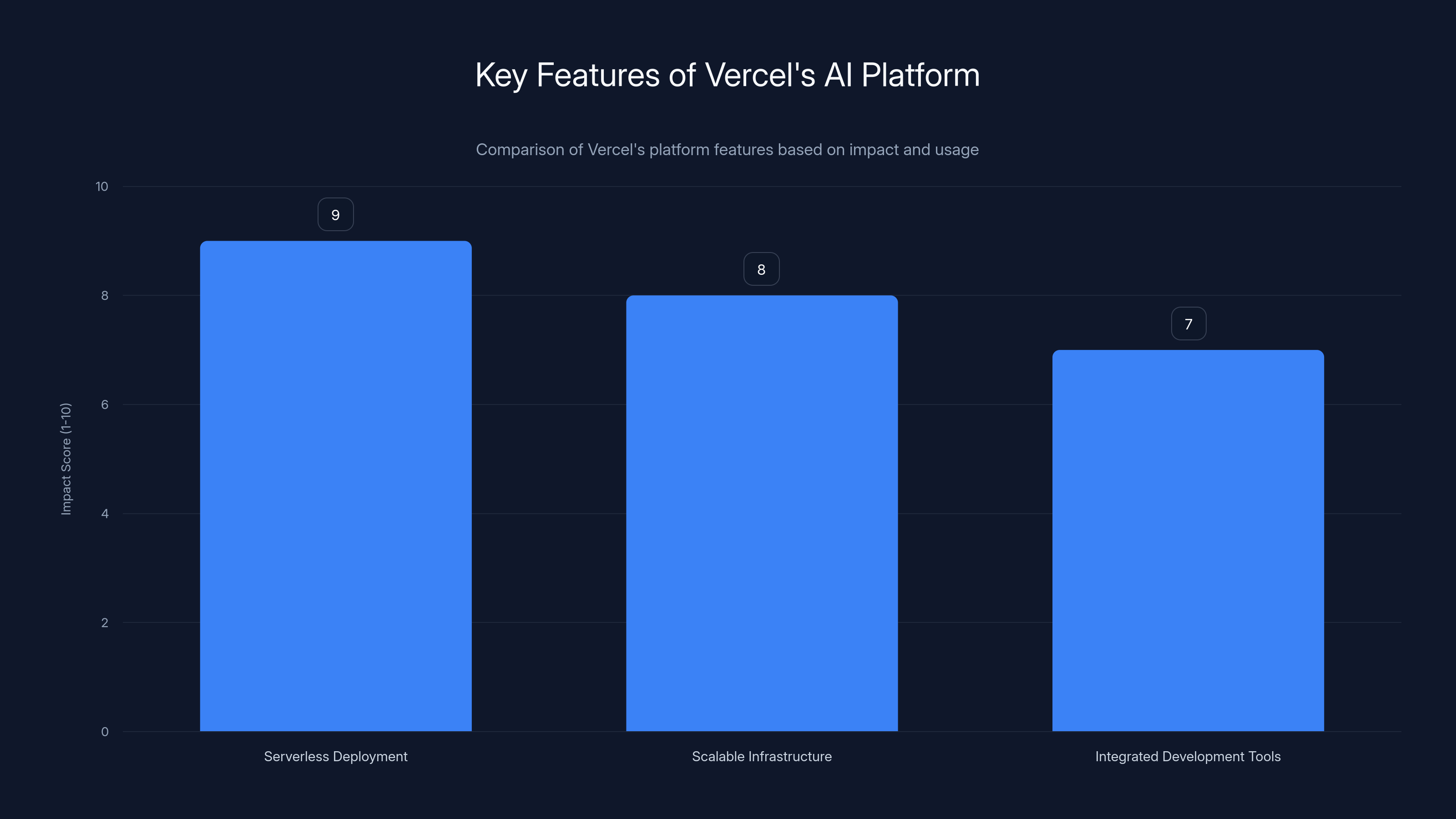
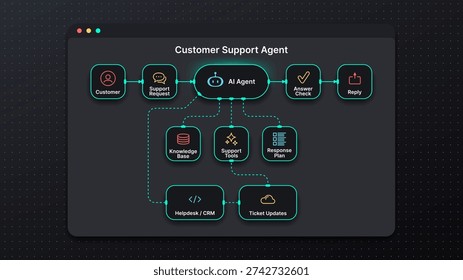
Vercel's serverless deployment feature scores highest in impact, highlighting its role in reducing operational overhead. Estimated data.
The Rise of Agent-Model Decoupling
The traditional approach to AI involved tightly coupling models with agents, which limited scalability and adaptability. However, as AI technology has matured, the need for more flexible and scalable architectures has become apparent. Vercel, known for its cloud infrastructure that allows developers to deploy agents without managing servers, is at the forefront of this transformation.
Why Decouple?
Decoupling models from agents offers several key advantages:
-
Scalability: By separating models from agents, companies can scale each component independently. This means that as demand for AI services grows, developers can add more processing power to models or distribute agents more widely without needing to overhaul the entire system.
-
Flexibility: Decoupling allows for greater flexibility in updating and improving AI systems. Developers can experiment with new models or algorithms without affecting the existing agent infrastructure.
-
Innovation: By freeing models from the constraints of specific agents, companies can innovate more rapidly. New models can be tested and deployed without the need for extensive reconfiguration.
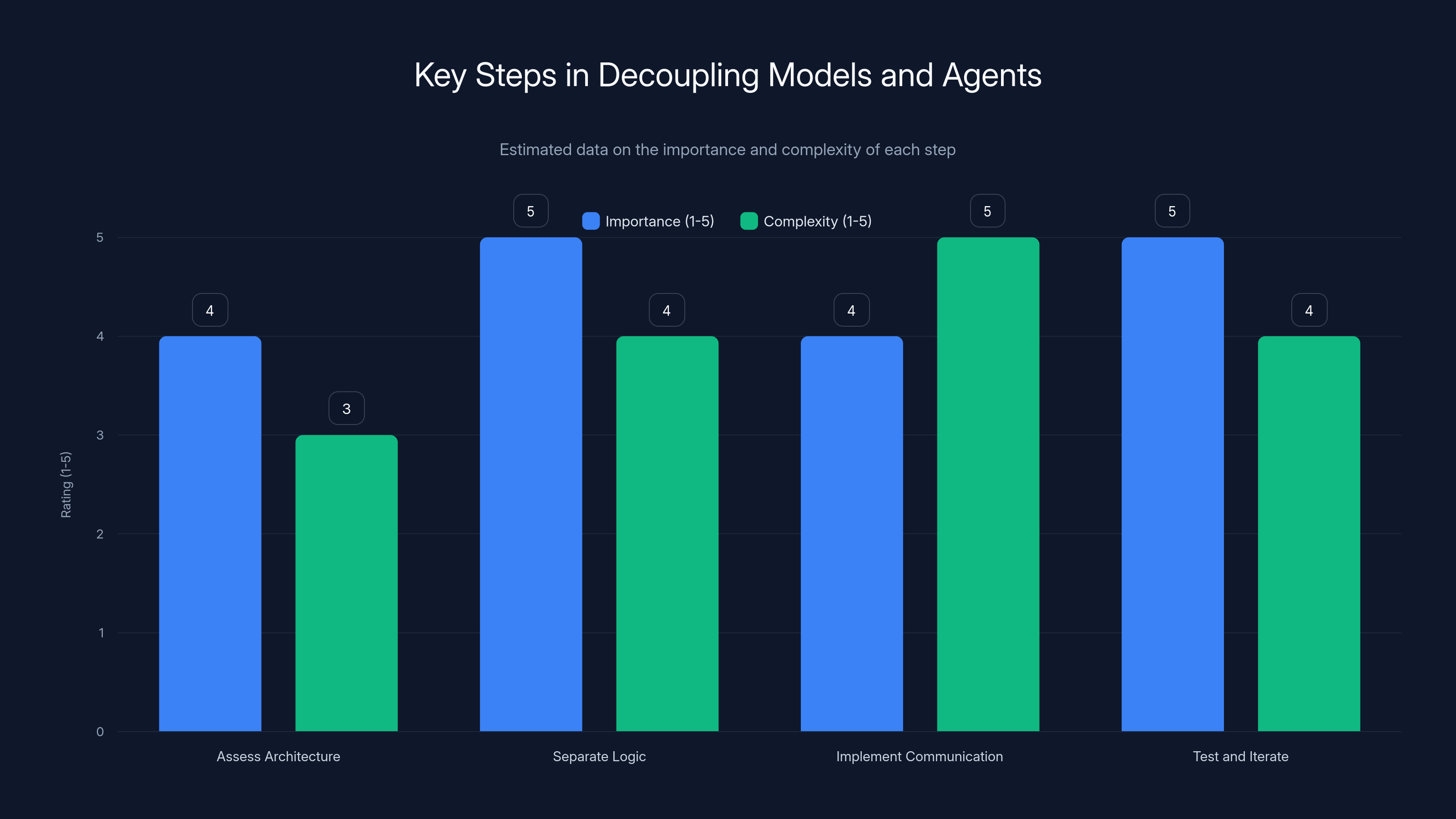
Decoupling models and agents involves critical steps with varying importance and complexity. 'Separate Logic' and 'Test and Iterate' are both highly important and complex.
Vercel's Role in AI Innovation
Vercel has quietly become a central player in the AI software industry, processing more than 1 trillion tokens through its AI gateway daily. This volume highlights the company's ability to handle vast amounts of data and its commitment to innovation.
The Vercel Platform
At the core of Vercel's success is its cloud infrastructure, which supports over 6 million deployments daily. This infrastructure enables developers to deploy AI models and agents without worrying about server management, allowing them to focus on building and refining their applications.
Key Features of Vercel's Platform:
- Serverless Deployment: Deploy agents without managing servers, reducing operational overhead.
- Scalable Infrastructure: Easily scale AI models and agents to meet demand.
- Integrated Development Tools: Access a suite of tools for building, testing, and deploying AI applications.
Practical Implementation: Decoupling Models and Agents
For developers and companies looking to adopt this approach, there are several practical steps to consider. Here, we'll outline a step-by-step guide to decoupling models from agents, along with common pitfalls and solutions.
Step 1: Assess Your Current Architecture
Before making changes, it's crucial to understand your current architecture's strengths and weaknesses. Identify which components are tightly coupled and consider how decoupling might improve performance and scalability.
Step 2: Separate Models from Agent Logic
Begin by identifying the core logic of your models and agents. Separate these components into distinct services or modules. This step often involves creating APIs that allow agents to communicate with models independently.
Step 3: Implement a Communication Layer
To facilitate interaction between models and agents, establish a robust communication layer. This can be achieved using RESTful APIs, gRPC, or message queues, depending on the specific needs of your application.
Step 4: Test and Iterate
Once models and agents are decoupled, it's essential to test the new architecture thoroughly. Monitor performance, scalability, and responsiveness, and be prepared to iterate on the design to address any issues that arise.
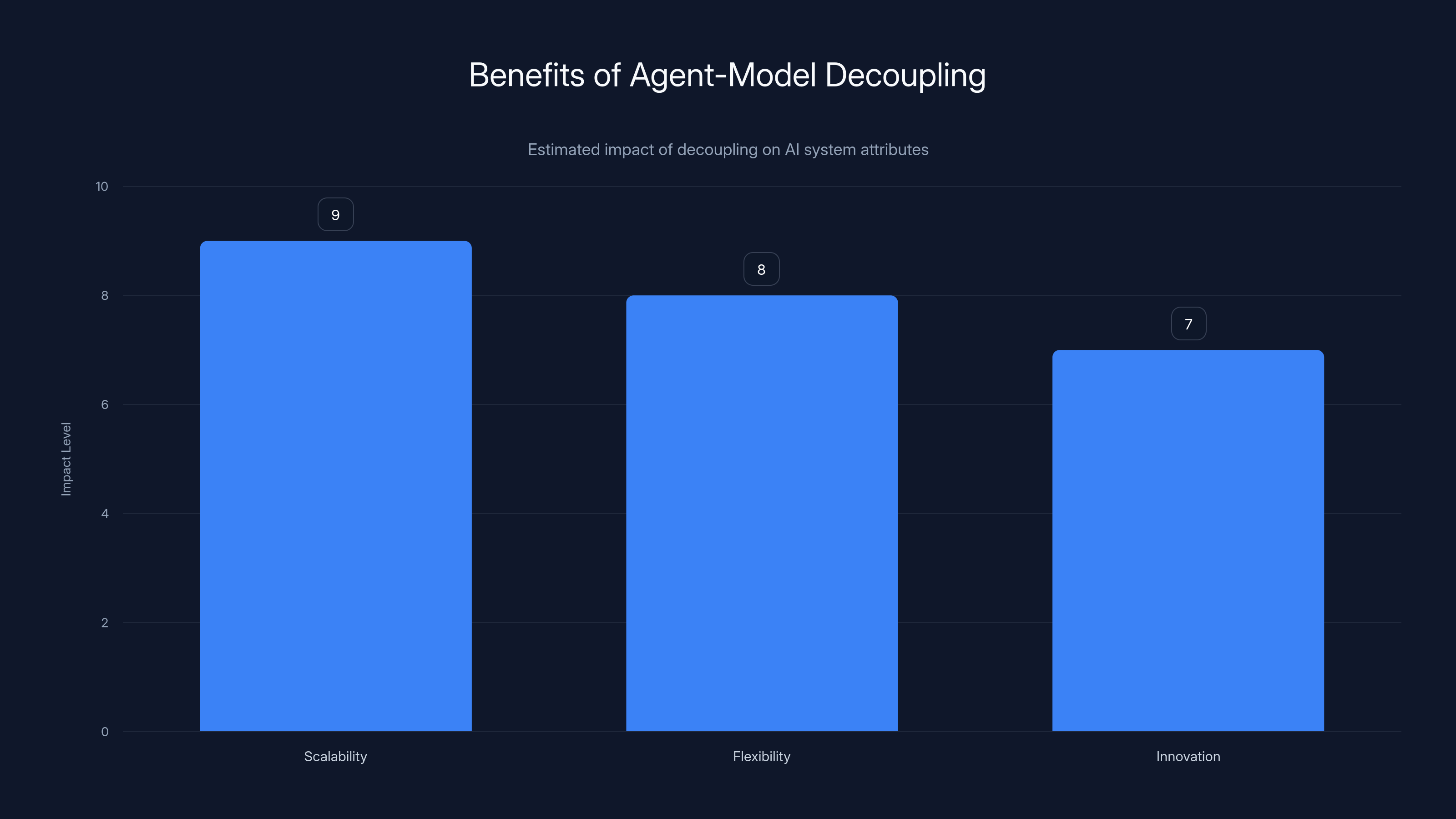
Decoupling models from agents significantly enhances scalability, flexibility, and innovation in AI systems. (Estimated data)
Common Pitfalls and Solutions
Pitfall 1: Integration Challenges
Solution: Use standardized protocols and well-documented APIs to ensure seamless integration between models and agents.
Pitfall 2: Data Silos
Solution: Implement data-sharing mechanisms that allow models and agents to access and update shared datasets without creating silos.
Pitfall 3: Performance Bottlenecks
Solution: Optimize the communication layer to reduce latency and ensure that models and agents can interact efficiently.
Future Trends and Recommendations
As AI continues to evolve, the decoupling of models from agents will likely become more widespread. Here are some trends and recommendations to consider:
Personalization and Contextual AI
In the future, AI systems will become more personalized, offering tailored experiences based on user preferences and behaviors. Decoupling models from agents will be crucial in enabling this level of personalization.
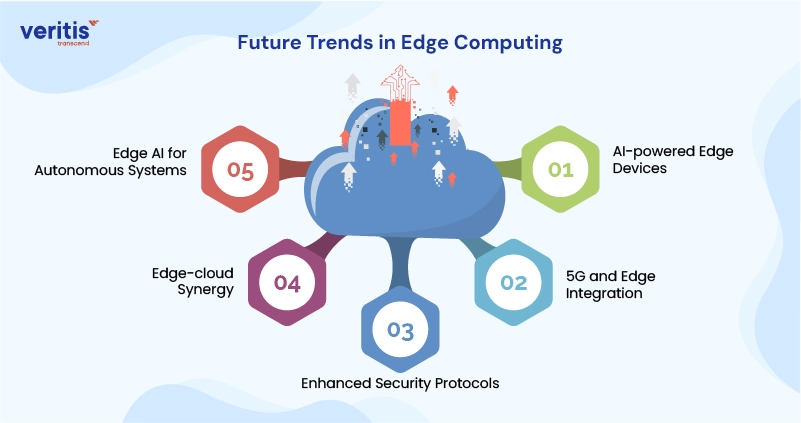
Edge Computing and Distributed AI
With the rise of edge computing, AI models and agents will need to operate efficiently across distributed networks. Decoupling will facilitate this by allowing models to run closer to the data source, reducing latency and improving performance.
Continuous Learning and Adaptation
AI systems will need to continuously learn and adapt to changing environments. Decoupling models from agents will allow for more frequent updates and iterations, enabling systems to stay current with the latest data and trends.
Conclusion
The decoupling of models from agents is a transformative trend in AI development, offering numerous benefits in terms of scalability, flexibility, and innovation. As companies like Vercel lead the way, developers have the opportunity to build more powerful and adaptable AI systems. By understanding the practical steps involved and addressing common challenges, organizations can successfully implement this approach and stay at the forefront of AI technology.

FAQ
What is decoupling in AI?
Decoupling in AI refers to separating the intelligence, or models, from the decision-making processes, or agents, allowing each to be scaled and updated independently.
How does Vercel support AI development?
Vercel provides cloud infrastructure that enables developers to deploy agents without managing servers, supporting over 6 million daily deployments.
What are the benefits of decoupling models from agents?
Benefits include increased scalability, flexibility in updates, and the ability to innovate rapidly. It allows companies to implement changes to models without affecting the existing agent infrastructure.
What are common challenges when decoupling models from agents?
Common challenges include integration issues, data silos, and communication bottlenecks. Solutions involve using standardized protocols and optimizing the communication layer.
How does decoupling enable AI personalization?
Decoupling allows AI systems to tailor experiences based on user data, enabling more personalized and contextual interactions.
What is the role of edge computing in AI?
Edge computing processes data closer to the source, reducing latency. In AI, it allows models to operate efficiently across distributed networks, enhancing performance.
Why is continuous learning important for AI?
Continuous learning ensures AI systems remain up-to-date with the latest data and trends, adapting to changes in the environment to improve accuracy and relevance.

Key Takeaways
- Decoupling models from agents increases scalability and flexibility.
- Vercel supports AI development with over 6 million daily deployments.
- Common challenges include integration issues and data silos.
- Future AI trends involve personalization and edge computing.
- Continuous learning keeps AI systems updated and relevant.
- Practical steps include assessing architecture and separating logic.
- Communication optimization is crucial for decoupled systems.
- Vercel leads in AI innovation by handling over 1 trillion tokens daily.
Related Articles
- Lessons from Billions of AI Predictions: Building Scalable AI Systems [2025]
- Master the Art of Siri Customization: Pace and Expressivity in iOS 27 [2025]
- Reddit's Strategy: Combating AI with More AI [2025]
- How the United States and China Shape Complementary Competition in Global AI [2025]
- Alibaba's Legal Victory: Navigating the Complexities of US Military Ban Reprieve [2025]
- How America's 250th Birthday Became a Test of AI-Powered Collective Intelligence [2025]


