
![Could GlobalFoundries Be Assembling a RISC-V Lineup to Challenge Arm Licensing? [2025]](https://tryrunable.com/blog/could-globalfoundries-be-assembling-a-risc-v-lineup-to-chall/image-1-1775754389077.jpg)
Could Global Foundries Be Assembling a RISC-V Lineup to Challenge Arm Licensing? [2025]
The semiconductor industry is no stranger to seismic shifts. From the rise of microprocessors to the advent of mobile computing, each leap has transformed how we interact with technology. Now, another potential shift looms on the horizon with Global Foundries, AMD's former foundry, possibly assembling a RISC-V lineup to challenge Arm's licensing dominance. This article will explore the technical intricacies, potential market shifts, and strategic implications of such a move.
TL; DR
- Global Foundries' RISC-V Initiative: A potential strategic shift to leverage open-source RISC-V architecture.
- Arm's Licensing Model: Current dominance may face competition, affecting licensing and development costs.
- Technical Advantages: RISC-V offers customization and efficiency, appealing to diverse market needs.
- Market Implications: Could disrupt current market dynamics, fostering innovation and cost savings.
- Future Trends: Increased adoption of RISC-V in Io T, edge computing, and specialized applications.
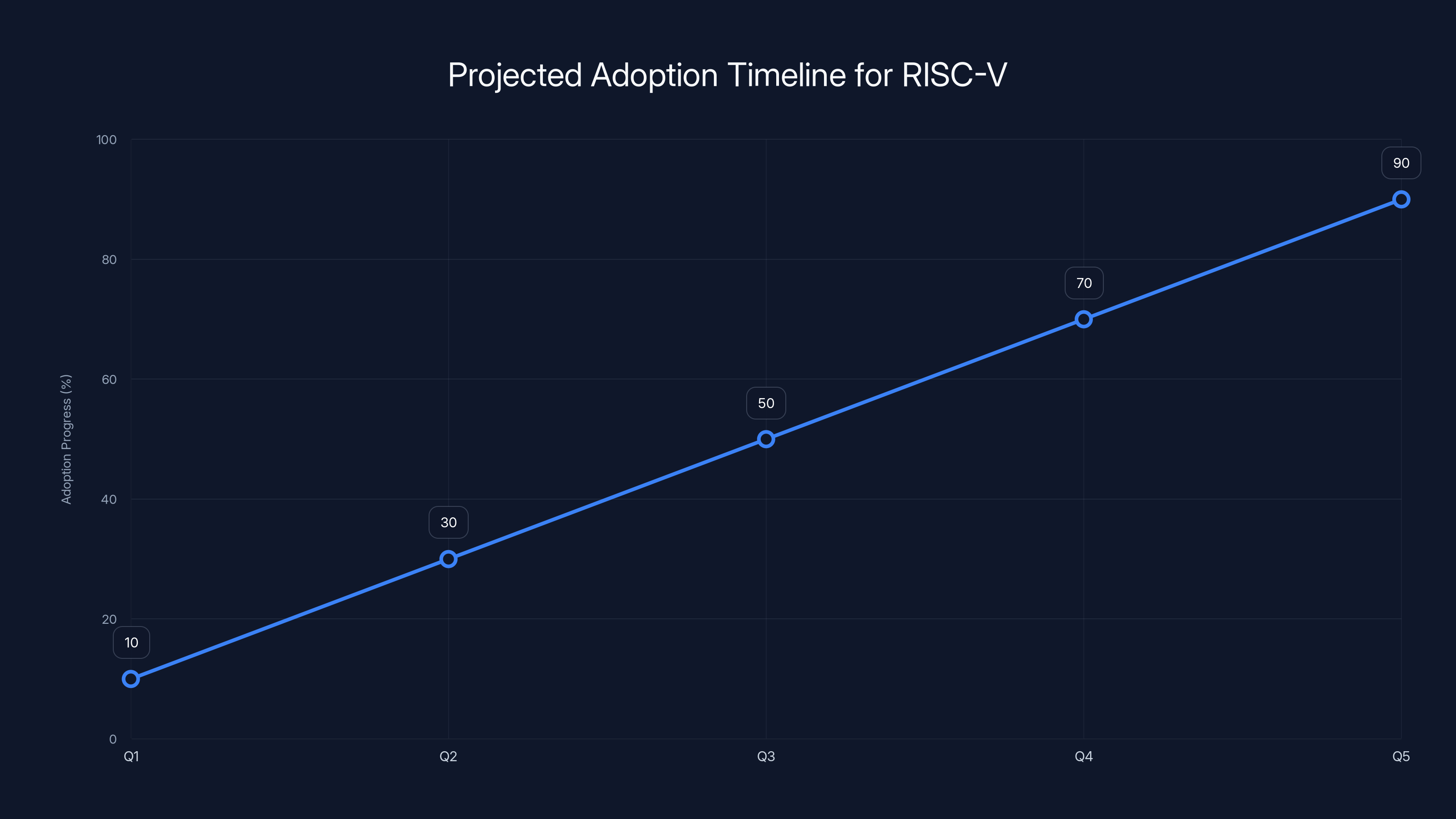
Estimated data showing a typical adoption curve for companies transitioning to RISC-V over five quarters. The adoption process accelerates after initial setup and training phases.
Understanding the Semiconductor Landscape
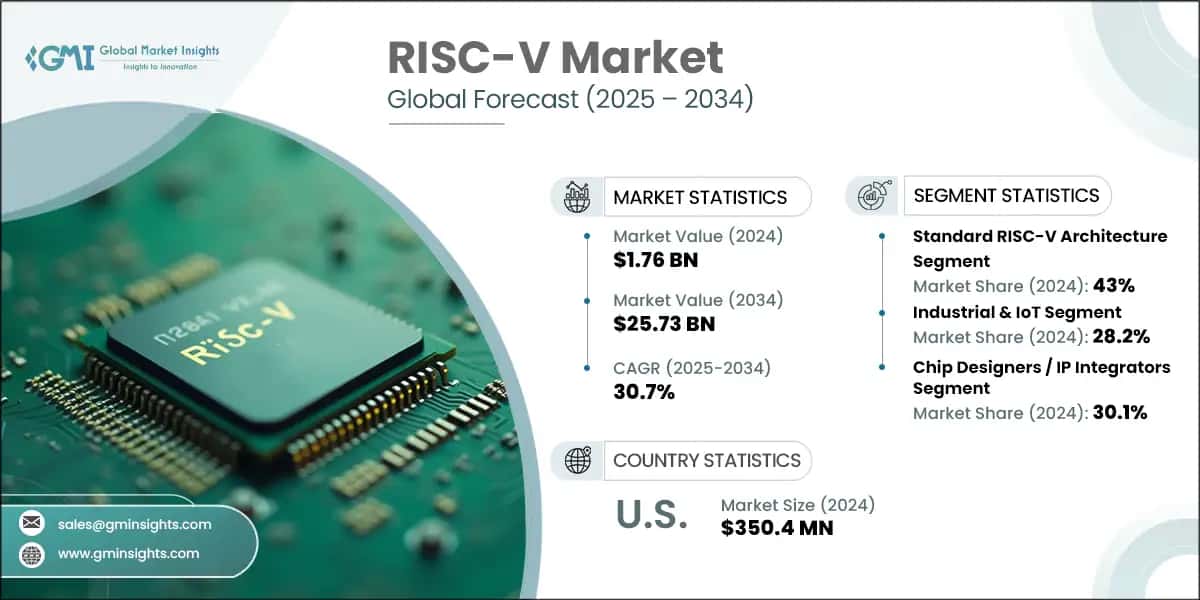
Before diving into the potential RISC-V strategy of Global Foundries, it's essential to understand the current landscape. The semiconductor industry is dominated by a few key players, with Arm having a significant share in mobile and Io T devices. Their architecture is known for its power efficiency and performance, but it comes with licensing fees that can be prohibitive for smaller companies.
The Role of Arm in the Industry
Arm's architecture powers billions of devices worldwide, from smartphones to embedded systems. Its licensing model allows companies to integrate Arm's designs into their products, but this comes at a cost. These fees can be a barrier to entry for startups and smaller companies looking to innovate without substantial capital.
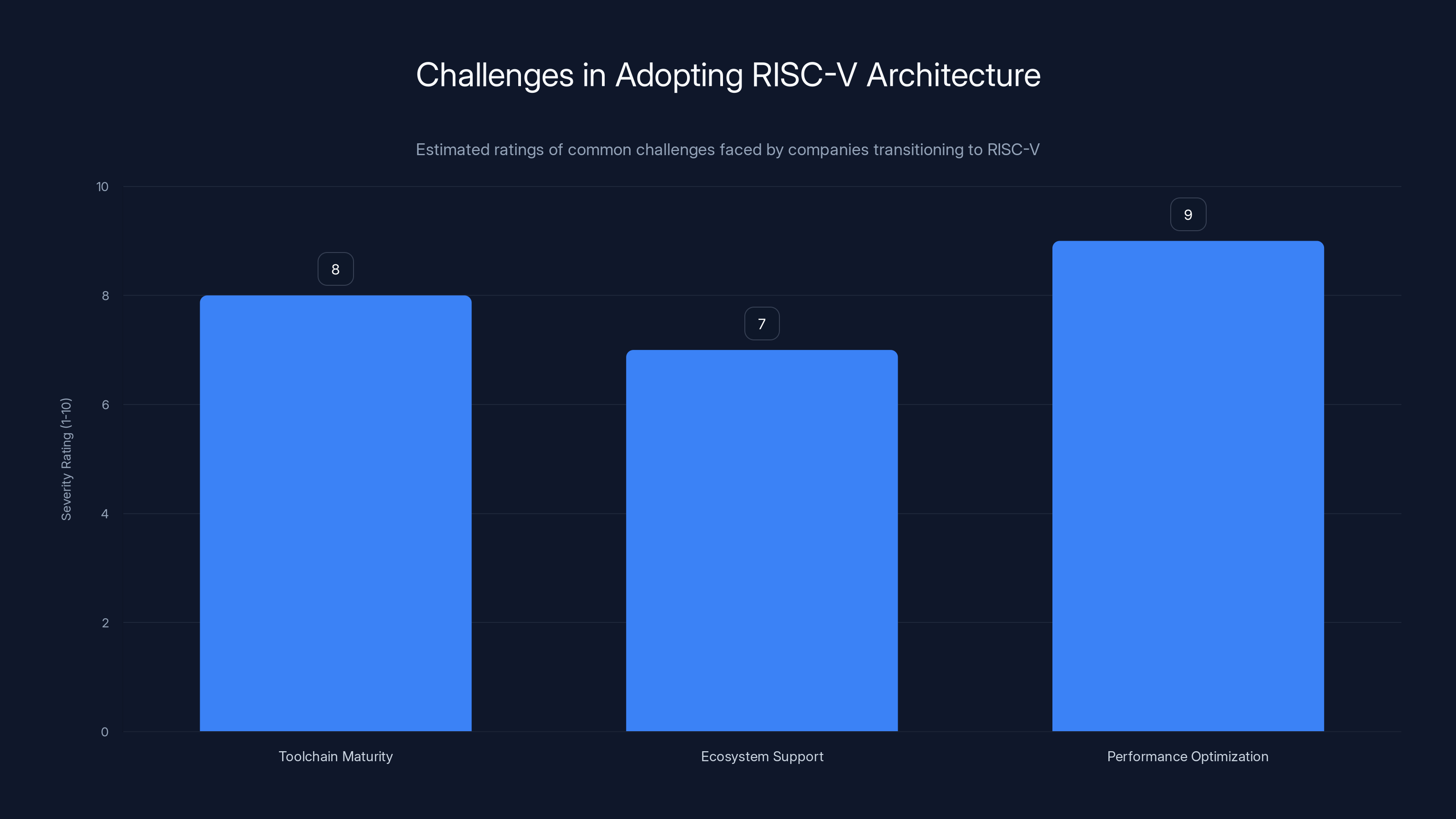
Estimated data shows that performance optimization is the most severe challenge when adopting RISC-V, followed by toolchain maturity and ecosystem support.
The Rise of RISC-V
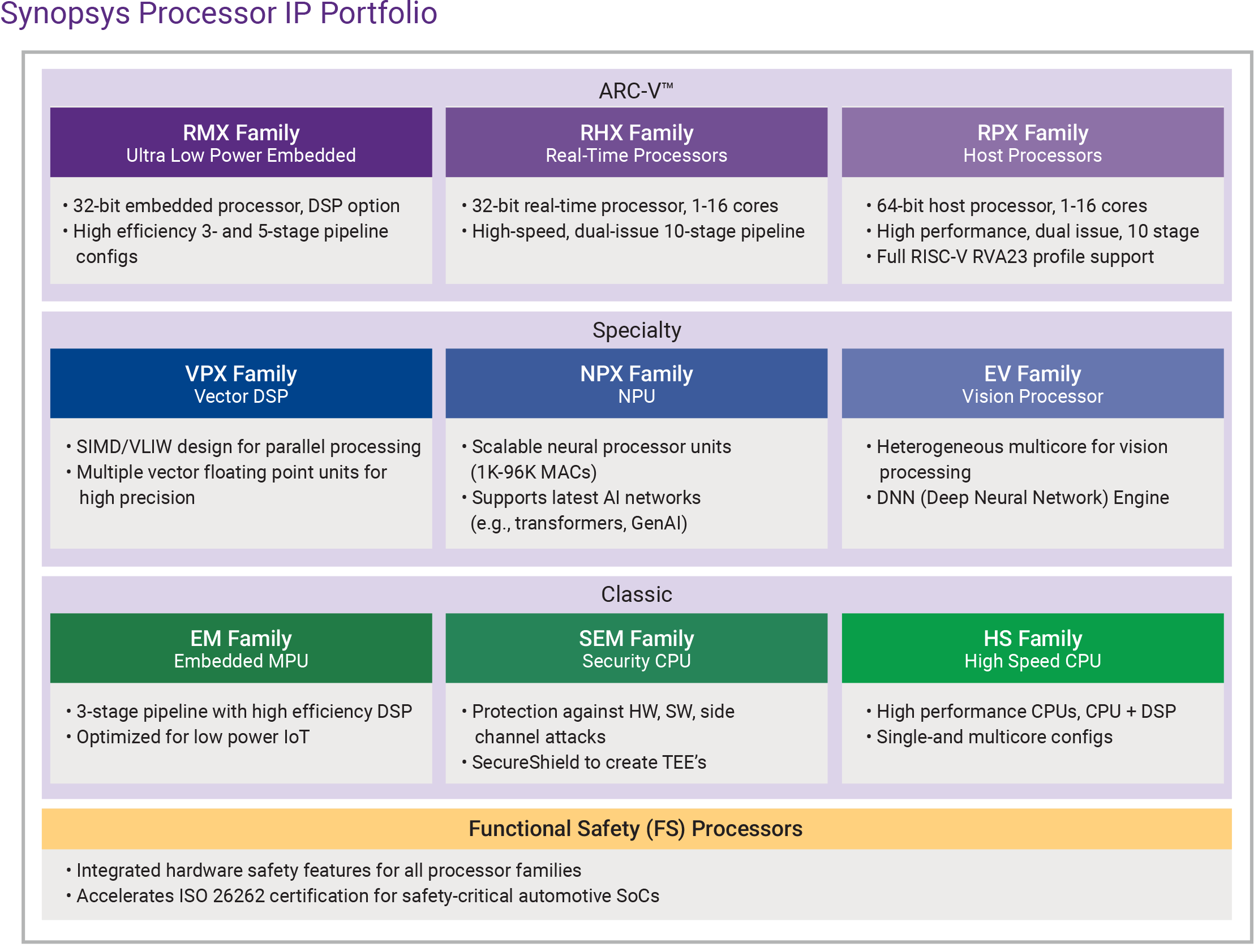
RISC-V, an open-source instruction set architecture (ISA), is gaining traction as a cost-effective and flexible alternative to Arm. Unlike proprietary architectures, RISC-V allows companies to adapt and extend the ISA to their needs without hefty licensing fees.
Key Features of RISC-V
- Open-Source Nature: Freely available, allowing for customization and innovation without licensing fees.
- Modularity: Design your processor with only the features you need, optimizing for specific applications.
- Scalability: Suitable for a wide range of applications, from simple embedded systems to complex supercomputers.
Global Foundries' Strategic Position
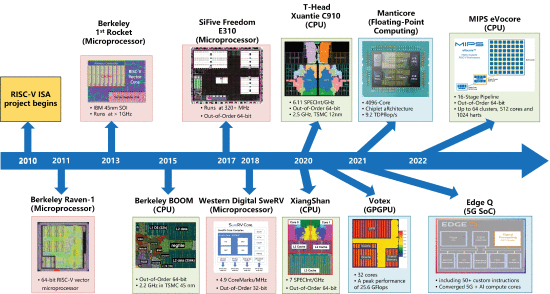
Global Foundries, having spun off from AMD, has a rich history in semiconductor manufacturing. Its potential move into RISC-V could leverage its existing infrastructure and expertise to create a competitive edge in the semiconductor market.
Potential Benefits of a RISC-V Strategy
- Cost Reduction: Eliminating Arm's licensing fees could lower costs for both Global Foundries and its customers.
- Innovation Opportunities: With RISC-V's flexibility, Global Foundries can offer customized solutions to meet specific customer needs.
- Market Differentiation: Positioning itself as a leading RISC-V foundry could attract new business from startups and established players alike.
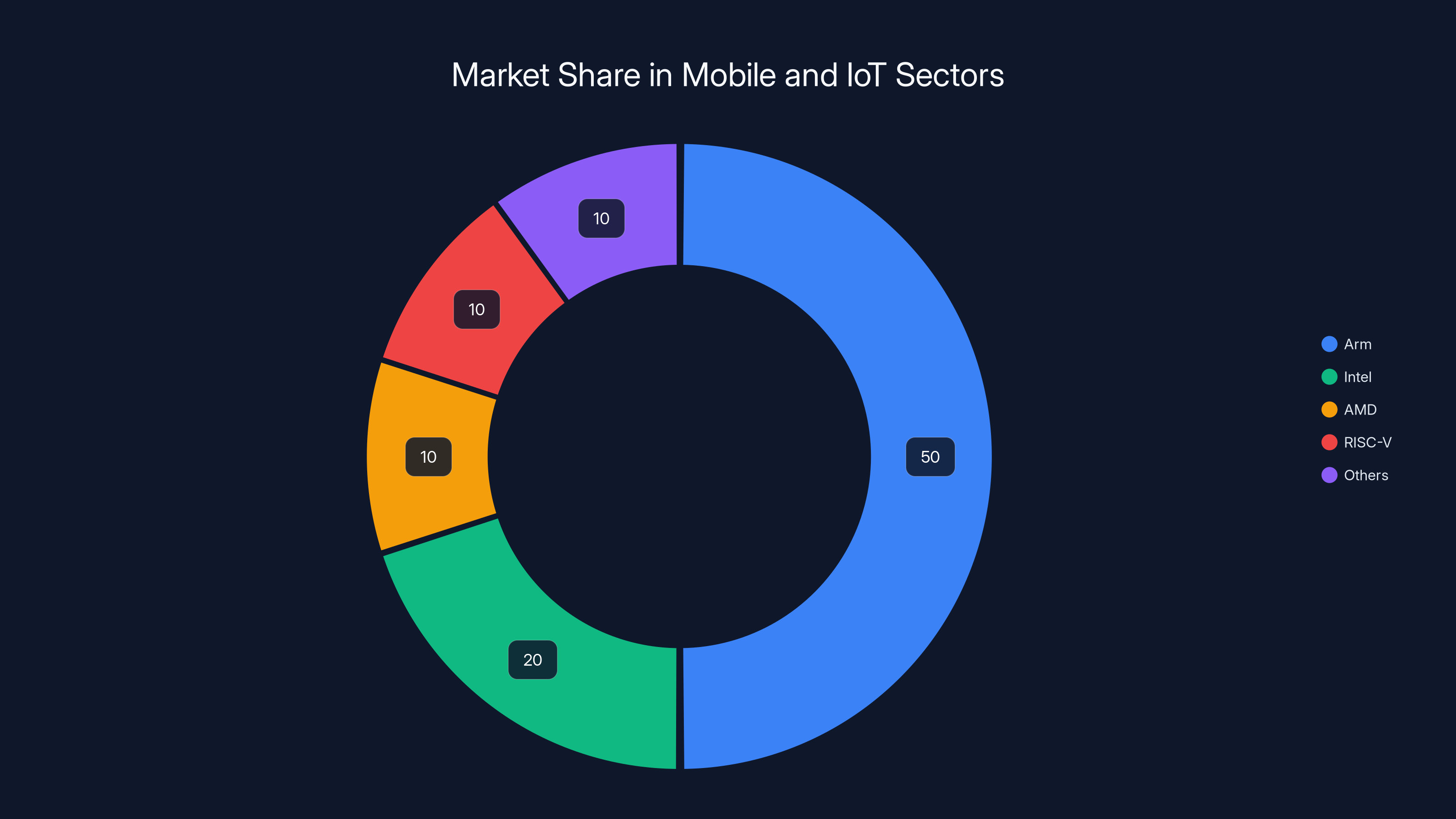
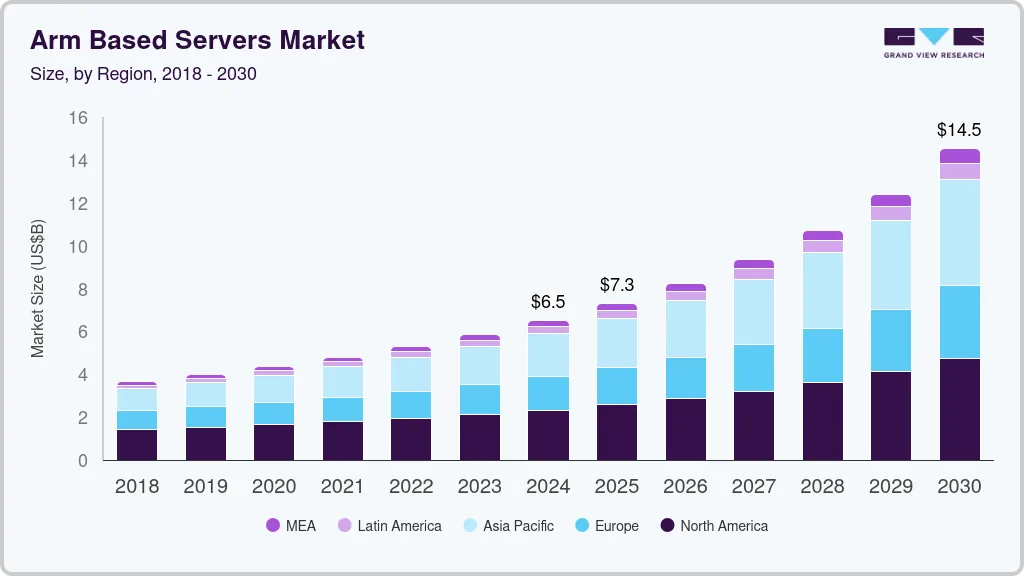
Arm holds a dominant 50% share in mobile and IoT sectors, highlighting its significant influence. Estimated data.
Technical Challenges and Solutions
While RISC-V offers numerous advantages, transitioning to this architecture is not without its challenges. Companies must navigate design complexities, compatibility issues, and ecosystem development.
Common Pitfalls
- Toolchain Maturity: RISC-V's toolchain is still maturing, which can lead to integration challenges.
- Ecosystem Support: Limited compared to Arm, which has a well-established and extensive ecosystem.
- Performance Optimization: Fine-tuning RISC-V processors for specific applications requires deep technical expertise.
Overcoming Challenges
- Invest in Toolchain Development: Collaborate with open-source communities to enhance RISC-V tools and libraries.
- Build Strategic Partnerships: Partner with companies and institutions to grow the RISC-V ecosystem.
- Focus on Niche Markets: Target applications where RISC-V's benefits outweigh the initial hurdles, such as Io T and edge computing.

Implementation Guide for Adopting RISC-V
For companies considering a switch to RISC-V, a strategic implementation plan is crucial. Here’s a step-by-step guide to help navigate the transition:
Step 1: Evaluate Needs and Capabilities
- Assess Current Architecture: Determine if RISC-V's benefits align with your product goals.
- Identify Specific Use Cases: Focus on areas where RISC-V's flexibility and cost advantages are most impactful.
Step 2: Develop Skills and Resources
- Invest in Training: Equip your team with the skills needed to work with RISC-V architecture.
- Leverage Open-Source Communities: Engage with RISC-V forums and groups to share knowledge and resources.
Step 3: Design and Prototype
- Utilize RISC-V Development Boards: Test and iterate your designs using readily available boards.
- Prototype Rapidly: Take advantage of RISC-V's modularity to quickly develop and test variations.
Step 4: Optimize and Scale
- Refine Designs: Focus on performance tuning and power optimization for your specific applications.
- Plan for Scalability: Ensure your designs can scale as your application requirements grow.
Future Trends and Recommendations
The future of RISC-V is promising, with potential applications extending across various industries. As technology continues to evolve, RISC-V's open-source nature and adaptability position it well for emerging trends.
Key Trends to Watch
- Io T and Edge Computing: RISC-V's low power consumption and customization capabilities make it ideal for Io T devices and edge computing applications.
- Artificial Intelligence: Custom RISC-V processors could power AI applications with specialized architectures optimized for machine learning tasks.
- Automotive Industry: As vehicles become more connected, RISC-V offers the flexibility needed for complex automotive applications.
Conclusion: The Road Ahead
Global Foundries' potential entry into the RISC-V market could significantly alter the semiconductor landscape. By offering a cost-effective and flexible alternative to Arm, RISC-V opens doors for innovation and competition. As more companies explore RISC-V's potential, the industry will likely see increased diversity and specialization in processor designs.
The journey to RISC-V adoption is not without its challenges, but with strategic planning and a focus on specific use cases, companies can leverage this architecture's advantages. Whether you're a startup looking to reduce costs or an established player seeking new opportunities, RISC-V offers a path forward in an increasingly competitive market.
FAQ
What is RISC-V?
RISC-V is an open-source instruction set architecture (ISA) that offers flexibility and customization without licensing fees.
How does RISC-V compare to Arm?
RISC-V provides a modular, open-source alternative to Arm, allowing for tailored processor designs and cost savings.
What are the benefits of using RISC-V?
Benefits include reduced licensing costs, increased customization, and the ability to optimize processors for specific applications.
Why might Global Foundries adopt RISC-V?
Global Foundries could leverage RISC-V to differentiate its offerings, reduce costs, and attract a wider range of customers.
What industries could benefit from RISC-V?
Industries like Io T, automotive, and AI stand to gain from RISC-V's customization and efficiency.
What are the challenges of adopting RISC-V?
Challenges include toolchain maturity, ecosystem support, and performance optimization.
How can companies overcome these challenges?
By investing in toolchain development, building partnerships, and targeting niche markets, companies can successfully adopt RISC-V.
Key Takeaways
- GlobalFoundries may leverage RISC-V for strategic cost reduction.
- RISC-V's open-source nature offers customization without licensing fees.
- Potential disruption to Arm's market dominance.
- RISC-V's flexibility suits IoT, AI, and automotive applications.
- Strategic partnerships and niche targeting are crucial for RISC-V adoption.
Related Articles
- 5 Key Insights from Samsara's Reacceleration to $1.9 Billion in ARR [2025]
- The Ultimate Guide to Staying Cool with a Powerful and Silent Fan [2025]
- Unpacking MSI's Stealth A16: A Future-Proof Powerhouse with Ryzen AI 9 HX 370 and 64GB DDR5
- John Deere's $99M Right-to-Repair Settlement: Implications and Future [2025]
- The AI Heat Trap: Why Data Centers Must Rethink Thermodynamics [2025]
- Revolutionizing Wearables: The AI Button by Ex-Apple Engineers [2025]


