
![BlackBerry’s Forgotten Patents: A Legal Storm Brewing for the Global Printer Industry [2025]](https://tryrunable.com/blog/blackberry-s-forgotten-patents-a-legal-storm-brewing-for-the/image-1-1775765064088.png)
BlackBerry’s Forgotten Patents: A Legal Storm Brewing for the Global Printer Industry [2025]
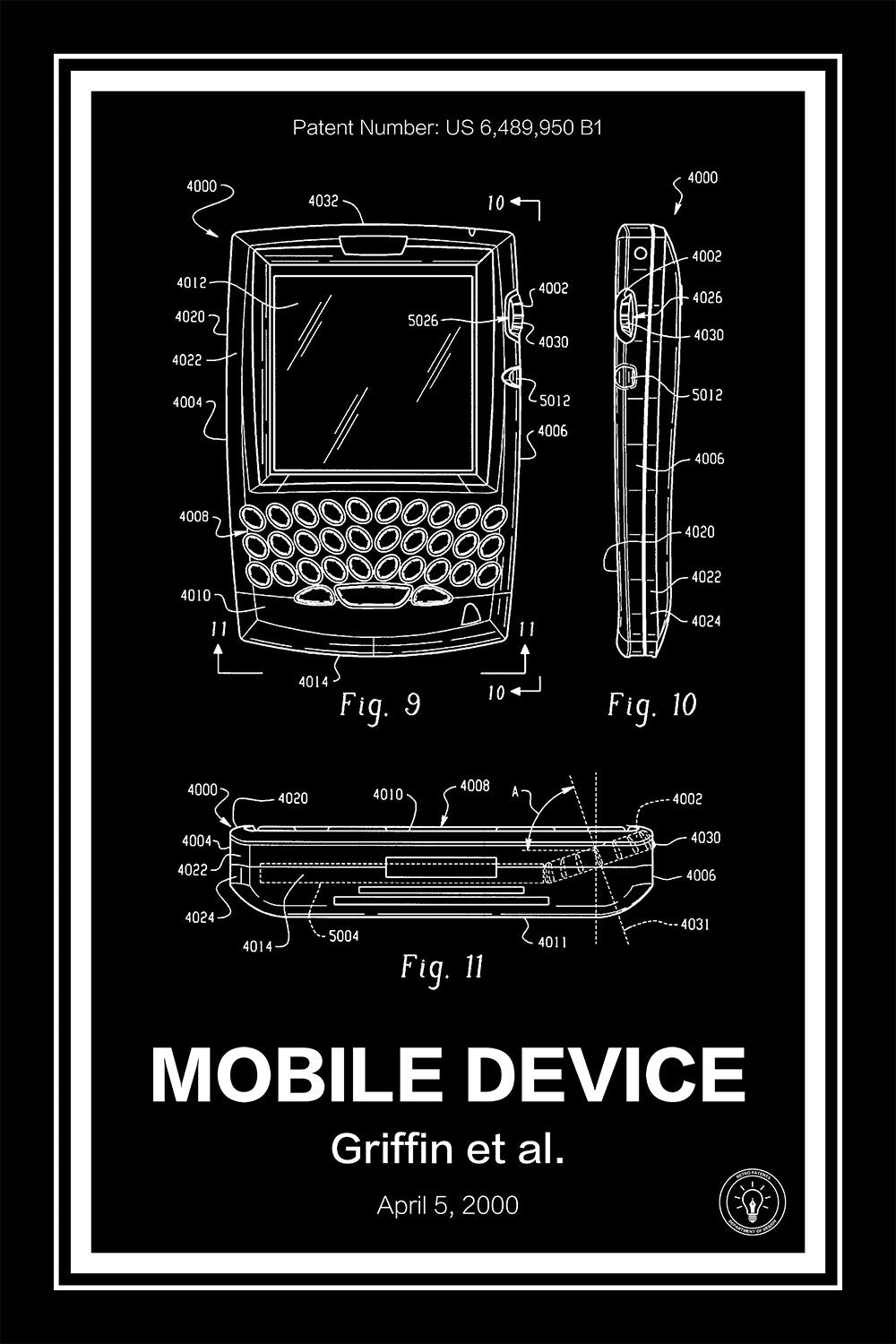
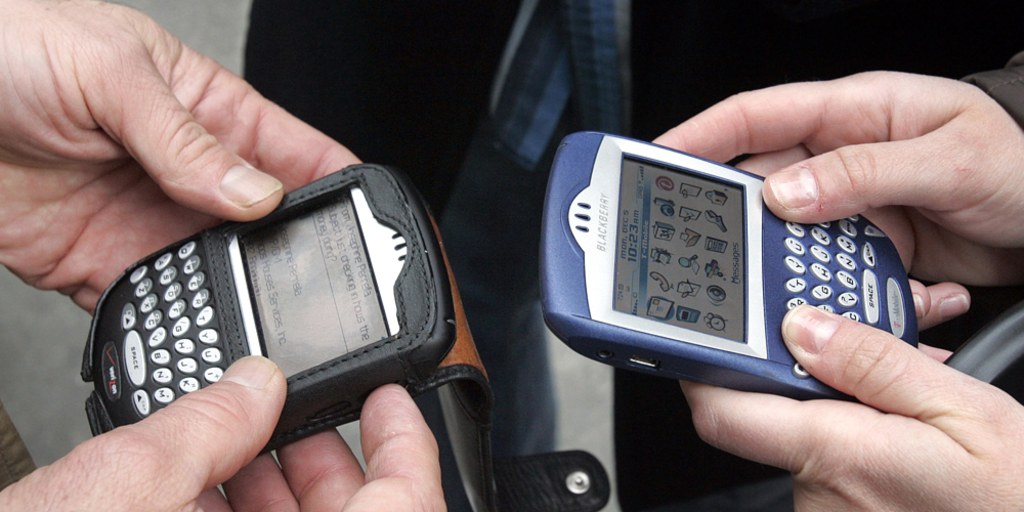
Once a titan of the smartphone world, BlackBerry has faded from the public spotlight. However, the company's legacy lives on—not through its iconic phones, but through a portfolio of patents that have recently resurfaced in a legal battle poised to shake the printer industry. In a lawsuit targeting Brother, a leading printer manufacturer, BlackBerry’s forgotten patents are now at the heart of claims that could have far-reaching implications for global printer technology.
TL; DR
- BlackBerry’s patents: Once considered dormant, these patents are now central to a lawsuit against Brother.
- Industry impact: The lawsuit could potentially alter the global printer market significantly.
- Key technologies: Focus on wireless communication and data encryption present in modern printers.
- Legal ramifications: A finding against Brother could lead to sweeping changes and licensing fees.
- Future trends: Potential for increased patent litigation in the tech industry.
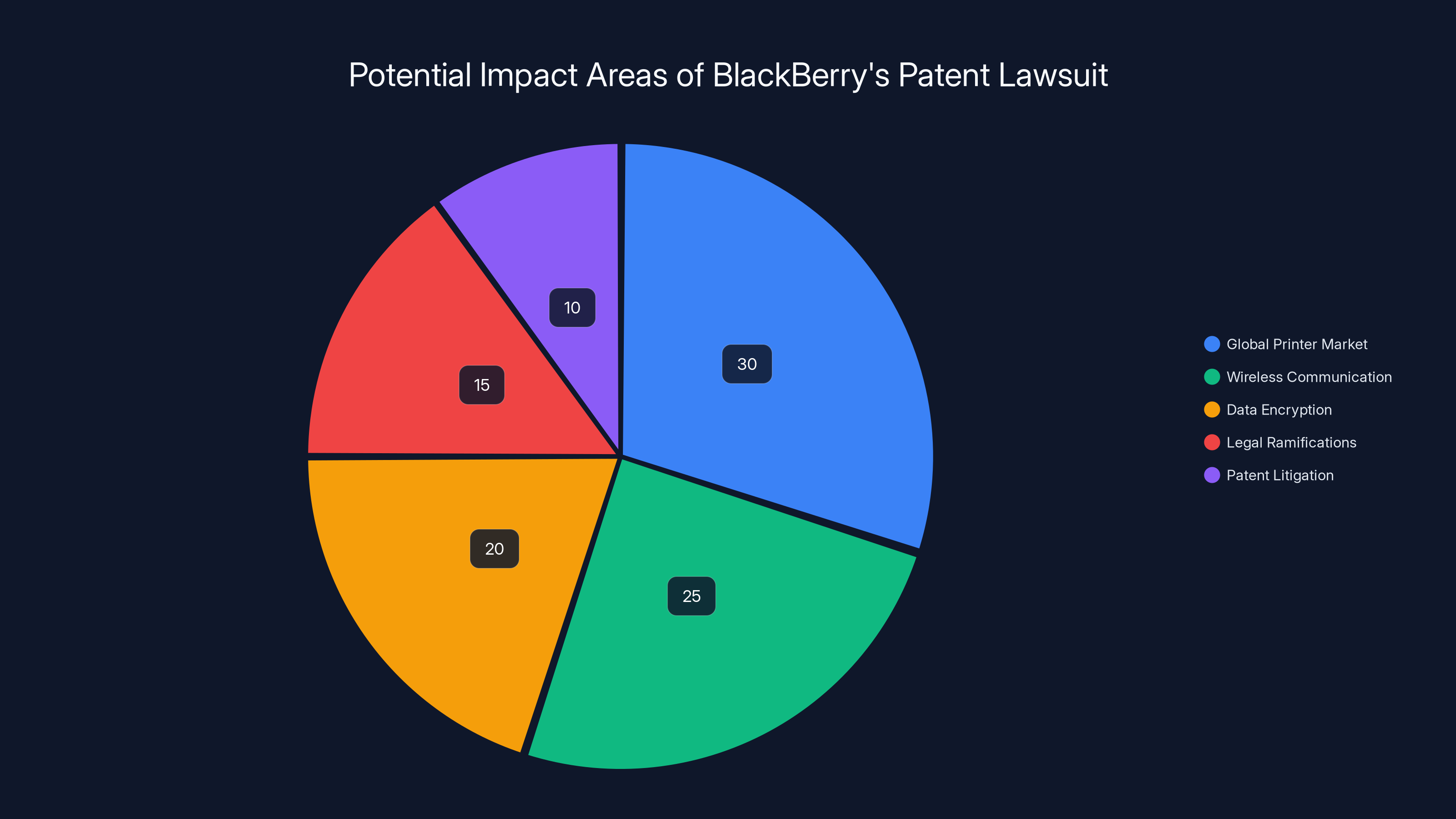
The lawsuit could significantly impact the global printer market (30%) and wireless communication technologies (25%), with potential legal ramifications and increased patent litigation. (Estimated data)
A Journey from Smartphones to Patents
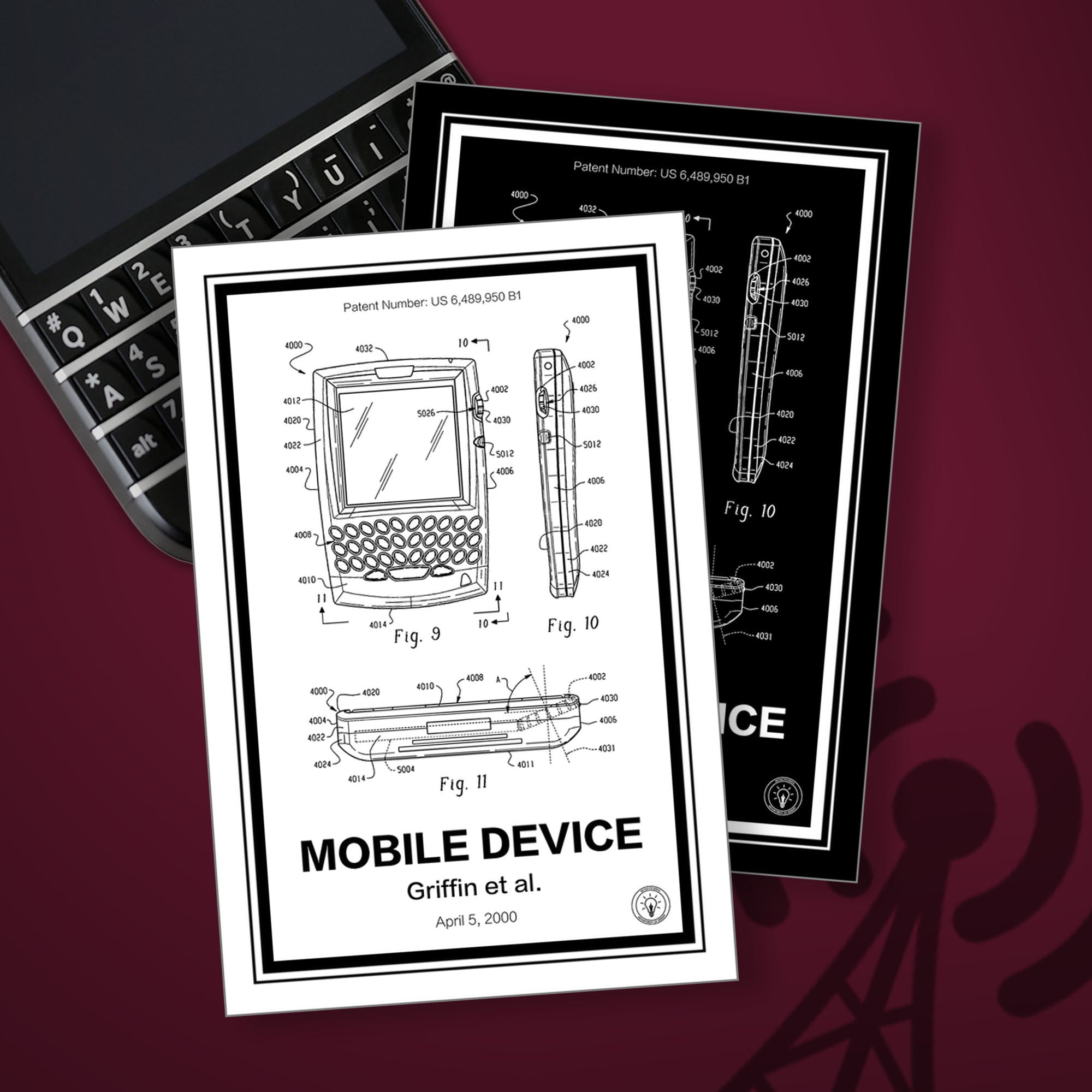
BlackBerry, once synonymous with business communication, amassed a wealth of patents during its heyday. These patents, covering a range of technologies from secure communications to wireless data transfer, were integral to BlackBerry's competitive edge. As the company pivoted away from hardware to focus on software and services, these patents became a dormant asset, waiting for the right moment to reemerge.

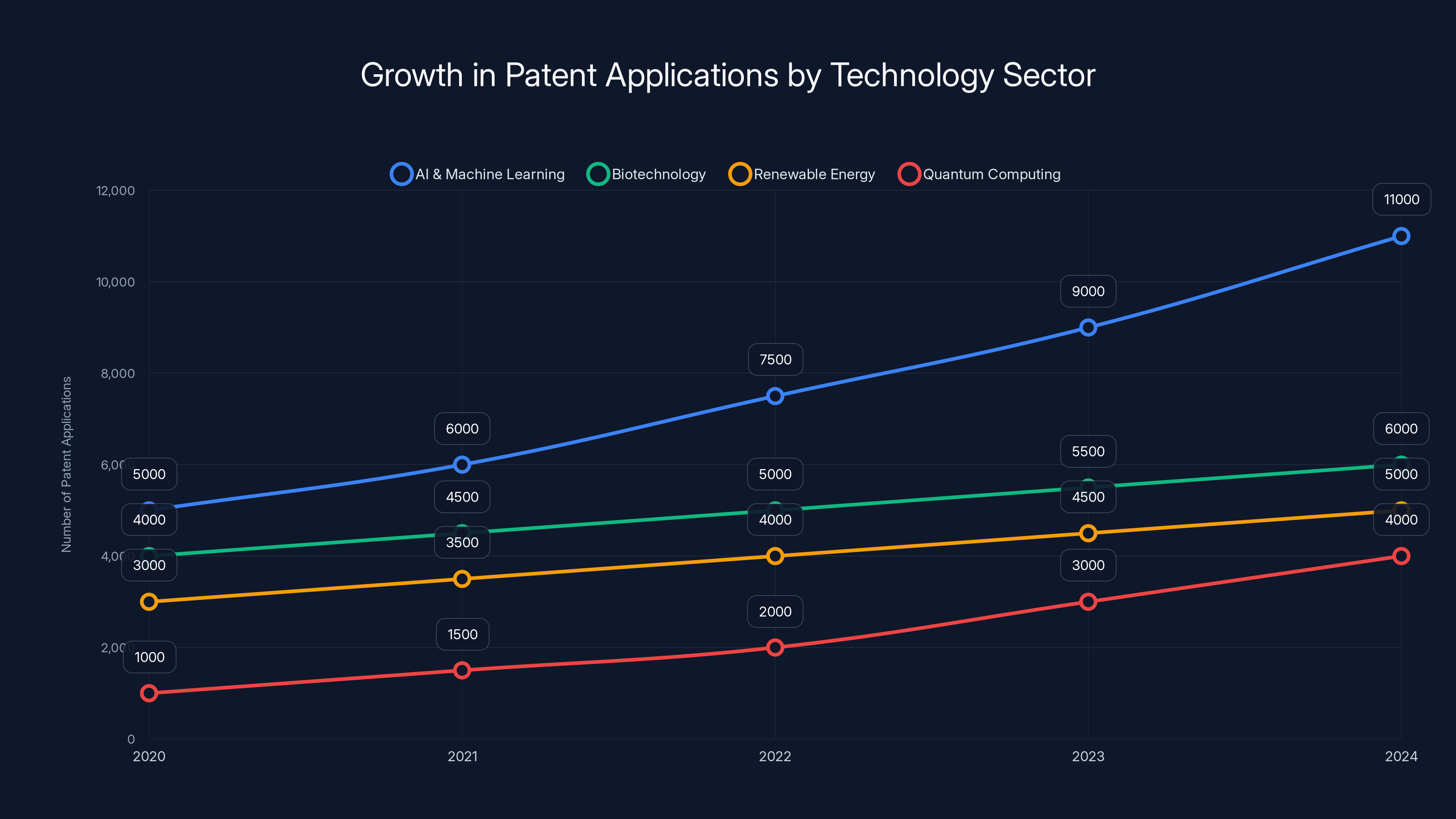
Patent applications in AI & Machine Learning are projected to see the highest growth, reflecting the rapid pace of innovation in this sector. Estimated data.
The Legal Battle Unfolds
Brother’s Alleged Infringement
The lawsuit against Brother claims that the company knowingly used technologies described in BlackBerry's patents without permission. At the core of the dispute are patents related to wireless communication and data encryption, technologies essential to the operation of modern printers.
Potential Consequences
If BlackBerry prevails, Brother may face substantial financial penalties and be forced to pay ongoing licensing fees. More significantly, a ruling in favor of BlackBerry could set a precedent, encouraging other companies to pursue similar claims against printer manufacturers using similar technologies.
Understanding the Technologies Involved
Wireless Communication
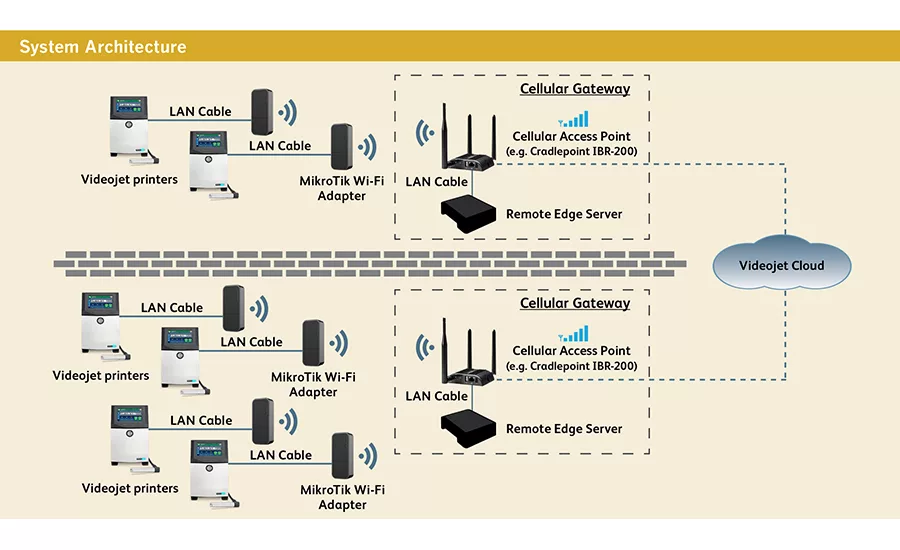
Wireless technology has become a cornerstone of modern printers, enabling seamless connectivity with computers and mobile devices. Patents in this area often cover methods for establishing secure connections, optimizing data transfer rates, and managing network traffic.
Data Encryption
Data security is paramount in any device that handles sensitive information. BlackBerry's patents in encryption technology ensure that data sent to and from printers remains protected from unauthorized access.
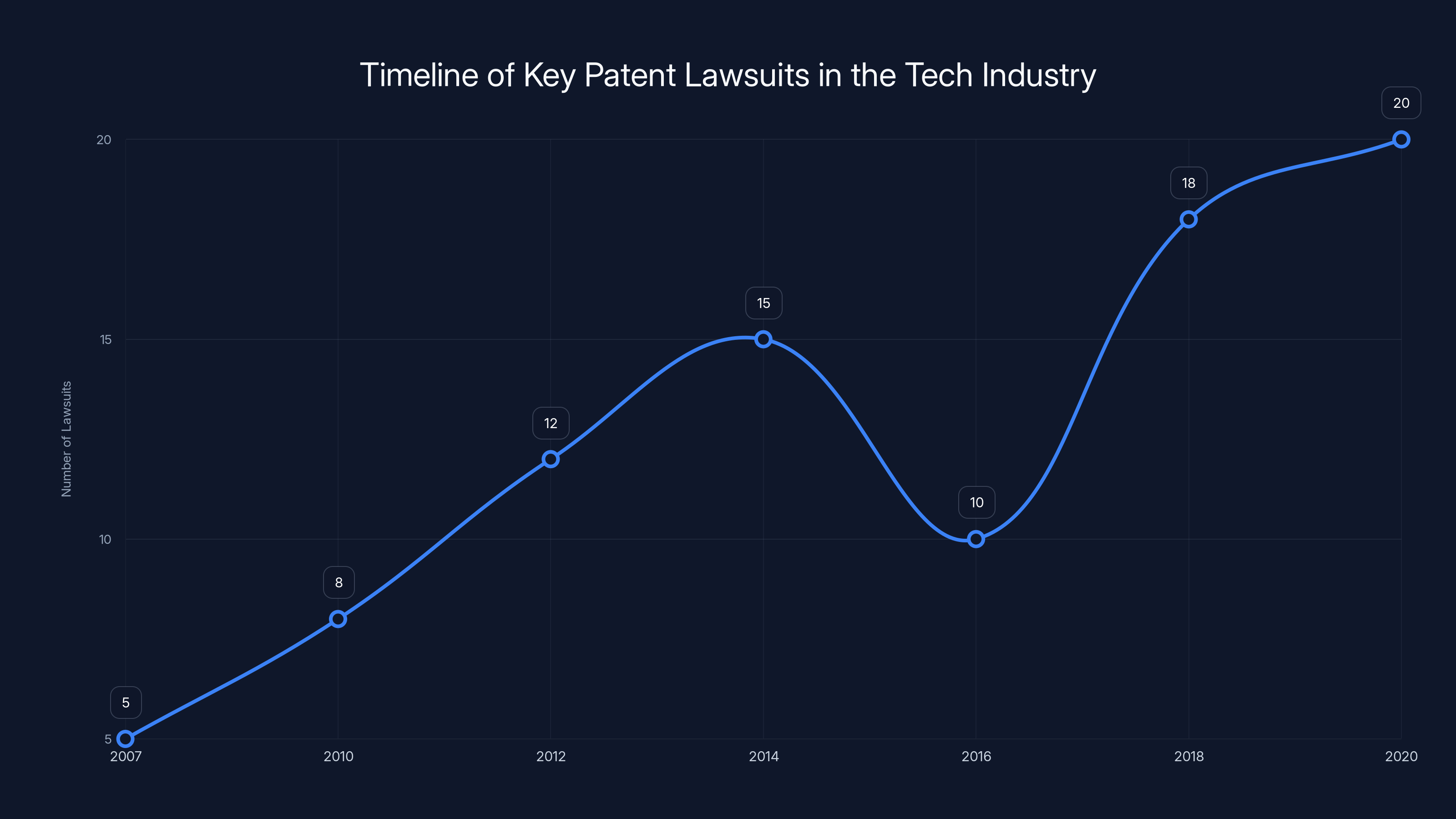
The timeline illustrates the increasing trend of major patent lawsuits in the tech industry, highlighting the legal challenges companies face. Estimated data.
The Broader Legal Landscape
Intellectual Property in Tech
The case against Brother is a stark reminder of the ongoing importance of intellectual property (IP) in the tech industry. Companies invest heavily in R&D to develop new technologies, and patents help protect these investments by granting exclusive rights to use and license innovations.
A History of Patent Litigation
Patent litigation is not new to the tech world. History shows numerous instances where companies have used their patents as both a shield and a sword. From the infamous battles between Apple and Samsung to more niche disputes, the courtroom has often been a battleground for tech giants.
Implications for the Printer Industry
A ruling in favor of BlackBerry could lead to a wave of similar lawsuits, prompting printer manufacturers to reassess their technology stacks and potentially seek licenses for patented technologies. This could increase costs, which may be passed on to consumers.

Practical Guide: Navigating Patent Challenges
Due Diligence and Risk Management
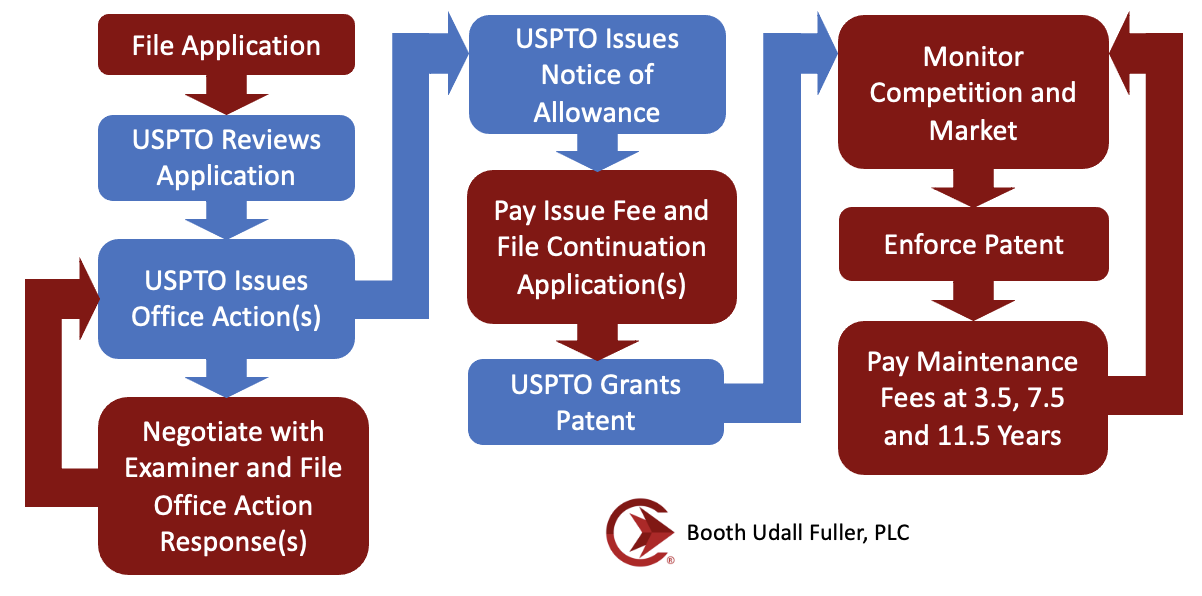
For companies in the tech sector, conducting thorough due diligence on existing and potential patents is crucial. This involves:
- Patent Searches: Regularly perform comprehensive searches to identify potential infringements.
- Legal Consultation: Work with legal experts to interpret patent claims and assess risks.
- Technology Audits: Regular audits of technology stacks to ensure compliance with existing patents.
Strategies for Mitigation
Companies can adopt several strategies to mitigate patent infringement risks:
- Licensing Agreements: Proactively seek licensing agreements for critical technologies.
- Innovation: Invest in R&D to develop alternative solutions that avoid patented technologies.
- Patent Pools: Join or form patent pools to share resources and reduce litigation risks.
Common Pitfalls and Solutions
Misinterpretation of Patent Claims
One of the most common pitfalls is misinterpreting the scope of patent claims. To avoid this:
- Engage Experts: Utilize patent attorneys to provide clarity on claims.
- Detailed Reviews: Conduct detailed reviews of patents during the development phase.
Inadequate Documentation
Failing to maintain detailed records of development processes can complicate defense in patent disputes. Ensure thorough documentation by:
- Keeping Logs: Maintain logs of development processes and decision-making.
- Version Control: Use version control systems to track changes in technology development.

Future Trends and Recommendations
Rise of Patent Monetization
As companies continue to innovate, the trend of monetizing dormant patents is likely to grow. This involves:
- Strategic Partnerships: Forming alliances with firms that specialize in patent monetization.
- Patent Brokerage: Engaging in patent sales and licensing to generate revenue from unused assets.
Emerging Technologies
The rapid evolution of technology means that new patentable innovations are constantly emerging. Companies should:
- Monitor Innovations: Keep an eye on emerging technologies that could impact their business.
- Invest in Development: Continuously invest in R&D to stay ahead of industry trends.
Conclusion
The lawsuit against Brother underscores the enduring power of patents in shaping the tech industry landscape. As BlackBerry’s forgotten patents come roaring back to life, the implications for the global printer industry are profound. Companies must navigate this complex terrain with care, leveraging legal expertise and strategic foresight to protect their innovations and ensure compliance.

FAQ
What is a patent?
A patent is a legal right granted by a government to an inventor, allowing them to exclude others from making, using, or selling an invention for a specified period.
How does a patent lawsuit work?
A patent lawsuit typically involves a plaintiff claiming that a defendant is infringing on their patent rights. The court then determines whether infringement has occurred and what remedies, if any, are appropriate.
What are the benefits of holding a patent?
Holding a patent allows the inventor to protect their innovation, potentially monetize it through licensing, and gain a competitive edge in the market.
How can companies protect themselves from patent infringement?
Companies can protect themselves by conducting thorough patent searches, consulting with legal experts, and ensuring that their technologies do not infringe on existing patents.
What are the potential outcomes of the Brother lawsuit?
Potential outcomes include financial penalties for Brother, changes in printer technology standards, and increased patent litigation in the industry.
Key Takeaways
- BlackBerry's patents are pivotal in a lawsuit against Brother.
- The lawsuit may reshape global printer technology standards.
- Wireless communication and encryption technologies are central to the case.
- A favorable ruling for BlackBerry could lead to increased patent litigation.
- Companies must conduct due diligence on patent compliance to mitigate risks.
- Monetizing dormant patents is an emerging trend in the tech industry.
- Future technologies will continue to evolve the patent landscape.
Related Articles
- The Future of Food Delivery: DoorDash and Wing's Drone Expansion to Atlanta [2025]
- Investing in AI Startups: Why the 'AI Shift' Makes 2025 a Prime Time for New Ventures
- Apple's Foldable iPhone: A New Era in Smartphone Technology [2025]
- Could GlobalFoundries Be Assembling a RISC-V Lineup to Challenge Arm Licensing? [2025]
- John Deere's $99M Right-to-Repair Settlement: Implications and Future [2025]
- 5 Key Insights from Samsara's Reacceleration to $1.9 Billion in ARR [2025]


