
![Gen Z's Love-Hate Relationship with AI: A Comprehensive Guide [2025]](https://tryrunable.com/blog/gen-z-s-love-hate-relationship-with-ai-a-comprehensive-guide/image-1-1775820869986.jpg)
Gen Z's Love-Hate Relationship with AI: A Comprehensive Guide [2025]
Gen Z, born into a world where tech is as ubiquitous as air, has a uniquely complex relationship with artificial intelligence (AI). Their engagement with AI is not just about utility but intertwines with identity, ethics, and societal impact. This article dives deep into why Gen Z loves and hates AI, exploring how this duality shapes their worldview.
TL; DR
- Complex Relationship: Gen Z appreciates AI's convenience but fears its ethical implications.
- Identity and AI: AI shapes Gen Z's identity through personalized experiences.
- Skepticism and Privacy: Concerns about data privacy and manipulation are prevalent.
- Innovative Uses: Gen Z leverages AI for creative and educational purposes.
- Ethical Considerations: The generation is vocal about AI ethics and bias.
- Future Trends: Expect more AI integration with an emphasis on transparency.
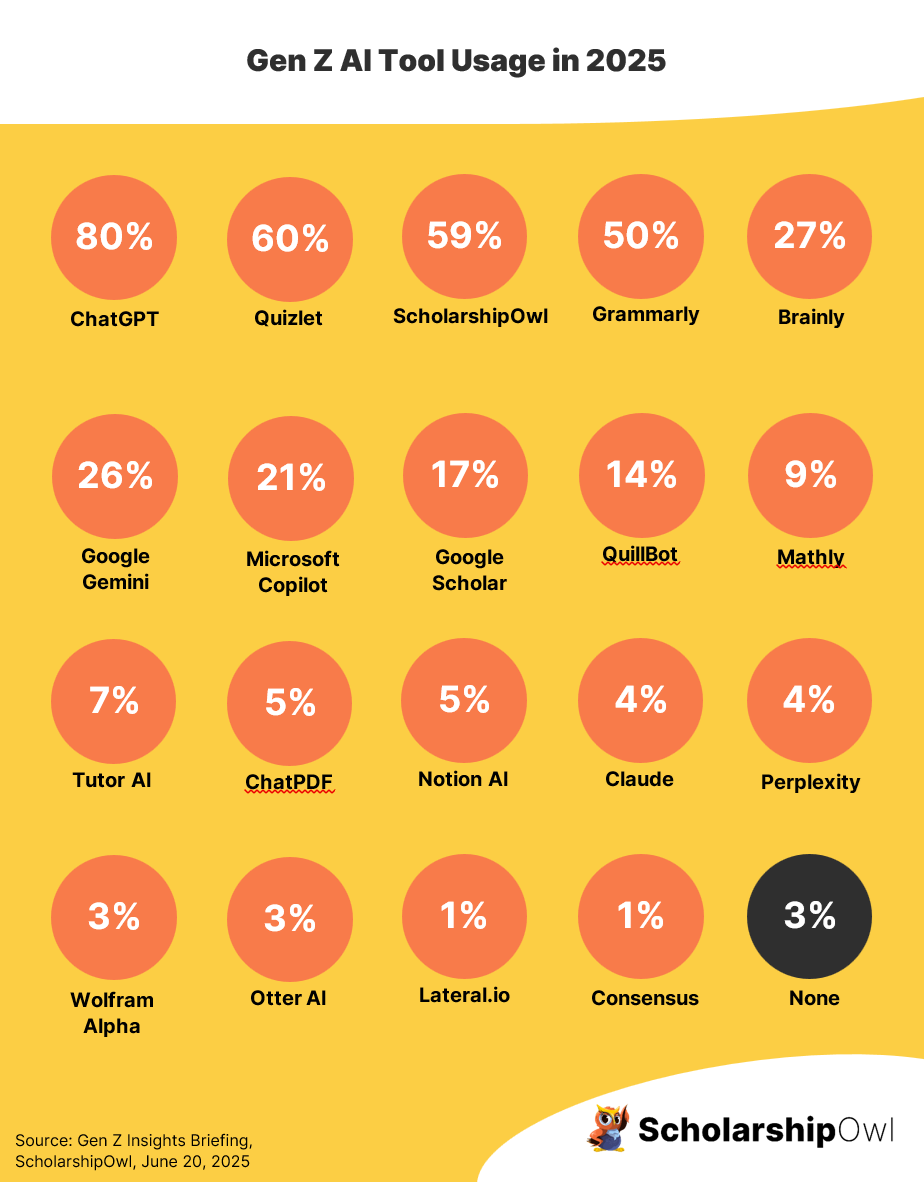
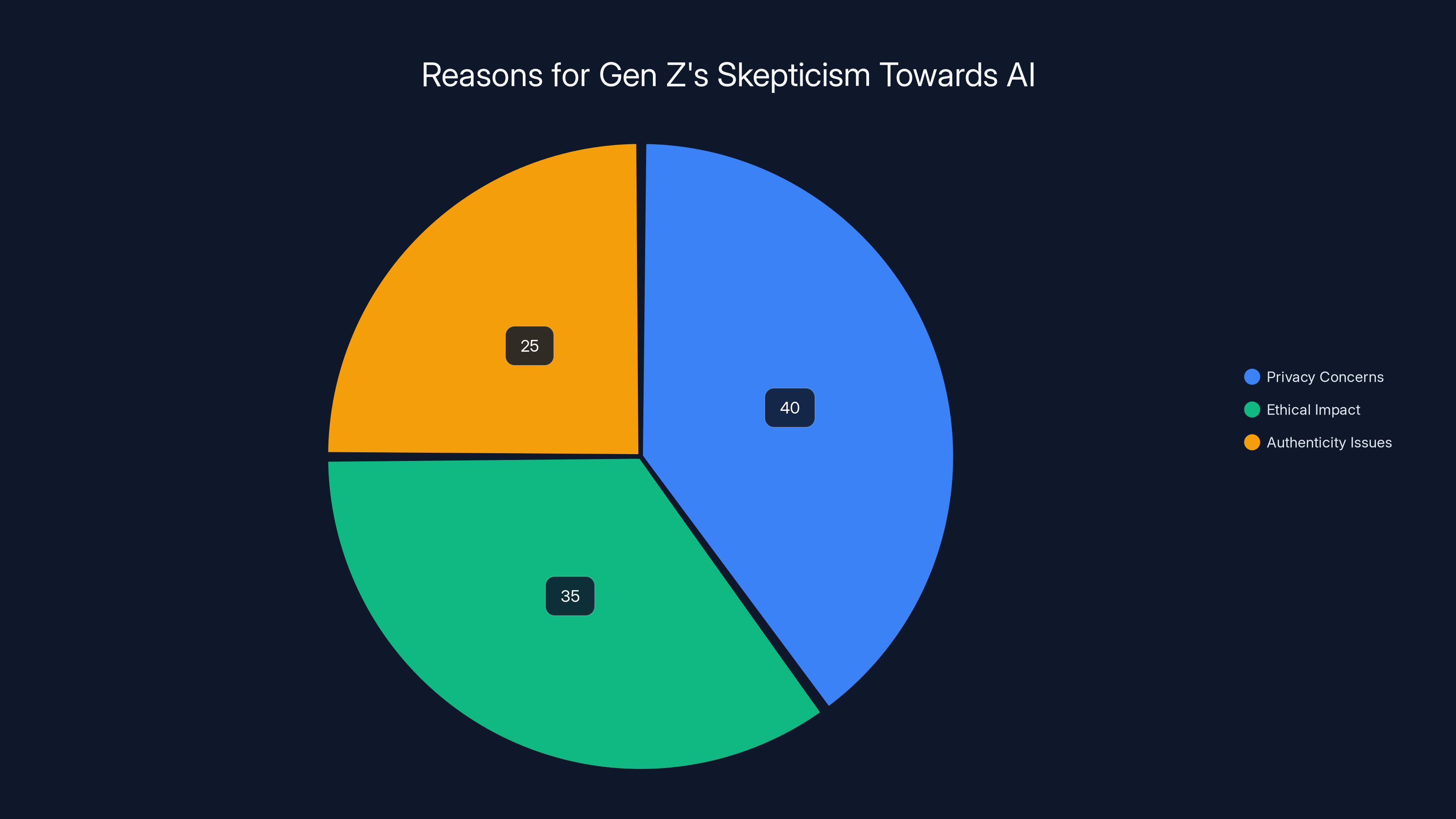
Privacy concerns lead Gen Z's skepticism towards AI, followed by ethical impacts and authenticity issues. (Estimated data)
The Generational Context
Digital Natives: Gen Z, roughly those born between 1997 and 2012, are the first true digital natives. Unlike previous generations, they haven't had to adapt to technology; they've grown up with it. According to Art Threat, this has led to a familiarity and comfort with tech but also a critical eye. They are quick to adopt new tools but just as quick to question the ethics behind them.

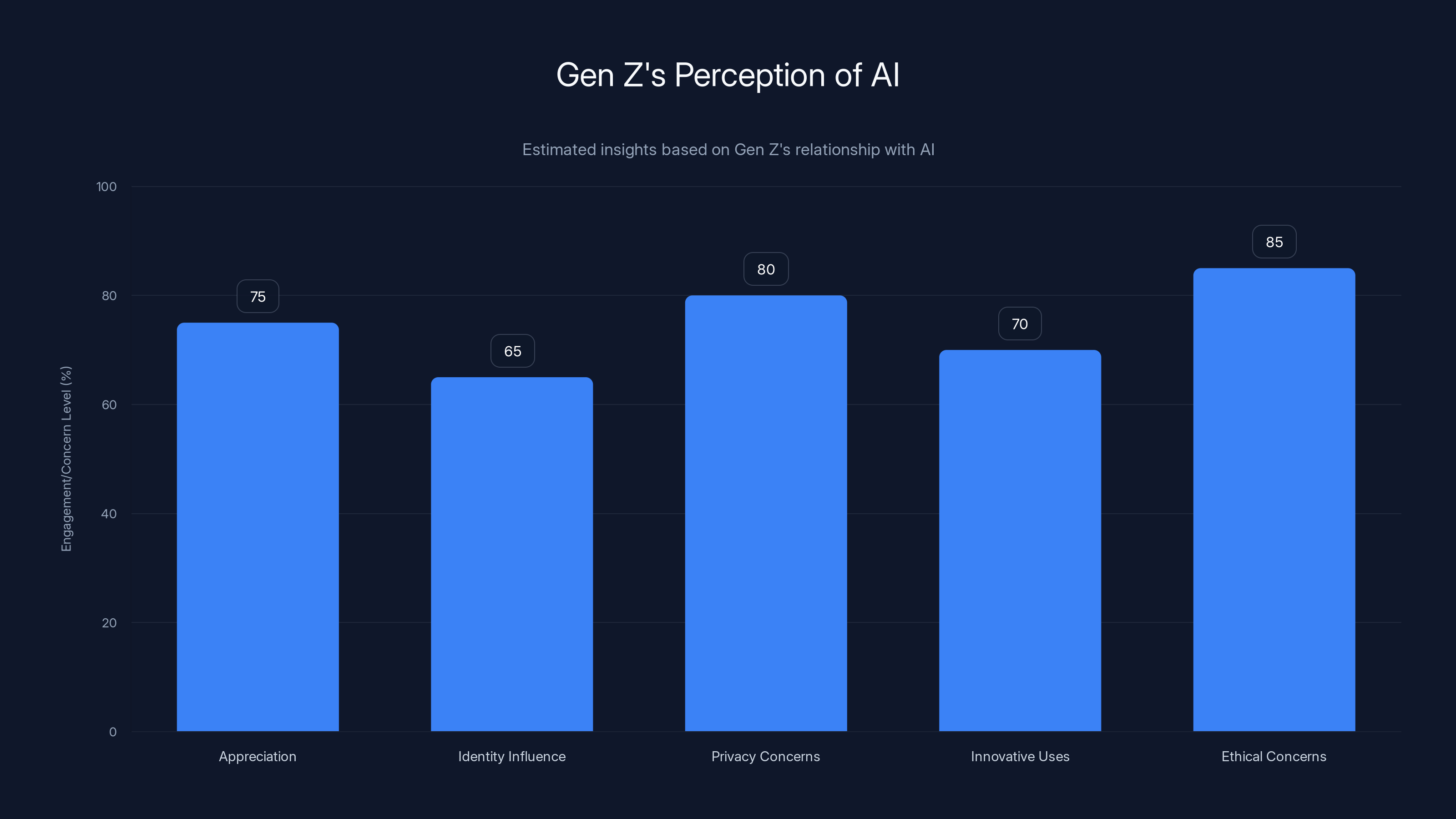
Gen Z shows high concern for AI ethics and privacy, while also appreciating its convenience and innovative uses. (Estimated data)
Why Gen Z Loves AI
Personalized Experiences
AI offers Gen Z something every individual craves: personalization. Whether it's curated playlists on Spotify or personalized feeds on Tik Tok, AI-driven platforms make users feel seen. According to Content Grip, these personalized experiences are a significant factor in Gen Z's engagement with AI.
Use Case: AI in Education
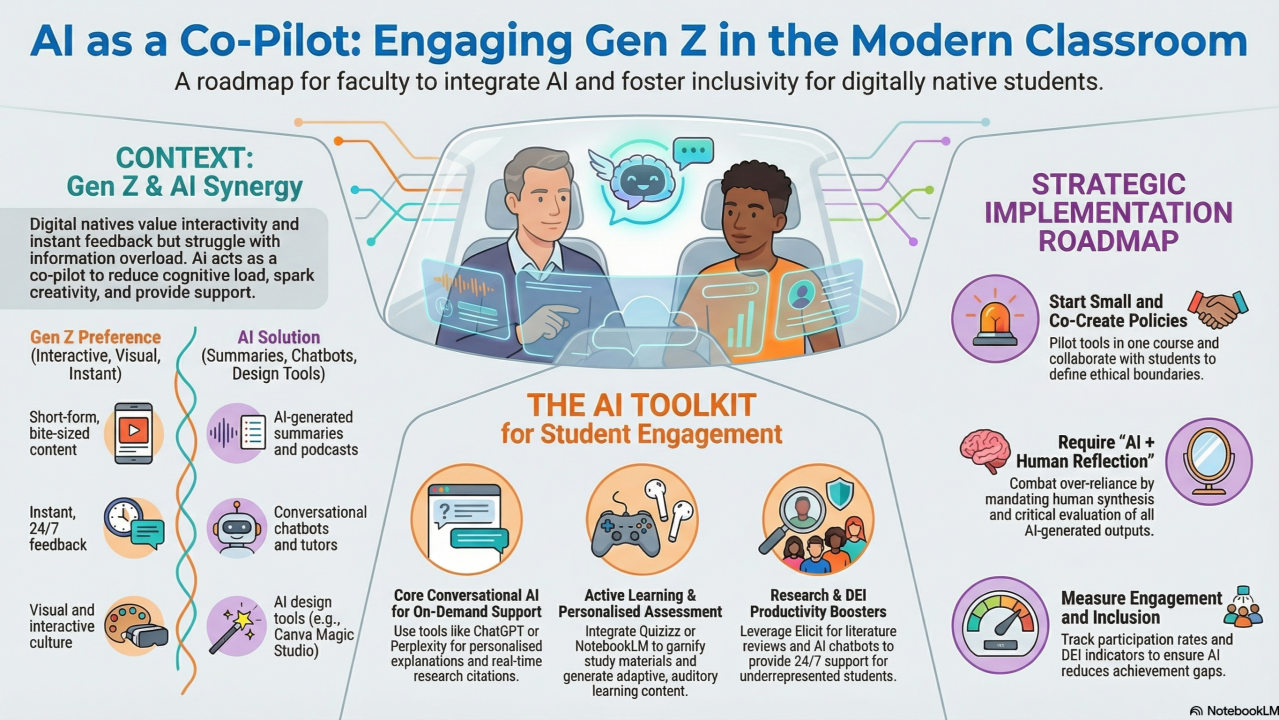
AI tools like Runable are changing the educational landscape. Gen Z uses AI for personalized learning experiences, tailoring content to their learning pace and style.
Efficiency and Convenience
From AI-powered chatbots that answer queries instantly to smart home devices that manage daily tasks, Gen Z loves the efficiency AI brings. This convenience allows them to focus on what truly matters to them. IBM's insights highlight how AI accelerates customer service response times, enhancing user satisfaction.
Creative Freedom
AI tools enable Gen Z to express creativity in unprecedented ways. Platforms like Deep Art and AI-generated music apps allow users to create art and music effortlessly.
The Skepticism: Why Gen Z Hates AI
Privacy Concerns
One of the biggest issues is privacy. Gen Z is acutely aware that AI often requires vast amounts of personal data. This leads to a love-hate dynamic as they enjoy personalized services but fear data breaches. Gallup's research indicates that skepticism about data privacy is a significant concern for Gen Z.
Pitfall: Data Vulnerability
Despite encryption and security protocols, data breaches are a reality. Gen Z remains skeptical about how companies handle their data. PCMag reports that data collection practices are a contentious issue among young Americans.
Ethical and Societal Impact
Gen Z is more socially conscious than previous generations. They question AI's impact on employment, bias, and even its role in perpetuating systemic inequalities. Simplilearn discusses the challenges AI poses, including ethical concerns and societal impacts.
Example: Facial Recognition Technology
The use of AI in facial recognition has sparked debates about surveillance and racial bias, with Gen Z often leading the charge against its unethical applications. Evidence for Democracy explores these issues, highlighting the need for ethical AI practices.
Authenticity and Manipulation
Gen Z values authenticity, and AI's ability to manipulate images and information can be unsettling. The proliferation of deepfakes and AI-generated content makes it harder to discern truth from fiction.

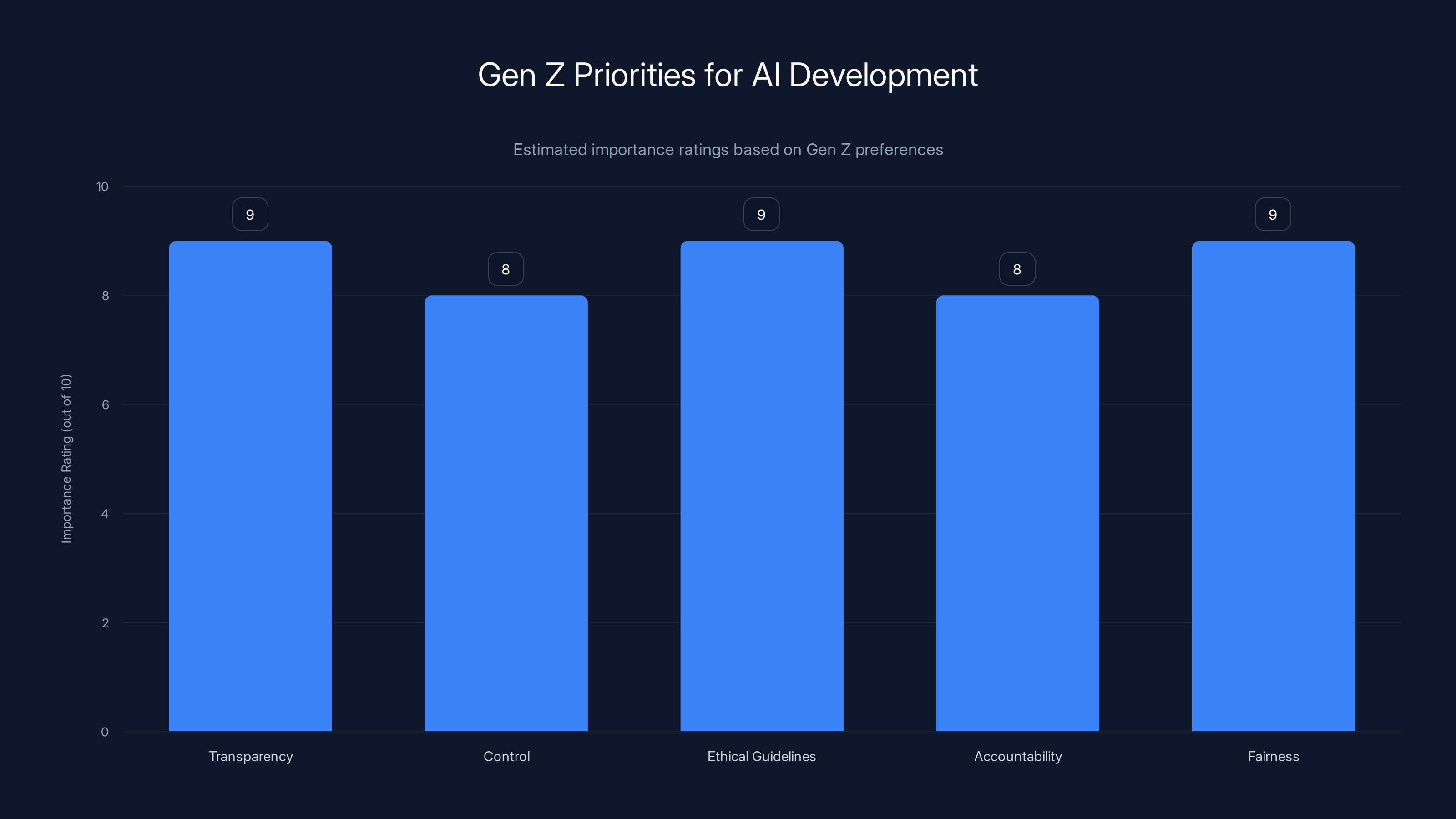
Gen Z places high importance on transparency, ethical guidelines, and fairness in AI, with ratings around 9 out of 10. Estimated data.
Bridging the Gap: Making AI Work for Gen Z
Transparency and Control
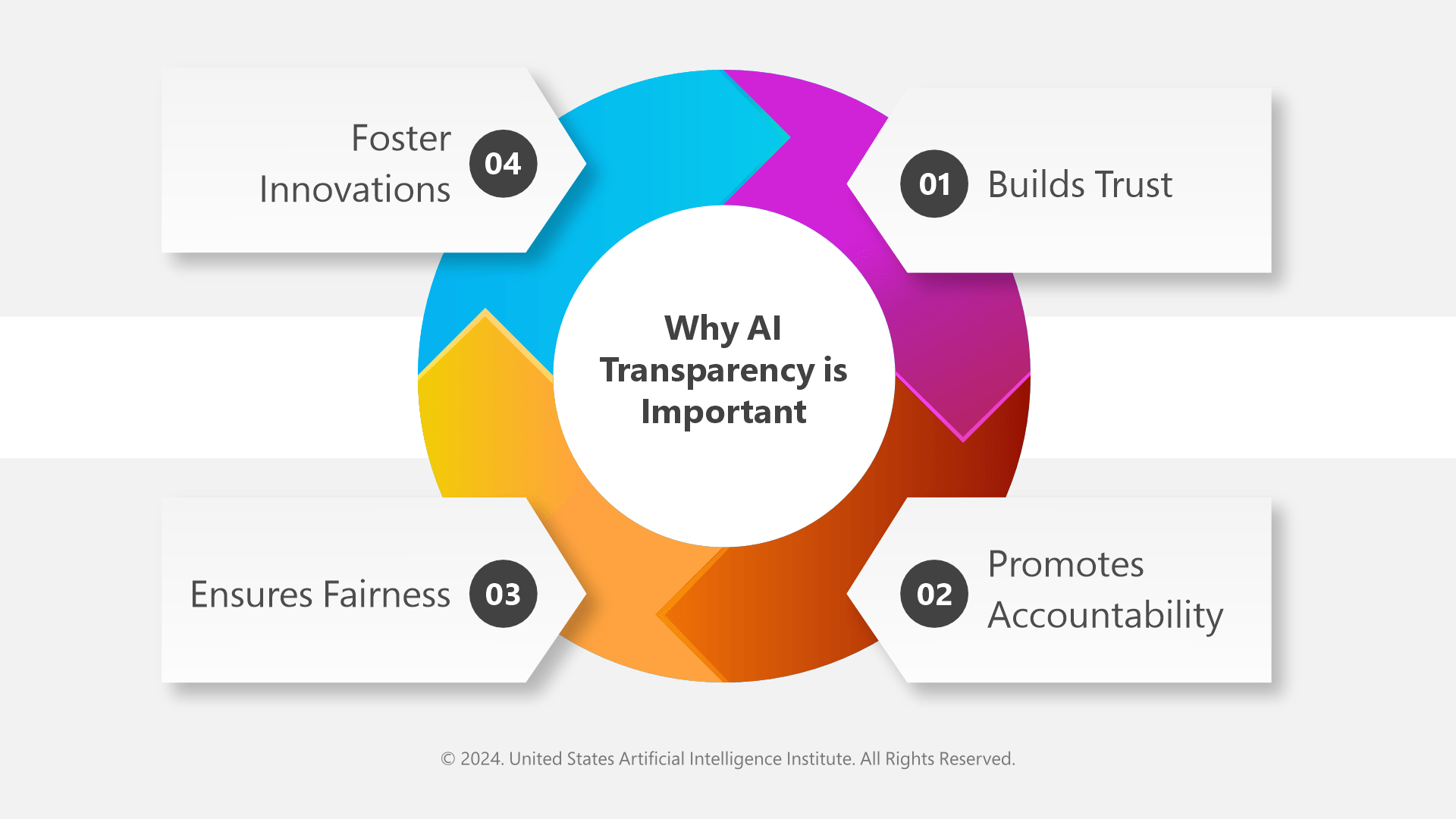
To win Gen Z's trust, AI developers must prioritize transparency. Giving users control over their data and how AI systems use it is crucial. Ohio University emphasizes the importance of protecting data and devices in the age of AI.
Ethical AI Development
Incorporating ethical guidelines into AI development is non-negotiable for Gen Z. They demand accountability and fairness in AI applications. Deloitte's insights on agentic AI in government highlight the importance of ethical considerations in AI deployment.
Future Trends in AI and Gen Z
Increased AI Integration
As AI becomes more integrated into daily life, from smart cities to personalized healthcare, Gen Z will continue to be both beneficiaries and critics. CYFIRMA's report discusses the growing integration of AI technologies across various sectors.
Focus on Ethical AI
Expect Gen Z to push for more ethical AI practices. They will likely be at the forefront of initiatives that demand transparency and fairness. World Economic Forum highlights Gen Z's demand for diverse and ethical leadership in workplaces.
Educational Advancements
AI will play a significant role in reshaping education. Gen Z will benefit from AI-driven personalized learning paths that adapt to individual needs. Deloitte's research on AI in insurance also points to broader educational applications.
Conclusion
Gen Z's relationship with AI is one of both admiration and apprehension. They embrace the possibilities AI offers but remain vigilant about its ethical implications. As AI technology advances, understanding this love-hate dynamic will be crucial for developers and policymakers alike.
FAQ
What is Gen Z's main concern with AI?
Gen Z is primarily concerned with the ethical implications of AI, including privacy issues and potential biases in AI algorithms.
How does AI benefit Gen Z creatively?
AI tools provide Gen Z with new ways to express their creativity, from generating music and art to enhancing content creation with AI-driven tools.
Why does Gen Z demand transparency from AI developers?
Transparency is crucial because it allows users to understand how their data is used and ensures that AI systems are fair and accountable.
What future trends will shape AI's relationship with Gen Z?
Future trends will likely include more AI integration in daily life, a stronger focus on ethical AI, and advancements in AI-driven education.
How can AI developers gain Gen Z's trust?
Developers can gain trust by prioritizing transparency, offering user control over data, and adhering to ethical AI guidelines.
Why is AI's impact on employment a concern for Gen Z?
Gen Z is concerned that AI might lead to job displacement, especially in sectors where automation can replace human labor.
How is AI reshaping education for Gen Z?
AI is reshaping education by offering personalized learning experiences that adapt to each student's pace and style, making education more accessible and effective.
Key Takeaways
- Gen Z appreciates AI for its personalization and efficiency but remains wary of privacy and ethical issues.
- AI tools like Runable are revolutionizing education by providing personalized learning experiences.
- Concerns about data privacy and AI's societal impact drive Gen Z's skepticism.
- The generation is vocal about AI ethics, demanding transparency and accountability from developers.
- Future AI trends will likely emphasize ethical practices and increased integration into daily life.
- Gen Z's unique perspective on AI will shape its development and implementation in the coming years.
- Expect more personalized and transparent AI solutions tailored to Gen Z's values and needs.
Related Articles
- Intermedia Unite Review 2026: A Comprehensive Guide to UCaaS for Modern Businesses
- BlackBerry’s Forgotten Patents: A Legal Storm Brewing for the Global Printer Industry [2025]
- Maximize Your Experience at TechCrunch Disrupt 2026 [2025]
- Lessons from Anjuna’s Layoffs and Recovery: A Guide for Founders [2025]
- John Deere's $99 Million Settlement: A Turning Point in the Right-to-Repair Movement [2025]
- Unpacking ChatGPT's New $100/Month Pro Plan [2025]


