
![Beyond the Screen: Exploring Virtual Coffee Shops in Tokyo [2025]](https://tryrunable.com/blog/beyond-the-screen-exploring-virtual-coffee-shops-in-tokyo-20/image-1-1779543242259.jpg)
Beyond the Screen: Exploring Virtual Coffee Shops in Tokyo [2025]
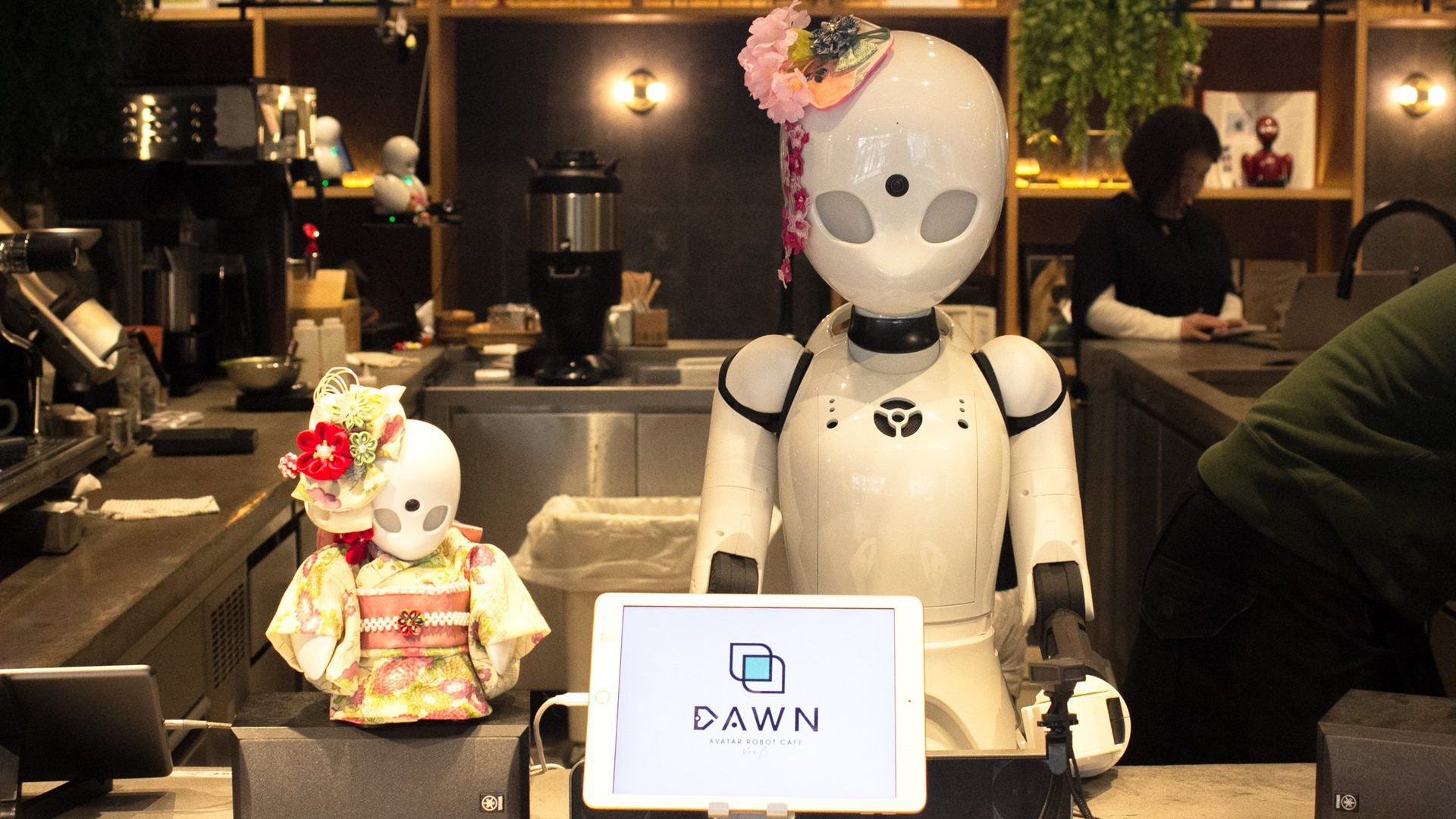
Virtual coffee shops are redefining the social landscape in Tokyo. These digital havens offer a unique blend of technology and nostalgia, allowing people to connect in ways that transcend physical boundaries. Let's explore what makes these spaces tick and why they're becoming the go-to hangout spots for tech-savvy individuals.
TL; DR
- Virtual coffee shops offer immersive experiences, blending tech with socializing. According to The Verge, these spaces are gaining popularity for their unique approach to digital interaction.
- AI-driven features enhance interaction, from personalized avatars to real-time language translation. GoodCall highlights how AI is transforming user experiences in virtual environments.
- Unique virtual environments replicate Tokyo's iconic cafes, attracting a global audience. As noted by The New York Times, the integration of cultural elements is key to their appeal.
- Challenges include ensuring security and maintaining authentic social interactions. CNET discusses the importance of security in virtual spaces.
- Future trends point towards more integrated AR/VR experiences. Mashable explores the potential of AR/VR in enhancing virtual interactions.

The Rise of Virtual Coffee Shops
An Overview of Virtual Spaces
Virtual spaces aren't a new concept, but their evolution has been rapid. Initially, they served as basic chat rooms or forums. Now, they have transformed into immersive environments where users can interact in real-time. The shift from text-based communication to fully interactive 3D environments marks a significant leap in digital socialization.
Why Tokyo?
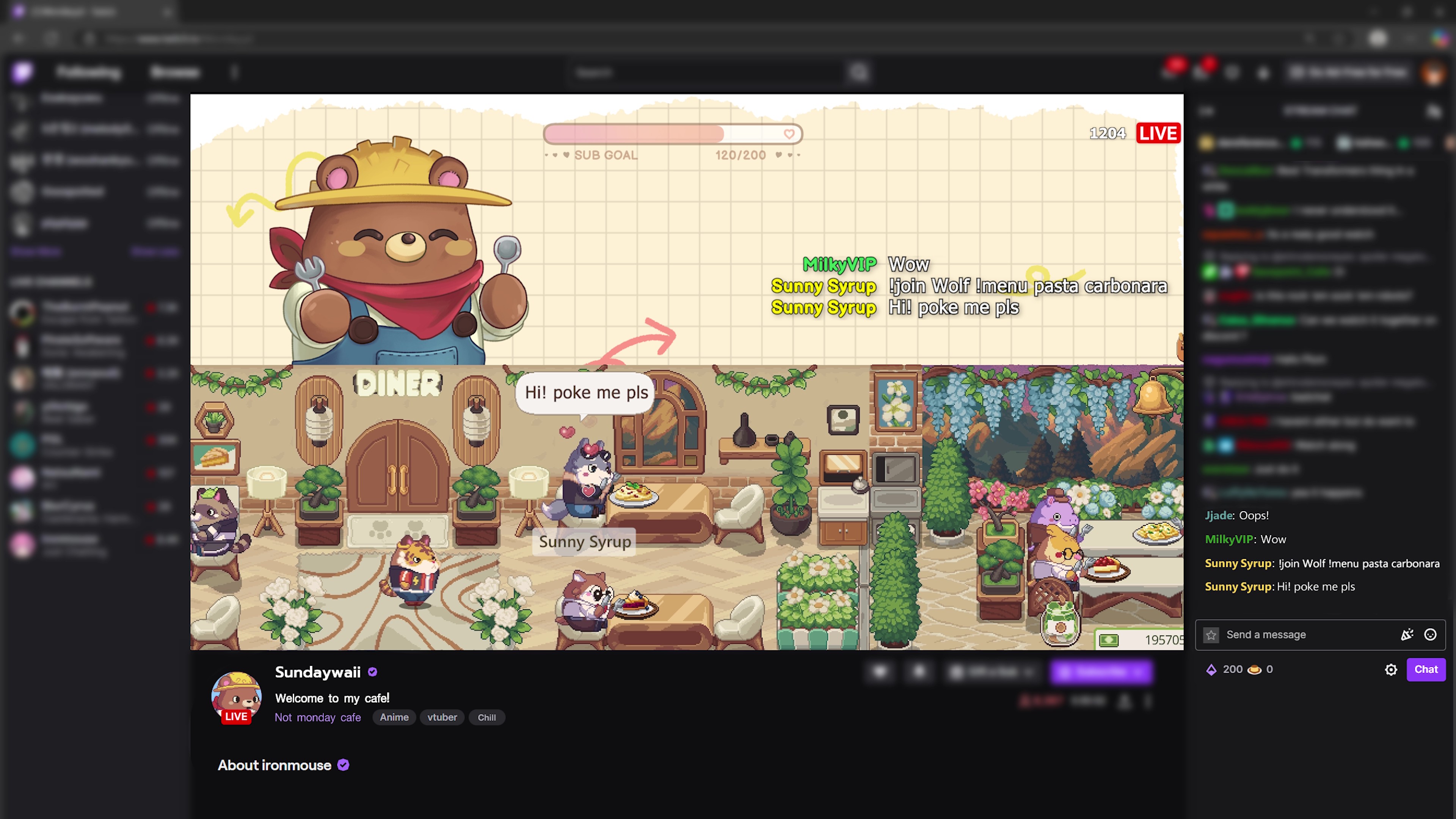
Tokyo, with its rich blend of tradition and technology, was a natural birthplace for virtual coffee shops. The city's tech-savvy population and its global influence in digital culture provided fertile ground for these virtual experiences to flourish. Gulfshore Business notes Tokyo's unique position as a leader in digital innovation.
What Makes a Virtual Coffee Shop?
Core Features
Virtual coffee shops are defined by a few key features that set them apart from their physical counterparts:
- 3D Environments: Users can navigate through virtual spaces designed to mimic real-world coffee shops. CNET highlights the importance of immersive environments in virtual reality.
- Customizable Avatars: Participants can create personalized avatars, enhancing the sense of presence.
- Interactive Elements: Users can order virtual coffee, engage in games, or participate in live events.
AI-Driven Interaction
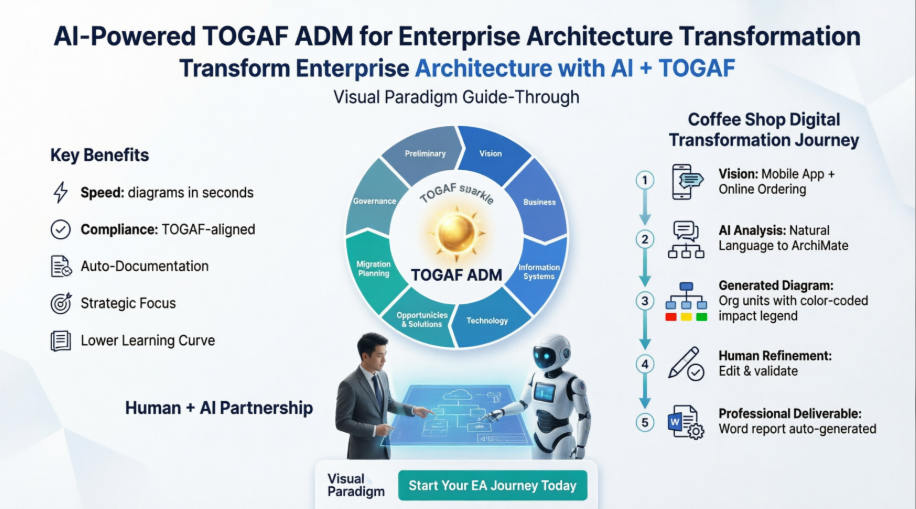
AI plays a crucial role in enhancing user interaction. From real-time language translation to personalized recommendations, AI-driven features make these virtual spaces more engaging and accessible.
- Language Translation: Breaks down language barriers, allowing global participation. GoodCall discusses how AI facilitates communication across different languages.
- Personalized Experiences: AI suggests topics of interest based on user behavior, ensuring everyone finds something engaging.
Real-World Use Cases
Social Gatherings
Virtual coffee shops have become popular venues for social gatherings, especially among global teams. They offer a relaxed atmosphere to discuss ideas or unwind with friends.
Networking Events
Businesses are leveraging virtual coffee shops for networking events. These platforms allow professionals to connect without the constraints of geography, as highlighted by Mashable.
Cultural Exchange
These spaces have also become hubs for cultural exchange. Users can participate in themed events, learn about different cultures, and share their traditions.
Technical Implementation
Building a Virtual Coffee Shop
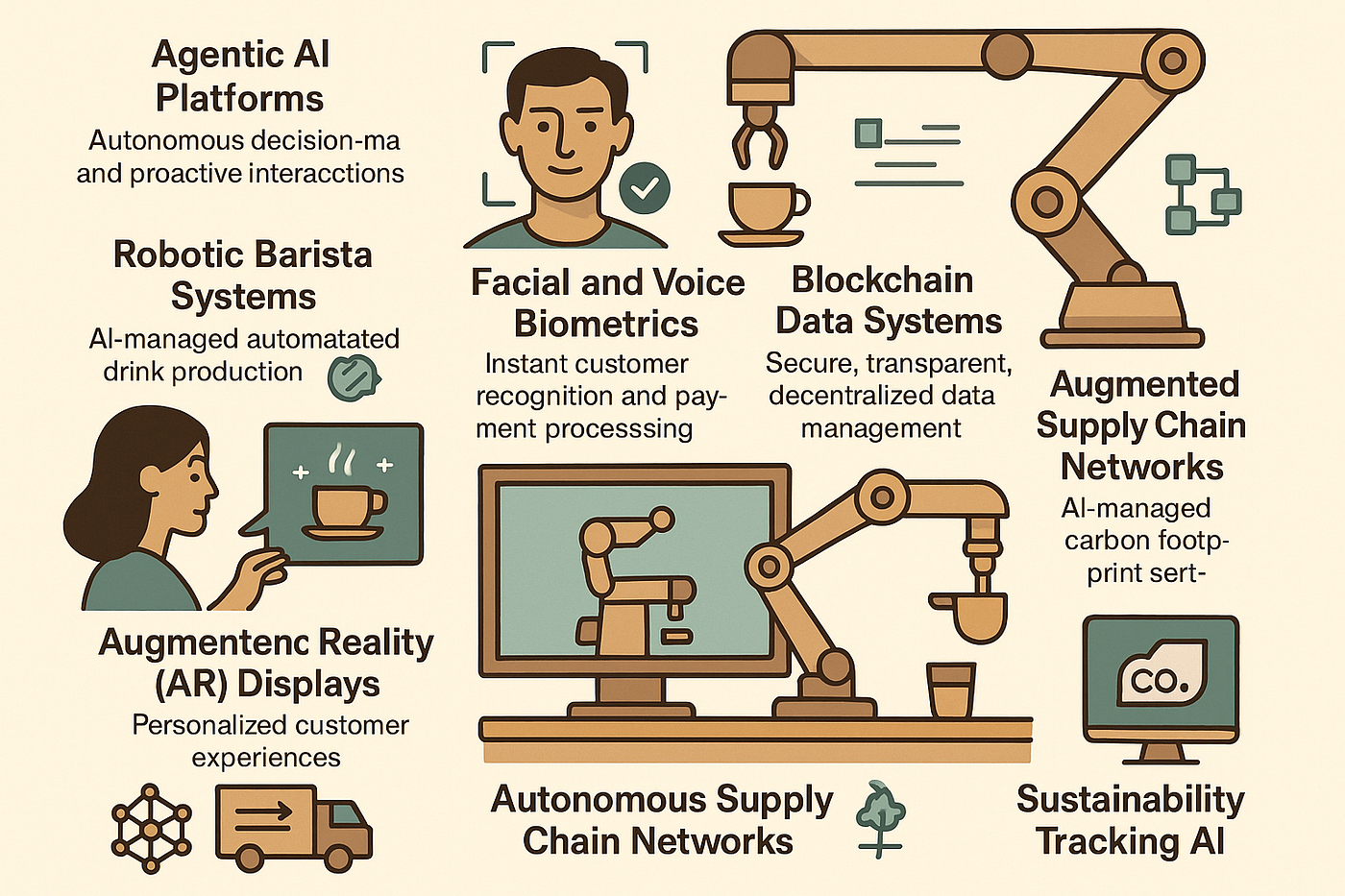
Creating a virtual coffee shop involves several technical components:
- 3D Modeling: Designing the virtual environment with tools like Blender or Unity.
- Network Infrastructure: Ensuring seamless connectivity and low-latency interaction.
- AI Integration: Implementing AI features for translation and personalization.
javascript// Example of a simple AI-driven recommendation system
function recommend Content(user Preferences) {
const topics = ['Coffee Brewing', 'Tech Trends', 'Cultural Events'];
return topics.filter(topic => user Preferences.includes(topic));
}
Challenges and Solutions
Security Concerns
Ensuring user security is paramount. Implementing strong encryption methods and regular security audits can mitigate risks. CNET emphasizes the need for robust security measures in virtual environments.
Authentic Interaction
Maintaining authentic social interactions in a virtual space can be challenging. Using AI to moderate conversations and detect fake accounts helps maintain integrity.
Future Trends
Integration with AR/VR
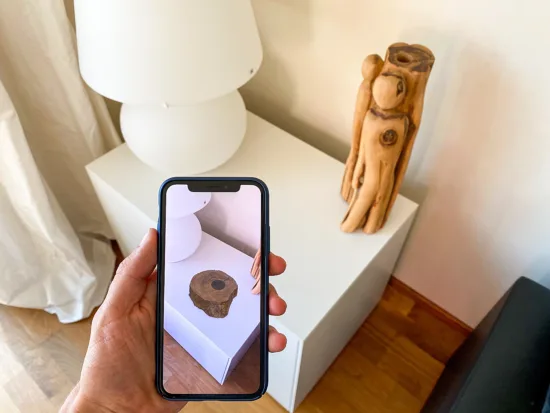
The next step for virtual coffee shops is integrating with AR and VR technologies. This integration will provide even more immersive experiences, blurring the lines between the virtual and physical worlds. Mashable explores the potential for AR/VR to revolutionize virtual interactions.
Enhanced Personalization
Future iterations will see even more personalized experiences, with AI learning user preferences to tailor every aspect of the virtual environment.
Conclusion
Virtual coffee shops in Tokyo are more than just a novelty. They represent the future of social interaction, blending technology with human connection in a way that's both innovative and deeply personal. As these spaces continue to evolve, they will undoubtedly become a staple of modern digital life.

FAQ
What is a virtual coffee shop?
A virtual coffee shop is a digital space where users can interact in real-time, often featuring 3D environments and customizable avatars.
How do virtual coffee shops work?
They operate using a combination of 3D modeling, network infrastructure, and AI to create immersive and interactive experiences.
What are the benefits of virtual coffee shops?
Benefits include global connectivity, cultural exchange, and innovative socializing methods.
Are virtual coffee shops secure?
Yes, with proper encryption and security measures in place, these spaces can be secure for users.
How does AI enhance virtual coffee shops?
AI enhances these spaces by providing real-time language translation and personalized content recommendations.
What is the future of virtual coffee shops?
The future includes integration with AR/VR and more personalized user experiences.
Can businesses use virtual coffee shops?
Absolutely. They are ideal for networking events and global team meetings.
How do I access a virtual coffee shop?
Access is typically through a web browser or a dedicated app, depending on the platform.
Key Takeaways
- Virtual coffee shops are reshaping social interactions with immersive environments.
- AI-driven features enhance personalization and accessibility.
- These spaces facilitate global networking and cultural exchange.
- Security and authentic interaction remain key challenges.
- Future trends include AR/VR integration for more immersive experiences.
- Businesses can leverage virtual coffee shops for networking and team meetings.
- Real-time language translation breaks down global communication barriers.
Related Articles
- 'The Testaments' Season 2 Renewal: A Deep Dive Into the Future of Storytelling [2025]
- Antitrust Strategies for Live Nation-Ticketmaster [2025]
- Tesla Expands Full Self-Driving to China: What It Means and What's Next [2025]
- Tesla's Full Self-Driving Software Expands in Europe: A Deep Dive [2025]
- Quantum Jamming: Exploring the Mysteries of Causality [2025]
- Spotify's AI Revolution: More Choices, Less Clarity [2025]


