
![5 Simple Reasons We Won’t All Vibe Code Our Own HubSpot or Salesforce [2025]](https://tryrunable.com/blog/5-simple-reasons-we-won-t-all-vibe-code-our-own-hubspot-or-s/image-1-1783434849207.jpg)
5 Simple Reasons We Won’t All Vibe Code Our Own HubSpot or Salesforce [2025]
Last month, a startup enthusiast dreamt of vibe coding their own CRM solution, inspired by platforms like HubSpot and Salesforce. The idea was simple: why not use AI to tailor-make a CRM that fits like a glove? But here's the catch: while vibe coding is a fascinating concept, the reality of building complex systems like HubSpot or Salesforce is daunting.
TL; DR
- Complexity Barrier: Building robust CRM systems requires deep technical expertise and significant resources.
- Scalability Challenges: Personalizing a CRM doesn't scale well with rapidly growing businesses.
- Security Concerns: Ensuring data protection and compliance is a massive undertaking.
- Integration Needs: Seamless integration with existing tools and platforms is often underestimated.
- Future-Proofing: Keeping up with technology advancements and market demands is ongoing and costly.
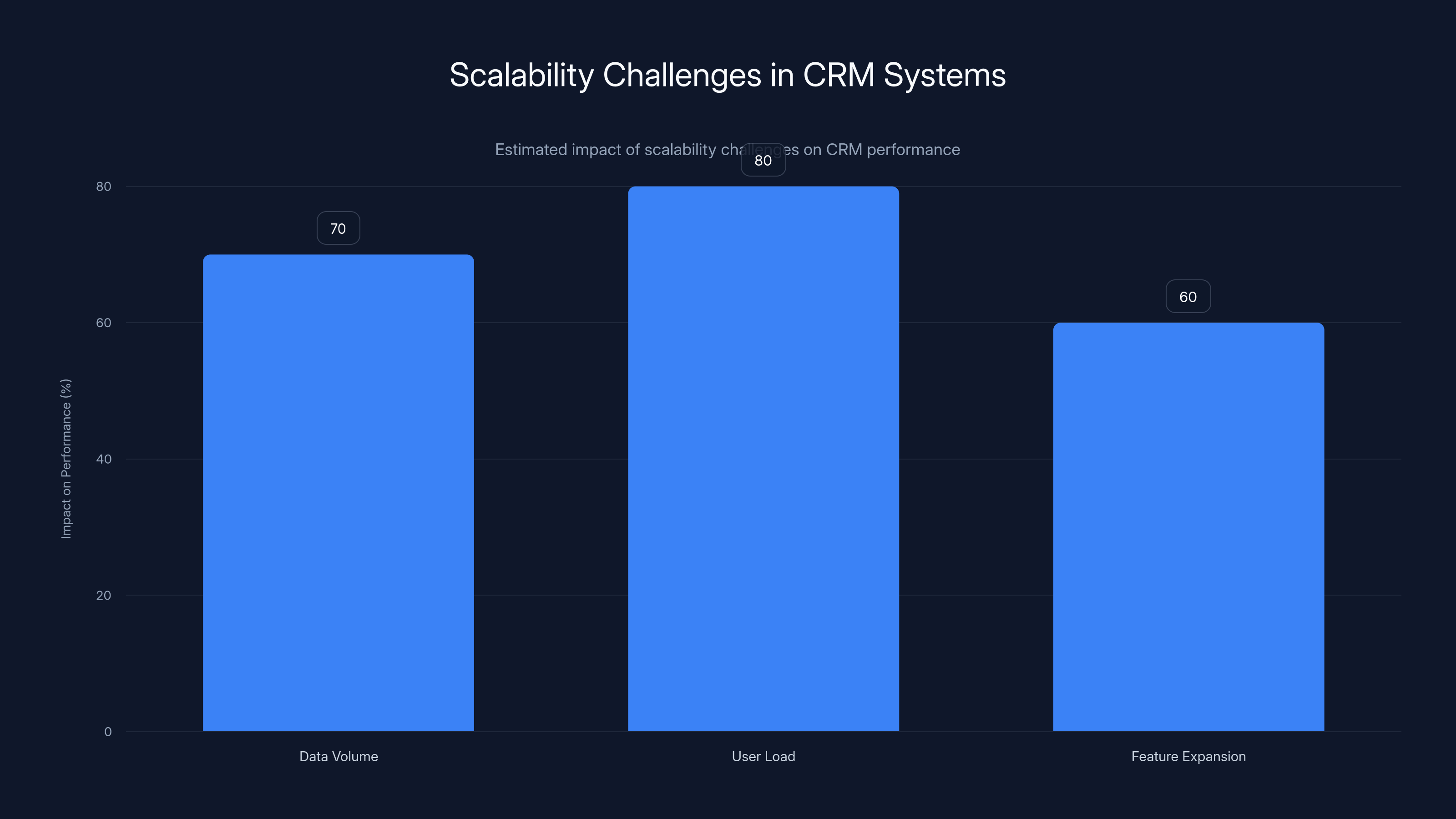
Estimated data shows that user load has the highest impact on CRM performance, followed by data volume and feature expansion. Estimated data.
The Allure of Vibe Coding
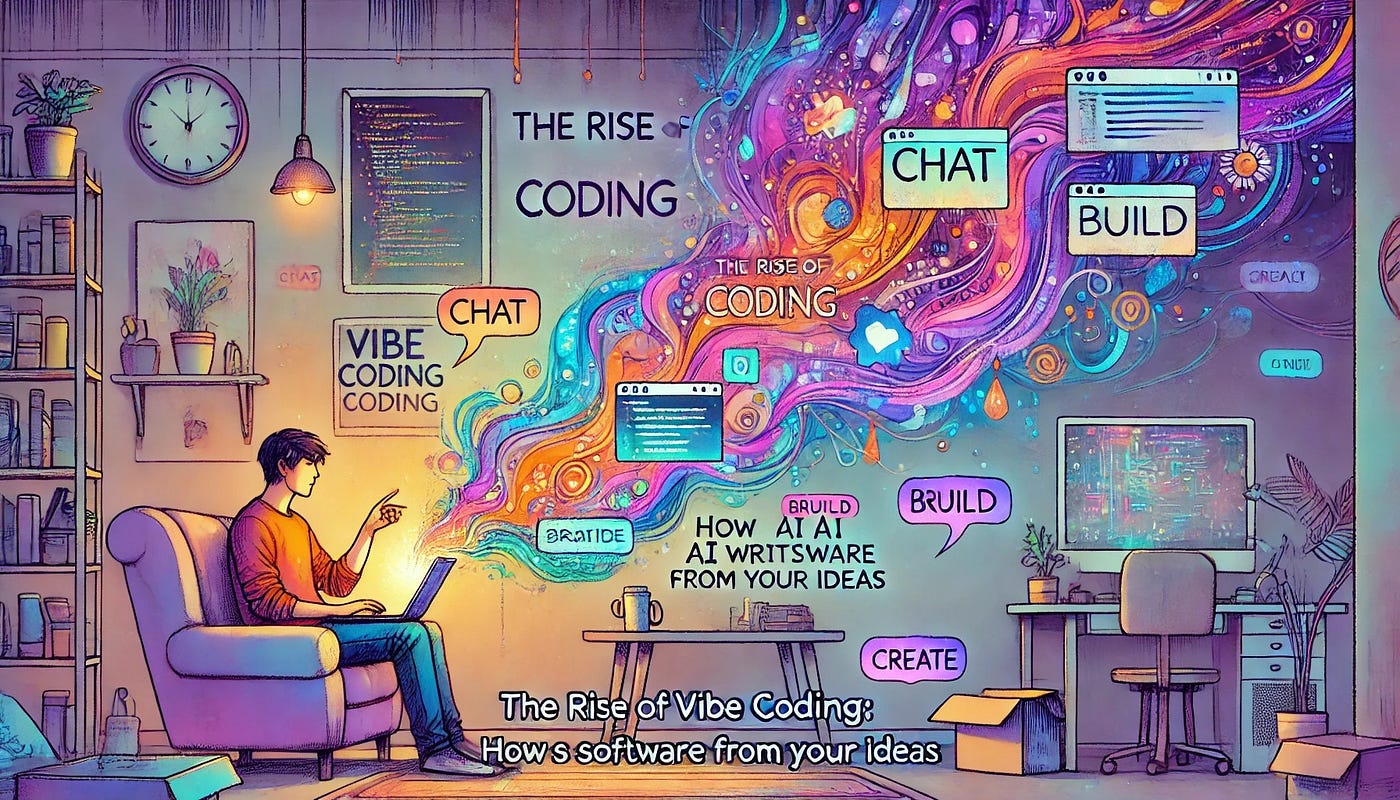
Vibe coding is the idea of using AI to intuitively generate code based on user intent. Imagine telling your computer, "Build me a CRM with features X, Y, and Z," and watching it materialize. It's like magic coding—no deep programming knowledge required. But while vibe coding is immensely appealing, creating a full-fledged CRM system like HubSpot or Salesforce this way is far from straightforward.
Why the DIY Approach Sounds Tempting
Let's face it: off-the-shelf solutions often come with features you don't need and pricing models that don't fit your budget. The thought of crafting a bespoke CRM tailored to your exact specifications is enticing. You'd have control over features, design, and functionality. Plus, you wouldn't be paying for features you don't use.
The Reality Check
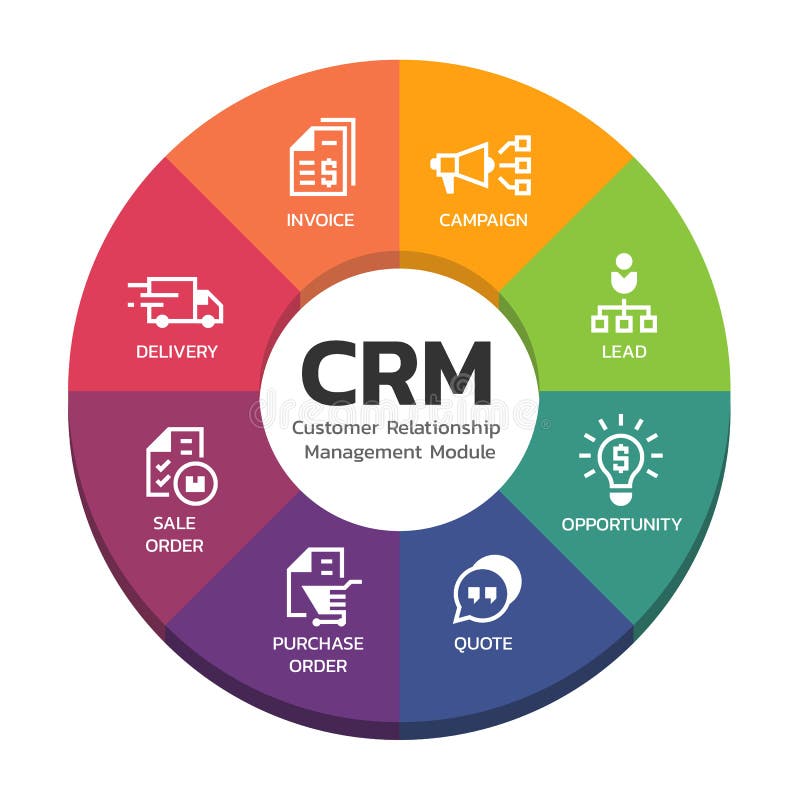
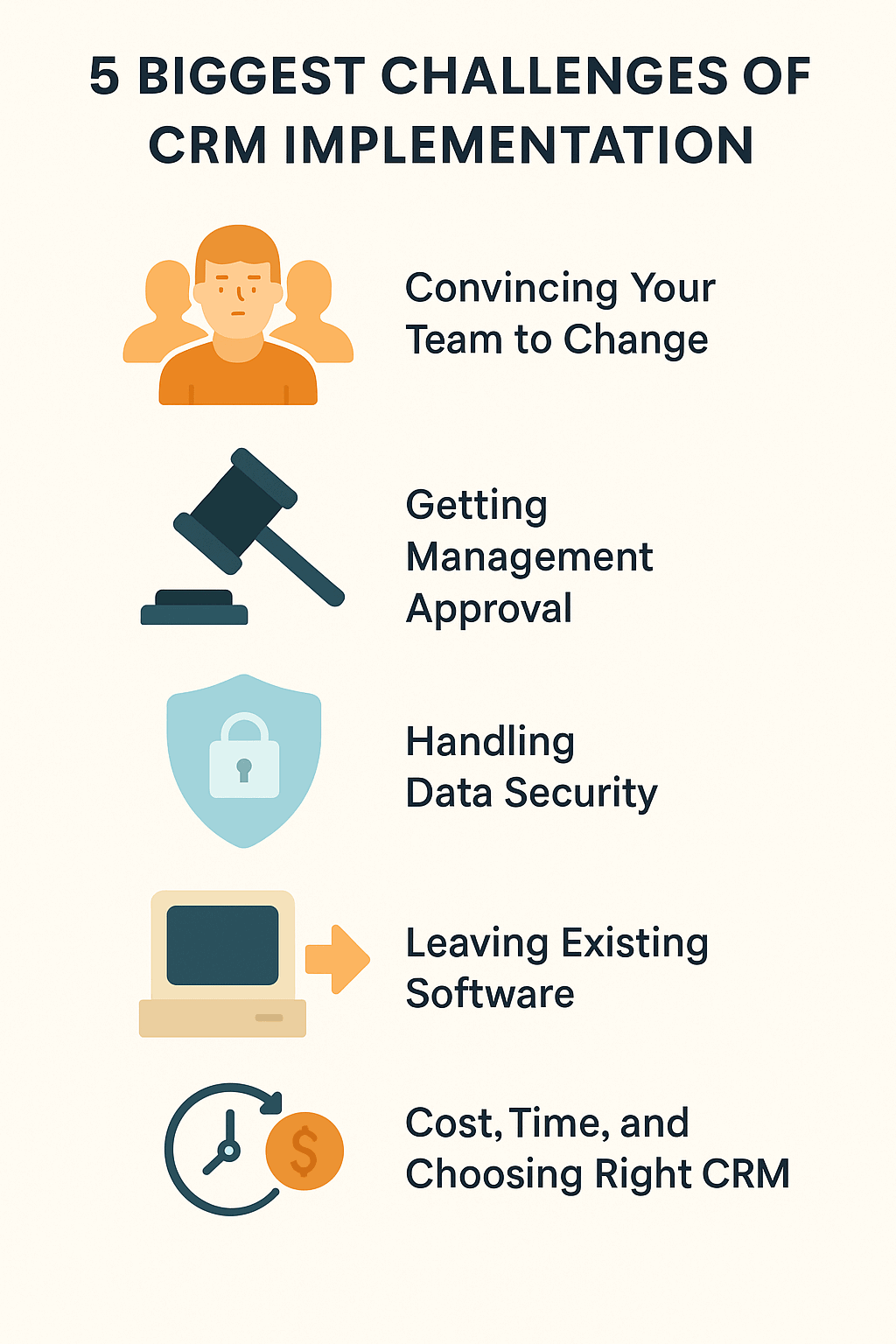
However, building an enterprise-level CRM isn't just about coding features. It involves understanding complex business logic, integrating with numerous other systems, ensuring data security, and more. The initial excitement often dims when faced with these challenges.
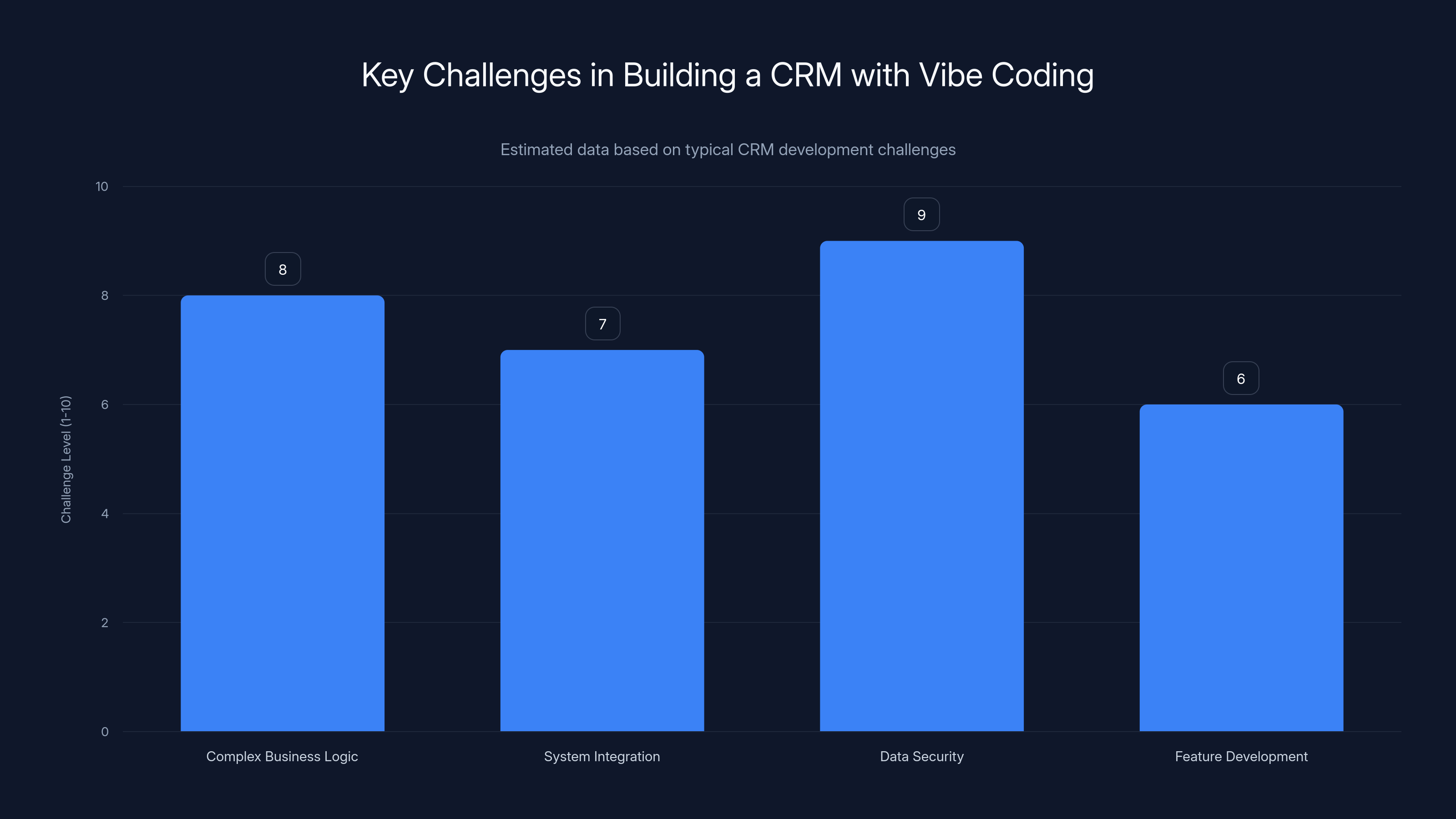
Building a CRM with vibe coding faces high challenges in areas like data security and business logic. Estimated data.
Complexity Barrier
Not Just About Coding
Creating a comprehensive CRM involves more than just coding. It requires a deep understanding of business processes, customer relationship management, and user experience design. Developers need to think like product managers to ensure the solution meets business needs.
- Business Logic: Defining workflows and automations that align with business operations.
- User Experience: Designing an interface that is both intuitive and efficient.
- Data Management: Handling vast amounts of data efficiently and securely.
Skills Shortage
The required skills for developing such a platform are diverse. You need backend and frontend developers, UX/UI designers, data scientists, and security experts. This multidisciplinary approach is often beyond the reach of small teams or individuals.
Example: Runable
Platforms like Runable offer AI-powered automation, enabling teams to create presentations, documents, and reports with ease, but even they don't attempt to fully replace complex CRM functionalities.
Scalability Challenges
The Growth Dilemma
As businesses grow, their CRM needs evolve. A system that works for a startup might crumble under the demands of a mid-sized company. Scalability isn't just about handling more data—it's about maintaining performance and user experience as load increases.
- Data Volume: Managing increasing amounts of customer data.
- User Load: Supporting more users without degradation in performance.
- Feature Expansion: Adding new features without destabilizing the system.
Real-World Scenario
Consider a startup using a self-coded CRM that struggles as it scales. The system slows down, users experience lags, and data retrieval becomes cumbersome. These issues can lead to loss of productivity and customer dissatisfaction.
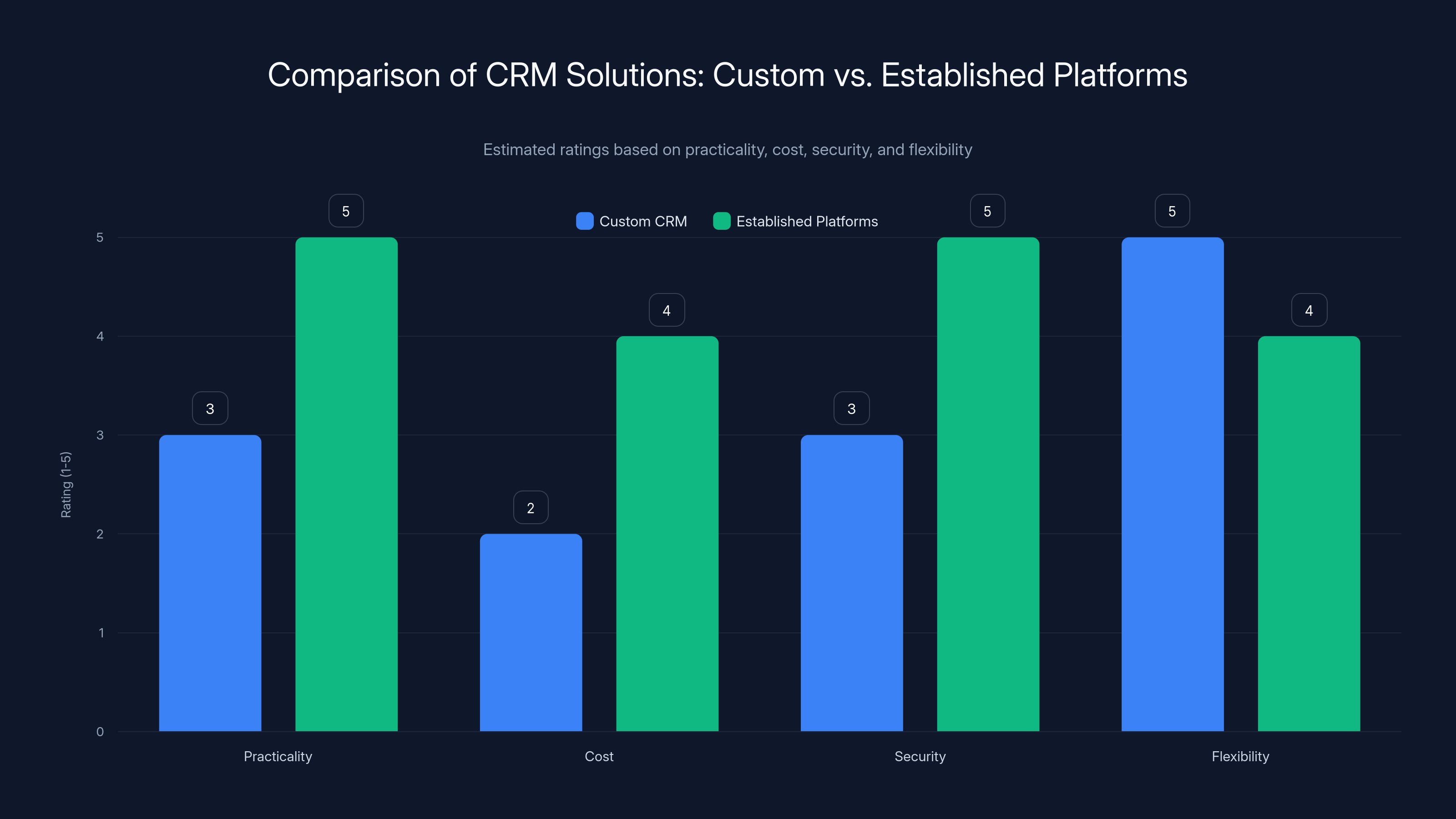
Established platforms like HubSpot and Salesforce generally offer higher practicality and security compared to custom CRM solutions, which excel in flexibility. Estimated data.
Security Concerns
The Stakes are High
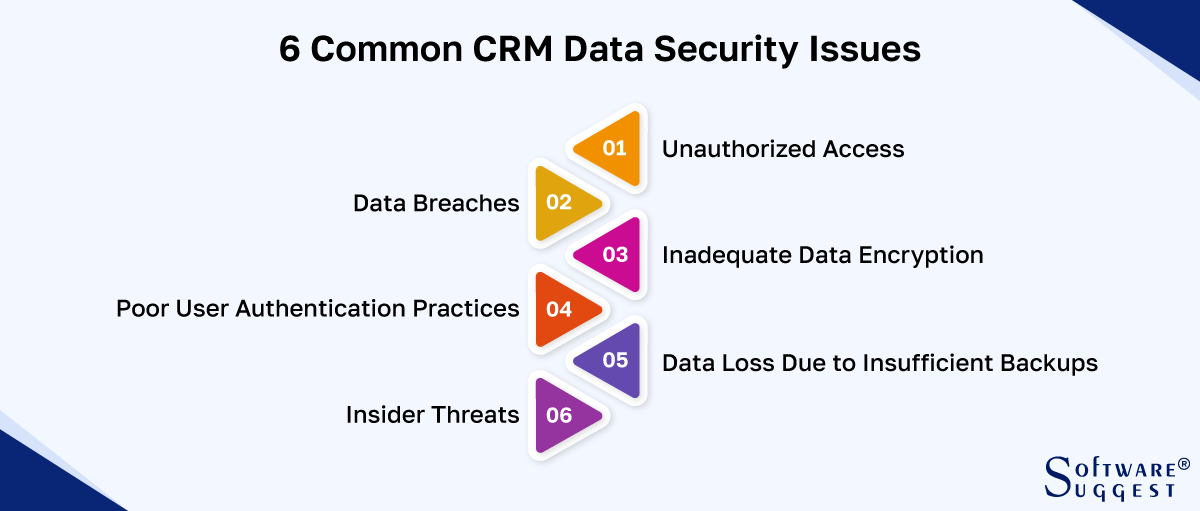
CRM systems house sensitive customer data, making them prime targets for cyberattacks. Ensuring data protection is critical, requiring robust security protocols and compliance with regulations like GDPR and CCPA.
- Data Encryption: Protecting data at rest and in transit.
- Access Controls: Ensuring only authorized users can access specific data.
- Regular Audits: Conducting frequent security audits to identify vulnerabilities.
Compliance Complexity
Maintaining compliance with data protection laws is a continuous process. Failure to comply can result in hefty fines and damage to brand reputation. Strategies like data minimization can help in managing compliance effectively.
Integration Needs
Bridging the Gap
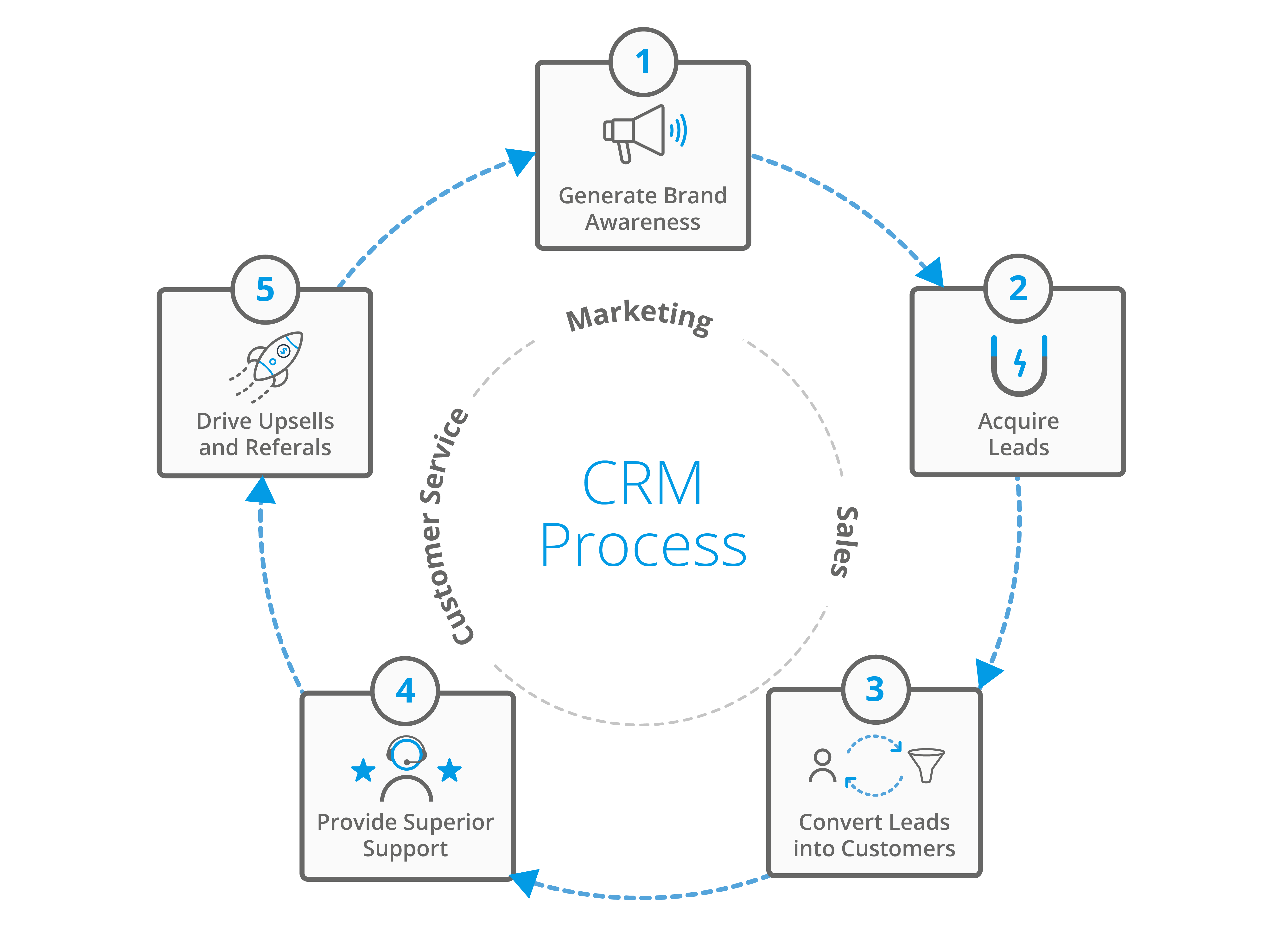
CRMs rarely operate in isolation. They need to integrate with other systems like email, marketing automation, and analytics tools. Achieving seamless integration is complex and often underestimated.
- API Management: Developing and maintaining robust APIs.
- Data Synchronization: Ensuring data consistency across platforms.
- Workflow Automation: Automating tasks across different systems.
Case Study: Integration Woes
A company tries to integrate their custom CRM with a third-party marketing tool. The integration is buggy, leading to data mismatches and broken workflows. The cost of fixing these issues can be substantial.
Future-Proofing
Keeping Up with Trends
The tech landscape evolves rapidly. A CRM solution must adapt to new technologies and market trends to remain relevant. This includes adopting AI, machine learning, and predictive analytics.
- Continuous Updates: Regularly updating the system to incorporate new features and improvements.
- User Feedback: Gathering and implementing feedback to refine the product.
- Market Research: Staying informed about industry trends and competitor offerings.
Investment in Innovation
Innovation requires investment—in both time and money. Many companies find themselves stuck with outdated systems because the cost of upgrading is prohibitive. According to Oracle's insights, leveraging AI can significantly enhance operational efficiency.
Conclusion: The Balance Between Customization and Practicality
While the idea of vibe coding a custom CRM is intriguing, the reality of developing, maintaining, and scaling such a solution is complex and resource-intensive. For most businesses, leveraging established platforms like HubSpot or Salesforce, which offer robust features, integrations, and security, is a more practical approach.
Recommendations
- Evaluate Needs: Before considering a custom solution, evaluate your actual needs and how existing platforms can meet them.
- Budget Wisely: Consider the long-term costs of development, maintenance, and scaling.
- Prioritize Security: Ensure that your chosen solution offers robust security features.
- Embrace Flexibility: Choose a platform that offers flexibility and customization options to adapt to your growing needs.
Use Case: Automate your weekly reports with AI to enhance productivity.
Try Runable For FreeFAQ
What is vibe coding?
Vibe coding is the use of AI to generate code based on user intent, making programming accessible to non-developers.
How secure are custom-built CRMs?
Security varies with custom-built CRMs. Ensuring robust security protocols and compliance with data protection regulations is critical.
Can small businesses benefit from vibe coding?
Yes, but they must weigh the costs and challenges of custom development against the benefits of using established platforms.
What are the integration challenges with custom CRMs?
Custom CRMs often face challenges in integrating with existing tools, requiring robust API management and data synchronization.
How do businesses future-proof their CRM solutions?
By investing in continuous updates, gathering user feedback, and staying informed about industry trends.
Are there affordable CRM solutions for startups?
Yes, many platforms offer affordable tiers or pay-as-you-go models that are suitable for startups.
Key Takeaways
- Building a CRM through vibe coding requires extensive technical expertise.
- Scalability is a major issue for custom-built solutions as businesses grow.
- Security and compliance are critical challenges in developing CRMs.
- Integration with existing systems is often underestimated and complex.
- Continuous updates and innovation are necessary to stay competitive.
Related Articles
- How Data Governance Builds True Business Resilience [2025]
- Quantum Computing: The Invisible Threat to Your Data Security [2025]
- Google's New Storage Policy: What Android Users Need to Know [2025]
- Understanding Microsoft's Layoffs: Beyond Xbox [2025]
- The Rise of Humanoid Robots: Agibot's Vision for the Future [2025]
- Why We Don't Control Machines Anymore: An Exploration [2025]


