
![Quantum Computing: The Invisible Threat to Your Data Security [2025]](https://tryrunable.com/blog/quantum-computing-the-invisible-threat-to-your-data-security/image-1-1783416872187.jpg)
Quantum Computing: The Invisible Threat to Your Data Security [2025]
Quantum computing has been a topic of intrigue and speculation for decades. Once considered the realm of theoretical physicists and futurists, it's now edging closer to reality. While the technology promises to revolutionize fields like cryptography, medicine, and artificial intelligence, it also poses a significant threat to data security as we know it.
TL; DR
- Quantum computers can break current encryption standards with ease, threatening data security. According to IBM's insights, the advent of quantum computing could render traditional encryption obsolete.
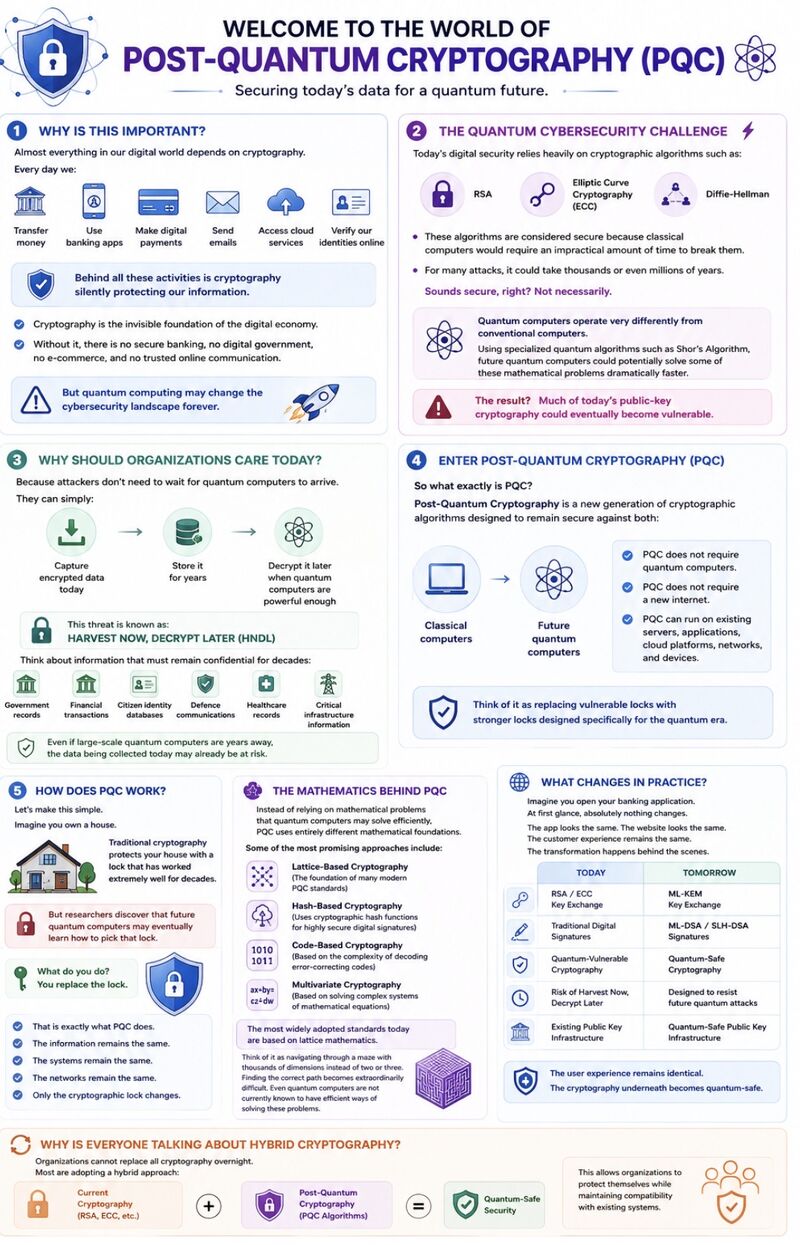
- Encrypted data is at risk today; adversaries may already be collecting data to decrypt in the future. This concept is highlighted in the harvest-now, decrypt-later strategy.
- Quantum-safe algorithms are being developed but are not yet widely implemented. The R Street Institute discusses the ongoing efforts to develop these algorithms.
- Organizations should begin transitioning to quantum-resistant encryption to protect sensitive information. The Cloudflare blog emphasizes the importance of starting this transition now.
- The transition to quantum-safe cryptography requires strategic planning and investment, as noted by The Christian Science Monitor.
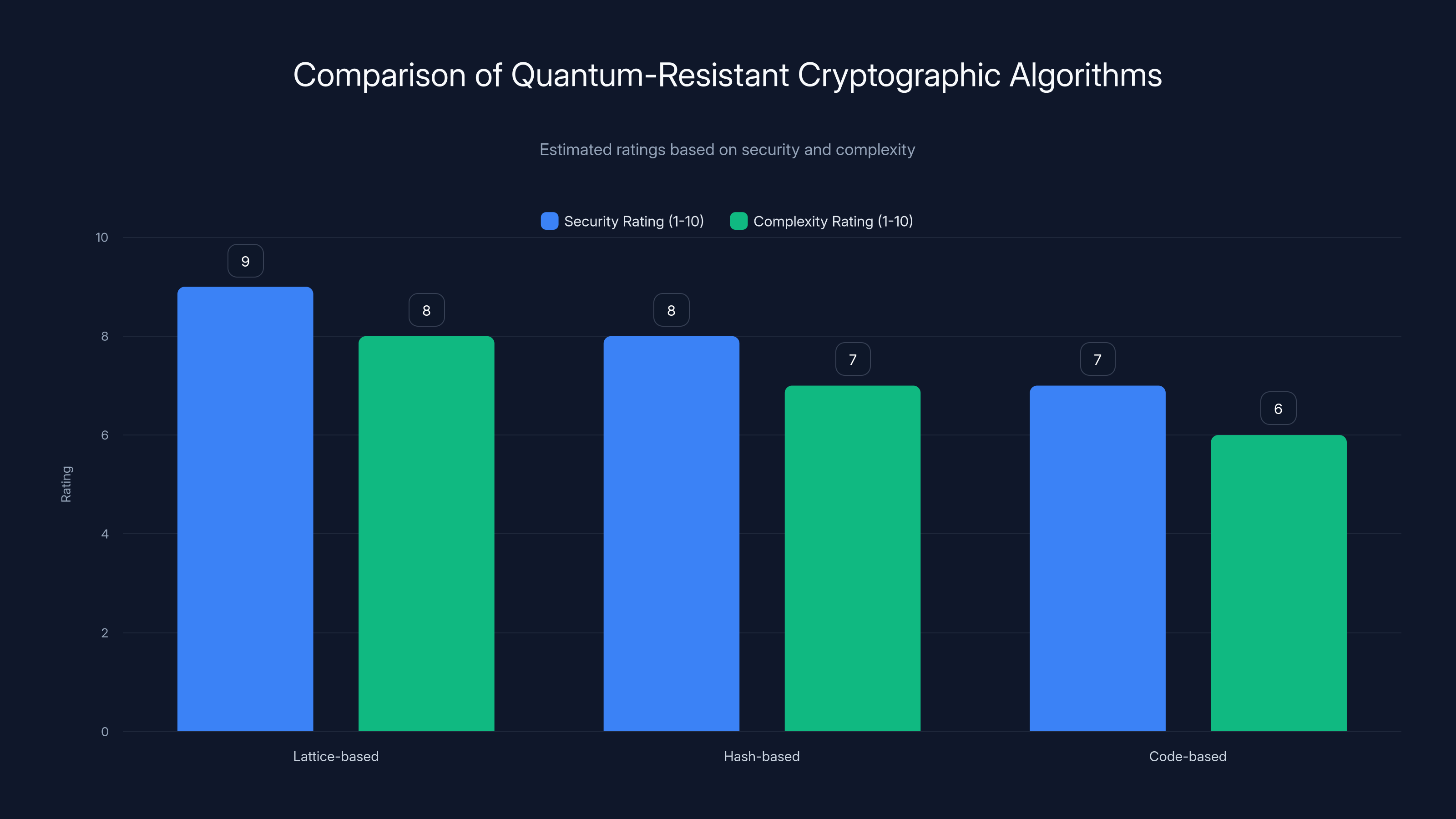
Lattice-based cryptography scores highest in security and complexity, making it a strong candidate for quantum resistance. (Estimated data)
Understanding Quantum Computing
Quantum computing leverages the principles of quantum mechanics to process information in fundamentally different ways than classical computers. Unlike classical bits, which are binary, quantum bits—or qubits—can exist in multiple states simultaneously, thanks to superposition. This allows quantum computers to perform complex calculations at speeds unattainable by classical computers.
The Power of Qubits
Qubits utilize two key quantum phenomena: superposition and entanglement. Superposition allows qubits to represent both 0 and 1 at the same time, while entanglement links qubits such that the state of one can directly affect the state of another, no matter the distance between them. These properties enable quantum computers to explore multiple solutions simultaneously, vastly increasing computational power.
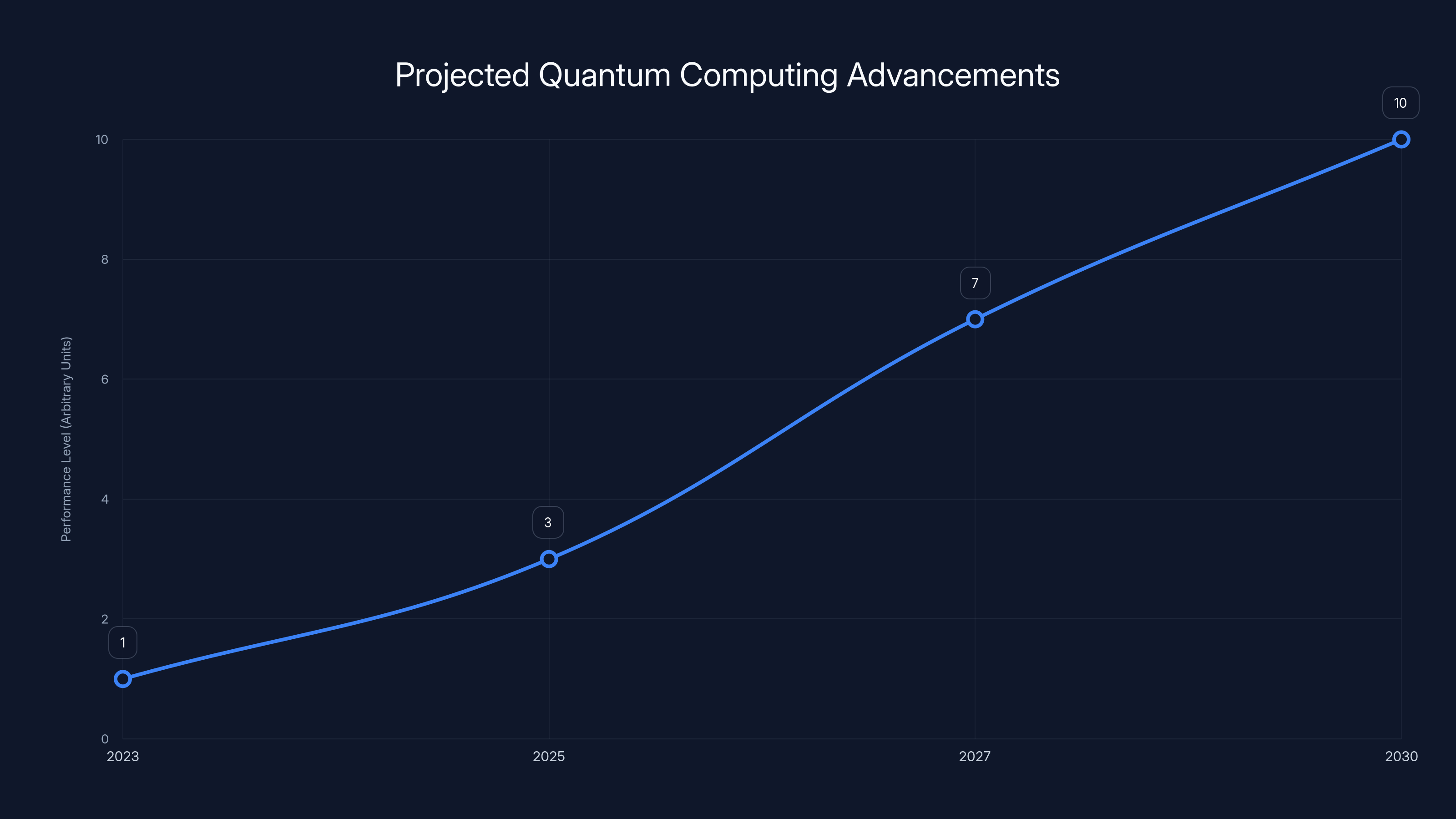
Quantum computing is expected to significantly outperform classical supercomputers by 2030, highlighting the urgency for quantum-safe encryption. Estimated data.
Quantum Threats to Data Security
Breaking Traditional Encryption
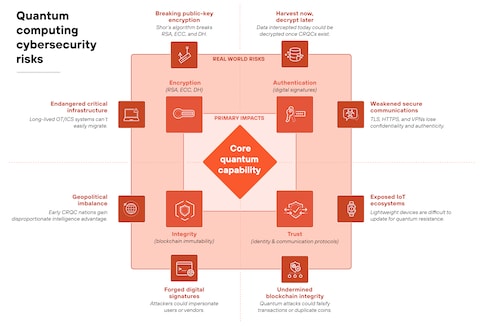
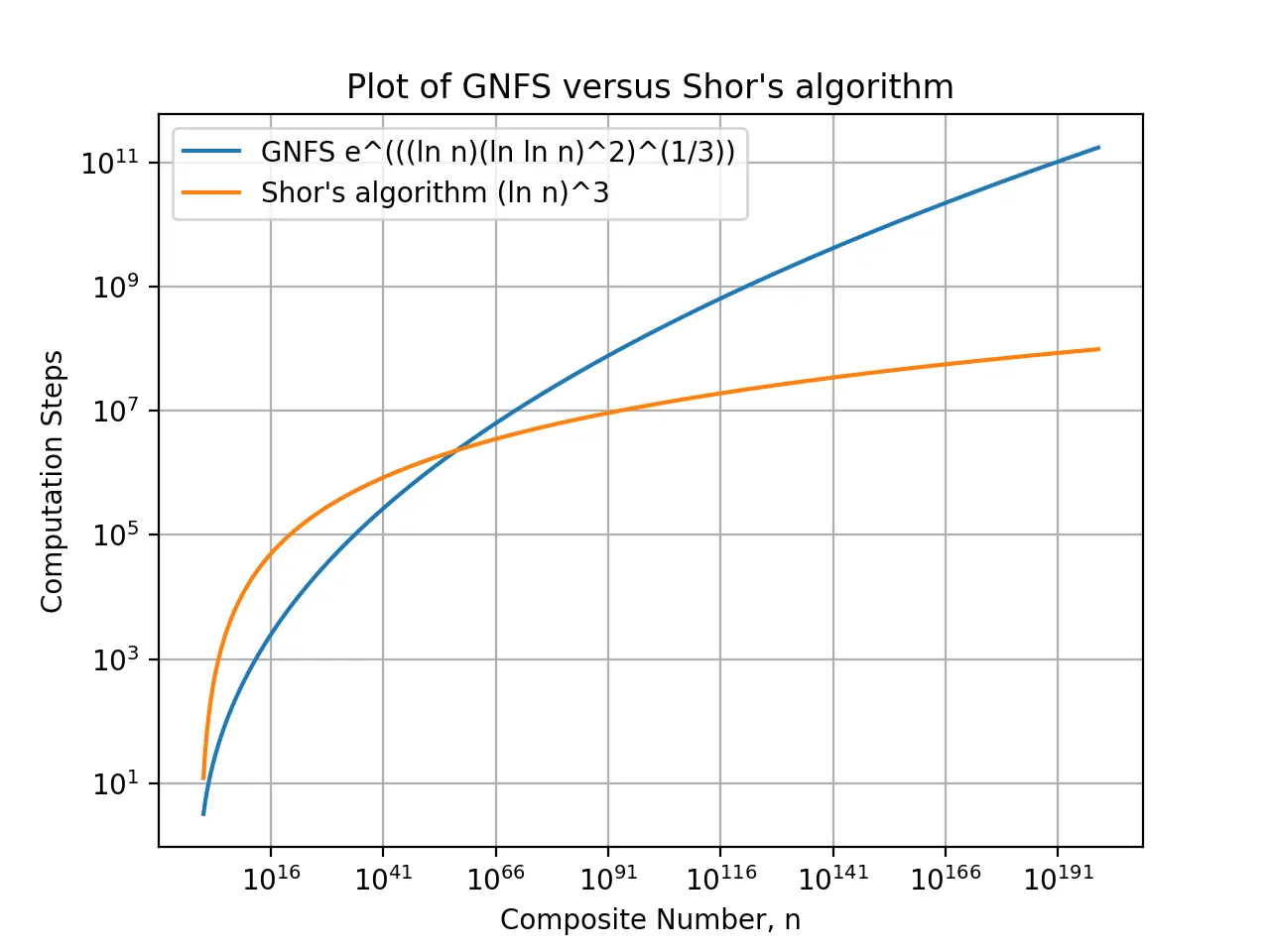
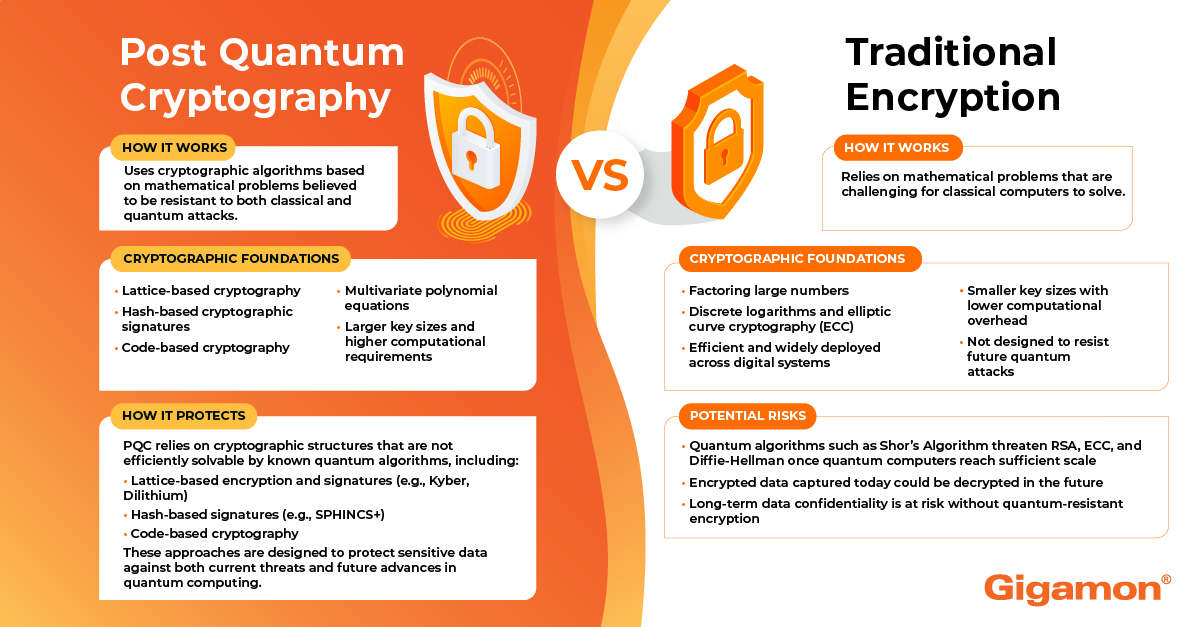
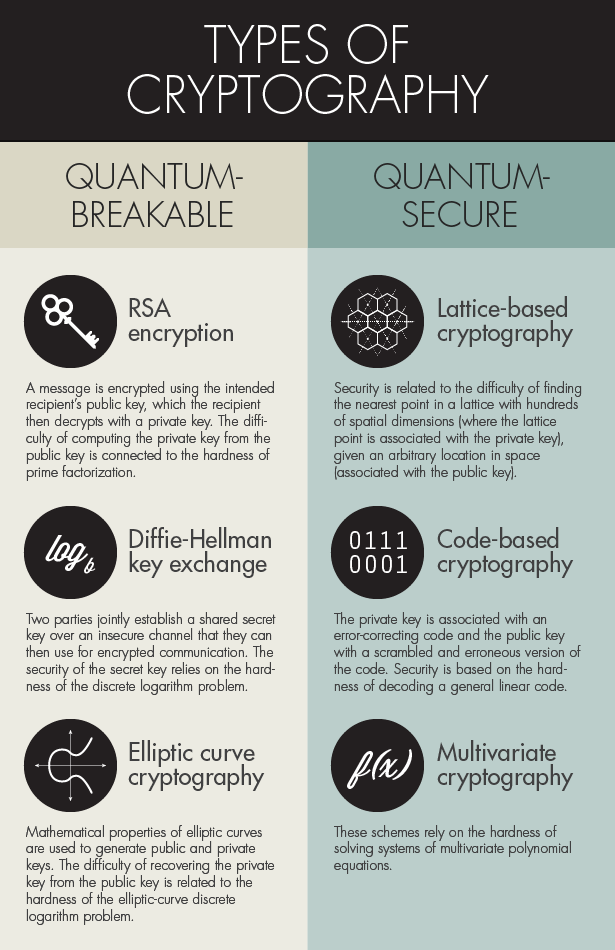
Most modern encryption schemes, such as RSA and ECC (Elliptic Curve Cryptography), rely on the difficulty of factorizing large prime numbers or solving discrete logarithm problems—tasks that would take classical computers millennia to solve. However, quantum computers, through algorithms like Shor's Algorithm, can solve these problems exponentially faster, rendering current encryption methods obsolete. This is discussed in detail by Forbes Tech Council.
Harvest-Now, Decrypt-Later Attacks
Adversaries might already be collecting encrypted data with the intention of decrypting it once quantum computers become powerful enough. This strategy, known as 'harvest-now, decrypt-later,' poses a significant risk. Even data that seems secure today could be compromised in the future, exposing sensitive information such as financial records, personal data, and intellectual property. The Space Daily highlights the potential timeline for these threats.
Quantum-Resistant Cryptography
Developing New Standards
In response to the looming quantum threat, cryptographers are developing quantum-resistant algorithms. The National Institute of Standards and Technology (NIST) is currently in the process of standardizing post-quantum cryptographic algorithms. These algorithms are designed to withstand attacks from both quantum and classical computers. The Nature journal provides an overview of these developments.
Key Quantum-Resistant Algorithms:
- Lattice-based cryptography: Utilizes complex lattice problems that are difficult for both classical and quantum computers to solve.
- Hash-based cryptography: Builds on the security of hash functions, which are resistant to quantum attacks.
- Code-based cryptography: Relies on error-correcting codes, a method difficult for quantum computers to break.
Implementing Quantum-Safe Solutions
Transitioning to quantum-safe encryption requires a strategic approach. Organizations should start by:
- Inventorying Cryptographic Assets: Identify all current cryptographic systems and assess their vulnerability to quantum attacks.
- Planning Transitions: Develop a migration strategy to quantum-resistant algorithms, considering interoperability and performance impacts.
- Monitoring Standards: Stay informed on NIST's progress and other industry standards for quantum-safe cryptography.
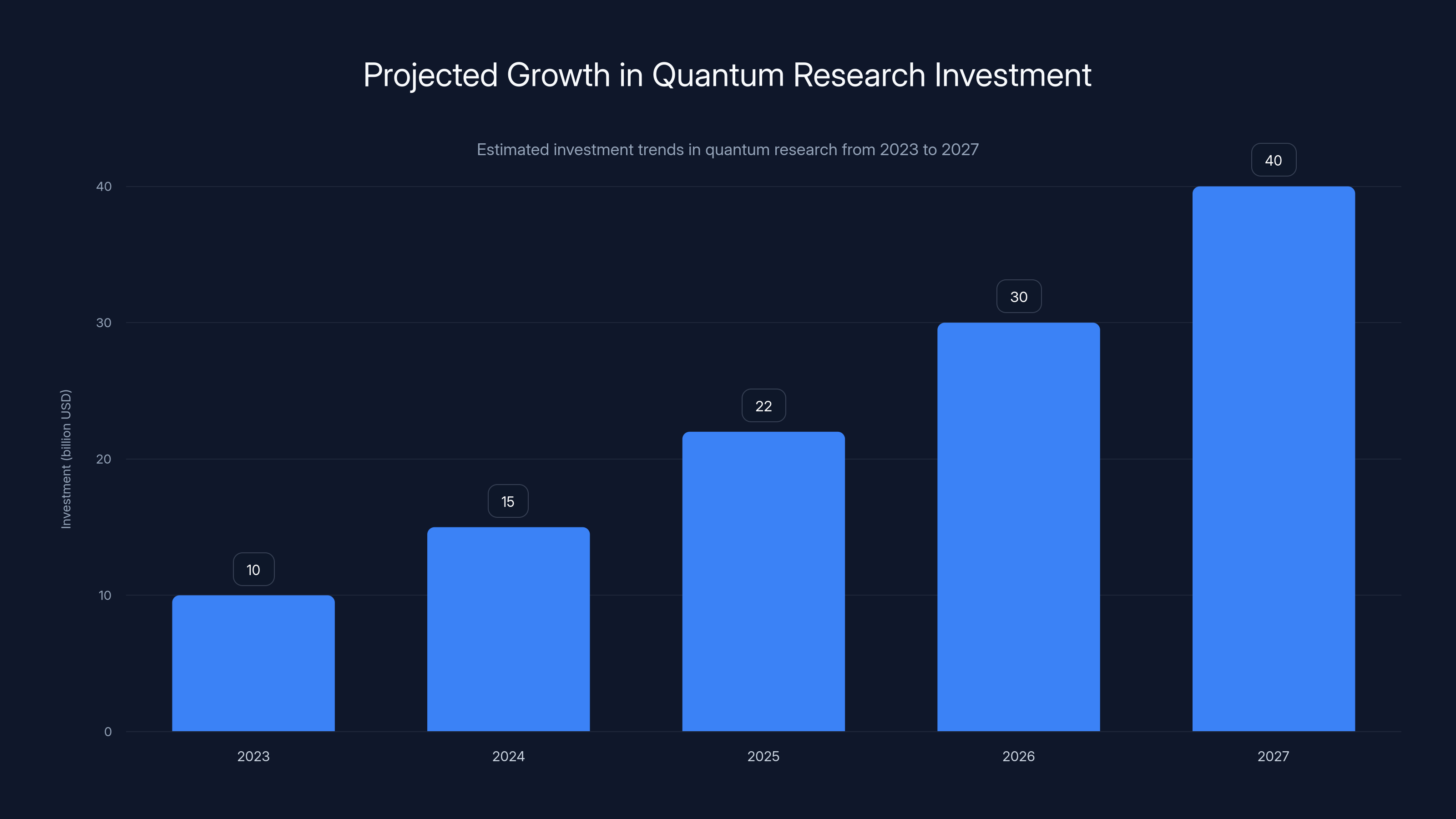
Investment in quantum research is projected to quadruple by 2027, highlighting the increasing focus on quantum technologies. (Estimated data)
Practical Implementation Guide
Step-by-Step Transition to Quantum-Safe Encryption
-
Assessment and Awareness
- Conduct a thorough assessment of existing cryptographic systems.
- Raise awareness within your organization about the quantum threat.
-
Research and Pilot Testing
- Research available quantum-resistant algorithms.
- Conduct pilot tests to evaluate performance and integration challenges.
-
Gradual Integration
- Start integrating quantum-resistant algorithms into non-critical systems.
- Gradually expand to critical systems as confidence in the new algorithms grows.
-
Training and Development
- Train your IT and security teams on new cryptographic protocols.
- Develop contingency plans for potential integration issues.
-
Monitoring and Updating
- Continuously monitor for advancements in quantum computing and cryptography.
- Update systems as new standards and technologies emerge.
Common Pitfalls and Solutions
Pitfall 1: Underestimating Quantum's Timeline
Many organizations underestimate how soon quantum computers will pose a real threat. This can lead to delays in adopting quantum-safe measures.
Solution: Stay informed about breakthroughs in quantum computing and start planning for quantum-safe cryptography now.
Pitfall 2: Overlooking Data Backups
Transitioning to new cryptographic standards without proper data backups can result in data loss.
Solution: Ensure all data is backed up before beginning transitions. Test backup integrity regularly.
Pitfall 3: Ignoring Interoperability
New cryptographic systems must work with existing infrastructure, which can be challenging.
Solution: Conduct thorough testing to ensure compatibility and address any interoperability issues during the pilot phase.
Future Trends and Recommendations
The Rise of Hybrid Cryptography
Hybrid cryptography, which combines traditional and post-quantum algorithms, is gaining traction. This approach provides a safety net, ensuring data remains secure even if one algorithm is compromised.
Recommendation: Explore hybrid cryptographic solutions to protect against both quantum and classical threats.
Increased Investment in Quantum Research
Governments and corporations are investing heavily in quantum research, accelerating advancements in both quantum computing and quantum-safe cryptography. The Harvard Business Review discusses the strategic shifts needed to accommodate these advancements.
Recommendation: Stay engaged with industry developments and consider participating in collaborative research initiatives.
The Role of AI in Quantum Security
AI is increasingly being used to develop more robust quantum-resistant algorithms and to predict potential quantum threats.
Recommendation: Leverage AI tools to enhance your organization's cryptographic defenses and stay ahead of emerging threats.
Conclusion
Quantum computing is no longer a distant dream—it's a rapidly approaching reality that necessitates immediate action to safeguard data. While the transition to quantum-safe cryptography poses challenges, proactive steps can mitigate risks and ensure data remains secure. Organizations that begin preparing today will be well-positioned to protect their sensitive information against the quantum threat of tomorrow.
Use Case: Automate your data encryption transition process with AI-powered tools to ensure seamless integration and enhanced security.
Try Runable For FreeKey Takeaways
- Quantum computers can break current encryption standards, posing a significant threat to data security.
- Encrypted data is at risk of being decrypted in the future by quantum computers.
- Organizations need to transition to quantum-resistant encryption to protect sensitive information.
- Developing a strategic plan for integrating quantum-safe solutions is crucial.
- The rise of hybrid cryptography offers a dual-layer defense against both quantum and classical threats.
Related Articles
- Why Google's IP Tracking Update Makes VPNs More Crucial Than Ever [2025]
- How Data Governance Builds True Business Resilience [2025]
- Mastering AI-Native Marketing: Insights from Google Cloud's VP of Growth [2026]
- How to Avoid Spoilers Online and in Chats [2025]
- Google's New Storage Policy: What Android Users Need to Know [2025]
- Mastering the PixelDrive Screwdriver: Your Complete Guide to Hoto’s Precision Tool [2025]
FAQ
What is Quantum Computing: The Invisible Threat to Your Data Security [2025]?
Quantum computing has been a topic of intrigue and speculation for decades
What does tl; dr mean?
Once considered the realm of theoretical physicists and futurists, it's now edging closer to reality
Why is Quantum Computing: The Invisible Threat to Your Data Security [2025] important in 2025?
While the technology promises to revolutionize fields like cryptography, medicine, and artificial intelligence, it also poses a significant threat to data security as we know it
How can I get started with Quantum Computing: The Invisible Threat to Your Data Security [2025]?
- Quantum computers can break current encryption standards with ease, threatening data security
What are the key benefits of Quantum Computing: The Invisible Threat to Your Data Security [2025]?
- Encrypted data is at risk today; adversaries may already be collecting data to decrypt in the future
What challenges should I expect?
- Quantum-safe algorithms are being developed but are not yet widely implemented


