
![[2026] What Is Hinamatsuri? Understanding Girls' Day in Japan](https://runable.blog/blog/2026-what-is-hinamatsuri-understanding-girls-day-in-japan/image-1-1765539730365.png)
[2026] What Is Hinamatsuri? Understanding Girls' Day in Japan
Picture a crisp March morning in Japan, where a soft breeze carries the scent of blooming plum blossoms. It's March 3rd, a day that stands out in the Japanese calendar as Hinamatsuri, or Girls' Day. But what exactly is Hinamatsuri, and why is it so important in Japanese culture? Let's dive deep into the history, traditions, and contemporary relevance of this cherished festival.
TL; DR
- Cultural Significance: Hinamatsuri is celebrated on March 3rd, honoring girls' health and happiness.
- Traditional Dolls: Elaborate doll displays are central to the celebration.
- Historical Origins: Originated from the Heian period purification rituals.
- Modern Celebrations: Blends traditional customs with modern practices.
- Future Trends: Increasing focus on gender equality and cultural preservation.
The Origins of Hinamatsuri
Hinamatsuri's roots stretch back over a thousand years to the Heian period (794-1185 AD). It began as a religious purification ritual, known as "hina-nagashi," where paper dolls were set afloat on rivers to carry away sins and misfortune. This practice was believed to protect young girls and ensure their health and happiness, as detailed in Japan Travel's overview.
Transition from Ritual to Celebration
As centuries passed, this ritual evolved. By the Edo period (1603-1868), the floating dolls were replaced by elaborate displays called "hina-ningyo," which depict the imperial court. These displays became central to the celebration and took on a more festive tone, marking the transition from a solemn ritual to the vibrant festival we know today, as explained in Nippon's cultural insights.
The Significance of Doll Displays
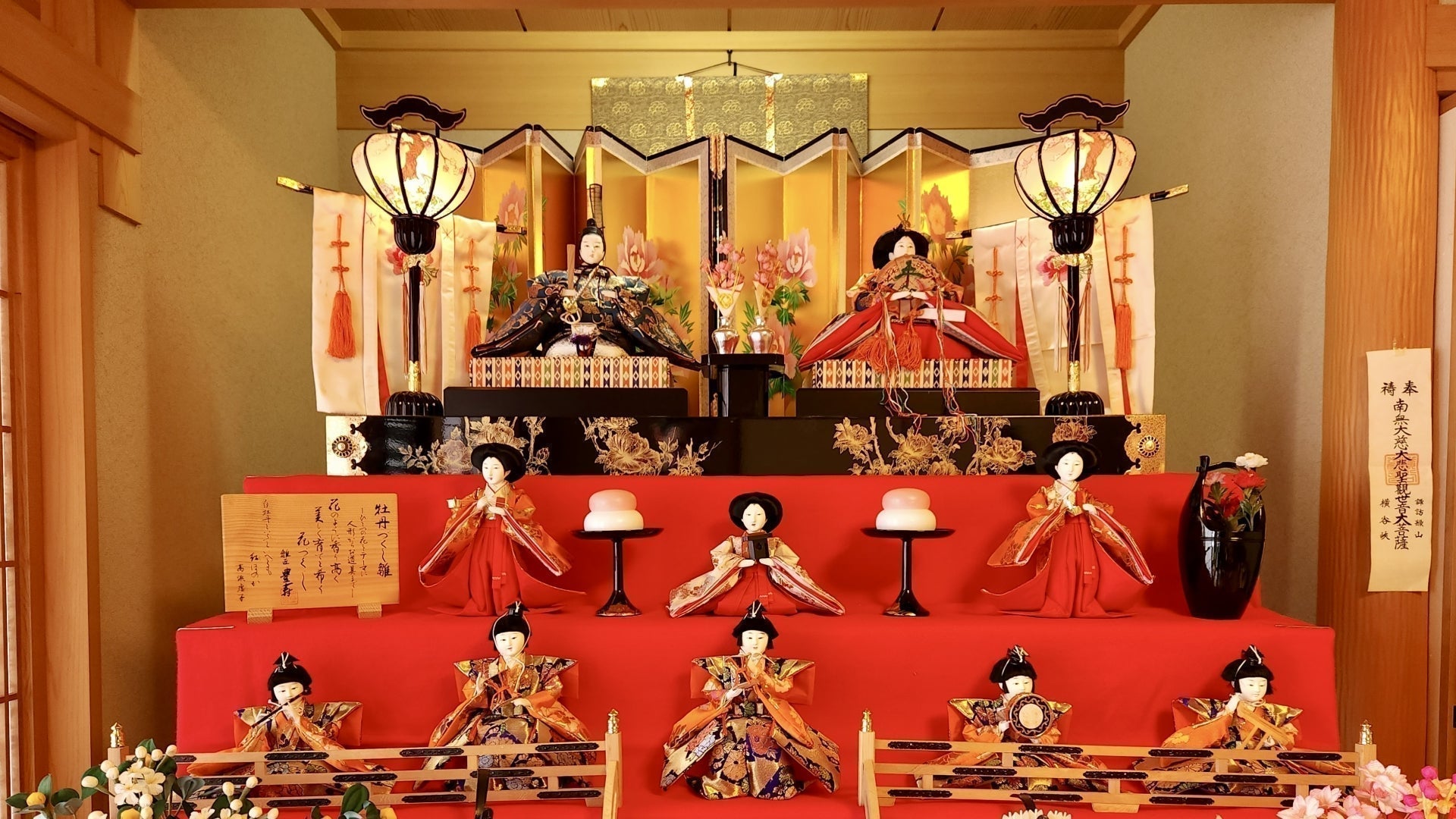
At the heart of Hinamatsuri are the doll displays, often passed down through generations. These displays, known as "hina kazari," typically feature a set of 15 dolls arranged on a multi-tiered platform, as noted by Japan Guide.
Understanding the Doll Hierarchy
The dolls are arranged in a specific order, representing the imperial court:
- Emperor and Empress: Placed on the top tier, symbolizing the highest status.
- Three Court Ladies: Positioned on the second tier, these dolls represent the attendants.
- Five Musicians: The third tier is reserved for musicians, each holding a traditional instrument.
- Ministers and Attendants: The lower tiers feature ministers, attendants, and sometimes cherry blossom or mandarin orange trees.
Craftsmanship and Materials
Creating these dolls is an art form, with craftsmen dedicating their lives to perfecting the intricate designs. Materials range from silk for clothing to hand-painted faces, making each doll a unique masterpiece, as described by Japan Travel.
Celebratory Foods and Traditions
No festival is complete without its culinary delights. Hinamatsuri is no exception, featuring a variety of traditional foods that add flavor to the festivities.
Chirashi-Zushi
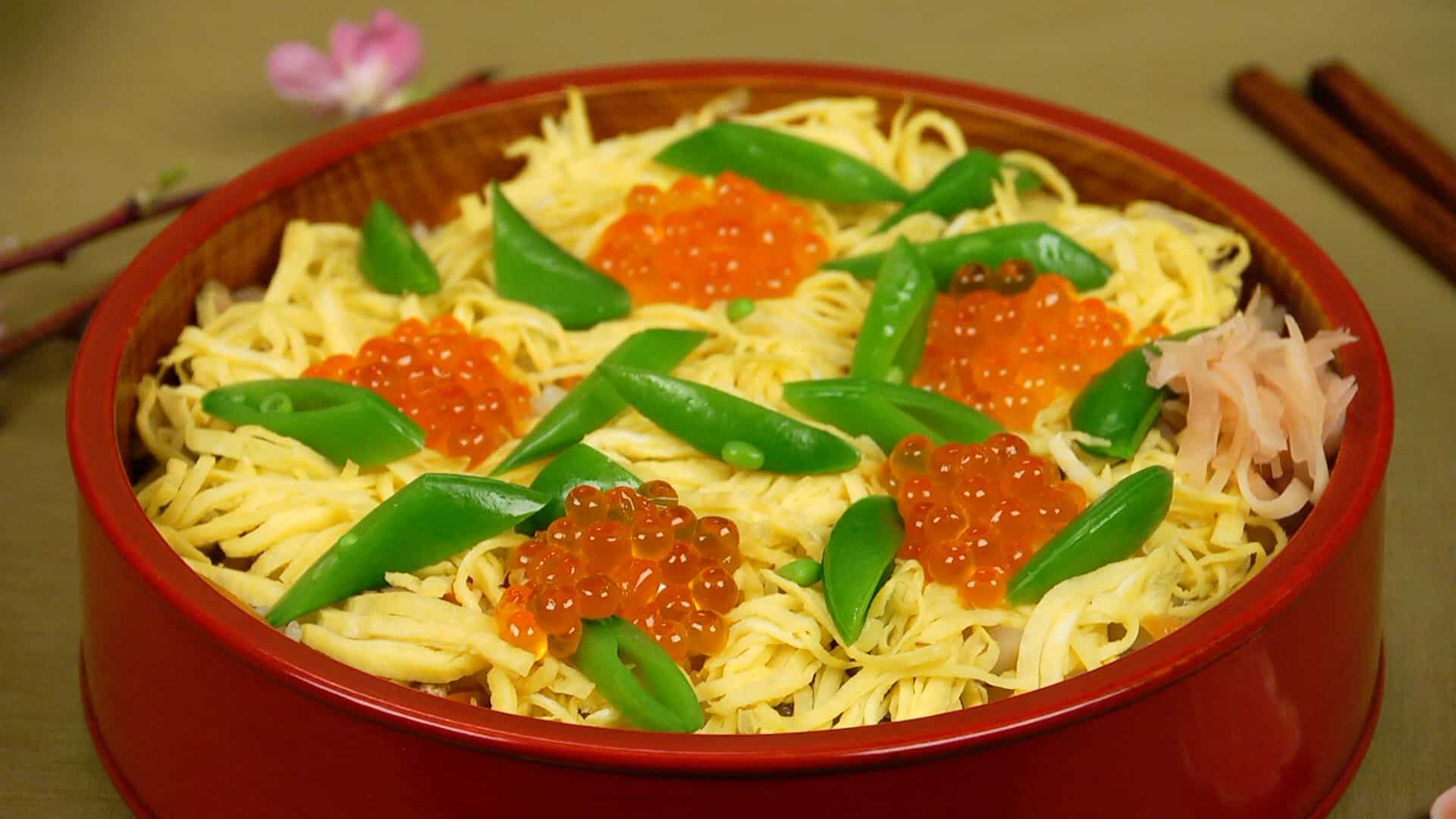
A vibrant mix of rice and toppings like sashimi, vegetables, and egg, chirashi-zushi is a staple during Hinamatsuri. This dish is not only delicious but also visually appealing, reflecting the festival's vibrant spirit, as highlighted by Japan Travel.
Hishimochi and Other Sweets
Hishimochi, a colorful, layered rice cake, is another must-have. Its pink, white, and green layers symbolize peach blossoms, purity, and growth. Other sweets, like hina arare (colorful rice crackers), add to the festive atmosphere, as noted by Japan Travel.
Modern Celebrations and Global Influence
While Hinamatsuri remains a deeply traditional event in Japan, it has also embraced modern influences.
Contemporary Practices
In today's Japan, families celebrate by setting up hina dolls, enjoying special meals, and spending time together. Some regions hold public displays and events, allowing the community to share in the festivities, as described by Japan Travel.
Global Celebrations
Japanese communities worldwide have embraced Hinamatsuri, adapting it to their cultural contexts. This has helped spread awareness of the festival, fostering a greater understanding of Japanese culture globally, as reported by Nippon.
The Role of Hinamatsuri in Promoting Gender Equality
In recent years, Hinamatsuri has taken on new significance as a platform for discussing gender equality.
Shifting Perspectives
Traditionally, the festival focused on the well-being of girls, but it has evolved to include discussions on women's rights and empowerment. This shift reflects broader societal changes in Japan, where gender equality is gaining prominence, as noted by Japan Travel.
Advocacy and Education
Organizations use Hinamatsuri as an opportunity to promote gender equality through workshops, talks, and educational programs. This helps ensure the festival remains relevant and impactful, as highlighted by Nippon.
Future Trends and Challenges
As Japan looks to the future, Hinamatsuri faces both opportunities and challenges.
Cultural Preservation
With globalization and changing societal norms, there's a risk of losing traditional customs. Efforts to preserve Hinamatsuri, such as education and cultural exchanges, are crucial for its survival, as discussed by Japan Travel.
Embracing Technology
Technology offers new ways to celebrate Hinamatsuri. Virtual reality experiences and online platforms can make the festival accessible to a global audience, ensuring its relevance in the digital age, as noted by Nippon.
Conclusion
Hinamatsuri is more than just a day for celebrating girls; it's a rich tapestry of history, culture, and evolving social values. As we look to 2026 and beyond, this festival will continue to reflect Japan's unique heritage while adapting to the modern world. Whether you're in Japan or part of the global community, Hinamatsuri offers a beautiful glimpse into the heart of Japanese culture.
Key Takeaways
- Rich History: Hinamatsuri dates back to the Heian period, evolving from a purification ritual to a vibrant celebration.
- Cultural Significance: The festival highlights the importance of girls' health and happiness in Japanese society.
- Global Influence: Hinamatsuri is celebrated worldwide, spreading awareness of Japanese culture.
- Gender Equality: The festival has become a platform for discussing gender issues and advocating for women's rights.
- Future Challenges: Preserving traditions while embracing modernity is key to Hinamatsuri's future.
- Technological Opportunities: Technology offers new ways to celebrate and preserve the festival globally.
FAQ
What is Hinamatsuri?
Hinamatsuri, also known as Girls' Day or Doll's Day, is a Japanese festival celebrated on March 3rd. It honors the health and happiness of girls, featuring elaborate doll displays and traditional foods, as explained by Japan Guide.
How is Hinamatsuri celebrated?
Families set up hina doll displays, enjoy special foods like chirashi-zushi and hishimochi, and spend time together. In some regions, public events and displays are held, as noted by Japan Travel.
What is the significance of the dolls in Hinamatsuri?
The dolls represent the imperial court and are arranged in a specific order on a multi-tiered platform. They are central to the celebration, symbolizing protection and well-being for girls, as described by Japan Guide.
Why is Hinamatsuri important?
Hinamatsuri is important for its cultural significance, promoting girls' health and happiness. It's also a platform for discussing gender equality and preserving Japanese traditions, as highlighted by Nippon.
How has Hinamatsuri evolved over time?
Originally a purification ritual, Hinamatsuri has evolved into a vibrant festival. It now includes modern practices and discussions on gender equality, reflecting societal changes, as noted by Japan Travel.
What challenges does Hinamatsuri face in the future?
Challenges include preserving traditional customs amidst globalization, and ensuring the festival remains relevant in a modern, digital world, as discussed by Nippon.
How can technology enhance Hinamatsuri celebrations?
Technology can make the festival more accessible through virtual reality experiences, online platforms, and global cultural exchanges, promoting its relevance in the digital age, as highlighted by Nippon.
The Best Hinamatsuri Resources at a Glance
| Resource | Best For | Key Features | Pricing |
|---|---|---|---|
| Hinamatsuri Guide | Cultural insights | Detailed history, modern practices | Free |
| Doll Crafting Workshop | Traditional crafts | Hands-on experience, expert guidance | From $50 |
| Runable | Festival automation | Event planning, online promotion | $9 / month |
Quick Navigation:
- Hinamatsuri Guide for cultural insights
- Doll Crafting Workshop for traditional crafts
- Runable for festival automation
Use Case: Automating your Hinamatsuri event planning and online promotion with Runable
Try Runable For FreeRelated Articles
- [2025] Grand Blue Review – Dive into Laughter!
- [2025] Unlocking Quantum Potential: Google's Quest with UK Experts
- All The Best Places To Click On When You Want To Get Off - Sex, Dating & Relationships
- [2025] Ultimate Guide to Chizuru Ichinose: Beyond 'Kanojo, Okarishimasu'
- [2025] Death Note: A Worldwide Phenomenon
- [2025] Humanoid Robots in Industrial Settings: Transforming Efficiency


