
![Yes, You Can Create Content: A Neurodivergent’s Guide to Getting Started [2025]](https://tryrunable.com/blog/yes-you-can-create-content-a-neurodivergent-s-guide-to-getti/image-1-1775750909835.png)
Introduction
Creating content can often feel like an overwhelming task, especially for neurodivergent individuals who may face unique challenges in organization, focus, and communication. But here's the thing: with the right strategies and tools, anyone can become a successful content creator. This guide is dedicated to helping neurodivergent individuals tap into their creative potential and share their voices with the world, as highlighted in recent workplace trends.

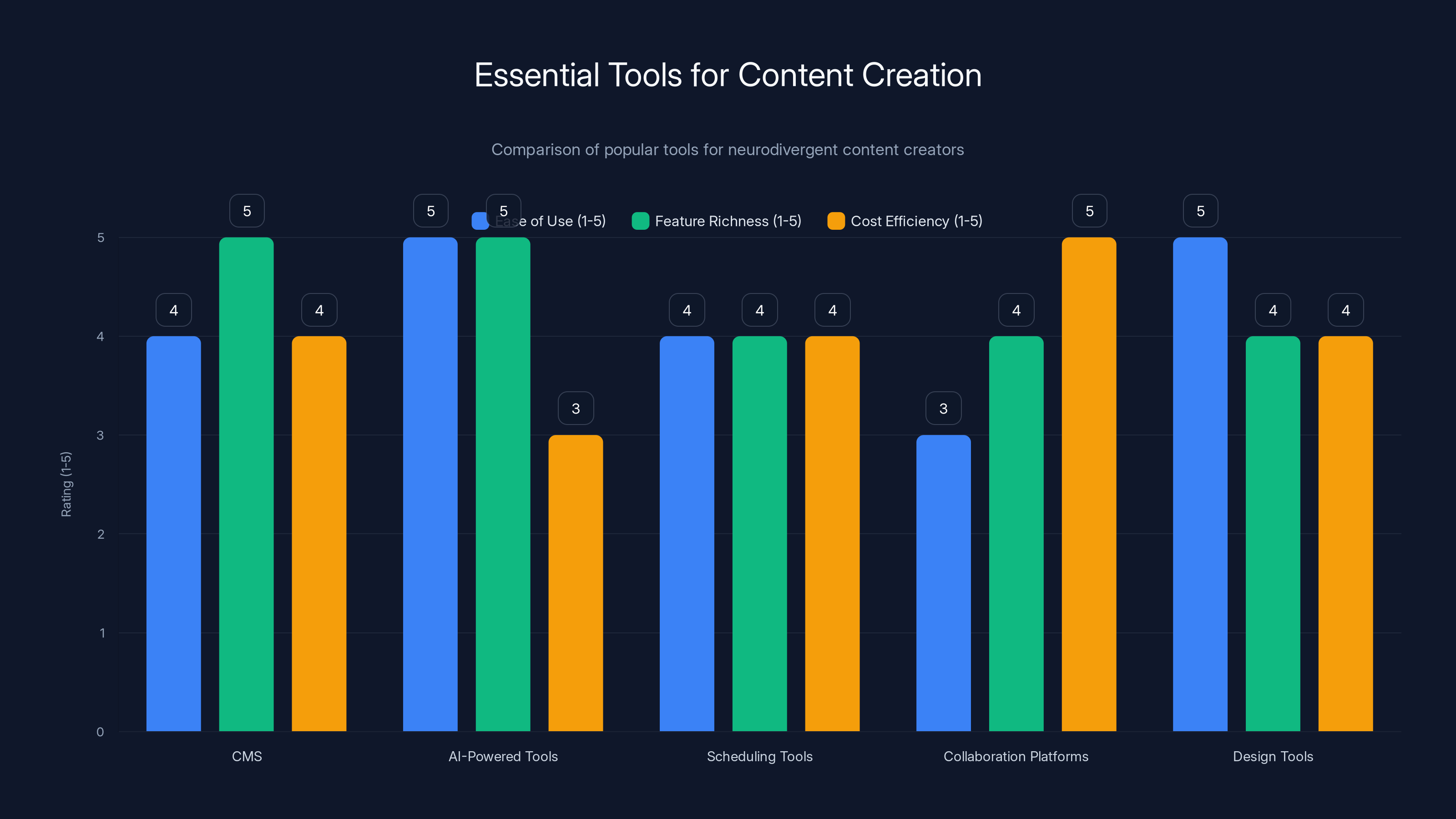
This chart compares essential tools for content creation based on ease of use, feature richness, and cost efficiency. AI-powered tools like Runable score high on ease of use and feature richness, making them ideal for neurodivergent creators. Estimated data.
TL; DR
- Understand Your Unique Strengths: Leverage the unique perspectives and skills that come with being neurodivergent.
- Utilize Technology to Your Advantage: Tools like Runable can help automate and streamline content creation tasks.
- Establish a Routine: Create a structured plan that accommodates your workflow and energy levels.
- Engage with Your Audience: Build a community by interacting with your followers and adapting based on feedback.
- Overcome Common Challenges: Address obstacles such as writer's block and sensory overload with practical solutions.
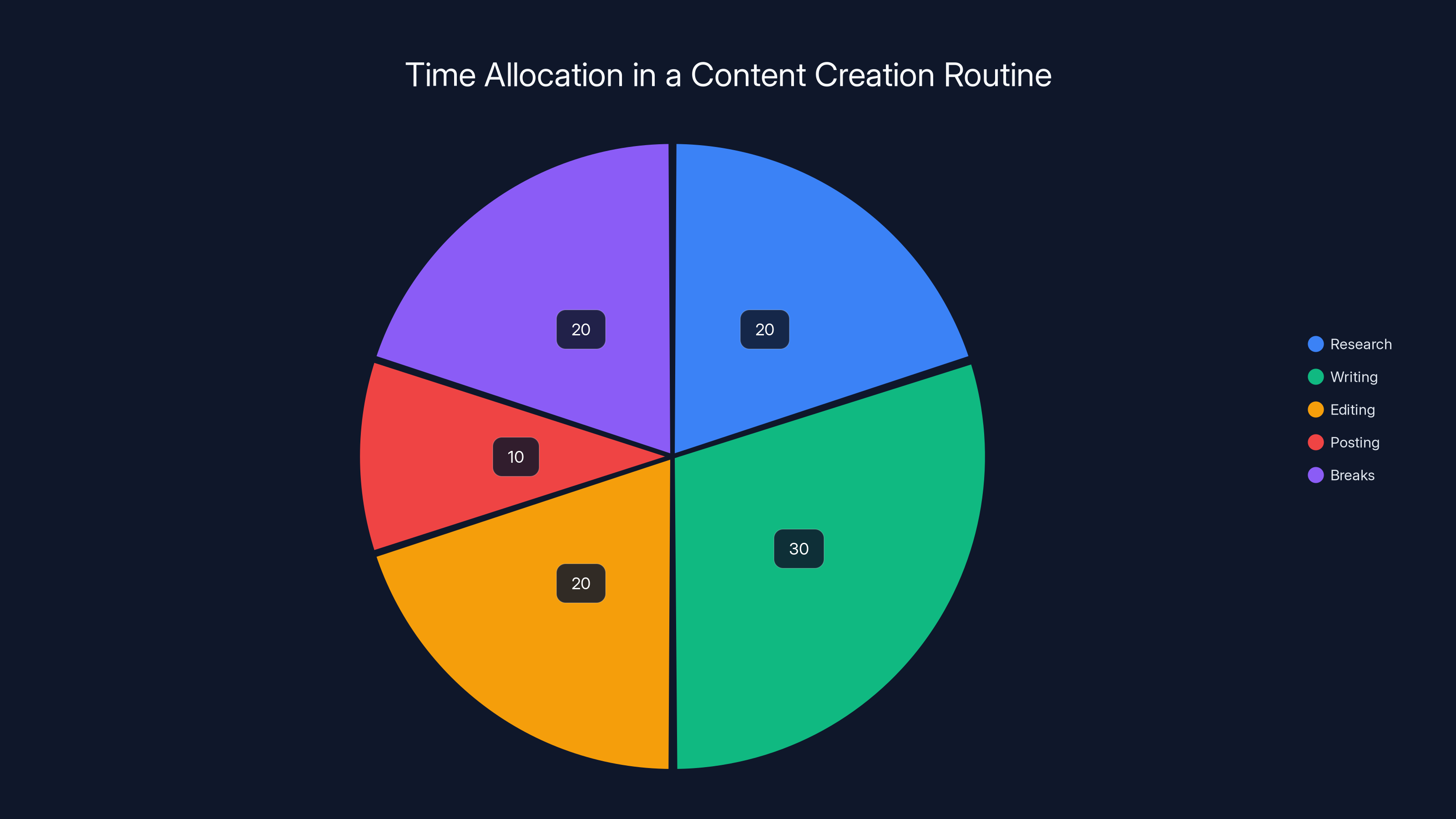
Estimated data shows a balanced routine with significant time allocated for breaks to prevent burnout.
Understanding Your Unique Strengths
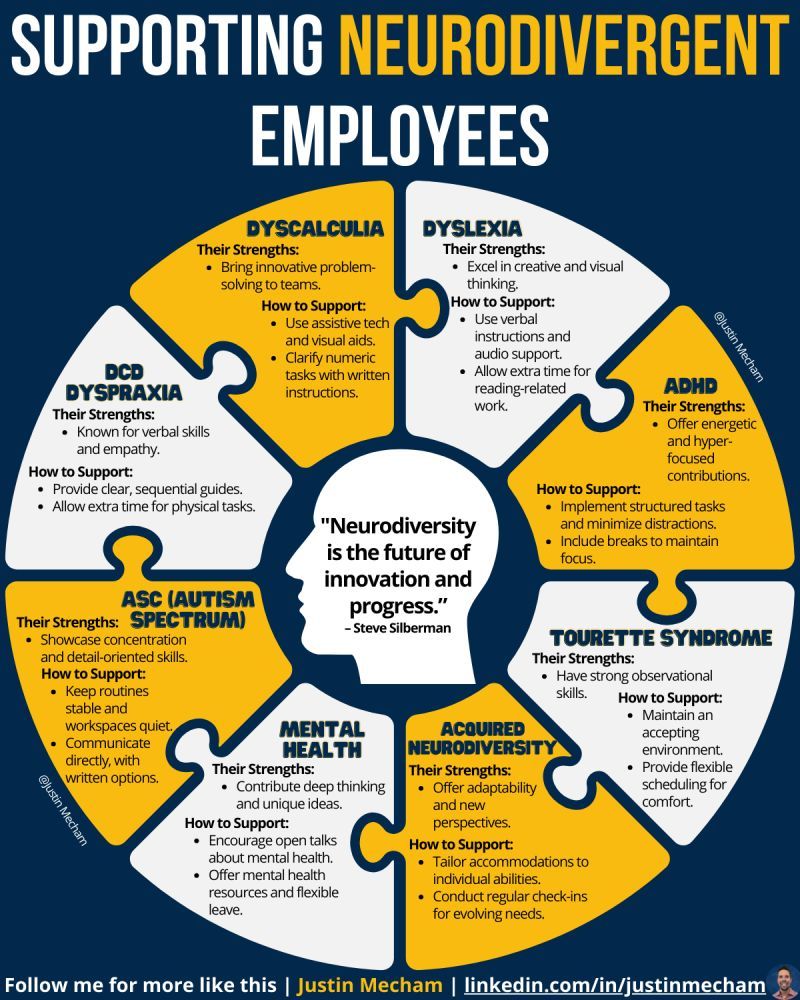
Neurodivergent individuals often possess unique strengths that can be leveraged in content creation. Whether it's the ability to hyper-focus, think outside the box, or bring a fresh perspective, these attributes can set your content apart. According to The Times, these strengths are increasingly recognized as valuable in various industries.
Hyper-focus, for example, allows you to delve deeply into a subject, producing well-researched and detailed content. Meanwhile, creative thinking can lead to innovative ideas that captivate your audience.
Embracing Neurodiversity in Content Creation
Neurodiversity refers to the natural variation in human brain function. It encompasses conditions like ADHD, autism, dyslexia, and more. Each of these brings distinct traits that can enhance creativity and problem-solving. As noted by Procter & Gamble, embracing neurodiversity can lead to more inclusive and innovative environments.
- Autism: Often associated with attention to detail and pattern recognition, which can be beneficial in data-driven content.
- ADHD: May come with high energy and creativity, perfect for dynamic and engaging content.
- Dyslexia: Offers a unique perspective and may enhance visual storytelling abilities.
By understanding and embracing these strengths, neurodivergent individuals can produce content that is not only authentic but also resonant with diverse audiences.
Utilizing Technology to Your Advantage
Technology can be a game-changer for neurodivergent content creators. With the right tools, you can streamline your workflow, reduce overwhelm, and enhance productivity. The latest advancements in educational technology also highlight how tech can support diverse learning needs.
Essential Tools for Content Creation
-
Content Management Systems (CMS): Platforms like WordPress or Squarespace offer user-friendly interfaces to manage your content efficiently.
-
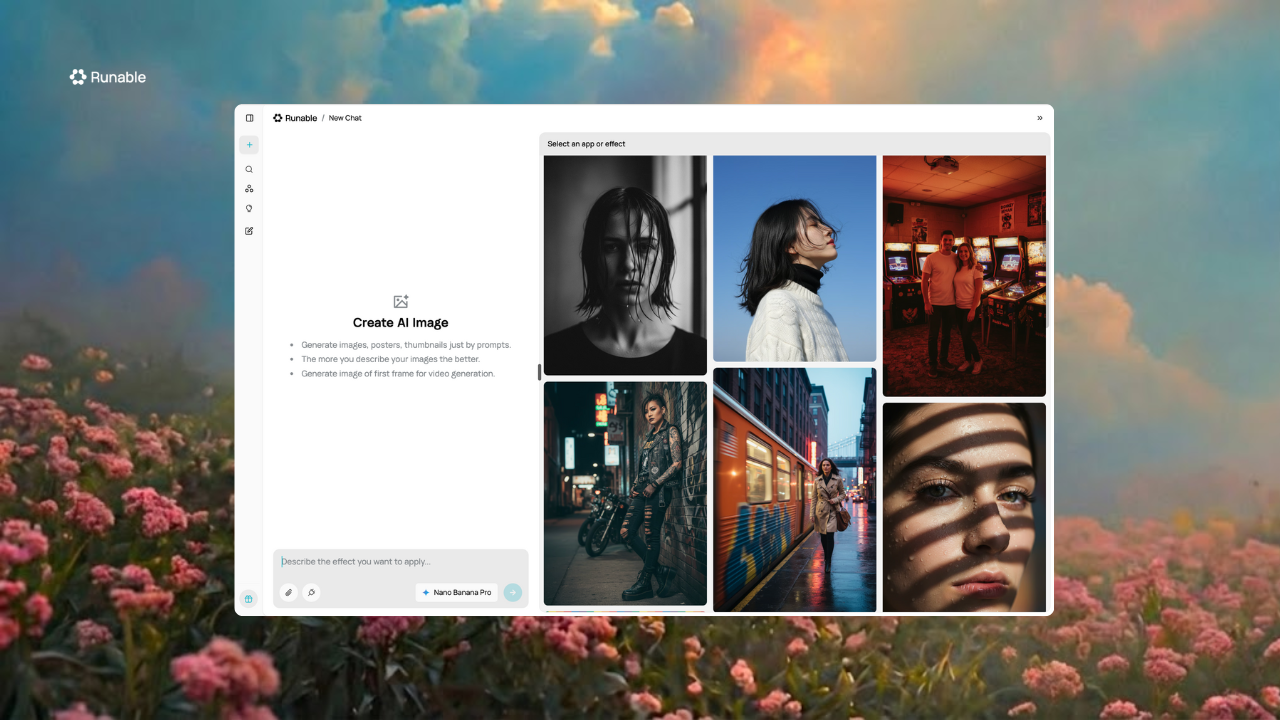
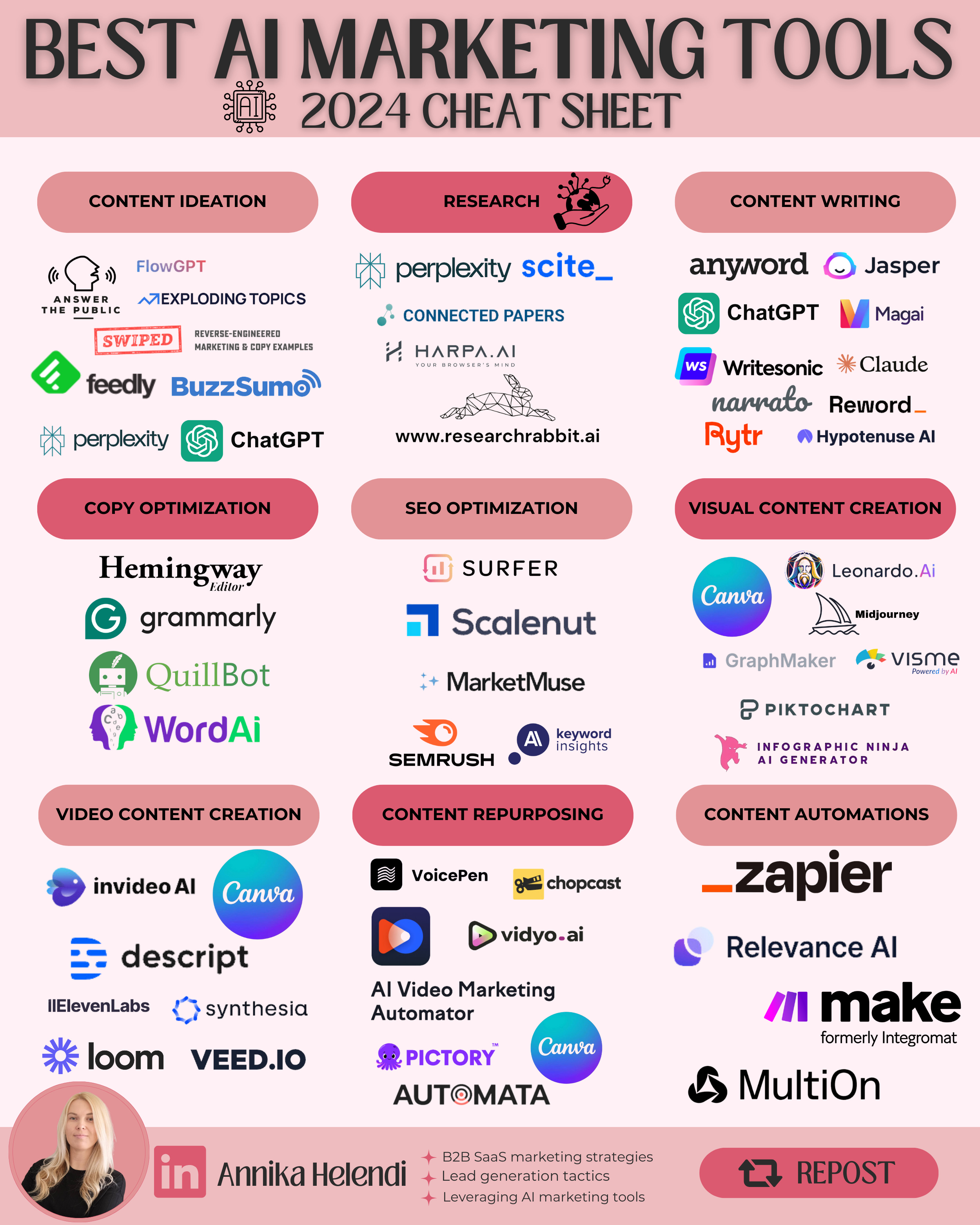
AI-Powered Tools: Runable provides AI-powered automation for creating presentations, documents, reports, images, videos, and slides. It can help automate repetitive tasks, allowing you to focus on creativity.
-
Scheduling and Planning Tools: Tools like Buffer or Hootsuite enable you to plan and schedule posts across multiple platforms, helping maintain consistency.
-
Collaboration Platforms: Software like Trello and Slack facilitate teamwork and project management.
-
Design Tools: Platforms like Canva provide templates and design features for creating visually appealing content.
Leveraging AI for Content Efficiency
AI tools can help neurodivergent individuals overcome challenges such as organizing thoughts or generating ideas. Runable, for instance, offers AI agents that can automate content generation, allowing you to focus on what matters most—your unique voice and message. As recent studies suggest, AI continues to play a crucial role in enhancing productivity across various fields.
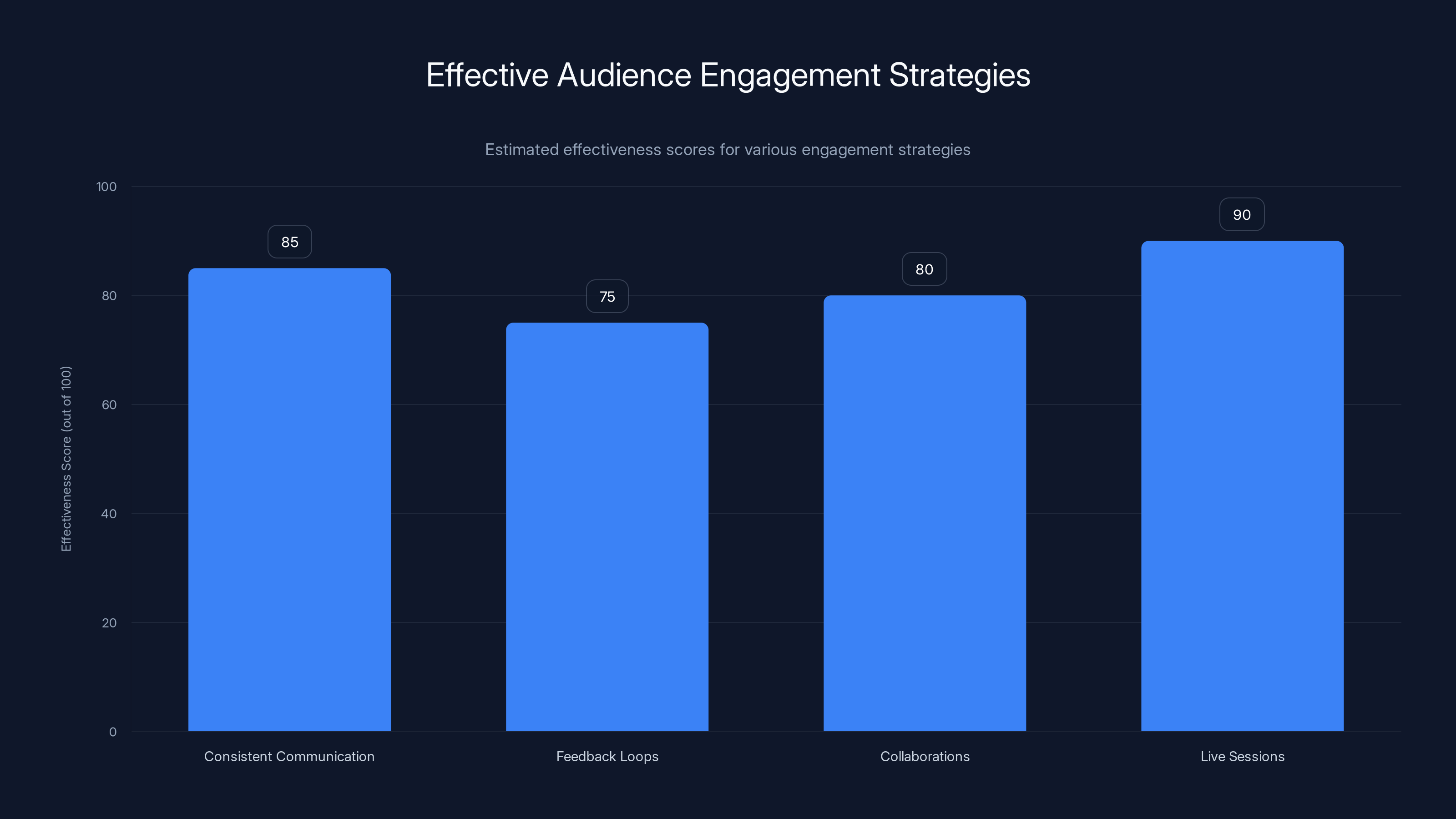
Live sessions and consistent communication are estimated to be the most effective strategies for engaging with audiences, scoring 90 and 85 out of 100 respectively. Estimated data.
Establishing a Routine
Creating a routine is crucial for maintaining consistency in content creation. A structured plan helps manage time effectively and ensures steady progress.
Building a Routine
-
Set Clear Goals: Define what you want to achieve with your content. Are you looking to educate, entertain, or inspire?
-
Create a Content Calendar: Plan your content schedule ahead of time. Tools like CoSchedule can help organize your ideas and deadlines.
-
Allocate Specific Times for Tasks: Dedicate time for research, writing, editing, and posting. Use timers to maintain focus and manage your time effectively.
-
Include Breaks: Avoid burnout by scheduling regular breaks to recharge your energy.
Adapting to Your Energy Levels
Neurodivergent individuals often experience fluctuating energy levels. Some days you might feel like a creative powerhouse, while on other days, even the simplest tasks feel daunting.
- Listen to Your Body: Pay attention to your energy levels and adjust tasks accordingly.
- Flexible Scheduling: Allow room for flexibility in your routine to accommodate these fluctuations.

Engaging with Your Audience
Building a community around your content is essential for growth and sustainability. Engagement fosters a loyal audience and encourages interaction.
Strategies for Audience Engagement
-
Consistent Communication: Regularly interact with your audience through comments, messages, and social media.
-
Feedback Loops: Encourage feedback and use it to refine your content.
-
Collaborations: Partner with other creators to expand your reach and offer diverse perspectives.
-
Live Sessions: Host live Q&A sessions or webinars to engage directly with your audience.
Building a Community
Creating a sense of community involves more than just posting content. It's about fostering relationships and making your audience feel valued. According to IPI Media, building trust and engagement is key to sustaining a loyal audience.
- Personal Touch: Share personal stories or insights to humanize your content.
- Inclusive Spaces: Ensure your content is accessible and welcoming to all, including those with disabilities.
Overcoming Common Challenges
Content creation isn't without its challenges. From writer's block to sensory overload, it's important to address these obstacles head-on.
Writer's Block
Writer's block is a common issue that can be particularly frustrating. Strategies to overcome it include:
- Mind Mapping: Visualize your ideas to see connections and generate new topics.
- Free Writing: Write without worrying about grammar or structure to unlock creativity.
- Change of Scenery: Sometimes a new environment can spark inspiration.
Sensory Overload
Neurodivergent individuals may experience sensory overload, which can hinder creativity.
- Create a Comfortable Workspace: Minimize distractions and customize your environment to suit your sensory needs.
- Use Noise-Cancelling Headphones: Block out disruptive sounds.
Future Trends and Recommendations
The future of content creation is rapidly evolving, with new technologies and platforms emerging. Staying ahead of trends can help you remain competitive and innovative.
Emerging Trends
-
Interactive Content: Audiences crave engagement. Incorporating quizzes, polls, and interactive videos can boost interaction.
-
Short-form Video: Platforms like TikTok and Instagram Reels are gaining traction. Short, engaging videos can reach wider audiences.
-
AI and Automation: Automation tools are becoming more sophisticated, streamlining content creation and distribution.
Recommendations
- Stay Informed: Keep up with industry trends by following thought leaders and engaging in online communities.
- Adaptability: Be open to experimenting with new formats and platforms.
- Authenticity: Maintain your unique voice and authenticity amidst changing trends.
Conclusion
Content creation is an empowering way to share your voice with the world. For neurodivergent individuals, embracing your unique strengths and leveraging technology can make the process more accessible and enjoyable. By understanding your capabilities, establishing a routine, and engaging with your audience, you can create impactful content that resonates.

Key Takeaways
- Leverage Unique Strengths: Use the distinct skills of neurodiversity to enhance creativity.
- Embrace Technology: Tools like Runable can automate tasks, allowing focus on content quality.
- Establish Routines: Create a structured plan that accommodates energy levels and workflow.
- Engage Communities: Build a loyal audience through consistent interaction and feedback.
- Overcome Challenges: Address writer's block and sensory overload with practical solutions.
- Stay Ahead of Trends: Keep informed about emerging content trends and technologies.
FAQ
What is neurodiversity?
Neurodiversity is the concept that recognizes the natural variation in human brain function. It encompasses conditions such as autism, ADHD, and dyslexia, highlighting the unique strengths and perspectives they bring.
How can neurodivergent individuals benefit from content creation?
Content creation allows neurodivergent individuals to express their unique perspectives and creativity. It provides an outlet for self-expression and the opportunity to connect with like-minded communities.
What tools are helpful for neurodivergent content creators?
Tools like Runable for automation, Canva for design, and Trello for project management can enhance productivity and creativity.
How can I overcome writer's block?
Overcome writer's block by using techniques such as mind mapping, free writing, and changing your environment to spark creativity.
What are the future trends in content creation?
Future trends include interactive content, short-form videos, and increased use of AI and automation tools to streamline processes.
How can I engage my audience effectively?
Engage your audience through consistent communication, encouraging feedback, and creating inclusive and interactive content.
How can I manage sensory overload while creating content?
Manage sensory overload by creating a comfortable workspace, using noise-cancelling headphones, and taking regular breaks to recharge.
Related Articles
- Microsoft's baffling account ban blocks security patches for Windscribe, WireGuard VPN, VeraCrypt | TechRadar
- Even with the RAM crisis, there are still great value gaming laptop deals — these 5 hand-picked options are up to $400 off | TechRadar
- Some TV fans aren’t happy about Samsung dropping QD-OLED from its mid-range OLED TVs — but our early measurements of the LG C6 show why it probably makes sense | TechRadar
- Netflix reveals first-look images for The Incredibles director's new movie Ray Gunn — and its starry cast and plot details have instantly caught my eye | TechRadar
- ‘Just flat-out fun’ — I was a Nothing-design skeptic, but 3 things I found when reviewing the Phone (4a) Pro turned me into a believer | TechRadar
- A jury is about to decide the fate of Ticketmaster | The Verge


