
![Why One Outage Can Still Take Down Half the Internet [2025]](https://tryrunable.com/blog/why-one-outage-can-still-take-down-half-the-internet-2025/image-1-1777547048882.jpg)
Why One Outage Can Still Take Down Half the Internet [2025]
The internet is a marvel of modern engineering, a vast network that connects billions of devices worldwide. Yet, despite its robustness, an outage in a single service provider can ripple through this web, causing widespread disruptions. This article explores why this happens, the technical intricacies involved, and how businesses can safeguard against such vulnerabilities.
TL; DR
- Interconnected Dependencies: The internet relies on a complex web of interdependent services, making it vulnerable to single points of failure.
- Cloud Concentration: Major cloud providers like AWS, Azure, and Google Cloud host significant portions of the web, centralizing risk.
- DNS Vulnerabilities: Domain Name System (DNS) outages can render websites inaccessible globally, even if the sites themselves are operational.
- Mitigation Strategies: Implementing multi-cloud strategies, robust DNS configurations, and redundancy plans can reduce vulnerability.
- Future Outlook: Emerging technologies like decentralized web and edge computing could offer more resilient architectures.
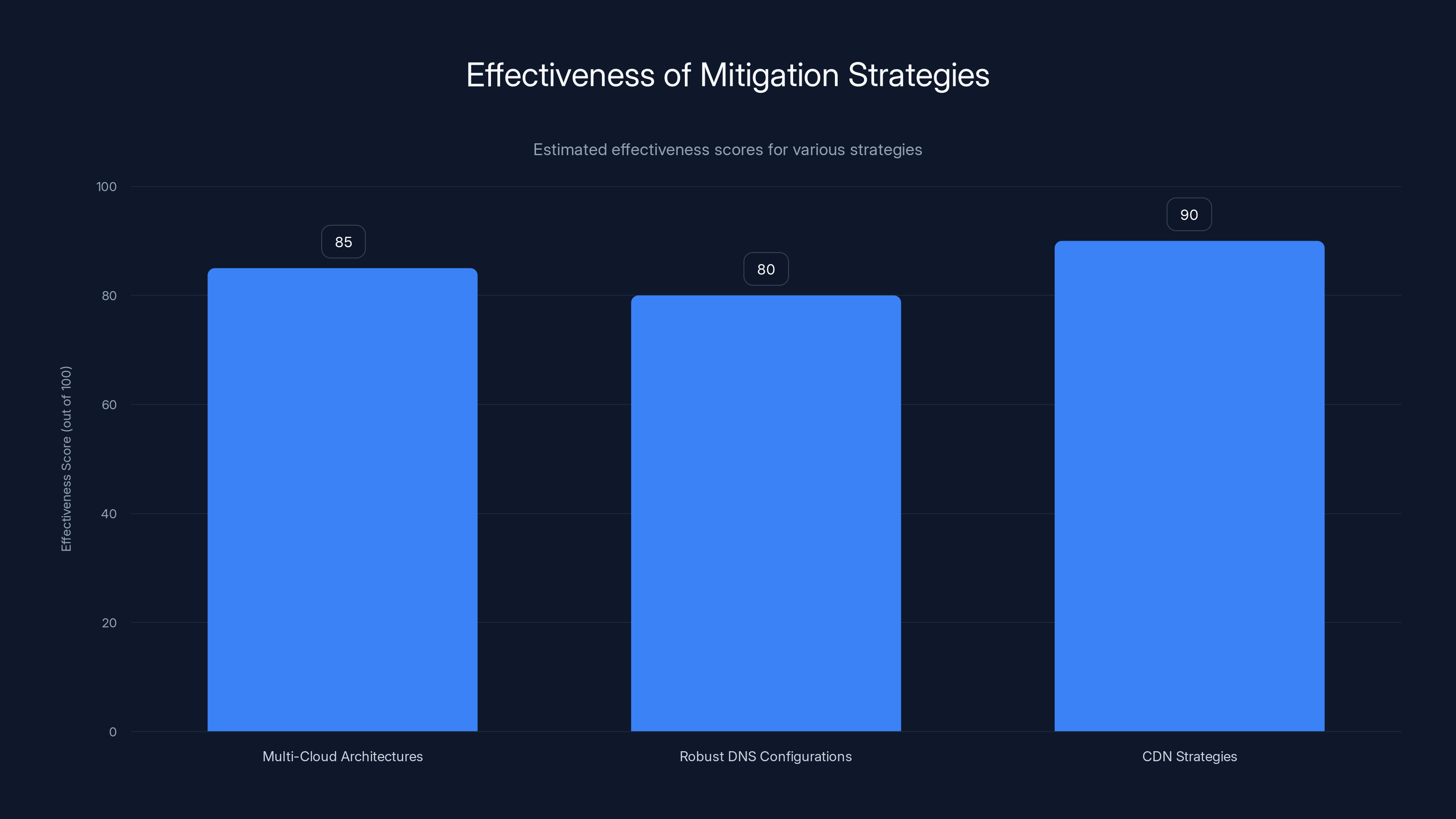
Multi-cloud architectures, robust DNS configurations, and CDN strategies are effective mitigation strategies with scores of 85, 80, and 90 respectively. Estimated data.
Understanding Internet Dependencies
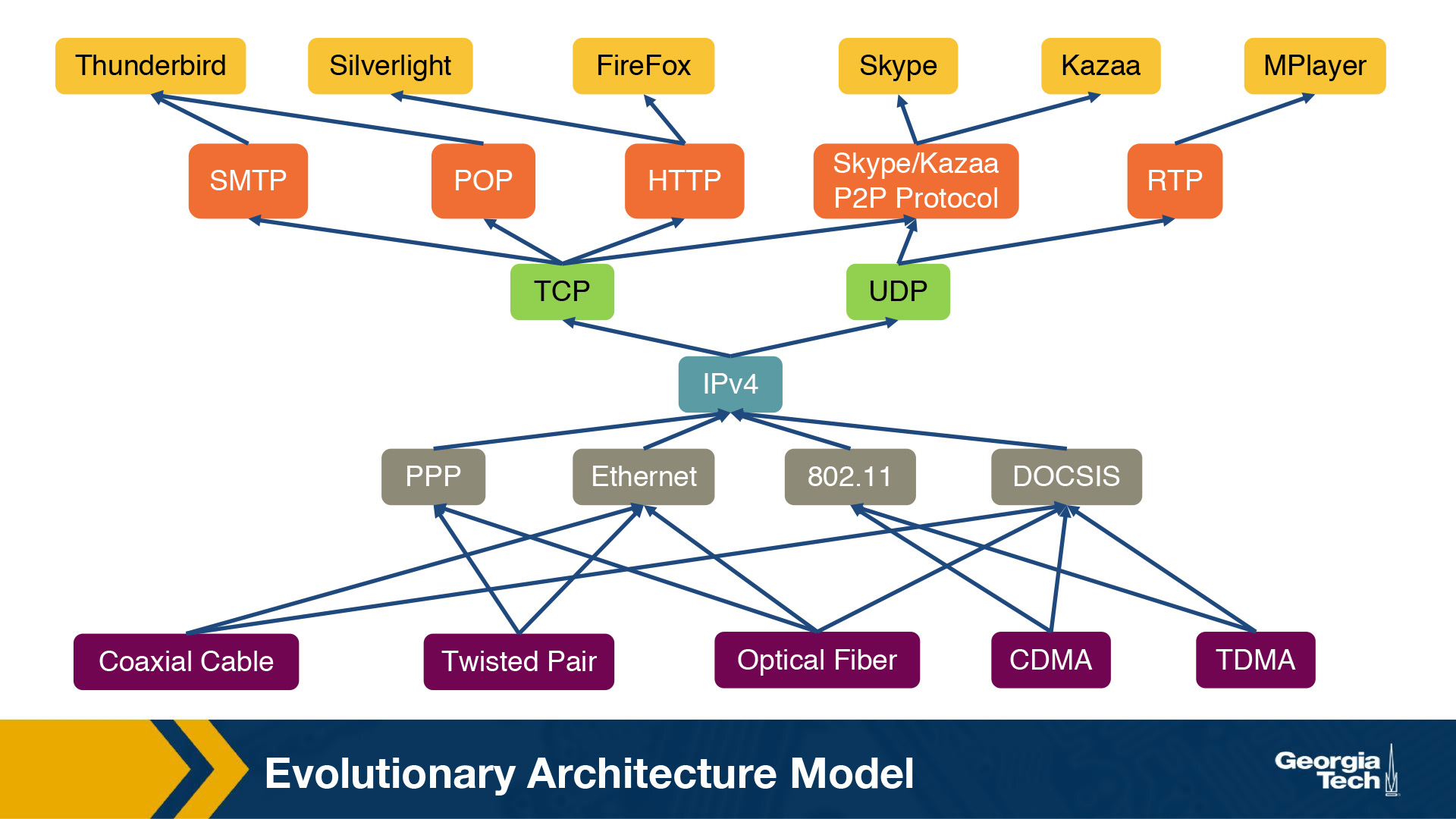
The internet's architecture resembles a finely woven tapestry, with each thread representing services, protocols, and infrastructure components. When one significant thread falters, the impact can be dramatic.
The Role of Cloud Providers
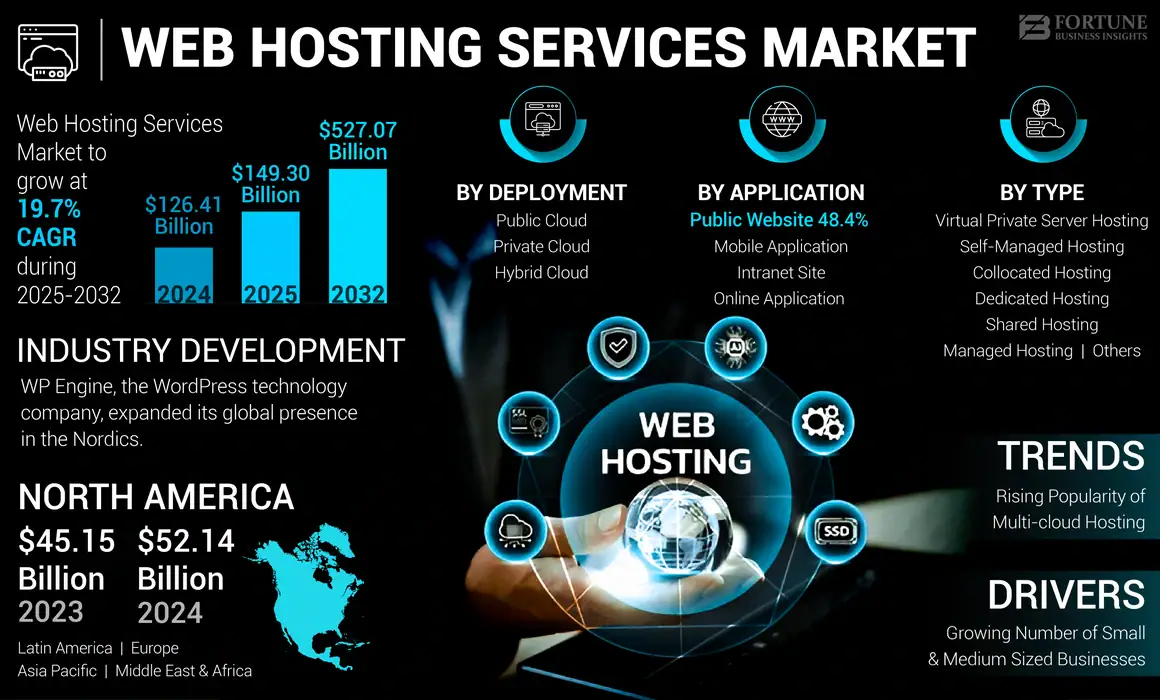
Cloud services have become the backbone of the internet, offering scalability and convenience. However, this reliance also centralizes risk. Providers like Amazon Web Services (AWS), Microsoft Azure, and Google Cloud host a colossal share of websites and applications.
Key Risks of Cloud Centralization:
- Single Point of Failure: A failure in a cloud provider's data center can affect all services hosted there.
- Network Congestion: Outages can lead to rerouted traffic, overloading alternate pathways and slowing down the internet.
DNS: The Internet's Phonebook
The Domain Name System (DNS) is crucial for translating human-friendly domain names into IP addresses. An outage in a major DNS provider can make accessing websites impossible, even if the sites themselves are functional.
Common DNS Vulnerabilities:
- DDoS Attacks: Distributed Denial of Service attacks can overwhelm DNS servers, causing outages.
- Misconfigurations: Simple errors in DNS settings can lead to significant downtime.
Content Delivery Networks (CDNs)
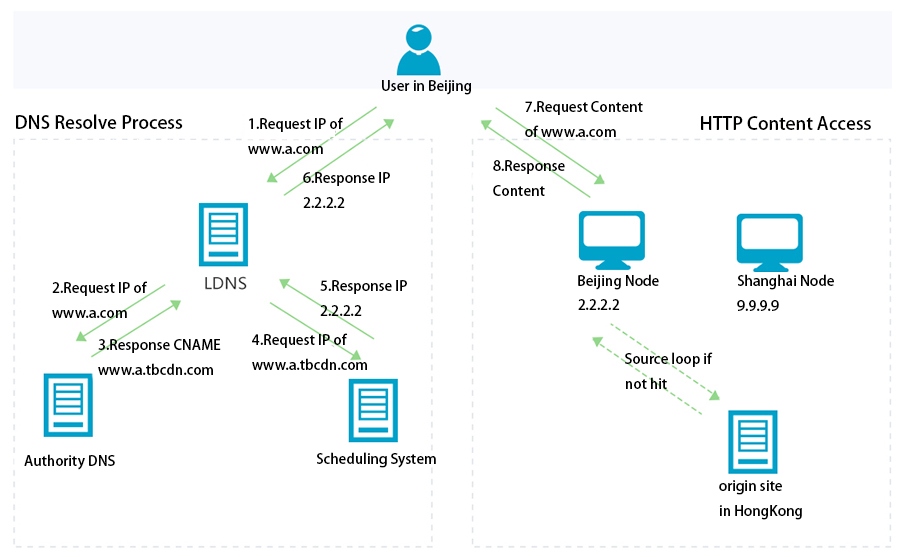
CDNs like Cloudflare and Akamai enhance web performance by caching content closer to end-users. However, their widespread use means an outage can affect a large number of sites.
Risks of CDN Outages:
- Content Unavailability: Cached content becomes inaccessible during outages.
- SSL/TLS Certificate Issues: CDNs manage many site's security certificates, and outages can disrupt secure connections.
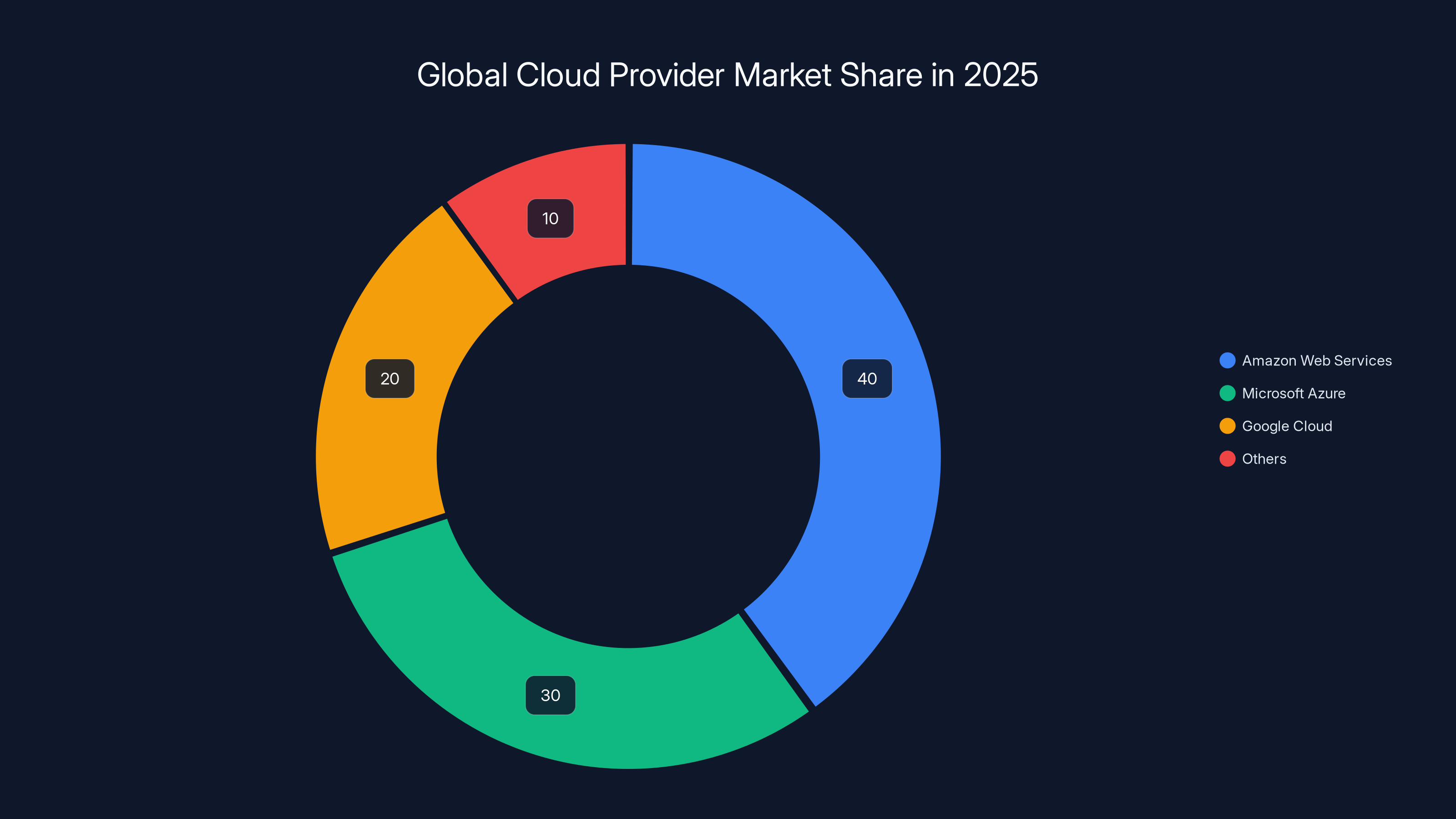
Estimated data shows AWS, Azure, and Google Cloud dominating the market, highlighting potential risks of centralization.
Real-World Case Studies
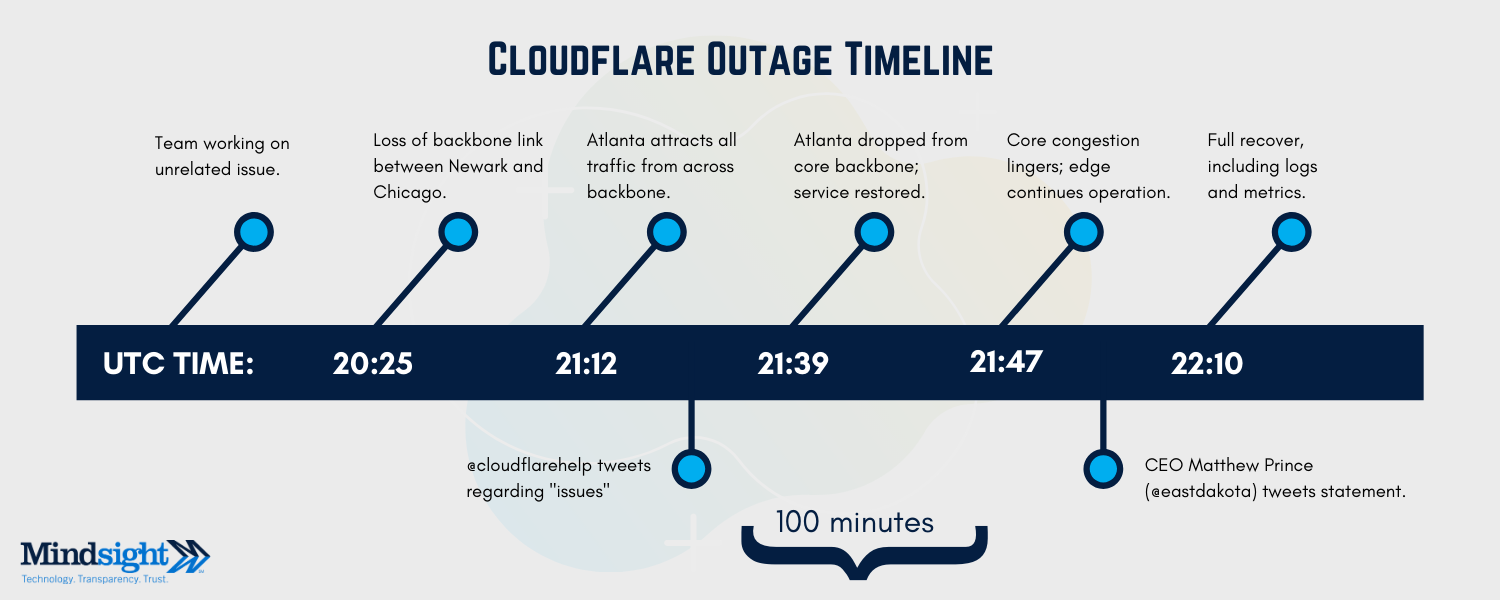
The Cloudflare Incident
In June 2020, a Cloudflare outage took down a significant portion of the internet. The issue stemmed from a faulty router configuration that propagated through its network, affecting services like Discord and Down Detector.
Lessons Learned:
- Network Configuration Management: Robust validation and testing can prevent propagation of errors.
- Redundancy Planning: Multi-path routing and failover mechanisms can mitigate impact.
AWS S3 Outage
In 2017, an AWS S3 outage in the Northern Virginia region impacted a vast number of sites and services. The root cause was a human error during a routine maintenance task.
Impact and Insights:
- Human Factors: Automation and rigorous change management can reduce the risk of human error.
- Visibility: Comprehensive monitoring tools can provide early warnings and insights into outages.
Mitigation Strategies
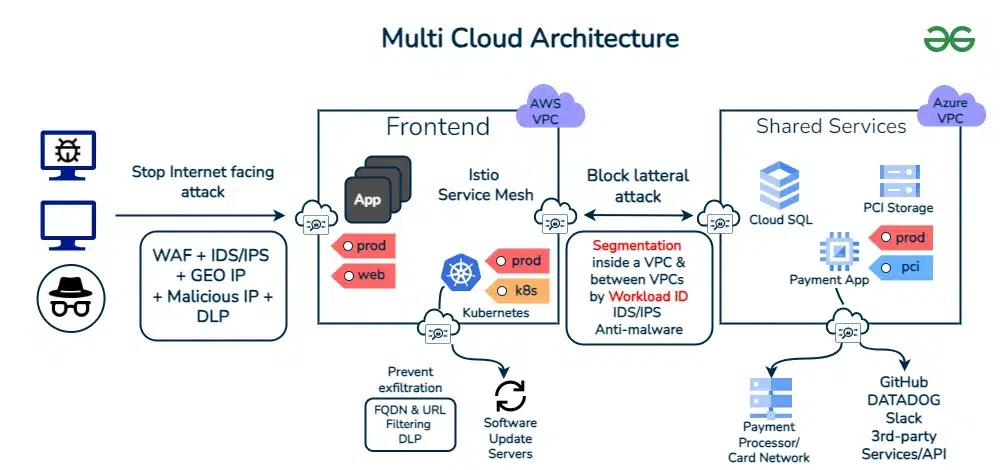
Multi-Cloud Architectures
Utilizing multiple cloud providers can reduce dependency on a single vendor. This approach offers geographical distribution and risk mitigation.
Implementation Tips:
- Data Synchronization: Ensure consistent data across cloud platforms with automated sync tools.
- Load Balancing: Distribute traffic dynamically to optimize performance and availability.
Robust DNS Configurations
Implementing redundant DNS setups can prevent outages from affecting accessibility.
Best Practices:
- Secondary DNS Providers: Use multiple DNS services to distribute risk.
- DNSSEC: Enable DNS Security Extensions to prevent spoofing and ensure data integrity.
CDN Strategies
To mitigate CDN outages, businesses can leverage multiple CDNs or configure fallback mechanisms.
Practical Steps:
- Dual CDN Setup: Implement two CDNs with automatic failover.
- Edge Caching: Utilize edge computing to cache content closer to end-users.
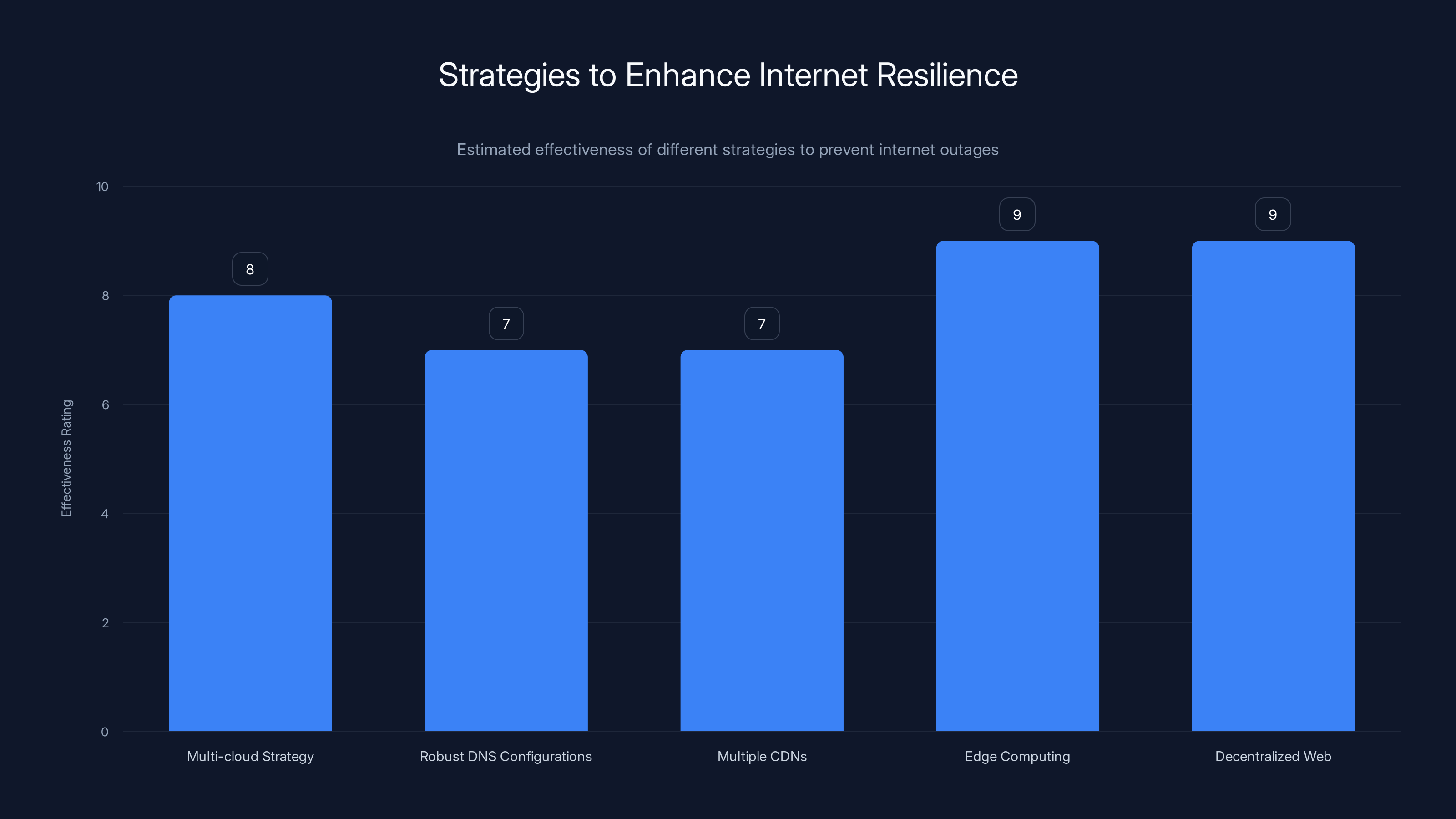
Edge computing and a decentralized web are estimated to be the most effective strategies in enhancing internet resilience by reducing single points of failure. (Estimated data)
Future Trends in Internet Resilience
Decentralized Web Technologies
Emerging decentralized technologies, such as IPFS (Inter Planetary File System) and blockchain, offer potential pathways to a more resilient internet by reducing reliance on centralized servers.
Potential Benefits:
- Redundancy: Content is distributed across numerous nodes, minimizing single points of failure.
- Security: Enhanced privacy and tamper resistance through cryptographic protocols.
Edge Computing
Edge computing brings processing closer to data sources, reducing latency and bandwidth use while increasing availability.
Advantages:
- Local Processing: Data processing at the edge reduces dependency on central servers.
- Scalability: More efficient scaling by distributing workloads across edge devices.

Common Pitfalls and Solutions
Over-Reliance on Single Providers
Many companies fall into the trap of over-relying on a single provider due to convenience or cost considerations.
Solution:
- Diversify providers and services to build resilience and avoid vendor lock-in.
Insufficient Testing and Monitoring
Lack of thorough testing and monitoring can lead to prolonged outages.
Solution:
- Implement automated testing environments and comprehensive monitoring solutions to identify and address potential issues proactively.

Best Practices for Resilience
Regular Disaster Recovery Drills
Conducting regular drills ensures that teams are prepared for actual outages.
Key Components:
- Scenario Planning: Develop and practice responses to various outage scenarios.
- Communication: Establish clear communication channels and protocols.
Continuous Improvement
Resilience is an ongoing process that requires regular evaluation and adaptation.
Strategies:
- Feedback Loops: Use post-incident reviews to identify improvements.
- Emerging Technologies: Stay informed about and integrate new technologies that enhance resilience.
Conclusion
The internet's interconnectedness is both its greatest strength and its Achilles' heel. While outages are inevitable, understanding the underlying dependencies and implementing strategic defenses can significantly mitigate their impact. As technology evolves, so too must our approaches to building a more resilient internet.
FAQ
What is a single point of failure?
A single point of failure is a part of a system that, if it fails, will stop the entire system from working. In the context of the internet, it refers to critical infrastructure components whose failure can lead to widespread service disruptions.
How can businesses protect themselves from internet outages?
Businesses can protect themselves by adopting multi-cloud strategies, implementing robust DNS configurations, and using multiple CDNs to ensure redundancy and minimize the impact of outages.
Why are cloud providers a risk for internet outages?
Cloud providers centralize a vast amount of web hosting, meaning an outage can affect many services simultaneously. Diversifying providers can help mitigate this risk.
What role do CDNs play in internet resilience?
CDNs cache content closer to users, improving performance and reliability. However, their widespread use means outages can have significant impacts, highlighting the need for redundancy.
How does edge computing enhance internet resilience?
Edge computing processes data closer to its source, reducing latency and reliance on central servers. This enhances availability and scalability, contributing to greater resilience.
What are the benefits of a decentralized web?
A decentralized web distributes data across many nodes, reducing single points of failure and enhancing privacy and security through cryptographic protocols.
What should companies do after an outage?
Post-outage, companies should conduct reviews to identify weaknesses, improve processes, and integrate new technologies to bolster future resilience.
Key Takeaways
- Understand the interconnected nature of internet services and their vulnerabilities.
- Adopt multi-cloud and multi-CDN strategies to mitigate risk.
- Implement robust DNS configurations to prevent accessibility issues.
- Explore edge computing and decentralized technologies for future resilience.
- Regularly test and monitor systems to prepare for outages.
- Diversify providers to avoid single points of failure.
- Conduct post-incident reviews to continuously improve resilience.
Related Articles
- Understanding Sony's PlayStation DRM and License Authentication [2025]
- Understanding Microsoft's Copilot: 20 Million Users and Counting [2025]
- It Runs Doom: AI Chatbot Edition [2025]
- Why FOMO Drives Enterprises to Waste GPUs and Pushes Prices Higher [2025]
- AWS and OpenAI Forge New Cloud Partnership [2025]
- Evolving Observability Architecture for Cloud-Scale Event Data [2025]


