
![Why NASA Astronauts Chose a Decade-Old DSLR for Iconic Moon and Earth Photos [2025]](https://tryrunable.com/blog/why-nasa-astronauts-chose-a-decade-old-dslr-for-iconic-moon-/image-1-1775583293123.jpg)
Introduction
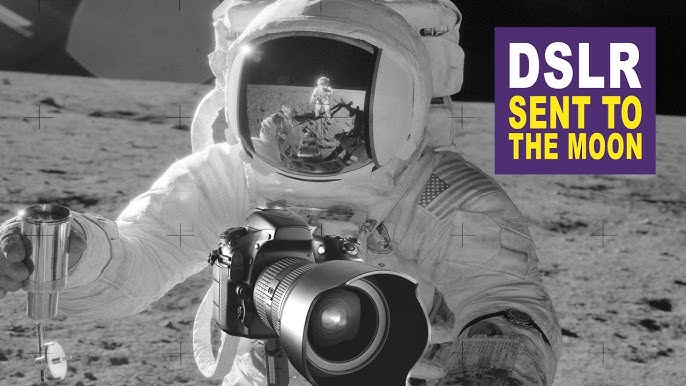
In the age of cutting-edge technology and rapid advancements in photography equipment, it might seem counterintuitive that NASA astronauts would choose to use a decade-old DSLR camera to capture some of the most iconic images of the moon and Earth. Yet, that's exactly what happened, and there's a fascinating blend of technical, practical, and strategic reasons behind this decision. This article delves into why a seemingly outdated piece of technology was the preferred choice for astronauts, examining the technical details, use cases, and future implications of this choice.
TL; DR
- Reliability Over Novelty: Decade-old DSLRs offer proven durability in extreme conditions.
- Customization Potential: Older models allow for highly specific modifications for space missions.
- Resource Efficiency: Utilizing existing, reliable technology saves on training and costs.
- Technical Constraints: Space missions have unique technical requirements that favor simplicity.
- Trend Towards Simplicity: Future space missions might favor proven tech over the latest gadgets.
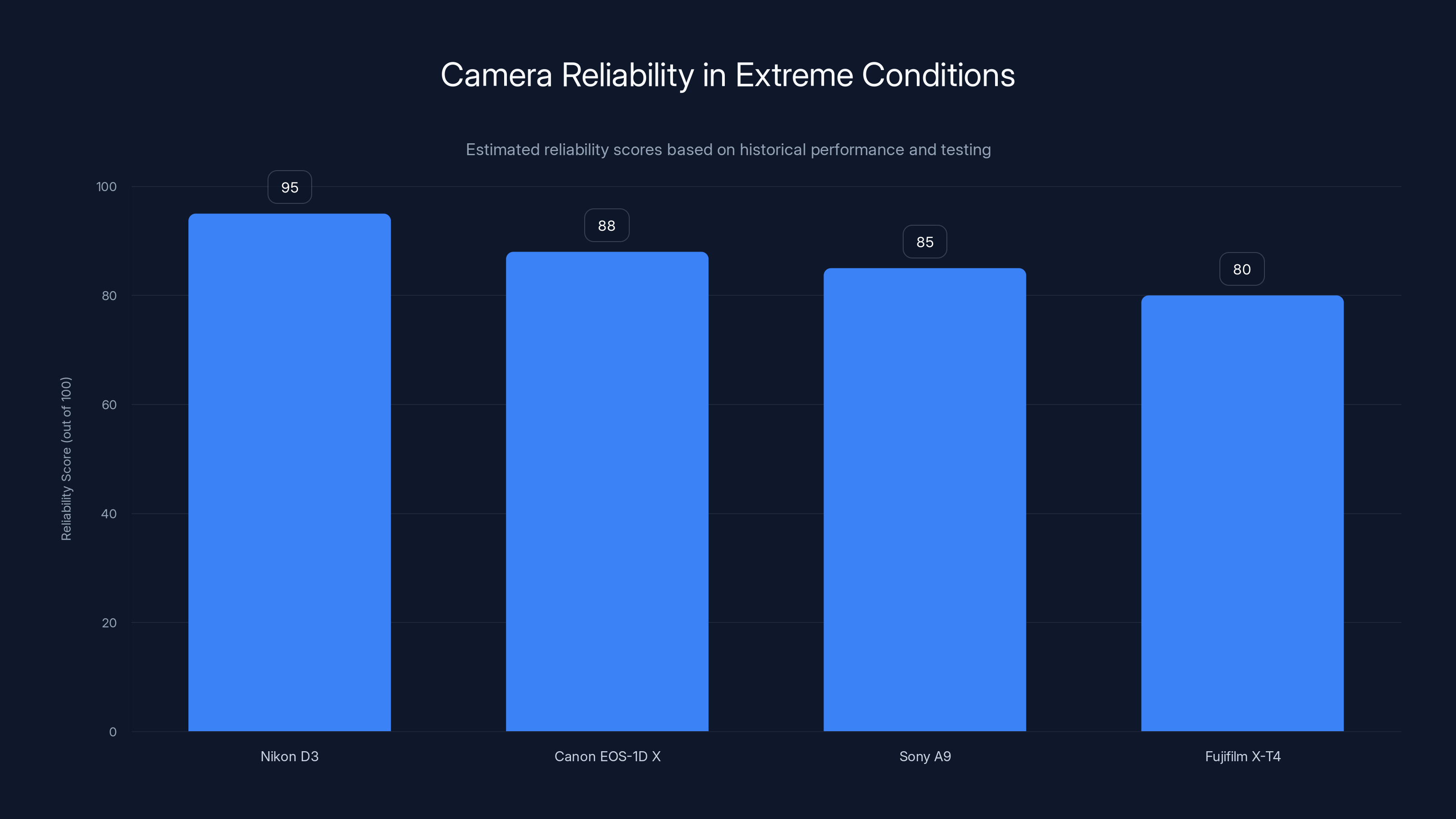
The Nikon D3 scores highest in reliability for extreme conditions, attributed to its extensive testing and proven track record. Estimated data based on historical performance.
The Context of the Decision
It's important to understand the context in which NASA made the decision to use older DSLR models. Space missions are not just about the destination—they're about the journey, preparation, and meticulous planning. The technology used on these missions must meet the rigorous demands of space travel, and modern innovations aren't always the best fit. According to National Geographic, the choice of equipment is crucial for mission success.
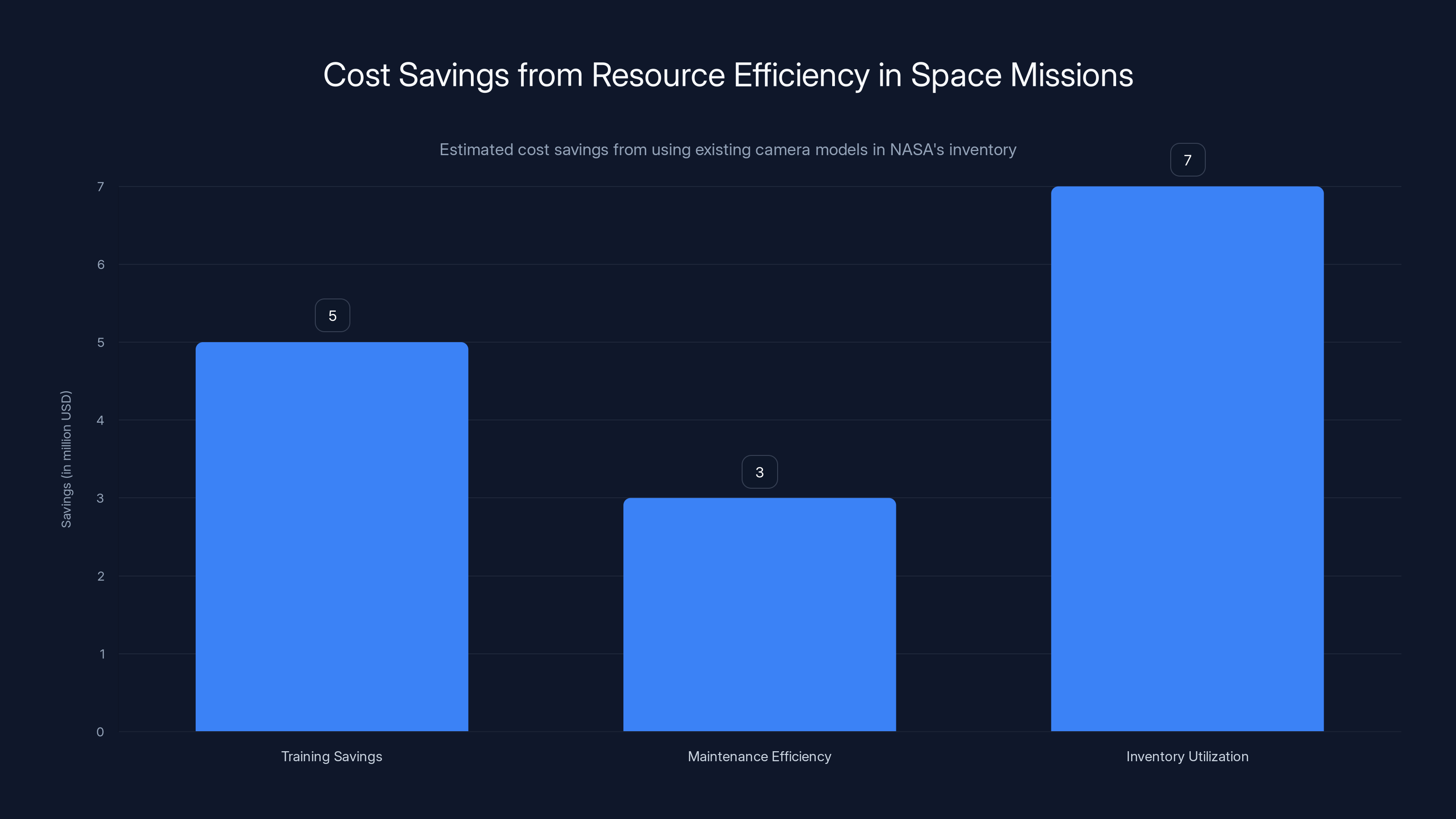
Estimated data shows significant cost savings by using existing camera models, with inventory utilization providing the highest savings.
Reliability in Extreme Conditions
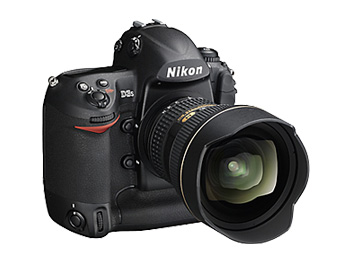
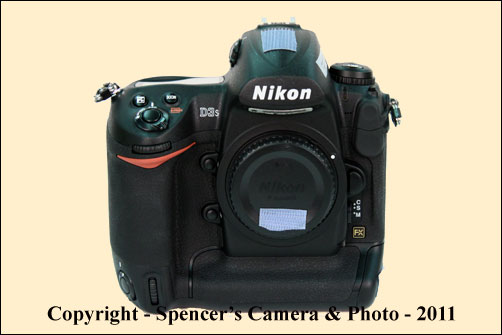
Here's the thing: space is an incredibly harsh environment. Temperatures swing from extremely cold to scalding hot depending on solar exposure. Equipment must withstand these conditions while still functioning perfectly. Older DSLR cameras, like the Nikon D3, have proven their reliability in such extreme environments. This model, used by NASA, has a track record of durability that newer models simply haven't had the opportunity to establish. As noted by RedShark News, the Nikon D3's durability is unmatched in space conditions.
Why Older Models?
- Proven Track Record: The Nikon D3 was first released in 2007 and quickly became a favorite among professional photographers for its robustness.
- Known Performance: Unlike newer models, older cameras have more documented performance metrics in various conditions.
- Extensive Testing: NASA has rigorously tested these models, ensuring they meet the stringent requirements for space missions.
Customization and Modifications
One of the major advantages of using older technology is the ability to customize and modify it according to specific mission needs. The Nikon D3, for example, has been modified extensively to suit the unique requirements of space photography, as highlighted by PetaPixel.
Key Modifications
- Components Adjustments: Alterations to the camera's internal mechanics to handle zero-gravity conditions.
- Temperature Resilience: Additional insulation to manage the extreme temperature fluctuations in space.
- Ergonomics: Custom grips and controls to accommodate astronauts in bulky space suits.
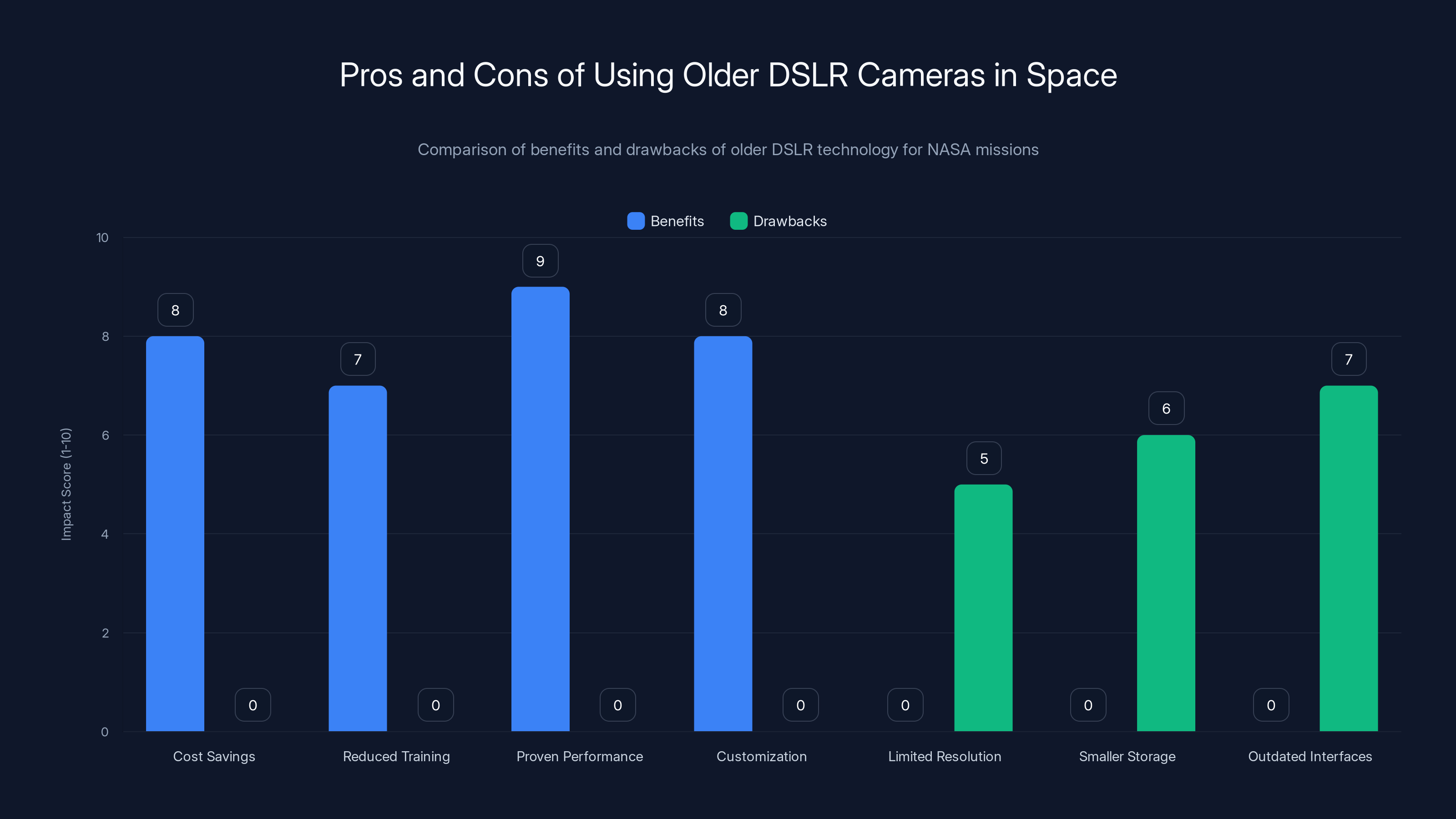
Older DSLR cameras offer significant benefits such as cost savings and proven performance, but face drawbacks in resolution and storage. Estimated data.
Resource Efficiency
Real talk: Space missions are expensive. Every component is scrutinized for cost-effectiveness and utility. By utilizing cameras already available in NASA's inventory, they save on both financial resources and training time. Astronauts are familiar with these models, reducing the learning curve and minimizing potential errors during missions. As reported by NASA, resource efficiency is a key consideration in mission planning.
Cost Considerations
- Training Savings: Astronauts already trained on these models don't require additional sessions.
- Maintenance Efficiency: Older models have established maintenance protocols, simplifying repair and upkeep.
- Inventory Utilization: Leveraging existing equipment helps manage NASA's stringent budget constraints.
Technical Constraints of Space
Unlike Earth, space presents a unique set of challenges that influence the choice of photographic equipment. Weight, power consumption, and the ability to function in vacuum conditions are all critical factors. According to E&E News, these constraints are pivotal in equipment selection.
Why DSLRs?
- Power Efficiency: DSLRs like the Nikon D3 are less power-hungry than modern mirrorless cameras, conserving precious battery life on missions.
- Mechanical Shutter: The mechanical components of DSLRs are less prone to issues in the vacuum of space compared to electronic systems.
- Weight and Balance: The weight distribution and solid build of older DSLRs provide stability when capturing images in zero gravity.
Common Pitfalls and Solutions
Even with their many advantages, using decade-old technology isn't without challenges. However, the key is in anticipating these issues and preparing solutions.
Potential Challenges
- Limited Resolution: While adequate for most purposes, older DSLRs don't match the resolution of newer models.
- Storage Constraints: They often have smaller storage capacities.
- Interface Limitations: Older interfaces may not support modern connectivity standards.
Solutions
- Resolution Enhancements: Using software to enhance image quality post-capture.
- External Storage: Employing external storage solutions to compensate for limited internal capacity.
- Interface Adapters: Developing specialized adapters to bridge connectivity gaps.
Future Trends in Space Photography
Looking ahead, the trend may continue towards using reliable, tested technology rather than the latest gadgets. As private space travel expands, the focus on reliability over novelty could become even more pronounced. As discussed in Barron's, this trend is likely to shape future missions.
Recommendations
- Continuous Testing: Ongoing testing of both old and new technology to ensure preparedness for future missions.
- Hybrid Systems: Combining old reliable systems with modern advancements for the best of both worlds.
- Sustainable Practices: Emphasizing sustainability and resource efficiency in equipment choices.
Conclusion
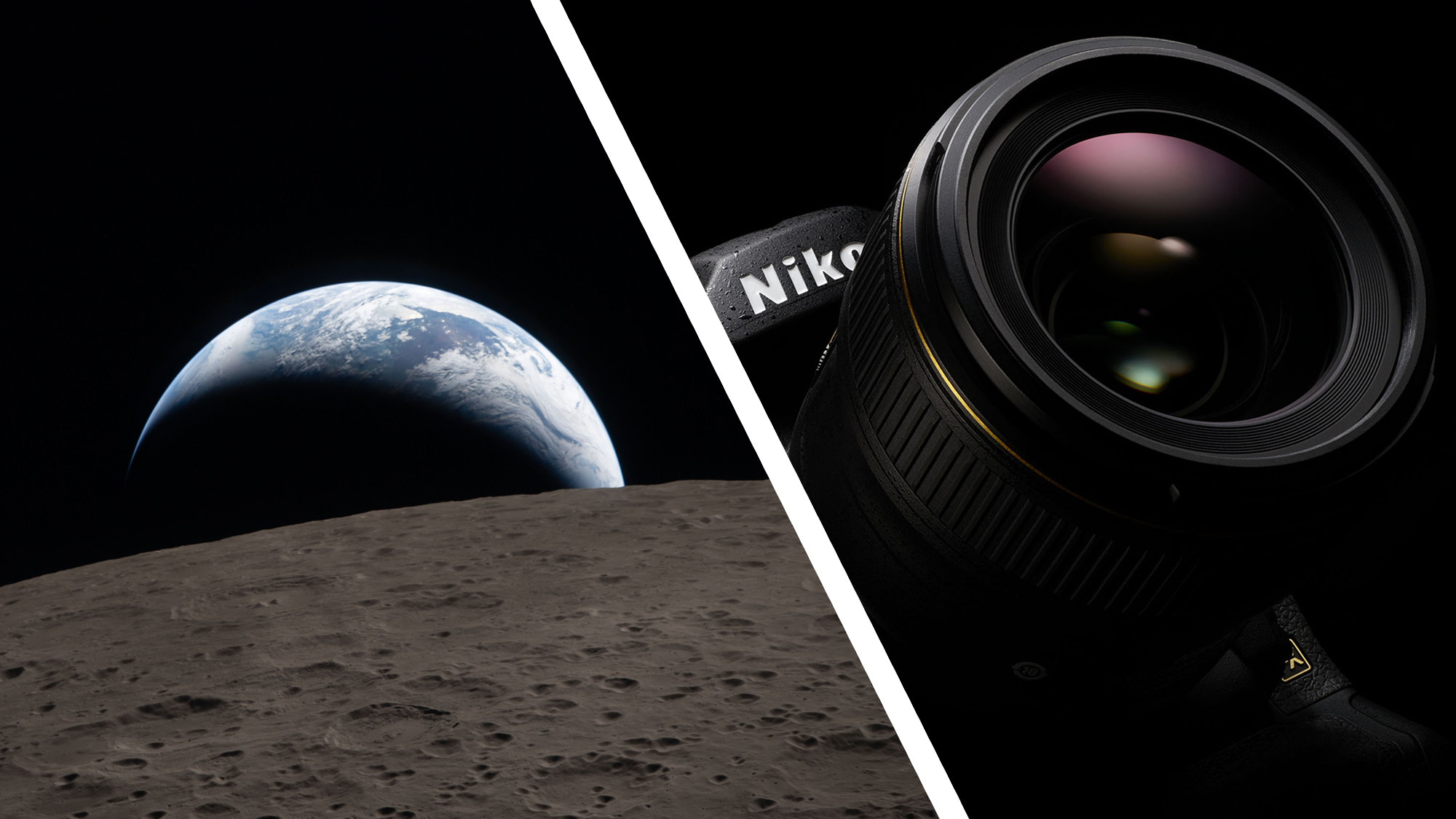
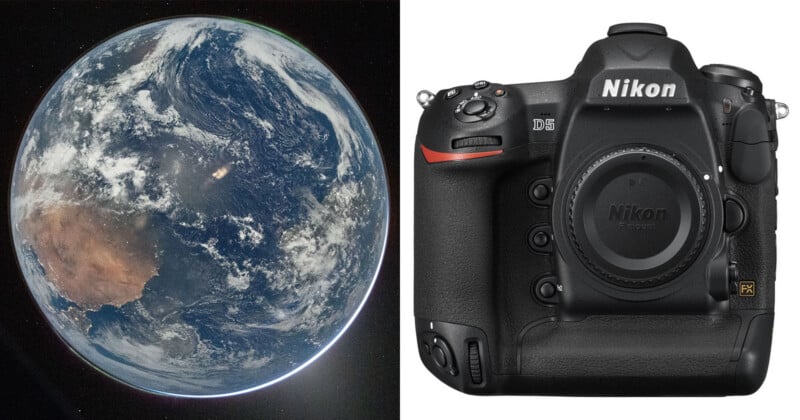
NASA's decision to use decade-old DSLR cameras like the Nikon D3 for capturing the moon and Earth is a testament to the importance of reliability, customization, and resource efficiency in space missions. As technology continues to evolve, the balance between innovation and proven reliability will remain crucial. Future space missions will likely continue to rely on a blend of old and new technologies, ensuring that the equipment is as reliable as the astronauts themselves.

FAQ
Why did NASA choose a decade-old DSLR for space photography?
NASA chose a decade-old DSLR like the Nikon D3 because of its proven reliability and durability in extreme conditions, which is crucial for space missions.
How are older DSLR cameras modified for space missions?
Older DSLR cameras are modified with custom components, additional insulation, and ergonomic adjustments to handle the unique challenges of space photography, such as zero-gravity and extreme temperatures.
What are the benefits of using older technology in space missions?
Benefits include cost savings, reduced training time, proven track records of performance, and the ability to customize equipment to meet specific mission needs.
Are there any drawbacks to using older DSLR cameras in space?
Drawbacks include limited resolution, smaller storage capacities, and outdated interfaces, but these can be mitigated with modern software and external solutions.
How does NASA ensure the reliability of older technology?
NASA conducts extensive testing and customization to ensure that older technology meets the stringent requirements of space missions and can withstand the harsh conditions of space.
What future trends might influence space photography equipment choices?
Future trends may include a continued focus on reliability, hybrid systems combining old and new technology, and sustainable practices in equipment choices.
Key Takeaways
- Reliability in extreme conditions is more critical than having the latest technology in space missions.
- Customization potential of older equipment can tailor technology to specific space mission needs.
- Resource efficiency, including cost and training, is a priority for NASA's equipment choices.
- Technical constraints of space require equipment that can handle unique challenges like zero gravity.
- Future trends may continue to favor proven technologies over novelty in space exploration.
Related Articles
- Sony's Bold New Service: Bringing Players Into PlayStation Games [2025]
- Stunning Solar Eclipse Photos from Artemis II Crew [2025]
- Unfolding Delays: The Real Story Behind Apple's Foldable iPhone [2025]
- Quantum Computing's Looming Threat to Bitcoin Encryption [2025]
- Inside the Shadowy World of Modern Scam Factories: Lessons from a Bombed Casino Near the Cambodia–Thailand Border [2025]
- Why Vertical Browser Tabs Are the Future of Browsing [2025]


