
![Why Most Agentic AI Projects Fail and How to Avoid Being One of Them [2025]](https://tryrunable.com/blog/why-most-agentic-ai-projects-fail-and-how-to-avoid-being-one/image-1-1775559875178.jpg)
Why Most Agentic AI Projects Fail and How to Avoid Being One of Them [2025]
Agentic AI, systems that can autonomously plan, execute, and adapt tasks, promises to revolutionize industries. Yet, many projects falter before reaching their full potential. Let's dive into why these projects fail and how you can sidestep common pitfalls to build a successful agentic AI system.
TL; DR
- Data Quality Issues: Poor data integration leads to inaccurate outputs. According to AIMultiple, maintaining high data quality is crucial for AI success.
- Lack of Governance: Missing oversight results in unpredictable AI behavior. The role of humans in AI oversight is essential to ensure ethical AI operations.
- Complex Integration: Systems struggle to connect with existing infrastructures. Deloitte's insights highlight the challenges of integrating AI into existing systems.
- Scalability Challenges: Many projects can't handle larger datasets and user bases. Amazon's report on European businesses indicates scaling challenges as a significant hurdle.
- Bottom Line: Establish robust foundations in data and governance to succeed.
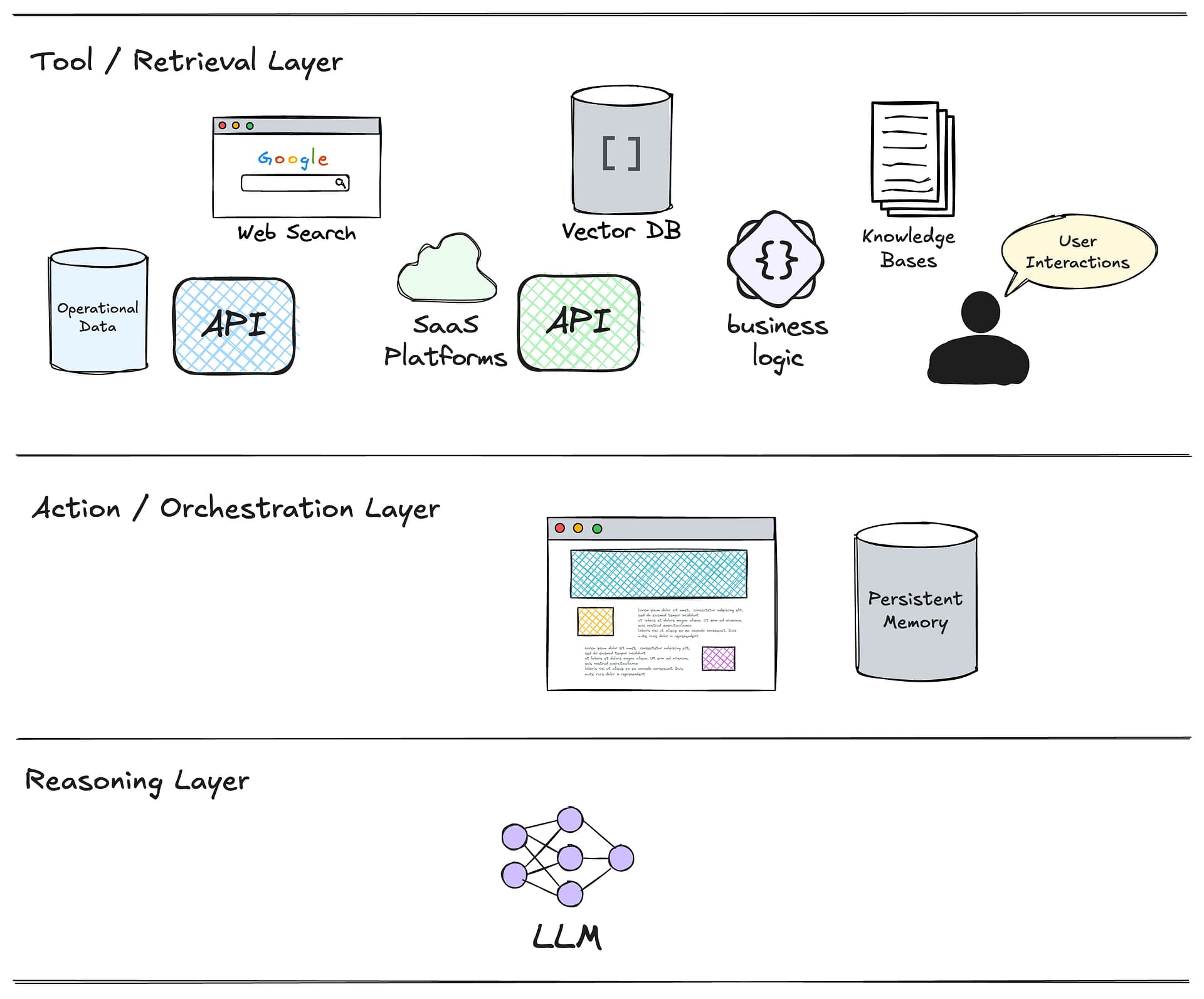
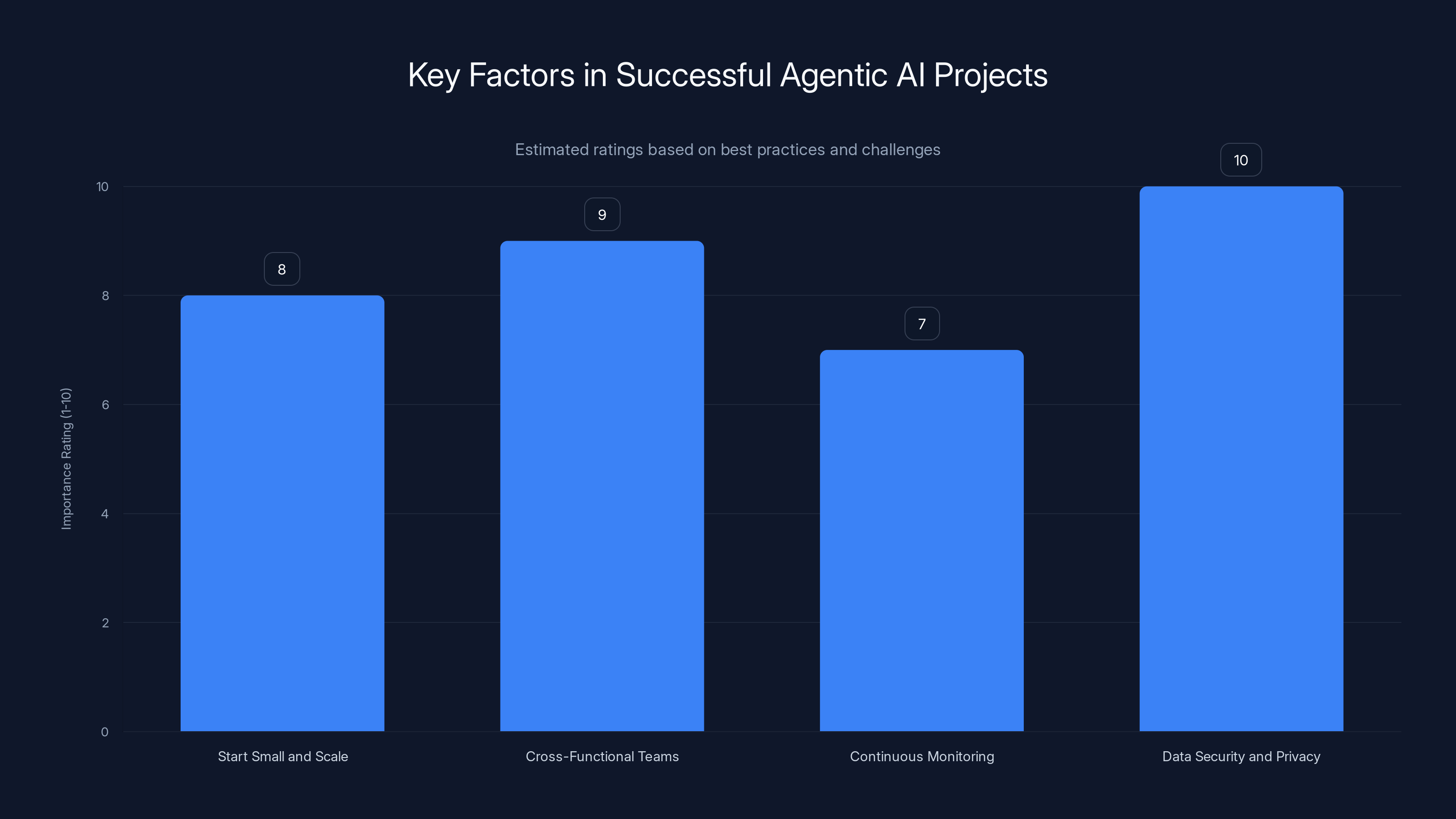
Data security and privacy are rated as the most critical factors in successful agentic AI projects, highlighting the need for robust protections. (Estimated data)
Understanding Agentic AI
Agentic AI refers to systems designed to autonomously perform tasks, make decisions, and adapt based on environmental changes. Unlike traditional AI, which follows strict programming, agentic AI operates with a degree of independence.
Core Components
- Autonomy: The ability to operate without human intervention.
- Learning: Utilizing machine learning to improve over time.
- Adaptability: Adjusting to new data or environments seamlessly.
Real-World Examples
Agentic AI is used in diverse fields:
- Autonomous Vehicles: Navigating roads and traffic independently, as demonstrated by Autobrains' application of agentic AI in automotive technology.
- Smart Manufacturing: Optimizing production lines in real-time, a trend noted by Deloitte.
- Healthcare Diagnostics: Identifying diseases through deep learning algorithms, as explored in Nature's research on AI in healthcare.
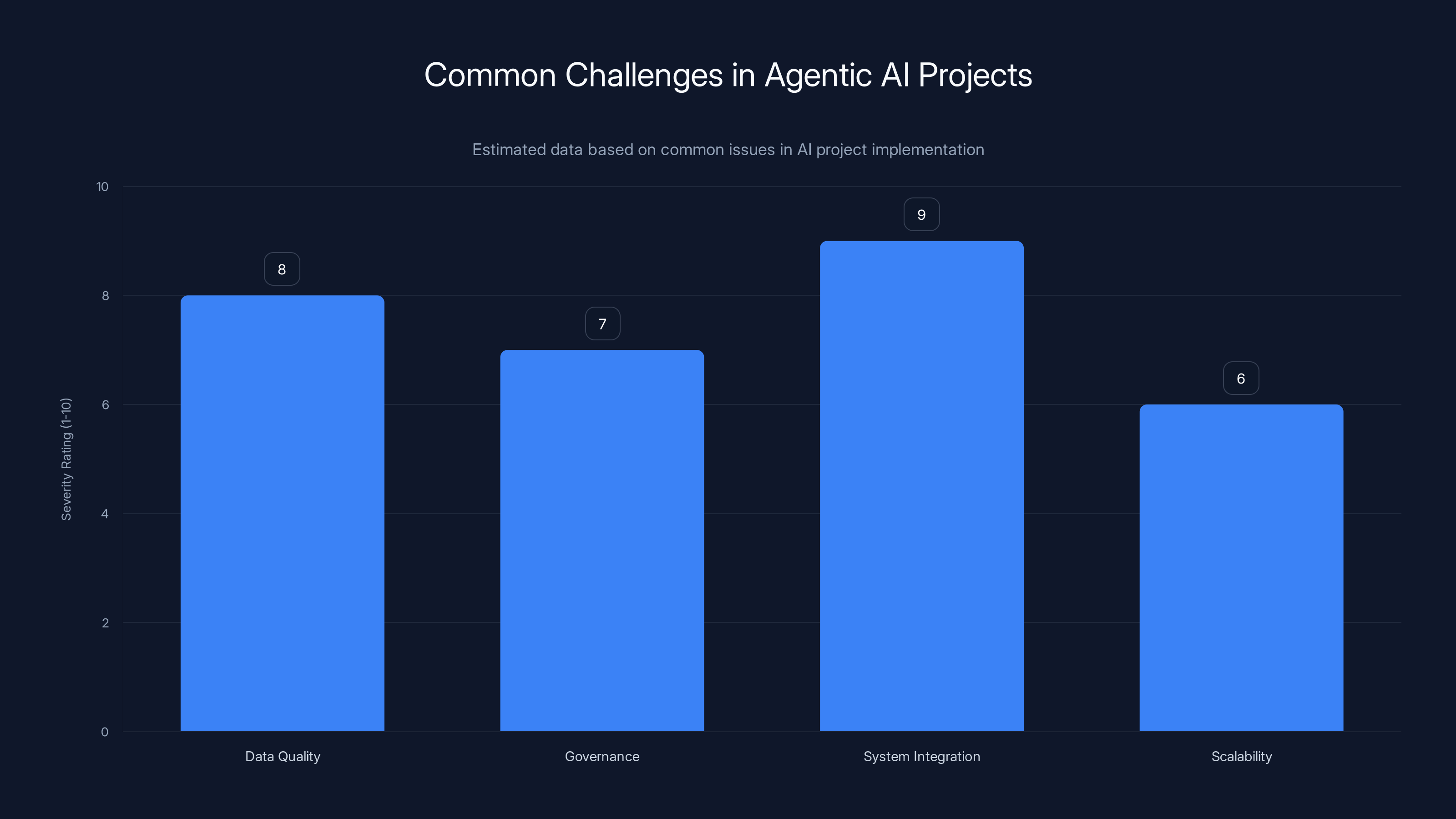
System integration and data quality are the most severe challenges in agentic AI projects, with governance and scalability also posing significant issues. Estimated data.
Why Agentic AI Projects Fail
Despite the potential, many agentic AI projects never fully launch. Here's why:
1. Data Quality and Integration
Agentic AI relies on vast, high-quality datasets to function correctly. Poor data quality leads to erroneous outputs.
- Inconsistent Data: Variability in data formats and sources can confuse AI systems.
- Integration Complexities: Merging data from disparate systems is challenging.
Solution: Use data cleansing tools and establish standardized data formats, as recommended by AIMultiple.
2. Lack of Governance
Without proper oversight, AI systems can behave unpredictably, leading to ethical and operational issues.
- Unclear Accountability: Who oversees AI decisions?
- Bias and Fairness: AI may inherit biases from data.
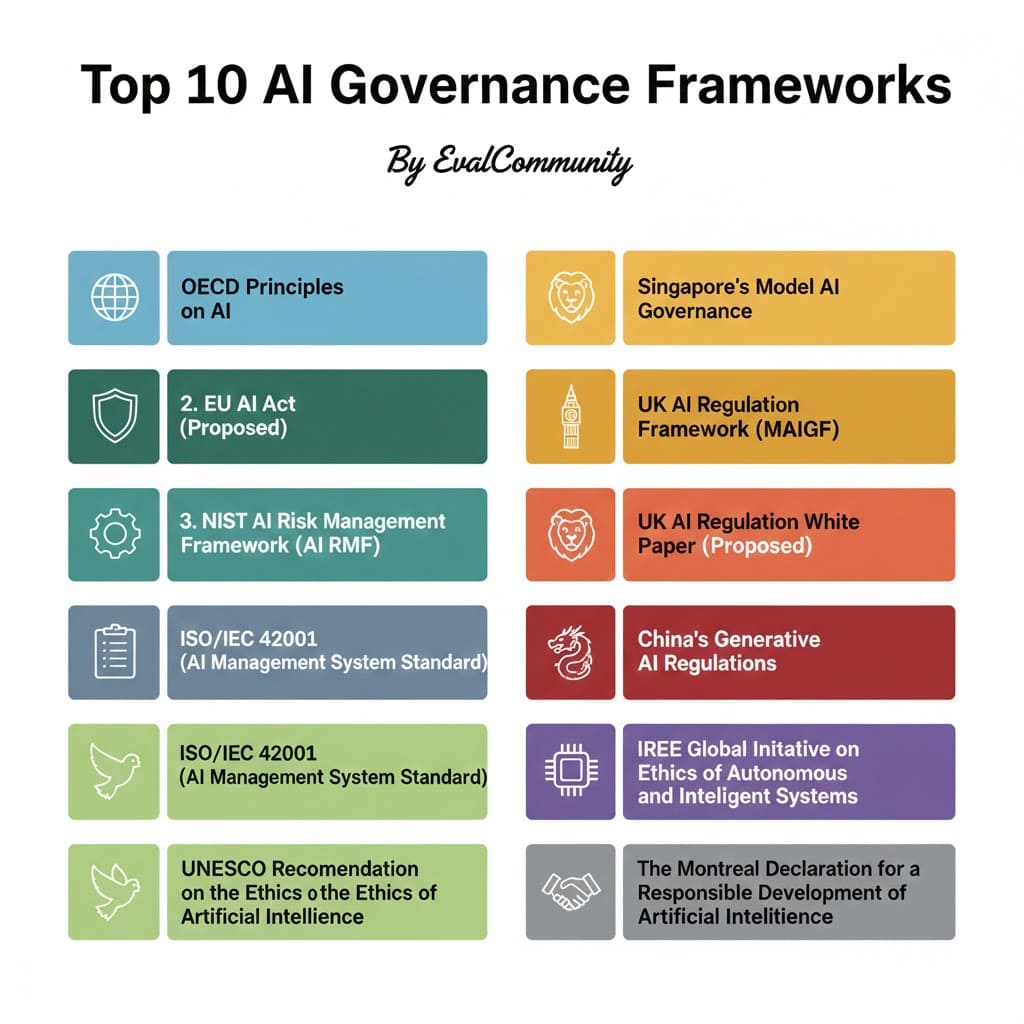
Solution: Implement a governance framework with clear ethics guidelines, as emphasized by Cornerstone OnDemand.
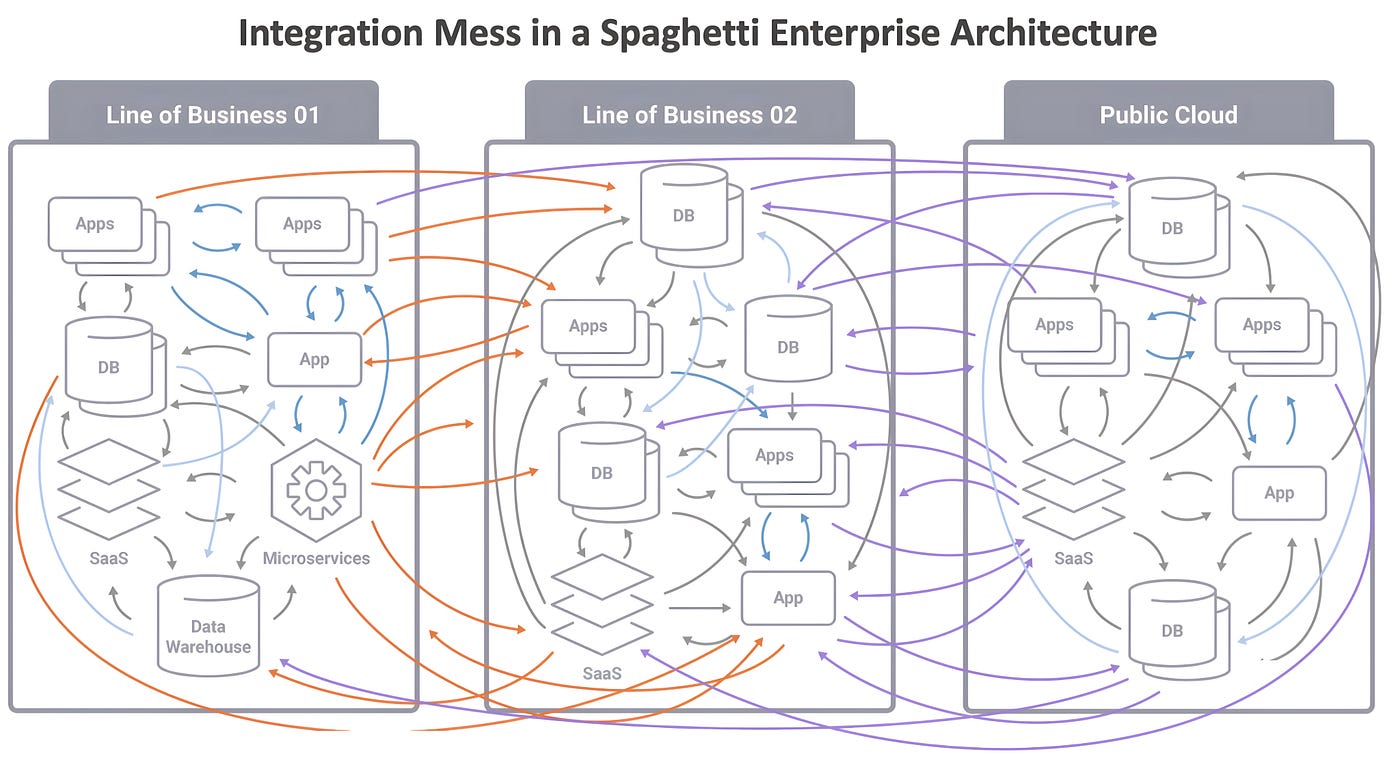
3. Complex System Integration
Agentic AI must integrate with existing IT infrastructures, which can be cumbersome.
- Legacy Systems: Older systems may not support AI integration.
- API Limitations: Limited API capabilities can hinder communication.
Solution: Incremental integration with middleware solutions that bridge modern and legacy systems, as suggested by Deloitte.
4. Scalability Issues
Many agentic AI projects are not designed to scale, limiting their ability to handle larger datasets or more users.
- Resource Constraints: Insufficient computational power or storage.
- Architecture Limitations: Designs that don't support scaling.
Solution: Use cloud-based solutions that offer scalable resources on-demand, such as those provided by AWS.
Implementing Successful Agentic AI Projects
Best Practices
- Start Small and Scale: Begin with small, manageable projects to test and validate ideas.
- Cross-Functional Teams: Collaborate across departments to leverage diverse expertise.
- Continuous Monitoring: Regularly review AI outputs to ensure accuracy and relevance.
Practical Implementation Steps
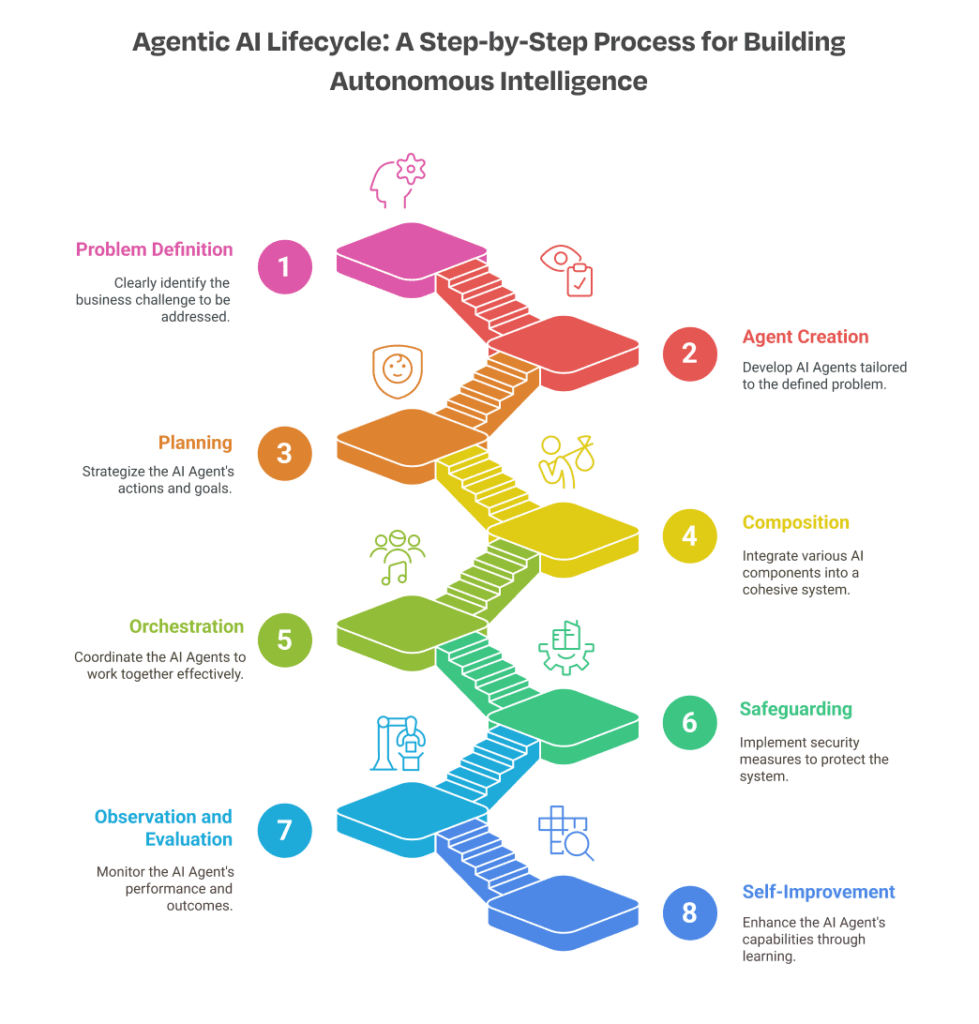
Step 1: Define Clear Objectives
Outline the goals and expected outcomes of your AI project from the start.
Step 2: Build a Robust Data Foundation
Ensure data is clean, accurate, and easily accessible.
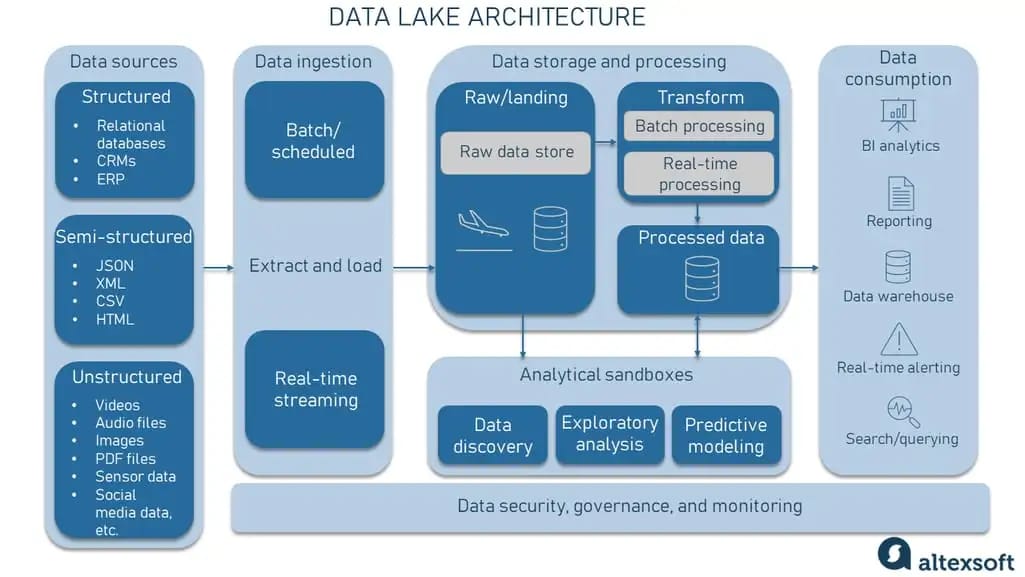
- Data Lakes: Centralized repositories for structured and unstructured data.
- ETL Processes: Extract, transform, and load data efficiently.
Step 3: Develop an Iterative Model
Use agile methodologies to refine AI models progressively.
- Frequent Testing: Continuously test models against real-world scenarios.
- Feedback Loops: Implement systems for capturing user feedback to improve AI.
Step 4: Prioritize Security and Privacy
AI systems often handle sensitive data, necessitating stringent security measures.
- Encryption: Protect data at rest and in transit.
- Access Controls: Limit data access to authorized personnel only.
Tools and Technologies
- Cloud Platforms: AWS, Azure, and Google Cloud provide scalable AI resources.
- Machine Learning Frameworks: TensorFlow and PyTorch for building complex models.
- Data Integration Tools: Apache Kafka and MuleSoft for seamless data flow.

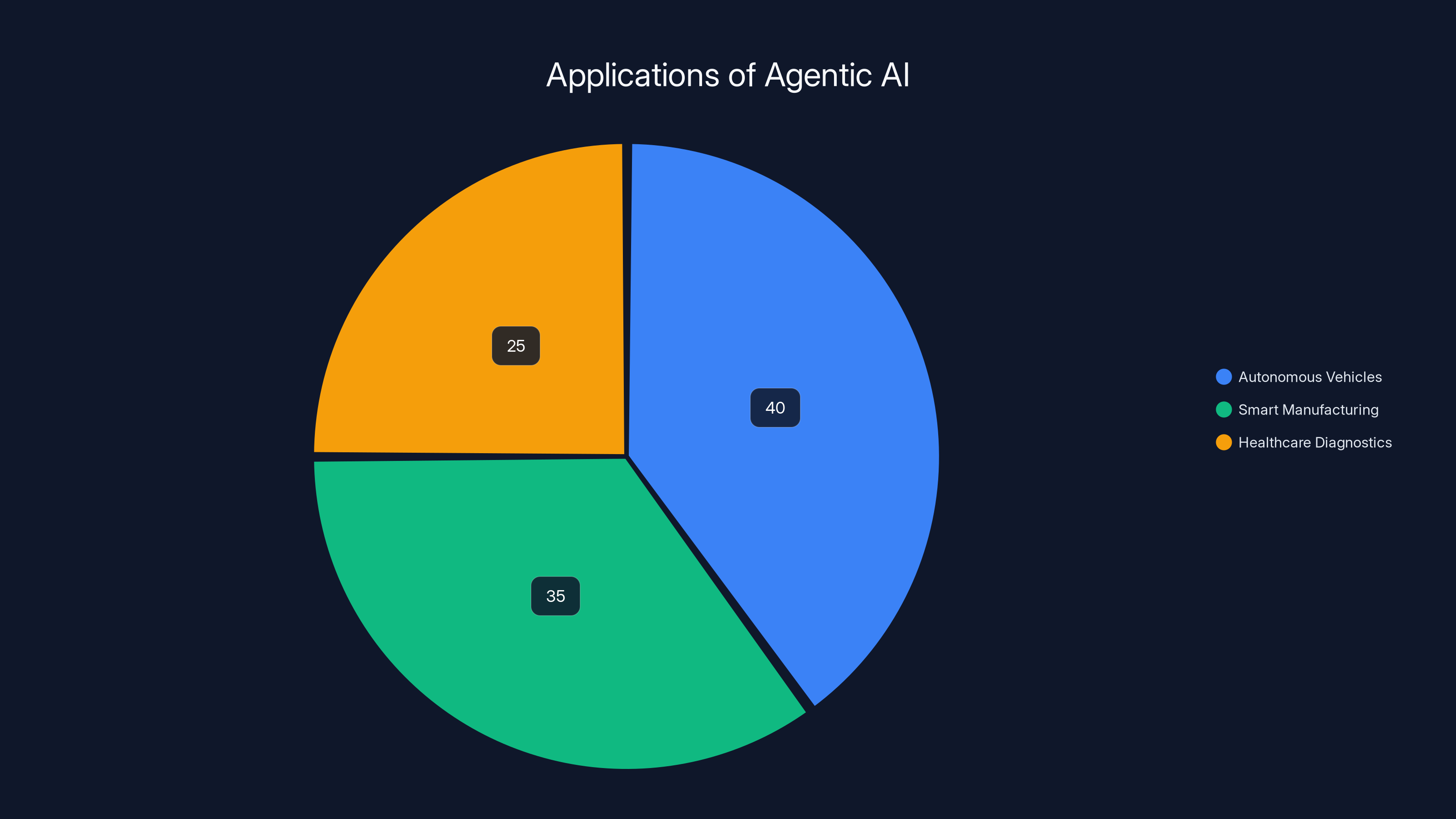
Agentic AI is predominantly used in autonomous vehicles, followed by smart manufacturing and healthcare diagnostics. Estimated data.
Overcoming Challenges with Agentic AI
Common Pitfalls
- Over-Promising: Setting unrealistic expectations leads to project failure.
- Underestimating Complexity: AI systems are intricate and require extensive resources.
Solutions
- Realistic Planning: Set achievable milestones and deliverables.
- Comprehensive Training: Train teams thoroughly on AI technologies and best practices.
Future of Agentic AI
Emerging Trends
- Edge Computing: Running AI models at the data source to reduce latency.
- Explainable AI (XAI): Making AI decisions transparent to users.
- AI Ethics: Increased focus on ethical AI use and decision-making.
Prediction: By 2030, agentic AI will be integral to most large-scale enterprises, transforming operations across sectors, as noted in McKinsey's report.
Recommendations
- Invest in Workforce Education: Keep teams updated on the latest AI trends and technologies.
- Collaborate with AI Experts: Partner with AI specialists for guidance and innovation.
- Adopt a Forward-Thinking Mindset: Stay open to new AI developments and be ready to pivot strategies.
Conclusion
Agentic AI has the potential to revolutionize industries by automating and optimizing complex tasks. However, success hinges on addressing key challenges in data quality, governance, and integration. By implementing best practices and staying informed on emerging trends, businesses can unlock the full potential of agentic AI.
Use Case: Automate your data processing workflows with Runable's AI-powered platform, designed to streamline operations with ease.
Try Runable For Free
FAQ
What is agentic AI?
Agentic AI refers to autonomous systems capable of planning, executing, and adapting tasks without human intervention.
How does agentic AI work?
It leverages machine learning to learn from data, adapt to new information, and make decisions independently.
What are the benefits of agentic AI?
Benefits include increased efficiency, reduced operational costs, and the ability to handle complex tasks autonomously, as supported by Forrester.
Why do agentic AI projects fail?
Common reasons include poor data quality, lack of governance, complex integration, and scalability issues.
How can I ensure my agentic AI project succeeds?
Implement best practices like clear objectives, robust data foundations, continuous monitoring, and cross-functional collaboration.
What are future trends in agentic AI?
Trends include edge computing, explainable AI, and a greater focus on AI ethics.
Key Takeaways
- Data quality and governance are critical for agentic AI success.
- Integration with existing systems is a common hurdle.
- Scalability must be planned from the start to handle growth.
- Emerging trends like edge computing and XAI are shaping the future.
- Continuous monitoring and realistic planning are essential.
Related Articles
- Building Private AI: Control, Compliance, and Competitive Edge [2025]
- The Rise and Fall of Grammarly’s ‘Expert Review’ AI Feature [2025]
- Why AI Agents are Indispensable in Today's Work Environment [2025]
- Fujitsu's Revolutionary AI Tool: Transforming Decades of COBOL into Design Documents [2025]
- Behind the Wheel: The Hidden Role of Remote Operators in Robotaxis [2025]
- Can a MacBook Neo Handle Everyday Work? Expert Review and Insights [2025]


