
![Understanding Human Reactions on the Road: How Waymo's Virtual Driver is Shaping the Future of Autonomous Vehicles [2025]](https://tryrunable.com/blog/understanding-human-reactions-on-the-road-how-waymo-s-virtua/image-1-1781082187827.jpg)
Introduction
In the fast-evolving world of autonomous vehicles, understanding human behavior is crucial. Waymo, a leader in self-driving technology, has taken a novel approach by developing a virtual driver to study how humans react to surprises on the road. This development not only advances our understanding of human-vehicle interaction but also paves the way for safer autonomous driving systems.
TL; DR
- Waymo's virtual driver: A tool to study human reactions to unpredictable road events.
- Focus on safety: Enhances understanding of human behavior to improve autonomous vehicle responses.
- Real-world simulations: Virtual driver replicates complex driving scenarios.
- AI integration: Uses machine learning to predict and adapt to human behavior.
- Future trends: Insights could lead to more intuitive and safer autonomous vehicles.
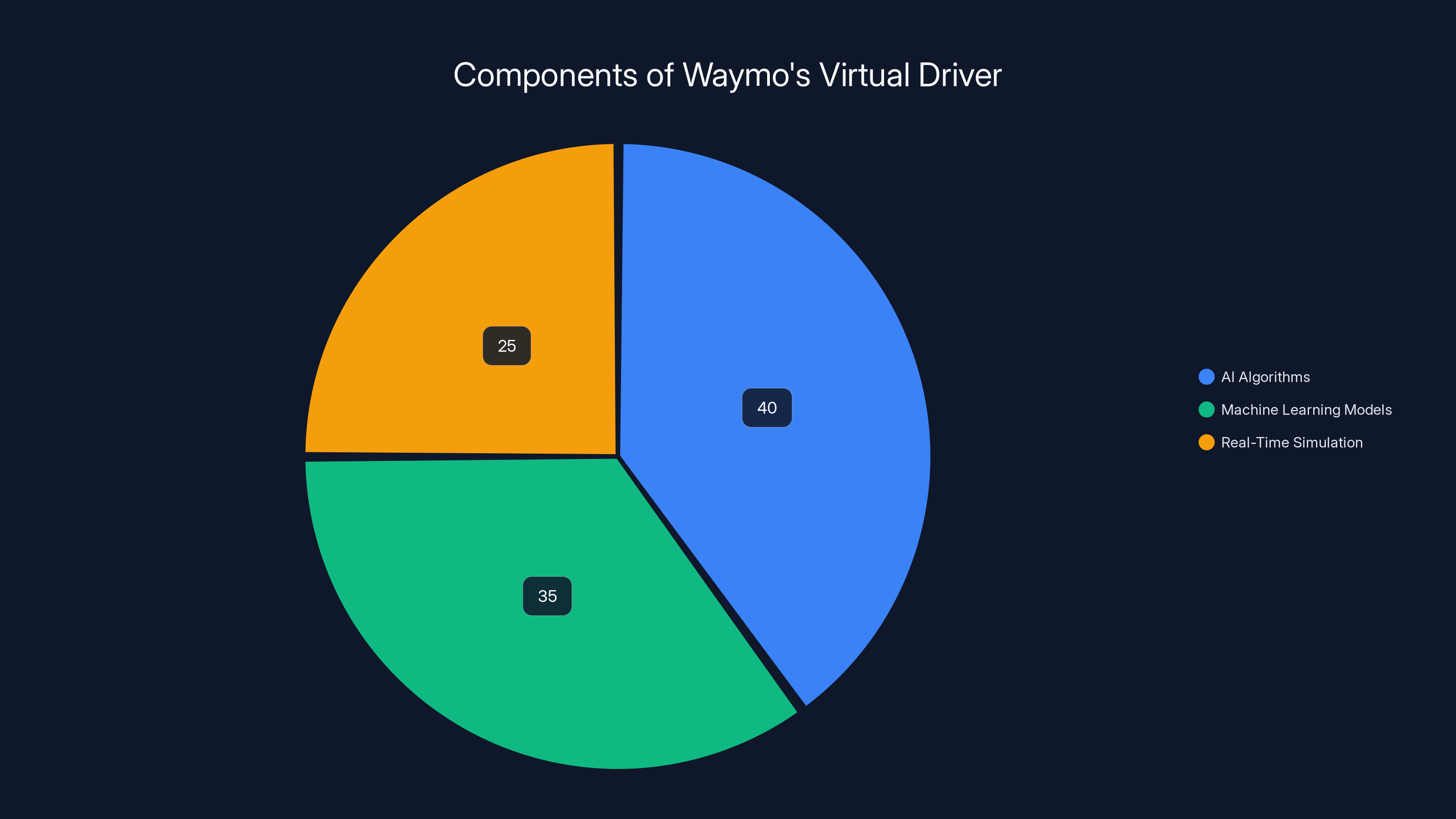
Estimated data shows AI algorithms as the largest component of Waymo's virtual driver, highlighting its critical role in simulating complex driving behaviors.
The Genesis of Waymo's Virtual Driver
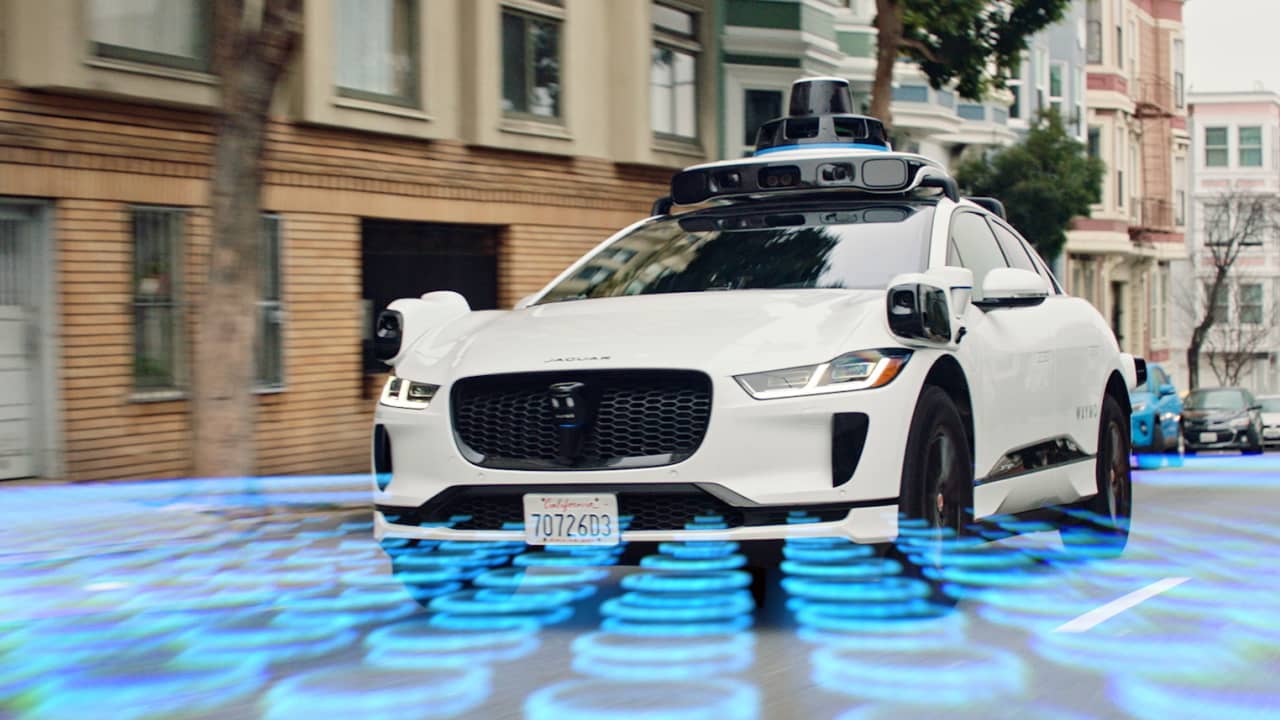
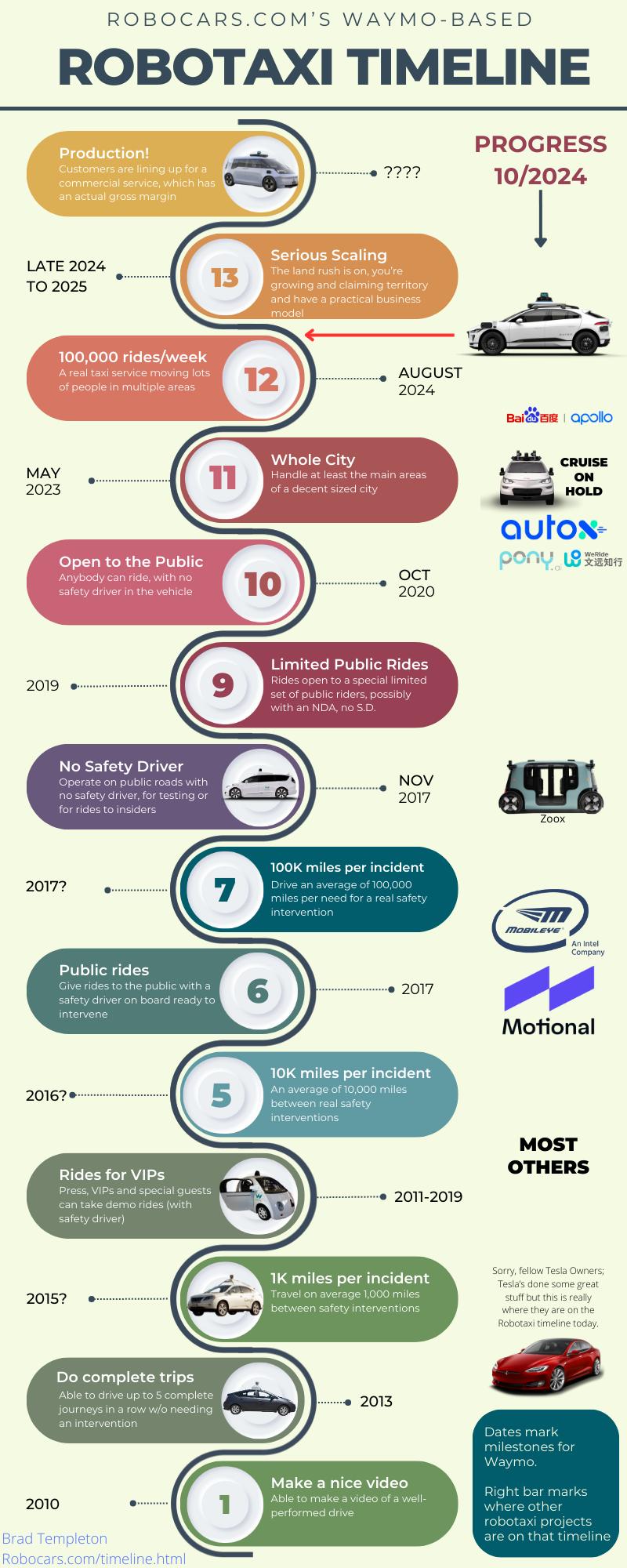
Waymo's journey began with a simple yet profound question: How do human drivers react to unexpected situations on the road? To answer this, they developed a virtual driver capable of simulating complex and unpredictable driving scenarios. This innovation allows researchers to observe and analyze human reactions in a controlled yet realistic environment.
The Technology Behind the Virtual Driver
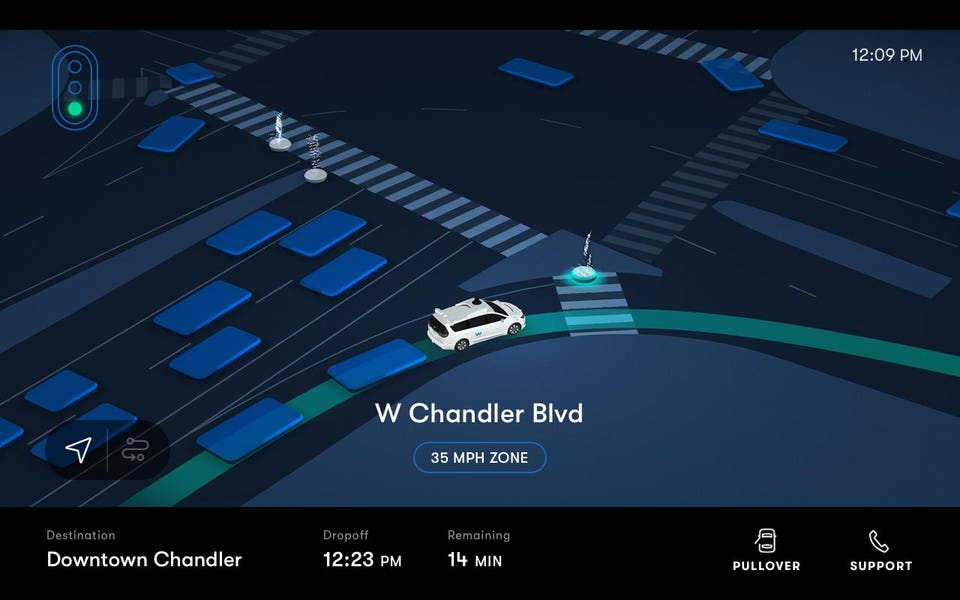
Waymo's virtual driver is built upon advanced AI and machine learning algorithms. By utilizing vast datasets from real-world driving experiences, the system can replicate scenarios that a human driver might encounter, such as sudden obstacles or erratic behavior from other drivers.
Key Components:
- AI Algorithms: Enable the replication of complex driving behaviors.
- Machine Learning Models: Continuously learn from new data to improve accuracy.
- Real-Time Simulation: Provides immediate feedback and data collection.
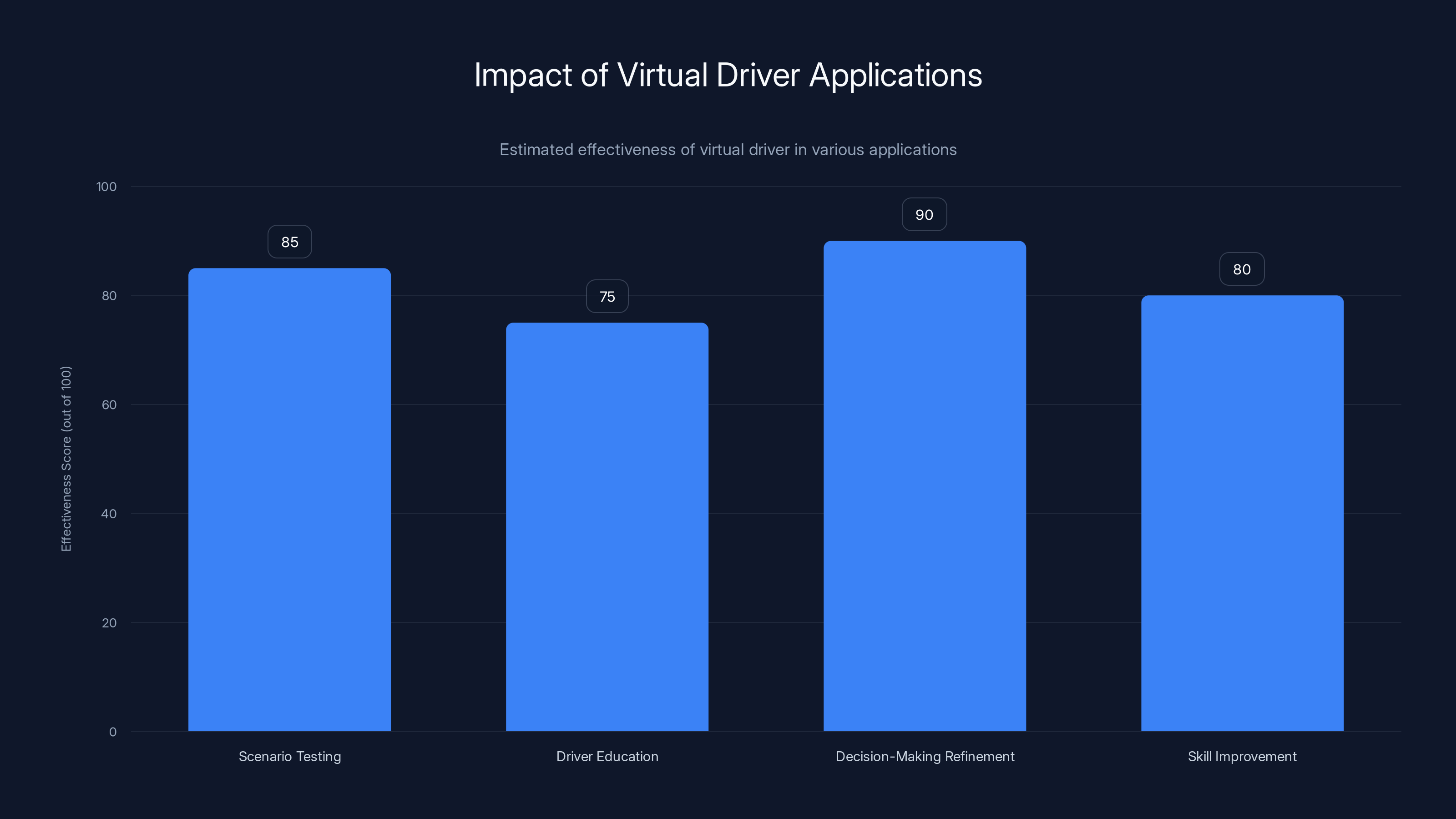
Estimated data showing the effectiveness of virtual driver applications. Scenario testing and decision-making refinement score highest.
Real-World Applications and Use Cases
The virtual driver is not just a theoretical tool; it has practical applications that can transform how autonomous vehicles operate. Here are some real-world scenarios where this technology shines:
Scenario Testing
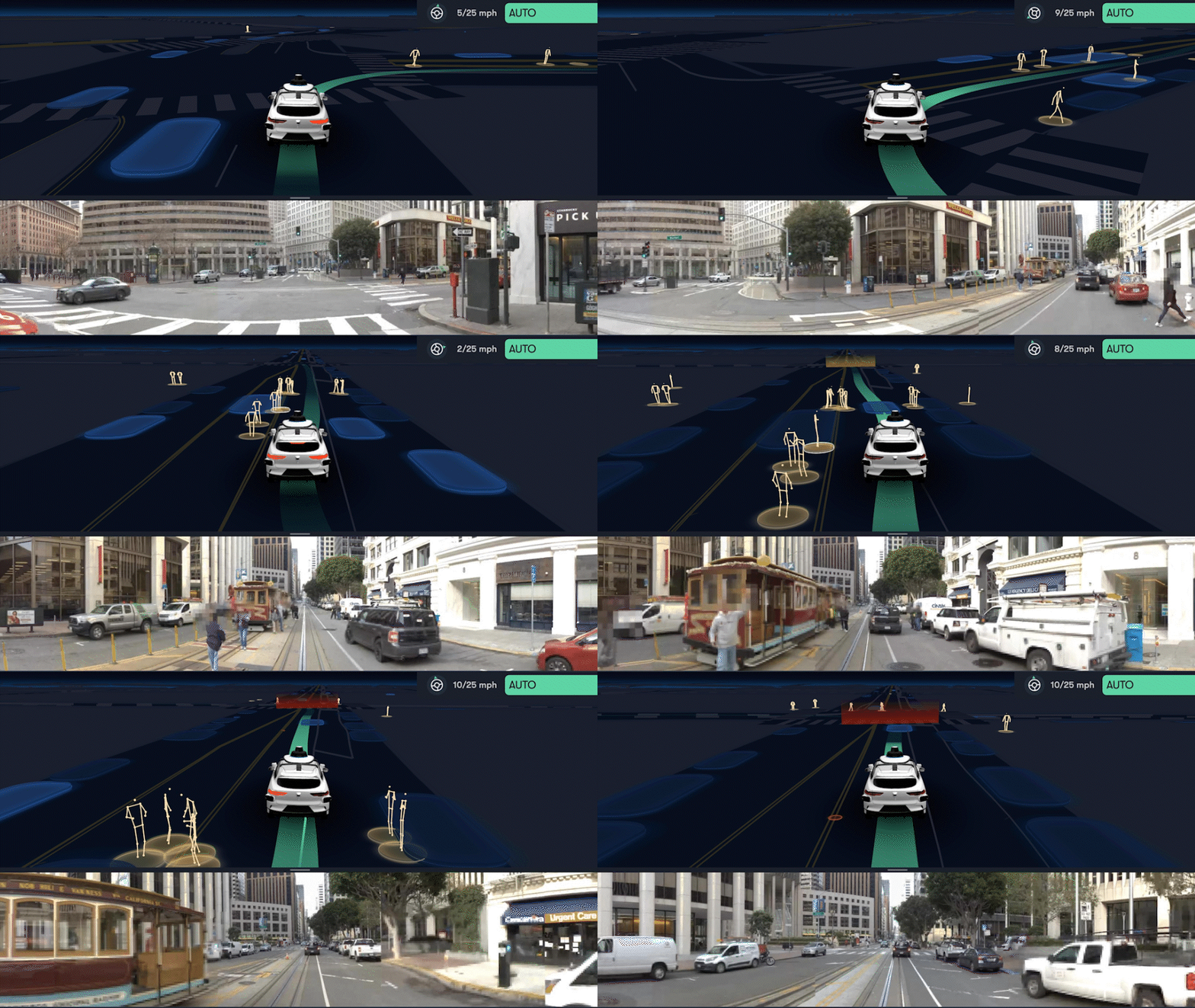
One of the primary uses of Waymo's virtual driver is scenario testing. By simulating unexpected events, such as a pedestrian suddenly crossing the street, developers can study how both the virtual and human drivers react. This data is invaluable for refining the decision-making processes of autonomous vehicles.
Driver Education and Training
The virtual driver also serves as a training tool for human drivers. By exposing drivers to potential road surprises in a simulated environment, they can learn to react more appropriately in real life. This has implications for both new drivers and those wanting to improve their skills.
Challenges and Solutions
While the virtual driver is a groundbreaking innovation, it is not without challenges. Here are some common pitfalls and how Waymo addresses them:
Data Accuracy and Reliability
Ensuring the accuracy of simulations is critical. Waymo tackles this by continuously updating its models with real-world data, ensuring that simulations reflect current driving conditions and behaviors.
Technical Limitations
Simulating real-world complexities can be technically demanding. Waymo's extensive computational resources and cloud-based infrastructure enable the processing of vast amounts of data necessary for accurate simulations.
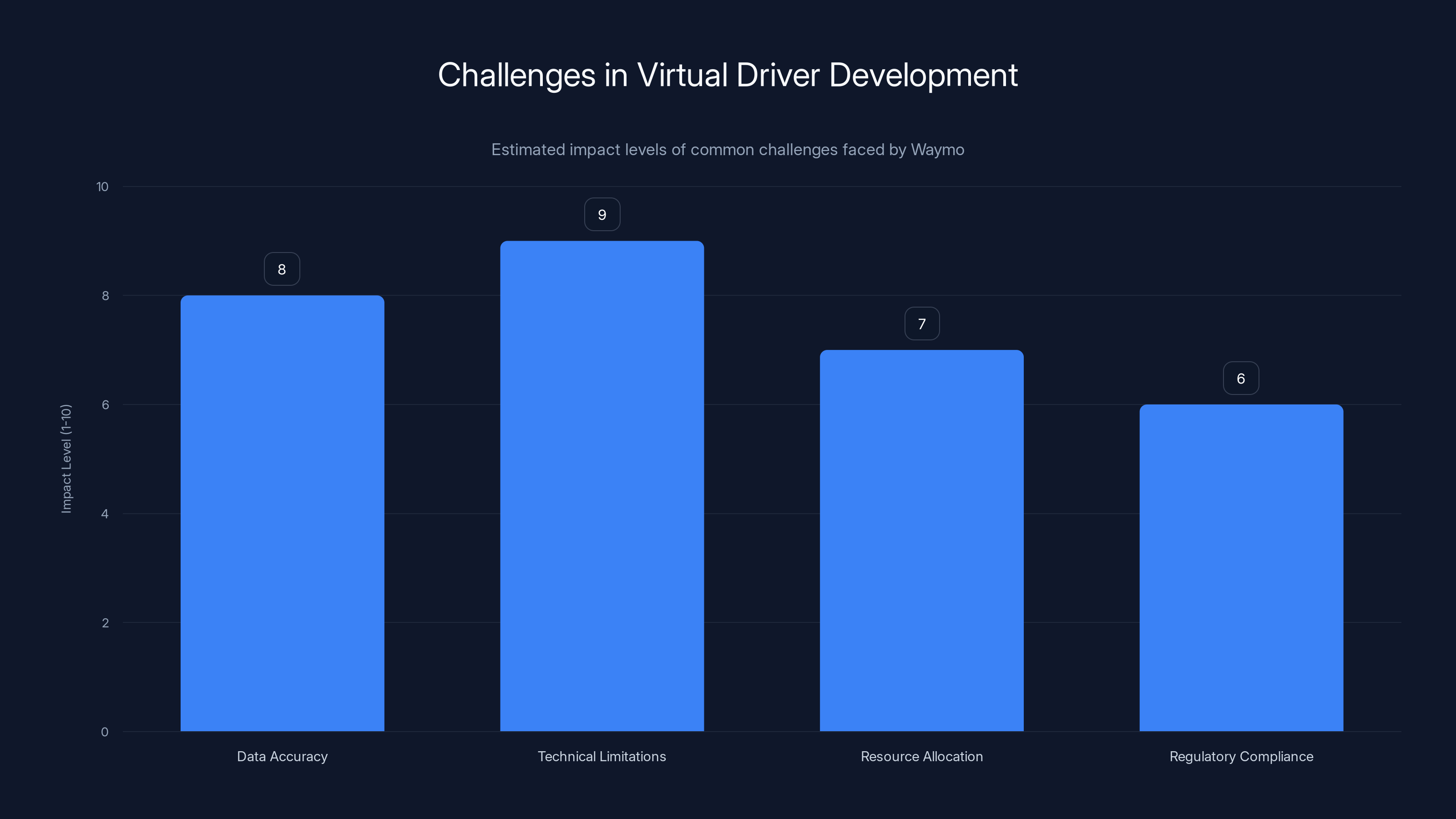
Waymo faces significant challenges in data accuracy and technical limitations, with impact levels estimated at 8 and 9 respectively. Estimated data.
Future Trends and Recommendations
The insights gained from Waymo's virtual driver are shaping the future of autonomous vehicles. Here are some trends and recommendations for leveraging this technology effectively:
Enhancing Vehicle Intuition
As AI and machine learning algorithms improve, autonomous vehicles will become more intuitive, anticipating human behavior and adjusting their actions accordingly. This can lead to safer and more efficient driving experiences.
Broader Adoption Across Industries
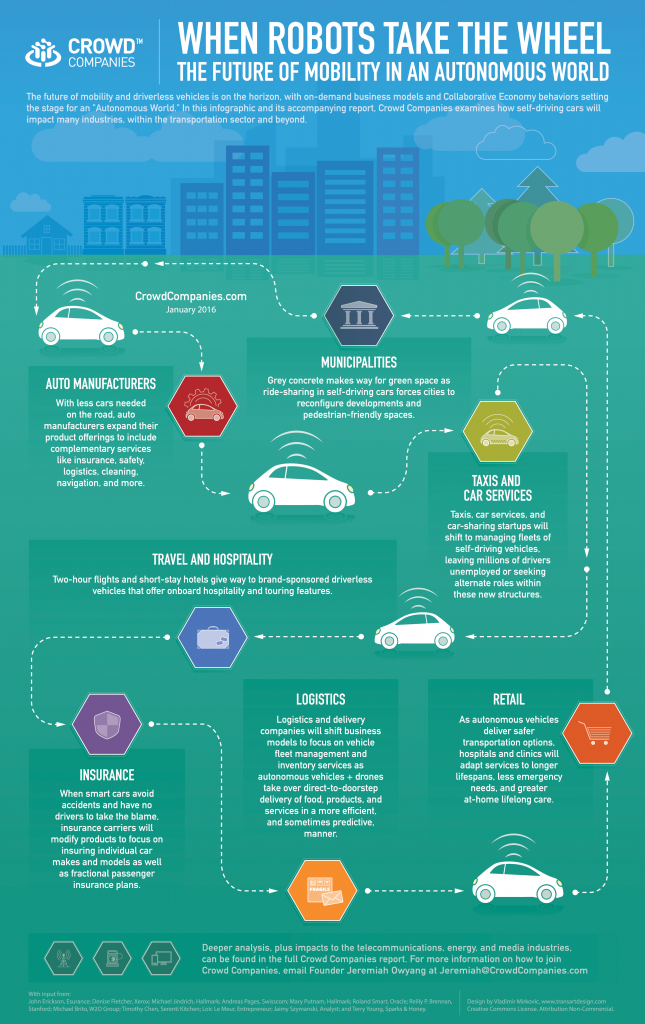
While currently focused on transportation, the principles behind Waymo's virtual driver can be applied to other industries, such as logistics and public safety, where understanding human behavior is critical.
Conclusion
Waymo's virtual driver represents a significant leap forward in the quest to understand and predict human behavior on the road. By leveraging advanced AI and machine learning, this technology not only enhances the safety and efficiency of autonomous vehicles but also opens new avenues for research and innovation in related fields.
Use Case: Automate your driving simulation analysis with AI-powered tools.
Try Runable For Free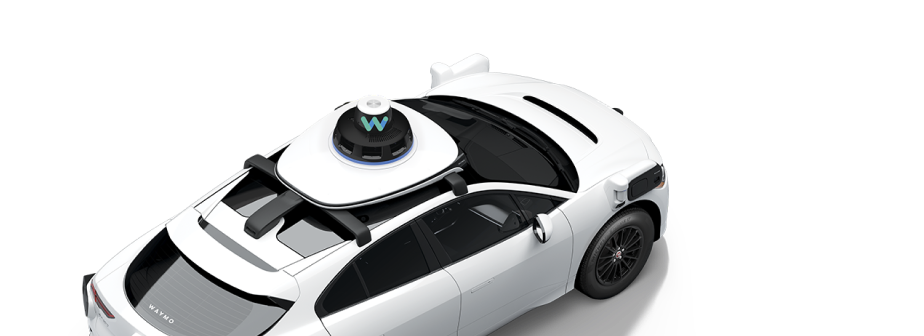
Key Takeaways
- Waymo's virtual driver provides insights into human reactions on the road.
- AI and machine learning are central to simulating complex driving scenarios.
- The technology enhances both autonomous vehicle safety and driver education.
- Continuous data integration ensures simulations reflect real-world conditions.
- Future trends include broader industry applications and enhanced vehicle intuition.
Related Articles
- The Future of AI in White-Collar Work: Beyond the Hype [2025]
- Seattle's Proposed Ban on Large Data Centers: Examining the Implications [2025]
- How Meta Uses Your Online Activity to Tailor Your Social Media Experience [2025]
- How Apple’s AI Innovations in Shortcuts and Safari are Shaping the Future of Automation [2025]
- Exploring Google's Technologies Beyond Search and YouTube [2025]
- Astrophysicists Fear AI Tools Are Quietly Undermining Rigorous Scientific Discovery [2025]
FAQ
What is Understanding Human Reactions on the Road: How Waymo's Virtual Driver is Shaping the Future of Autonomous Vehicles [2025]?
In the fast-evolving world of autonomous vehicles, understanding human behavior is crucial
What does introduction mean?
Waymo, a leader in self-driving technology, has taken a novel approach by developing a virtual driver to study how humans react to surprises on the road
Why is Understanding Human Reactions on the Road: How Waymo's Virtual Driver is Shaping the Future of Autonomous Vehicles [2025] important in 2025?
This development not only advances our understanding of human-vehicle interaction but also paves the way for safer autonomous driving systems
How can I get started with Understanding Human Reactions on the Road: How Waymo's Virtual Driver is Shaping the Future of Autonomous Vehicles [2025]?
- Waymo's virtual driver: A tool to study human reactions to unpredictable road events
What are the key benefits of Understanding Human Reactions on the Road: How Waymo's Virtual Driver is Shaping the Future of Autonomous Vehicles [2025]?
- Focus on safety: Enhances understanding of human behavior to improve autonomous vehicle responses
What challenges should I expect?
- Real-world simulations: Virtual driver replicates complex driving scenarios


