
![The Rise and Fall of Level: Lessons from a Smart Lock Leader [2025]](https://tryrunable.com/blog/the-rise-and-fall-of-level-lessons-from-a-smart-lock-leader-/image-1-1782493489604.jpg)
The Rise and Fall of Level: Lessons from a Smart Lock Leader [2025]
Level, a pioneering smart lock company, was once hailed as a leader in the IoT space. Known for its innovative approach to home security, Level crafted locks that seamlessly integrated with existing door hardware, offering a sleek and user-friendly experience. However, recent developments have seen the company gutted, with its founders exiting amid turmoil. This article delves into the story of Level, exploring the factors that led to its rise and eventual fall, while offering insights and lessons for startups navigating the tech industry.
TL; DR
- Key Point 1: Level's innovative design integrated smart technology into traditional lock systems, setting it apart.
- Key Point 2: Mismanagement and strategic missteps led to the founders' exit and company restructuring.
- Key Point 3: The importance of agile business practices in the fast-evolving tech landscape.
- Key Point 4: How Level's story underscores the need for strong leadership and clear vision.
- Bottom Line: Level's journey offers critical takeaways for tech startups aiming to balance innovation with sustainability.
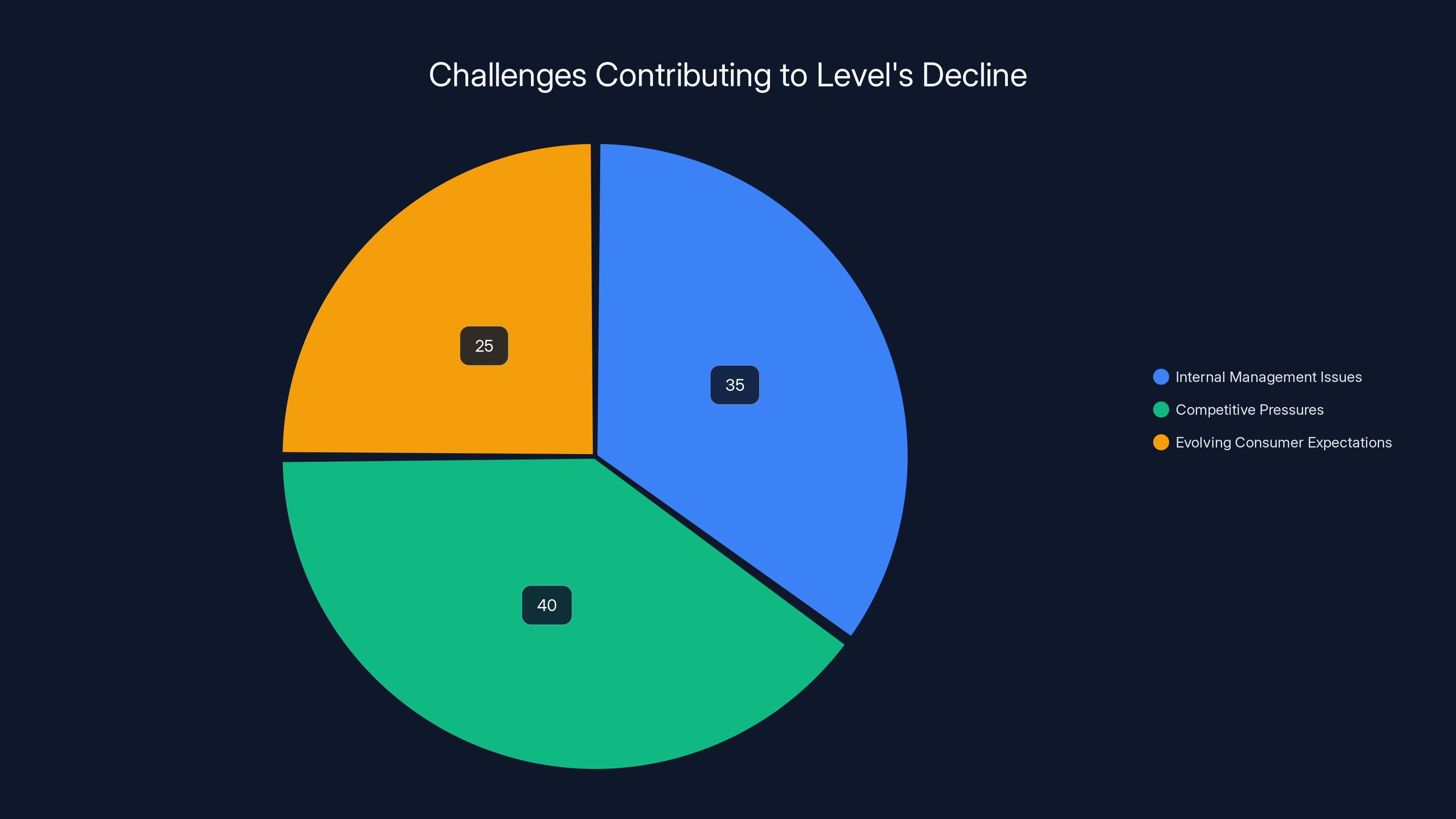
Competitive pressures (40%) and internal management issues (35%) were the major contributors to Level's decline, with evolving consumer expectations also playing a significant role (25%). Estimated data.
A Brief History of Level
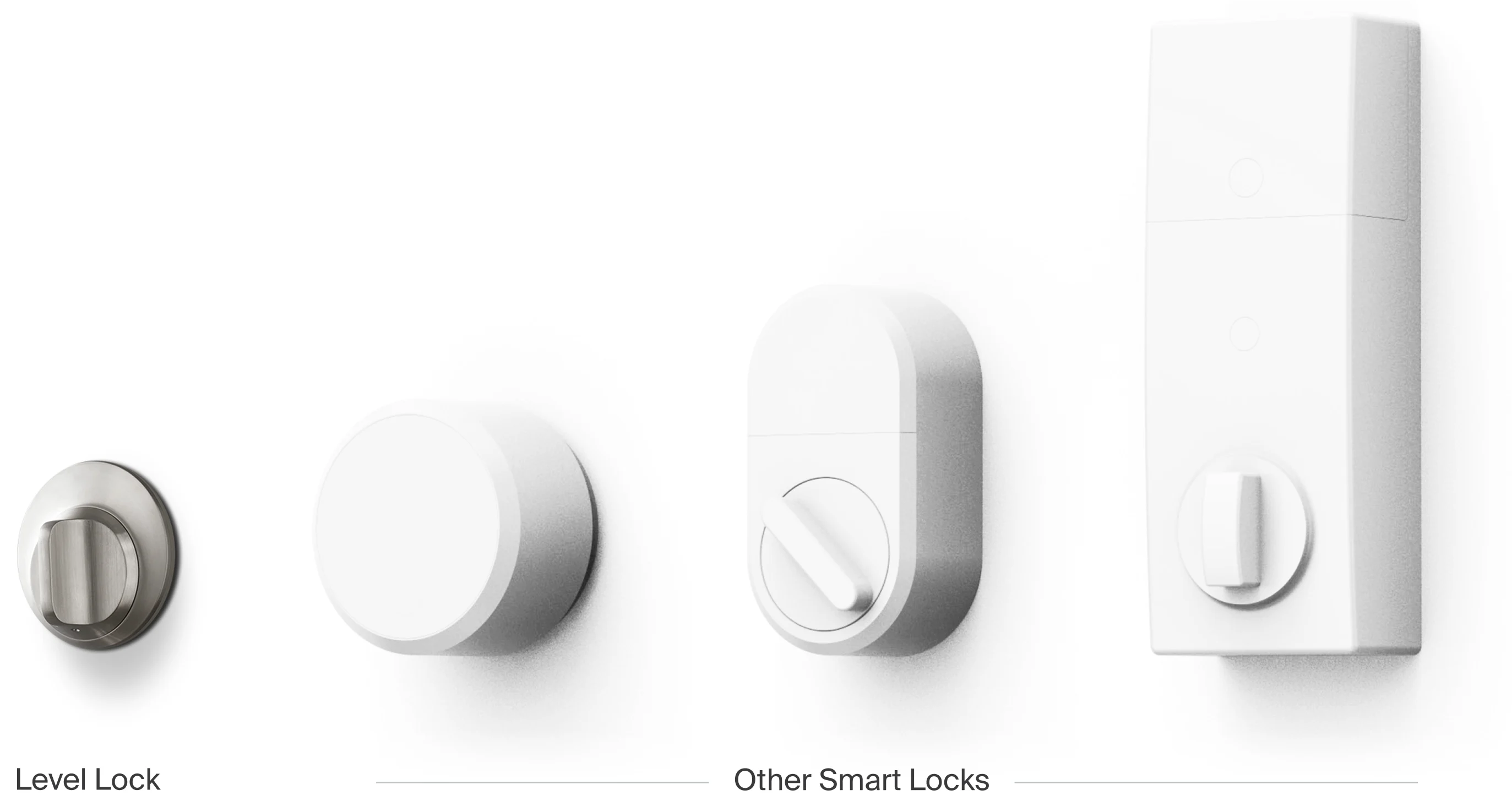
Level was founded with the mission to revolutionize home security. By designing smart locks that could fit into existing door setups without the need for bulky hardware or major modifications, Level quickly gained traction. Their flagship product, the Level Lock, was praised for its minimalist design and ease of installation.
The Innovation Behind Level Locks
Level's locks incorporated advanced technology within a standard lock body, allowing them to blend seamlessly with traditional door designs. This innovation was crucial in attracting a wide customer base, from tech enthusiasts to homeowners seeking a discreet security solution.
Key Features of Level Locks
- Discrete Design: Fits within standard door hardware.
- App Integration: Compatible with major smart home systems.
- Remote Access: Control locks from anywhere via smartphone.
- Easy Installation: No need for extensive door modifications.
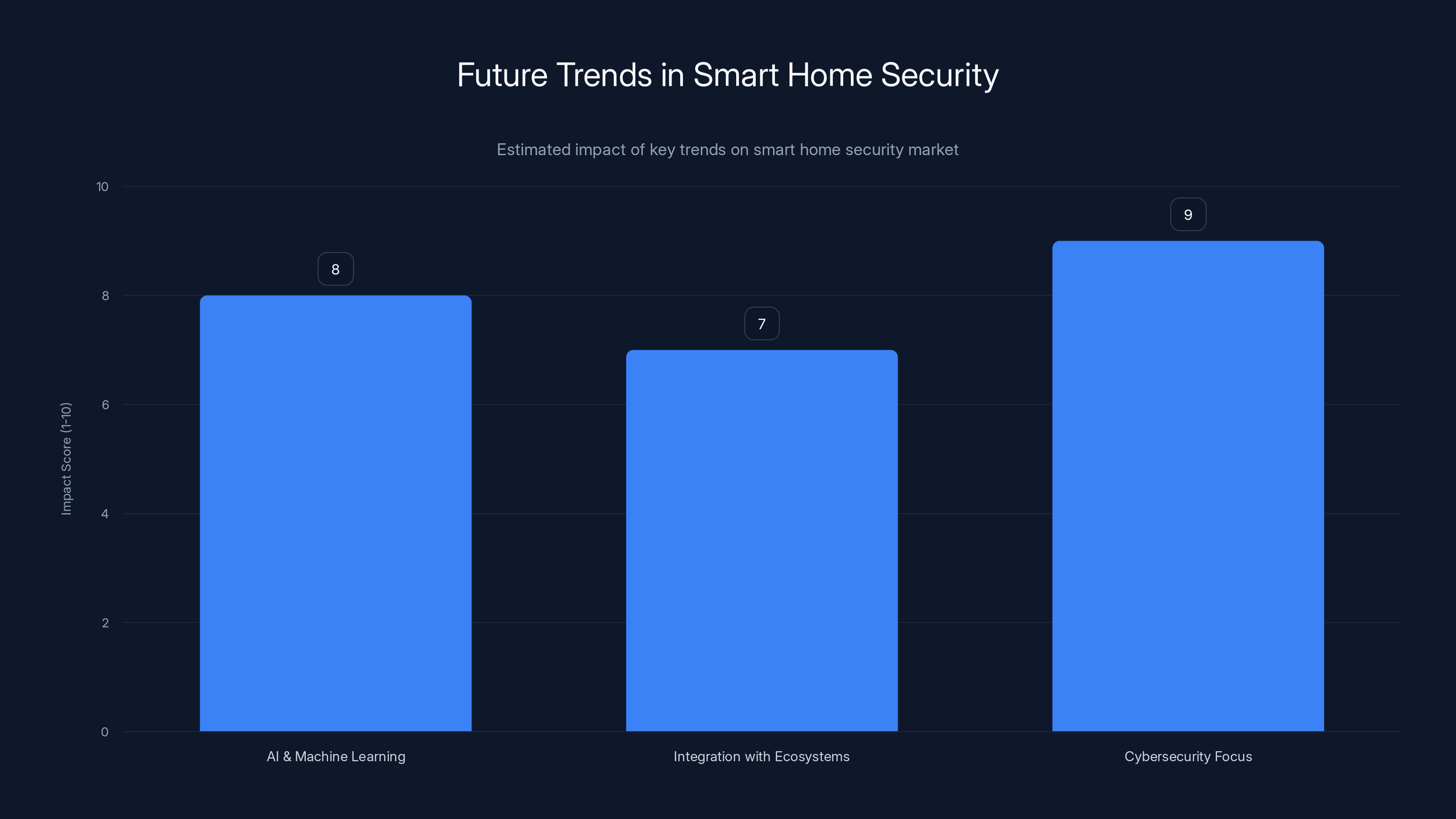
AI and machine learning, integration with ecosystems, and a focus on cybersecurity are projected to have significant impacts on the smart home security market. (Estimated data)
The Rise of Level: A Case Study in Success
Level's early success can be attributed to its ability to identify and exploit a niche in the smart home market. By focusing on design and functionality, Level appealed to consumers looking for convenience without compromising aesthetics. The company also leveraged partnerships with home automation giants, expanding its reach and customer base.
Strategic Partnerships
Level's collaboration with companies like Apple and Google Home allowed it to integrate its locks into popular smart home ecosystems. This strategy not only enhanced the product's appeal but also provided a competitive edge in the crowded IoT market.
Marketing and Branding
The brand's marketing strategy focused on simplicity and elegance, resonating with consumers who valued both security and style. Level's branding efforts positioned it as a premium option in the smart lock market, justifying its higher price point.
Challenges Faced by Level
Despite its initial success, Level faced several challenges that contributed to its decline. These included internal management issues, competitive pressures, and evolving consumer expectations.
Internal Management Issues
Reports of mismanagement and lack of clear strategic direction began to surface, leading to operational inefficiencies. This was compounded by the exit of key personnel, including the founders, which further destabilized the company.
Competitive Pressures
As the smart home market expanded, Level faced increased competition from established players like August and newcomers offering similar features at lower prices. The pressure to innovate while maintaining quality and affordability became a significant challenge.
Evolving Consumer Expectations
Consumer expectations in the smart home sector are constantly evolving, with a growing demand for seamless integration and enhanced security features. Level struggled to keep pace with these demands, leading to a decline in its market share.
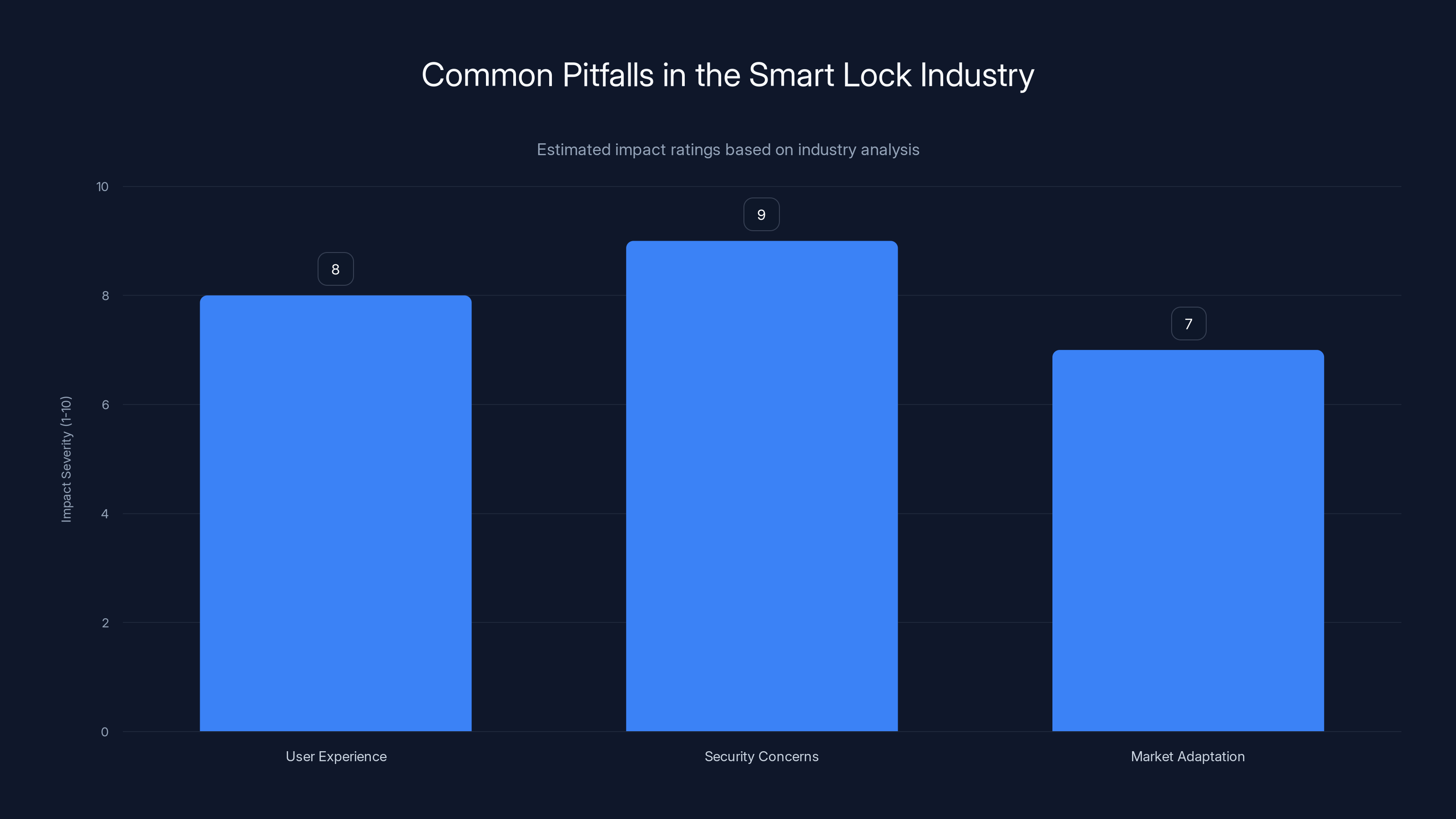
Security concerns have the highest impact severity, followed by user experience and market adaptation. Estimated data based on industry trends.
Lessons for Startups: Avoiding Level's Pitfalls
Level's story offers valuable lessons for startups and entrepreneurs in the tech industry. Understanding these can help new businesses navigate the complex landscape of innovation and competition.
Importance of Agile Leadership
Agile leadership is crucial in a rapidly changing tech environment. Companies need leaders who can adapt to market shifts and guide their teams through uncertainty.
Balancing Innovation with Sustainability
While innovation is vital, startups must also focus on sustainable growth. This involves strategic planning, sound financial management, and clear vision.
Strategic Partnerships and Alliances
Building strong partnerships can enhance product offerings and expand market reach. However, it's essential to choose partners whose goals align with your company's mission.
Future Trends in Smart Home Security
The smart home security market continues to evolve, with trends pointing towards greater integration and enhanced security features. Companies must keep pace with these trends to remain competitive.
AI and Machine Learning
AI-driven security solutions are becoming more prevalent, offering predictive analytics and automated threat detection. This technology enhances the capabilities of smart locks, providing users with real-time security insights.
Integration with Smart Home Ecosystems
Seamless integration with smart home ecosystems is becoming a standard requirement. Consumers expect their devices to communicate and work together effortlessly.
Increasing Focus on Cybersecurity
As smart devices become more interconnected, the risk of cyber threats increases. Companies must prioritize cybersecurity to protect user data and ensure the safety of their products.
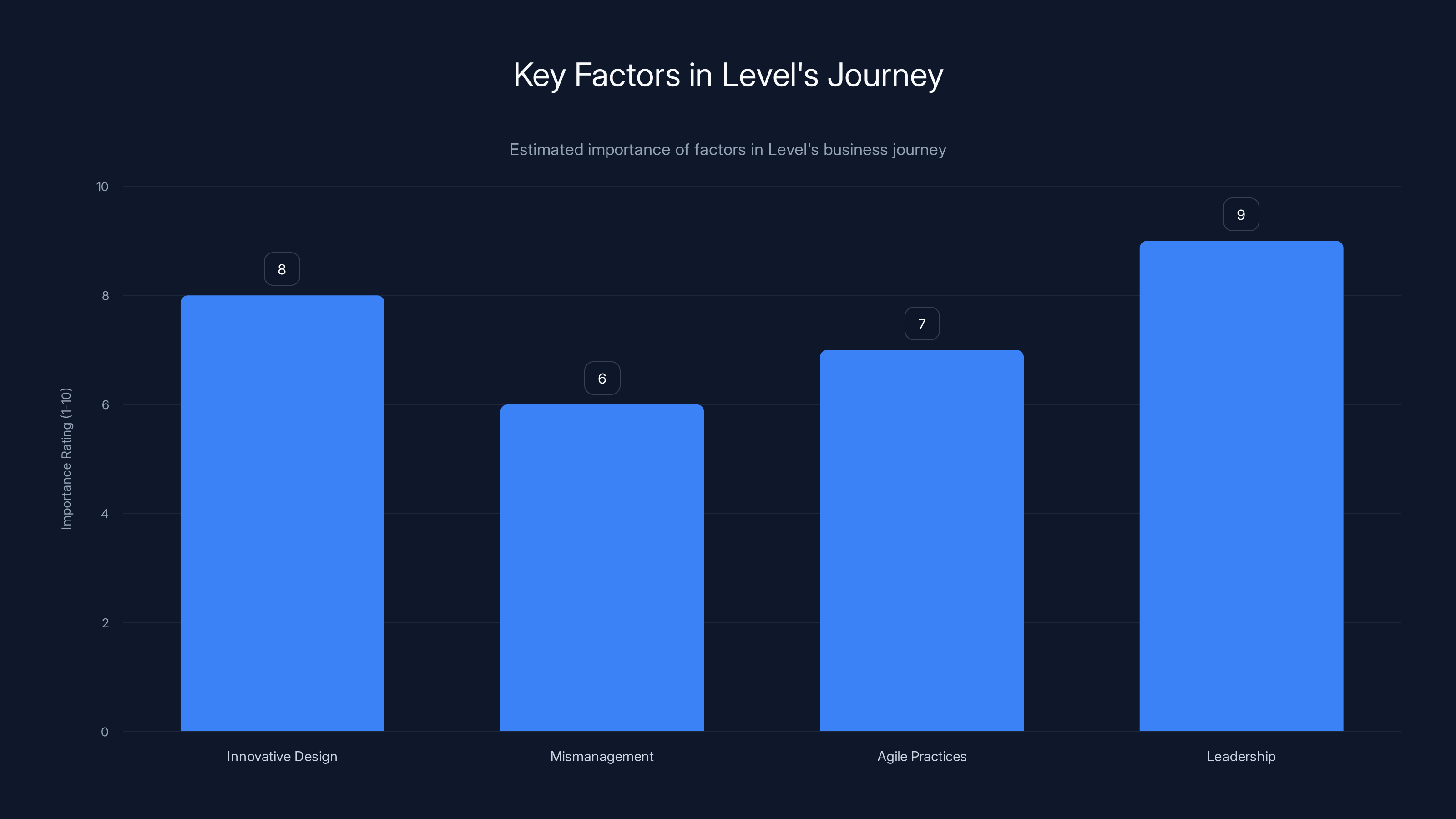
Level's journey highlights the critical importance of strong leadership and innovative design, with estimated ratings showing leadership as the most crucial factor. Estimated data.
Common Pitfalls and Solutions in the Smart Lock Industry
The smart lock industry, while promising, is fraught with challenges that companies must navigate carefully to succeed.
Pitfall: Overlooking User Experience
A common mistake is neglecting the user experience in favor of advanced features. Products must be intuitive and easy to use to gain consumer trust.
Solution: Conduct user testing and gather feedback to refine product design and functionality.
Pitfall: Ignoring Security Concerns
Security is paramount in smart lock design. Overlooking potential vulnerabilities can lead to breaches and loss of consumer confidence.
Solution: Implement robust security protocols and conduct regular security audits to identify and mitigate risks.
Pitfall: Failing to Adapt to Market Changes
The tech industry is dynamic, with consumer preferences and technology advancing rapidly. Companies that fail to adapt risk obsolescence.
Solution: Stay informed about industry trends and consumer needs through market research and competitive analysis.
Practical Implementation Guides for Smart Locks
For consumers and businesses considering smart lock solutions, understanding implementation best practices is crucial.
Selecting the Right Smart Lock
When choosing a smart lock, consider factors such as compatibility, features, and security standards. A lock that integrates seamlessly with your existing smart home setup is ideal.
Installation and Setup
Most smart locks offer easy installation, but it's essential to follow manufacturer instructions carefully to ensure proper functionality. Professional installation may be beneficial for more complex systems.
Maintaining Your Smart Lock
Regular maintenance, including firmware updates and battery checks, is necessary to keep your smart lock in optimal condition. Address any operational issues promptly to avoid security risks.
Future Recommendations for Smart Lock Manufacturers
As the smart lock industry continues to grow, manufacturers must focus on innovation, security, and user experience to stay competitive.
Emphasize Security Features
Enhanced security features, such as biometric authentication and encryption, should be a priority. These not only improve user trust but also offer a competitive advantage.
Focus on User-Centric Design
A user-centric design approach ensures that products are intuitive and meet consumer needs. This involves ongoing user feedback and iterative design improvements.
Invest in Research and Development
Continuous investment in R&D is crucial for innovation and staying ahead of competitors. Exploring new technologies and materials can lead to breakthrough products.
Conclusion
The story of Level's rise and fall offers valuable insights into the challenges and opportunities in the smart lock industry. By learning from Level's experiences, startups and established companies alike can navigate the complexities of innovation and competition, ensuring their place in the evolving landscape of smart home technology.
FAQ
What is a smart lock?
A smart lock is a device that allows you to lock and unlock your door using a smartphone app, keypad, or biometric data, offering convenience and enhanced security.
How does a smart lock work?
Smart locks use wireless communication technologies like Bluetooth, Wi-Fi, or Z-Wave to connect with smartphones or home automation systems, allowing remote access and control.
What are the benefits of using a smart lock?
Benefits include keyless entry, remote access, integration with smart home systems, and enhanced security features that provide peace of mind.
Are smart locks secure?
Smart locks can be very secure if they use robust security protocols and are regularly updated with the latest firmware to protect against vulnerabilities.
How do I choose the right smart lock for my home?
Consider factors like compatibility with your door, integration with existing smart home systems, security features, and ease of use when selecting a smart lock.
What should I do if my smart lock malfunctions?
First, check for any firmware updates or battery issues. If problems persist, consult the manufacturer's support resources or consider professional repair services.
Can a smart lock work without Wi-Fi?
Yes, many smart locks use Bluetooth or other wireless technologies that do not require Wi-Fi to function, though Wi-Fi can enhance remote access capabilities.
What are some common security features in smart locks?
Common features include encryption, two-factor authentication, biometric access, and activity logs to monitor lock usage.
Key Takeaways
- Level's innovative approach set it apart in the smart lock market.
- Mismanagement led to the founders' exit and company restructuring.
- Agile leadership and clear vision are crucial in tech startups.
- Strategic partnerships can enhance product offerings and market reach.
- AI and machine learning are driving future trends in smart home security.
- Cybersecurity remains a top priority for smart lock manufacturers.
- Companies must balance innovation with sustainability for long-term success.
Related Articles
- Unearthing the Value of Philips Hue Smart Lights: Prime Day Deals and Beyond [2025]
- Navigating the Arduino Uno Q Price Hike: A Deep Dive [2025]
- Exploring the Future of Wearable Tech: Xreal’s USB-C Smart Glasses Revolution [2025]
- Why Meta Sees Gambling as a Pivotal Future Trend [2025]
- The Cyber Espionage Labyrinth: How Unnamed Hackers Stole Stolen Data from Icarus - A Deep Dive [2025]
- We Crossed 200,000 YouTube Subscribers: The Fastest-Growing Content Is Us Running AI Agents in Public [2025]


