
![The Revolution of Rapid Charging: Lessons from Dell's 5-Second Charging Keyboard [2025]](https://tryrunable.com/blog/the-revolution-of-rapid-charging-lessons-from-dell-s-5-secon/image-1-1775158607471.jpg)
The Revolution of Rapid Charging: Lessons from Dell's 5-Second Charging Keyboard [2025]
Introduction
Electric vehicles (EVs) have long been heralded as the future of transportation. However, one of the biggest hurdles they face is lengthy charging times. Dell's recent innovation—a keyboard that charges in just five seconds—offers a glimpse into a future where EVs could potentially recharge in minutes instead of hours. This article explores how supercapacitor technology, like that used in Dell's keyboard, could revolutionize EV charging, alongside practical implementations, potential pitfalls, and future trends.

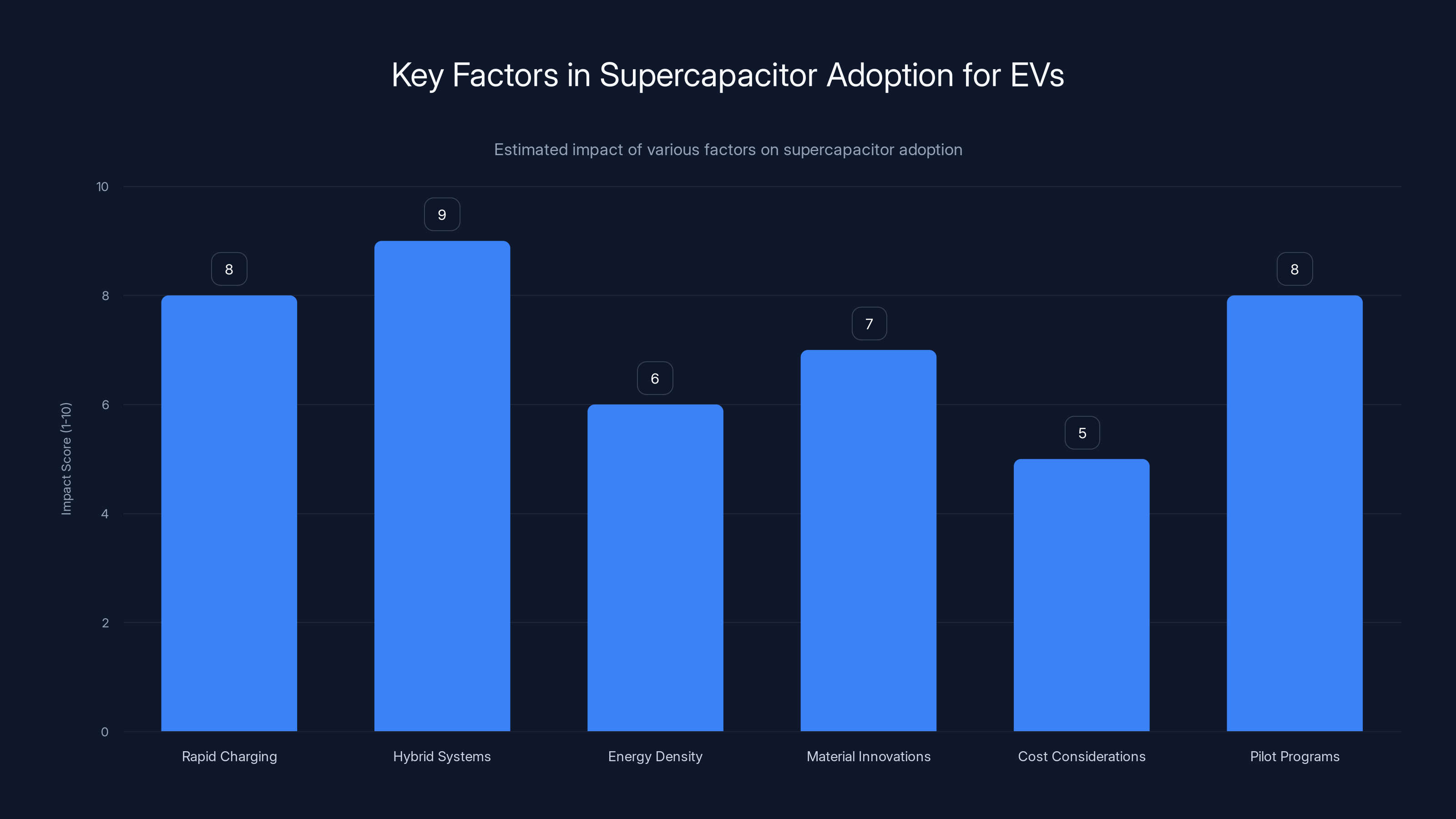
Hybrid systems and rapid charging have the highest potential impact on supercapacitor adoption in EVs. Estimated data.
TL; DR
- Dell's Innovation: Their new keyboard charges in just 5 seconds using supercapacitors.
- EV Implications: This technology could help EVs recharge in minutes rather than hours.
- Technical Insight: Supercapacitors store and release energy quickly, unlike traditional batteries.
- Future Trends: Expect hybrid systems combining batteries and supercapacitors for optimal efficiency.
- Practical Guide: Implementing supercapacitors in EVs involves overcoming energy density challenges.
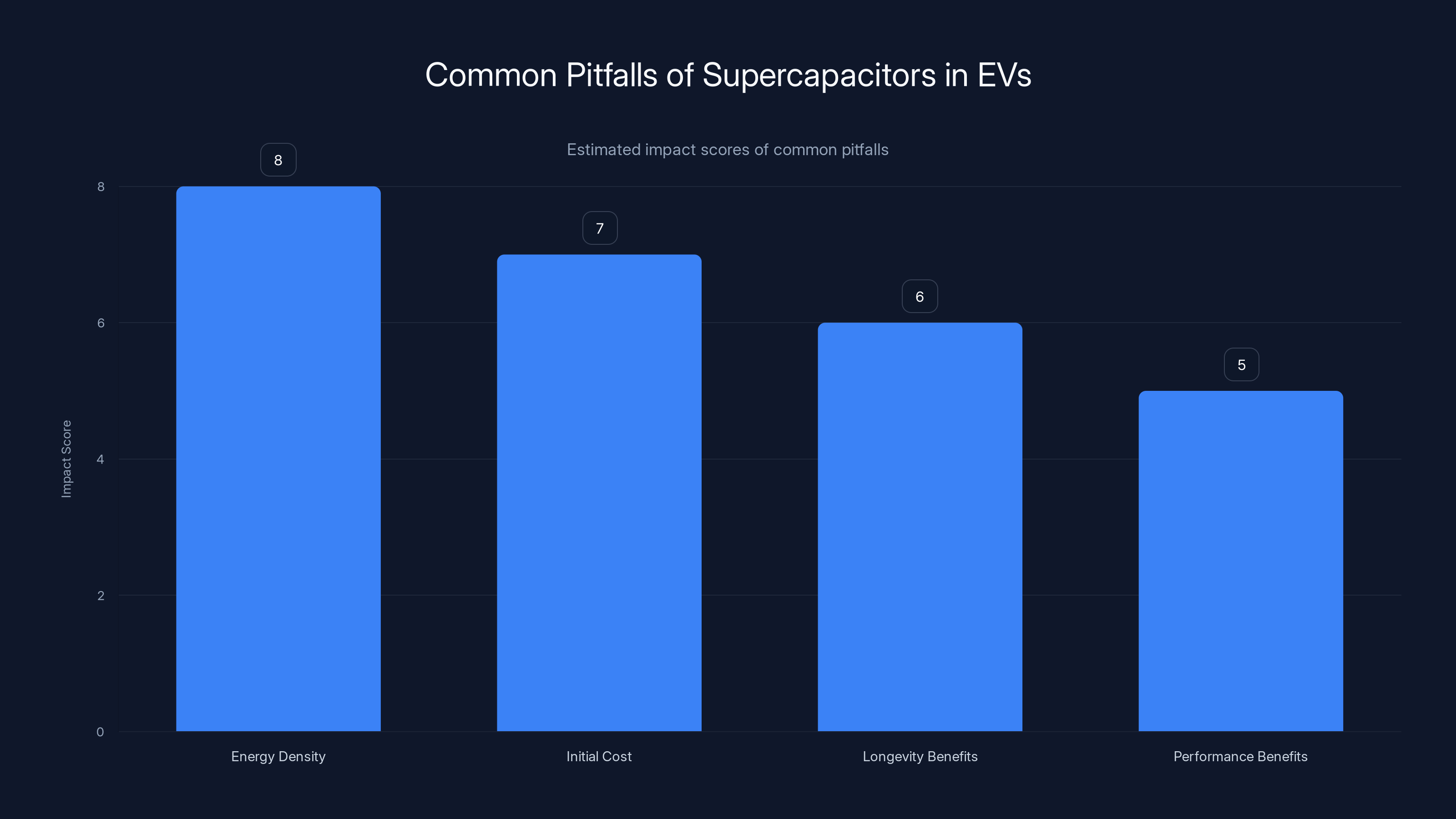
Energy density and initial cost are significant challenges for supercapacitors in EVs, but longevity and performance benefits can mitigate these issues. (Estimated data)
Understanding Supercapacitors
Before we dive into the potential applications for electric vehicles, let's break down what supercapacitors are and how they differ from traditional lithium-ion batteries.
What Are Supercapacitors?
Supercapacitors, sometimes called ultracapacitors, are energy storage devices that store and release energy quickly. Unlike traditional batteries, which rely on chemical reactions to store and release energy, supercapacitors store energy electrostatically.
Key Advantages
- Rapid Charge/Discharge: Supercapacitors can charge and discharge energy in seconds, unlike batteries that take much longer.
- Long Lifespan: They can endure millions of charge/discharge cycles without significant degradation.
- High Power Density: They deliver power quickly, making them ideal for applications requiring bursts of energy.
Limitations
- Low Energy Density: Supercapacitors store less energy per unit volume than batteries, making them less suitable for long-range applications.
- Self-Discharge: They lose charge faster than traditional batteries when not in use.
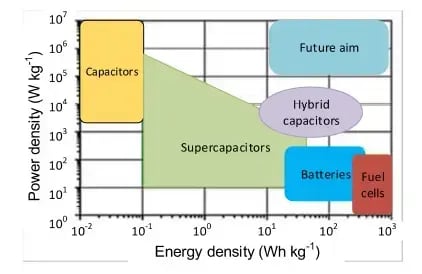
Dell's 5-Second Charging Keyboard: A Case Study
Dell's latest keyboard model employs supercapacitor technology to achieve a full day's use with just a five-second charge. This innovation highlights several key aspects that could be applied to electric vehicles.
How It Works
The keyboard integrates small supercapacitors that can store enough energy to power the device for a full day. Upon connecting to a power source, these supercapacitors charge almost instantaneously.
Implications for EVs
- Reduced Charging Time: EVs could potentially charge in minutes rather than hours, alleviating one of the major concerns for consumers.
- Increased Convenience: Rapid charging would make EVs more appealing, as they would fit more seamlessly into daily life.

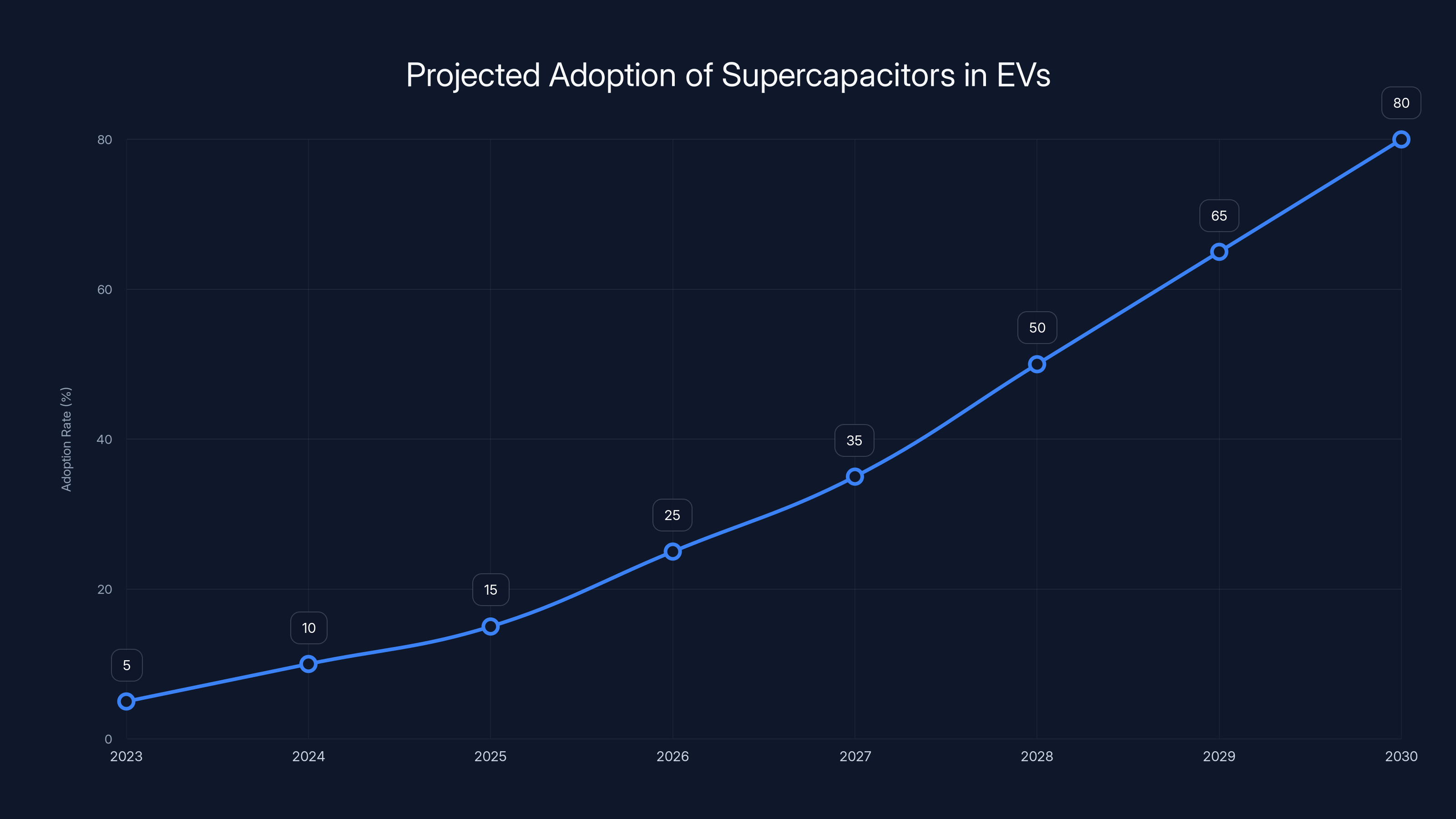
The adoption of supercapacitors in EVs is expected to grow significantly, reaching 80% by 2030 as costs decrease and technology advances. (Estimated data)
Practical Implementation in Electric Vehicles
Implementing supercapacitor technology in EVs isn't without its challenges. Here's a comprehensive guide on how it can be done practically.
Hybrid Systems
One of the most promising approaches is integrating supercapacitors with traditional batteries. This hybrid system can leverage the strengths of both technologies.
Benefits of Hybrid Systems:
- Energy Density: Batteries provide the energy density needed for long trips.
- Power Density: Supercapacitors handle short bursts of energy, such as acceleration and regenerative braking.
Technical Challenges
- Cost: Supercapacitors are currently more expensive than traditional batteries.
- Integration: Designing a system that seamlessly integrates both types of storage can be complex.

Overcoming Common Pitfalls
While the potential benefits are significant, there are several common pitfalls to be aware of when considering supercapacitors for EVs.
Energy Density Limitations
Supercapacitors need to be paired with other technologies to overcome their low energy density.
Cost Considerations
The higher initial cost of supercapacitors could be a barrier to adoption. However, their longevity and performance benefits might offset these costs over time.
Future Trends and Recommendations
The future of EV charging looks promising with continued advancements in supercapacitor technology. Here are some trends to watch and recommendations for stakeholders.
Trends
- Material Innovations: Research into new materials could increase the energy density of supercapacitors, making them more feasible for EVs.
- Widespread Adoption: As costs decrease, expect to see more supercapacitors integrated into consumer electronics and vehicles.
Recommendations
- Invest in R&D: Companies should invest in research to improve the energy density and reduce the cost of supercapacitors.
- Pilot Programs: Automakers could launch pilot programs to test supercapacitor integration in small fleets.
Conclusion
Dell's five-second charging keyboard is more than a technological marvel; it's a beacon for the future of electric vehicle charging. By harnessing the power of supercapacitors, we can envision a world where EVs recharge in minutes, not hours, making them a more viable and attractive option for the masses.
FAQ
What is a supercapacitor?
A supercapacitor is an energy storage device that can quickly store and release large amounts of energy. Unlike batteries, they store energy electrostatically rather than chemically.
How do supercapacitors differ from traditional batteries?
Supercapacitors have a higher power density and longer lifespan but lower energy density compared to traditional lithium-ion batteries.
Can supercapacitors replace batteries in EVs?
Not entirely. Due to their low energy density, supercapacitors are best used in conjunction with batteries in a hybrid system for optimal performance.
Are supercapacitors expensive?
Supercapacitors are currently more costly than traditional batteries, but their longevity and rapid charge/discharge capabilities may justify the investment.
What are the environmental impacts of supercapacitors?
Supercapacitors have a lower environmental impact than traditional batteries due to their longer lifespan and lack of harmful chemicals.
What advancements are expected in supercapacitor technology?
Expect improvements in energy density and cost-effectiveness, fueled by ongoing research into new materials and manufacturing processes.
How soon can we expect supercapacitors in EVs?
With continued research and development, we could see supercapacitors in EVs within the next decade, especially as part of hybrid systems.
How does Dell's keyboard relate to EV charging?
Dell's keyboard demonstrates the potential of supercapacitors to drastically reduce charging times, a feature that could be transformative for EVs.
Key Takeaways
- Dell's keyboard showcases the rapid charging potential of supercapacitors.
- Supercapacitors charge and discharge energy faster than traditional batteries.
- Hybrid systems combining supercapacitors and batteries offer optimal performance.
- Energy density challenges must be addressed for widespread EV adoption.
- Material innovations could make supercapacitors more viable for EVs.
- Cost considerations remain a barrier but may be offset by longevity benefits.
- Pilot programs are essential for testing supercapacitor integration in vehicles.
- The future of EV charging looks promising with supercapacitor advancements.
Related Articles
- Quantum Batteries: Faster Charging with Increased Size [2025]
- Uber's Nationwide EV Incentive Expansion: Driving the Future of Ride-Sharing [2025]
- Tesla’s Sales Recovery: A Glimpse of Hope Amidst Worrisome Trends [2025]
- The Ripple Effect: Rising Gas Prices and the Surge in EV Sales [2025]
- Lab-Grown T-Rex Leather: The Future of Phone Cases or Just a Tech Gimmick? [2025]
- Navigating the Complex Path of Getting Depression-Detecting AI through the FDA [2025]


