
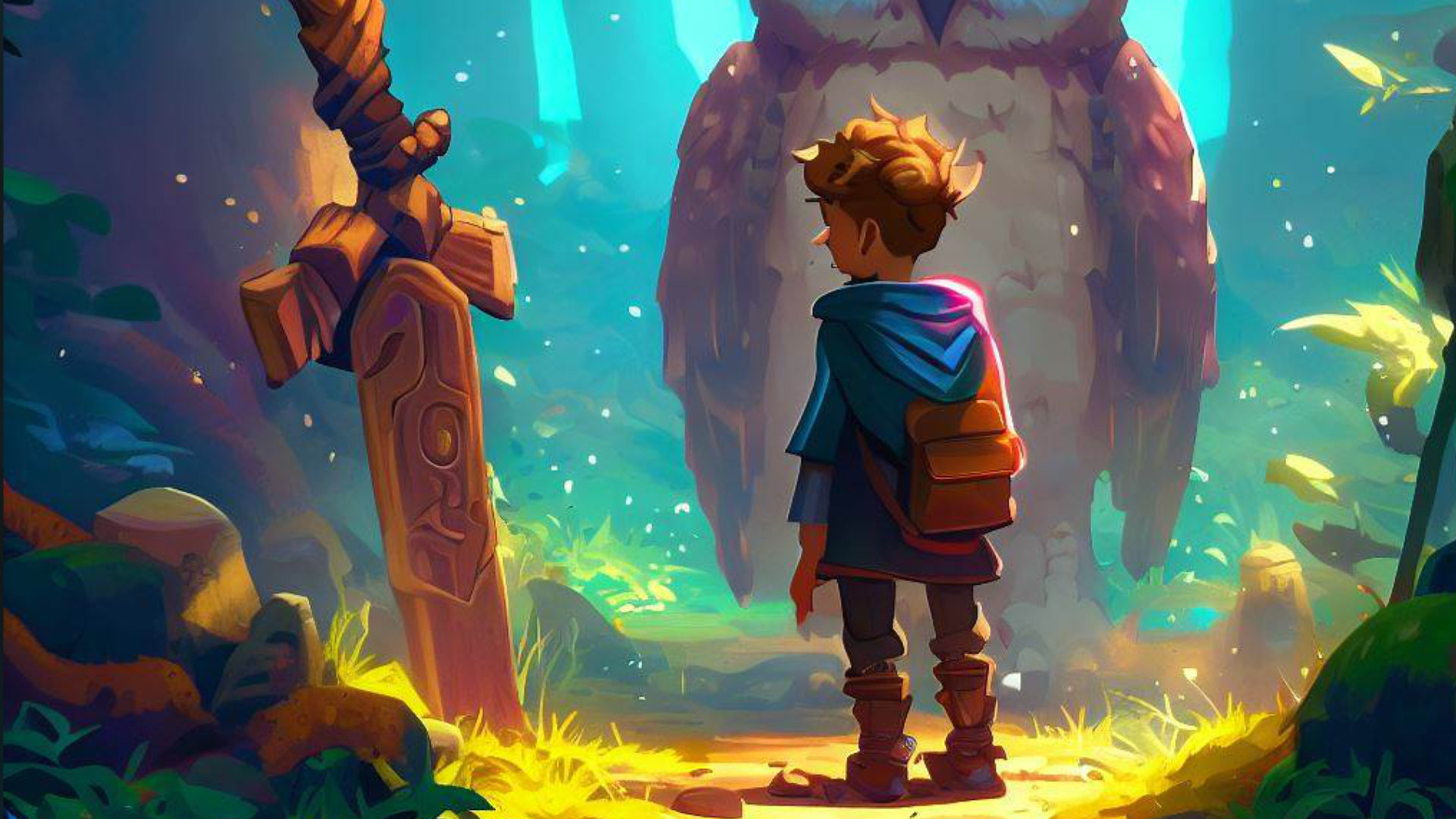
![The Revival of Retro: Crafting Modern Adventures with Vintage Software [2025]](https://tryrunable.com/blog/the-revival-of-retro-crafting-modern-adventures-with-vintage/image-1-1775136987051.png)
The Revival of Retro: Crafting Modern Adventures with Vintage Software [2025]
Picture this: a modern adventure game with all the bells and whistles of today's technology, yet built on the backbone of software from the early 1980s. This isn't a hypothetical scenario—it's the reality of 'Transfer Point', a game that marries the past with the future in an unprecedented way.
TL; DR
- Retro Meets Modern: 'Transfer Point' is a modern adventure game developed using a 40-year-old software foundation.
- Technical Feat: The game demonstrates how vintage software can be leveraged for contemporary game design.
- Challenges and Solutions: Development faced unique challenges, including compatibility and resource limitations.
- Future of Gaming: This approach could inspire a trend towards hybrid game development, combining old and new technologies.
- Community Response: The game has sparked discussion about the role of nostalgia in gaming innovation.

Developers faced significant challenges, particularly in cross-platform compatibility, rated highest in difficulty. (Estimated data)
Introduction
In an era dominated by cutting-edge graphics and hyper-realistic gameplay, the idea of creating a modern game using decades-old software seems counterintuitive. However, 'Transfer Point' defies these norms, proving that the charm and simplicity of vintage software can be the perfect canvas for new-age storytelling.
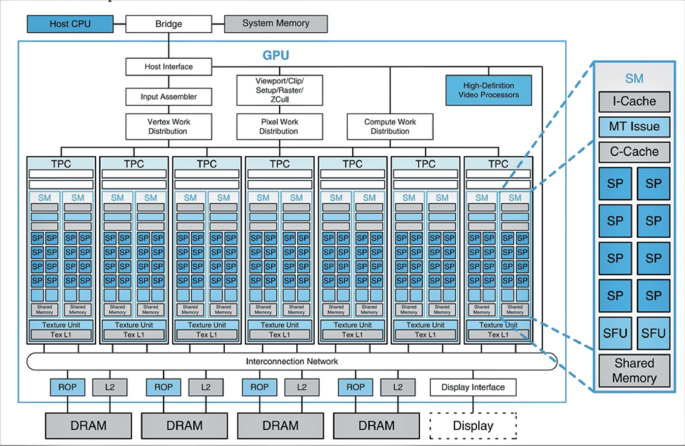
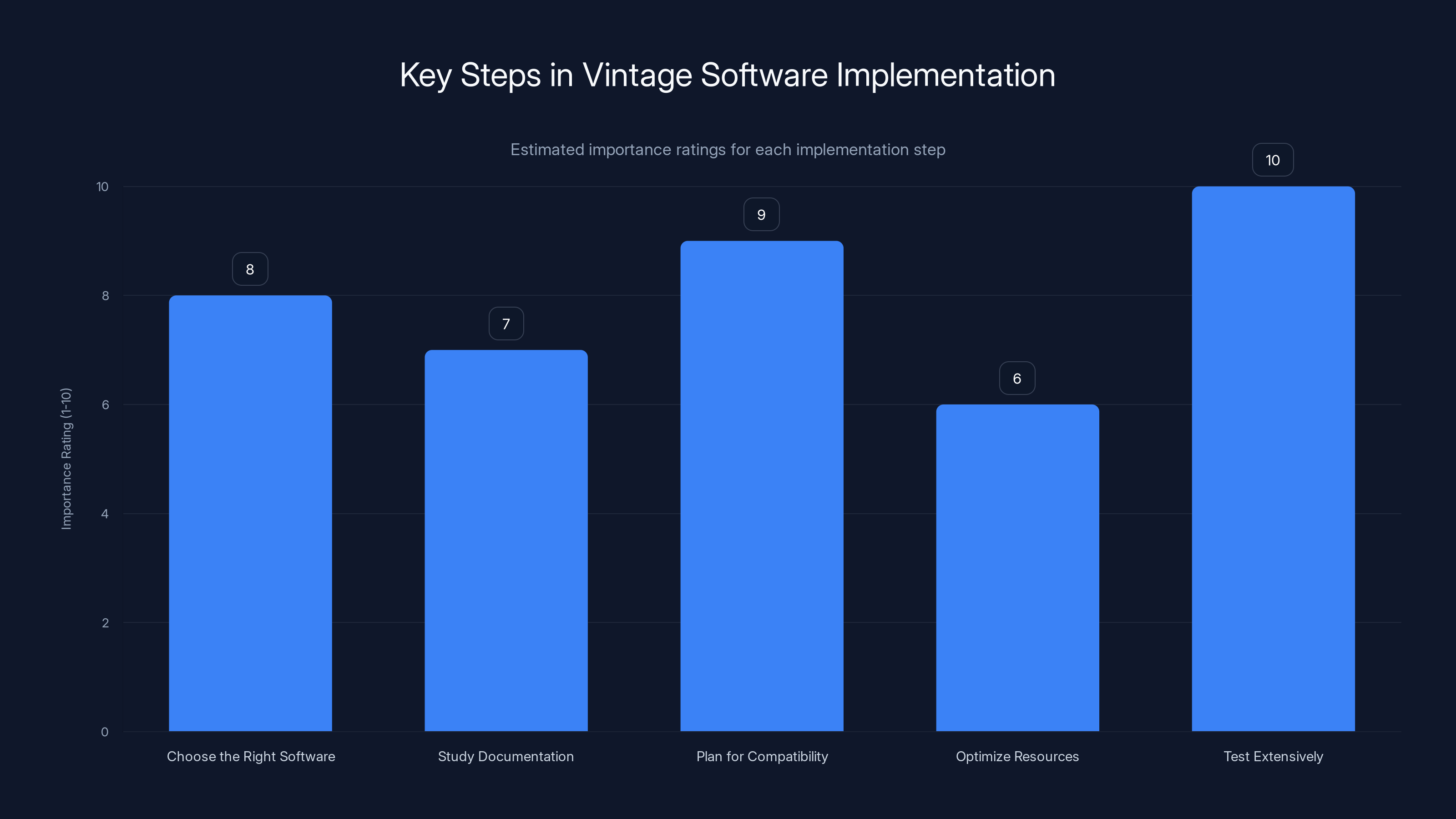
Testing extensively and planning for compatibility are crucial steps in implementing vintage software, with estimated importance ratings of 10 and 9 respectively.
The Concept: Bridging Eras
'Transfer Point' is not just another game—it's a bridge between eras. By utilizing 40-year-old software, the developers sought to invoke nostalgia while delivering a fresh experience. But why use such outdated technology?
Why Use Vintage Software?
- Nostalgia Factor: Tapping into the emotional connection many gamers have with early gaming experiences.
- Simplicity and Focus: Older software often emphasizes gameplay mechanics over graphics, allowing developers to focus on storytelling and player interaction.
- Technical Challenge: The constraints of older technology push developers to innovate within set boundaries, leading to creative problem-solving.
Technical Breakdown
Creating 'Transfer Point' involved a unique set of technical challenges and considerations. Here's a closer look at how the developers made it happen:
Software Selection
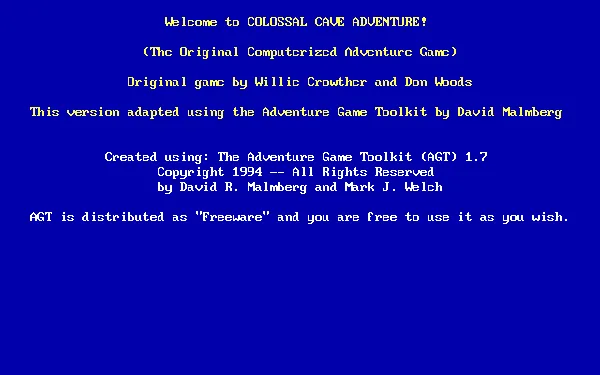
The team chose Adventure Game Toolkit (AGT), a popular choice in the 1980s for text-based games. Despite its age, AGT's flexibility allowed developers to script intricate storylines and player interactions.
Programming Challenges
- Memory Constraints: AGT was designed for systems with limited memory. Developers had to optimize every line of code to fit modern game requirements into these restrictions.
- Compatibility Issues: Ensuring the game ran smoothly on contemporary systems required extensive testing and modification of the original code.
Overcoming Obstacles
Despite these challenges, the team found innovative solutions:
- Memory Management: They utilized modern compression techniques to maximize available memory without compromising performance.
- Cross-Platform Compatibility: By creating an emulator to run the AGT code on modern operating systems, they ensured the game reached a wider audience.
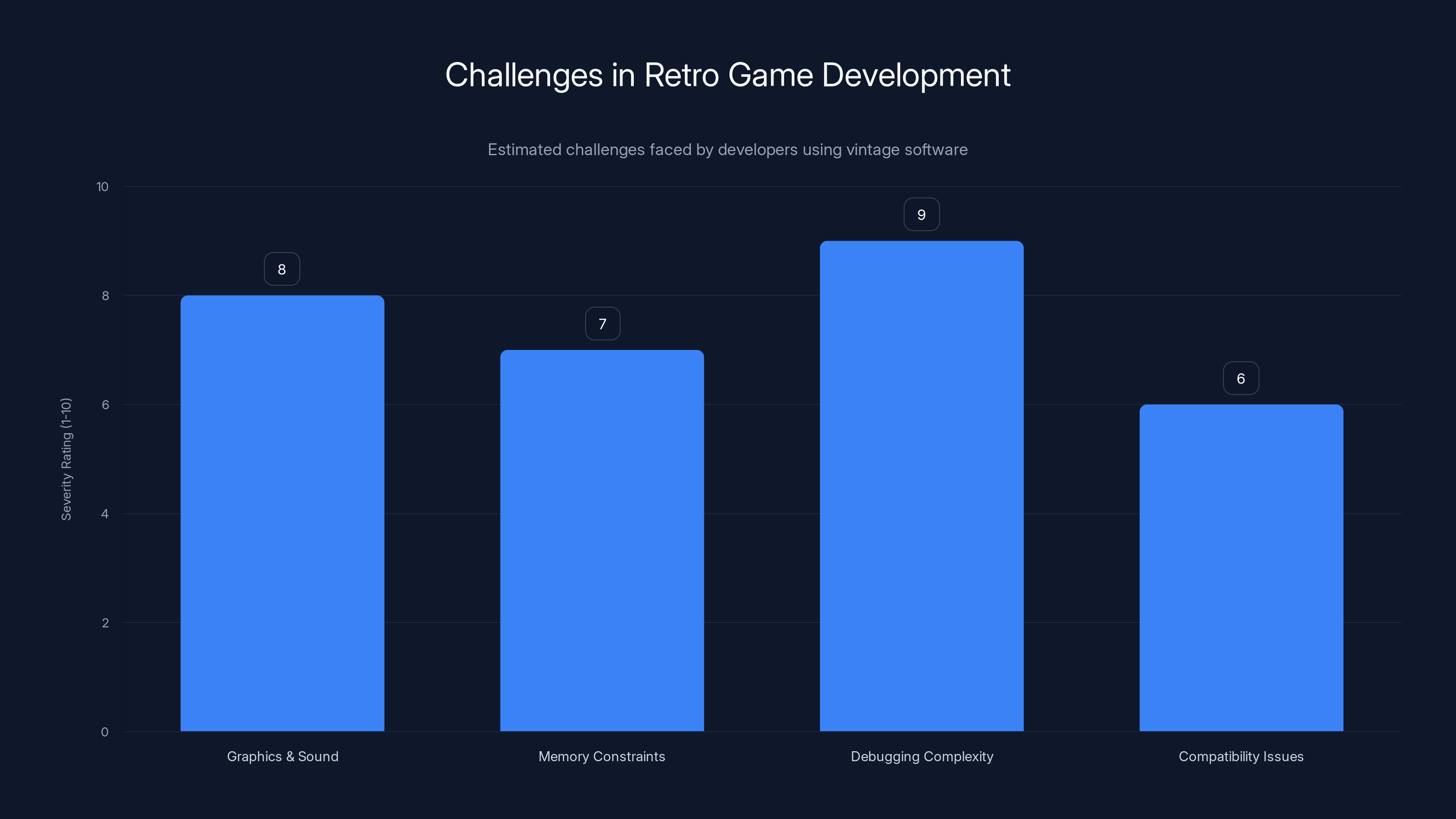
Retro game developers face significant challenges, particularly in debugging and graphics limitations, which require innovative solutions. (Estimated data)
Implementation Guide
For developers interested in following a similar path, here are some practical steps and best practices:
- Choose the Right Vintage Software: Identify software that aligns with your game's design goals and narrative style.
- Study the Original Documentation: Understanding the limitations and capabilities of the software is crucial.
- Plan for Compatibility: Consider building an emulator or wrapper to ensure your game runs on modern systems.
- Optimize for Resource Constraints: Use compression and efficient coding practices to work within memory and processing limits.
- Test Extensively: Rigorous testing across different platforms will help identify and resolve compatibility issues early.

Common Pitfalls and Solutions
Creating a modern game with vintage software isn't without its hurdles. Here are some common pitfalls and how to avoid them:
Pitfall 1: Limited Graphics Capability
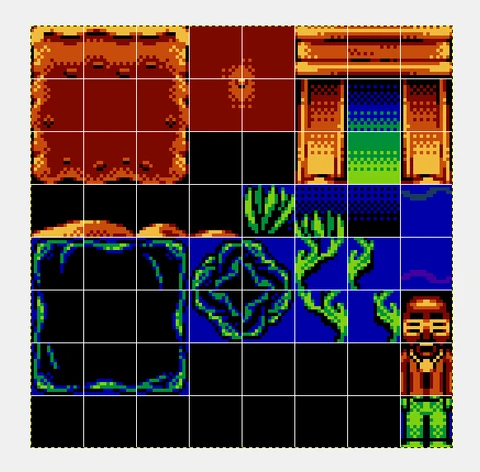
Solution: Leverage pixel art and minimalist design principles to create visually appealing graphics that align with the software's capability.
Pitfall 2: Sound and Music Limitations
Solution: Use chiptune music and sound effects, which are not only period-appropriate but also provide a distinct auditory experience.
Pitfall 3: Debugging Complexity
Solution: Implement modern debugging tools and practices to streamline the development process and catch issues early.

Future Trends in Hybrid Development
The success of 'Transfer Point' highlights a growing interest in hybrid development—combining old and new technologies. What can we expect in the future?
Nostalgia-Driven Innovation
Expect more games that leverage the nostalgic appeal of retro software while offering modern gameplay experiences. This approach can attract both older gamers and new players curious about the roots of gaming.
Cross-Generational Appeal
Games like 'Transfer Point' can bridge generational gaps, appealing to long-time gamers and introducing younger audiences to classic gaming mechanics.
Educational Opportunities
Hybrid development projects can serve as educational tools, teaching new developers about the history of gaming technology and encouraging innovative thinking.
Expanding Retro Game Libraries
With the rise of digital distribution, developers can easily release new games built on retro software, expanding the library of games available to nostalgic and new gamers alike.

Recommendation for Developers
If you're considering a similar project, here are some recommendations to keep in mind:
- Engage with the Community: Involve players in the development process through forums and feedback sessions.
- Explore Open Source Options: Many vintage software tools are open source, allowing for customization and modification.
- Focus on Storytelling: Use the limitations of vintage software to your advantage by crafting compelling narratives that captivate players.
- Embrace Limitations as Opportunities: View constraints not as obstacles but as opportunities for creativity and innovation.
Conclusion
'Transfer Point' is more than just a game—it's a testament to the potential of blending old and new technologies. By reviving vintage software and reimagining its use, developers can create unique gaming experiences that resonate with both nostalgia and modernity. As the gaming industry continues to evolve, projects like 'Transfer Point' remind us that sometimes, looking to the past can be the key to innovation.

FAQ
What is 'Transfer Point'?
'Transfer Point' is a modern adventure game developed using 40-year-old software, blending retro aesthetics with contemporary gameplay mechanics.
How does 'Transfer Point' work?
The game utilizes vintage software like Adventure Game Toolkit (AGT) to create a nostalgic gaming experience, optimized for modern platforms through emulation and code modifications.
What are the benefits of using vintage software?
Benefits include tapping into nostalgia, focusing on gameplay mechanics, and encouraging innovative problem-solving within technical constraints. More insights can be found at McKinsey.
How can developers ensure compatibility on modern systems?
Developers can create emulators or use modern coding practices to adapt vintage software for current operating systems, ensuring a wider reach.
What challenges do developers face with retro game development?
Challenges include limited graphics and sound capabilities, memory constraints, and debugging complexity, which can be overcome with modern tools and techniques.
What future trends can we expect in retro gaming?
Expect a rise in hybrid development projects that combine retro software with modern technology, appealing to both nostalgic gamers and new audiences.
Why is storytelling important in retro games?
With technical limitations, storytelling becomes a powerful tool to engage players and create immersive experiences, making it a focal point for retro game development.
How can developers engage with the gaming community?
Developers can involve players through forums, social media, and feedback sessions, fostering a sense of community and incorporating player input into game development.
Key Takeaways
- Retro and modern elements can coexist in game development, offering unique experiences.
- Vintage software poses technical challenges, but creativity can overcome these barriers.
- Emulation and code optimization are key to modernizing old software.
- Nostalgia-driven games can attract diverse audiences.
- Hybrid development may become a significant trend in the gaming industry.
- Community engagement is crucial for successful retro game projects.
- Storytelling enhances the appeal of retro games.
- Open source retro tools provide flexibility for developers.
Related Articles
- Mobile Open Worlds: Exploring the Evolution and Impact [2025]
- The Evolution of Evercade: Larger Screen and Dual Thumbsticks for Enhanced 3D Gaming [2025]
- Hades 2 Launches on PS5 and Xbox: What Gamers Need to Know [2025]
- Mastering Mobile Gaming: Insights into The Division Resurgence's Tactical Touch Controls [2025]
- Roguelike Coin Pusher Games: The Arcade Experience Reimagined [2025]
- Unlocking Xbox-Themed Interactive Challenges with Fanta: A Gamer's Guide [2025]


