
![The Online Banking Security Paradox: Why VPN Protection is a Problem (And How to Solve It) [2025]](https://tryrunable.com/blog/the-online-banking-security-paradox-why-vpn-protection-is-a-/image-1-1779543359584.jpg)
Introduction
Let's face it: online banking is a marvel of modern convenience. You can transfer money, pay bills, and manage investments all from the comfort of your couch. But with great convenience comes even greater responsibility, especially when it comes to securing your financial information. The catch? Many people think using a Virtual Private Network (VPN) is the best way to secure online banking activities. But here's the twist: VPNs might not always be the protective shield they claim to be.
TL; DR
- VPNs are not foolproof for banking: They can introduce vulnerabilities, especially if misconfigured.
- Two-factor authentication is crucial: Adds an extra layer of security beyond VPNs.
- Use trusted banking apps: They often have built-in security measures that VPNs lack.
- Educate yourself on security best practices: Awareness is a powerful tool in the fight against cyber threats.
- The future of banking security: AI and biometric verification are game-changers.
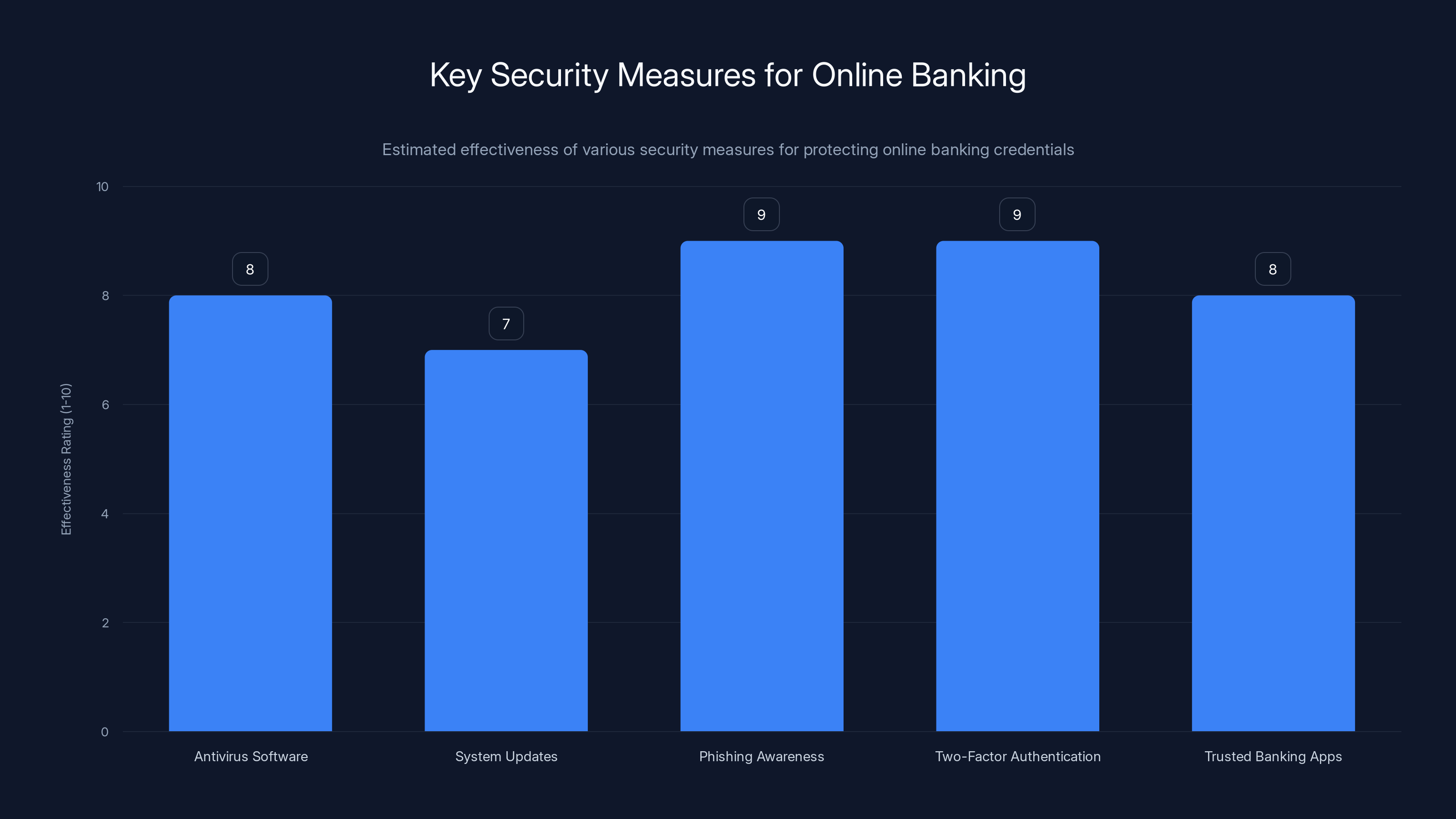
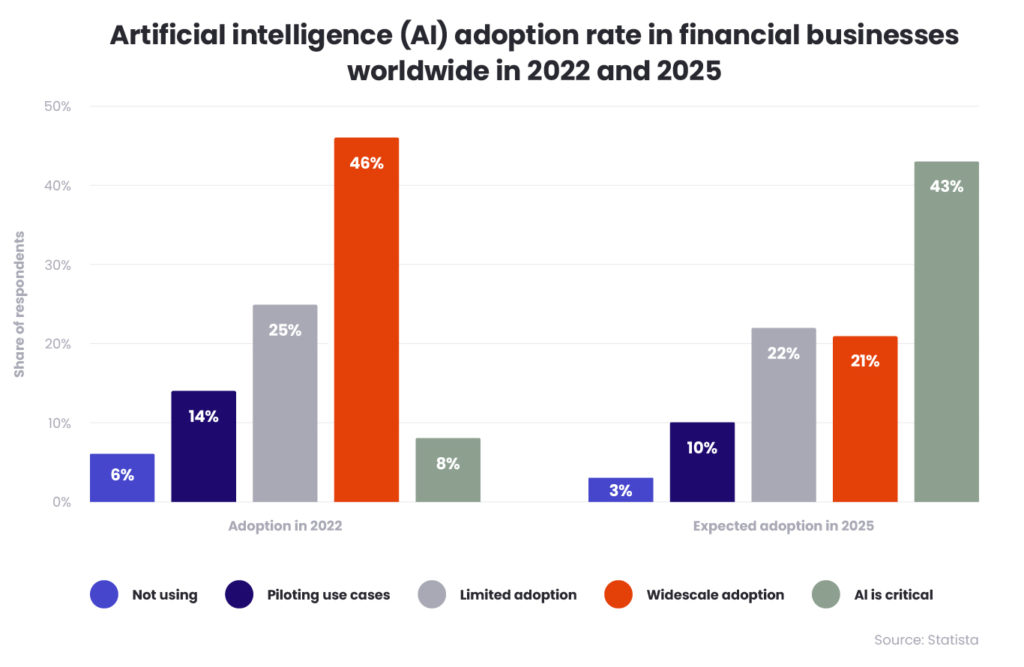
Estimated data shows that phishing awareness and two-factor authentication are among the most effective measures for securing online banking credentials.
The Paradox of VPNs in Online Banking
What Are VPNs Supposed to Do?
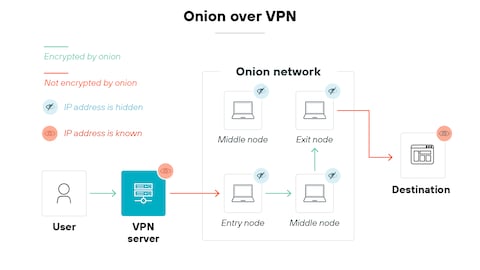
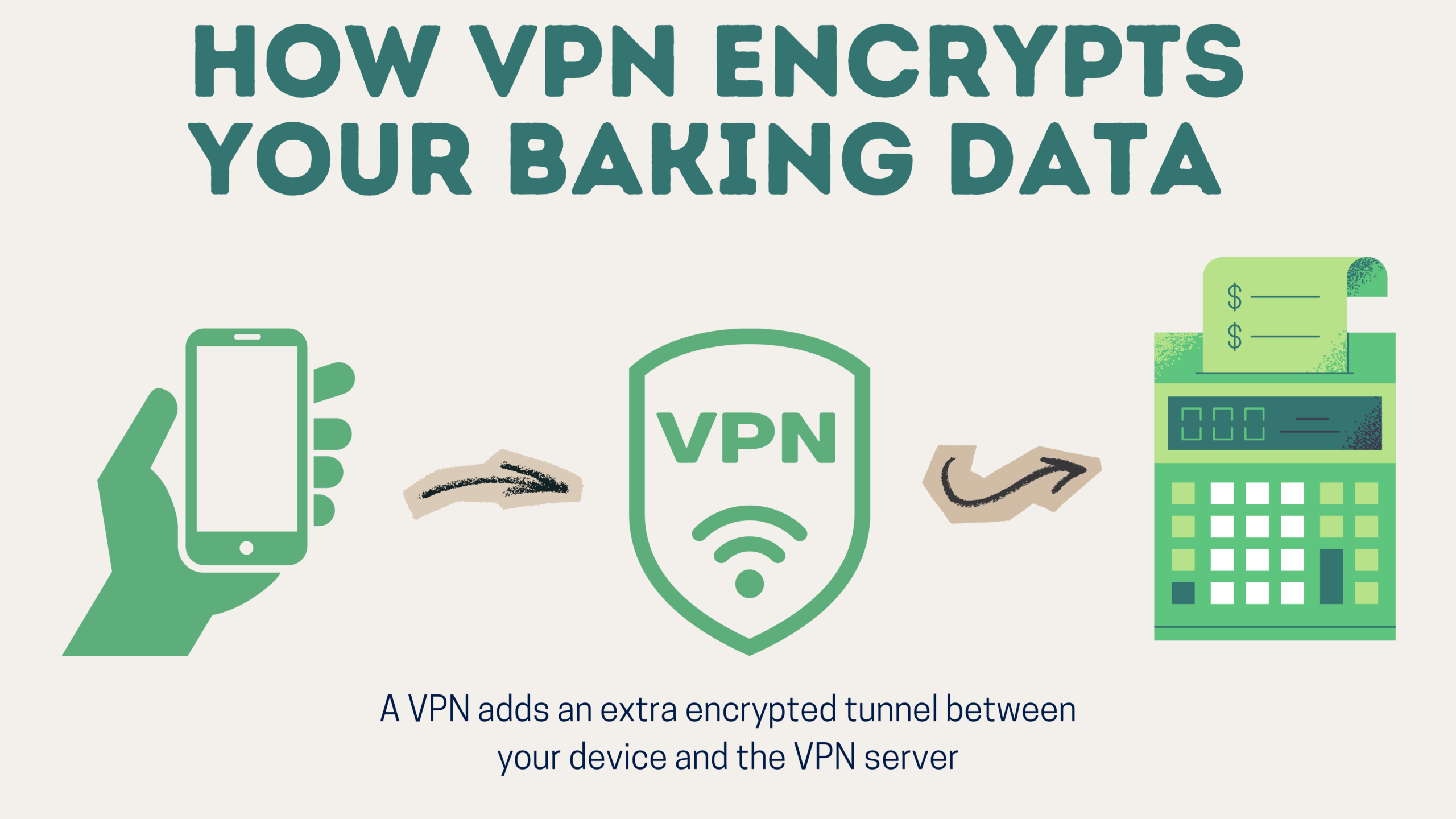
VPNs are designed to create a secure tunnel between your device and the internet, encrypting your data and hiding your IP address. They are touted as a must-have for maintaining privacy online. But when it comes to online banking, things aren't as straightforward.
The VPN Security Illusion
Here's the real talk: VPNs can give a false sense of security. While they encrypt your internet traffic, they don't protect against other threats like phishing or malware. VPNs can also introduce vulnerabilities if the provider has weak security practices or if their servers are compromised.
Common Misconceptions
Many users believe that a VPN alone can protect their online banking activities. However, this isn't entirely true. VPNs don't encrypt data on your device nor do they prevent data breaches on the bank's side. Plus, if a VPN connection drops, your data could suddenly become exposed.
VPNs and Banking Apps
Some banking apps may block VPN traffic due to potential security risks. They might see VPNs as a way to mask fraudulent activity, making it difficult for banks to verify legitimate transactions.

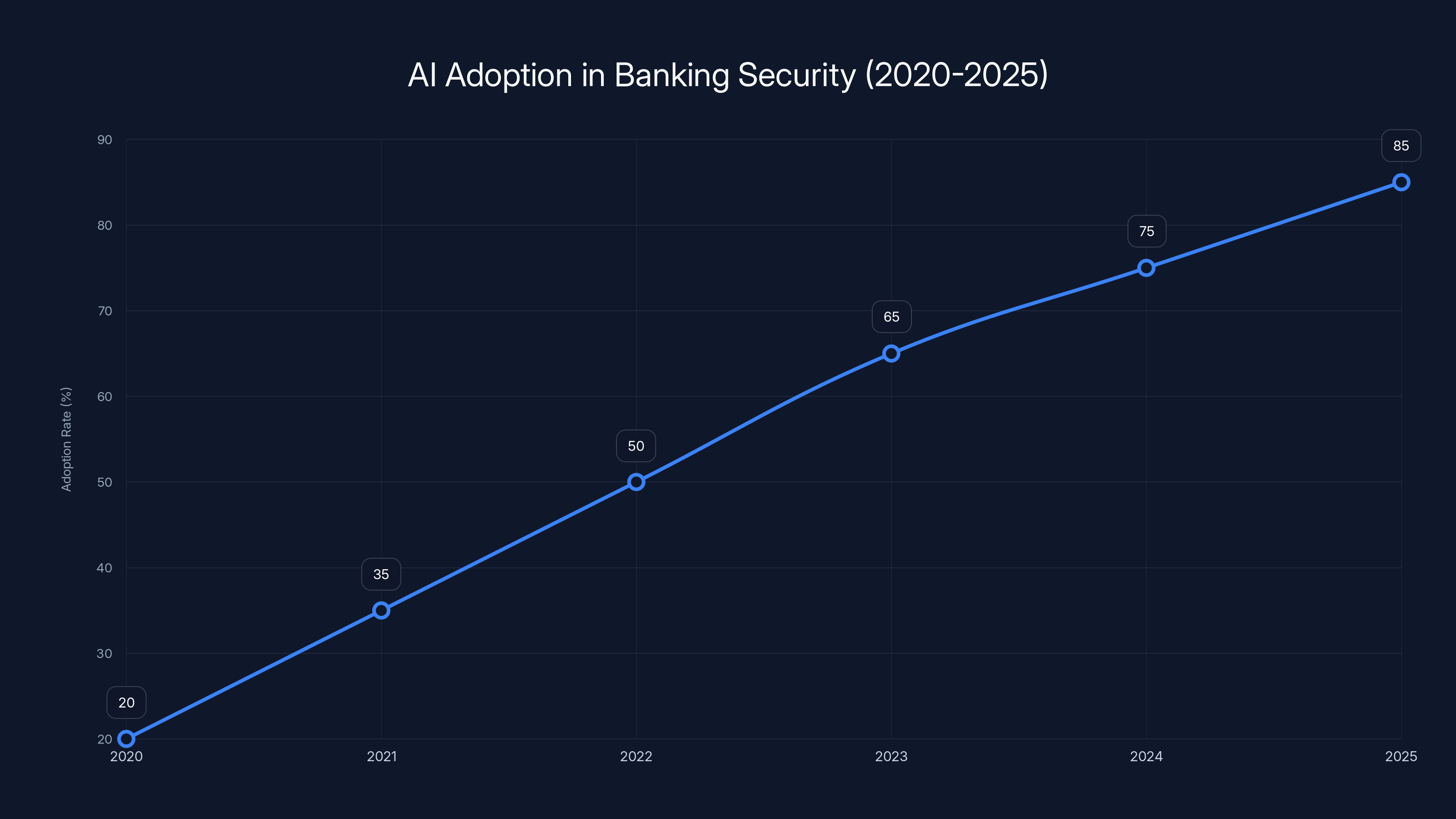
AI adoption in banking security is projected to rise from 20% in 2020 to 85% by 2025, enhancing real-time fraud detection. Estimated data.
Practical Implementation Guides
Secure Your Device
Before even considering a VPN, ensure your device is secure. Use a reputable antivirus program, keep your operating system updated, and only download apps from trusted sources.
- Install Antivirus Software: This is your first line of defense against malware that could compromise your banking credentials. PCWorld recommends several top antivirus programs for Windows users.
- Update Your System Regularly: Software updates often contain patches for security vulnerabilities.
- Be Wary of Phishing Attempts: Always double-check the source of emails or messages claiming to be from your bank.
Two-Factor Authentication (2FA)
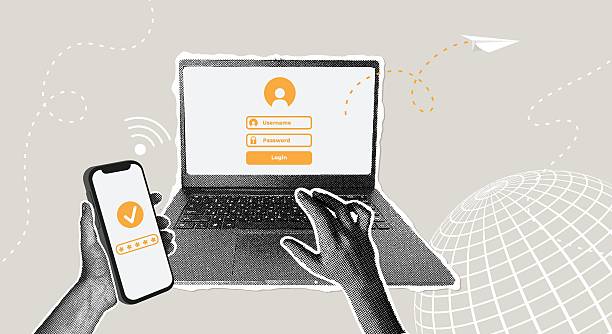
Enable 2FA on your banking account. This adds an additional layer of security by requiring a second form of verification. Most banks offer options like SMS codes or authentication apps.
Use Trusted Banking Apps
Download your bank's official app rather than accessing your account through a web browser. Banking apps are typically more secure as they are designed to handle sensitive information.
Common Pitfalls and Solutions
Misconfigured VPNs
A poorly configured VPN can do more harm than good. Ensure your VPN is set up correctly by checking settings like encryption protocols and server locations.
- Use Strong Encryption: Choose a VPN that supports AES-256 encryption, the industry standard for security.
- Select Trusted Servers: Connect to servers in countries with strong privacy laws.
Overreliance on VPNs
Relying solely on a VPN can lead to complacency. Always combine VPN usage with other security measures like 2FA and secure passwords.
- Complex Passwords: Use a combination of letters, numbers, and symbols. A password manager can help keep track of them.
- Regular Monitoring: Check your bank statements frequently to spot unauthorized transactions early.
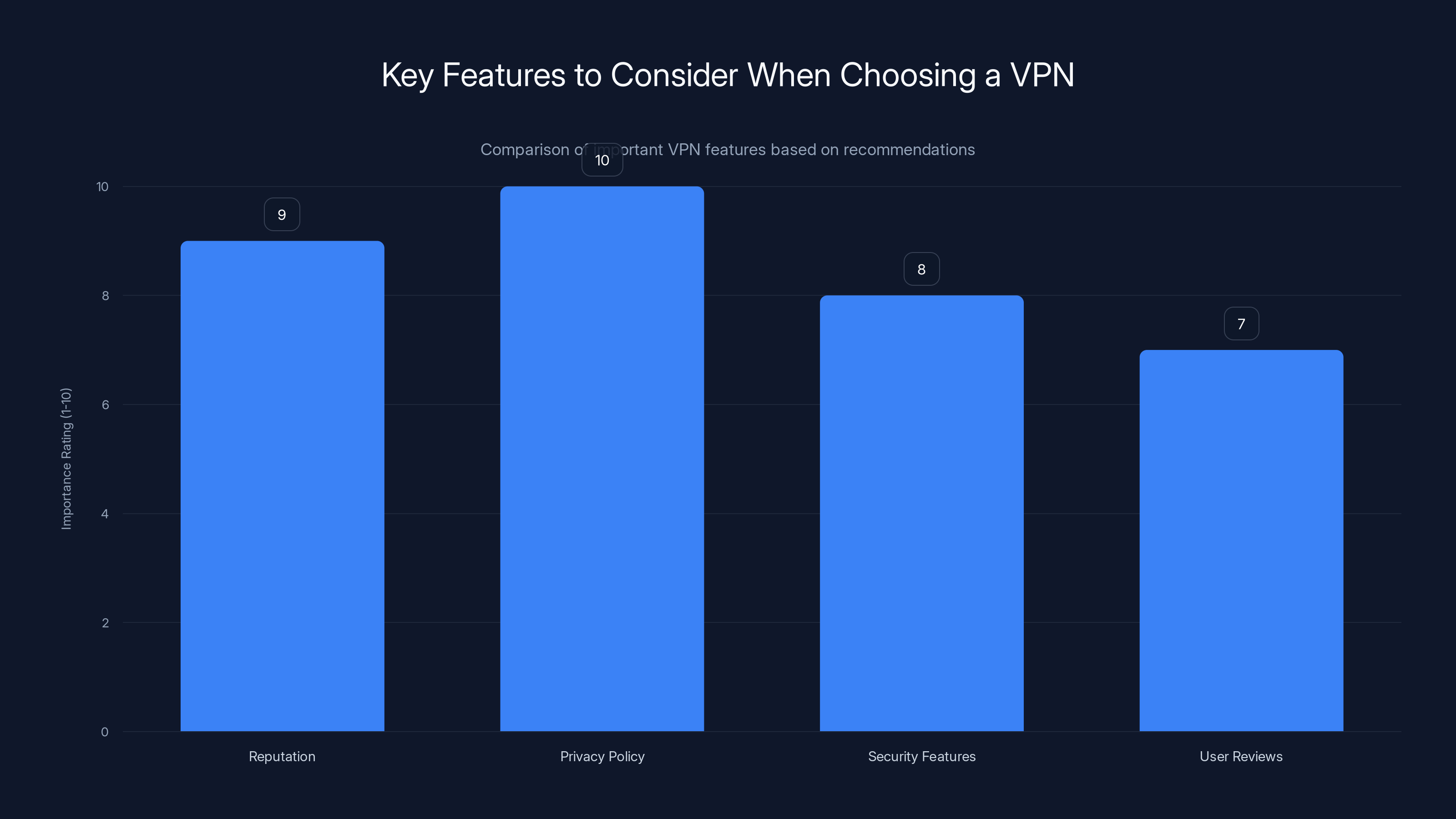
Reputation and privacy policies are the most critical factors when choosing a VPN, with ratings of 9 and 10 respectively. Estimated data based on typical user priorities.
Future Trends in Banking Security
Artificial Intelligence (AI)
AI is revolutionizing banking security. Banks are increasingly using AI to detect fraudulent activity in real-time by analyzing transaction patterns and customer behavior.
Biometric Verification
Biometric verification, such as fingerprint and facial recognition, offers a high level of security and convenience. As this technology becomes more widespread, it could replace traditional passwords altogether.
Blockchain Technology
Blockchain's decentralized nature provides a secure way to conduct transactions. Some banks are exploring blockchain to enhance security and transparency in financial operations.
Recommendations
Choose the Right VPN
Not all VPNs are created equal. Opt for a reputable provider with a strong privacy policy and robust security features.
- Reputation Matters: Check reviews and ratings from trusted sources.
- Privacy Policies: Ensure the VPN doesn't log your activity.
Regular Security Audits
Conduct regular security audits of your online banking practices. This involves reviewing your security measures and updating them as needed.
- Audit Frequency: Aim for at least twice a year.
- Checklist Approach: Use a checklist to ensure all aspects of security are covered.

Conclusion
Online banking security is a complex issue, and while VPNs offer some benefits, they are not a silver bullet. Combining multiple security measures, staying informed about the latest threats, and adopting new technologies like AI and biometrics will help keep your financial information safe.
By understanding the limitations of VPNs and implementing comprehensive security practices, you can enjoy the convenience of online banking without compromising your safety.
FAQ
What is a VPN?
A VPN, or Virtual Private Network, creates a secure connection over the internet, encrypting your data and masking your IP address.
How does a VPN work?
A VPN routes your internet traffic through a secure server, encrypting your data and protecting your online identity.
Are VPNs enough for banking security?
No, VPNs should be part of a broader security strategy that includes 2FA, secure passwords, and regular monitoring.
What are the benefits of using a VPN?
VPNs enhance privacy by hiding your IP address and encrypting your internet traffic, which can be useful for protecting sensitive data.
How can I improve my online banking security?
Use a combination of VPNs, 2FA, trusted banking apps, and secure passwords, and stay informed about the latest security threats.
What is two-factor authentication?
Two-factor authentication adds an extra layer of security by requiring a second form of verification, such as a code sent to your phone.
What are the future trends in banking security?
AI, biometric verification, and blockchain technology are shaping the future of banking security, offering enhanced protection and convenience.
How can AI improve banking security?
AI can analyze transaction patterns to detect fraudulent activity in real-time, helping banks respond quickly to threats.
What is biometric verification?
Biometric verification uses physical characteristics, like fingerprints or facial recognition, to verify your identity.
How often should I conduct a security audit?
Regular security audits are recommended at least twice a year to ensure your online banking practices remain secure.
Key Takeaways
- VPNs can introduce vulnerabilities in online banking.
- Two-factor authentication is essential for security.
- Trusted banking apps often have superior security measures.
- AI and biometric verification are the future of banking security.
- Regular security audits help maintain robust online banking practices.
Related Articles
- Understanding the Chromium Vulnerability: Safeguarding Your Browser [2025]
- The FBI Wants ‘Near Real-Time’ Access to US License Plate Readers | WIRED
- The Unwavering Importance of No-Logs Architecture and Encryption in the Face of Bill C-22 [2025]
- Antitrust Strategies for Live Nation-Ticketmaster [2025]
- Beyond MFA: Securing Post-Authentication Activities [2025]
- Private Messages & the Future of 3D Printing: A Deep Dive [2025]


