
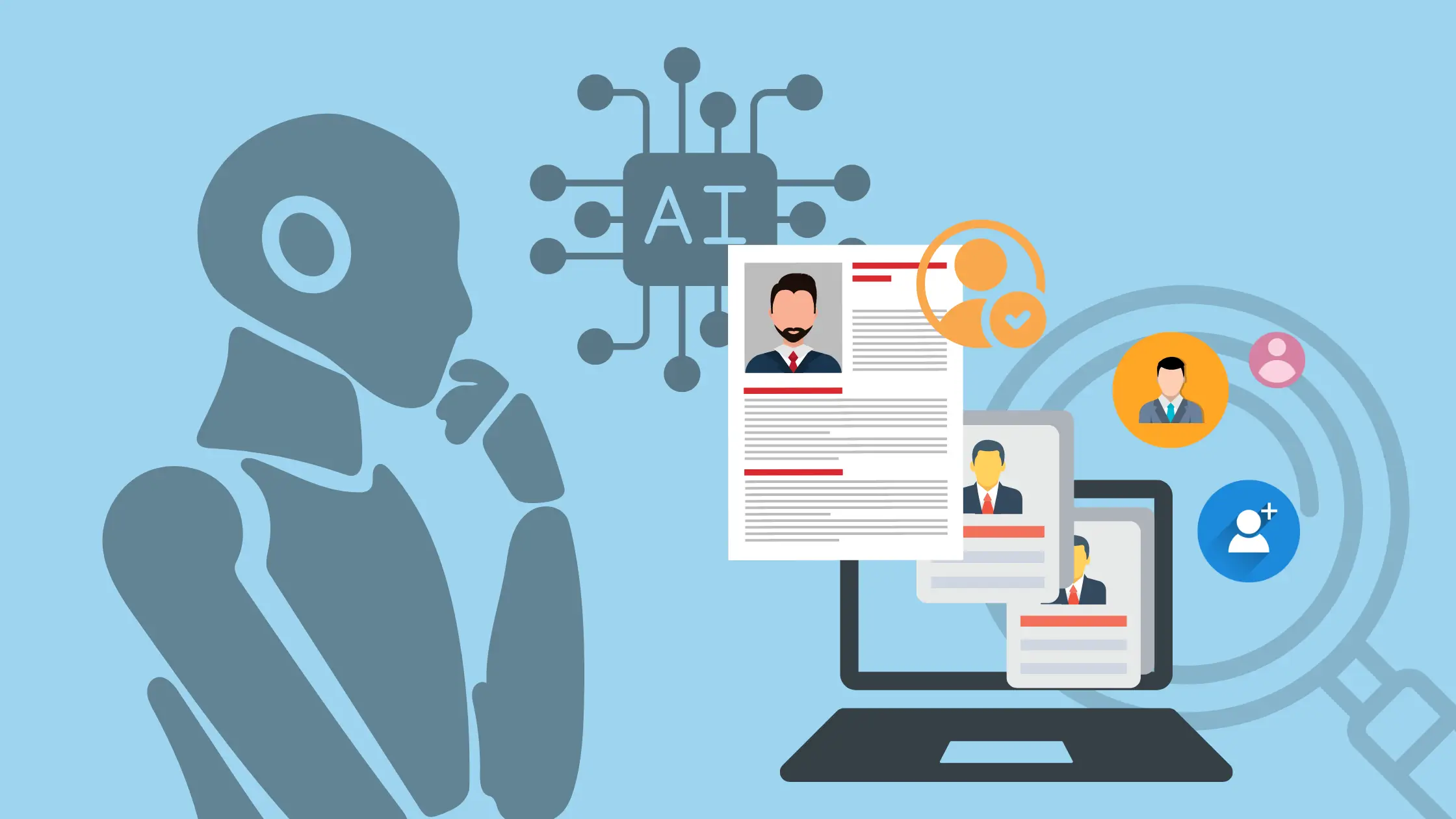
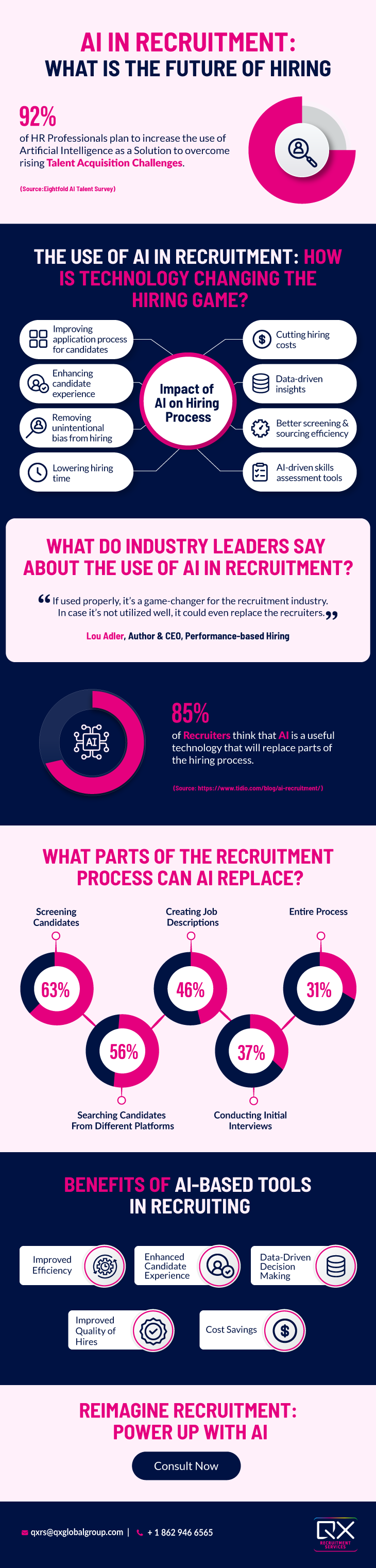
![The Impact of AI Hiring on Younger Workers: Navigating the New Job Landscape [2025]](https://tryrunable.com/blog/the-impact-of-ai-hiring-on-younger-workers-navigating-the-ne/image-1-1779494682155.jpg)
The Impact of AI Hiring on Younger Workers: Navigating the New Job Landscape [2025]
Last month, a major tech company announced a shift in its hiring strategy—prioritizing AI-driven assessments over traditional interviews. It wasn't just a headline; it was a reality check for younger workers hoping to break into the industry. As the landscape evolves, AI hiring practices are creating ripples across the job market, with younger workers feeling the brunt.
TL; DR
- AI hiring practices are reshaping job opportunities, favoring midlevel roles over entry-level positions.
- Younger workers face increased competition and hurdles due to AI-driven assessments.
- Midlevel roles are prioritized as companies seek experienced candidates to handle complex tasks.
- AI tools streamline hiring but can inadvertently exclude less-experienced candidates.
- Future trends suggest a need for adaptability and skill diversification in younger workers.
Understanding AI in Hiring
AI hiring isn't about robots conducting interviews; it's about using data-driven algorithms to evaluate candidates. These systems analyze resumes, online profiles, and even social media activity to assess a candidate's fit for a role. Companies like LinkedIn and Indeed have integrated AI to match candidates with job openings more efficiently.
How AI Hiring Works
AI hiring systems rely on algorithms to screen candidates. These algorithms look at keywords, experience levels, and even soft skills inferred from text patterns. For example, a candidate's leadership potential might be gauged from specific language used in their resume.
- Keyword Matching: Resumes are scanned for specific terms that align with job descriptions.
- Predictive Analytics: Models predict a candidate's potential performance based on historical data.
- Bias Mitigation: AI aims to reduce human bias, though this is a contentious area.
The Shift Towards Midlevel Roles
In today's job market, companies are increasingly focusing on midlevel roles. This shift is largely driven by the need for candidates who can hit the ground running with minimal training.
- Experience Over Education: Midlevel roles require proven experience, which AI can verify through digital footprints.
- Skill Specialization: Companies prefer candidates with niche skills that are immediately applicable.
- Reduced Onboarding: Experienced hires reduce the time and cost associated with onboarding and training.
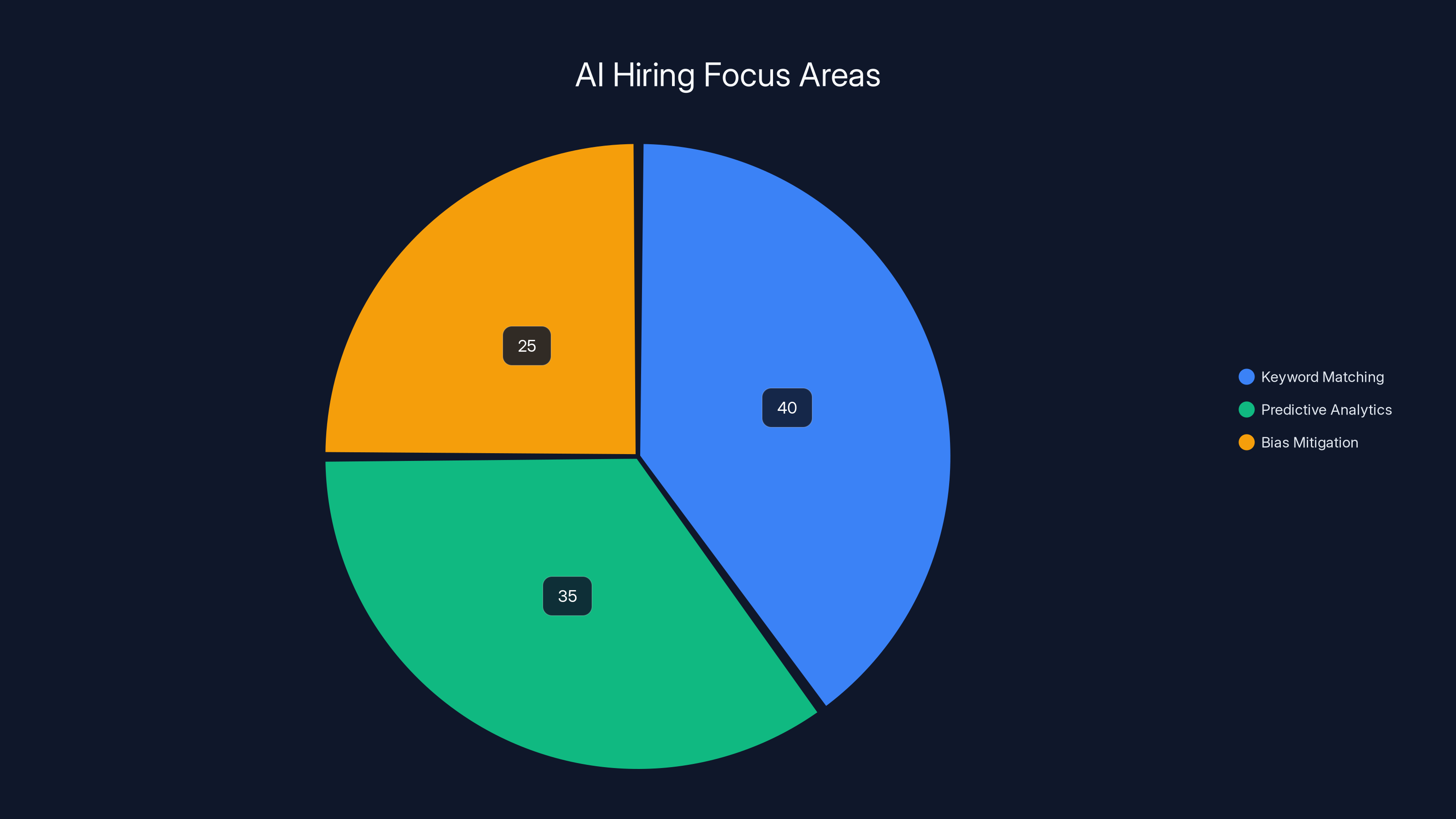
Estimated data shows that keyword matching is the primary focus of AI hiring systems, followed by predictive analytics and bias mitigation.
The Impact on Younger Workers
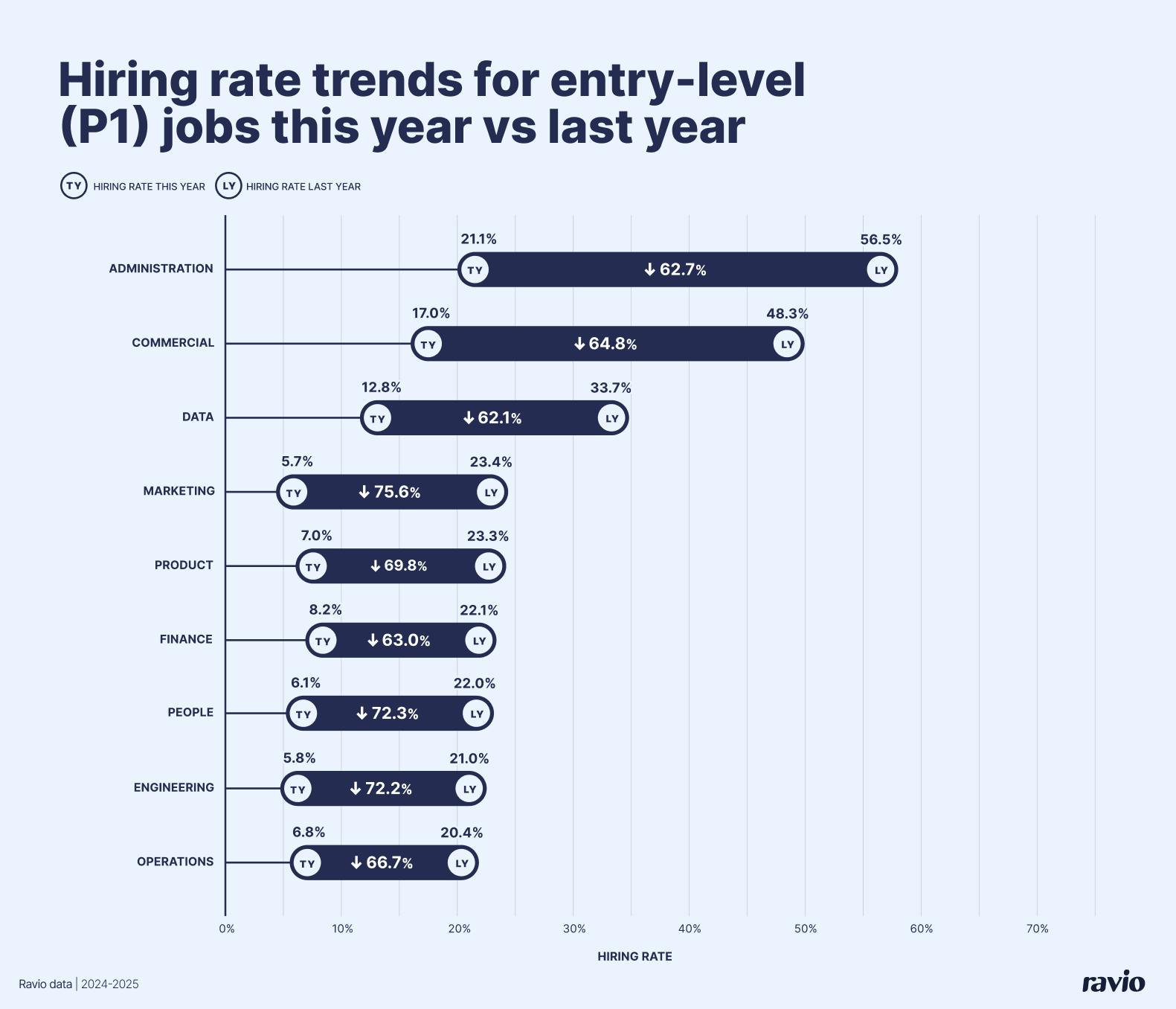
Younger workers, especially those fresh out of college, face unique challenges in this AI-driven hiring landscape. Entry-level positions, traditionally seen as stepping stones, are dwindling as companies lean towards hiring experienced professionals.
Challenges Faced by Younger Workers
- Increased Competition: With fewer entry-level roles, competition is fierce.
- Skill Gaps: Many younger workers lack the niche skills that AI algorithms prioritize.
- Experience Bias: AI systems may undervalue potential by focusing heavily on experience metrics.
Real-World Example: Tech Sector
Let's consider the tech sector, often at the forefront of adopting AI. A startup recently reported using AI to fill a critical midlevel developer role. The algorithm favored candidates with specific programming language expertise and project management experience, sidelining promising new graduates.
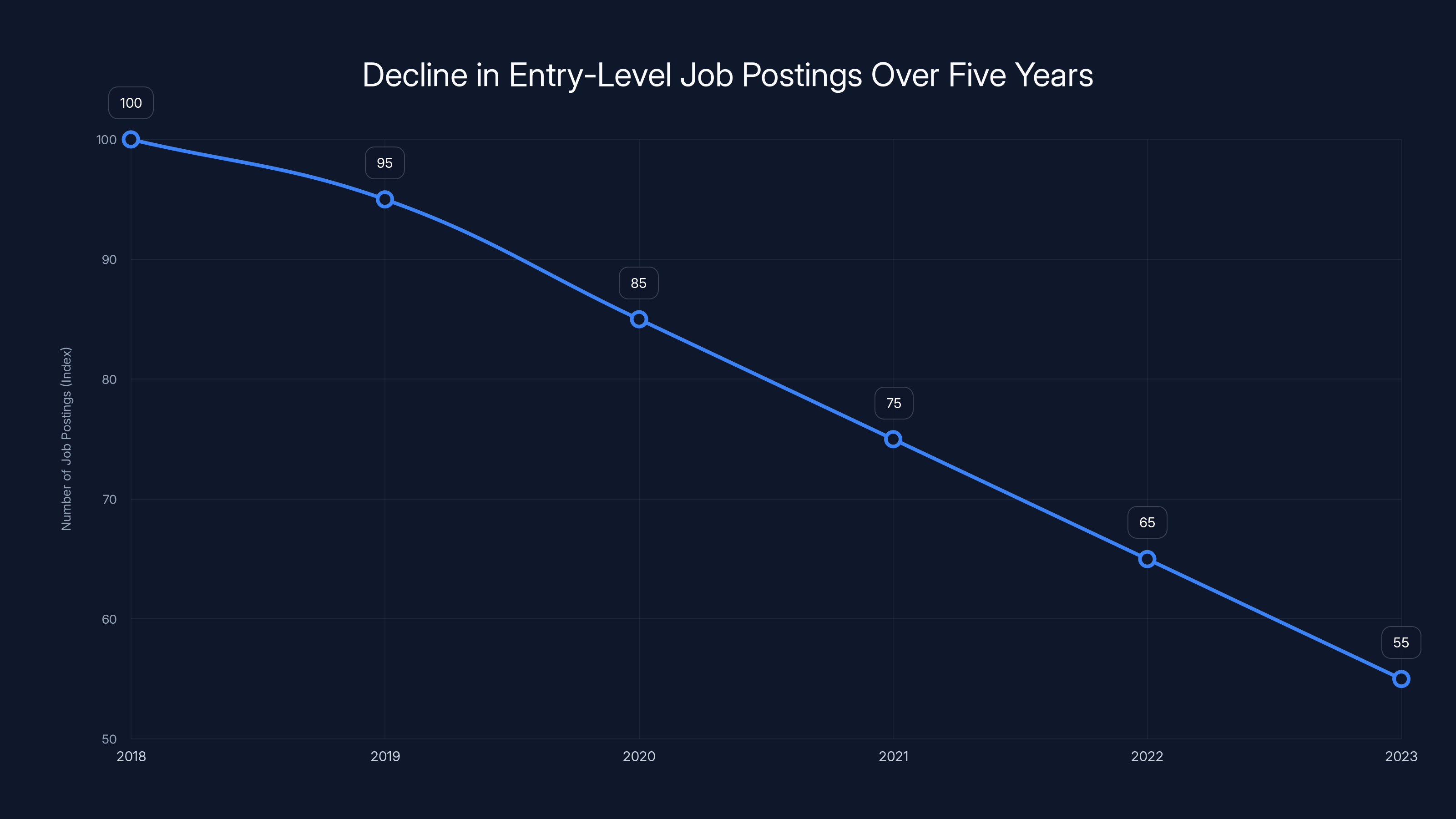
The chart illustrates an estimated decline in entry-level job postings over the past five years, highlighting the increasing challenges for younger workers in securing these positions. Estimated data.
Navigating the New Job Landscape
Younger workers need to adapt to this shifting landscape by focusing on skill development and strategic career planning.
Skill Development Strategies
- Continuous Learning: Platforms like Coursera and Udacity offer courses to upskill in high-demand areas.
- Networking: Building a strong professional network can open doors that AI might close.
- Soft Skills: Emphasizing communication and teamwork, which AI struggles to evaluate.
Leveraging Internships and Freelance Work
Internships and freelance opportunities provide practical experience that can bridge the gap between education and full-time employment. They offer:
- Hands-On Experience: Direct involvement in projects enhances learning.
- Industry Connections: Building relationships with professionals can lead to future job opportunities.
- Portfolio Development: Tangible work samples that demonstrate skills to prospective employers.
Future Trends in AI Hiring
The future of AI hiring promises both challenges and opportunities. While current trends favor midlevel roles, changes are on the horizon.
Predicted Shifts
- AI in Entry-Level Hiring: Companies may start using AI to identify potential in less-experienced candidates.
- Diverse Evaluation Metrics: Broader criteria could include online courses and project work alongside traditional experience.
- Human-AI Collaboration: Recruiters and AI systems working together to balance efficiency with empathy.
Preparing for the Future
For younger workers, preparation is key. Staying ahead means embracing lifelong learning and being open to diverse career paths.
- Adaptability: Being flexible in career choices and open to lateral moves can provide valuable experience.
- Tech Literacy: Understanding AI and its role in the job market can demystify the hiring process.
- Building a Personal Brand: Online presence on platforms like LinkedIn can showcase skills and achievements beyond a resume.
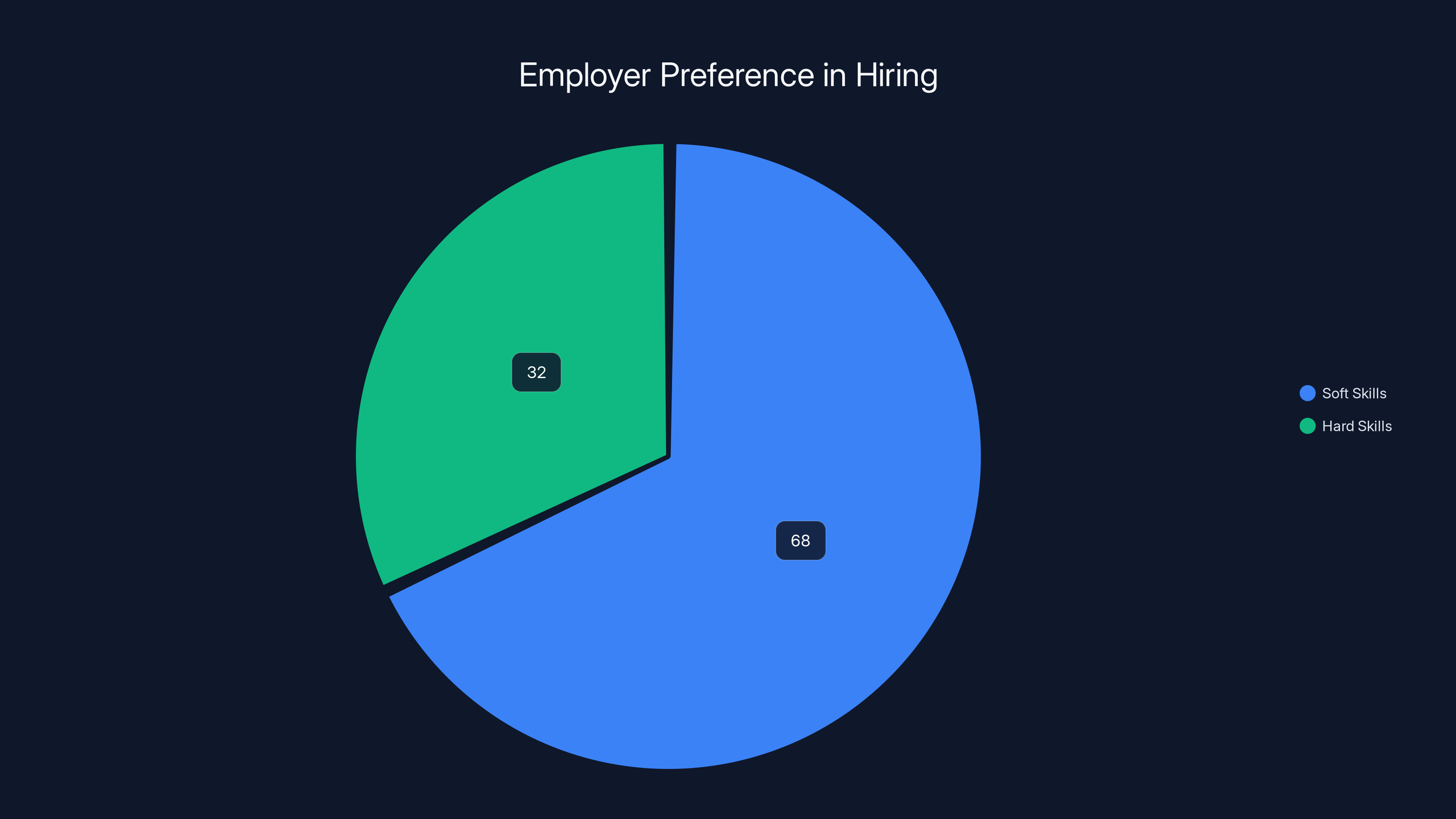
A study shows that 68% of employers prioritize soft skills over hard skills during the hiring process, highlighting the importance of communication and teamwork.
Common Pitfalls and Solutions
Navigating the AI hiring landscape isn't without its challenges. Here are common pitfalls and how to avoid them:
Overreliance on AI Keywords
Pitfall: Candidates may overload resumes with keywords to pass AI screening.
Solution: Use keywords naturally and ensure they accurately reflect your skills and experiences.
Neglecting Soft Skills
Pitfall: Focusing solely on technical skills and neglecting soft skills.
Solution: Highlight teamwork, problem-solving, and adaptability in your resume and interviews.
Ignoring Online Presence
Pitfall: Underestimating the impact of digital footprints.
Solution: Maintain a professional online presence, ensuring consistency across platforms.
Best Practices for Job Seekers
For job seekers, especially younger workers, adopting best practices can enhance job prospects in an AI-dominated hiring environment.
Crafting an AI-Friendly Resume
- Highlight Specific Achievements: Use concrete numbers to showcase accomplishments.
- Tailor Resumes: Customize each resume to the job description using relevant keywords.
- Include a Summary: A clear summary statement can help AI systems quickly understand your career goals and skills.
Interview Preparation
- Research the Company: Understanding the company's values and goals can help tailor your responses.
- Practice Common Questions: Use platforms like Interviewing.io for mock interviews.
- Ask Questions: Prepare insightful questions to ask interviewers, showcasing your interest and preparation.
Conclusion
In conclusion, the rise of AI in hiring is reshaping the job market, with younger workers facing significant challenges. By understanding AI's role, developing relevant skills, and leveraging strategic opportunities, younger workers can successfully navigate this new landscape. The key lies in adaptability, continuous learning, and maintaining a strong professional presence. As AI continues to evolve, so too must the strategies of job seekers.
Use Case: Automate your resume screening process to save time and identify the best candidates more efficiently.
Try Runable For Free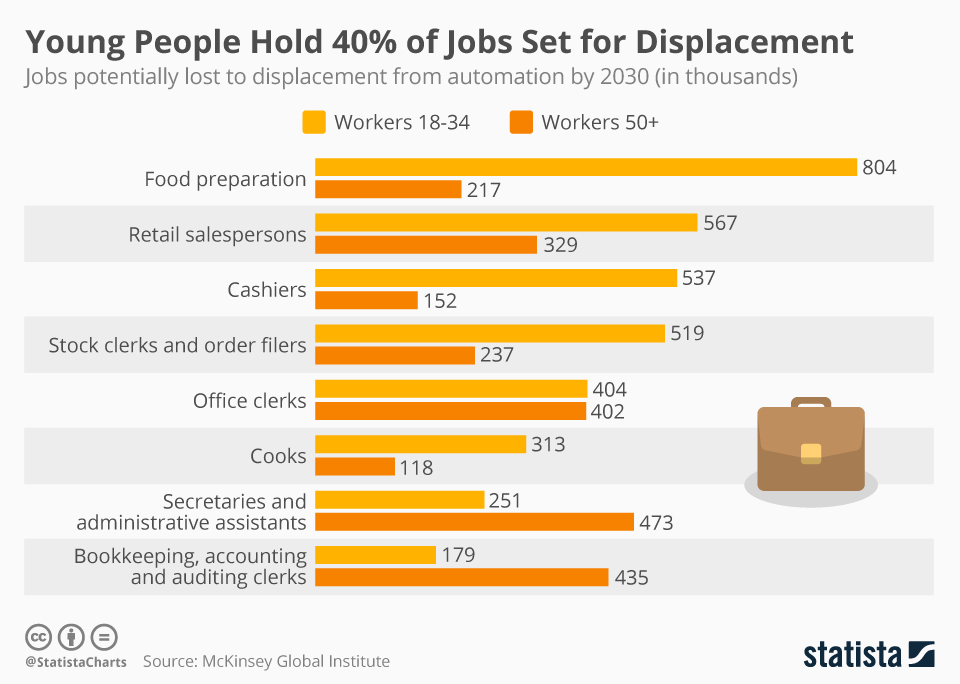
FAQ
What is AI hiring?
AI hiring involves using algorithms and data analysis to evaluate job candidates, streamlining the recruitment process by focusing on specific skills and experiences.
How does AI hiring impact younger workers?
AI hiring can disadvantage younger workers by prioritizing experience and niche skills, making it harder to secure entry-level positions.
What are the benefits of AI hiring?
Benefits include increased efficiency, reduced bias, and the ability to process large volumes of applications quickly, as supported by McKinsey.
How can younger workers adapt to AI hiring?
Younger workers can adapt by focusing on skill development, building professional networks, and maintaining a strong online presence.
What are the future trends in AI hiring?
Future trends include AI-driven entry-level recruitment, diverse evaluation metrics, and increased human-AI collaboration in hiring processes.
How can job seekers improve their chances in an AI-driven hiring market?
Job seekers can improve their chances by crafting AI-friendly resumes, highlighting both technical and soft skills, and preparing thoroughly for interviews.
Key Takeaways
- Last month, a major tech company announced a shift in its hiring strategy—prioritizing AI-driven assessments over traditional interviews
- These algorithms look at keywords, experience levels, and even soft skills inferred from text patterns
-
- Keyword Matching: Resumes are scanned for specific terms that align with job descriptions
- Com/upload/blog/main_image/AI_Recruitment-img
- Png)
Estimated data shows that keyword matching is the primary focus of AI hiring systems, followed by predictive analytics and bias mitigation
Related Articles
- NYT Connections hints and answers for Saturday, May 23 (game #1077) | TechRadar
- Quordle hints and answers for Saturday, May 23 (game #1580) | TechRadar
- A satellite company supporting Ukraine appears to be in Russia's crosshairs - Ars Technica
- AI chatbots got election information wrong 90% of the time in a new study — including ChatGPT rivals | TechRadar
- Maximum Pleasure Guaranteed review: Apple TV's new thriller features Tatiana Maslany's best role since Orphan Black | TechRadar
- Your AI agents need a terminal, not just a vector database | VentureBeat


