
![The Impact and Future of Game Development Amidst Major Tech Layoffs [2025]](https://tryrunable.com/blog/the-impact-and-future-of-game-development-amidst-major-tech-/image-1-1783442275038.jpg)
The Impact and Future of Game Development Amidst Major Tech Layoffs [2025]
Introduction
The gaming industry is no stranger to change, but recent events have sent shockwaves through the community. When news broke that Xbox was implementing significant layoffs, including cutting the workforce at id Software, the developers behind the legendary Doom franchise, it was clear that the industry was entering a new era. But what does this mean for developers, gamers, and the future of game development?
In this comprehensive analysis, we'll explore the implications of these layoffs, uncover how game development is evolving, and discuss the future trends that might shape the industry. We'll also delve into practical strategies for developers navigating this turbulent time, highlight common pitfalls, and suggest best practices for thriving in a rapidly changing landscape.

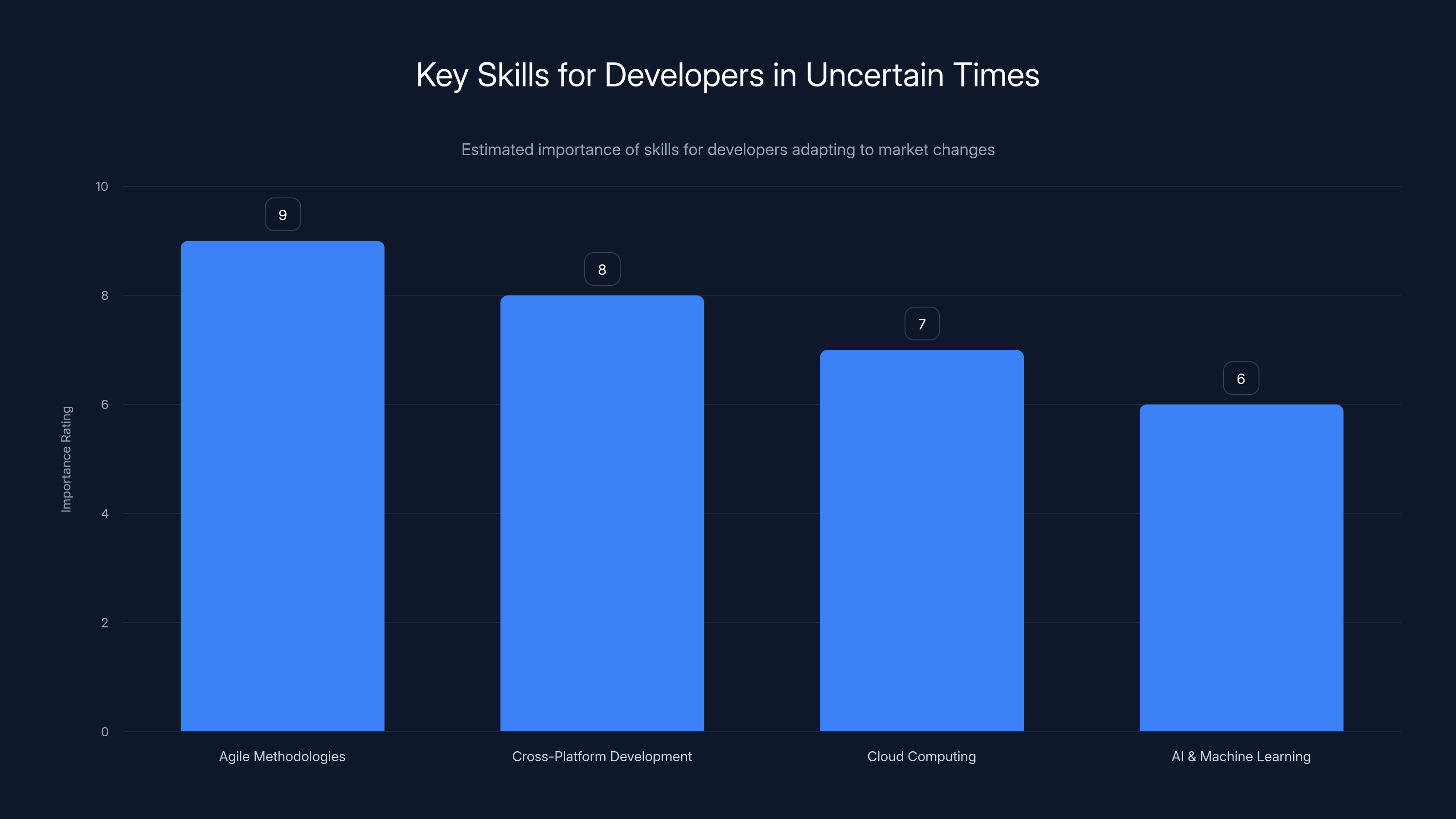
Agile methodologies and cross-platform development skills are crucial for developers to adapt and thrive in uncertain times. Estimated data.
TL; DR
- Layoffs Impact: Xbox layoffs, affecting id Software, signal a major shift in game development priorities.
- Adapting Strategies: Developers must embrace agile practices and cross-platform skills to remain competitive.
- Technology Trends: AI and cloud-based tools are becoming essential in game development workflows.
- Future of Gaming: Expect a rise in indie games and new monetization models as major studios adapt.
- Bottom Line: Success hinges on adaptability, innovation, and a deep understanding of emerging technologies.
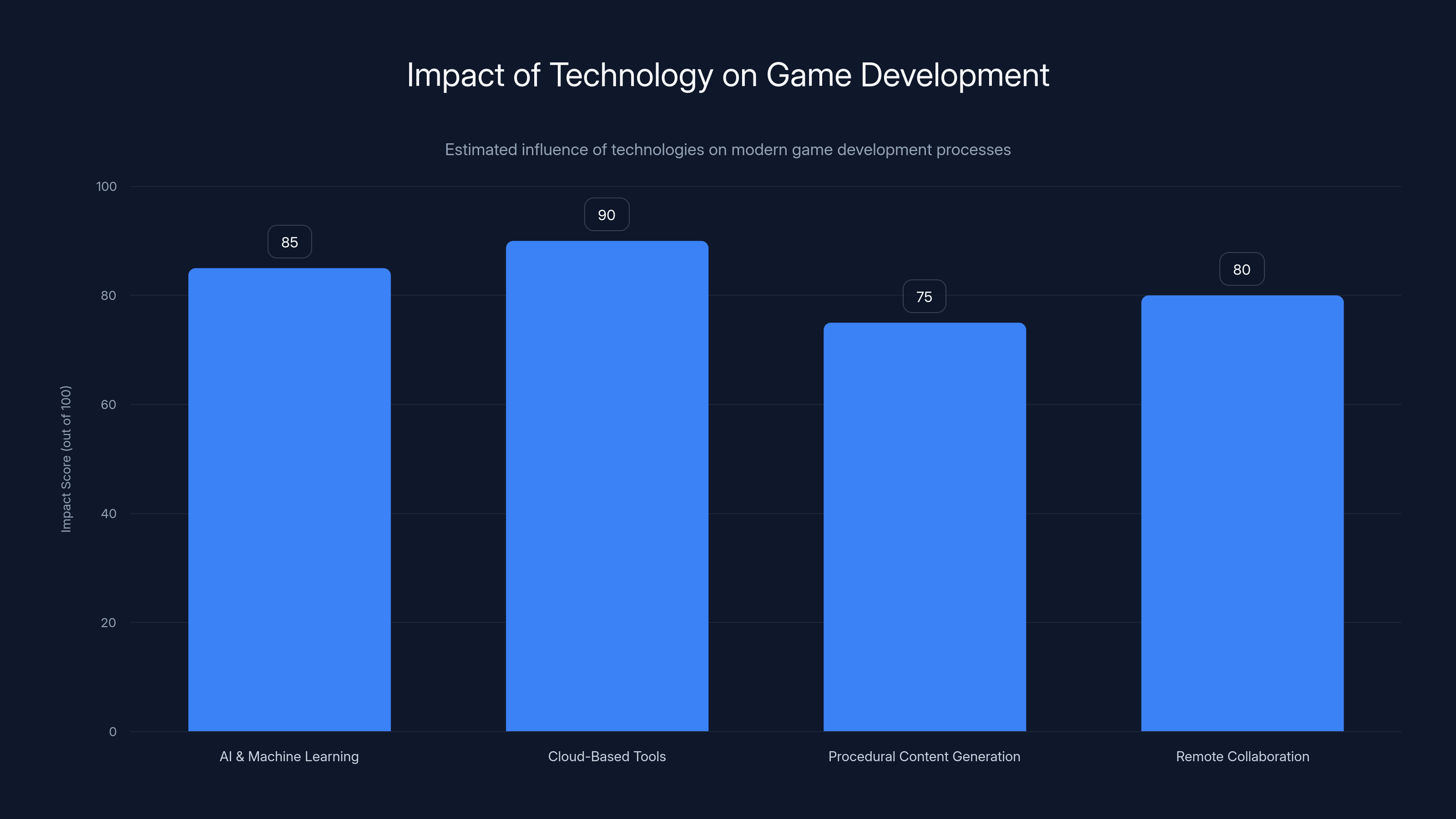
Cloud-based tools and AI are leading the transformation in game development, offering high impact through scalability and enhanced gaming experiences. (Estimated data)
The State of Game Development
The gaming industry has always been dynamic, but the recent layoffs at major studios such as Xbox have highlighted vulnerabilities within even the most established companies. While the reasons for these layoffs are multifaceted, including economic pressures and shifts in strategic focus, the immediate impact on developers cannot be overstated.
Economic Pressures
Economic challenges are nothing new to the tech industry, but the current climate has intensified scrutiny on operational efficiency and profitability. As companies reassess their priorities, many are opting to consolidate resources, leading to workforce reductions.
Shifting Strategic Focus
For companies like Xbox, the focus is shifting from traditional game development to new avenues such as cloud gaming and subscription services. This realignment of priorities directly influences staffing decisions, with resources being redirected towards these burgeoning areas.
Impact on Developers
The layoffs have left many developers facing uncertainty, but they also present opportunities for growth and innovation. Here are some key ways developers can adapt:
Embracing Agile Methodologies
Agile development practices are not new, but in times of uncertainty, their importance is magnified. Agile methodologies allow for rapid adaptation to changing market conditions and can help teams stay aligned with shifting company priorities.
Cross-Platform Development Skills
As companies pivot towards platforms like cloud gaming, developers with cross-platform skills become invaluable. Learning to develop games that run seamlessly on multiple platforms ensures broader reach and resilience against market fluctuations.

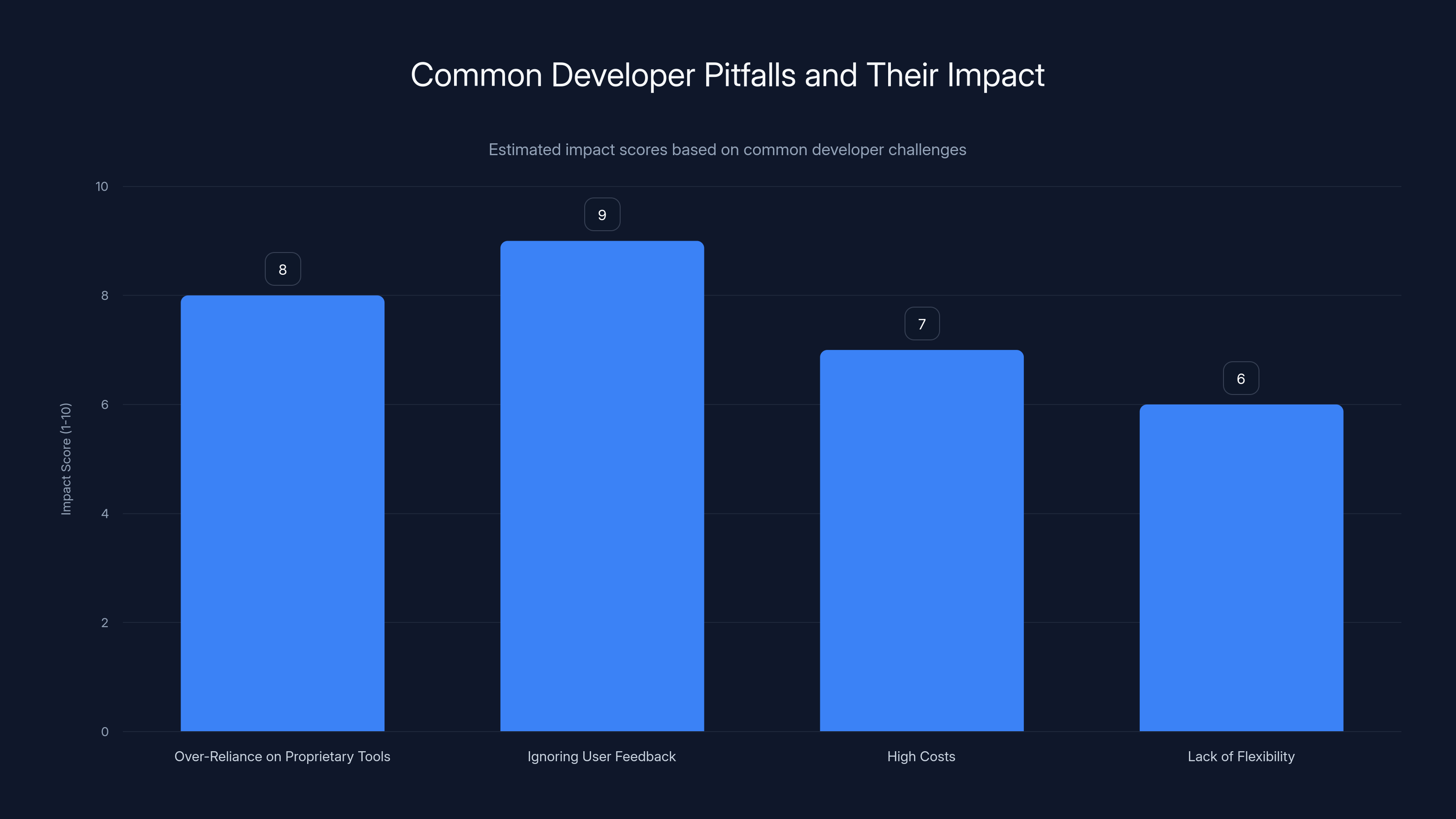
Ignoring user feedback and over-reliance on proprietary tools are major pitfalls, with high impact scores of 9 and 8 respectively. Estimated data.
The Role of Technology in Modern Game Development
Technology is driving profound changes in how games are developed, distributed, and consumed. Understanding these technologies is crucial for developers looking to stay ahead.
AI and Machine Learning
AI is transforming game development by streamlining workflows and enhancing the gaming experience. From procedural content generation to advanced NPC behaviors, AI tools are becoming integral components of the development toolkit.
Cloud-Based Tools
Cloud computing offers scalable resources for game development, making it easier to handle large-scale projects without significant upfront investment in infrastructure. These tools also facilitate remote collaboration, a critical feature in today's globalized work environments.

Common Pitfalls and Solutions
Navigating the current landscape isn't without challenges. Here are some common pitfalls developers might encounter, along with strategies to overcome them:
Over-Reliance on Proprietary Tools
While proprietary tools can offer powerful capabilities, they often come with limitations such as high costs and lack of flexibility. Developers should balance the use of proprietary tools with open-source alternatives to maintain agility.
Ignoring User Feedback
User feedback is invaluable, yet often overlooked. Successful developers incorporate user feedback into their development cycles, ensuring that the final product meets market expectations.

Future Trends in Game Development
As the industry evolves, several trends are poised to shape the future of game development:
Rise of Indie Games
With major studios focusing on large-scale projects, indie developers are filling the niche for innovative and experimental games. This trend is supported by platforms like Steam and Epic Games Store, which provide greater visibility for indie titles.
New Monetization Models
Traditional monetization models are being challenged by new approaches such as subscription services and in-game purchases. Developers must innovate to find sustainable revenue streams.
Recommendations for Developers
To thrive in the current environment, developers should consider the following strategies:
Continuous Learning
The rapid pace of technological change means that skills can quickly become outdated. Developers should engage in continuous learning to stay abreast of the latest tools and techniques.
Networking and Collaboration
Building a robust professional network can provide invaluable support and opportunities for collaboration. Participating in industry events and online forums can help developers connect with peers and potential collaborators.
Conclusion
The recent layoffs at Xbox and id Software underscore the volatility of the gaming industry, but they also highlight the potential for innovation and growth. By embracing new technologies, honing cross-platform skills, and staying agile, developers can navigate these challenges and help shape the future of gaming.
The key to success lies in adaptability, a willingness to learn, and a commitment to delivering exceptional gaming experiences. As the industry continues to evolve, those who can anticipate and adapt to change will lead the way into the next era of game development.

FAQ
What impact do layoffs have on game development?
Layoffs often lead to a reduction in workforce, which can slow down development cycles and impact the quality and quantity of games produced. However, they can also drive innovation as teams are forced to find more efficient ways to work.
How can developers adapt to industry changes?
Developers can stay competitive by embracing agile methodologies, learning cross-platform skills, and keeping up with the latest technological advancements.
What technologies are shaping the future of game development?
AI, machine learning, and cloud-based tools are among the key technologies transforming game development, offering new ways to create, distribute, and monetize games.
What are some common pitfalls in game development?
Common pitfalls include over-reliance on proprietary tools, ignoring user feedback, and failing to adapt to new monetization models.
How can indie developers succeed in the current market?
Indie developers can thrive by focusing on innovation, leveraging platforms that offer visibility, and adopting new monetization strategies.
What future trends should developers watch for?
Developers should watch for the rise of indie games, the evolution of monetization models, and the increasing importance of cross-platform compatibility.
How can developers stay ahead of technological changes?
Continuous learning and professional networking are essential for staying current with technological advancements and industry trends.
What role does user feedback play in game development?
User feedback is crucial for refining games and ensuring that they meet the expectations and needs of the target audience.

Key Takeaways
- Xbox layoffs highlight the need for developers to adapt to changing priorities.
- Agile methodologies and cross-platform skills are essential for modern developers.
- AI and cloud-based tools are transforming game development workflows.
- Indie games and new monetization models are gaining traction.
- Networking and continuous learning are crucial for staying competitive.
Related Articles
- The Indie Renaissance: Double Fine and Compulsion's Bold Move [2025]
- Orbitals: A Nostalgic Hit of Split-Screen Platforming, Puzzles, and '90s Anime [2025]
- Microsoft's Strategic Gaming Shift: Divesting Four Xbox Studios for Future Growth [2025]
- Unpacking Valve's Steam Machine: Who Really Needs It? [2025]
- Sony's Digital Revolution: The Shift From Physical Discs to a Digital Future [2025]
- The Digital Dawn: Farewell to PlayStation Discs [2025]


