
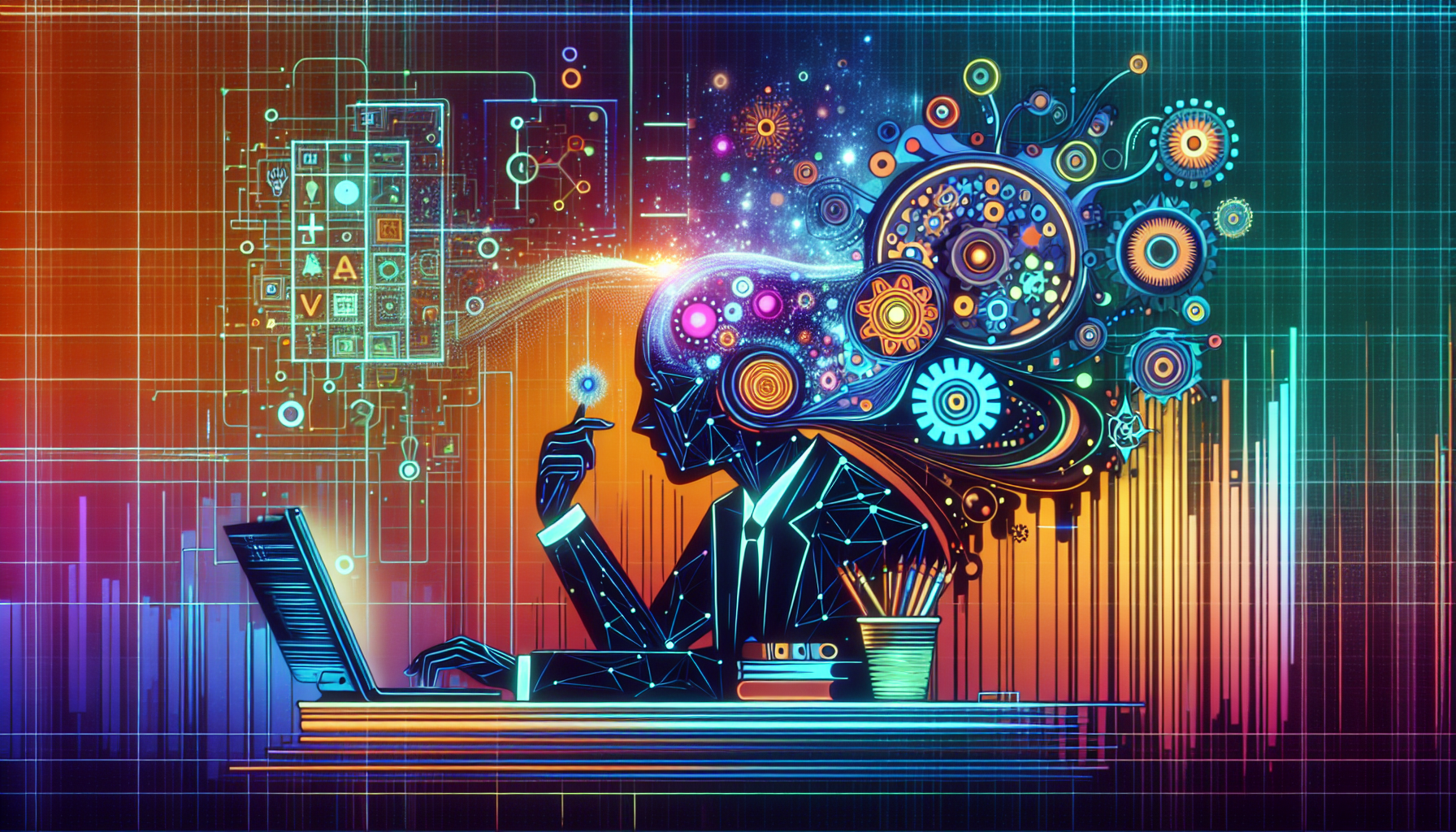
!['The Human Element in AI Integration: Overcoming Resistance and Embracing Collaboration [2025]'](https://tryrunable.com/blog/the-human-element-in-ai-integration-overcoming-resistance-an/image-1-1775820896592.jpg)
'The Human Element in AI Integration: Overcoming Resistance and Embracing Collaboration [2025]'
Artificial Intelligence (AI) is no longer a futuristic concept; it's a present-day reality reshaping industries worldwide. Yet, while AI's capabilities continue to expand, its integration within the workplace often meets resistance, particularly among white-collar workers. This article explores the human side of AI adoption, emphasizing the need for cultural shifts and human adaptability to successfully integrate these technologies.
TL; DR
- Resistance to AI: Many white-collar workers resist AI due to fear of job displacement and lack of understanding.
- Human Adaptability: Successful AI integration requires a shift in mindset and skills among workers.
- Cultural Shifts: Organizations must foster an AI-friendly culture to ease transitions.
- Strategic Implementation: Tailored AI solutions and phased rollouts can mitigate resistance.
- Future Trends: AI will continue to evolve, demanding ongoing human and organizational adaptation.
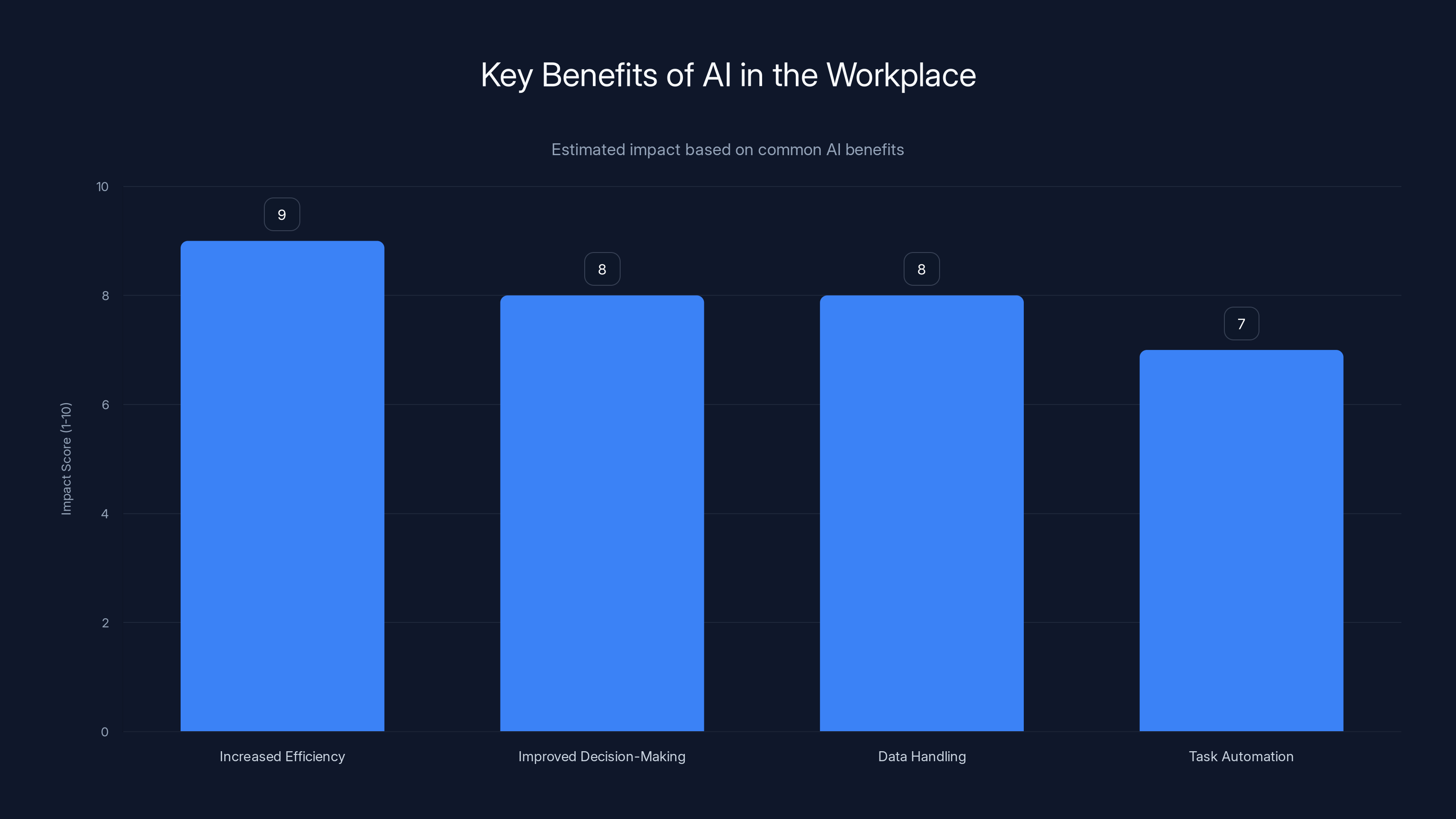
AI significantly boosts workplace efficiency and decision-making, with high scores in data handling and task automation. (Estimated data)
Understanding AI Resistance
Despite AI's potential to transform industries, its adoption in white-collar environments faces significant hurdles. Workers often fear job displacement, a common concern as AI systems become more proficient at tasks traditionally performed by humans. This fear is compounded by a lack of understanding of AI's capabilities and limitations.
The Fear Factor
Fear of AI taking over jobs is prevalent. A survey by the World Economic Forum found that 49% of workers believe their roles will change significantly or become obsolete due to AI within five years. This fear often leads to resistance, as employees may view AI as a threat rather than a tool for enhancement.
QUICK TIP: Encourage open discussions about AI's role in the workplace to alleviate fears and promote transparency.
Lack of Understanding
Many workers lack a deep understanding of AI, leading to misconceptions about its capabilities. This gap in knowledge can result in unrealistic expectations or unfounded fears. Training and education are crucial to bridge this gap and help employees understand how AI can complement their roles.

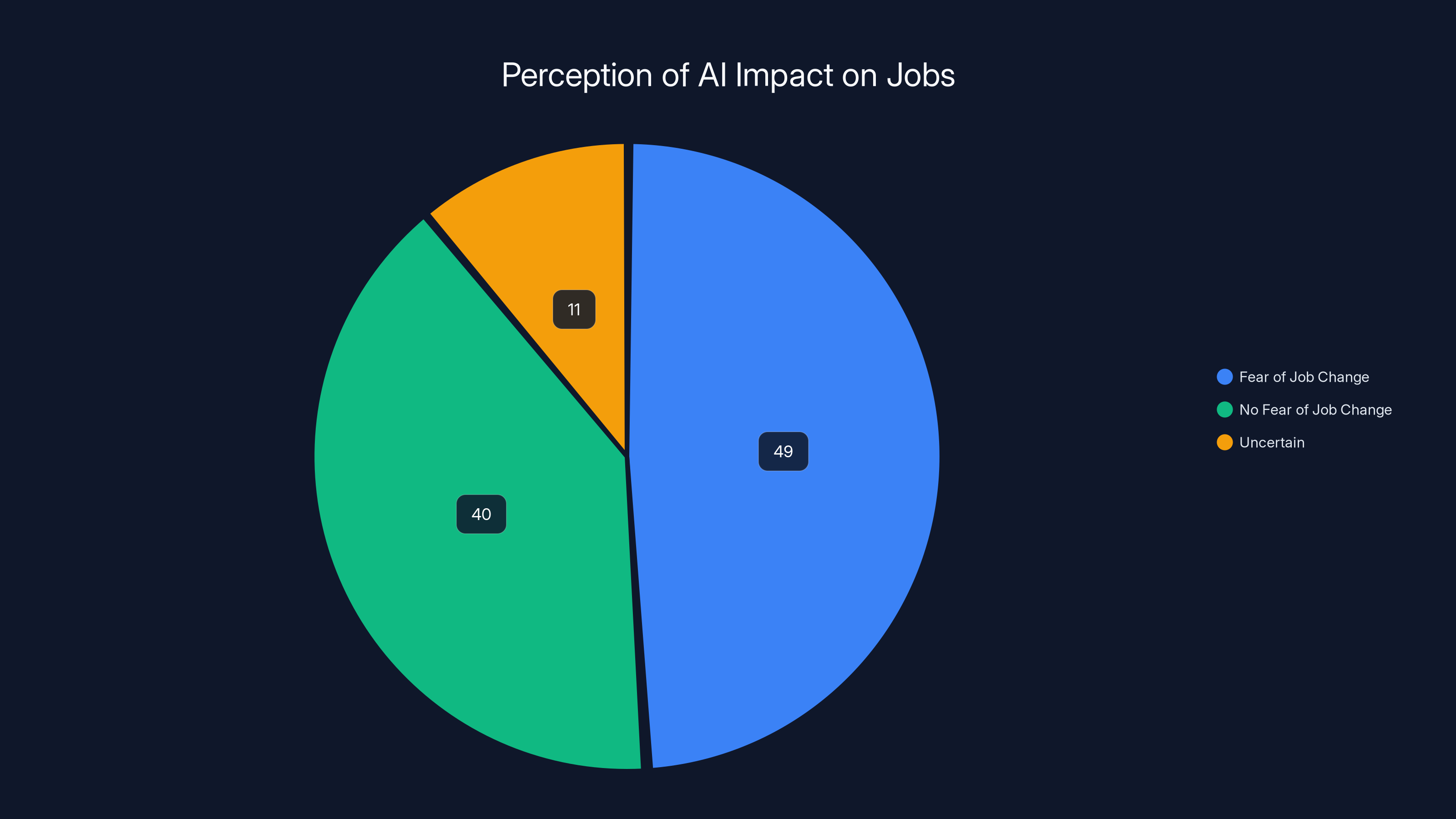
49% of workers fear significant job changes due to AI, indicating a prevalent concern about AI's impact on employment. Estimated data.
The Importance of Human Adaptability
AI integration isn't just about technology; it's about people. For AI to be effectively integrated into the workplace, human adaptability is essential. This involves a shift in mindset and skillset among employees.
Mindset Shift
To embrace AI, workers need to shift from viewing it as a competitor to seeing it as a collaborator. This requires fostering a growth mindset where employees are open to learning and adapting to new tools and processes.
Skill Development
AI demands new skills from the workforce. While AI can handle repetitive tasks, humans excel in areas requiring creativity, emotional intelligence, and complex problem-solving. Upskilling programs focusing on these areas can prepare workers for an AI-augmented future.
Cultural Shifts in Organizations
For AI to be successfully integrated, organizations must cultivate a culture that embraces technology and innovation. This involves leadership commitment, clear communication, and employee engagement.
Leadership Commitment
Leaders play a crucial role in driving AI adoption. They must champion AI initiatives and communicate their vision clearly to the workforce. Transparent communication helps align organizational goals with AI strategies.
Employee Engagement
Engaging employees in the AI journey is vital. This can be achieved through workshops, feedback sessions, and pilot programs where employees can experience AI tools firsthand. Involving employees in the process fosters a sense of ownership and reduces resistance. According to a Harvard Business Review study, engaged employees are 21% more productive than their disengaged counterparts.
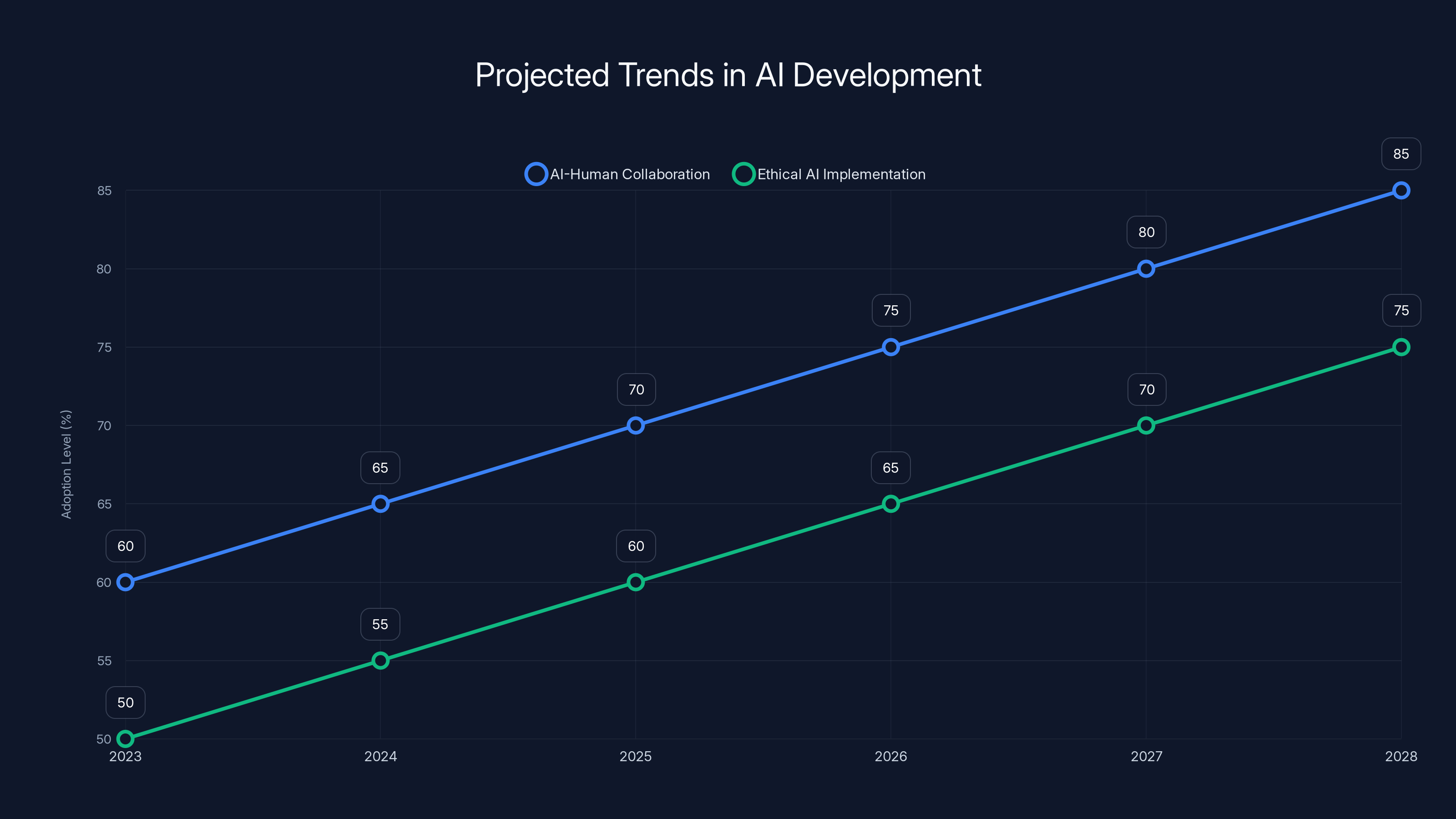
AI-Human collaboration and ethical AI implementation are expected to grow significantly by 2028. (Estimated data)
Strategic Implementation of AI
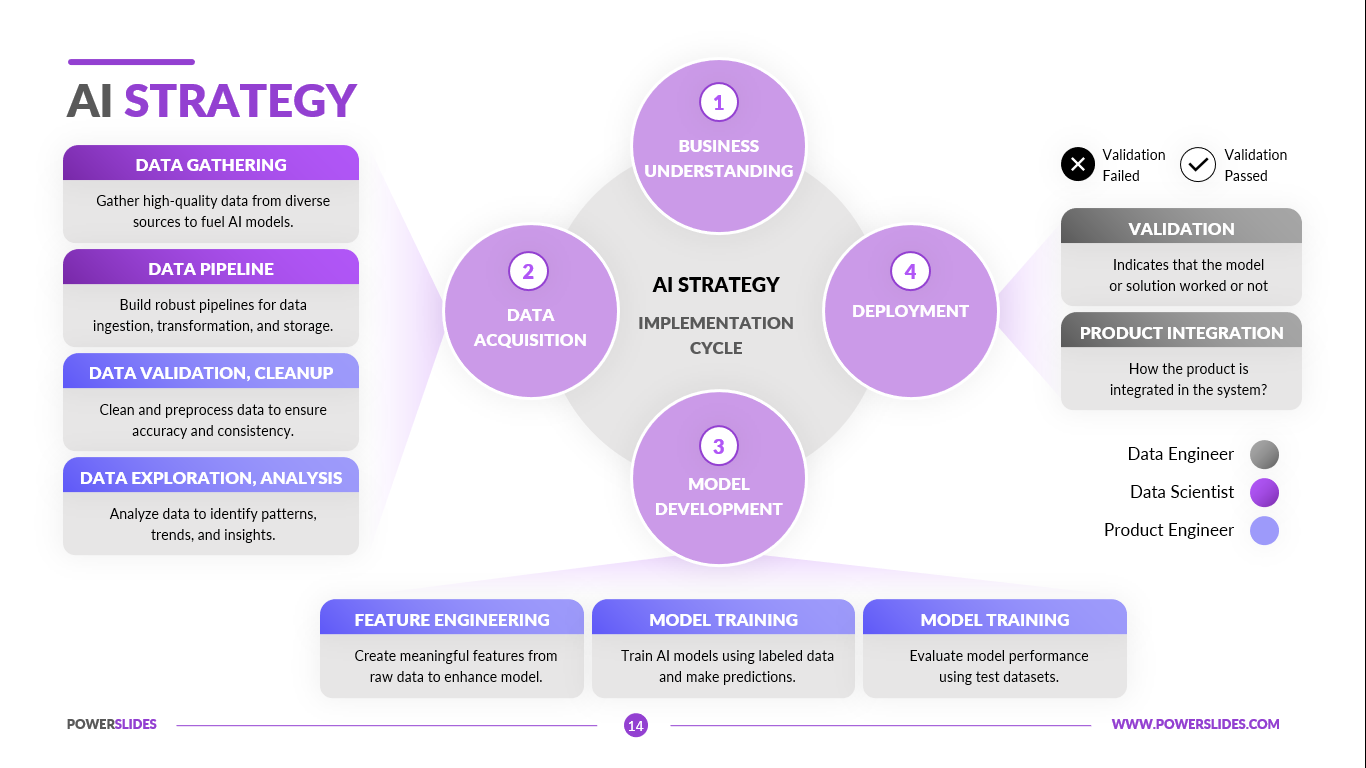
When it comes to AI adoption, one size doesn't fit all. Organizations should adopt a strategic approach tailored to their specific needs and challenges.
Tailored AI Solutions
Implementing AI solutions requires a deep understanding of organizational needs. Tailored solutions that address specific pain points are more likely to gain acceptance among employees. This involves collaborating with AI vendors to customize solutions that fit the company's workflow, as noted by PDI's AI integration.
Phased Rollouts
A phased rollout strategy can help mitigate resistance. By introducing AI incrementally, organizations can provide employees with the time and support needed to adapt. This approach also allows for real-time feedback and adjustments to improve AI integration.
Common Pitfalls and Solutions
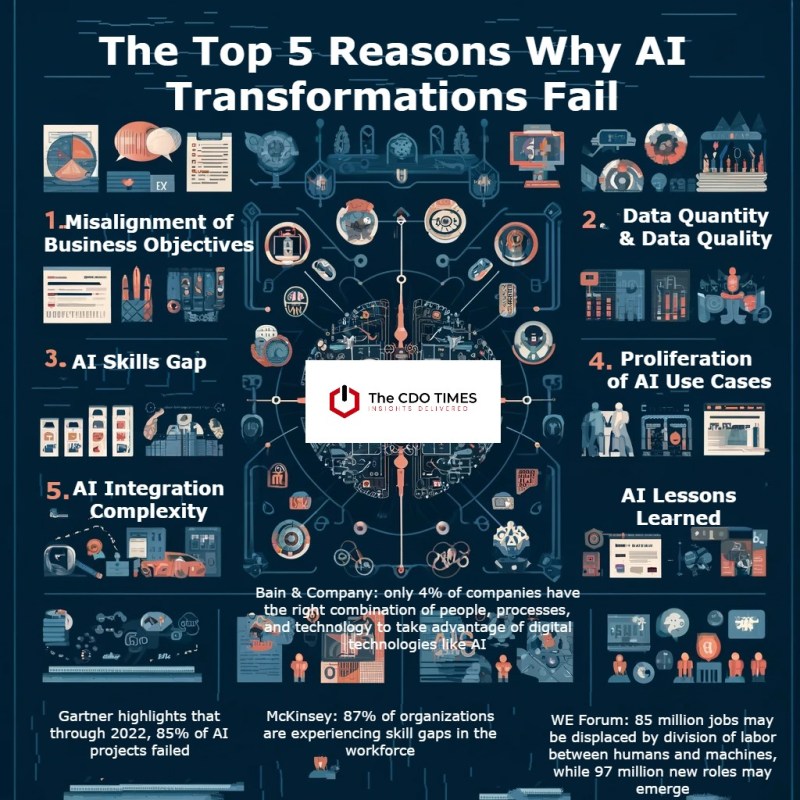
AI integration is fraught with challenges. Recognizing common pitfalls and implementing solutions can smooth the transition.
Pitfall 1: Lack of Clear Objectives
Without clear objectives, AI integration can become unfocused and ineffective. Organizations should define measurable goals and success criteria for AI initiatives.
Pitfall 2: Insufficient Training
Training is often overlooked in AI rollouts. Comprehensive training programs that cover both technical and practical aspects of AI are essential for successful integration.
Future Trends and Recommendations
As AI continues to evolve, so too must the approach to its integration. Here are some trends and recommendations for the future.
Trend 1: Increased Collaboration
AI and human collaboration will become more seamless. Future AI systems will better understand human intent and context, enhancing productivity and decision-making, as highlighted by Forbes.
Trend 2: Ethical AI
Ethical considerations will play a larger role in AI development and deployment. Organizations must ensure AI systems are transparent, fair, and unbiased, as discussed in Aon's insights.
Recommendations
- Invest in Human-AI Collaboration: Develop frameworks that enhance collaboration between AI systems and human workers.
- Prioritize Ethics: Implement ethical guidelines for AI use to build trust among employees and consumers.
- Foster Continuous Learning: Create a culture of learning where employees are encouraged to develop new skills and adapt to technological advancements.
Conclusion
The integration of AI in the workplace isn't just about technology; it's about people. By addressing human resistance, fostering adaptability, and implementing strategic solutions, organizations can harness AI's full potential while empowering their workforce. As we move forward, a balanced approach that prioritizes both technological advancement and human development will be key to successful AI integration.
FAQ
What is AI integration?
AI integration involves incorporating artificial intelligence technologies into existing workflows and processes to enhance efficiency and productivity.
How does AI impact white-collar jobs?
AI can automate routine tasks, allowing white-collar workers to focus on more complex and creative aspects of their roles, as noted by Goldman Sachs.
What are the benefits of AI in the workplace?
Benefits include increased efficiency, improved decision-making, and the ability to handle large volumes of data quickly and accurately, as reported by Forbes.
How can organizations overcome resistance to AI?
Organizations can overcome resistance by fostering a culture of transparency, providing comprehensive training, and involving employees in the AI implementation process.
What skills are essential for working alongside AI?
Skills such as creativity, emotional intelligence, and complex problem-solving are essential for complementing AI technologies, as discussed by Nexford University.
How can AI be implemented ethically?
AI can be implemented ethically by ensuring transparency, avoiding bias, and considering the societal impact of AI systems.
What is the future of AI in the workplace?
The future of AI in the workplace involves increased collaboration between humans and AI, ethical considerations, and continuous learning and adaptation, as highlighted by BCG.
How can organizations foster a culture of learning?
Organizations can foster a culture of learning by providing ongoing training opportunities, encouraging curiosity, and recognizing and rewarding continuous improvement.
Key Takeaways
- AI resistance is rooted in fear of job displacement and a lack of understanding.
- Human adaptability is crucial for successful AI integration in the workplace.
- Organizations must foster an AI-friendly culture to ease transitions.
- Strategic implementation and phased rollouts can mitigate resistance.
- AI will continue to evolve, demanding ongoing human and organizational adaptation.
- Investing in human-AI collaboration enhances productivity and decision-making.
- Ethical AI development and deployment are crucial for building trust.
- Continuous learning and skill development are essential for future-proofing the workforce.
Related Articles
- Google's Gemini: Revolutionizing Real-World Applications with Enhanced Notebooks [2025]
- Tech Layoffs in 2026: The Role of AI and What's Next [2025]
- Why the iPhone Air Became the Most Polarizing Phone of 2025 [2025]
- Lessons from Anjuna’s Layoffs and Recovery: A Guide for Founders [2025]
- Unpacking ChatGPT's New $100/Month Pro Plan [2025]
- Unleashing the Power of the NucBox K17 Mini PC: Triple-Digit AI Performance in Your Pocket [2025]


