
![The Future of Home Automation: How AI Startups Are Revolutionizing Cleaning [2025]](https://tryrunable.com/blog/the-future-of-home-automation-how-ai-startups-are-revolution/image-1-1780056244058.png)
The Future of Home Automation: How AI Startups Are Revolutionizing Cleaning [2025]
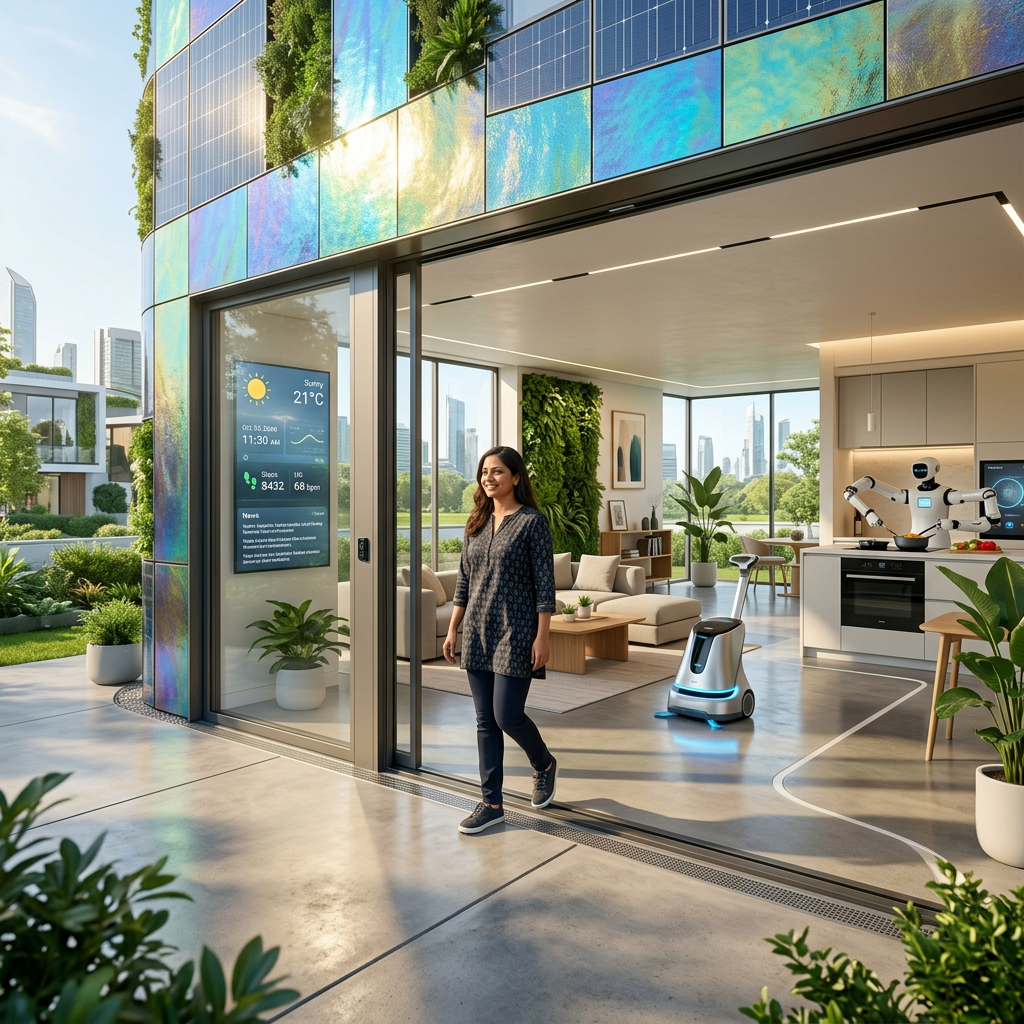
Home automation has taken a massive leap forward, thanks to the integration of AI-driven robotics. A new wave of AI startups is offering free home cleaning services, using these opportunities to train their robotic systems for future automation. This innovative approach is not only a step towards more efficient household management but also a glimpse into the future of AI and robotics.
TL; DR
- AI startups offer free home cleaning to train robots, using data to improve future automation.
- Robots learn through real-world tasks, gaining insights into diverse environments and cleaning challenges.
- The initiative aims to create robots capable of handling complex tasks, from cleaning to maintenance.
- Privacy and data security are major concerns, with companies implementing strict measures.
- The future promises more personalized, efficient cleaning solutions, reducing human effort significantly.
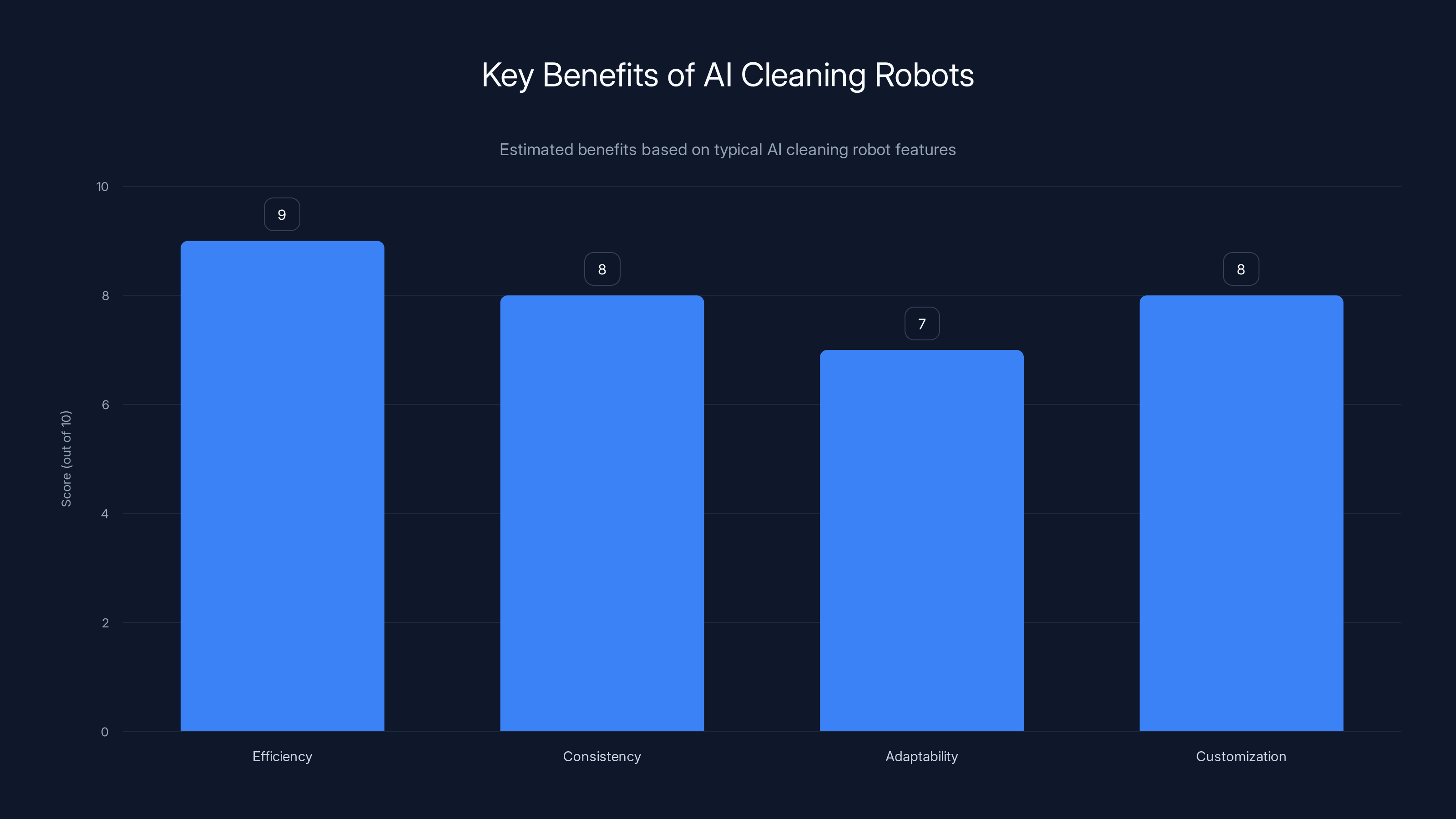
AI cleaning robots offer high efficiency and consistency, with strong adaptability and customization options. (Estimated data)
1. The Rise of AI in Home Automation
AI is no longer a futuristic concept—it's a reality shaping our everyday lives. From smart thermostats to voice-activated assistants, AI is embedded in many aspects of home management. The latest development is AI-driven home cleaning robots, which are trained through real-world tasks to handle various cleaning challenges.
How AI is Changing Home Cleaning
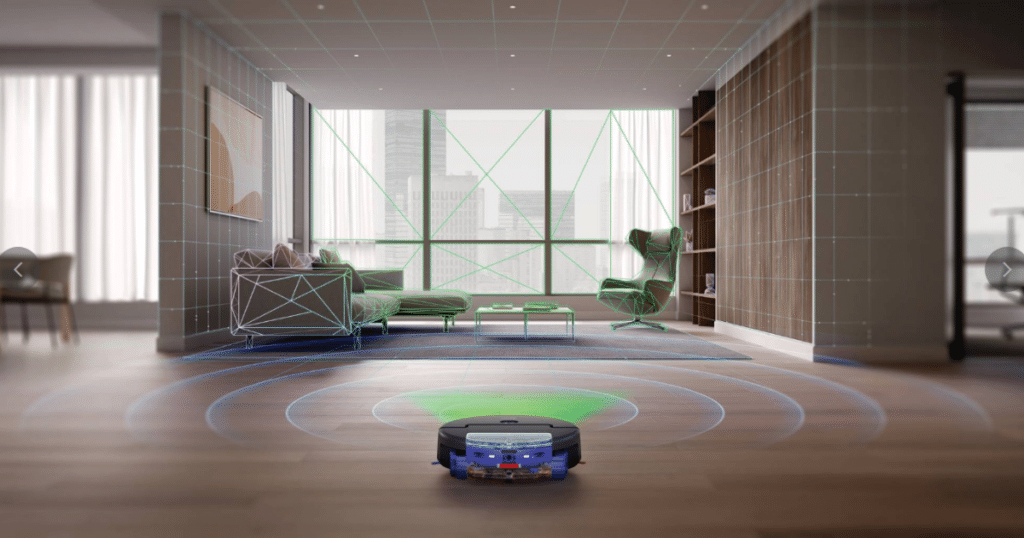
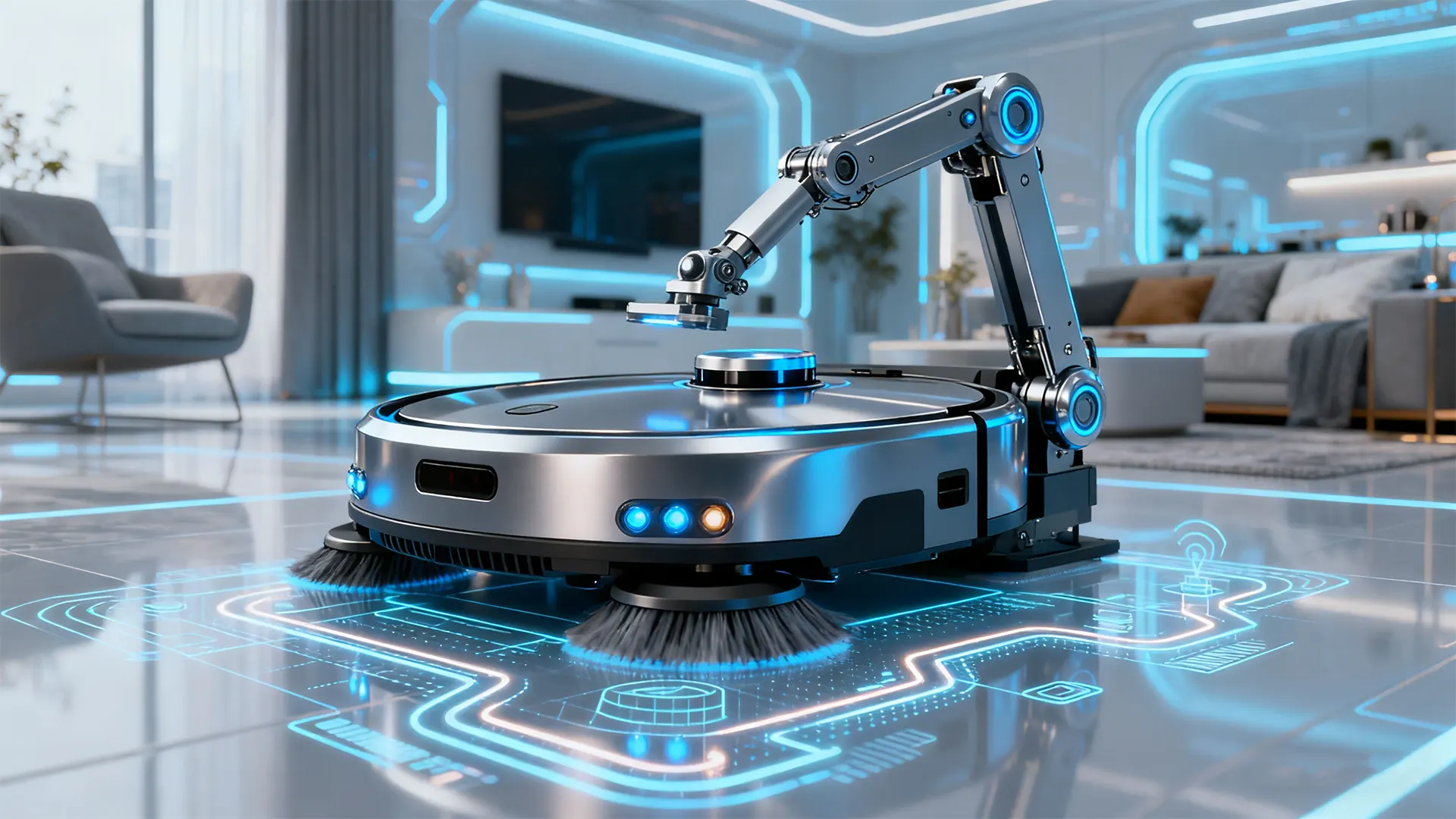
AI-powered robots are designed to learn from their environment. These robots are equipped with sensors and cameras that allow them to navigate and clean homes effectively. They gather data, learn from mistakes, and improve over time. This data-driven approach enables them to handle complex tasks such as identifying different surfaces, removing stains, and even organizing clutter.
Real-World Learning: A Key Component
Training AI robots in controlled environments can only go so far. Real-world learning is crucial for these robots to adapt to various home layouts and cleaning requirements. By offering free cleaning services, AI startups collect invaluable data that helps them refine their algorithms and improve robot performance.
Benefits of AI-Driven Cleaning
- Efficiency: Robots can clean more thoroughly and quickly than humans.
- Consistency: Robots perform tasks with the same level of precision every time.
- Adaptability: AI learns and adapts to different home environments and cleaning needs.
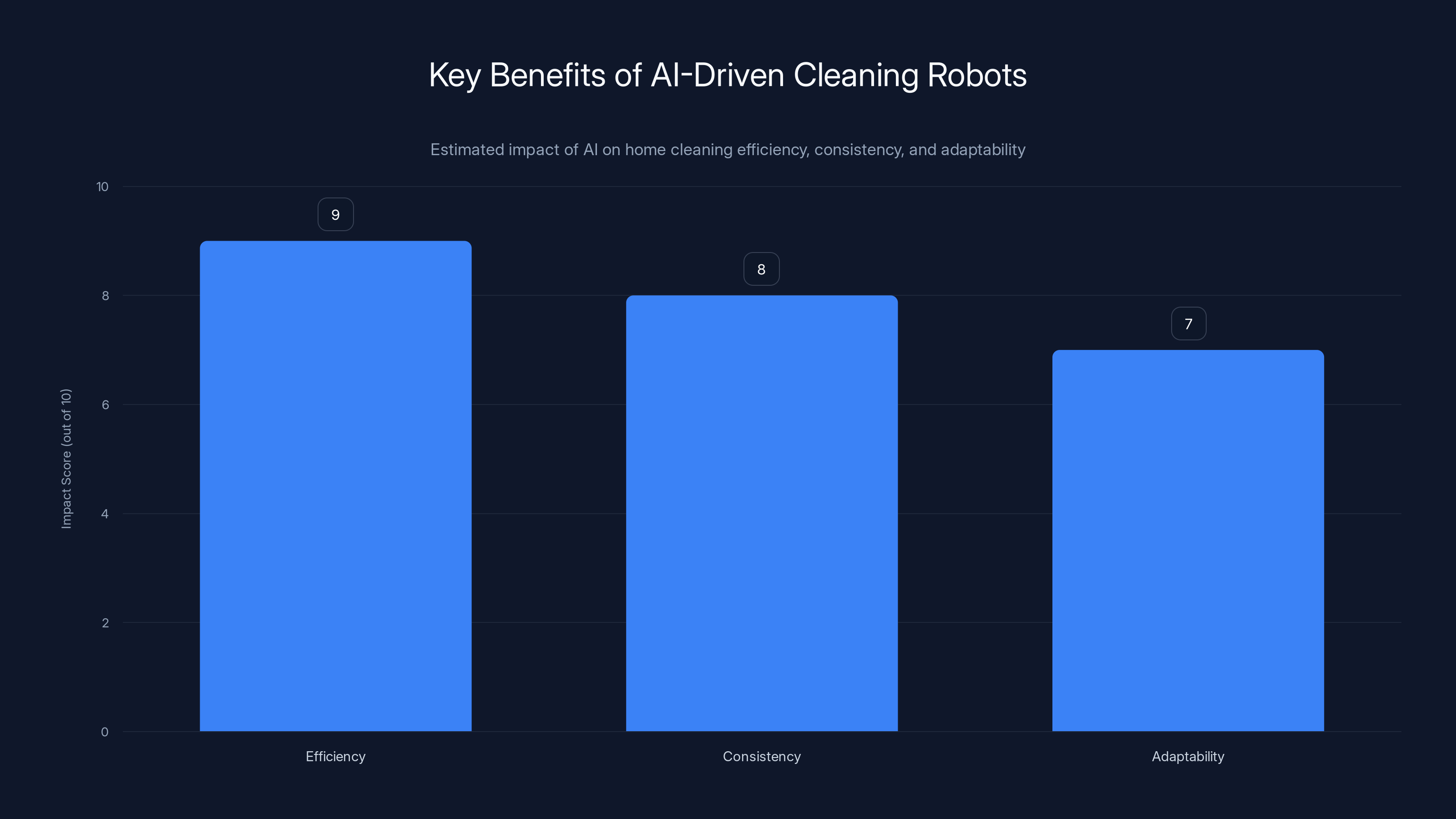
AI-driven cleaning robots score high in efficiency, consistency, and adaptability, revolutionizing home cleaning. Estimated data.
2. How AI Startups are Implementing Free Cleaning Services
AI startups are deploying their robots in real homes to gather data and enhance their cleaning capabilities. This approach not only helps in training the robots but also provides homeowners with an opportunity to experience advanced cleaning technologies at no cost.
The Training Process
The process begins with deploying robots in various home environments. These robots are equipped with sensors that collect data on room layouts, types of dirt, and cleaning preferences. The data is then used to improve the robots' algorithms, making them more efficient and effective.
Privacy and Security Concerns
With data collection comes the challenge of ensuring privacy and security. AI startups address these concerns by implementing robust data protection measures. Data is anonymized and encrypted to ensure that personal information remains confidential.
Practical Implementation Guide
- Sign Up for the Service: Homeowners can register for the free cleaning service via the startup's website.
- Home Assessment: A team visits the home to assess the layout and cleaning requirements.
- Robot Deployment: AI robots are deployed to perform cleaning tasks while collecting data.
- Feedback Loop: Homeowners provide feedback on the cleaning service, which is used to further refine the robots.
3. Common Pitfalls and Solutions
While AI-driven cleaning robots offer numerous benefits, there are challenges that need to be addressed.
Pitfall 1: Navigational Errors
Robots may struggle to navigate complex layouts or cluttered spaces.
Solution: Continuous data collection and algorithm updates help improve navigation and obstacle avoidance.
Pitfall 2: Cleaning Effectiveness
Certain surfaces or stains may not be effectively cleaned by robots.
Solution: Enhancing sensor technology and cleaning mechanisms ensures better performance on various surfaces.
Pitfall 3: Privacy Concerns
Homeowners may worry about data privacy.
Solution: Implementing strict data protection protocols and providing transparency on data usage can alleviate concerns.

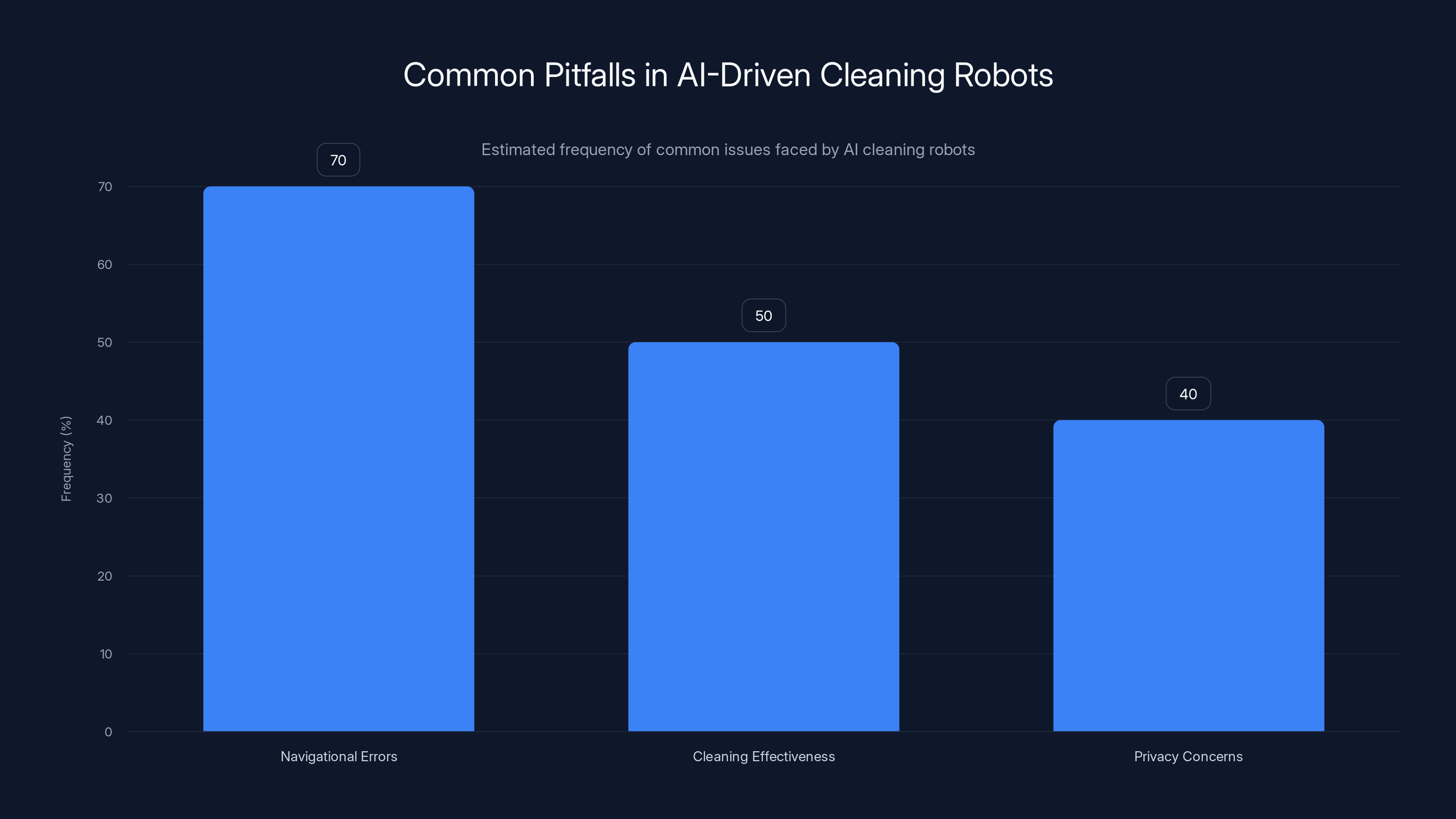
Navigational errors are the most common issue in AI-driven cleaning robots, followed by cleaning effectiveness and privacy concerns. Estimated data.
4. Future Trends in AI Home Automation
The future of home automation is promising, with AI startups leading the charge in innovative cleaning solutions.
Trend 1: Personalized Cleaning Experiences
Robots will be able to customize cleaning routines based on individual preferences and habits.
Trend 2: Integration with Smart Home Devices
AI cleaning robots will integrate with other smart home devices to create a seamless home management system.
Trend 3: Expansion Beyond Cleaning
AI robots may soon take on additional tasks such as organizing, gardening, and even cooking.
Trend 4: Eco-Friendly Solutions
Future robots will focus on sustainability, using eco-friendly cleaning agents and energy-efficient operations.
5. Best Practices for Implementing AI Cleaning Solutions
To make the most out of AI-driven cleaning solutions, consider the following best practices:
- Understand Your Needs: Assess your home's cleaning requirements to choose the right AI solution.
- Ensure Compatibility: Check that the robot is compatible with your existing smart home setup.
- Stay Informed: Keep up with updates and new features to maximize the robot's potential.
- Provide Feedback: Share your experience with the service provider to help improve the technology.
Conclusion
AI startups offering free home cleaning services are paving the way for a future where homes are managed by smart, efficient, and adaptable robots. By participating in these programs, homeowners not only benefit from free cleaning but also contribute to the development of technology that will transform home management. As AI continues to evolve, we can expect even more innovative solutions that will make our lives easier and our homes cleaner.
FAQ
What is an AI-driven cleaning service?
An AI-driven cleaning service uses robots powered by artificial intelligence to perform cleaning tasks in homes. These robots are equipped with sensors and algorithms that help them navigate and clean efficiently.
How do these AI robots learn to clean?
AI robots learn to clean by collecting data from real-world cleaning tasks. This data is used to improve their algorithms, making them more effective and efficient over time.
Are there privacy concerns with AI cleaning robots?
Yes, privacy is a concern. However, AI startups implement strict data protection measures, such as anonymizing and encrypting data, to ensure personal information remains confidential.
What are the benefits of using AI cleaning robots?
Benefits include increased cleaning efficiency, consistency in performance, adaptability to different environments, and the ability to customize cleaning routines based on individual preferences.
How can I sign up for a free AI cleaning service?
You can sign up by visiting the AI startup's website and registering for their free cleaning service. A team will assess your home and deploy the robots.
What is the future of AI in home automation?
The future includes personalized cleaning experiences, integration with smart home devices, expansion beyond cleaning tasks, and eco-friendly solutions.
Will AI robots take over other household tasks?
Yes, in the future, AI robots may take on additional tasks such as organizing, gardening, and cooking, making home management more convenient.
Key Takeaways
- AI startups offer free cleaning to train robots for future automation.
- Robots gather real-world data to enhance cleaning algorithms.
- Privacy and data security are critical concerns being addressed.
- Future trends include personalized cleaning and smart home integration.
- AI cleaning solutions promise efficiency and eco-friendliness.
Related Articles
- Autonomous Vehicle Registration in Texas: Waymo Leads the Charge
- Building Dexterous Hands for Robots: The Future of Automation [2025]
- Ojai: Waymo's New Era in Autonomous Driving [2025]
- Why Firms Are Quietly Rehiring Staff AI Was Supposed to Replace [2025]
- Why LLMs Struggle with False Information: An In-Depth Analysis [2025]
- Microsoft's New Look for Copilot: A Streamlined Approach to AI [2025]


