
![Stranger Things Finale 2025: Trailer, Release Date, Theatrical Release [2025]](https://tryrunable.com/blog/stranger-things-finale-2025-trailer-release-date-theatrical-/image-1-1767123353938.jpg)
Stranger Things Finale 2025: Everything About Netflix's Biggest Series Conclusion
After nearly a decade of supernatural mysteries, emotional gut-punches, and increasingly intricate plotting, Netflix's Stranger Things is about to say goodbye. The series finale arrives on New Year's Eve 2025, and honestly, the anticipation feels almost suffocating in the best way possible.
If you've been watching since the beginning—whether that's 2016 or you binged it all during a pandemic weekend—you know what's at stake here. This isn't just another episode. This is the moment where the Duffer Brothers either stick the landing or stumble in the final stretch. No pressure, right?
What makes this finale genuinely unusual is Netflix's decision to give it a theatrical release. Not just slapping it on screen and calling it a day, but actually putting this thing in hundreds of cinemas for two days only. That's the kind of move studios pull for prestige drama or franchise tentpoles, not television. Yet here we are, as noted by Deadline.
Let's break down everything we know about the Stranger Things finale: the trailer clues, the release logistics, what happened in volumes one and two, and what we can reasonably expect from the conclusion.
The New Trailer: Reading Between the Lines
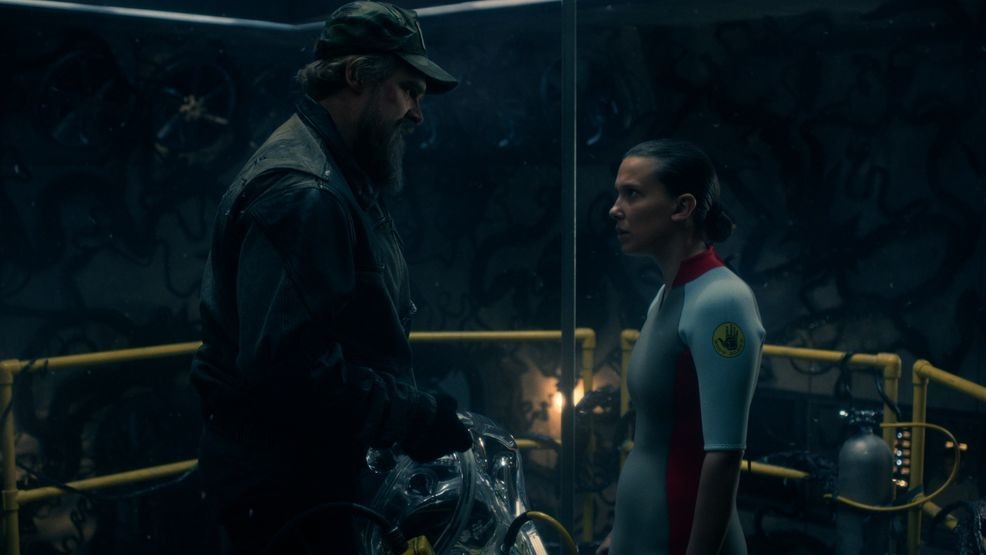
Netflix dropped the final trailer, and it's exactly the kind of goodbye speech that hits different when you've been with these characters for five seasons. The voiceover comes from David Harbour's Hopper, delivering what the Duffers are clearly positioning as their version of Shakespeare's St. Crispin's Day speech, as highlighted by Forbes.
"I need you to fight one last time," Hopper says while we see flashbacks from previous seasons. That line alone carries weight. This isn't dramatic hyperbole—it's the emotional through-line of the entire series. Every character here has already sacrificed so much.
The trailer specifically focuses on Hopper addressing Eleven. "Life has been so unfair to you. Your childhood was taken from you. You've been attacked, manipulated by terrible people. But you never let it break you." It's a moment that acknowledges what's made Stranger Things resonate with audiences: the human cost of the supernatural, as discussed in Parade.
Then comes the call to action: "Fight for the days on the other side of this. Fight for a world beyond Hawkins. Let's end this, kid."
What's notable about this trailer is what it doesn't show. There are no major spoilers about the actual confrontation with Vecna. No reveals about plot twists in the final episodes. Instead, it's purely emotional scaffolding—reminding us why we care about these people, and setting expectations that this finale is about closure, not shock value.
The footage includes callbacks to earlier seasons, which serves a dual purpose. For longtime viewers, it's nostalgia wrapped in bittersweet acknowledgment that we're truly saying goodbye. For newer fans or those who might have forgotten details, it's a refresher course on what makes these relationships matter.
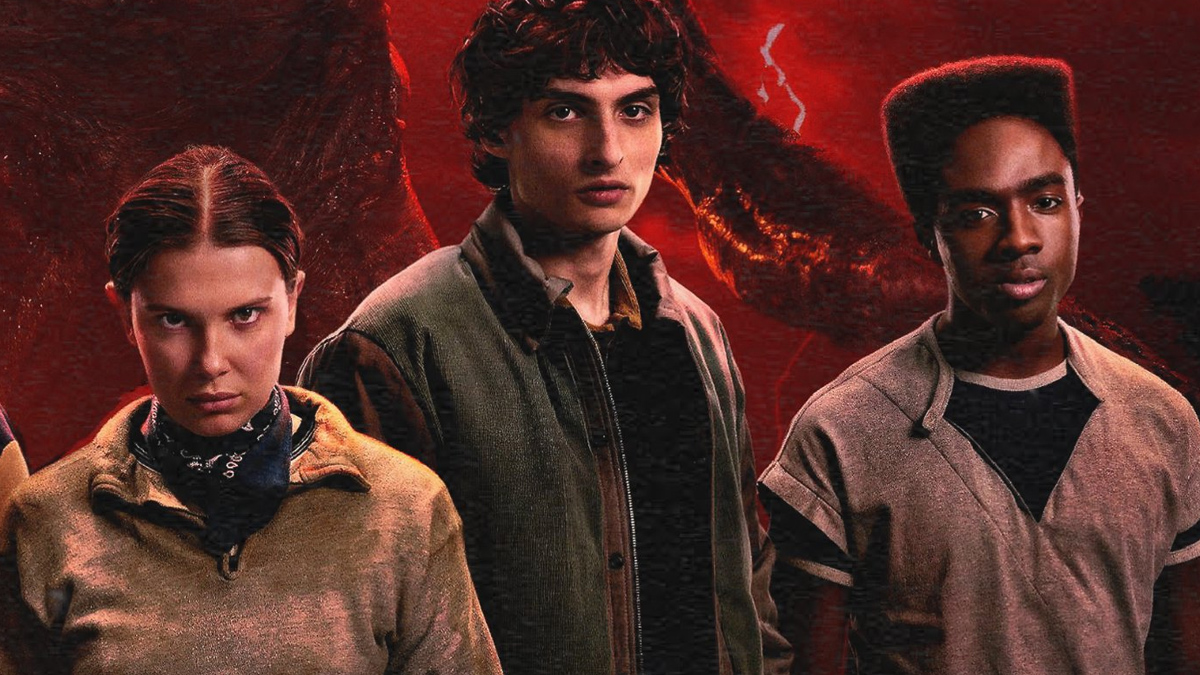
One interesting choice: the trailer leans heavily on the core original cast. Eleven, Hopper, the kids. This suggests the finale might be returning to what made season one work—stripped-down storytelling focused on the emotional stakes rather than trying to juggle too many subplots, as noted by Nerdist.
Release Date and Time: New Year's Eve Goes Hollywood
The series finale lands on December 31, 2025, which is either a brilliant marketing decision or a scheduling coincidence that the streaming gods handed the Duffers on a silver platter. Watching the conclusion to a five-season show as the calendar flips into a new year? That's the kind of cultural synchronicity you couldn't plan better if you tried, as discussed by Netflix Tudum.
Specific timing: 5 PM PT, 8 PM ET. So if you're on the East Coast, you're heading into New Year's Eve on the West Coast schedule. The finale has a runtime of exactly 2 hours and 5 minutes—so not quite theatrical length, but close enough that it feels like an event.
That runtime is significant. The Duffers aren't cutting corners or padding things out with flashbacks. This is a proper concluding episode with enough space to actually resolve plotlines without rushing or leaving threads dangling. For a show that's built elaborate mythology around the Upside Down, that extra hour compared to typical TV episodes matters, as highlighted by ABC10.
The question everyone's asking: will the servers hold up? Netflix has had streaming hiccups during major releases, and if millions of people try to watch simultaneously at 8 PM ET on New Year's Eve, there's potential for issues. The theatrical option, then, becomes a genuine alternative for people who want a guaranteed, uninterrupted experience.

The Theatrical Release: A Rare TV Moment
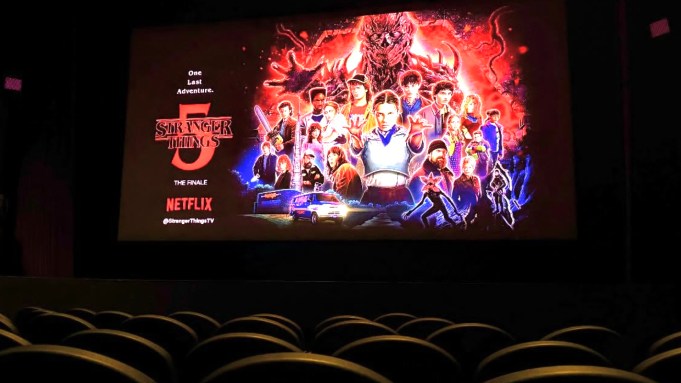
Here's where things get weird in the best way. Netflix isn't just putting this on the streaming service. They're releasing it in theaters for two days only: December 31, 2025, and January 1, 2026, as reported by Deadline.
We're talking over 600 theater locations across the country. That's not a limited indie release—that's wide theatrical distribution for a television episode. The advance RSVPs hit over 1.1 million, which tells you something about how much cultural currency Stranger Things still carries after five seasons, as noted by Netflix Tudum.
This decision reveals something Netflix is clearly thinking about: the theatrical release legitimizes the finale as event programming. It positions Stranger Things not as "just another show" but as something culturally significant enough to warrant a cinema experience. There's also the practical benefit that it gets the finale in front of audiences who might not have reliable streaming access or who enjoy the communal experience of watching something in a theater.
For the younger audience members who've grown up with this show, watching the conclusion on the big screen with sound designed for theatrical speakers creates a completely different experience than home viewing. The Upside Down's unsettling atmosphere, the emotional beats, the action sequences—all of it hits harder in a theater, as discussed by The Hollywood Reporter.
The two-day window is strategic. It's not a full theatrical run that might compete with the streaming release. It's an exclusive window that respects the core streaming audience while offering an alternative for those who want it. After January 1, if you missed it in theaters, the streaming service is your only option. It creates artificial scarcity without actually limiting access.
Volumes One and Two: The Setup for the Finale
If you somehow haven't watched volumes one and two yet (and let's be honest, you should before the finale drops), here's what you need to know to understand where we're heading.
Volume One: The Military Occupation and New Threat
Volume one opens with Hawkins under military occupation. The government's presence isn't protective—it's ominous. There's a sense that the military might be as much of a threat as anything supernatural, as noted by Pajiba.
Vecna returns, but with a twist. He's taken human form and is operating under the pseudonym "Mr. Whatsit," which is a nod to A Wrinkle in Time—a fact that tells us the Duffers are thinking about literary references as much as horror tropes. This version of Vecna is different from his cloud-like, interdimensional form. He's more grounded, more personally present, as discussed by Golden Gate Express.
One of the major plot points: Holly Wheeler gets kidnapped and taken to the Upside Down. Holly's presence matters because she's new to the conflict. Unlike her siblings, Mike and Nancy, Holly represents innocence that's now directly threatened. She becomes a physical anchor for the stakes.
Inside the Upside Down, Holly discovers Max—still technically in a coma, but her consciousness has found refuge in one of Vecna's old memories. This is the kind of surreal, deeply weird plot development that makes Stranger Things what it is. Max isn't trapped in normal coma space. She's lost in someone else's memories, as noted by Teen Vogue.
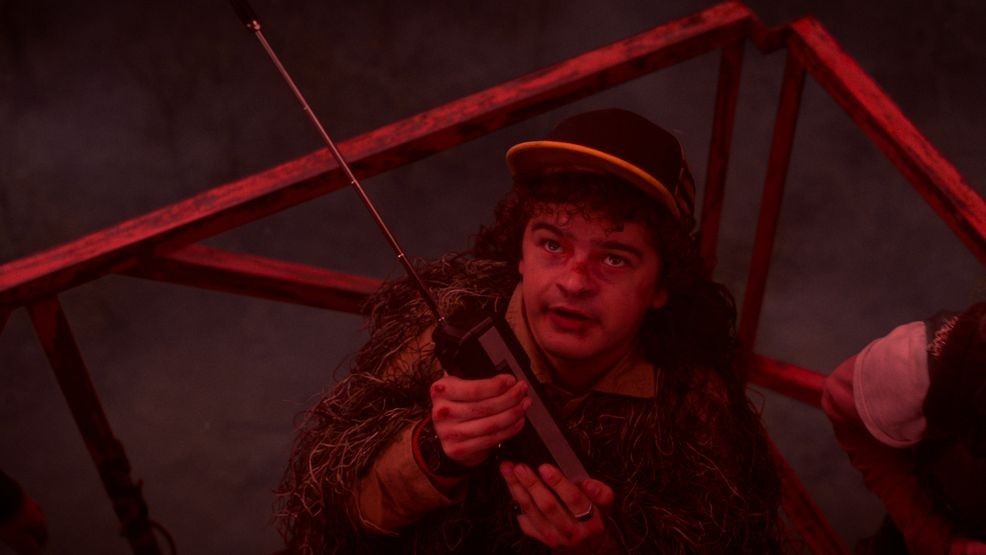
Meanwhile, the emotional core of volume one focuses on Dustin and Steve. Dustin's grief over losing Eddie Munson in season four creates genuine friction between them. This is good character work—not letting that trauma resolve instantly, but showing how grief can create distance between people who care about each other.
The other characters are trying to prepare for what's coming. They're stockpiling supplies, planning strategies, gathering intelligence. It's tense but also a bit frantic—they're trying to solve a supernatural problem with practical solutions.
Then the big reveal: Will has supernatural powers. Not psychic abilities like Eleven, but something connected to his bond with Vecna from season one. Will's connection to the Upside Down runs deeper than anyone realized. He can manipulate Vecna's powers, tap into the hive mind. When demagorgons attack the military base, Will uses these newfound abilities to save his friends, as highlighted by Gizmodo.
It's a meaningful moment because Will has spent the entire series being acted upon. The Upside Down captured him. Vecna possessed him. Now, finally, he has agency and power. Whether that power is a gift or a curse—whether it further entangles him with Vecna—is left ambiguous.
Volume Two: Emotional Reunions and Escalation
Volume two picks up immediately where volume one left off, and without spoiling major plot developments (since the Duffers clearly don't want those revealed before the finale), we can say it escalates significantly.
There are emotional heart-to-heart conversations that feel genuinely earned. After five seasons, the characters have history and baggage with each other. These aren't manufactured conflicts. They're real tensions that come from survival, trauma, and time spent together.
One plot thread: they find Kali, also known as Eight—Eleven's psychic sister who was held captive in that government lab. Her reappearance carries weight because it expands Eleven's understanding of herself. She's not alone in having these abilities. There are others. The government created them deliberately, as discussed by Netflix Tudum.
There's a major reunion that the trailer hints at but doesn't spoil. Let's just say it's the kind of moment fans have been waiting for.
The group devises elaborate plans to stop Vecna. These aren't simple solutions. They're intricate, multi-part strategies that require everyone to play their role. It's the kind of coordinated effort that only works because these people have been through everything together.
Most importantly, volume two reveals more about the true nature of the Upside Down. It's not just a dark mirror of Hawkins. It has its own logic, its own rules, its own history. Understanding what it actually is changes how we think about what Vecna is trying to do, as noted by Vocal Media.
The penultimate episode ends with Vecna's master plan moving into motion. The cliffhanger exists, but it's not a cheap one. It's the inevitable culmination of everything that's been building.
What We Can Expect from the Finale
Based on the trailer, the setup from volumes one and two, and the general structure of the show, here's what reasonable speculation suggests about the finale.
Character Deaths and Emotional Losses
It would be shocking if nobody died in the finale. This show has established that consequences matter. People you care about can genuinely die. But the trailer's focus on fighting, on survival, on creating "a world beyond Hawkins" suggests the deaths will be meaningful, not just body count, as discussed by Pajiba.
Expect some minor character deaths. The soldiers, perhaps some government officials, maybe an ally we've grown to care about. But the trailer's voiceover—Hopper talking to Eleven—suggests the major characters will survive. They've suffered enough. Killing off half the cast to end the show would feel like punishment rather than conclusion.
The emotional deaths—relationships ending, childhoods truly ending, innocence lost—those seem more likely than literal deaths for major characters.
The Final Confrontation with Vecna
Vecna's been the primary antagonist since season four. The finale needs to address him directly. Based on Will's newfound powers and the focus on fighting, expect a confrontation that's not just physical but also psychological and supernatural.
Vecna in human form is more vulnerable than his previous iterations, but also more present and dangerous. He's not an abstract threat anymore—he's a person with motivations and vulnerabilities. That creates opportunities for actually defeating him rather than just surviving his latest attack, as highlighted by Gizmodo.
The Upside Down's Ultimate Fate
One of the central questions of the entire series: can the Upside Down actually be closed, destroyed, or separated from reality? The finale probably addresses this. Volumes one and two hint at the Upside Down having more autonomy than we realized. It's not just Vecna's realm. It's a living thing with its own nature, as discussed by Netflix Tudum.
Resolving this likely involves sacrifice. Someone might have to stay behind, or someone might have to do something irreversible. That's the emotional core of what "fighting one last time" means.
The Hawkins Mystery and Government
The military presence in volumes one and two suggests the government hasn't stopped trying to weaponize the supernatural or Eleven's abilities. The finale probably features some reckoning with this. Not everyone in authority will suddenly become good people, but there might be a moment where they finally understand what they've been messing with, as noted by The Hollywood Reporter.
Life After Hawkins
The trailer specifically mentions "a world beyond Hawkins." This suggests the finale doesn't end with a simple "threat defeated, go back to normal." The characters are moving forward into something different. Some of them might leave Hawkins. Others might stay but recognize that they'll never be normal, as discussed by Teen Vogue.
For the younger characters, this might mean starting to think about their futures in ways the show hasn't explored yet. For the older ones, it might mean finally accepting that their adolescence is truly over.
The Show's Legacy and What Makes It Worth Concluding Properly
Stranger Things arrived in 2016 and immediately felt like comfort food for a specific type of nostalgia. But calling it a nostalgia show misses what the Duffers actually did. Yes, they lovingly recreated 1980s aesthetics and referenced movies, games, and music from that era. But the actual show was always about contemporary themes dressed in retro clothing, as noted by Netflix News.
It's about teenagers and children dealing with trauma. It's about found families creating bonds that matter more than biological ones. It's about people who don't fit in anywhere finally finding belonging. It's about the costs of government overreach and scientific hubris.
Those themes have only become more relevant as the show progressed. By season four, the show was grappling with how childhood trauma shapes adult identity, how grief isolates people, and how violence propagates across generations.
The finale needs to honor all of that. It can't just kill the monster and call it a day. It needs to actually conclude these narrative arcs in ways that feel earned.
The Streaming Wars and Event Television
Stranger Things arriving at this particular moment in streaming history is interesting. Netflix is aging as a platform. The initial sheen of streaming as disruption has worn off. Traditional entertainment companies have entered the space. Competition is fierce, as discussed by Pajiba.
In this environment, Stranger Things is one of Netflix's few tentpole properties that can still drive genuine cultural conversation. Game of Thrones ended poorly and damaged HBO's reputation for finales. Breaking Bad stuck the landing and people still talk about it. The pressure on the Duffers to get this right is immense.
The decision to give the finale a theatrical release isn't just marketing. It's Netflix acknowledging that some television has become culturally significant enough to warrant different distribution models. It's a bet that people will value the experience enough to buy tickets, as noted by Deadline.
Viewing Strategies: Home vs. Theater
For anyone trying to decide whether to watch in theaters or at home, consider a few factors.
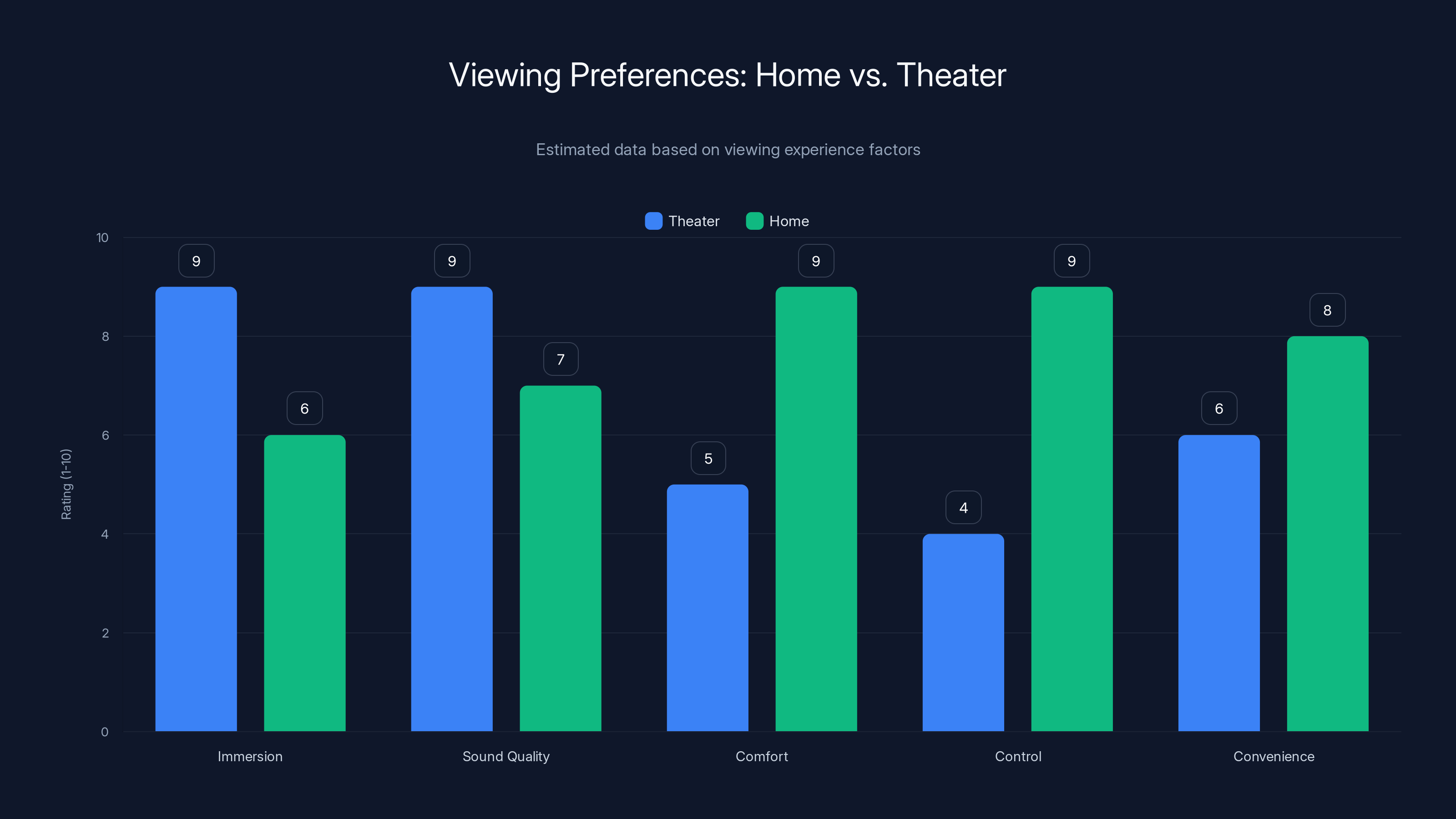
Theater viewing offers immersion. The sound design of Stranger Things is genuinely excellent. Hearing the Upside Down's ambient horror on a theater system, or the emotional beats of the score, creates a visceral experience home streaming might not match. If you're the type who cares about experiencing art at its intended quality, theater is the move, as discussed by Netflix Tudum.
Home viewing offers comfort and control. You can pause if you need to collect yourself emotionally. You can rewatch moments immediately. You can watch with people you're comfortable with in an environment you control. If you're worried about getting emotionally overwhelmed (and the trailer suggests emotion is a core component), home might be the better choice.
Timing matters too. New Year's Eve is chaotic. Theaters might be busier than normal, or they might be quieter because people are doing other things. Check showtimes in your area and make reservations if theaters offer them.
The Duffer Brothers' Final Statement
The Duffers have been making Stranger Things for nearly a decade. They wrote the story as a limited series from the beginning, which explains why they didn't let it sprawl indefinitely. They've had an ending in mind.
In interviews, they've been thoughtful about what the finale needs to accomplish. They've acknowledged the emotional weight of concluding something that meant so much to so many people. They've also pushed back against the idea that the ending needs to be dark or subversive just for the sake of it, as noted by The Hollywood Reporter.
The finale is their final word on these characters and this world. After New Year's Eve, there won't be "just one more season" or a spin-off movie that changes how we understand what happened. This is it.

Avoiding Spoilers Until Release
If you're planning to watch the finale unspoiled, be careful on social media from December 31 forward. The internet will not be kind to people trying to avoid spoilers. Twitter, Tik Tok, Instagram—they'll all be flooded with people discussing major plot points within minutes of release, as noted by Pajiba.
Consider muting certain keywords or avoiding the platforms entirely until you've watched. It's not worth having the ending spoiled because someone posted a take without a spoiler warning.

The Broader Story: Why Stranger Things Mattered
Beyond the plot mechanics and character arcs, Stranger Things succeeded because it created a world where weird kids were heroes. Where being different was actually an asset, not something to overcome. Where found family could be more important than biological family, as discussed by Netflix News.
In a media landscape that was increasingly fragmented and cynical, Stranger Things offered something earnest. It wasn't ironic about the things it loved. It wasn't using nostalgia as a thin coating over emptiness. It genuinely believed in these characters and their struggles.
The finale needs to honor that earnestness. It needs to end in a way that respects what the show built while accepting that growth sometimes means moving forward into uncertainty.
Final Thoughts: The Anticipation is Part of the Experience
We're in the final stretch now. The trailer has landed. The date is set. In a few weeks, it's over.
There's something bittersweet about that. If you've watched since 2016, you've spent nine years with these characters. You've watched them grow up (or age out, in some cases). You've been through trauma and triumph with them.
The finale will either be the perfect punctuation on that arc or it will disappoint. There's no middle ground with series finales. But the fact that the Duffers had a plan, that they're treating it like an event, that Netflix is giving it theatrical space—all of that suggests they understand what they're trying to accomplish, as noted by The Hollywood Reporter.
Watch it however you want to watch it. Watch it with friends or alone. Get emotional if you need to. Let it hit you.
This is the end of the story, and the ending of a story—when it's done right—is the part that matters most.
FAQ
When does the Stranger Things finale air?
The Stranger Things series finale airs on December 31, 2025, at 5 PM PT and 8 PM ET on Netflix. The episode will also be available in select theaters nationwide for a two-day theatrical release on December 31 and January 1, 2026, across over 600 locations, as reported by Deadline.
How long is the Stranger Things finale?
The finale has a runtime of 2 hours and 5 minutes, significantly longer than standard television episodes. This extended length gives the conclusion adequate time to resolve plotlines and deliver meaningful character moments without rushing the resolution, as noted by ABC10.
Will there be more Stranger Things after the finale?
No. The Duffer Brothers created Stranger Things as a limited series with a planned ending. The December 31, 2025 finale is the official conclusion to the series. There are no announced spin-offs or continuation projects, though the Duffers have not completely ruled out future Stranger Things projects set in the same universe, as discussed by Teen Vogue.
What happened in volumes one and two?
Volume one introduced Vecna in human form, the kidnapping of Holly Wheeler, Will's newfound supernatural powers, and Dustin's grief over Eddie Munson. Volume two featured emotional reunions, the discovery of Eleven's sister Kali, and elaborate plans to stop Vecna before his master plan fully activates in the final moments, as noted by Vocal Media.
Should I watch the finale at home or in a theater?
Theater viewing offers superior sound design and immersive experience, particularly important for Stranger Things' atmospheric audio. Home viewing provides comfort and the ability to pause during emotional moments. Both options are viable—the choice depends on your personal preference for theatrical versus intimate viewing experiences, as discussed by Netflix Tudum.
Will major characters die in the finale?
The trailer suggests the primary cast will survive to see "a world beyond Hawkins," but the finale will likely include deaths of secondary characters. The Duffers have established that consequences matter in their world, so some meaningful character losses are probable without mass casualties among the main cast, as noted by Gizmodo.
What is Vecna's master plan?
While volumes one and two hint at Vecna's ultimate goals being set in motion, the specific details remain unrevealed. The finale will reveal the true nature of his plan and what he ultimately intends to accomplish with his control over the Upside Down and his human form, as discussed by Netflix Tudum.
Can you watch the finale without watching volumes one and two?
Strictly speaking, you could watch the finale by itself, but you would miss essential context and emotional payoff. The finale builds on events from volumes one and two, including character relationships, plot developments, and supernatural mechanics that won't be explained to new viewers, as noted by Vocal Media.
How can I avoid spoilers before watching?
Mute keywords related to Stranger Things on social media, avoid entertainment news websites, and stay away from forums and discussion boards between December 31 and when you watch the episode. The internet will be flooded with spoiler discussions immediately after release, so early viewing on New Year's Eve is your best bet for staying spoiler-free if you're concerned, as noted by Pajiba.
Will the finale answer all unresolved mysteries from previous seasons?
The finale will likely address major questions about the Upside Down's nature, Vecna's origins and motivations, and the overall mythology of the supernatural elements. However, some smaller mysteries or minor plot threads might remain unresolved, as is common even in well-crafted series conclusions, as discussed by Netflix Tudum.

Key Takeaways
- Stranger Things finale drops December 31, 2025 at 5 PM PT/8 PM ET with a 2-hour 5-minute runtime, delivered via both Netflix streaming and limited two-day theatrical release across 600+ locations, as reported by Deadline.
- The final trailer uses David Harbour's Hopper delivering a St. Crispin's Day speech focusing on Eleven and emotional closure rather than plot twists, signaling the finale prioritizes character resolution over shock value, as noted by Forbes.
- Volumes one and two set up major plot elements including Vecna's human form, Will's emerging supernatural powers, Holly's kidnapping, Max's consciousness in Vecna's memories, and the revelation of government experiments creating multiple psychic individuals, as discussed by Teen Vogue.
- The theatrical release strategy positions Stranger Things as prestige event television, leveraging cinema immersion for superior sound design and communal viewing experience while maintaining streaming as primary distribution, as noted by The Hollywood Reporter.
- Expectations suggest the finale will resolve major mythology questions about the Upside Down's true nature while potentially including secondary character deaths but preserving main cast survival into "a world beyond Hawkins," as discussed by Gizmodo.


