
The Most Bizarre Christmas Anime You Never Knew You Needed
Let me be honest with you: when I first heard about a Prime Video exclusive anime called Sanda featuring a distractingly muscular Santa Claus, I thought someone was pulling my leg. But here's the thing—this isn't just some absurdist holiday gimmick designed to go viral on social media. Sanda is actually a genuinely heartfelt coming-of-age story wrapped inside one of the most unapologetically weird premises animation has ever attempted.
The internet's been rightfully obsessed with this title, and for good reason. In an era where Christmas content ranges from saccharine Hallmark movies to cynical corporate cash-grabs, Sanda arrives as something genuinely unpredictable. It swings wildly between comedic absurdity and emotional devastation, sometimes within the same episode. The contrast is jarring, sure, but it works in a way that shouldn't be possible.
If you're the type of person who appreciates anime that refuses to play by the rules, who doesn't mind a little weirdness mixed with genuine pathos, then Sanda deserves a spot in your holiday watchlist. But before you dive in, you should know exactly what you're getting into. This isn't children's programming. It's not a straightforward holiday special. It's something far stranger and infinitely more interesting.
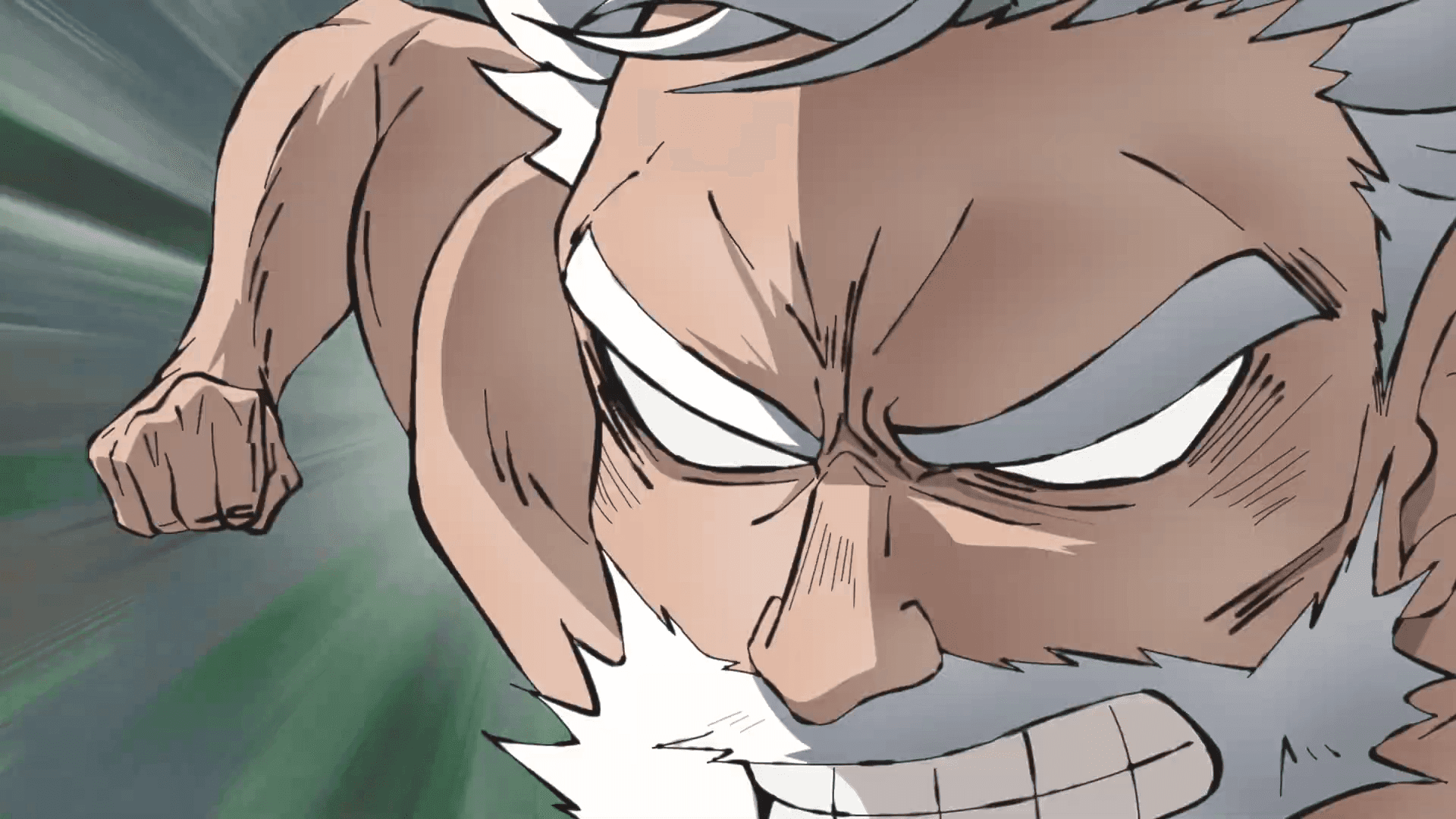
The show's central conceit is deliberately ridiculous, but the emotional core? That's completely real. The main character grapples with identity, purpose, belonging, and what it means to grow up in a world that doesn't always make sense. And somehow, the presence of an absolutely shredded Santa Claus works as the perfect vehicle to explore those themes. It sounds insane when you describe it, but watching it unfold is genuinely compelling.
What makes Sanda particularly noteworthy is how it refuses to wink at the camera about its own absurdity. The show takes the premise completely seriously. Nobody in the narrative seems to think a jacked Santa is strange. That commitment to the bit, ironically, is what makes it so funny and so affecting.
Understanding the Premise: Why Santa Got Swole
So let's address the elephant in the room: why is Santa jacked? The show provides legitimate character and narrative reasons for this, and they're revealed gradually throughout the series. This isn't arbitrary character design. The physical appearance directly ties into the story's themes about identity transformation, the burden of expectations, and what we're willing to sacrifice to fulfill our roles.
Without spoiling the specifics, the anime explores how Santa has been reinvented and reimagined across centuries and cultures. The muscular design represents something deeper about how this archetypal figure has evolved, and how different people project their own needs and desires onto the myth. It's surprisingly philosophical for a premise that initially seems designed solely for shock value.
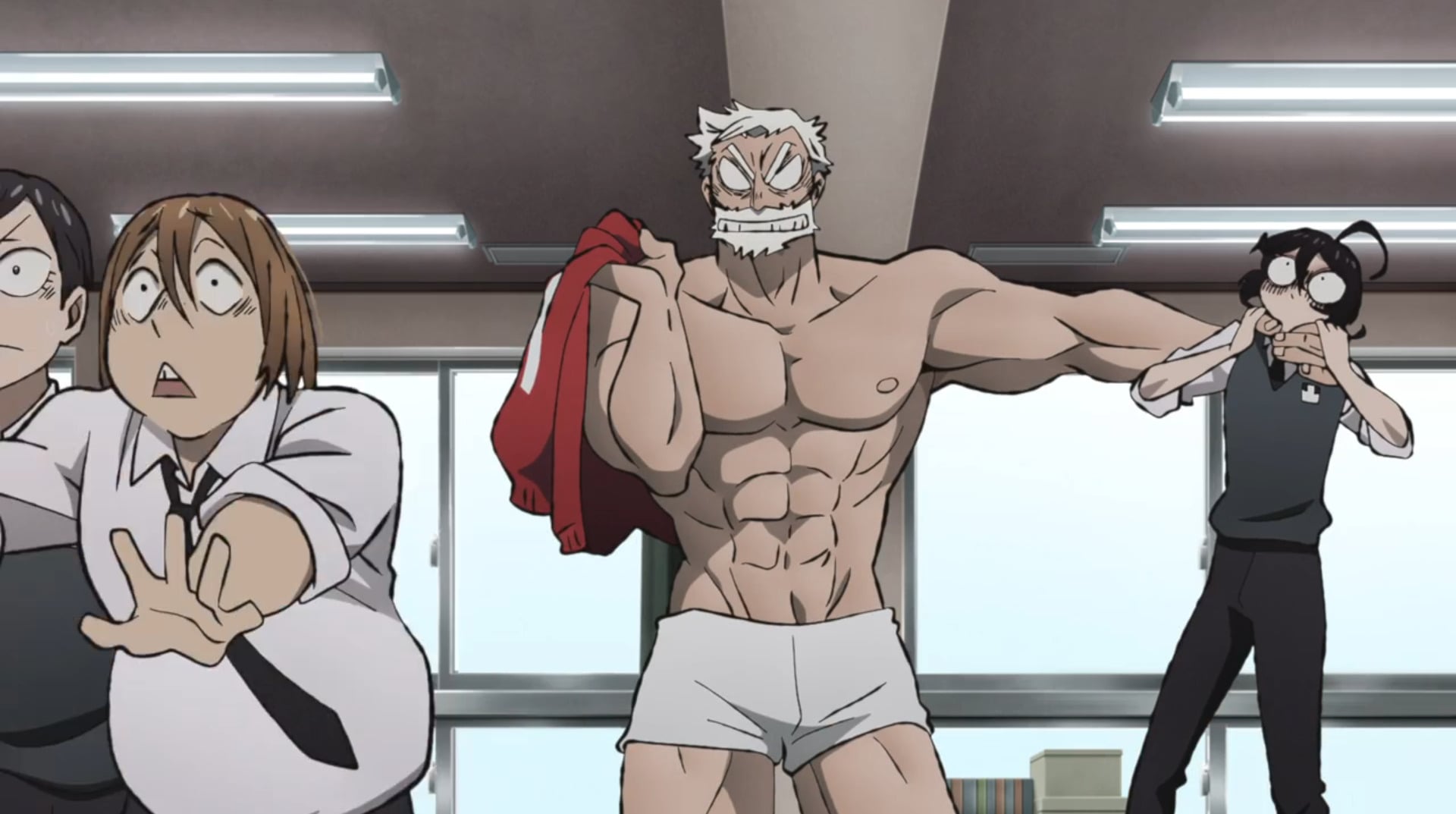
The show's commitment to making this character visually impressive in a completely different context is actually hilarious. There are scenes where the camera cuts to his absurdly defined physique in moments that have nothing to do with combat or action. It's just there. It exists. The anime understands the comedic timing perfectly and exploits it without ever descending into pure cringe.
What's particularly smart is how the show uses this visual contrast to create emotional resonance. When heavy moments arrive, they land harder because you've been getting comedy beats with this ridiculous character design. The tonal whiplash becomes a feature rather than a bug. You're laughing one moment and genuinely moved the next, and that emotional complexity is what elevates the entire experience.
The narrative structure builds understanding of this design choice incrementally. Early episodes seem to present it as just a visual gimmick, but deeper layers emerge as the story progresses. By the midpoint, you understand that the physical design serves the thematic purpose of the entire series. It becomes symbolic rather than silly, although it remains funny throughout.
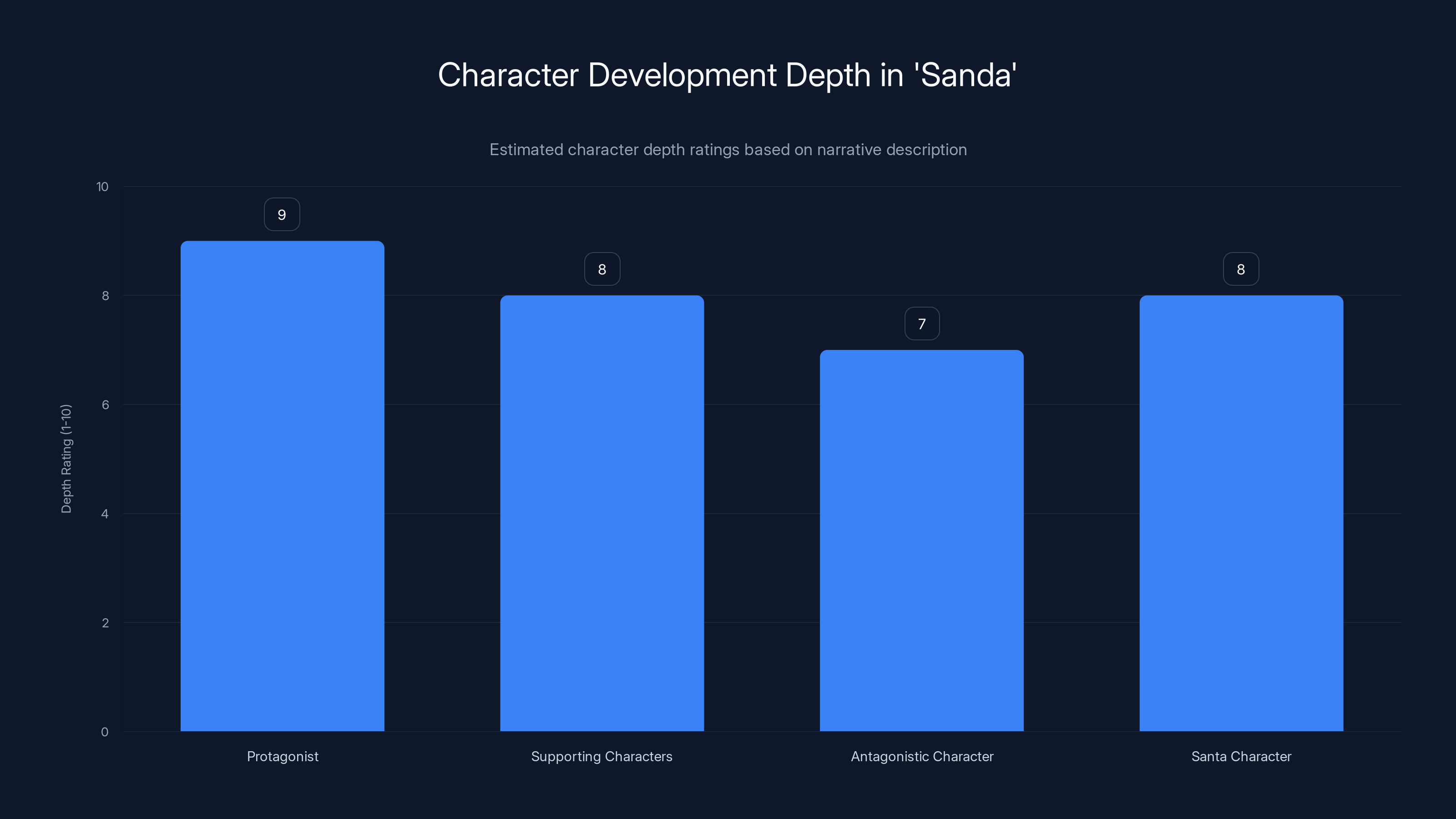
The character development in 'Sanda' is rich and nuanced, with both main and supporting characters receiving high depth ratings. (Estimated data)
The Coming-of-Age Story at the Heart
Beneath the surface-level absurdity lies a legitimate coming-of-age narrative that explores growing up, finding your place in the world, and accepting that life rarely follows the path you expect. The main character isn't Santa—the story is told from the perspective of someone encountering this character during a pivotal moment in their own development.
This narrative choice is crucial. Rather than centering the story on the bizarre Santa figure, the anime uses him as a catalyst for the protagonist's journey of self-discovery. The coming-of-age elements feel earned rather than forced. You watch this character struggle with real issues: identity, purpose, relationships, and the gap between expectations and reality.
The anime doesn't shy away from the darker aspects of growing up. There are moments of genuine loneliness, misunderstanding, and pain. The show respects its audience enough to let those moments breathe. Not every problem gets solved by the end of the episode. Some wounds take time to heal. Some conflicts don't have satisfying resolutions.
What makes the emotional core particularly effective is the character writing. The protagonist feels authentic in their confusion and vulnerability. Their internal struggles are specific enough to resonate but universal enough that viewers from different backgrounds will find something to connect with. The supporting cast, similarly, are written with surprising depth for what's ostensibly a comedy anime.
The relationship dynamics feel real. Friendships are messy. Family connections are complicated. Romantic elements, when they appear, are treated with appropriate uncertainty. Nobody has everything figured out, and the show never pretends they do. That realism, combined with the surreal Santa premise, creates cognitive dissonance that somehow works beautifully.
There are stretches where you forget about the weird Santa setup entirely because you're just invested in whether this character is going to figure out their life. And then the show cuts to the absolutely ripped Santa in a mundane situation, and you're reminded of the surreal framework holding everything together. That contrast is the show's secret weapon.

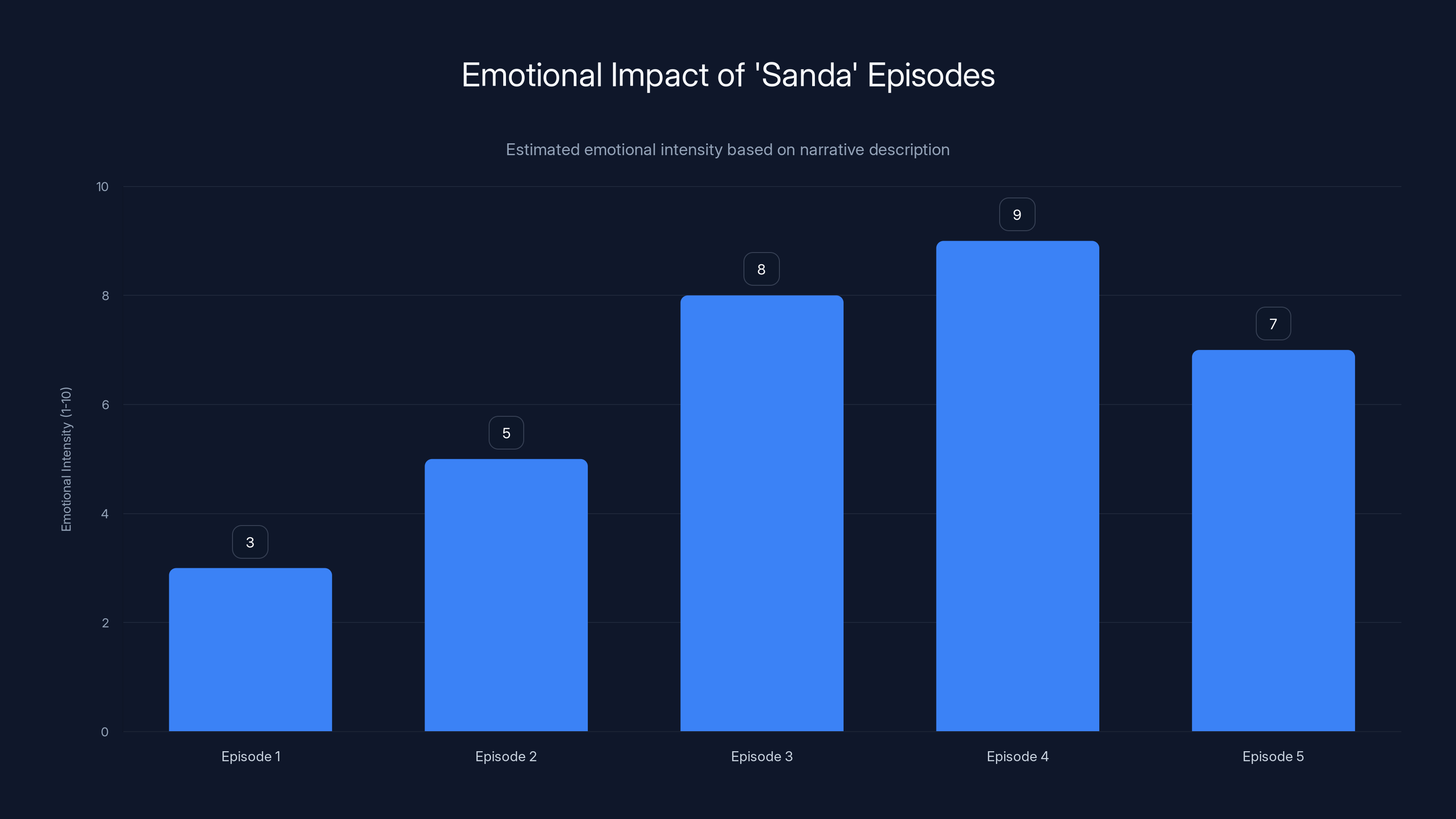
Estimated data suggests that episodes 3 and 4 have the highest emotional impact, with carefully built character moments leading to significant emotional payoffs.
The Emotional Devastation You're Not Prepared For
Let me warn you right now: if you think this is a lighthearted holiday romp, you're going to get blindsided. Sanda has moments that hit incredibly hard emotionally. We're talking about the kind of scenes that linger with you after the credits roll. The kind of moments that make you pause the episode and just sit with what you just experienced.
Without spoiling anything specific, there are revelations about the characters' backgrounds, motivations, and desires that recontextualize everything you've watched up to that point. The show builds up these emotional payoffs carefully, and when they land, they're devastating in the best possible way.
The anime doesn't manipulate you emotionally by playing sad music and asking you to feel bad. Instead, it earns emotional responses through character work and genuine stakes. You care about these people because the show took time to develop them, to show their vulnerabilities and their hopes. The emotional moments don't come out of nowhere.
What's particularly impressive is the tonal balance. The show could easily have collapsed under the weight of constant tonal shifts. Somehow, it manages to be genuinely funny and deeply moving within the same episode, sometimes within the same scene. The creators clearly understand how comedy and pathos can amplify each other rather than compete.
There are several episodes that will fundamentally change how you view the story. These aren't twist reveals in the traditional sense. They're more like perspective shifts that make you reevaluate character motivations and the nature of the conflict. It's the kind of show that benefits enormously from a rewatch because you understand the subtext of earlier scenes once you have the full picture.
If you have emotional armor, Sanda will find the cracks. If you've ever felt lost, confused about your place in the world, uncertain about relationships, or struggled to live up to expectations, this show will resonate with you in unexpected ways.
The Animation and Visual Direction
Sanda's animation quality is surprisingly solid for what's ostensibly a comedy anime. The character designs are detailed and expressive, particularly during emotional scenes where subtle facial expressions carry significant weight. The animators clearly understood that the emotional scenes needed to be visually compelling to land properly.
The visual direction deserves special mention. Director choices in framing, color grading, and camera movement enhance the emotional beats significantly. There are scenes shot in ways that would be completely unnecessary for pure comedy but become essential for communicating character emotion and thematic significance.
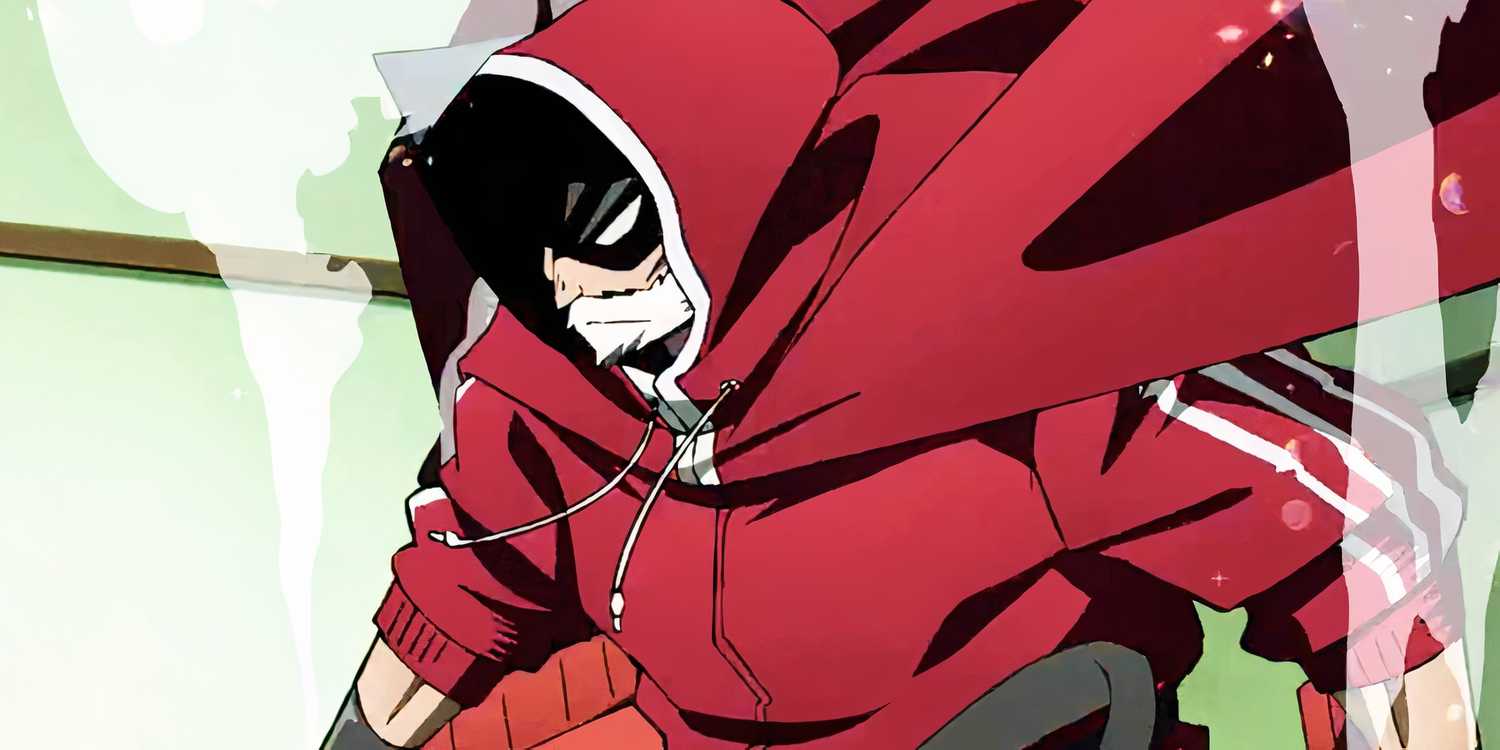
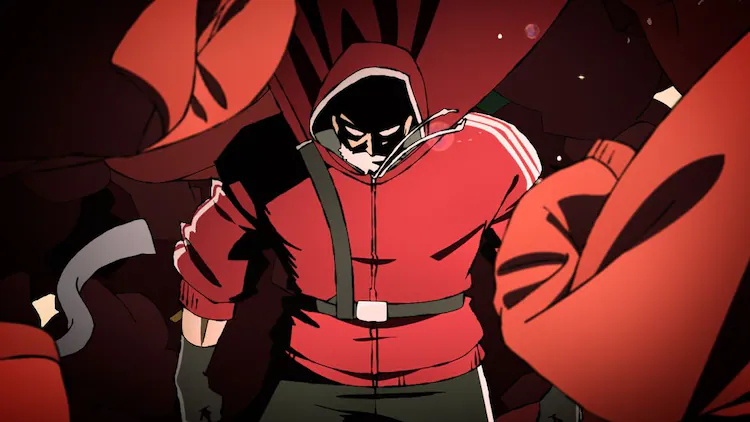
The design of Santa himself is hilarious specifically because he's animated with the same level of detail and seriousness as any other character. His physique is rendered with anatomical accuracy. He wears normal clothes over his absurdly muscular frame in ways that create continuous visual comedy. The consistency of the design, never apologized for or played as a joke within the narrative, makes it funnier.
Background art is detailed enough to feel lived-in without being distracting. The show takes place during the Christmas season, and the visual atmosphere reflects that. There's a particular aesthetic to autumn transitioning toward winter, and the animation captures it effectively. The color palette subtly shifts throughout the series to reflect emotional and narrative changes.
Action sequences, when they occur, are handled competently. But the show's strength isn't in action—it's in quieter moments where body language and environmental storytelling communicate more than dialogue ever could. An episode might feature one character waiting for another in a public space, and the animation conveys anxiety, hope, and uncertainty without a single word of explanation.
The opening and ending sequences are worth watching in full rather than skipping. They set the tone effectively and their imagery takes on additional meaning once you understand the full story. This is an anime that respects the medium enough to treat even these typically skippable elements as integral parts of the experience.
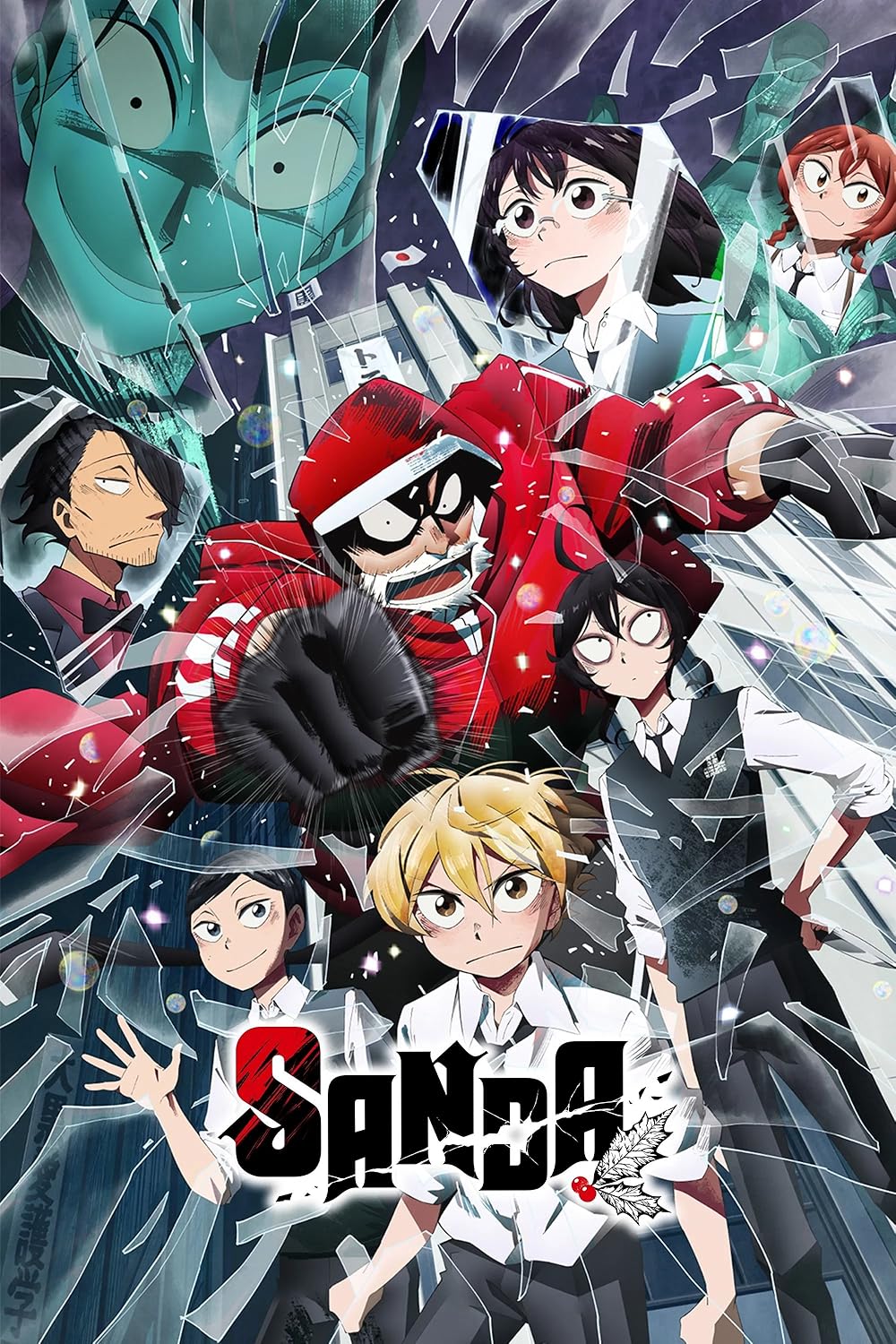
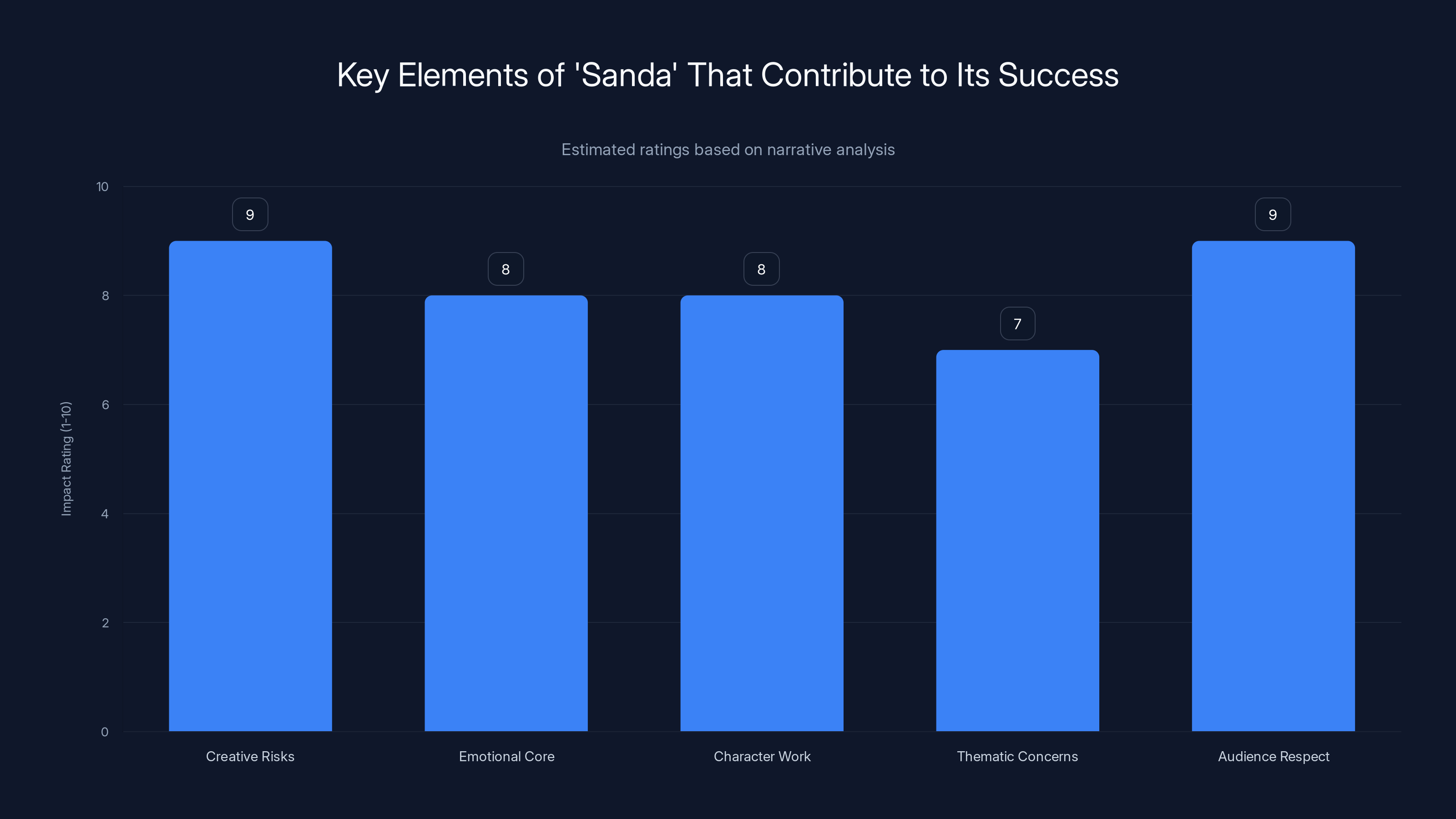
Estimated data suggests that 'Sanda' excels in creative risks and respecting audience intelligence, contributing to its unique appeal.
The Streaming Landscape and Anime Exclusivity
Prime Video's decision to greenlight an anime as genuinely weird and specific as Sanda speaks to larger shifts in how streaming platforms are approaching content. For years, Netflix and Crunchyroll dominated anime streaming by investing in proven formulas and adaptations of popular manga. Prime Video has been more experimental, willing to fund original anime that might not have broad appeal but will resonate intensely with specific audiences.
This strategy makes sense from a business perspective. While Sanda might not attract millions of casual viewers, it builds the kind of passionate fanbase that generates word-of-mouth recommendations and social media engagement. One person telling their friend about this weird buff Santa Christmas anime is worth more than a thousand generic algorithm recommendations.
The exclusive model that streaming services employ has reshaped anime production. Streaming funding allows creators to take risks that traditional networks might reject. A major broadcast network would never greenlight a series with this premise. But a streaming platform willing to serve niche audiences? That's exactly the kind of content they're interested in developing.
Prime Video's anime library has been expanding thoughtfully. They're not just acquiring existing titles. They're investing in original content that reflects diverse creative visions and storytelling approaches. Sanda represents this commitment to being a destination for anime that refuses to fit into conventional categories.
The exclusivity also shapes how content is consumed and discussed. When a show is exclusively on one platform, it develops its own contained community. Discussions happen in specific forums and subreddits. Fandom creates around the unique entry point of the streaming service. There's something to be said for how exclusivity can actually build community in unexpected ways.
Why Christmas Anime Has Become Weirdly Compelling
Christmas anime is a genre unto itself, and it ranges wildly in quality and approach. Some offerings are genuinely heartwarming. Others are cynical cash-grabs designed to capitalize on holiday viewing habits. Sanda exists in the space where creativity and genuine emotion intersect, which has become increasingly rare in seasonal content.
The holiday season creates unique storytelling opportunities. Christmas inherently deals with themes of community, generosity, reunion, and reflection. It's a time when people think about their lives and relationships more critically. Anime that engages with these themes thoughtfully, even through ridiculous premises like a jacked Santa, can resonate deeply.
What makes Sanda particularly effective in the Christmas anime space is that it doesn't rely on the holiday as mere window dressing. The Christmas setting and the Santa character are integral to the narrative and thematic concerns. The story couldn't work if you simply removed the holiday elements and replaced them with anything else. The setting and the surreal premise are the foundation of everything that follows.
Christmas anime has also benefited from creative experimentation. Streaming services, unbeholden to traditional broadcast standards and time slots, can produce anime that explores darker, weirder, or more niche angles on the holiday season. You're getting content that reflects diverse creative voices rather than homogenized, focus-group-tested material designed to offend nobody.
There's also something about the Christmas season that makes people more receptive to bizarre premises. The holiday season encourages a suspension of disbelief. You're more willing to accept the surreal when it's December and snow is falling and there's a cultural emphasis on magic and wonder. Sanda exploits this psychological state brilliantly by presenting its absurd premise during the season when it feels most natural to embrace impossibility.
The emotional vulnerability that Christmas provokes also makes audiences more receptive to emotional storytelling. People are thinking about family, about connection, about loss and regret. An anime that layers emotional depth underneath a comedic premise hits harder during the holiday season than it might at any other time of year. Sanda understands this implicitly.
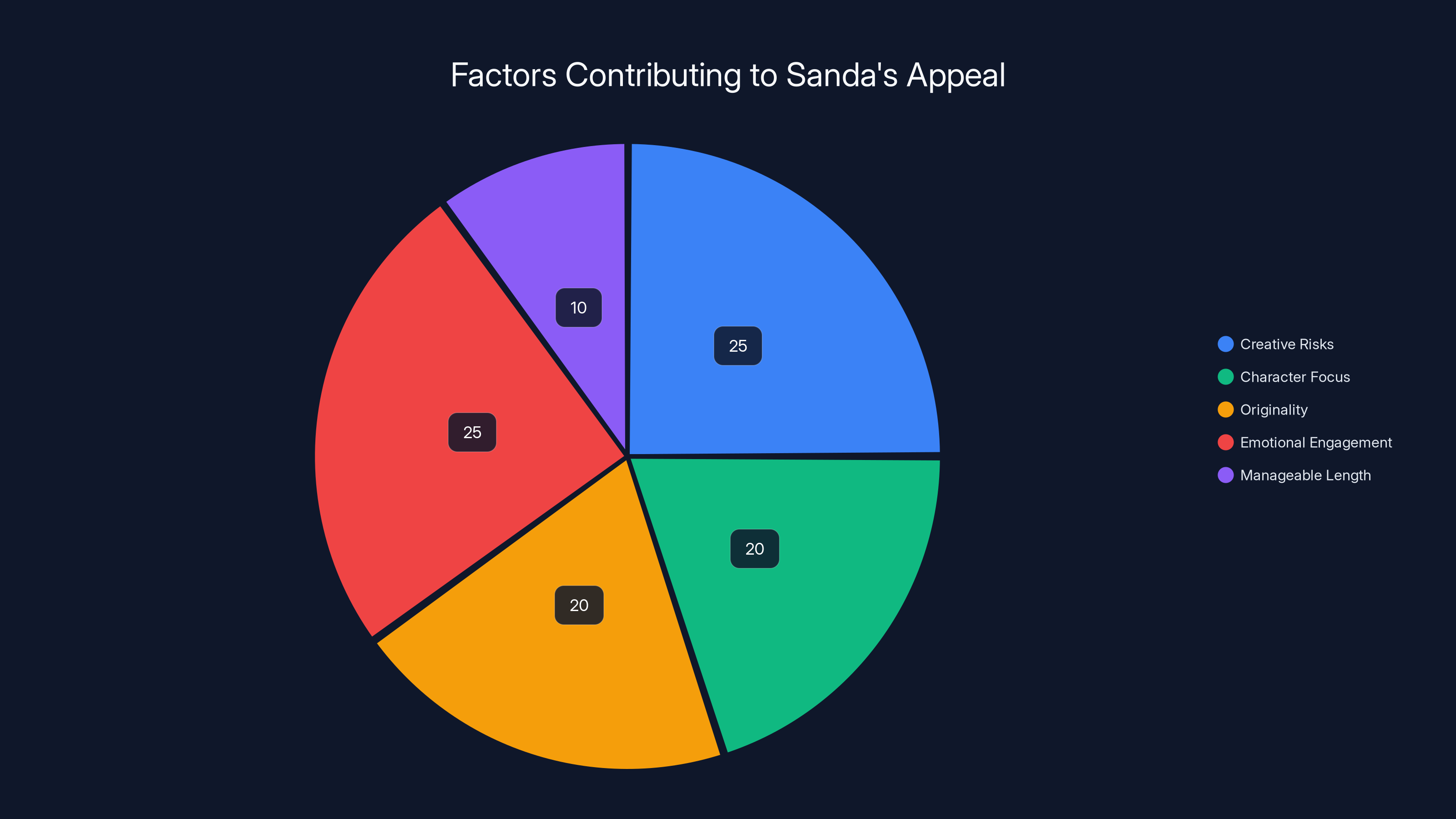
Estimated data shows that Sanda's appeal is largely due to its creative risks and emotional engagement, each contributing 25% to its overall attractiveness.
Character Development That Goes Beyond Surface Level
The character writing in Sanda is genuinely impressive. Each character feels like a full person with their own internal lives, desires, fears, and contradictions. Supporting characters who appear in just a few episodes are still rendered with surprising depth. You understand their motivations. You grasp why they make the choices they make, even when those choices cause conflict or pain.
The protagonist's development is particularly nuanced. They don't follow a traditional hero's arc where they learn a lesson and apply it confidently going forward. Instead, they stumble toward understanding. They make mistakes. They learn something, forget it, then have to relearn it. Character development feels messy and real, reflecting how actual human growth works.
Relationship dynamics between characters shift and evolve in believable ways. Friendships deepen and fracture based on actual behavior and communication failures rather than plot convenience. Family connections are complicated, featuring love and resentment existing simultaneously. Romantic tension, when it appears, is treated with appropriate uncertainty and confusion rather than resolved in ways that feel narratively clean.
The character writing extends to the Santa character himself. What could have been a one-note gimmick is actually a complex figure with depth, motivations, and genuine pathos. Understanding who this character is and why they're the way they are becomes one of the series' central emotional payoffs.
Supporting characters are similarly well-developed. A character who appears antagonistic early reveals themselves to be struggling with their own issues, leading to complicated relationships rather than clear heroes and villains. Other characters have their own subplots and developments that matter to the overall narrative. The show respects its supporting cast enough to give them real arcs.
Character development also happens through visual language and body language rather than constant exposition. You understand characters' emotional states through how they carry themselves, how they interact with spaces, how they look at other people. The animation supports the character writing rather than fighting against it.
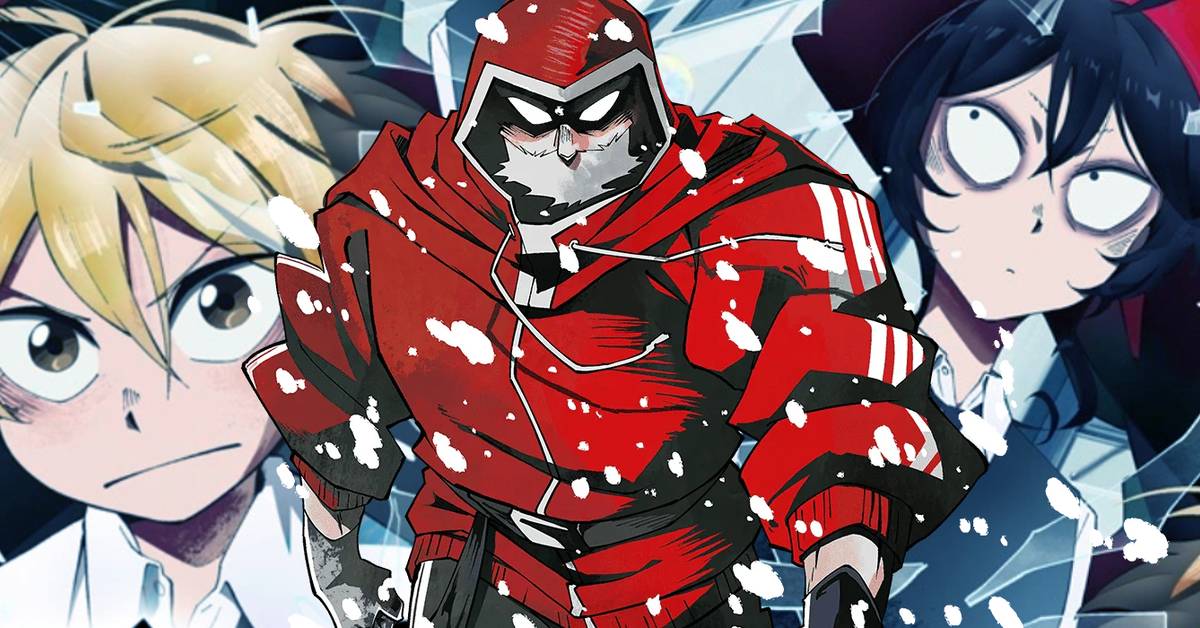
The Pacing and Episode Structure
Sanda's episode structure is thoughtful and intentional. Early episodes establish tone, introduce characters, and plant seeds that pay off later. The pacing never feels rushed, even though significant plot development occurs throughout the season. The show trusts its audience to sit with scenes and let them breathe.
There are episodes that focus primarily on comedy. Others lean heavily into emotional drama. Some episodes balance both elements throughout. The variety in episode approach prevents the series from becoming repetitive or predictable. You never quite know what emotional direction an episode will take until you're watching it.
The series also includes episodes that seem to take detours or tangents. These side episodes might seem less essential on first viewing but often reveal their importance on reflection. A seemingly throwaway episode about a minor character might provide crucial context for understanding later character decisions. The show recontextualizes earlier moments in light of new information, making rereading necessary for full appreciation.
Cliffhangers are used sparingly and strategically. The show doesn't resort to constant cliffhanger endings just to manipulate you into watching the next episode. Instead, endings generally feel like natural stopping points while still propelling you toward the next episode. The pacing creates momentum without resorting to cheap tricks.
Episode length provides adequate time for scenes to develop. Nothing feels cut short. Conversations play out with realistic timing. Silences and pauses are allowed. The show isn't rushing through content to fit into a predetermined formula. This pacing choice makes scenes feel more naturalistic and emotionally effective.
There's also careful attention to how episodes cluster into arcs. While individual episodes are satisfying, the series builds larger narrative movements across multiple episodes. Recognizing these structures enhances appreciation for the show's construction and planning.
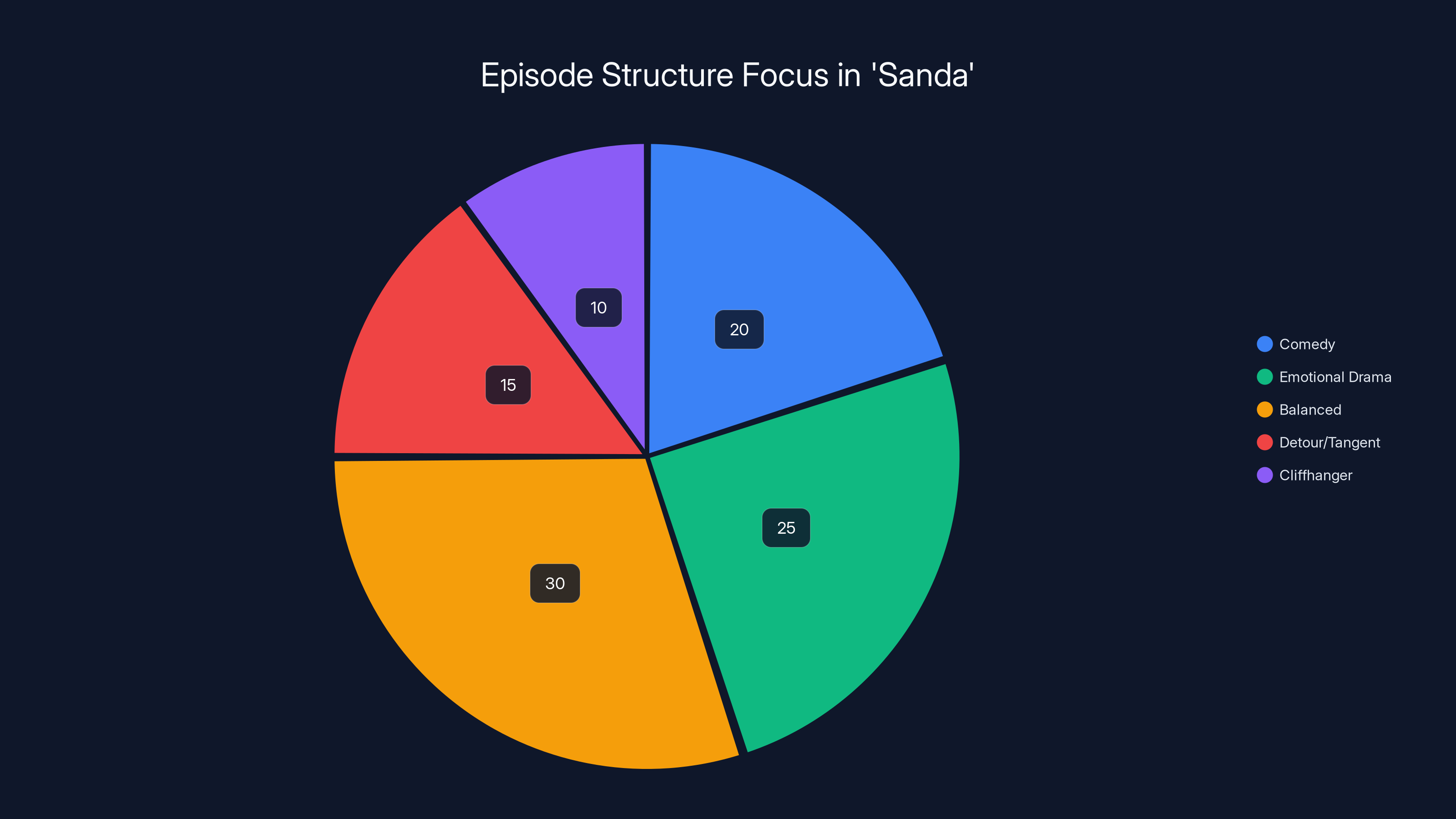
The series 'Sanda' balances its episode focus with 30% of episodes combining comedy and drama, while 25% focus on emotional drama alone. Estimated data.
Themes Woven Throughout the Narrative
Sanda engages with several interconnected thematic concerns that give the show substance beyond its surface-level premise. Identity—both personal and constructed—runs throughout. Characters grapple with who they are, who others expect them to be, and whether those things can ever align.
Belonging and community form another central thematic strand. Multiple characters struggle with feeling like outsiders or not fitting into conventional social structures. The show explores what it means to find or create community, to be accepted for who you are rather than who you're expected to be.
Expectation versus reality is constant throughout. Characters confront the gap between their hopes and what actually unfolds. Sometimes that gap is bridged. Sometimes characters must adjust their expectations. Sometimes the pain comes from accepting that certain dreams won't be realized. The show treats this disillusionment with compassion rather than cynicism.
Growing up inevitably involves loss. Loss of innocence. Loss of childhood. Loss of relationships that don't survive into adulthood. Loss of versions of yourself that can't coexist with who you're becoming. Sanda doesn't shy away from these losses. It acknowledges them as painful but necessary parts of maturation.
There's also something thematic about the Santa character as a symbol of unconditional generosity and acceptance. The contrast between this symbolic meaning and the Santa's actual struggles and limitations becomes thematically important. Santa isn't unlimited. Santa has boundaries. Santa can't fix everything. Recognizing these limitations becomes crucial for characters accepting reality.
Connection and isolation simultaneously exist. Characters crave connection while fearing vulnerability. They want acceptance while hiding parts of themselves. The show explores these contradictions without resolving them neatly. Life contains these paradoxes, and Sanda accepts that.
Visual Metaphors and Symbolism
The animation frequently employs visual metaphors that enhance thematic concerns without becoming heavy-handed. Color choices shift to reflect emotional states. Character positioning in scenes communicates relationship dynamics. Background details provide subtext that enriches character understanding.
Snow and winter imagery obviously connect to Christmas, but the show uses these visuals symbolically as well. Cold can represent emotional distance or isolation. Snow can bury things or make the world feel fresh and new. The show understands the poetic possibilities of seasonal imagery and exploits them effectively.
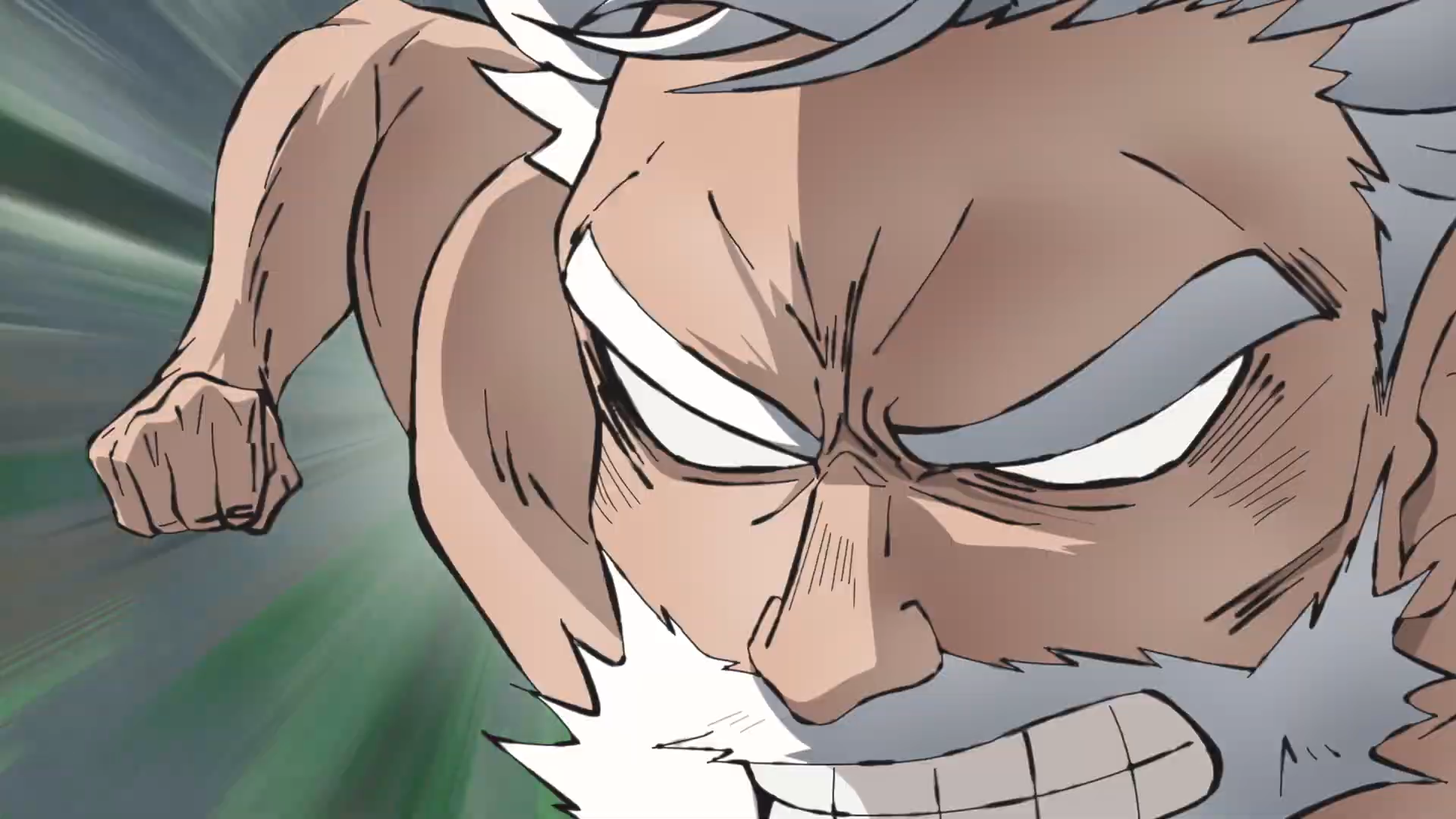
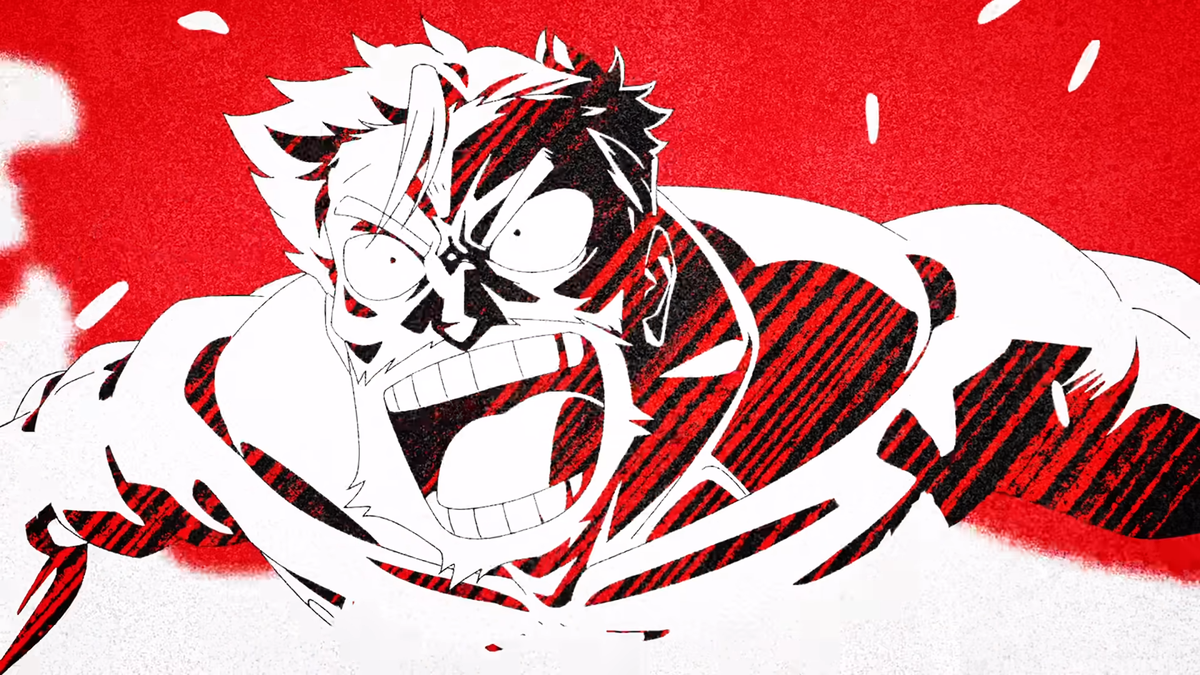
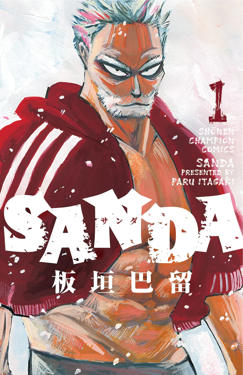
The buff Santa himself serves as continuous visual irony. An archetypal figure associated with generosity, warmth, and comfort has been redesigned as someone physically imposing. This visual contradiction mirrors thematic contradictions about expectations, identity, and the gap between symbol and reality.
Character designs evolve subtly throughout the series. Subtle changes in how characters dress, style their hair, or carry themselves communicate internal changes without explicitly stating them. Animation language becomes narrative language, allowing the show to communicate character development visually alongside dialogue.
Facing and eye contact become symbolically important. When characters look at each other directly versus avoiding eye contact communicates emotional states and relationship status. The animation uses these small details to show vulnerability, shame, love, and conflict.
Spatial relationships in scenes communicate character dynamics. Characters positioned close together or far apart, above or below each other, facing or turning away all carry meaning. The show uses cinematic language intentionally to reinforce narrative and thematic concerns.
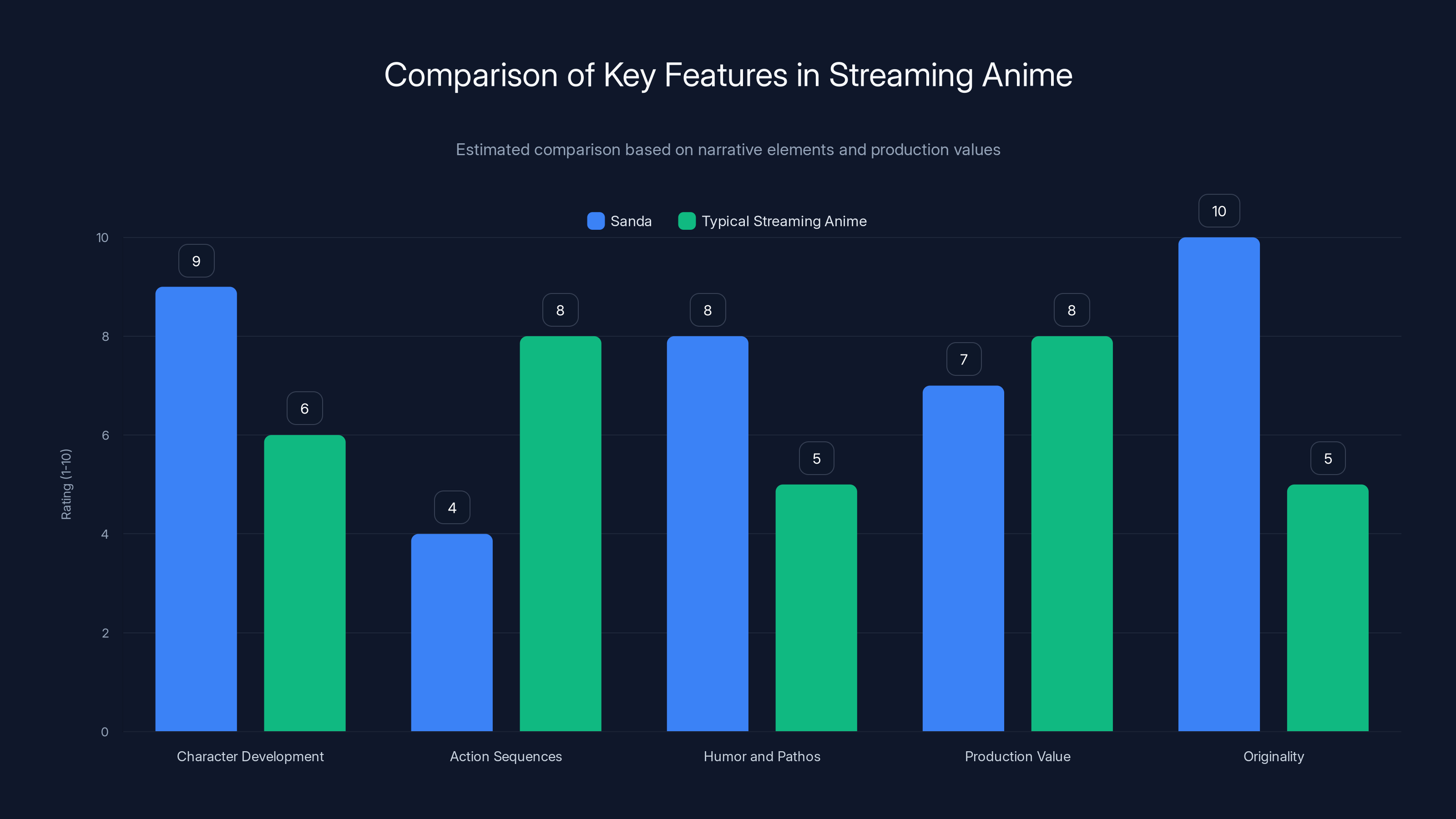
Sanda excels in character development and originality, setting it apart from typical streaming anime, which often focus more on action sequences. Estimated data based on narrative analysis.
The Humor Works on Multiple Levels
Comic timing in Sanda is genuinely impressive. The show understands that timing matters more than the joke itself. A scene can be funny purely because of when it cuts or how long it holds on a particular frame. The comedy doesn't announce itself. It trusts the audience to recognize funny moments without a laugh track or obvious musical cues.
The humor also operates on multiple levels simultaneously. Surface-level comedy comes from the ridiculous premise and visual absurdity. Deeper comedy emerges from character dynamics and how well-written characters interact. Knowing character humor lands differently than joke humor. You're laughing at what these characters would naturally do, not at setups designed specifically to be funny.
There's also situational comedy that arises from the contrast between the surreal Santa premise and the grounded emotional reality of the characters' lives. Characters react to the buff Santa with varying degrees of surprise or acceptance, and their reactions are often funnier than the character itself. The show is often funny at the intersection of its ridiculous premise and the emotionally genuine characters living in that premise.
Self-aware humor appears occasionally, but the show never fully breaks character or winks at its own absurdity. Characters treat the buff Santa as a real person, not as a joke. That commitment to taking the premise seriously while acknowledging its inherent comedy creates a unique comic tone.
There's also room for subtle humor that builds on previous episodes. A throwaway line from episode two becomes funny in episode eight when you suddenly remember it in context of new information. The show rewards attentive watching with layered humor that extends beyond individual scenes.
Comparison to Other Streaming Anime
Looking at the broader landscape of streaming anime, Sanda stands out for its willingness to embrace a premise that traditional networks would reject. Most anime follows established formulas or adapts existing manga. Original anime series, particularly with genuinely weird premises, remain relatively rare in the streaming space.
Compared to other recent streaming anime, Sanda prioritizes character and emotional storytelling over action sequences and spectacle. It's slower-paced and more introspective than many contemporary series. It trusts its audience to sit with quiet moments and find meaning there. This approach makes it distinctive in a landscape crowded with high-action content.
The show also differs in its treatment of humor and pathos. Many anime attempt to blend comedy and emotion but struggle with the tonal balance. Sanda manages the shift smoothly, likely because the comedy isn't used to undercut emotional moments but rather to enhance them through contrast. The show is funny and touching simultaneously rather than alternating between the two.
In terms of production value, Sanda is impressive without being ostentatious. It doesn't compete on animation spectacle but rather on quality character animation and thoughtful visual direction. The artistic choices serve the story rather than existing to show off technical capabilities.
The show also operates differently from much anime in its refusal to rely on existing fandom. It's not an adaptation. It's not part of an established franchise. It stands entirely on its own premise and execution. For streaming platforms, this makes it riskier to develop but potentially more rewarding if it connects with audiences.
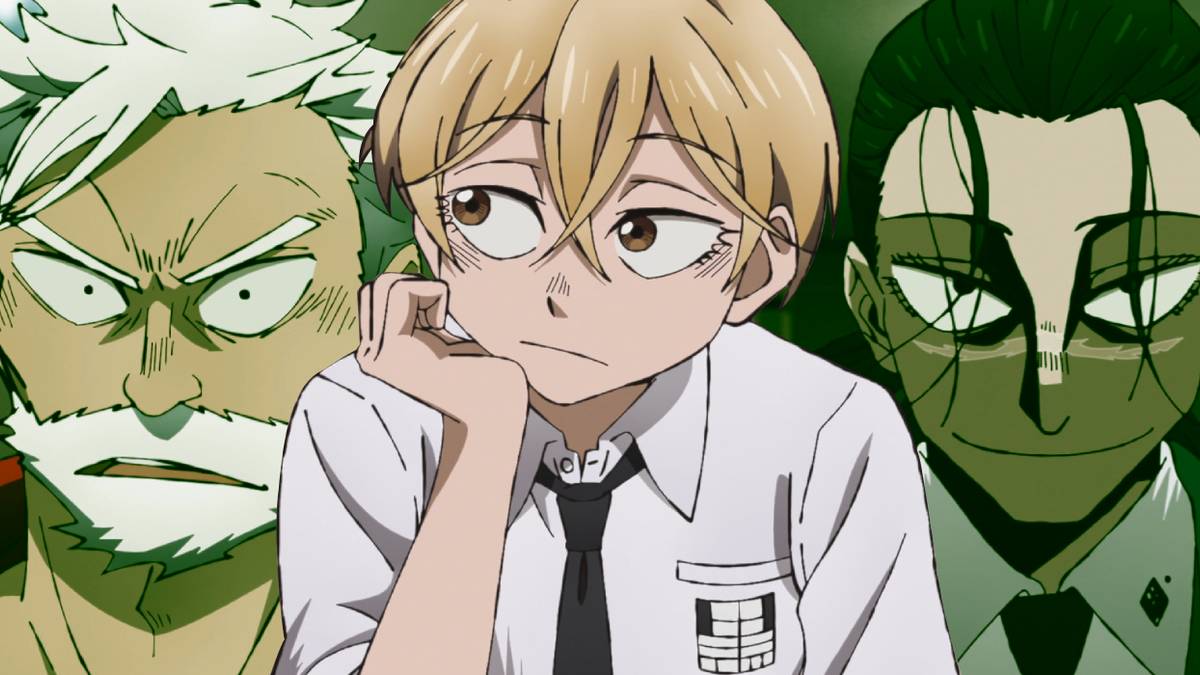
The Cultural Context of Christmas Anime
Christmas in Japan has a different cultural significance than it does in Western countries. It's not primarily a religious holiday. Instead, Christmas is celebrated as a commercial, romantic, and festive occasion. This different cultural approach to Christmas provides unique opportunities for anime exploring holiday themes.
Japanese anime often approaches Western holidays with a mix of familiarity and curiosity. Elements are borrowed and transformed. Traditions are reinterpreted. This cultural translation process can result in content that feels both familiar and foreign to Western audiences, creating interesting creative possibilities.
Santa Claus specifically holds different cultural weight in Japan. He's not burdened by the same religious significance or cultural baggage. Instead, he's a symbol of commercialism, festivity, and fun. This allows anime creators more freedom in reimagining the character. A buff Santa feels less culturally inappropriate in a Japanese context than it might in a Western one.
The Christmas season is also heavily featured in anime and Japanese media generally. Christmas episodes are common. Christmas specials are tradition. The holiday provides narrative opportunities for slice-of-life storytelling and character-focused episodes. Christmas anime has become its own small genre within the broader anime landscape.
Sanda engages with these cultural contexts while subverting them. It uses Christmas imagery and characters in ways that feel fresh despite the season's heavy presence in anime. The show finds new angles on familiar material, which is something Japanese creators generally excel at.
What Makes Sanda Worth Your Time
If you're reading this wondering whether you should spend your time watching Sanda, here's the honest answer: if you appreciate anime that takes creative risks, that values character over spectacle, that's willing to be weird and emotional simultaneously, then yes, this show is worth your time. It's not going to appeal to everyone, and there's nothing wrong with that.
The show demands active engagement from viewers. It trusts you to understand subtext. It assumes you can handle tonal shifts. It doesn't explain everything. There's room for interpretation and personal reading. This makes it more rewarding than passive, plot-driven content, but it also requires more mental energy.
Sanda also benefits from being a relatively short series. It tells its story efficiently without overstaying its welcome. You can complete the entire experience in a weekend if you're motivated, or spread it across several weeks. The time commitment is manageable.
The originality of the premise alone makes it worth trying. You're not going to encounter many anime with this concept. Even if it doesn't fully connect with you, you're experiencing something genuinely different. There's value in that uniqueness even if the series doesn't become your favorite anime of all time.
Ultimately, Sanda succeeds because it earns emotional investment. The show takes its characters seriously. It respects its audience. It balances humor and pathos effectively. It tells a complete story with thematic depth. These are the foundations of good storytelling, executed well here despite the ridiculous premise.
Where to Watch and How to Access
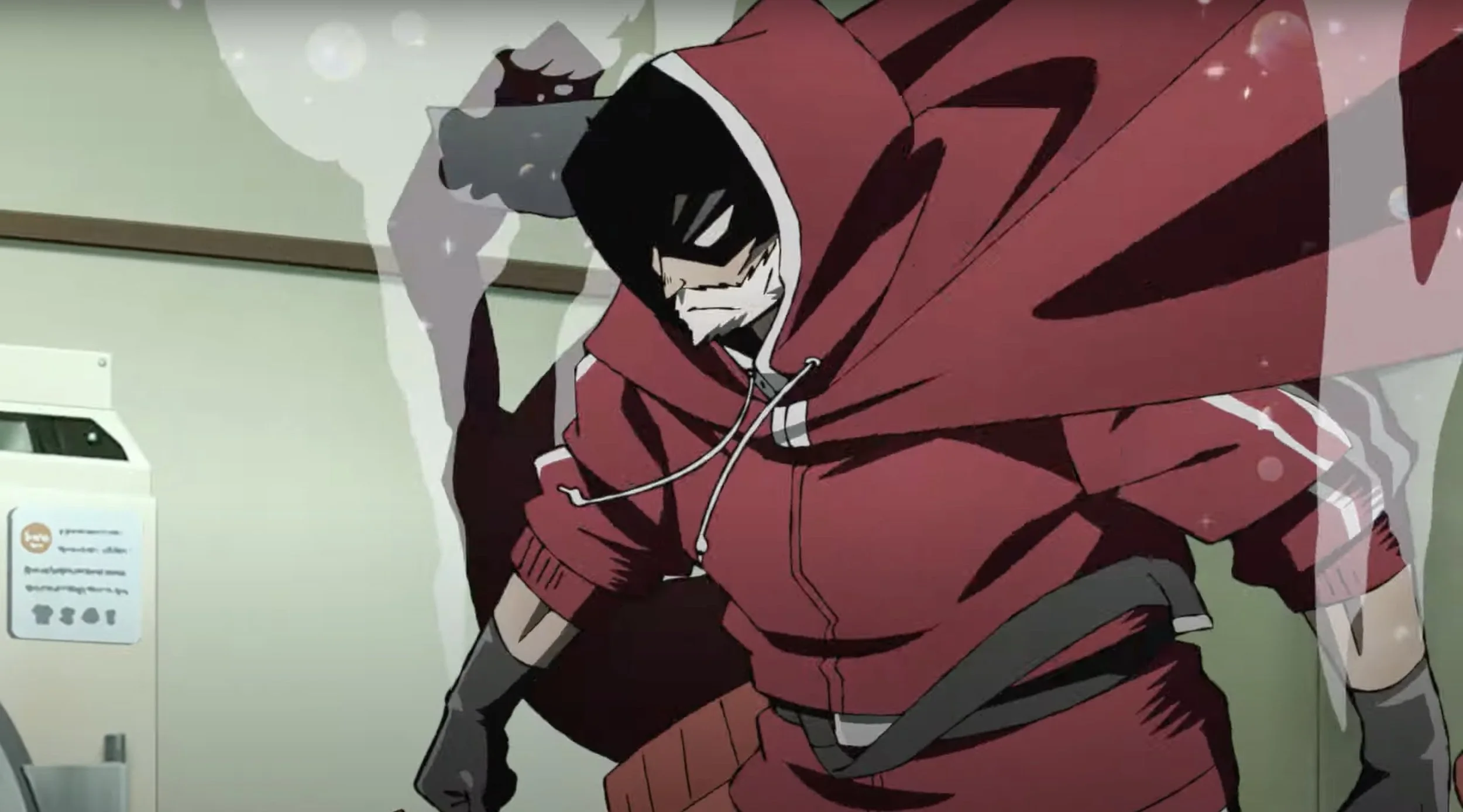
Sanda is currently exclusive to Prime Video as part of their original anime programming. You can watch the series through a Prime Video subscription. If you already subscribe to Prime Video for shopping and shipping benefits, you get access to the streaming service and its full anime library included in your membership.
For those without existing Prime Video subscriptions, Amazon offers a free trial period that provides access to the streaming service. The trial period is typically 30 days, which provides adequate time to watch Sanda completely and explore other Prime Video content. There's no credit card required to cancel the trial before the free period ends.
Prime Video also offers different subscription options depending on your region and needs. Some regions offer ad-supported Prime Video at a lower price point, which is a good option if you're okay with commercial interruptions. Ad-free streaming is available at the standard Prime Video price.
The series is available in multiple languages and with subtitles in numerous languages, making it accessible to international audiences. The original Japanese audio with subtitles is recommended for the most authentic experience, though dubbed versions may be available depending on your region.
Episodes are available for streaming on-demand, meaning you can watch them whenever you want without worrying about broadcast schedules. You can watch multiple episodes back-to-back or spread them across several weeks according to your preference. Streaming flexibility allows you to engage with the content at your own pace.
Prime Video's interface allows you to save the series to your watchlist, making it easy to find again if you need to pause viewing and return later. The platform also provides recommendations based on your viewing history, so having Sanda in your history might expose you to other anime and content you might enjoy.
Final Thoughts: A Show That Shouldn't Work But Does
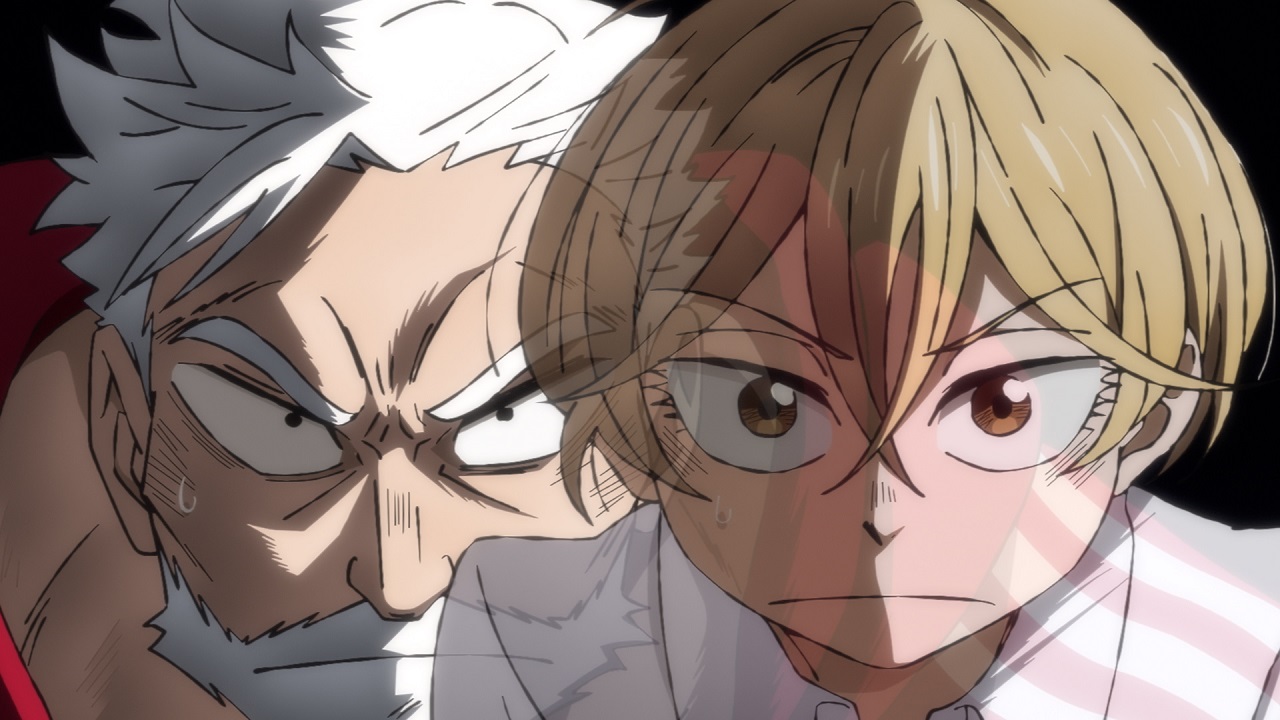
Sanda exists as proof that creative risks, even absurd ones, can pay off if executed with genuine care and quality. The premise is ridiculous. The central character design is deliberately ridiculous. But the emotional core is real, the character work is genuine, and the thematic concerns are sophisticated. Everything holds together in ways that shouldn't be possible given the starting point.
The show also serves as a reminder that anime as a medium isn't bound by traditional storytelling conventions. The freedom to explore weird premises, to embrace tonal complexity, to tell stories that don't fit neat categories makes anime distinctive in the broader entertainment landscape. Sanda exemplifies anime's creative possibilities.
What surprised me most while thinking about this show is how much it respects its audience. There's no hand-holding. No obvious signposting of important moments. No explanation of why things matter. The show trusts you to understand, to feel, to make connections. That respect for audience intelligence becomes increasingly rare in entertainment, making Sanda feel refreshing by comparison to more conventional offerings.
The emotional moments in Sanda will likely stay with you after you finish watching. You'll find yourself thinking about certain scenes days or weeks later. You'll remember specific character moments that hit hard. You might even find yourself wanting to rewatch certain episodes. That's the mark of effective storytelling, regardless of how ridiculous the premise might be.
If you're looking for anime that tells an original story, that takes emotional chances, that's willing to be weird while remaining touching, then Sanda deserves your attention. It's not perfect—no show is. But it's genuinely good, and in a streaming landscape crowded with mediocre content, that genuinely good original anime with a bizarre premise is worth celebrating and worth watching.
The buff Santa might be the initial draw, but the coming-of-age story and character work is what makes Sanda worth your time. Give it a chance. Let it surprise you. If you appreciate anime that refuses to play it safe, Sanda will reward your investment.
FAQ
What is Sanda exactly?
Sanda is an original anime exclusive to Prime Video that combines a ridiculous premise featuring an absurdly muscular Santa Claus with a genuine, emotionally complex coming-of-age story. The series tells the story of a young character confronting growing up, identity, and purpose against the backdrop of a surreal Christmas narrative. It's genuinely weird while being genuinely emotional, managing to balance comedy and pathos in ways that shouldn't work but absolutely do.
How long is the series and how many episodes does it have?
Sanda consists of a compact season that can be consumed in a relatively short viewing period. The series tells its complete story efficiently without overstaying its welcome or padding content with unnecessary filler episodes. Most viewers can finish the entire series within a weekend if watching consecutively, or spread viewings across a couple of weeks for a more leisurely pace. The exact episode count should be verified on Prime Video directly, as this information may be subject to updates.
Is Sanda appropriate for children?
No, Sanda is not recommended for children. While not explicitly graphic, the series deals with mature themes including loss, emotional pain, and the complexities of growing up. Some content may be disturbing for younger viewers. The emotional intensity, tonal complexity, and sophisticated thematic concerns make this anime intended for older teens and adults rather than children or young adolescents.
What makes Sanda's premise so weird and why does it work?
Sanda's premise is intentionally absurd, featuring a distractingly buff Santa Claus as a central character. What makes this work is that the anime treats the premise completely seriously within the narrative itself. Characters don't find the premise strange. The show doesn't wink at the audience about its own absurdity. This commitment to the bizarre premise, combined with genuine character work and emotional storytelling, creates a unique viewing experience. The absurdity becomes a vehicle for exploring real themes about identity, belonging, and maturation rather than existing purely as comedic window dressing.
Will I enjoy Sanda if I'm not big on anime?
Possibly. While Sanda is animated and employs anime conventions, its strength lies in character work and emotional storytelling rather than in anime-specific tropes or action sequences. If you appreciate character-driven narratives with emotional depth and don't mind unusual premises, you might find Sanda rewarding even if you're not typically drawn to anime. The show respects its audience and tells a complete story efficiently. That said, familiarity with anime conventions probably helps with appreciating some aspects of the show's execution.
Is Sanda a comedy or a drama?
Both. Sanda successfully blends comedy and emotional drama throughout its runtime. The series is genuinely funny, particularly through visual humor and character interactions. But it's also genuinely affecting, with moments that land with real emotional weight. The show doesn't alternate between comedy and drama. Instead, it often blends them simultaneously, using comedic elements to enhance emotional beats through contrast. This tonal balance is one of the show's greatest strengths and what makes it distinctive in the broader anime landscape.
Where can I watch Sanda?
Sanda is an exclusive Prime Video original anime series. You can watch it by subscribing to Prime Video directly or by using an Amazon Prime membership that includes Prime Video access. Prime Video offers a free trial period for new subscribers, which provides enough time to watch the complete series. The show is available with multiple language options and subtitles in various languages, though the original Japanese audio with subtitles is recommended for the most authentic experience.
Does Sanda have a good ending?
Without spoiling anything specific, the series provides a satisfying conclusion that earns the emotional investment the show asks from its audience. The ending doesn't resolve everything in neat, convenient ways. Some ambiguity remains. Some questions don't get definitive answers. However, the narrative arc feels complete, character developments feel earned, and thematic concerns are meaningfully addressed. The ending respects both the characters and the audience rather than taking easy emotional shortcuts.
Are there any content warnings I should be aware of for Sanda?
While not explicitly graphic, Sanda deals with mature emotional themes including loss, grief, loneliness, and the pain of growing up. Some character backstories involve difficult circumstances. There may be moments of emotional intensity that some viewers might find disturbing. The series generally doesn't include graphic violence, sexual content, or explicit language, but the emotional weight of the narrative makes it inappropriate for younger viewers. If you're sensitive to content involving loss or emotional pain, you might want to research specific episodes before viewing.
Will there be a second season of Sanda?
Information about potential future seasons should be verified through official Prime Video announcements and social media channels. As with many original streaming anime, the future depends on viewership metrics and production decisions made by Prime Video. The current series tells a complete story with narrative closure, so it stands alone as a complete work even if additional seasons never materialize.
How does Sanda compare to other anime on Prime Video?
Sanda stands out within Prime Video's anime library for its original premise and willingness to embrace genuine emotional storytelling alongside comedic elements. Many streaming anime prioritize action, adaptation of existing properties, or specific genre conventions. Sanda distinguishes itself through originality, character focus, tonal sophistication, and thematic depth. If you've enjoyed other character-driven anime with emotional depth, you'll likely find Sanda rewarding. If you primarily watch action-heavy anime, Sanda might feel like a different experience than you're accustomed to, but it might also offer refreshing variety.
Key Takeaways
- Sanda successfully balances ridiculous premise with genuine emotional storytelling about coming-of-age, identity, and belonging
- The series proves that creative risks in anime can pay off when executed with care, character depth, and thematic sophistication
- Prime Video's willingness to greenlight weird original anime like Sanda reflects broader shifts in how streaming platforms approach content differentiation
- The show's tonal balance between comedy and drama creates emotional resonance that shouldn't work but absolutely does
- Sanda stands out in the streaming anime landscape for prioritizing character development and emotional storytelling over action spectacle


