
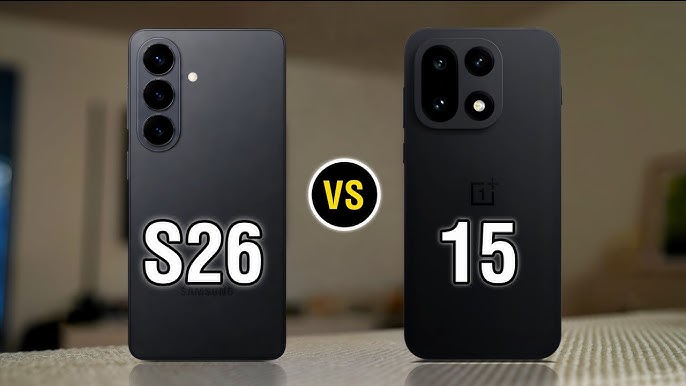
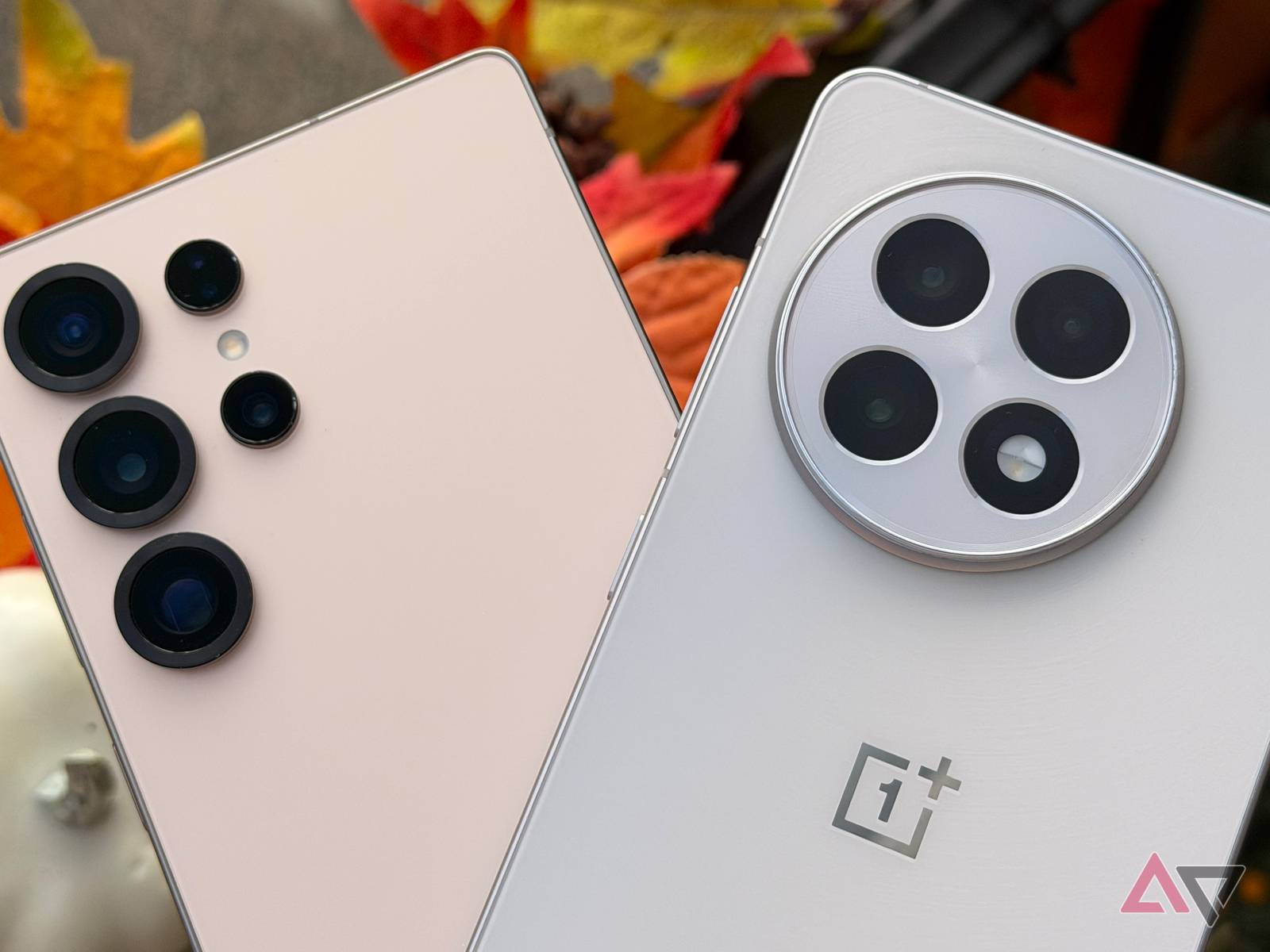
![Samsung Galaxy S26 vs OnePlus 16: Which Has the Better Camera? [2025]](https://tryrunable.com/blog/samsung-galaxy-s26-vs-oneplus-16-which-has-the-better-camera/image-1-1771682884389.jpg)
The 2026 Flagship Camera War: Samsung S26 and One Plus 16 Set to Compete
Every year without fail, the smartphone camera race heats up like clockwork. Manufacturers spend billions on sensor development, computational photography, and algorithmic refinement—all chasing the same goal: making phones that can outshoot dedicated cameras in more situations than ever before.
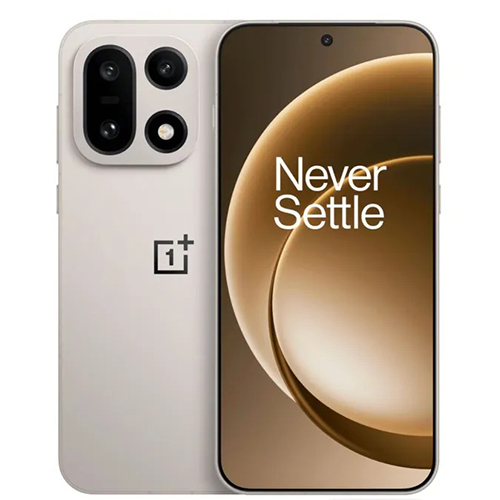
The next chapter of this arms race is shaping up to be particularly interesting. Samsung's upcoming Galaxy S26 is reportedly getting two meaningful camera upgrades that could shift how the phone captures detail and processes motion. Meanwhile, One Plus is allegedly bringing something different to the table: an elite new telephoto sensor that prioritizes focal length and optical quality in ways we haven't seen from the brand before.
This isn't just about megapixels anymore. The smartphone camera industry matured years ago. Today's battle is about practical improvements: better zoom that doesn't sacrifice sharpness, smarter processing that handles tricky lighting without oversaturation, and sensors that deliver usable images whether you're shooting in noon sunlight or a dimly lit restaurant.
What makes 2026 interesting is that these two companies are taking opposite approaches. Samsung appears focused on refinement and versatility across multiple lenses. One Plus is seemingly betting on specialization, making the telephoto mode genuinely competitive with what flagship phones have traditionally struggled with.
Let's break down what's coming, why it matters, and which strategy might actually deliver better real-world results for the people who use these phones every day.
TL; DR
- Samsung S26 upgrades: Two camera improvements promise better detail and motion capture, maintaining Samsung's multi-lens approach
- One Plus 16 telephoto: Elite new sensor could deliver sharper, more detailed zoom shots than previous One Plus flagships
- The philosophy difference: Samsung upgrades versatility, One Plus targets specialization in the zoom department
- Real-world impact: One Plus's telephoto advances may matter more to travel and sports photographers than casual users
- Bottom line: Both phones will likely excel at different things; the "better" choice depends on which camera scenarios you care about most
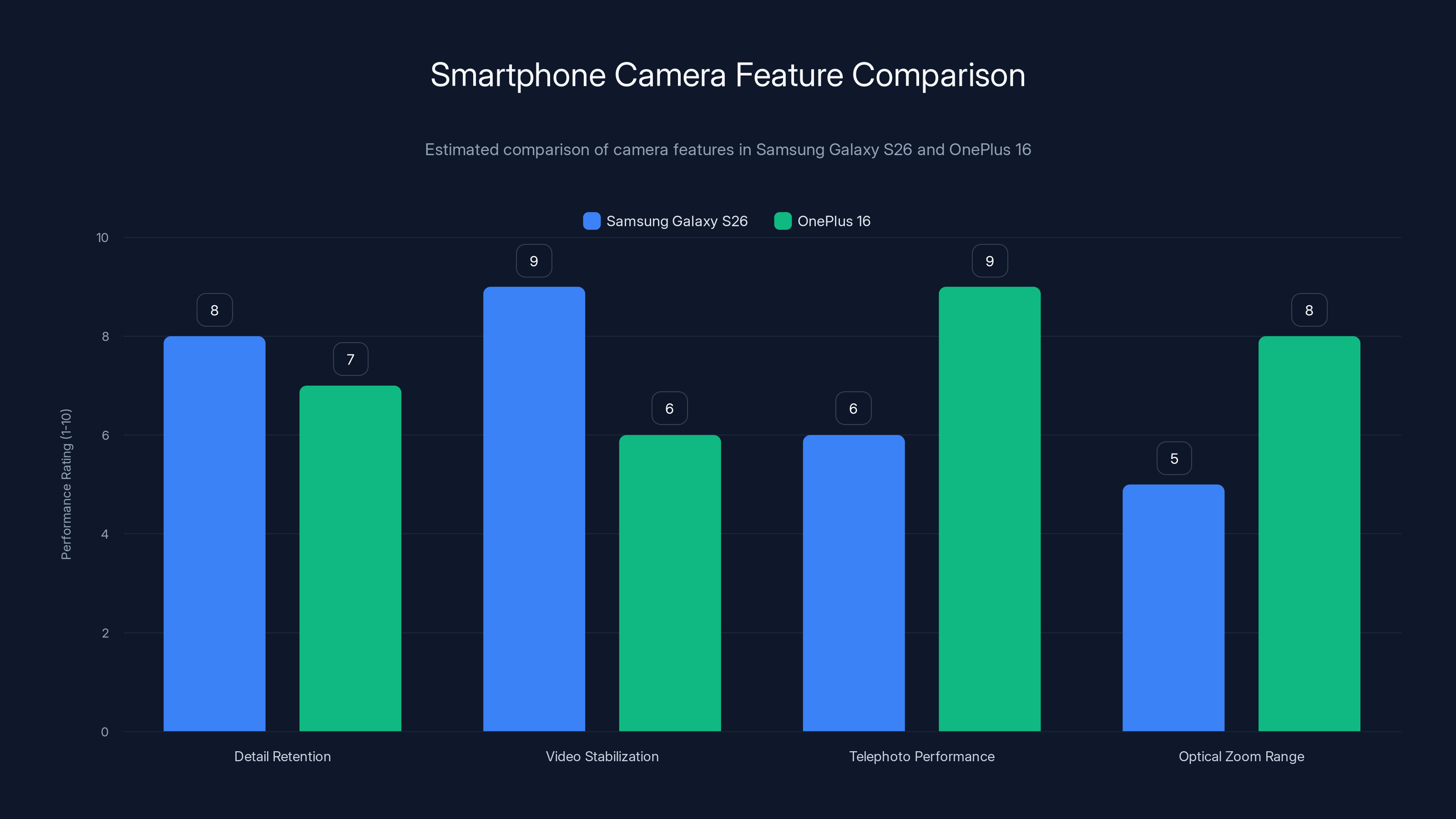
The Samsung Galaxy S26 excels in video stabilization, while the OnePlus 16 leads in telephoto performance. Estimated data based on rumored features.
Understanding Samsung's Camera Philosophy
Samsung's approach to smartphone photography has always been about ecosystem thinking. The company doesn't try to make one perfect camera sensor. Instead, it builds systems: a wide-angle primary sensor, an ultra-wide for landscapes, a telephoto for zoom, and sometimes a macro lens for close-up work.
This multi-sensor strategy has advantages and disadvantages. The advantage is obvious: more flexibility. You're not forced to choose between capturing a sweeping vista or isolating a distant subject. The disadvantage? More sensors mean more complexity, more thermal management challenges, and more opportunities for processing algorithms to get confused about which lens to use and when.
Samsung has spent the last several generations refining the software layer that manages these competing sensors. The Galaxy S25 doesn't just have four cameras; it has intelligent software that decides which sensor delivers the best result based on your scene analysis and how far you're zoomed. This is harder than it sounds. The AI has to account for lighting conditions, motion, distance, and about fifty other variables in milliseconds.
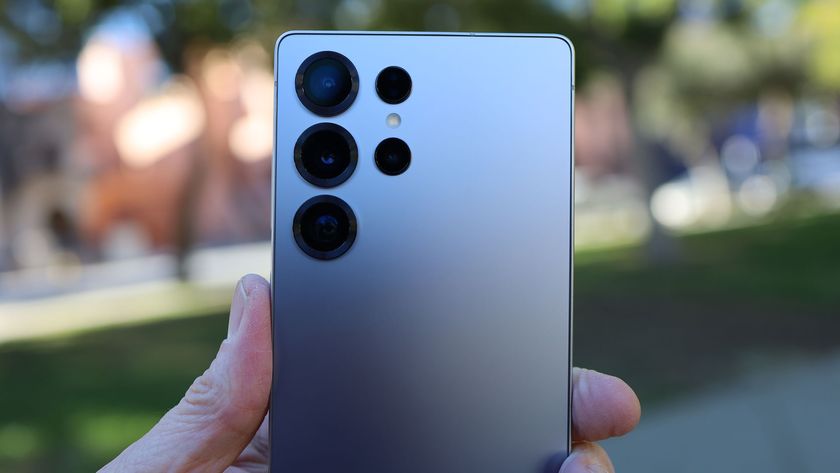
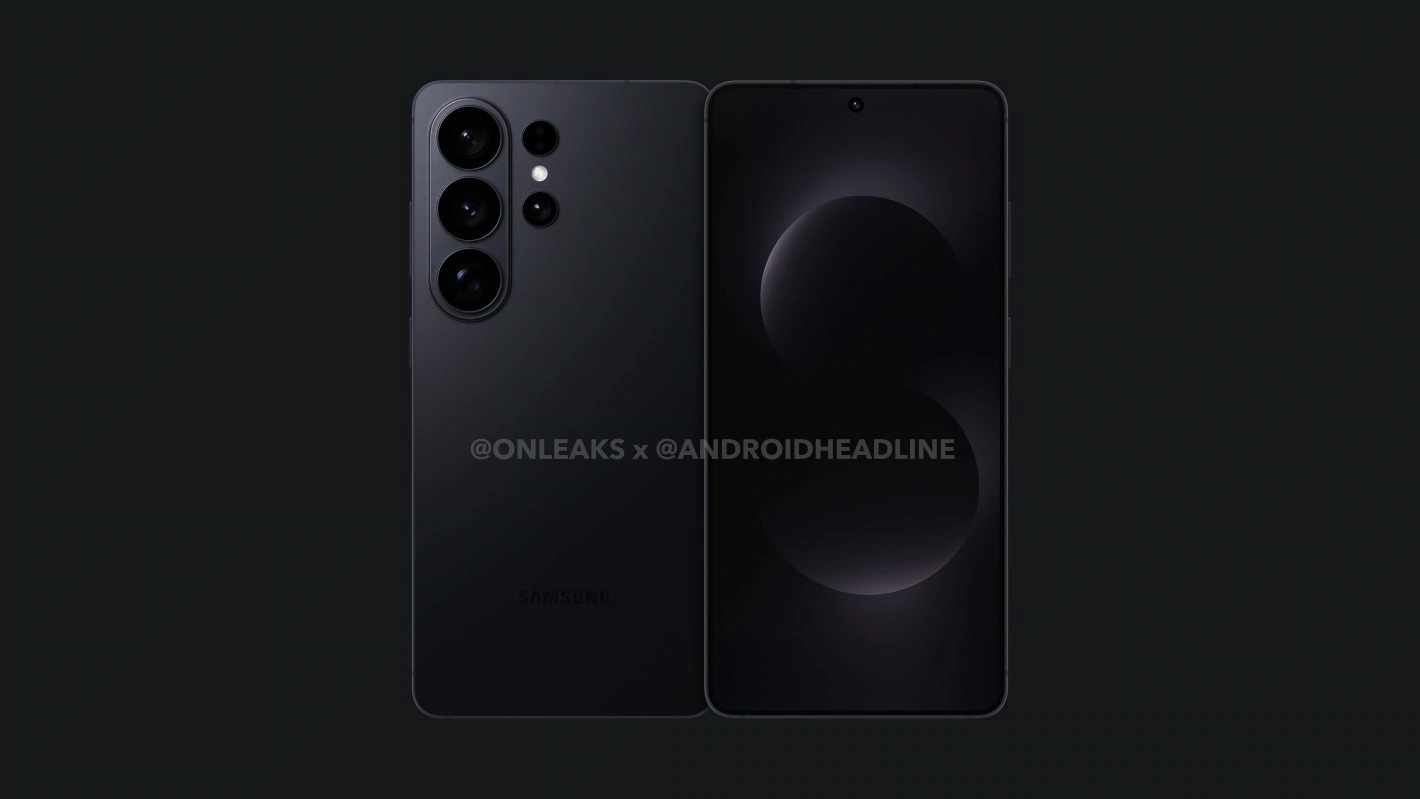
The rumored S26 upgrades suggest Samsung is doubling down on this strategy rather than pivoting away from it. The two camera improvements reportedly involve smarter processing and better detail retention, which plays directly into Samsung's strength: being good at everything rather than exceptional at one specific thing.

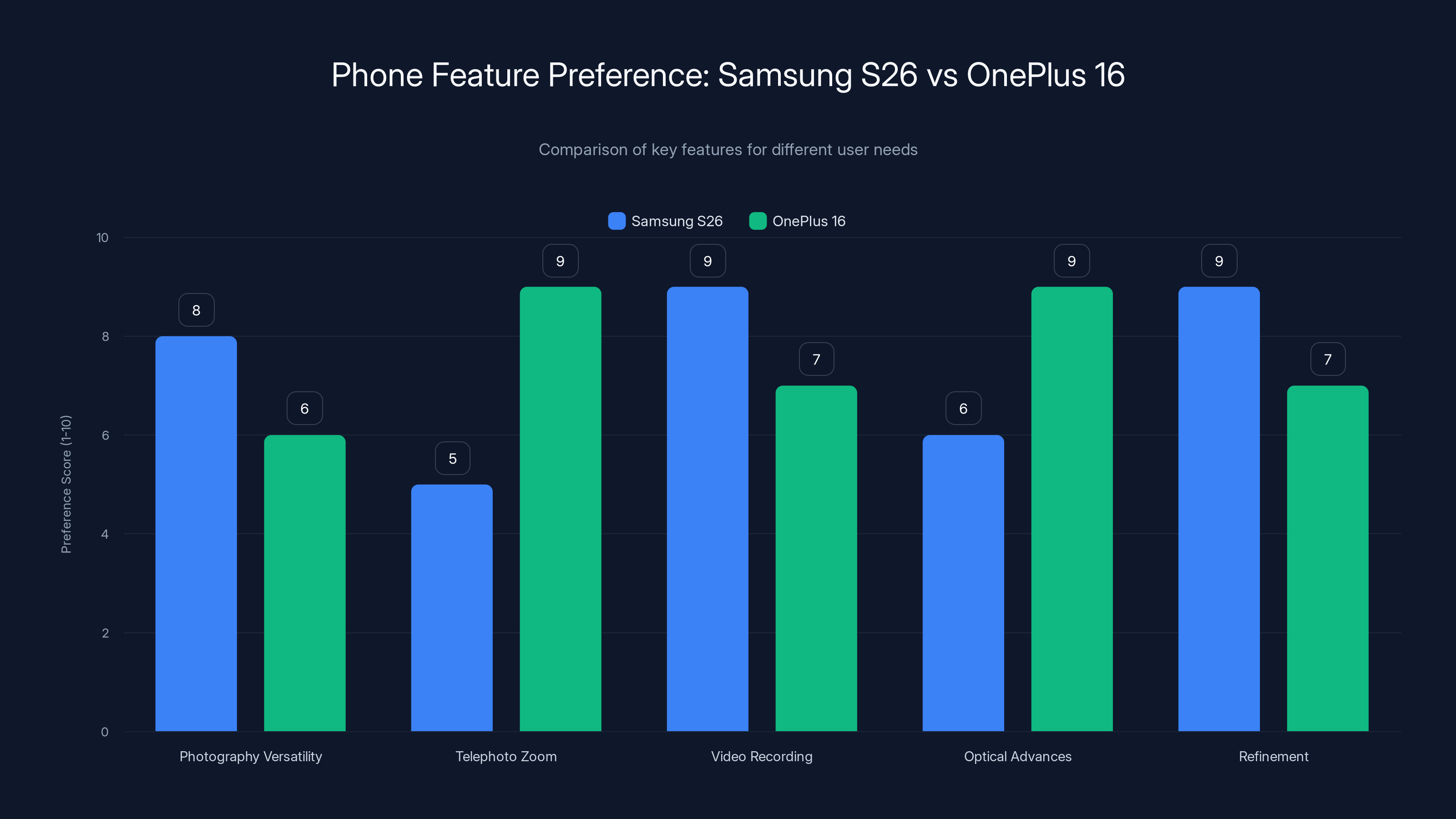
Samsung S26 excels in video recording and refinement, while OnePlus 16 leads in telephoto zoom and optical advances. Estimated data based on feature descriptions.
One Plus's Telephoto Gamble: Specialization Over Versatility
One Plus has historically been the scrappy challenger brand. When One Plus entered the smartphone market over a decade ago, it didn't try to beat Samsung at everything. Instead, the company picked fights it could win: performance, software speed, and value for money.
The brand's camera approach has reflected this philosophy. Rather than building massive camera bumps with five different sensors, One Plus kept things simpler. The One Plus 15 and its predecessors had solid main cameras and decent supporting sensors, but nobody chose One Plus for camera prowess. You chose One Plus because the phone felt fast and didn't cost a fortune.
That's changing with the One Plus 16. The rumored elite telephoto sensor represents One Plus finally deciding to compete directly with Samsung on camera quality—but only on one specific front: zoom. This is a smart move, actually. Instead of trying to match Samsung's complete ecosystem, One Plus is saying: "We're going to make the best zoom experience you can get on a phone."
An elite telephoto sensor means several things in practical terms. First, it likely has a larger aperture, which captures more light and enables better sharpness at distance. Second, the optical design is probably more sophisticated, which reduces the chromatic aberration and distortion that plague cheaper telephoto lenses. Third, the sensor itself might have better autofocus algorithms specifically tuned for distant subjects.
The catch? One Plus has to do this without significantly increasing the phone's thickness or weight. Telephoto lenses are inherently bulky. The larger the sensor and the longer the focal length, the deeper the optical stack needs to be. Samsung solved this problem by using a periscope design that bounces light horizontally before hitting the sensor, which saves depth. One Plus would likely need to do something similar.
The gamble here is that casual users might not care about telephoto quality. Most people zoom 2-3x at most. Beyond that, smartphone zoom starts to look soft and plasticky no matter how good your sensor is. But photographers, travel enthusiasts, and anyone who regularly captures distant subjects will absolutely notice the difference. One Plus is betting that premium phone buyers have more photographers in their ranks than smartphone makers usually assume.
The Technical Differences: Sensor Size, Aperture, and Focal Length
When tech journalists and camera enthusiasts talk about smartphone sensors, they're usually discussing three interconnected specs: sensor size, aperture, and focal length. These three variables define what's physically possible for a camera, and no amount of software can overcome fundamental optical limitations.
Sensor Size Matters More Than You Think
A larger sensor captures more photons (light particles). More photons means more color information, more dynamic range, and less need to amplify the weak signal digitally (which introduces noise). A typical flagship phone main camera uses a 1/1.3-inch sensor in 2025. One Plus's reported telephoto sensor probably uses something around 1/2 to 1/2.5 inches—smaller, because telephoto lenses are inherently constrained.
The smaller sensor in a telephoto is acceptable because you're already zoomed in. The optical magnification does part of the work that would otherwise require a gigantic sensor. But One Plus's upgrade suggests they're pushing for a larger telephoto sensor than previous One Plus flagships, which would genuinely improve distant subject capture.
Aperture: The F-Stop Explained
Aperture is the size of the lens opening, measured in f-stops. Lower f-numbers mean wider apertures. An f/1.8 lens opens wider than an f/2.8 lens. For telephoto lenses, aperture is even more critical than for wide-angle lenses, because you're working with less light (you're farther away from your subject) and smaller sensors.
A telephoto lens with f/2.0 is genuinely better than one with f/2.8. It gathers roughly 1.5 times more light, which translates to better low-light performance, faster autofocus, and sharper handheld shots. Professional cameras have long understood this. The fact that One Plus is reportedly upgrading telephoto aperture suggests the brand is finally applying lessons from the DSLR world to smartphones.
Focal Length: How Far You Can See
Focal length determines how much magnification you get. A 24mm focal length is ultra-wide and captures broad vistas. A 50mm focal length is close to human eyesight. An 85mm focal length is portrait territory. A 135mm focal length is serious telephoto.
Smartphone telephoto lenses typically max out at 100-200mm equivalent focal length in the optical design, then rely on digital cropping to reach higher zoom levels. This is where One Plus's elite sensor could make a difference. A better telephoto sensor combined with smarter sensor crop algorithms could deliver usable 10x zoom images, whereas previous One Plus phones might have degraded noticeably at that level.

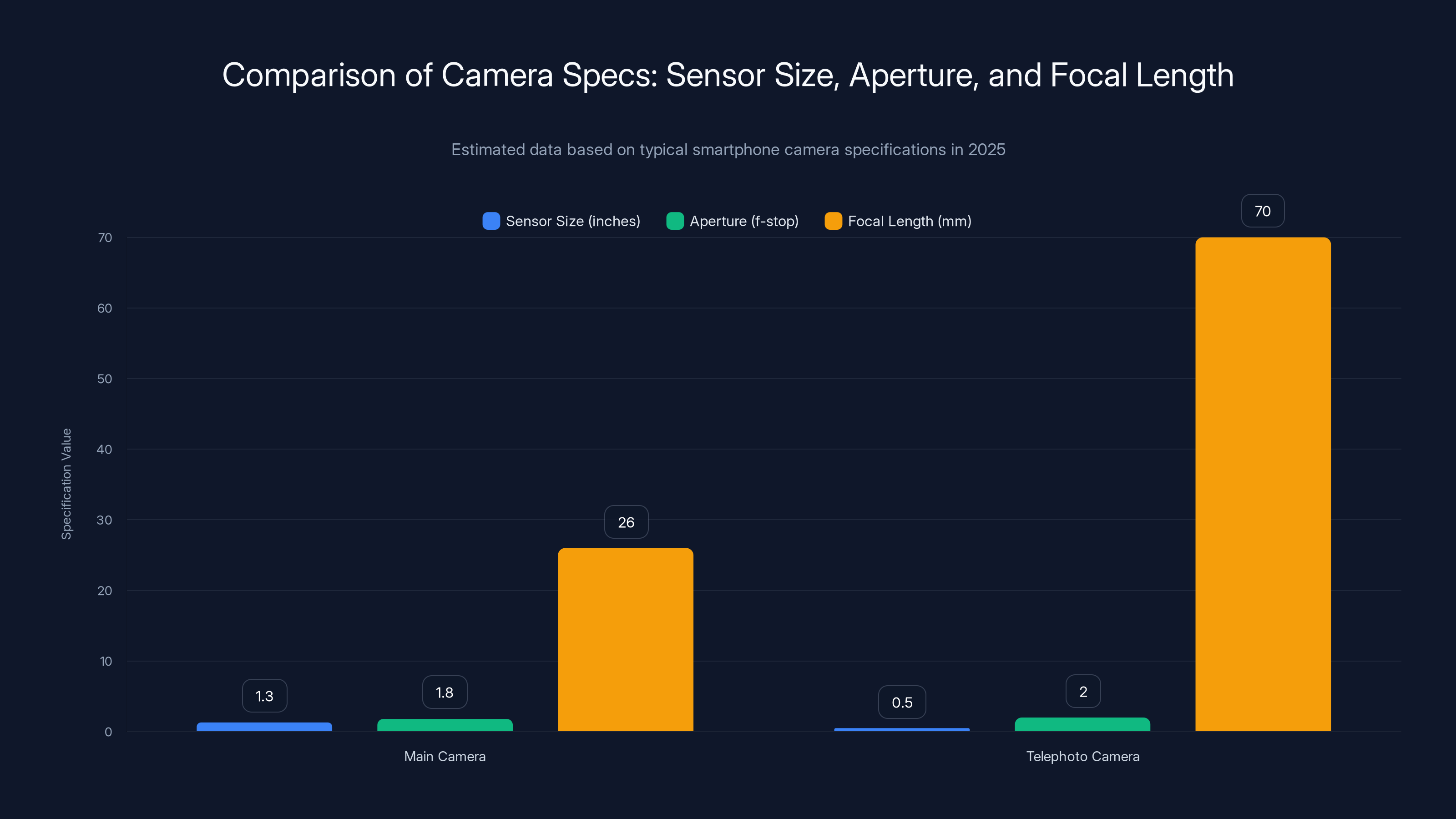
Estimated data shows that telephoto cameras typically have smaller sensors and narrower apertures compared to main cameras, but OnePlus's upgrades suggest improvements in these areas.
Samsung's Smart Camera Upgrades: What the Two Improvements Might Be
Technicalspeakers haven't officially detailed Samsung's two camera upgrades for the S26, but the rumors point toward specific improvements that would be meaningful in real-world use.
Upgrade #1: Improved Detail Retention Through Better Processing
One of the upgrades likely involves computational photography. Modern flagship phones use sophisticated machine learning to reconstruct images from underexposed sensor data. This allows them to maintain shadow detail without blowing out highlights. It's not magic—it's pattern recognition trained on millions of photos.
Samsung's strength has always been in this software layer. The Galaxy S25 already does an excellent job of maintaining texture and detail in shadows without making the image look artificially brightened. The S26 upgrade might push this further, perhaps through better multi-frame alignment, improved scene segmentation, or more sophisticated use of the phone's computational systems (like the dedicated NPU processor).
Why does this matter? Better detail retention means you're getting more usable information from every shot. Skin tones have more texture. Clothing fabrics look natural. Shadows contain information rather than appearing as featureless black areas. For casual users, this translates to photos that look more like what their eyes saw. For photography enthusiasts, this means more flexibility in post-processing.
Upgrade #2: Smarter Video Stabilization and Motion Processing
The second rumored upgrade likely involves video capture. Modern smartphones are increasingly used for video, yet most users don't have steady hands. Every movement becomes jello-like wobble if the stabilization isn't sophisticated enough.
Samsung could be upgrading its optical image stabilization (OIS) mechanism, adding more stabilization sensors, or—most likely—improving the algorithmic stabilization that runs on top of hardware OIS. Multi-frame video processing allows phones to compare consecutive frames and smooth out motion between them without resorting to digital crops (which sacrifice field of view).
The Galaxy S25 already does this reasonably well. The S26 might extend it, perhaps by using the phone's multiple cameras in concert to provide additional stabilization data, or by improving how the ISP (image signal processor) handles motion prediction. Better video stabilization is something almost every user notices and appreciates.
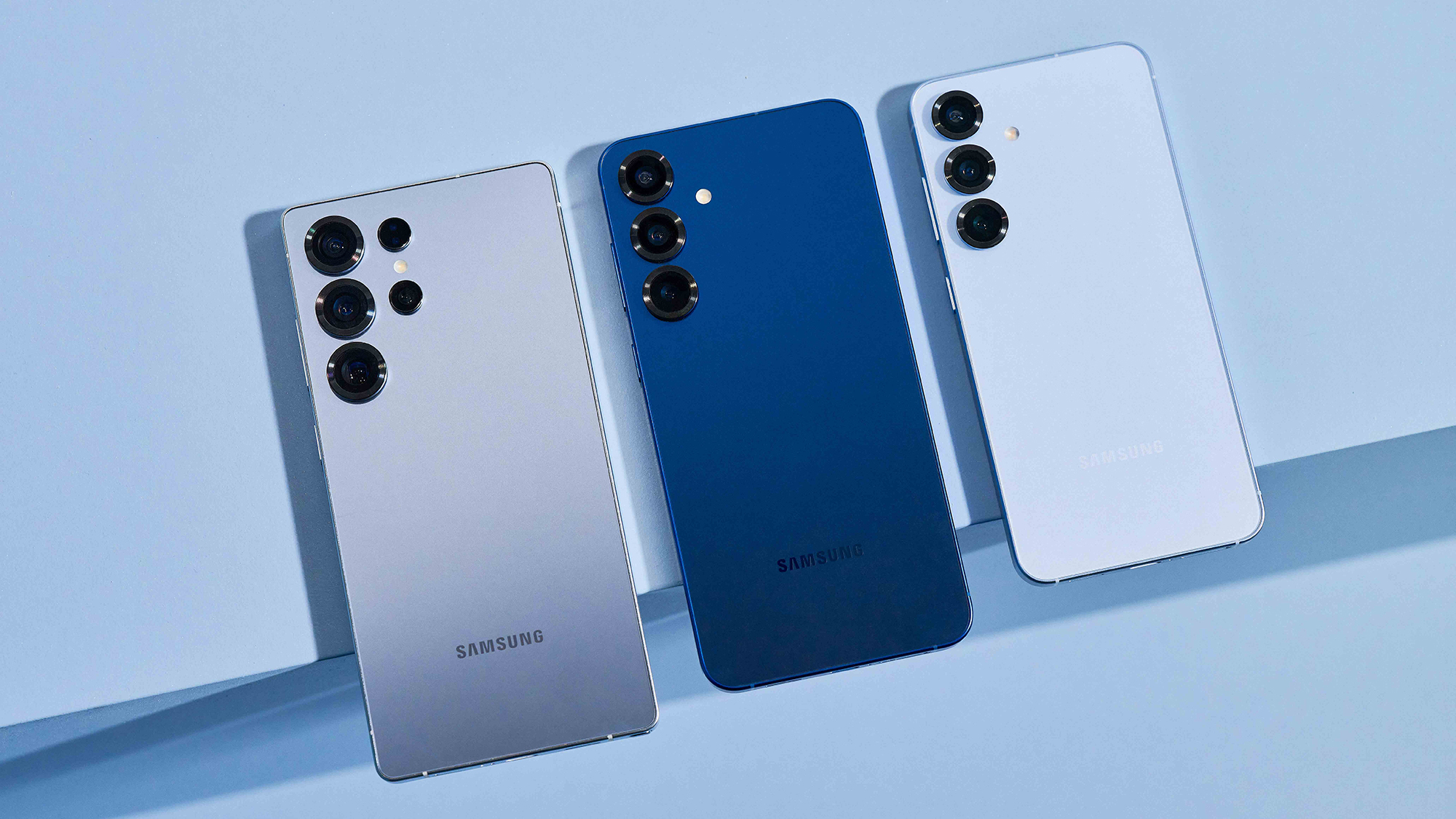
One Plus 16 Telephoto Sensor: Breaking Down the Advantage
One Plus's telephoto upgrade is more straightforward than Samsung's because it's focusing on hardware rather than software. A better sensor is a better sensor, and software can only do so much to compensate for optical limitations.
An elite telephoto sensor for One Plus would likely feature these characteristics:
Larger Sensor with Better Light-Gathering
More surface area means more pixels per unit area can be slightly larger, or more importantly, the entire sensor can gather more light. This reduces the need for high ISO amplification (which introduces noise). You get cleaner, sharper distant images, especially in challenging light like sunset or shade.
Improved Autofocus Mechanism
Telephoto autofocus is harder than main camera autofocus because focus errors are magnified. A slight focus error that's invisible at 1x zoom becomes obvious at 5x or 10x zoom. One Plus would likely upgrade to a faster, more accurate autofocus system—possibly using laser autofocus sensors or better phase-detection autofocus algorithms.
Better Optical Coatings and Glass Elements
Cheaper telephoto designs use simpler glass formulations. Premium telephoto lenses use exotic glasses with specific refractive index properties that reduce chromatic aberration (the purple/green fringing you sometimes see at edges). One Plus's elite sensor probably uses more sophisticated optical design with better coatings.
Smarter Sensor-to-ISP Integration
The image signal processor (ISP) is the chip that converts raw sensor data into the JPEG you see. One Plus could tune their ISP algorithms specifically for the new telephoto sensor, reducing noise while maintaining fine detail, rather than using generic algorithms that try to work with all sensors equally.
The real-world advantage? A photographer using the One Plus 16's telephoto at 10x zoom will see sharp, clean images. The same shot on a previous One Plus flagship would look soft and noisy. It's not a subtle difference—it's the difference between a usable photo and a photo that looks like it came from a budget phone.
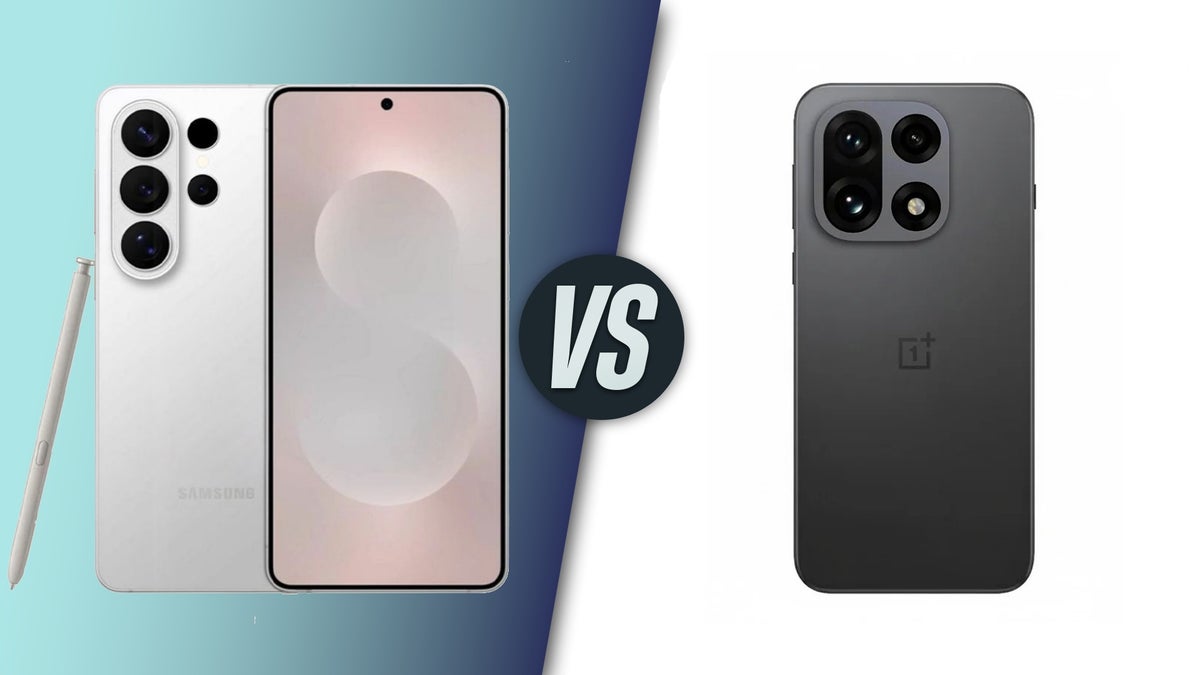
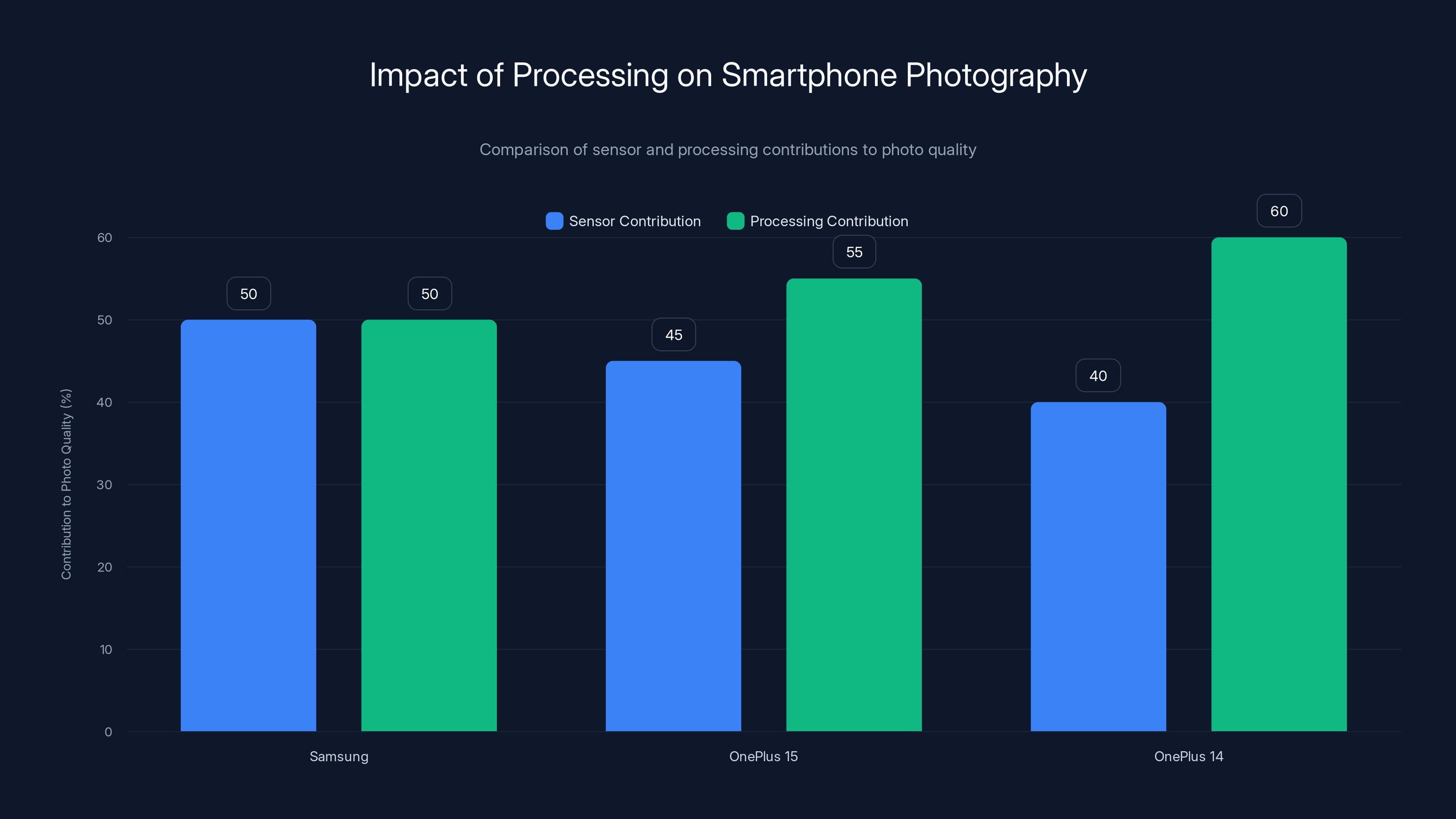
Samsung and OnePlus both rely heavily on processing algorithms to enhance photo quality. While Samsung maintains a balanced contribution, OnePlus has been improving its processing capabilities over time. Estimated data.
Head-to-Head: Samsung's Multi-Lens Philosophy vs One Plus's Telephoto Focus
These two approaches represent fundamentally different answers to the same question: What matters more—having everything be good, or having one thing be exceptional?
Samsung's Approach: Swiss Army Knife
The Galaxy S26 will likely excel in diverse scenarios because it maintains competence across all focal lengths. You can switch between ultra-wide, wide, 2x, 5x, and 10x zoom, and they'll all be good. Not all equally good (the telephoto will never match the main sensor), but all good enough to use. This philosophy appeals to:
- Travelers who need versatility without thinking about lens choices
- Casual photographers who shoot everything from landscapes to portraits
- Video creators who want stable footage at any focal length
- Users who take lots of photos and want consistency across all shots
The tradeoff is that no single lens gets exceptional resources. Samsung spreads its engineering effort across four cameras instead of concentrating on one.
One Plus's Approach: Specialist Tool
The One Plus 16's elite telephoto makes the phone exceptional at distant subjects. If you're shooting a concert from the balcony, photographing wildlife, capturing a friend across the room, or framing a distant landscape, the One Plus telephoto could absolutely deliver better results than Samsung's general-purpose approach. This appeals to:
- Photography enthusiasts who use zoom frequently
- Travel and documentary photographers
- Sports photographers shooting from the stands
- Anyone who regularly crops or zooms their smartphone photos
The tradeoff is that other lenses might be merely competent rather than excellent. One Plus is betting that premium buyers care more about exceptional performance in one area than adequate performance everywhere.
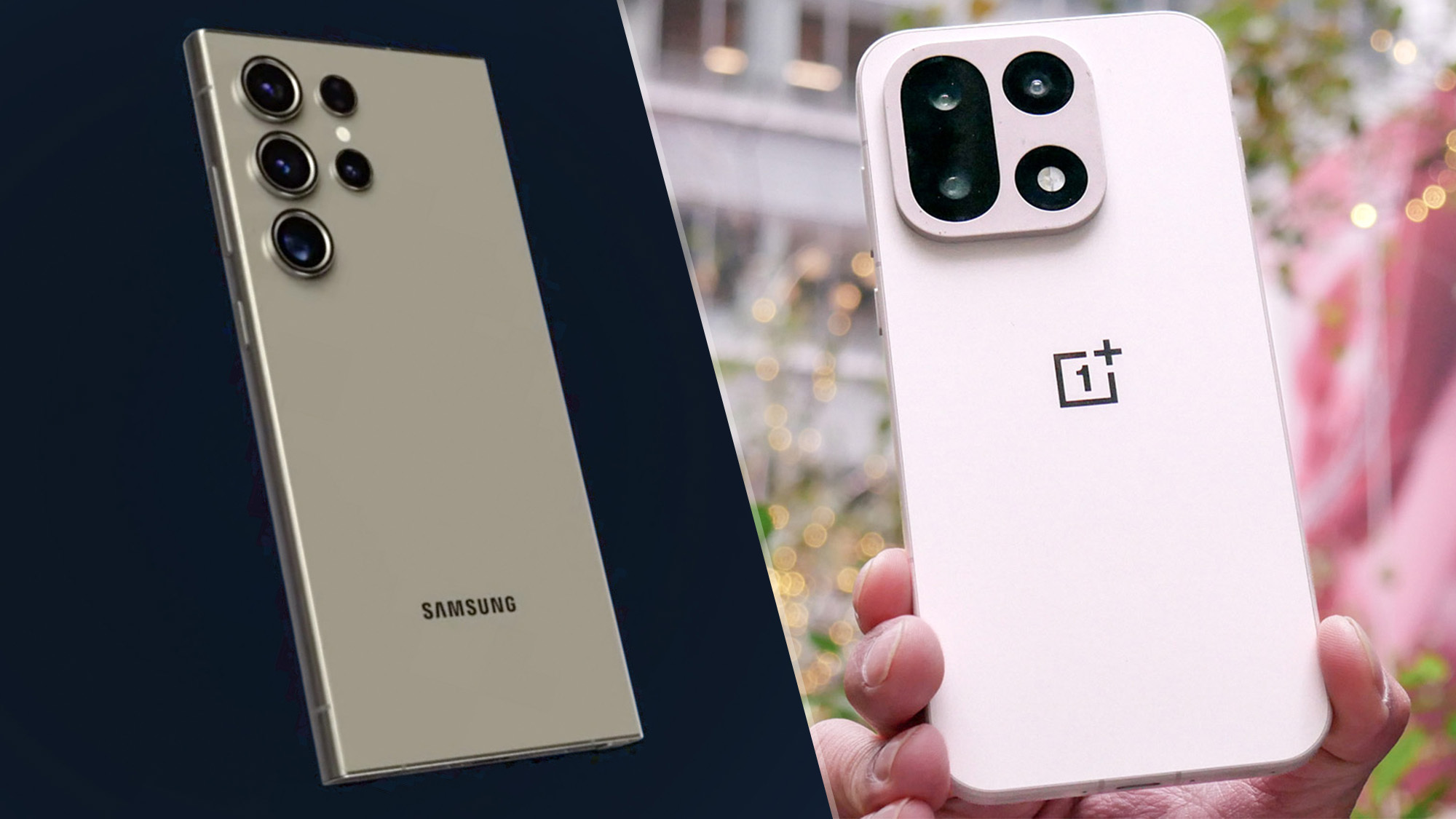
Real-World Scenario Testing: Which Strategy Wins?
Specs are interesting to technology people, but real use is what matters. Let's walk through specific scenarios and think about which phone would deliver better results.
Scenario 1: Shooting a Wedding Reception
You're indoors, lighting is dim and uneven, and you need to capture people at various distances—the couple dancing (close), family at tables (mid-distance), and the DJ across the room (far). You also need video of the ceremony.
Samsung wins here. The S26's improved detail retention and motion processing directly address wedding photography challenges. The consistency across multiple focal lengths means you're not hunting for the right lens. You point and shoot, and it works at any distance.
One Plus's excellent telephoto helps for some shots, but the dim lighting means you're dealing with high ISO noise regardless, and the lack of comparable upgrades to other lenses means some shots might not match the S26's quality.
Scenario 2: Photographing a Bird in a Tree
Birds are small, distant, and you need every pixel of sharpness to see feather detail. This is premium telephoto work.
One Plus wins. The elite telephoto sensor's larger aperture, better autofocus, and larger sensor size mean cleaner, sharper images. At 10x zoom, the difference becomes obvious. The bird's feathers show texture on One Plus. They look mushy and noise-filled on Samsung (relatively speaking).
This is the exact scenario One Plus's telephoto upgrade is designed for.
Scenario 3: Traveling and Taking Everything
You're visiting a new city and shooting landscapes, architectural details, food, people, and everything in between. You're not doing specialized photography—you're documenting.
Samsung wins. The multi-lens philosophy and consistent quality across focal lengths means your vacation photos form a cohesive set. You're not thinking about which lens to use. You just shoot, and the S26's improved processing makes everything look great. When you get home and scroll through the album, the photos look natural and well-shot.
Scenario 4: Low-Light Festival Shooting
You're at a night festival with stage lighting, decorative lights, and challenging color temperatures. You need sharp photos at various distances without excessive noise.
This is roughly tied, but probably Samsung slightly ahead. Better general-purpose processing and more versatile multi-lens approach help with the unpredictable lighting. One Plus's better telephoto helps for distant stage shots, but Samsung's overall package is more robust in difficult lighting.
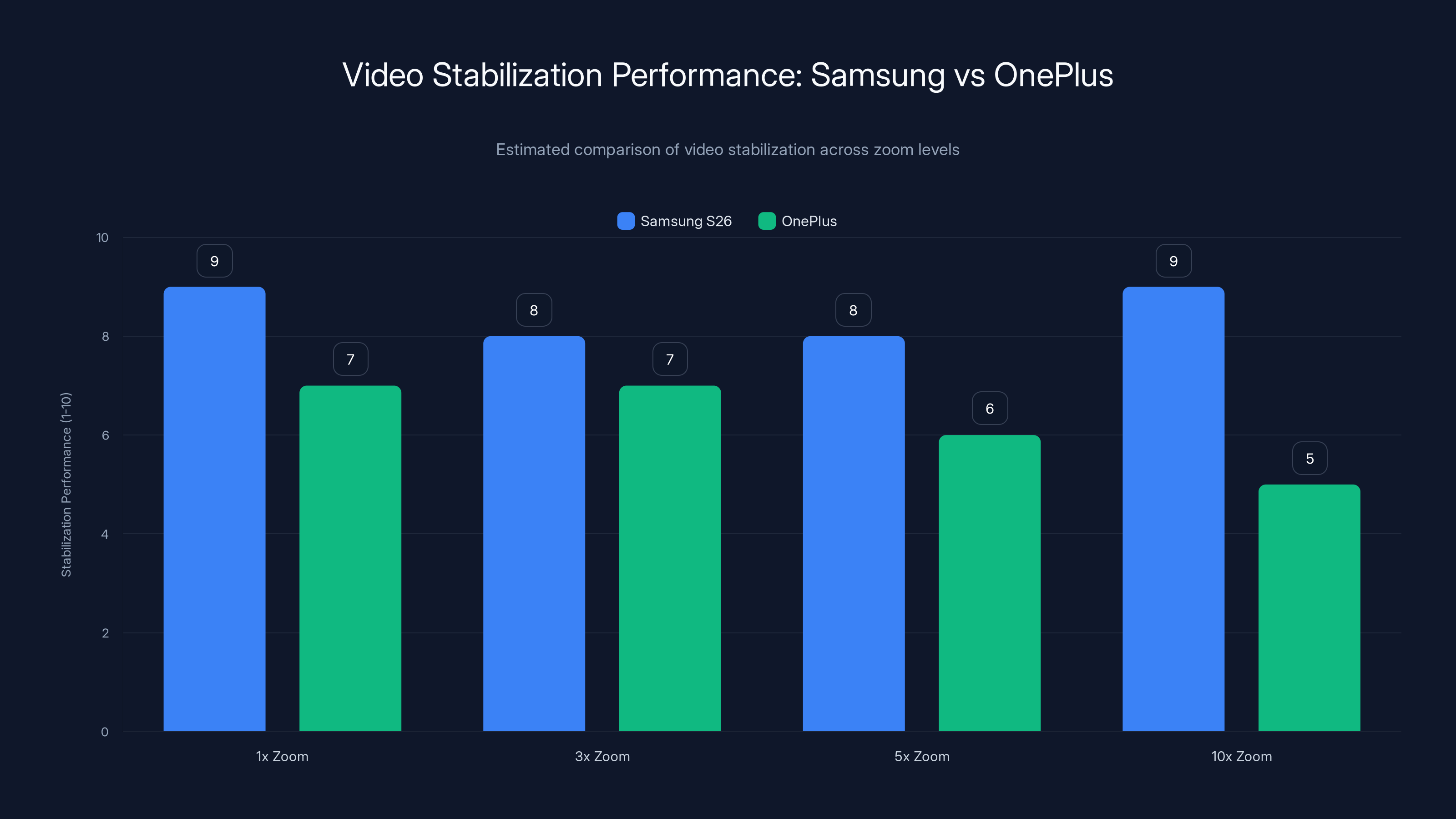
Samsung's multi-lens stabilization provides superior performance across all zoom levels, especially at higher zooms, compared to OnePlus. Estimated data.
The Processing Engine: Why Hardware Is Only Half the Battle
It's easy to focus on sensors—they're easy to measure and compare. But modern smartphone photography is about 50% sensor and 50% processing algorithm. A great sensor with bad processing delivers mediocre photos. A good sensor with exceptional processing delivers great photos.
Samsung's historical advantage has been in the processing layer. The company's computational photography team has basically owned this space for years. Samsung's consistency across different lighting conditions and scenes comes from algorithms that understand scene context and adapt accordingly.
One Plus has been playing catch-up in this regard, but the brand has been improving steadily. The One Plus 15 is noticeably better at processing than the One Plus 14 was. If One Plus pairs the new telephoto sensor with upgraded processing algorithms specifically tuned for telephoto scenarios, the advantage multiplies.
Here's what matters: a telephoto sensor is only as good as the ISP and algorithms that convert its raw data. One Plus has likely spent as much time upgrading the software that manages the telephoto sensor as they spent on the hardware itself. Similarly, Samsung's processing improvements for the S26 might be more valuable than the hardware changes.
This is invisible to the consumer, which is exactly why it matters so much. Processing quality determines whether you're viewing a genuinely excellent photo or just a photo with a good sensor.
Video Performance: Where Samsung's Multi-Lens Advantage Really Shows
Video is where Samsung's multi-lens philosophy becomes especially valuable. When you're recording video, you don't have time to think about which lens to use. The phone's software makes micro-decisions dozens of times per second about which sensor to prioritize, how to blend data from multiple sensors for stabilization, and how to process the incoming data in real-time.
The S26's improved motion processing is rumored to include better stabilization across zoom levels. This is crucial because stabilization algorithms become exponentially more important as you zoom. A slight camera shake at 1x is invisible. The same shake at 10x is a nausea-inducing wobble.
Multi-lens stabilization allows Samsung to solve this problem more elegantly than single-sensor approaches. By comparing motion across multiple cameras, the system can predict motion and compensate for it more accurately than single-sensor predictions.
One Plus's approach to video would likely be more focused: better zoom video stabilization on the telephoto, likely at the expense of consistency at other focal lengths. For casual video—vlogging, quick clips, stories—this is fine. For serious video work, Samsung's more holistic approach is superior.
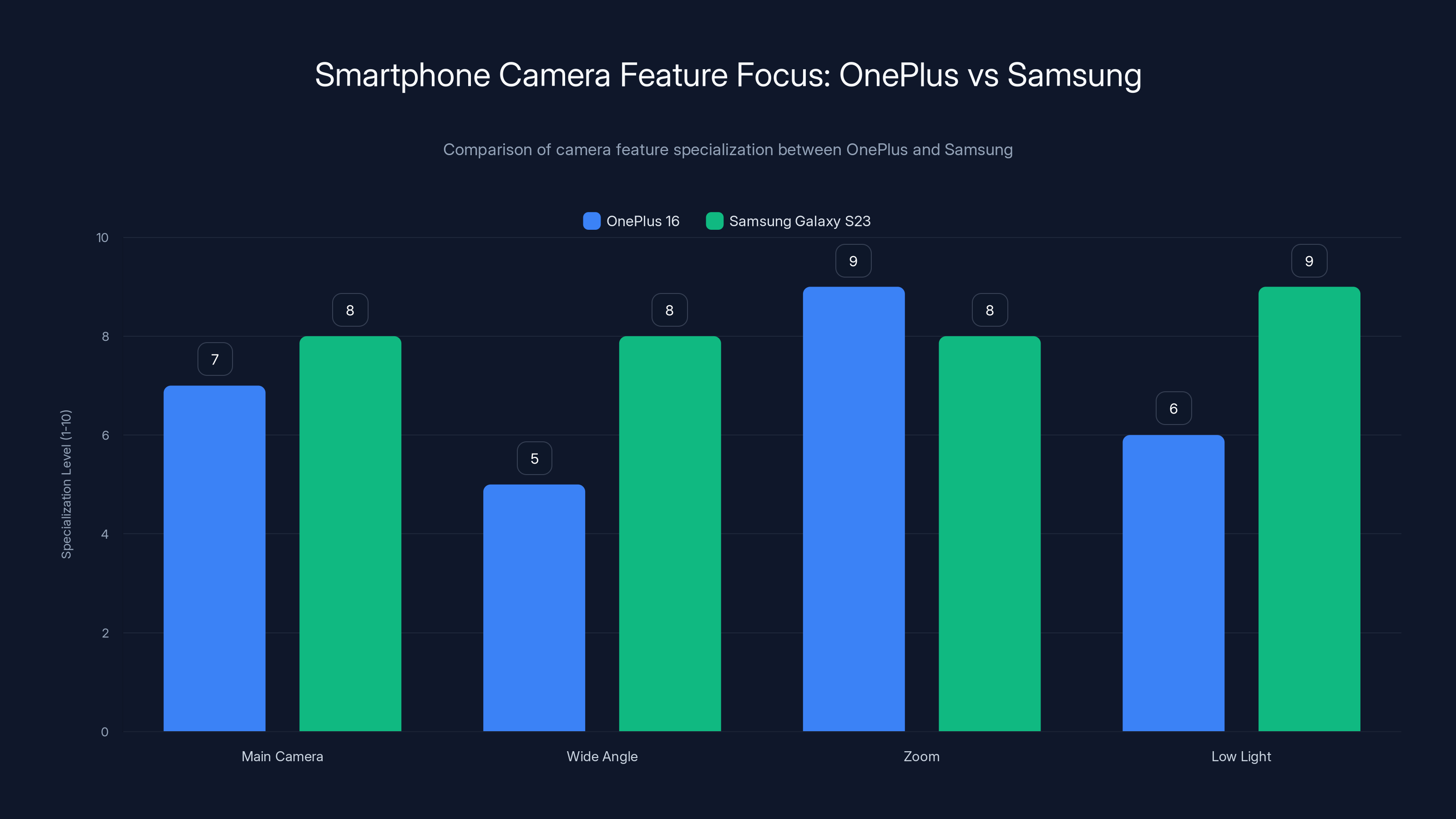
OnePlus 16 focuses on zoom capabilities with a specialization level of 9, surpassing Samsung's balanced approach across all features. Estimated data.
The Evolution of Mobile Photography Standards
Where smartphone photography has come is remarkable. In 2015, a flagship phone camera was good enough for casual family photos. In 2025, flagship phone cameras are good enough for professional commercial work. The next chapter—2026—is about refinement. The phones are so good that "better" means marginal improvements that only matter in specific scenarios.
One Plus's elite telephoto represents an acknowledgment that one area still has room for massive improvement: zoom photography. Most flagship phones do zoom poorly. One Plus is addressing this head-on.
Samsung's incremental processing improvements represent refinement across the board. The company is working on the last 10% of quality—the difference between "excellent" and "transcendent."
Both strategies are valid. Both will result in phones that take better photos than 99% of users can take. The difference is in which scenarios you'll notice the improvement, and whether those scenarios match your actual usage.
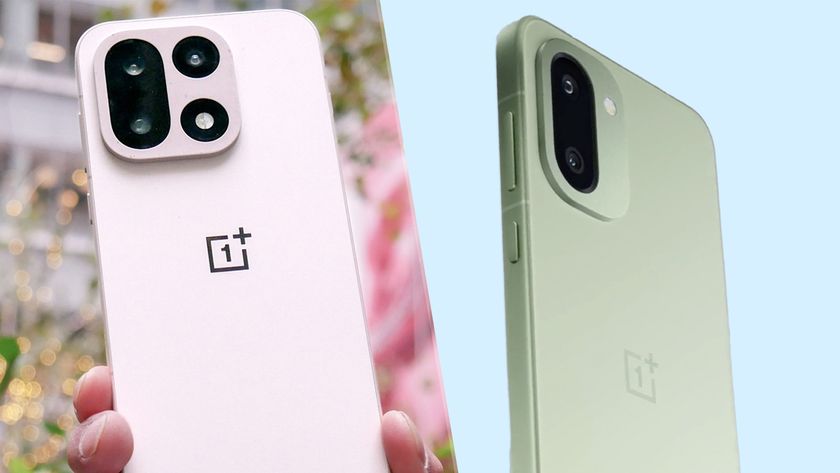
Zoom Quality Across Different Magnification Levels
Let's be specific about zoom because this is where One Plus's advantage could be most obvious.
1x Zoom (Optical Zoom 1:1)
This is the main camera sensor without any magnification. Both phones will be essentially equal here. The main cameras in flagship phones are converging toward similar specs (48-50MP, f/1.8 aperture, ~1/1.3-inch sensors).
2x Zoom
Samsung achieves 2x through a dedicated 2x telephoto sensor or digital crop of the main sensor. One Plus would use a similar approach. Quality is essentially equal, though processing differences might create slight variations in color rendition or sharpness.
5x Zoom
Here's where differences start to emerge. Samsung's telephoto sensor handles 5x with the dedicated camera. One Plus's elite telephoto also handles this directly. Both are likely good at 5x, but One Plus's larger sensor and better aperture might show an advantage in low light.
10x Zoom
This is where One Plus's advantage becomes obvious. One Plus's elite telephoto sensor is purpose-built for extended zoom. The larger sensor, better autofocus, and optimized processing mean 10x zoom is genuinely usable. Images are sharp, colors are accurate, and noise is controlled.
Samsung's 10x zoom uses digital crop of the 5x telephoto, which means taking the 5x telephoto image and cropping it. This works, but there are limits. You're throwing away information that the sensor captured.
The practical difference: One Plus's 10x zoom photographs something that matters. Samsung's 10x zoom is more for emergency/novelty uses.
20x Zoom and Beyond
Both phones can zoom to 20x and 100x through software cropping, but neither will deliver actually good images. This is more about marketing than practical photography. The elite telephoto gives One Plus a better starting point for heavy digital zoom, but we're in territory where even the superior sensor can't overcome the physics of cropping.
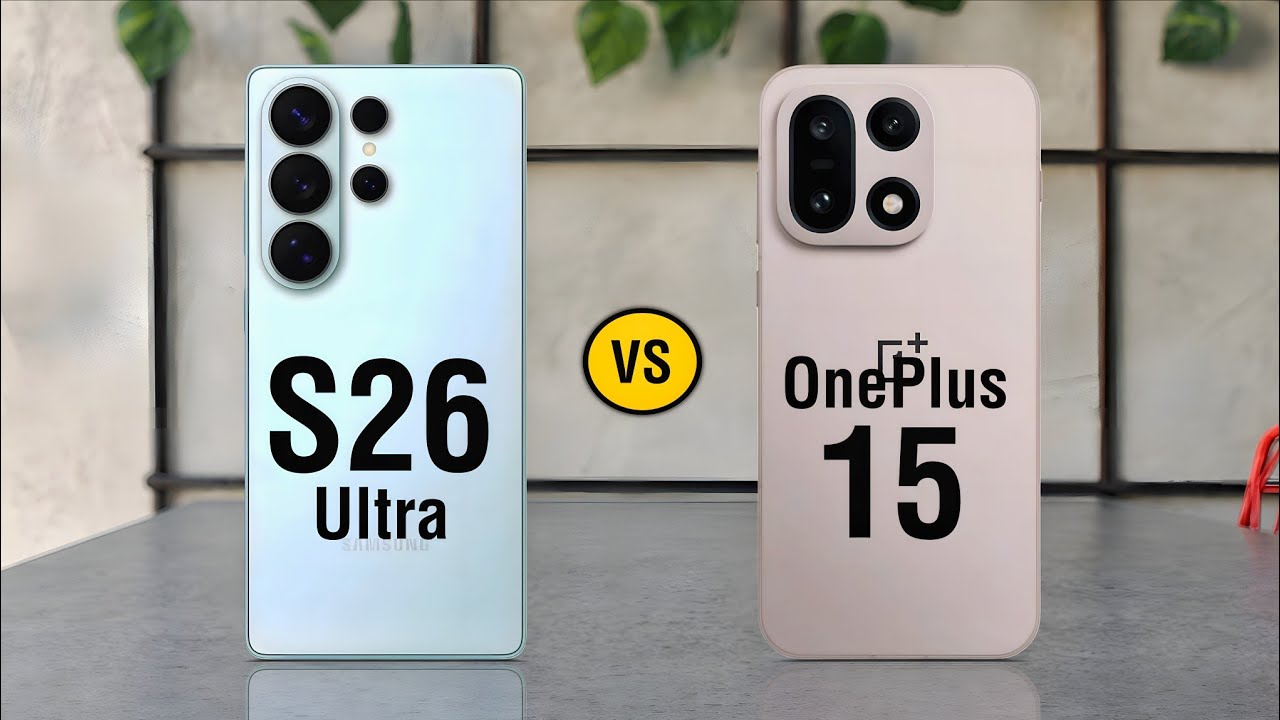
Low-Light Photography: Where Both Approaches Get Tested
Low light is the great equalizer in smartphone photography. It reveals sensor quality, processing sophistication, and algorithmic power faster than any other condition.
Samsung's multi-lens approach and improved processing should maintain the brand's reputation for decent low-light photos. The S26 will probably handle dimly lit restaurants, evening parties, and nighttime city shots with confidence. The improved detail retention means shadow areas contain information rather than appearing as noisy blobs.
One Plus's elite telephoto benefits from better light gathering (larger aperture and sensor), but the small telephoto sensor is inherently handicapped in low light compared to larger sensors. Where the One Plus 16 telephoto might truly excel in low light is in stabilization—if you can hold the phone perfectly steady (or if the stabilization is exceptional), the extra light gathering helps. For handheld low-light telephoto photography, Samsung's main sensor might actually outperform One Plus's more specialized telephoto.
This is subtle, but it matters: the best telephoto in low light is sometimes the main camera zoomed digitally, not the dedicated telephoto sensor. One Plus's elite telephoto might be best used at 5x zoom in low light, not at maximum zoom.
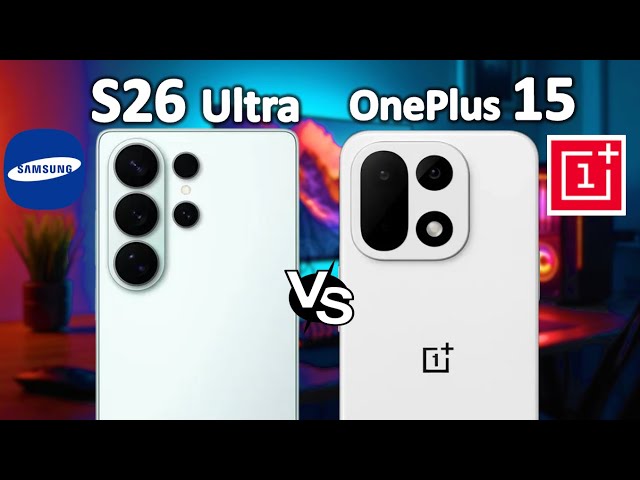
AI and Machine Learning: The Secret Sauce
Modern photography is increasingly about what happens after the photo is taken. Your phone's AI system can identify the scene type (portrait, landscape, night, food), identify objects (people, pets, cars), and apply specific processing optimizations for each.
Both Samsung and One Plus use machine learning extensively. Samsung's advantage here has historically been scale—Samsung has more data about what good photos look like because they sell more phones.
The S26 could leverage this advantage further through improved scene recognition or more sophisticated portrait mode processing. The One Plus 16 might use AI specifically for telephoto optimization—recognizing distant objects, predicting movement for better autofocus, and applying specific sharpening profiles for telephoto-specific challenges.
This is cutting-edge stuff, and it's hard to predict where each company will land without seeing real products. But the trend is clear: AI processing is becoming the primary differentiator in smartphone photography. Raw sensor quality still matters, but increasingly, how the AI interprets and processes sensor data matters more.
Future Implications: Where Smartphone Photography Goes Next
Both the Samsung S26 and One Plus 16 represent evolution, not revolution. Smartphone cameras have matured to the point where dramatic improvements require either breakthrough technology or philosophical approaches to what a phone camera should prioritize.
Samsung's approach—incremental improvements across the entire system—seems like the safe play. Improve processing, improve consistency, make everything slightly better. This is a proven formula that consistently delivers phones people love.
One Plus's approach—focusing deep expertise on one specific weakness (telephoto)—is riskier. But it reflects a genuine market insight: smartphone telephoto is still genuinely bad compared to dedicated cameras, and users who care about zoom will love a breakthrough in that specific area.
Looking further ahead, the next frontier is probably sensor technology. Current flagship phones are hitting limits with traditional sensor design. Future breakthroughs might involve stacked sensor designs, computational sensor innovations, or entirely new optical approaches. One Plus's bet on elite telephoto might be the first sign of deeper specialization coming to flagship phones—each brand having one area they invest massively in, rather than trying to be excellent at everything.
Making Your Choice: Which Phone Is Right for You?
This is where specs and engineering become less important than personal preference and use case.
Choose Samsung S26 if:
- You shoot everything from ultra-wide landscapes to telephoto details
- You value consistency—wanting the same quality regardless of focal length
- Video recording is important to your workflow
- You want a phone that's excellent in every scenario even if it's not exceptional in any single scenario
- You appreciate refinement and incremental improvement over flashy new features
- You're not particularly interested in deep zoom photography
Choose One Plus 16 if:
- You regularly use telephoto zoom in your photography (5x or more)
- You appreciate specialization—being exceptional at specific things rather than good at everything
- Distant subjects (wildlife, sports, architecture, theater) are part of your regular shooting
- You value the latest optical advances and don't mind less versatility to get them
- You sometimes get frustrated with smartphone telephoto limitations in current phones
- You travel to places where you want sharp, detailed shots of things at a distance
The Honest Take
For most users, the difference will be subtle. Both phones will take great photos. The average user will be happier with their choice than frustrated by its limitations. The differences only become obvious to people who shoot a lot, pay attention to photo quality, or regularly use specific features.
If you're buying a flagship phone and agonizing over camera features, you're probably the kind of person who would notice which is better for your specific needs. Test both phones before buying. Take photos in your real-world scenarios—not the photography demo setups that stores set up for customers. See which phone's results match your aesthetic and needs.
The Bigger Picture: Why This Matters Beyond Specs
The fact that we're having this conversation—comparing a telephoto sensor on One Plus against Samsung's general improvements—shows how mature smartphone photography has become. Ten years ago, the comparison would have been about megapixels and whether the phone could take photos at night at all.
Now we're debating the nuances of optical design and algorithmic processing. This is a sign of a market that's solved the basic problems and is working on refinement.
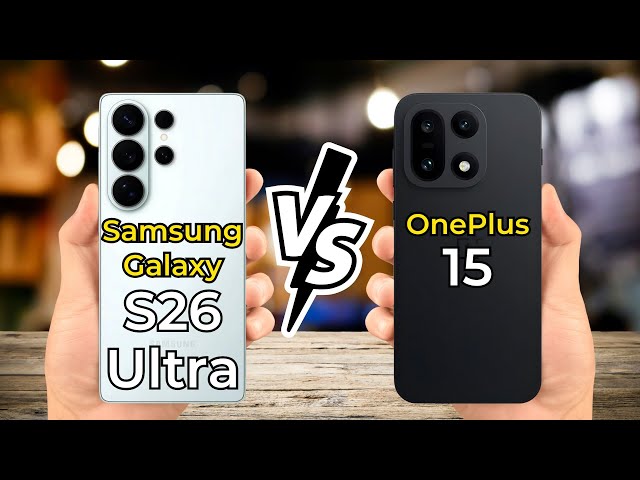
For consumers, this is great. It means you don't need to worry about your phone's camera being bad. Modern flagships are all good. The question is just which brand's specific strengths match your specific needs.
For manufacturers, it's more challenging. There's less room for innovation. Each generation's improvements are more subtle, smaller, and harder to communicate in marketing. Both Samsung and One Plus understand this, which is why they're pursuing different strategies—Samsung betting on reliable improvement, One Plus betting on specialists breaking through in one area.
Both could be right. Both could win customers. And both phones will take exceptional photos that would have seemed impossible just a few years ago.
FAQ
What are the main camera upgrades in the Samsung Galaxy S26?
The Samsung Galaxy S26 is rumored to receive two primary camera upgrades: improved detail retention through better computational photography processing, and enhanced video stabilization and motion handling. These upgrades maintain Samsung's multi-lens philosophy of being excellent across all focal lengths rather than specializing in one area.
How does the One Plus 16's telephoto sensor differ from previous One Plus flagships?
The One Plus 16's elite telephoto sensor reportedly features a larger sensor size, wider aperture, and more sophisticated optical design optimized specifically for zoom photography. This represents One Plus's decision to specialize in telephoto performance rather than spreading engineering resources across multiple lenses.
What focal length is the One Plus 16 telephoto likely to support?
While exact specs haven't been confirmed, the elite telephoto is likely designed for 5-10x optical zoom with better image quality than previous One Plus telephoto sensors. This would provide genuinely usable zoom photography at extended magnification levels where previous One Plus phones degraded noticeably.
Which phone is better for video recording and stabilization?
Samsung Galaxy S26 likely has the advantage for video due to its multi-lens stabilization approach and rumored improvements to motion processing. The ability to blend stabilization data across multiple cameras provides more sophisticated motion compensation than single-lens approaches can achieve.
How important is telephoto quality for casual smartphone photographers?
For most casual users, telephoto is a nice-to-have rather than essential. However, if you frequently zoom to capture distant subjects, travel and want sharp photos of far-away architecture or landscapes, or enjoy wildlife or sports photography, telephoto quality becomes genuinely important and worth prioritizing.
What is periscope telephoto design and why does it matter?
Periscope telephoto uses mirrors or prisms to redirect light at 90 degrees, allowing long focal lengths in thin phones without excessive depth. Instead of light traveling straight down through inches of glass, it bounces horizontally then down. This technology is critical for fitting elite telephoto sensors into slim flagship phone designs.
Can software processing overcome hardware sensor limitations in smartphone cameras?
Software can improve good sensors, but it can't overcome fundamental physics. A larger sensor with better optics will produce better photos than a smaller sensor with exceptional processing, though the processing quality dramatically impacts the final result. Modern flagship phones are roughly 50% hardware and 50% software in their image quality.
How do zoom levels work in smartphone cameras?
Zoom comes in two types: optical (using dedicated telephoto lenses) and digital (cropping the image). Hybrid zoom combines both. The difference between 10x optical and 10x digital is dramatic—digital zoom is essentially magnifying a cropped portion of the image, which reduces sharpness significantly. One Plus's elite telephoto improves optical capability, making hybrid zoom quality better.
Which phone wins for low-light zoom photography?
This is complex. One Plus's elite telephoto has better light gathering (larger aperture), which helps in low light. However, Samsung's main camera sensor is larger and more light-sensitive, which means at moderate zoom levels (2-5x), Samsung's digitally zoomed main camera might outperform One Plus's dedicated telephoto in low light. The answer depends on specific zoom level and lighting conditions.
Should I wait for the S26 and One Plus 16, or buy a current flagship now?
If you need a phone now, current flagships are excellent. The upgrades in 2026 models are incremental—meaningful improvements for people who shoot a lot and pay attention to details, but not revolutionary. If you can wait 6-12 months and you regularly use telephoto or video, waiting for these phones is reasonable. If neither camera area is your focus, current flagships deliver nearly identical results.
Final Thoughts
The smartphone camera wars between Samsung and One Plus represent two valid philosophies about what matters most in mobile photography. Samsung continues its successful strategy of making everything good, with incremental improvements across the board. One Plus is placing a bold bet that specialization—making telephoto genuinely excellent—will resonate with premium phone buyers.
Neither phone is released yet, and real-world results will ultimately matter more than rumors and speculation. But the direction each brand is heading tells us something important: smartphone cameras have matured. The era of revolutionary improvements is ending. The era of thoughtful specialization and refinement is beginning.
For consumers, this is good news. It means you can't really buy a bad smartphone camera anymore. You can only buy one that's great at different things. The choice between Samsung and One Plus in 2026 will come down to whether you value versatility or excellence in your most-used scenario.
Test both when they arrive. Take photos in your real life. See which one makes you smile when you look at the results. That's the phone worth buying, regardless of specs and rumors.
The best camera is the one that captures the shots you care about the way you want them captured. For some people, that's Samsung's refined multi-lens approach. For others, it's One Plus's elite telephoto. The good news? Both will be excellent choices, just optimized for different photographers.
Key Takeaways
- Samsung S26 improves processing and consistency across multiple focal lengths, maintaining its multi-lens philosophy
- OnePlus 16's elite telephoto sensor represents a bet on specialization, excelling at zoom photography where previous OnePlus phones struggled
- Samsung's approach benefits travelers and video creators; OnePlus's approach benefits photography enthusiasts who regularly use telephoto zoom
- Telephoto quality matters more for professional and serious hobbyist photographers than for casual users
- Both phones will deliver excellent camera performance in most scenarios; the difference is which scenarios each phone optimizes for
Related Articles
- Samsung Galaxy S26 AI Photography: Features & Specs [2025]
- Samsung Galaxy S26 AI Camera: Revolutionary Features & Specs [2025]
- Tech Gear News: Samsung Galaxy Unpacked, Fitbit AI Coach, iOS Updates [2025]
- Samsung Galaxy Unpacked 2026: Galaxy S26 Launch [2025]
- Canon EOS R5 Mark II vs R5: Should You Upgrade? [2025]
- Google Pixel 10a Review: A Disappointing Budget Phone That Plays It Safe [2025]


