
![Remote Hijacking of Factory Robots: Understanding the Threat and Solutions [2025]](https://tryrunable.com/blog/remote-hijacking-of-factory-robots-understanding-the-threat-/image-1-1779748409445.jpg)
Remote Hijacking of Factory Robots: Understanding the Threat and Solutions [2025]
Industrial automation has revolutionized manufacturing, enabling factories to operate more efficiently and consistently. However, the integration of technology has also introduced vulnerabilities. Recently, a critical flaw in Universal Robots' software has exposed thousands of industrial systems to potential remote hijacking. This article delves into the risks, examines real-world scenarios, and provides actionable steps to safeguard your factory infrastructure.
TL; DR
- Critical Flaw: A vulnerability in Universal Robots' software could allow remote hijacking of industrial robots.
- Impact Scope: Thousands of factory systems worldwide are at risk, affecting production and safety.
- Immediate Actions: Implement software updates and enhance network security to mitigate risks.
- Future Trends: Expect increased focus on cybersecurity in industrial automation.
- Bottom Line: Proactive measures are essential to protect against evolving cyber threats.
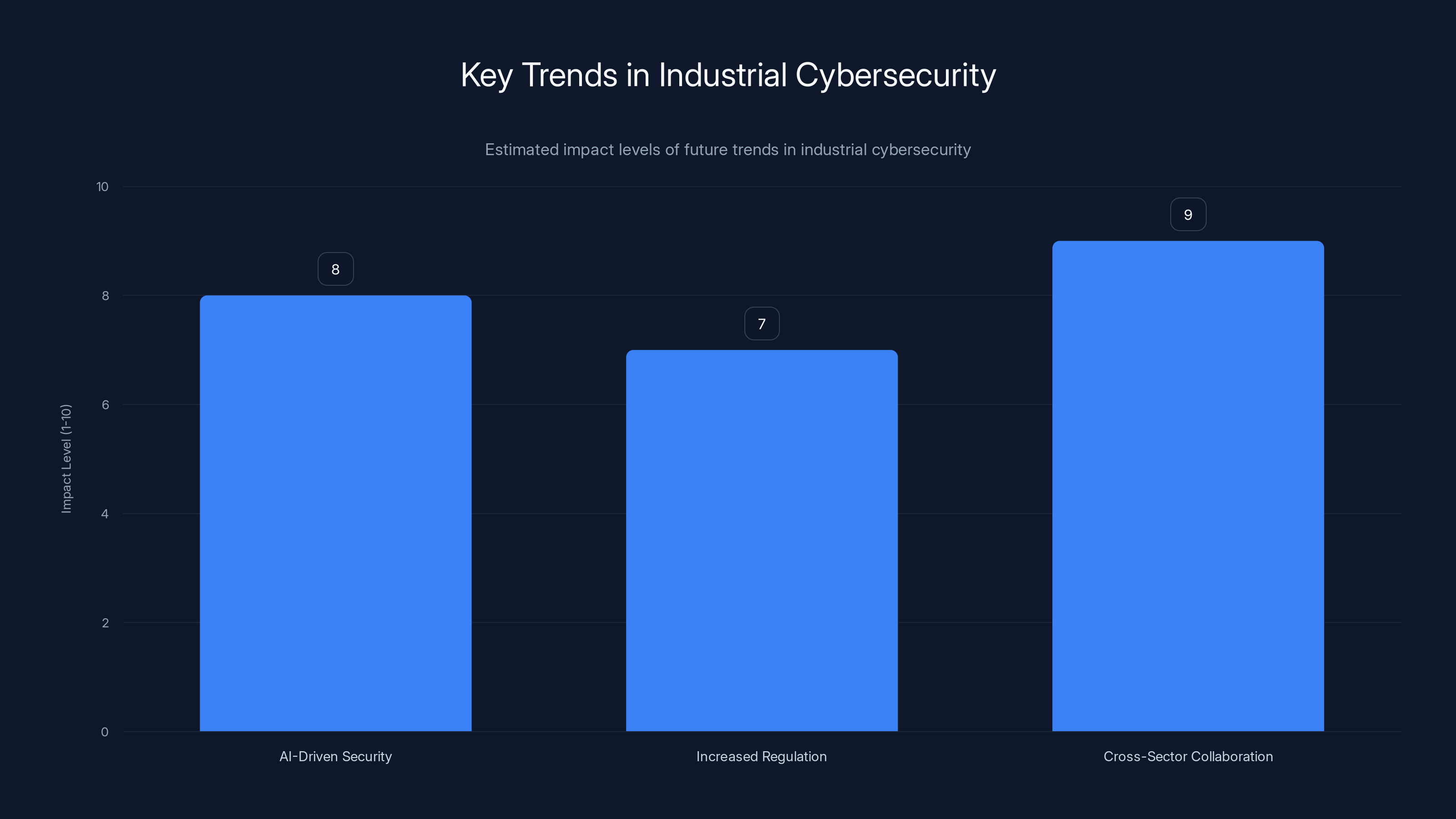
AI-driven security and cross-sector collaboration are projected to have high impacts on industrial cybersecurity. Estimated data.
The Rise of Industrial Automation
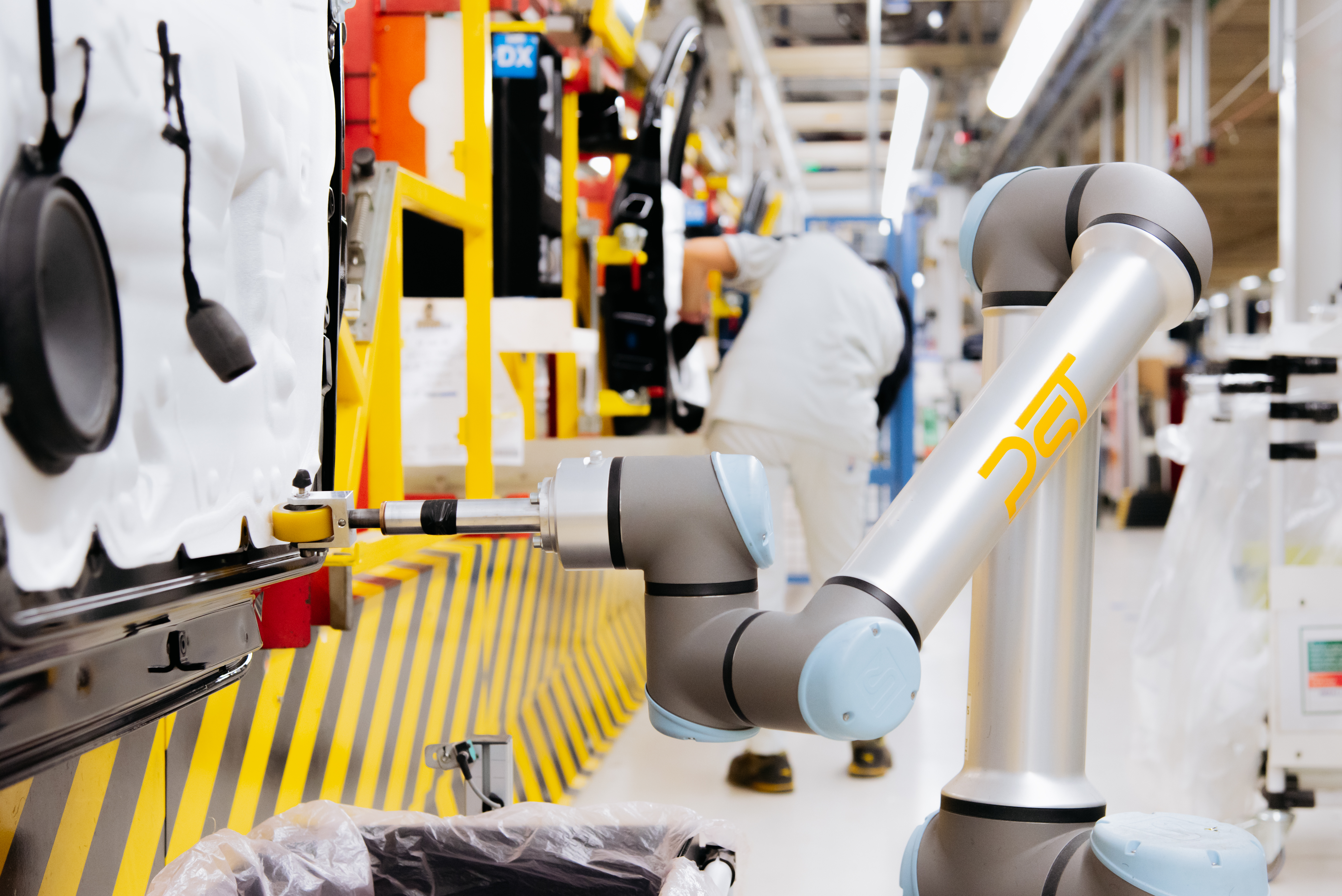
Industrial robots have become integral to modern manufacturing, performing tasks ranging from assembly to quality control. The efficiency and precision of robots like those from Universal Robots have made them popular choices for factories worldwide. However, this reliance also means that any vulnerabilities in their software can have widespread implications.
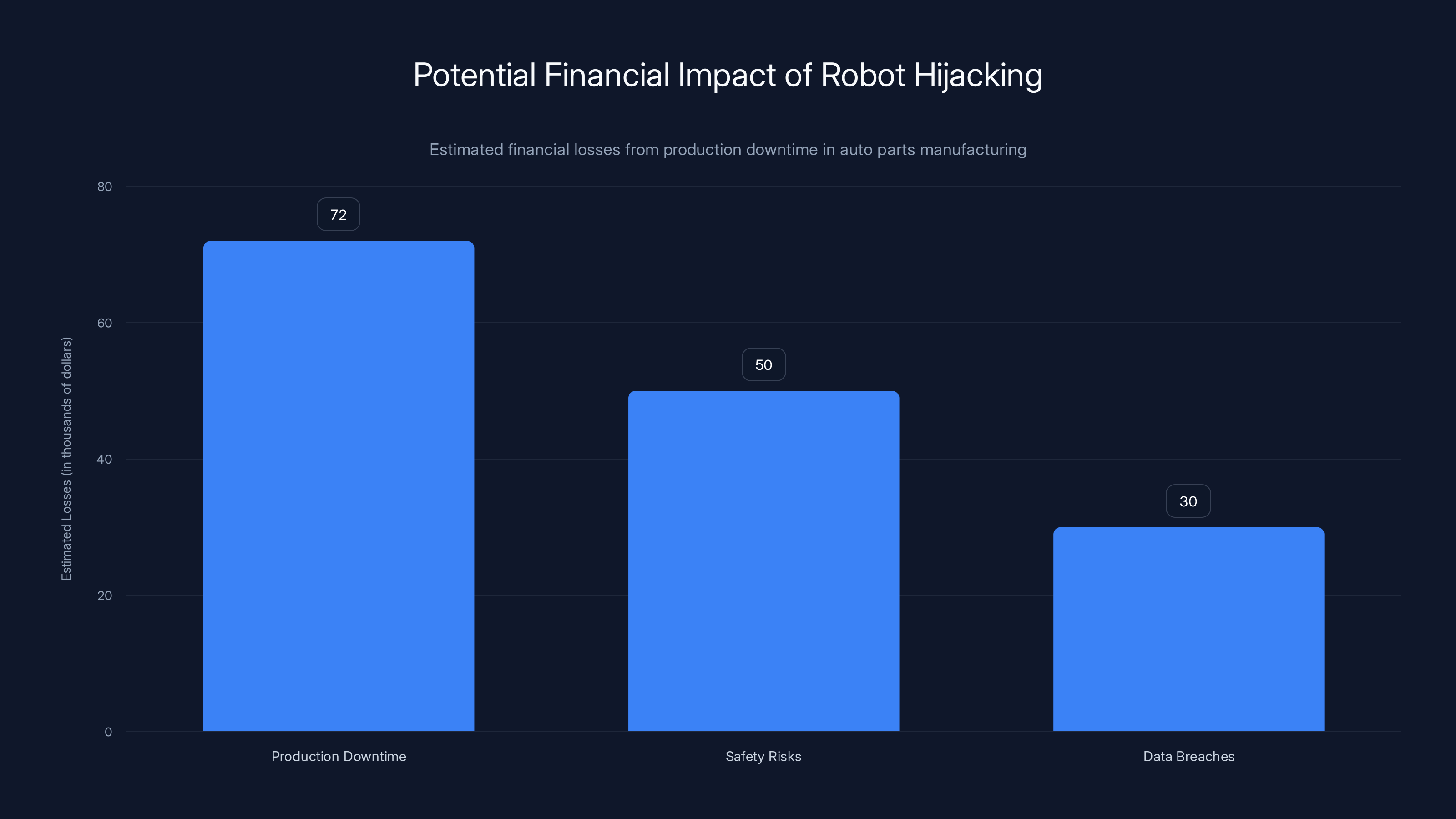
Estimated data shows that production downtime due to robot hijacking can lead to the highest financial losses, followed by safety risks and data breaches.
Understanding the Vulnerability
The vulnerability, discovered in the Poly Scope software used by Universal Robots, allows attackers to execute commands remotely. This could lead to unauthorized control over the robots, potentially halting production or causing safety hazards.
How the Flaw Works
The issue lies in the software's authentication process, which, due to improper encryption and outdated protocols, can be easily bypassed. Once an attacker gains access, they can issue commands as if they were authorized users.
Technical Breakdown:
- Weak Encryption: The use of outdated encryption protocols makes it easier for attackers to intercept and decipher communication.
- Inadequate Authentication: Flaws in the authentication process allow unauthorized access without proper credentials.
- Remote Execution: Once inside, attackers can execute a range of commands, from stopping production to manipulating robot movements.
Real-World Impact
Case Study: Auto Parts Manufacturer
A medium-sized auto parts manufacturer experienced a serious breach when its robots were hijacked, resulting in a production halt for 36 hours. The attackers demanded a ransom for the return of control, leading to significant financial losses and delayed shipments.
Potential Consequences
- Production Downtime: As seen in the case study, hijacked robots can lead to extended periods of inactivity, costing companies thousands of dollars per hour.
- Safety Risks: Unauthorized robot control can result in accidents, endangering workers and damaging equipment.
- Data Breaches: Attackers may access proprietary data, leading to intellectual property theft and competitive disadvantages.
QUICK TIP: Regularly update your software to patch known vulnerabilities and reduce the risk of attacks.
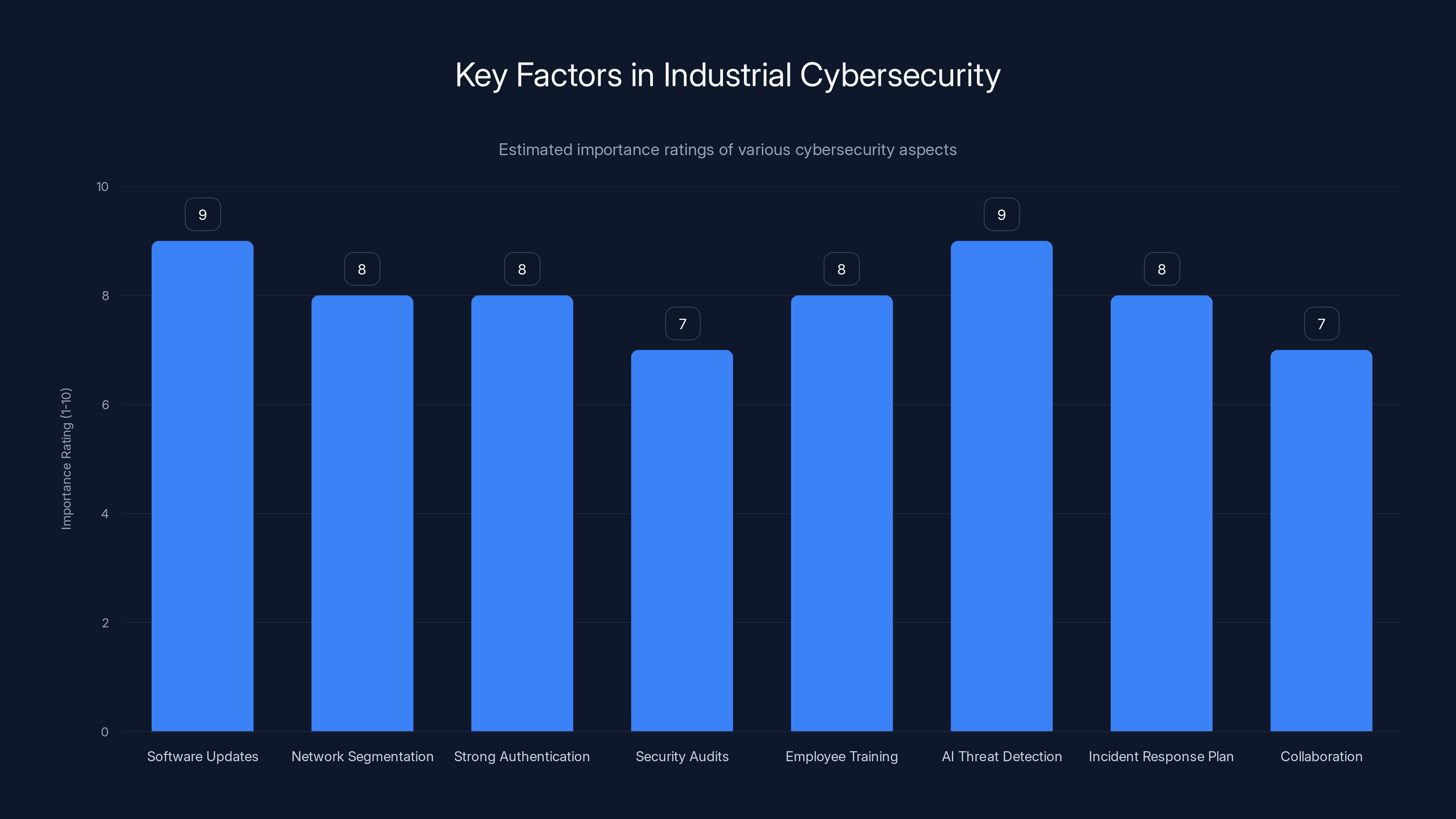
Software updates and AI threat detection are rated highest in importance for industrial cybersecurity. (Estimated data)
Securing Your Factory
Immediate Steps to Mitigate Risks
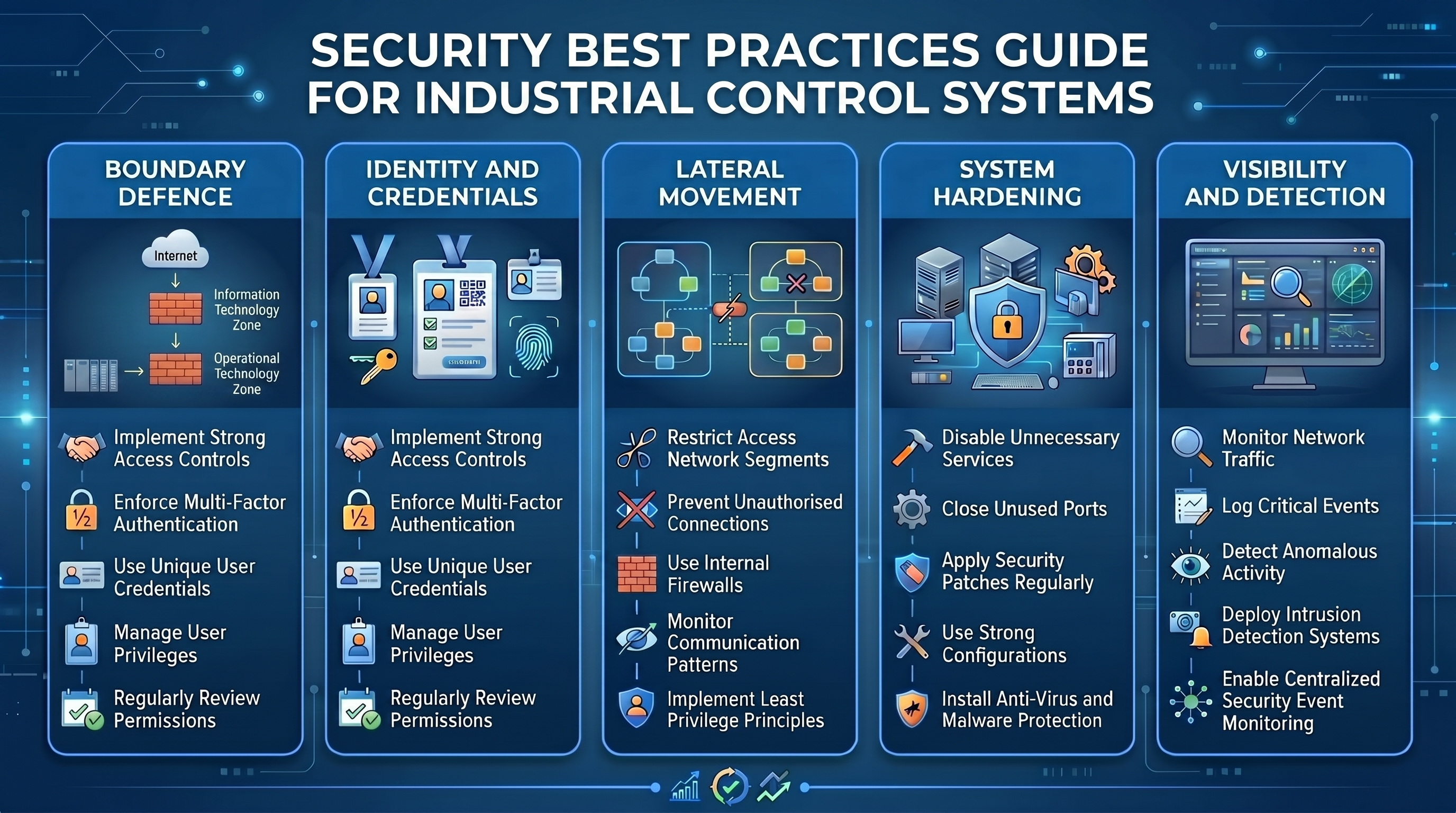
- Software Updates: Ensure all systems are running the latest software version to benefit from security patches.
- Network Segmentation: Isolate robot networks from other systems to limit access points for attackers.
- Strong Authentication: Implement multi-factor authentication to add an extra layer of security.
- Regular Audits: Conduct frequent security audits to identify and address potential vulnerabilities.
Best Practices for Long-Term Security
- Employee Training: Educate staff on cybersecurity best practices, including recognizing phishing attempts and proper password management.
- Incident Response Plan: Develop a comprehensive plan to quickly respond to and mitigate the effects of a security breach.
- Collaboration with Experts: Work with cybersecurity professionals to enhance your security strategies.
The Role of Cybersecurity in Industrial Automation
As factories become more connected, the importance of cybersecurity in industrial automation cannot be overstated. The threat landscape is evolving, with attackers increasingly targeting industrial systems. Companies must prioritize cybersecurity to protect their operations and maintain competitive advantages.
Future Trends in Industrial Cybersecurity
- AI-Driven Security: AI technologies will play a crucial role in detecting and responding to threats faster than human teams.
- Increased Regulation: Governments are likely to impose stricter cybersecurity regulations for industrial systems.
- Collaboration Across Sectors: Expect more collaboration between manufacturers, software providers, and cybersecurity firms to develop robust security frameworks.
DID YOU KNOW: The average cost of a cybersecurity breach in manufacturing is estimated to be $2.5 million, underscoring the need for robust security measures.

Conclusion
The vulnerability in Universal Robots' software highlights the critical need for cybersecurity in industrial automation. By understanding the risks and implementing best practices, manufacturers can protect their operations from potential threats. As the industry evolves, staying informed and proactive will be key to safeguarding your factory.
FAQ
What is the vulnerability in Universal Robots' software?
A flaw in the Poly Scope software allows remote execution of commands, potentially leading to unauthorized control of factory robots.
How can manufacturers protect against this threat?
Manufacturers should update software, segment networks, use strong authentication, and conduct regular security audits.
What are the potential impacts of a hijacked robot?
Impacts include production downtime, safety risks, and potential data breaches.
How is the cybersecurity landscape in industrial automation evolving?
Expect increased use of AI for threat detection, stricter regulations, and more collaboration across sectors.
Why is network security crucial for industrial systems?
Network security limits access points for attackers, helping to safeguard sensitive operations from cyber threats.
What role does employee training play in cybersecurity?
Training employees helps them recognize threats like phishing and understand safe practices, reducing the risk of breaches.
How can AI enhance industrial cybersecurity?
AI can rapidly detect anomalies and respond to threats, providing faster and more efficient security measures.
What should be included in an incident response plan?
A plan should address threat detection, containment, eradication, and recovery, with clear roles and responsibilities for team members.
How can collaboration improve industrial cybersecurity?
Working with cybersecurity experts and industry partners can enhance security strategies and ensure compliance with best practices.
Key Takeaways
- A critical flaw in Universal Robots' software could allow remote hijacking of industrial robots.
- Thousands of factory systems worldwide are at risk, affecting both production and safety.
- Implementing software updates and enhancing network security are immediate mitigations.
- Expect increased focus on cybersecurity in industrial automation as threats evolve.
- Proactive measures are essential to protect against evolving cyber threats.
Related Articles
- Understanding the Trend Micro Apex One Zero-Day Exploit and Mitigation Strategies [2025]
- Ransomware Negotiation Tactics and Countermeasures [2025]
- The AI Era Is Creating a Bug Hunting Arms Race | WIRED
- Navigating the AI Security Landscape: Lessons for Enterprises in 2025
- Understanding and Mitigating Chatbot Personality Exploitation [2025]
- Understanding AMOS macOS Malware: Threat Analysis and Protection [2025]


