
![Preserving Palestinian Heritage: Building a Digital Archive That Lasts [2025]](https://tryrunable.com/blog/preserving-palestinian-heritage-building-a-digital-archive-t/image-1-1783330446968.jpg)
Preserving Palestinian Heritage: Building a Digital Archive That Lasts [2025]
The preservation of cultural heritage is a struggle that transcends borders, politics, and time. For the Palestinian people, this struggle is particularly poignant. Over the decades, their cultural artifacts, historical documents, and artistic expressions have faced the threat of being lost to conflict, occupation, and political upheaval. Today, however, Palestinians are taking a stand. They are harnessing the power of digital technology to build an archive that aims to preserve their cultural identity for generations to come, as highlighted in a Wired article.
TL; DR
- Digital Archives: Palestinians are creating digital archives to preserve cultural heritage.
- Advanced Technology: Utilizing blockchain and decentralized storage ensures data permanence, as explained by Binance Academy.
- Global Collaboration: Partnerships with international institutions enhance resource access.
- Challenges: Overcoming technical, political, and resource barriers remains crucial.
- Future Outlook: Innovations in AI and machine learning will further empower archival efforts.

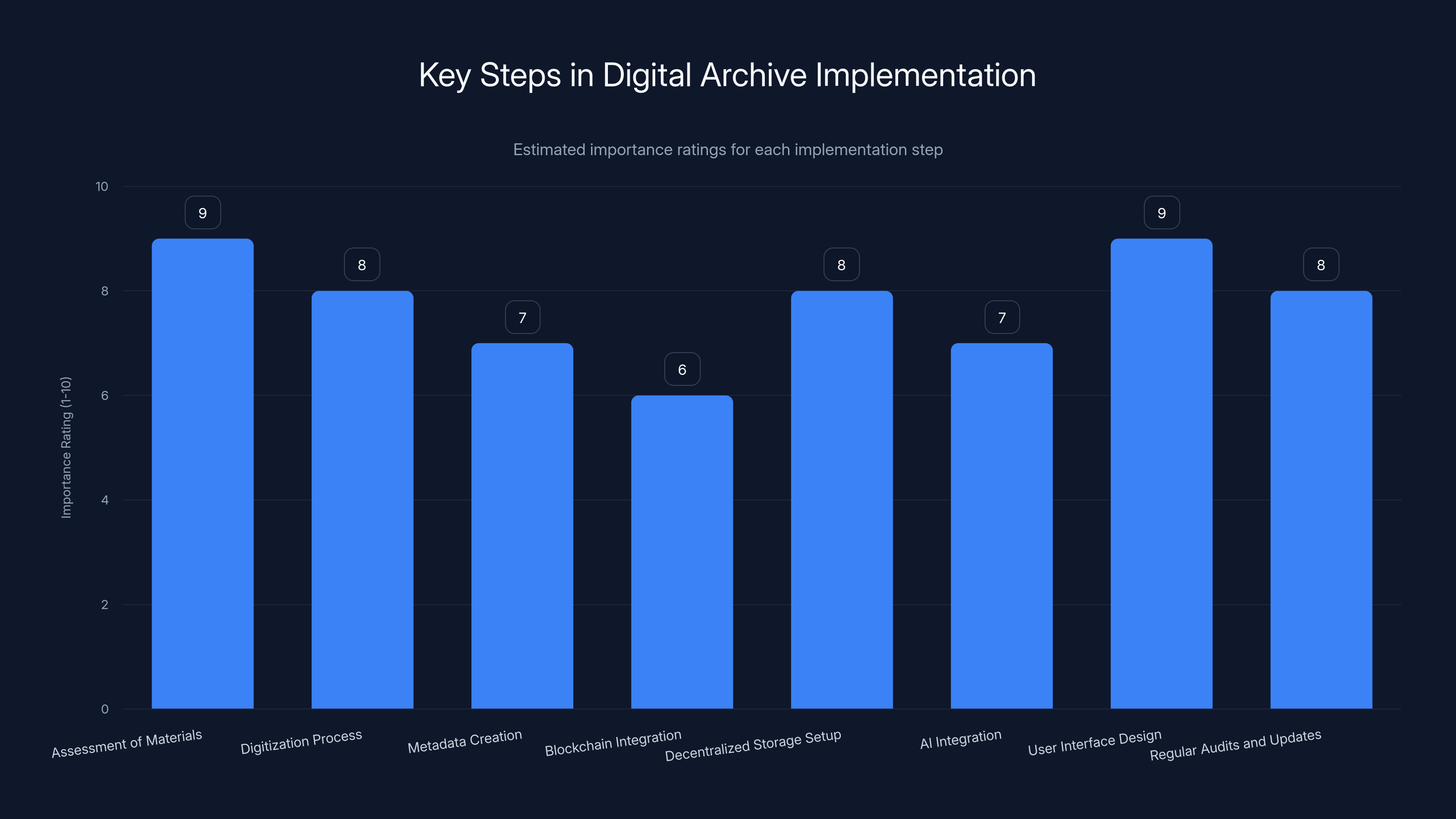
Estimated data showing the relative importance of each step in building a digital archive. User interface design and assessment of materials are rated highest.
The Urgency of Preservation
Palestinian cultural heritage has been under threat for decades. Historical artifacts, art collections, and important documents have been looted, destroyed, or rendered inaccessible due to ongoing conflicts. The urgency to preserve what remains has never been greater.
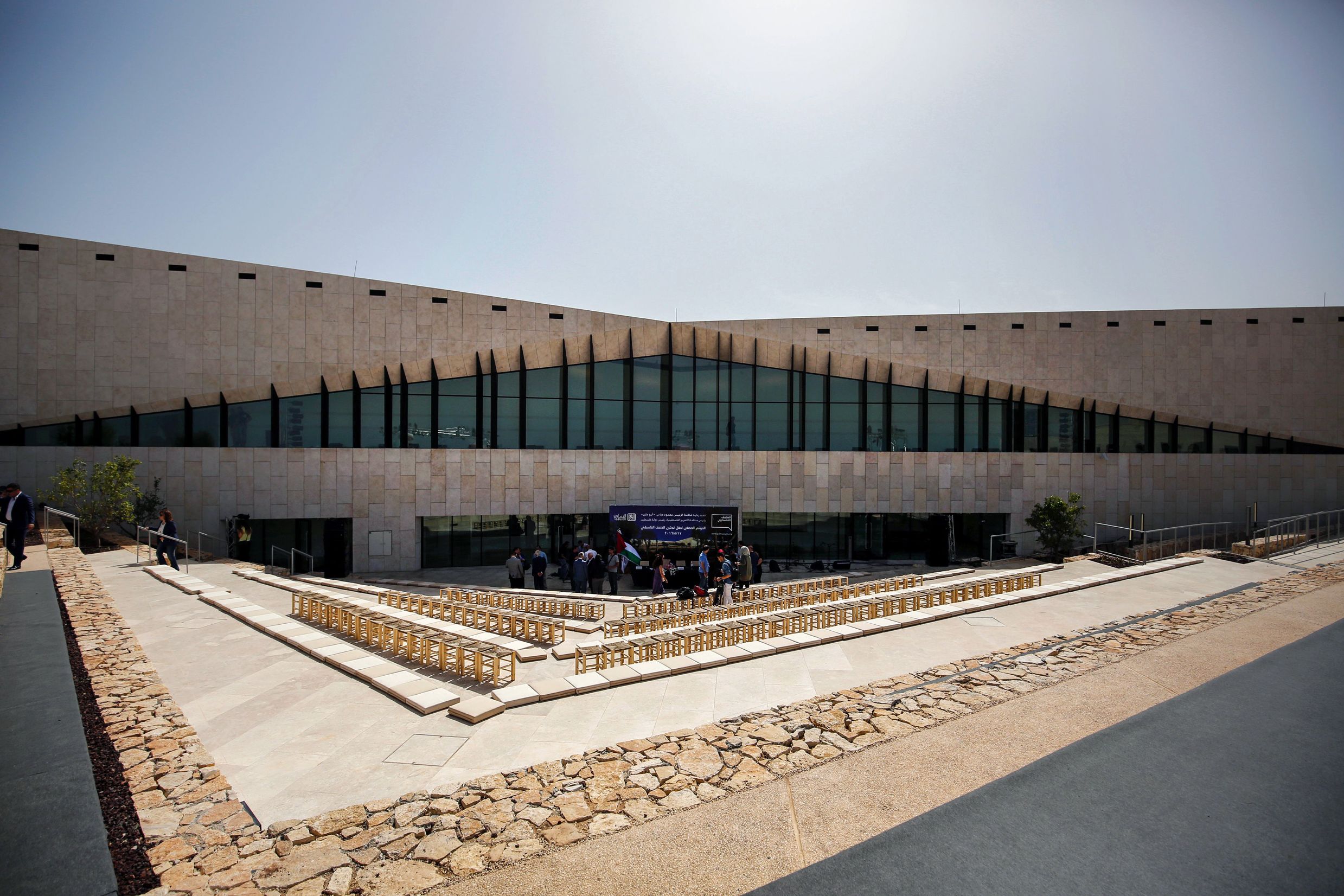
The Palestinian Museum, located in Birzeit, stands as a beacon of this preservation effort. It serves as a physical repository, but the digital realm offers unprecedented possibilities. By digitizing artifacts and documents, Palestinians aim to protect their heritage from physical destruction and ensure global accessibility, as noted by Penn State University.
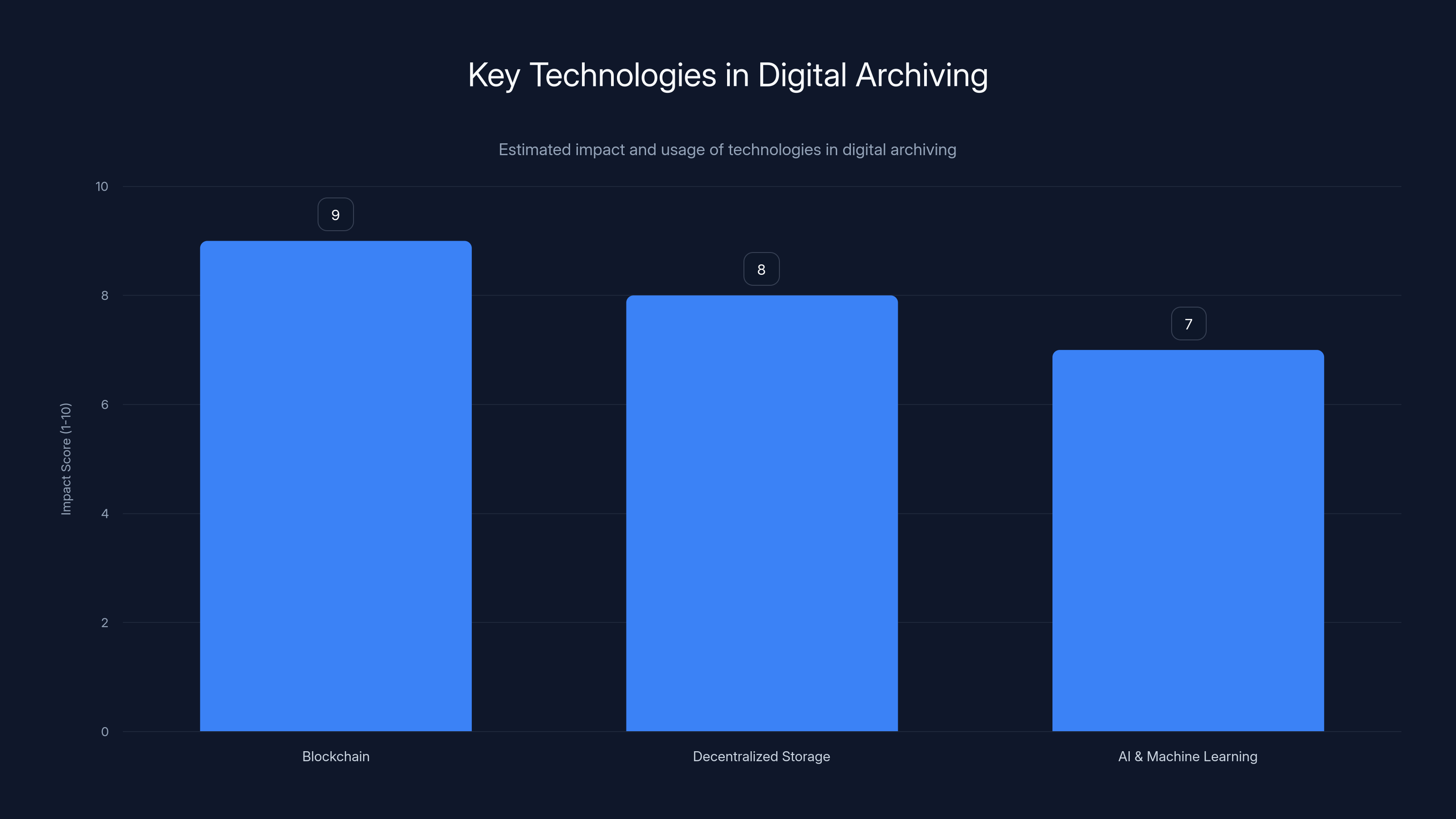
Blockchain, decentralized storage, and AI/ML are pivotal in digital archiving, with blockchain leading in impact due to its immutability and verifiability. (Estimated data)
Why Digital Archives?
Digital archives offer several advantages over traditional methods of preservation:
- Accessibility: Digital archives can be accessed from anywhere, providing global reach.
- Durability: Unlike physical artifacts, digital files are not subject to decay over time.
- Redundancy: Digital backups can be stored in multiple locations, enhancing security.
These benefits make digital archiving an ideal solution for safeguarding Palestinian cultural heritage, as discussed in UNESCO's insights.
The Technology Behind Digital Archiving
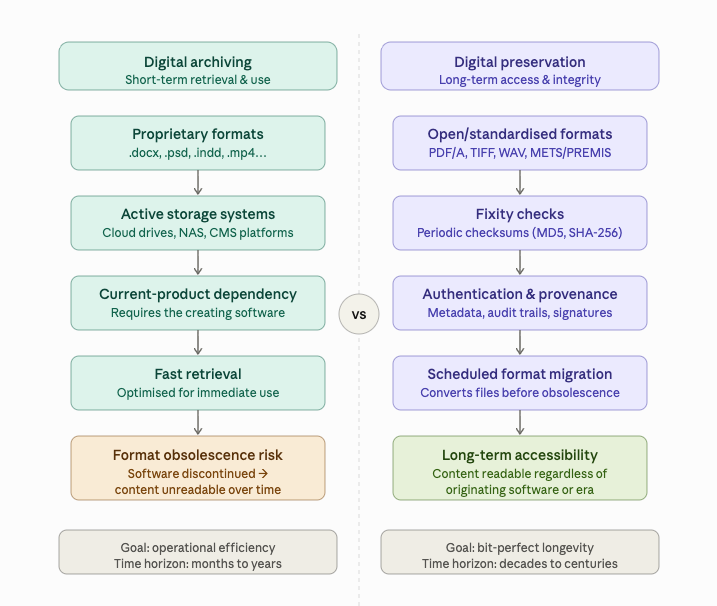
Creating a robust digital archive involves multiple technologies, each playing a crucial role in ensuring data permanence and accessibility.
Blockchain for Immutable Records
Blockchain technology offers a decentralized way to store information that cannot be altered without consensus. For the Palestinian digital archive, blockchain ensures that records are immutable and verifiable, as explained in Binance Academy's article.
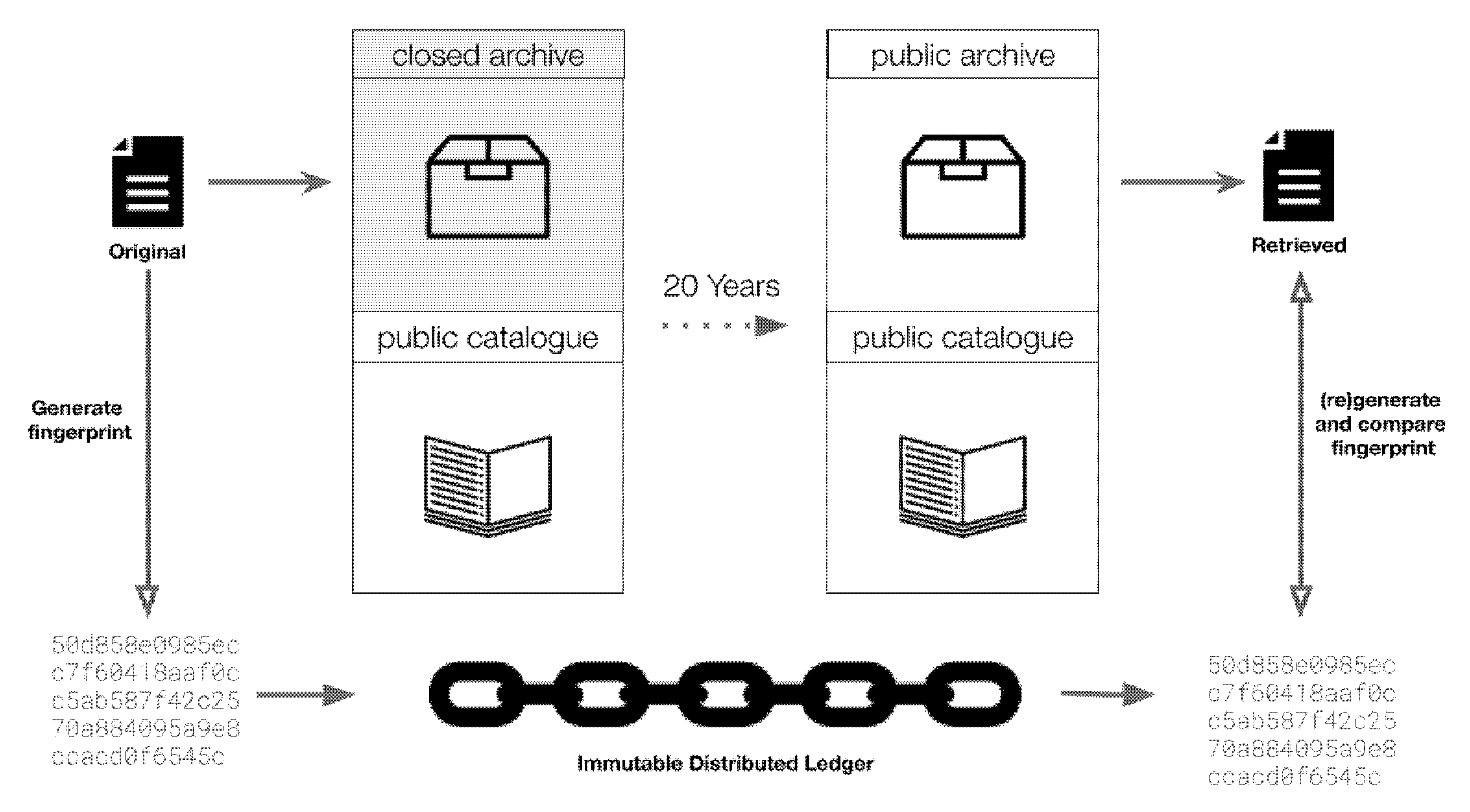
By storing metadata and hashes of digital files on a blockchain, the archive ensures that any attempt to alter the data would be immediately noticeable.
Decentralized Storage Solutions
Decentralized storage systems, such as IPFS (Inter Planetary File System), provide a resilient method for storing digital content. Unlike traditional server-based storage, decentralized systems distribute files across a network of nodes, making it virtually impossible for any single entity to delete or alter the data.
- IPFS: This peer-to-peer network uses content addressing to uniquely identify each file, ensuring data integrity.
- Benefits: Reduces the risk of data loss due to centralized server failures or targeted attacks, as highlighted by Nepal News.
AI and Machine Learning
AI and machine learning are being leveraged to enhance the cataloging and retrieval of archival content. These technologies can automatically tag and categorize digital artifacts, making it easier for users to find specific items within the archive.
- Image Recognition: AI can identify and tag objects and scenes in photographs.
- Natural Language Processing: NLP algorithms help in indexing and retrieving text-based documents efficiently.
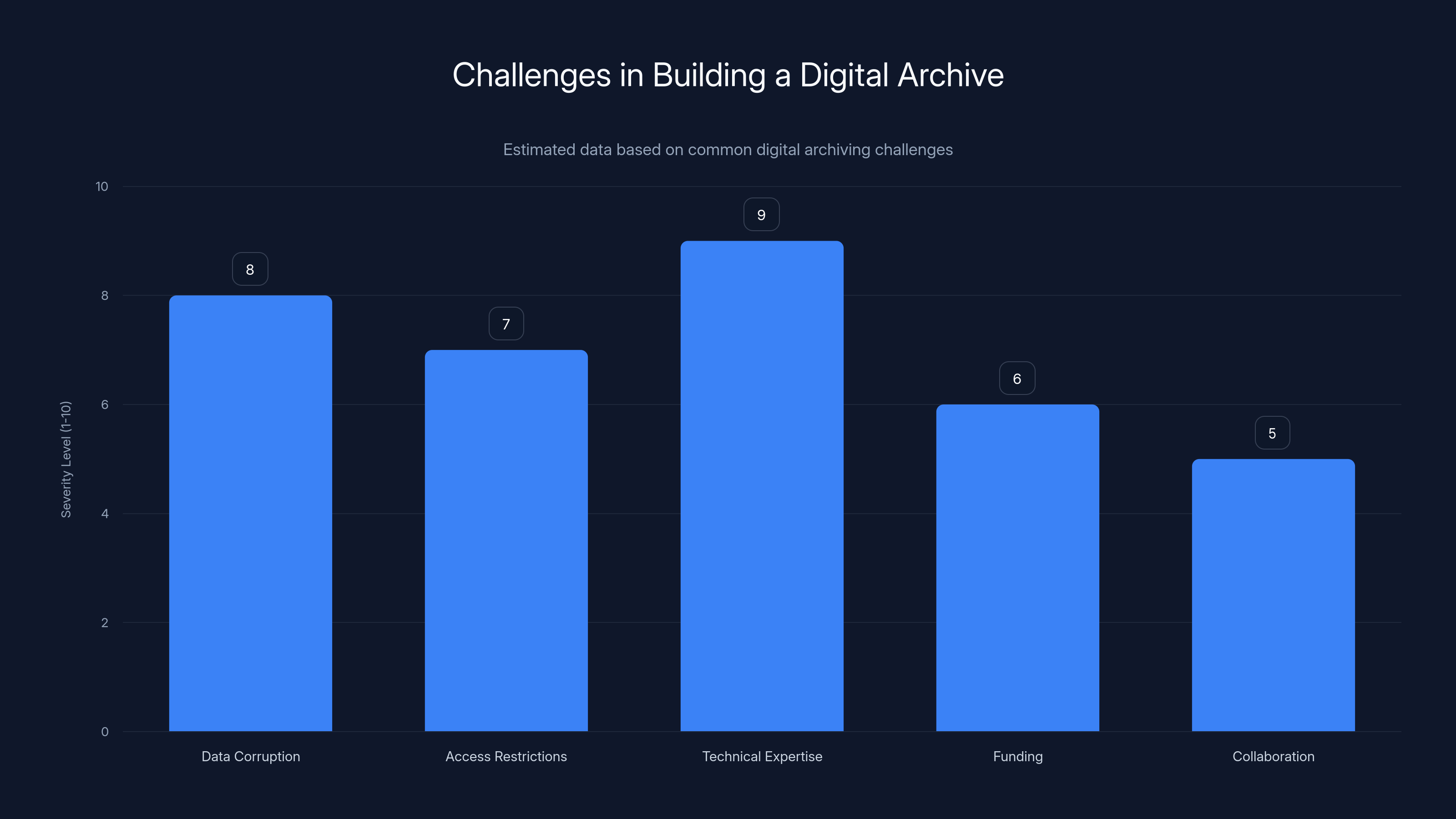
Data corruption and the need for technical expertise are the most severe challenges in digital archiving. Estimated data based on common issues.
Practical Implementation Guide
Building a digital archive requires a strategic approach. Here’s a step-by-step guide to setting up a resilient digital preservation system:
- Assessment of Materials: Identify and prioritize items for digitization based on their cultural significance and risk of loss.
- Digitization Process: Use high-resolution scanners and cameras to create digital copies of physical artifacts and documents.
- Metadata Creation: Develop a standardized metadata schema to ensure consistent cataloging of files.
- Blockchain Integration: Store metadata on a blockchain to ensure immutability and traceability.
- Decentralized Storage Setup: Deploy IPFS or similar solutions to store digital files across a distributed network.
- AI Integration: Implement AI tools for automated tagging and categorization of digital content.
- User Interface Design: Create an intuitive platform for accessing the archive, ensuring ease of use for researchers and the public.
- Regular Audits and Updates: Conduct periodic reviews to ensure the archive remains up-to-date and secure.

Common Pitfalls and Solutions
Building a digital archive is not without challenges. Here are some common pitfalls and how to address them:
- Data Corruption: Regularly back up data and use checksum verification to detect and correct errors.
- Access Restrictions: Implement role-based access control to protect sensitive information while ensuring public availability.
- Technical Expertise: Collaborate with technology partners and train local teams to maintain and develop the archive.
Collaboration and Global Support
International collaboration is key to the success of the Palestinian digital archive. By partnering with global institutions, Palestinians can access resources, expertise, and funding necessary for large-scale digitization, as discussed in a UNESCO report.
- Partnerships with Universities: Academic institutions can provide technical expertise and research support.
- Funding from NGOs: Non-governmental organizations can offer financial assistance for equipment and training.
- Cultural Exchange: Collaborative exhibitions and projects help raise awareness about Palestinian heritage on a global stage.
Future Trends and Recommendations
As technology evolves, so too will the methods for preserving digital archives. Here are some trends and recommendations for the future:
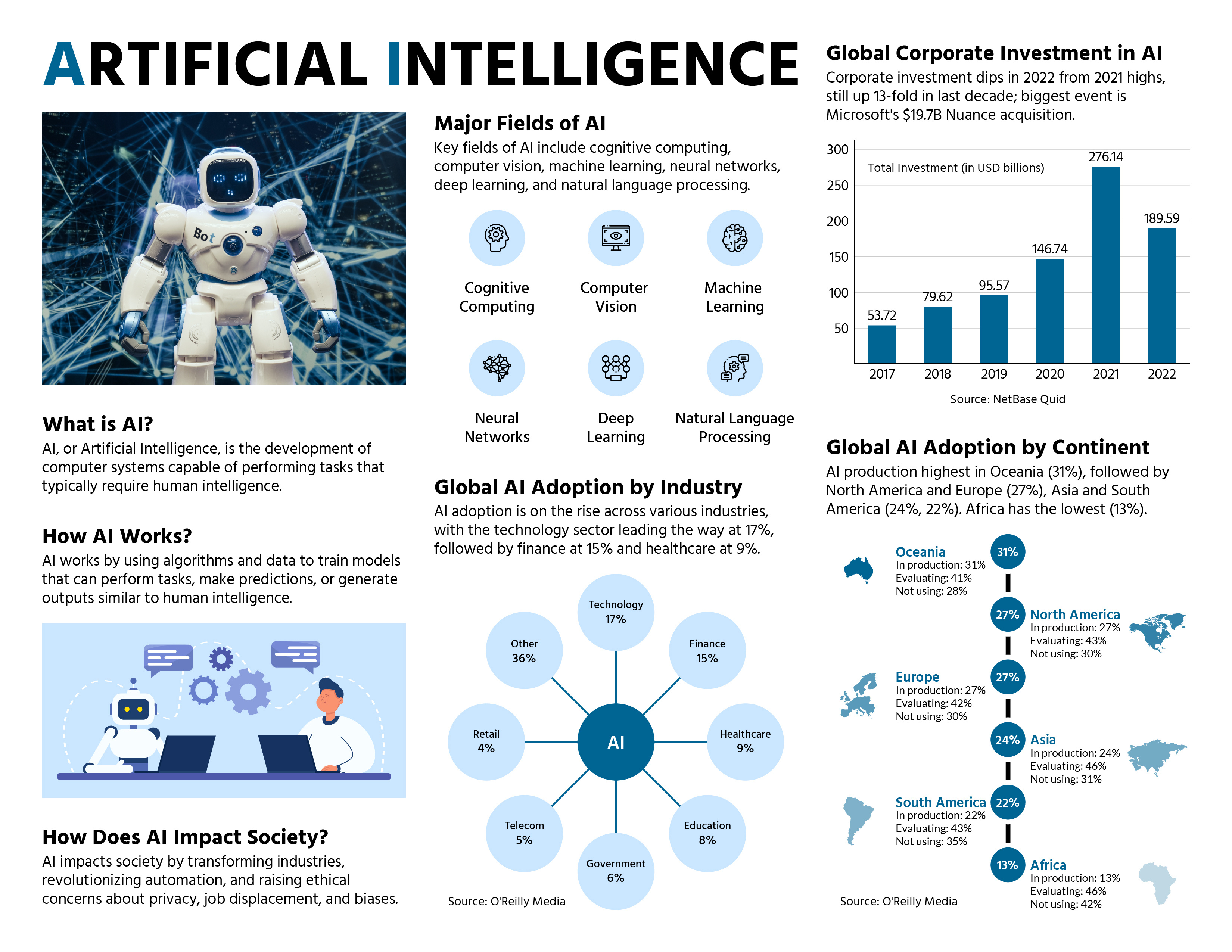
- Enhanced AI Capabilities: Continued advancements in AI will improve the accuracy and efficiency of content categorization and retrieval, as noted by MIT News.
- Augmented Reality (AR): AR can bring digital artifacts to life, offering immersive experiences to users.
- Increased Connectivity: Expansion of internet access in remote areas will allow more people to contribute to and access the archive.
Conclusion
The creation of a digital archive for Palestinian cultural heritage is a monumental task that requires dedication, innovation, and collaboration. By leveraging advanced technologies and forming global partnerships, Palestinians are building a repository of their history that cannot be erased. This effort not only preserves the past but also empowers future generations to connect with their cultural identity, as emphasized in Religion News.

FAQ
What is a digital archive?
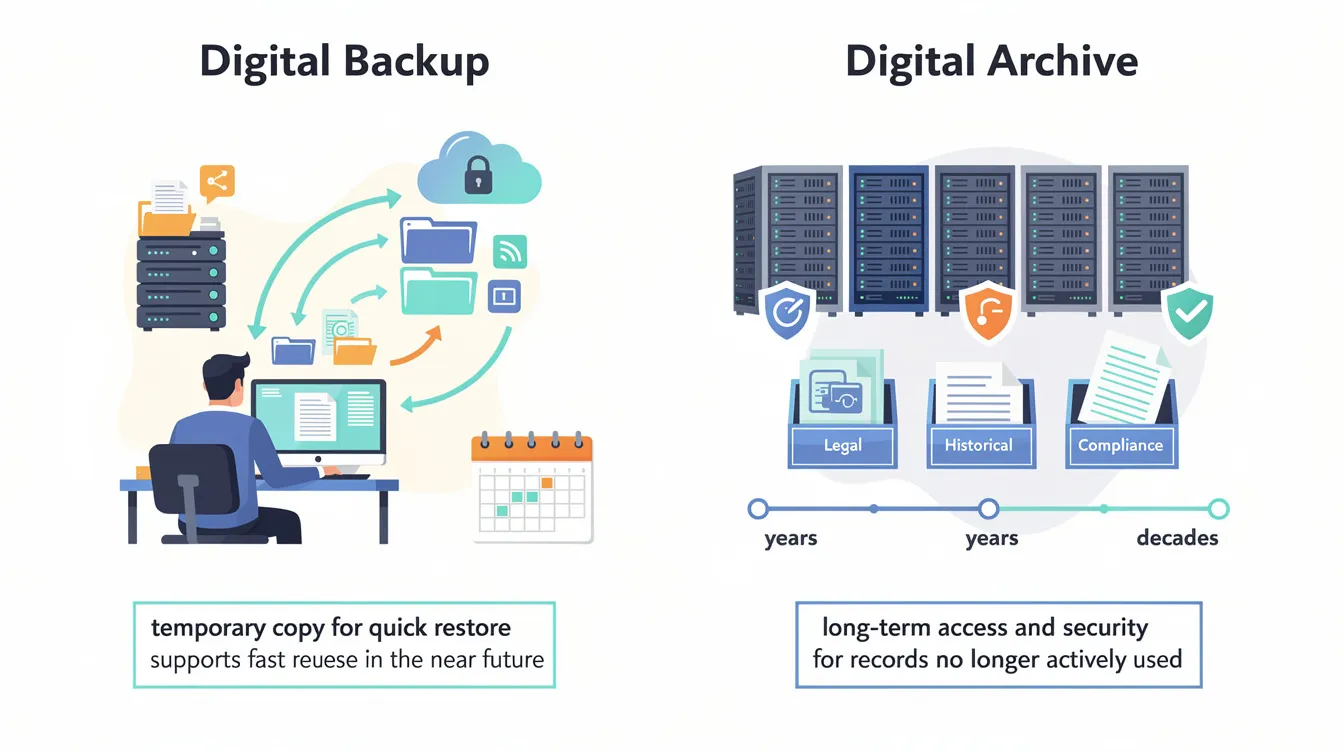
A digital archive is a collection of digital objects, such as documents, images, and multimedia, that are preserved for long-term access and reference.
How does blockchain technology help in digital archiving?
Blockchain ensures that digital records are immutable and verifiable, providing a secure way to store and track metadata associated with archival content.
What are the challenges in building a digital archive?
Challenges include data corruption, access restrictions, and the need for technical expertise. Addressing these requires robust technical solutions and global collaboration.
Why is digital archiving important for Palestinian heritage?
Digital archiving helps protect Palestinian cultural heritage from destruction and loss, ensuring that future generations can access and learn from their history.
What role does AI play in digital archiving?
AI enhances the ability to tag, categorize, and retrieve digital content efficiently, making archives more accessible to users.
How can international collaboration aid digital archiving efforts?
Global partnerships provide resources, expertise, and funding necessary for large-scale digitization and preservation projects.
What future trends can impact digital archiving?
Trends include advancements in AI, augmented reality for immersive experiences, and increased internet connectivity to expand access.
Key Takeaways
- Digital archives preserve Palestinian cultural heritage from physical loss.
- Blockchain ensures data immutability and security.
- Global collaboration enhances resource availability for archiving efforts.
- AI and machine learning improve content categorization and retrieval.
- Future trends include AR and increased connectivity for broader access.
Related Articles
- Understanding the $TRUMP Memecoin Collapse: Lessons and Future Implications [2025]
- The Rise of Unicorns: An In-Depth Look at New Billion-Dollar Startups in 2026 [2025]
- The Fanfiction Community's Battle with AI: Creativity, Concerns, and the Future [2025]
- Midjourney Challenges Hollywood: AI Usage Transparency in the Courtroom [2025]
- How Data Governance Builds True Business Resilience [2025]
- Navigating the Surge: How States Are Addressing AI-Driven Electricity Infrastructure Costs [2025]


