
![Navigating the Future: Trump's Proposed NASA Budget Cuts as Lunar Missions Loom [2025]](https://tryrunable.com/blog/navigating-the-future-trump-s-proposed-nasa-budget-cuts-as-l/image-1-1775259257078.jpg)
Introduction
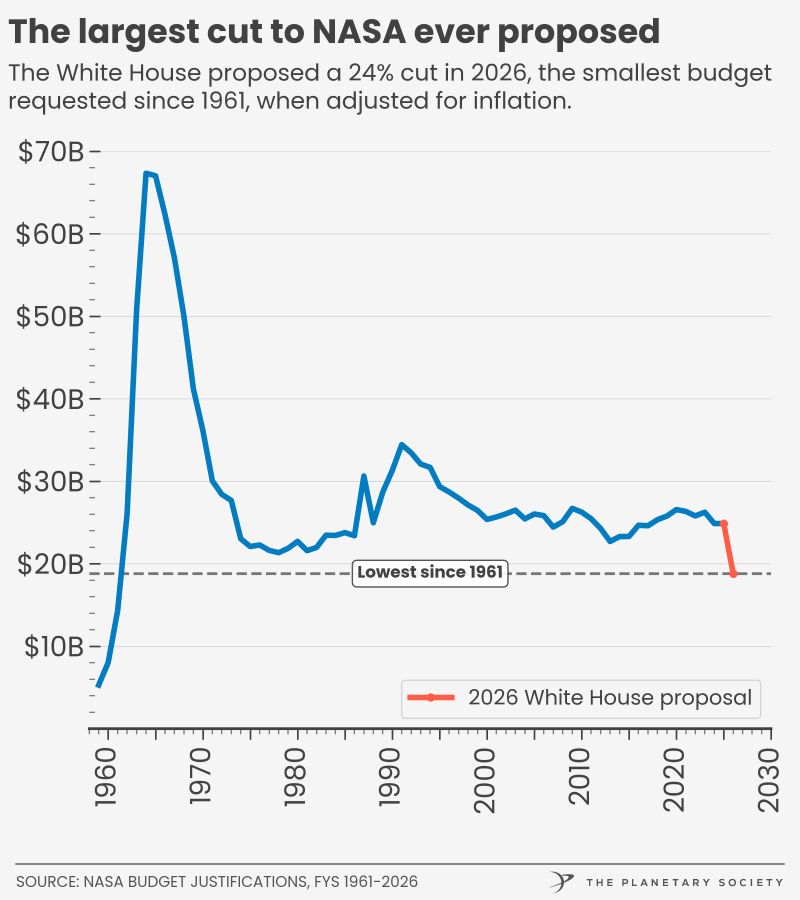
In recent weeks, the Trump administration has made headlines by proposing a significant 23% reduction in NASA’s budget, just as the agency embarks on its ambitious lunar missions. This proposal has sparked widespread debate and concern within the space exploration community and beyond. As Congress prepares to deliberate on the budget, the implications of these cuts could ripple through the industry, affecting everything from research and development to international collaborations.
In this article, we'll delve into the potential impacts of these proposed budget cuts on NASA's operations, the broader space industry, and the future of lunar exploration. We'll explore best practices for navigating funding challenges, examine common pitfalls, and offer recommendations for maintaining momentum in space exploration during times of fiscal uncertainty.
TL; DR
- Proposed Budget Cuts: A 23% reduction in NASA's budget could impact ongoing and future space missions.
- Congressional Response: Historical precedents suggest Congress may resist significant budget cuts.
- Impact on Lunar Missions: Potential delays and scaling back of lunar projects if cuts are implemented.
- Industry Collaboration: Increased reliance on private sector partnerships and international collaborations.
- Future Trends: Emphasis on cost-effective technologies and sustainable space exploration initiatives.
The Current Landscape of NASA Funding
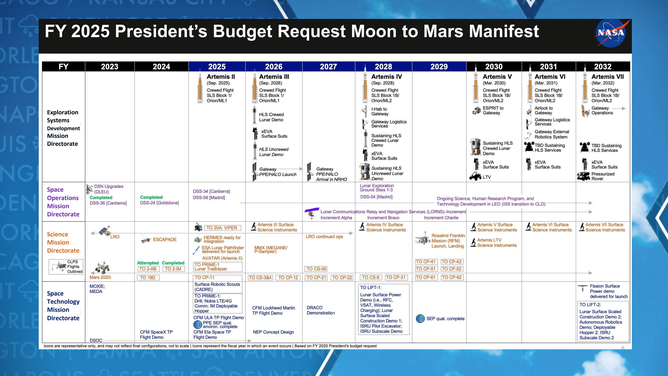
Understanding the context of NASA's current budget is crucial to grasp the full impact of the proposed cuts. As it stands, NASA's budget supports a wide array of projects ranging from climate research to deep space exploration. The bulk of this funding goes towards the Artemis program, which aims to return humans to the Moon by the mid-2020s. This ambitious program not only seeks to put astronauts on the lunar surface but also to establish a sustainable human presence there.
Budget Allocation Breakdown
NASA’s current budget is allocated across several key areas:
- Artemis Program: A major focus, aimed at lunar exploration and establishing a moon base.
- International Space Station (ISS): Continued support for operations and scientific research.
- Mars Exploration: Funding for ongoing rover missions and future manned Mars missions.
- Climate Science: Research on Earth’s climate systems and environmental monitoring.
- Aeronautics Research: Innovations in aviation safety and efficiency.
The Proposed Budget Cuts: An Overview
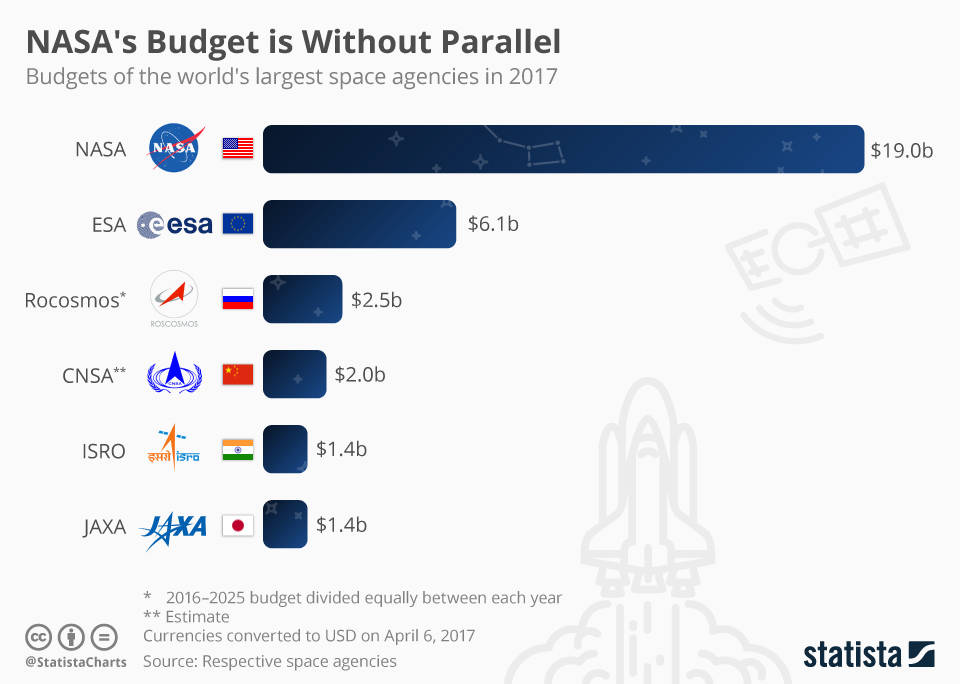
President Trump’s proposal to cut NASA’s budget by 23% is part of a broader fiscal strategy aimed at reducing government spending. The proposed cuts would necessitate a reevaluation of NASA's priorities, potentially delaying or scaling back key projects. According to SpaceNews, these cuts could significantly impact NASA's ability to maintain its current trajectory in space exploration.
Potential Impacts on NASA Projects
- Artemis Program Delays: Significant budget cuts could result in delays to the Artemis program, potentially pushing back the timeline for returning humans to the Moon. As noted by UPI, such delays could have cascading effects on other planned missions.
- Reduction in Scientific Research: Cuts could lead to a decrease in funding for climate science and other research initiatives, as highlighted by Eos.
- Collaboration Constraints: With less funding, NASA may face challenges in maintaining its international collaborations and partnerships.
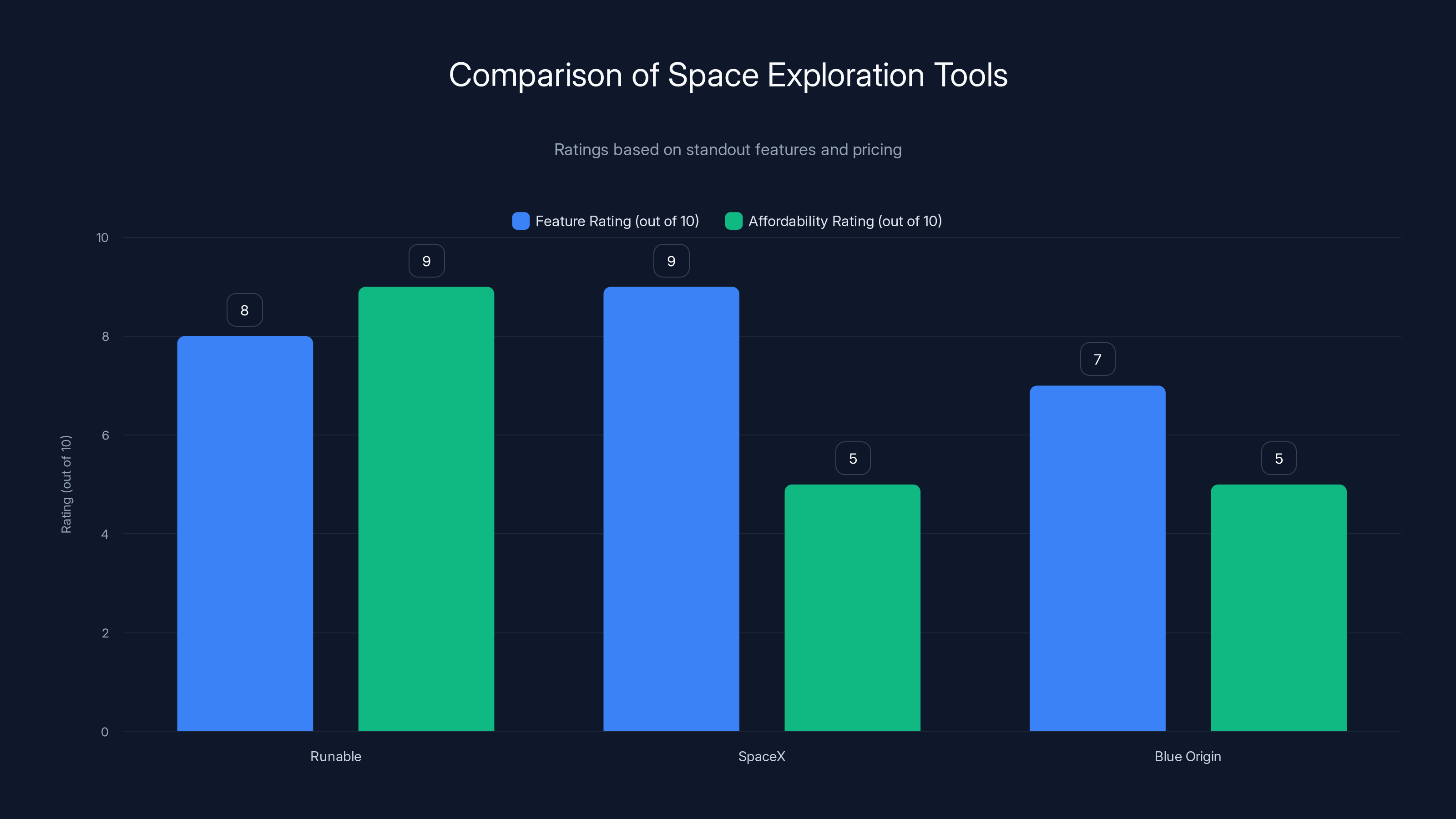
Runable scores high on affordability with a rating of 9, while SpaceX leads in features with a rating of 9. Estimated data based on standout features and pricing.
Historical Context: Budget Battles and NASA
This isn’t the first time NASA has faced potential budget cuts. Historically, Congress has often pushed back against White House proposals to slash NASA’s funding. For instance, in previous years, similar proposals were met with resistance, with Congress opting to maintain or slightly increase NASA’s budget instead, as reported by The Planetary Society.
The Role of Congress
Congress plays a pivotal role in determining the final budget allocations. With bipartisan support often favoring NASA’s missions, there is potential for the proposed cuts to be mitigated or rejected entirely. As discussed by AIP, Congress has historically acted to protect NASA's funding from drastic reductions.
Quick Tip: Understanding the legislative process and engaging with lawmakers can be instrumental for stakeholders advocating for continued or increased NASA funding.
Navigating Budget Constraints: Best Practices
When facing potential budget cuts, organizations like NASA need to adopt strategic approaches to maximize their available resources. Here are some best practices:
- Prioritize Projects: Focus on high-impact projects that align with long-term strategic goals.
- Increase Efficiency: Implement cost-saving measures and optimize operations to do more with less.
- Leverage Partnerships: Collaborate with private companies and international partners to share resources and expertise.
- Innovate: Invest in technologies that reduce costs and increase mission efficiency.
Case Study: The Artemis Program
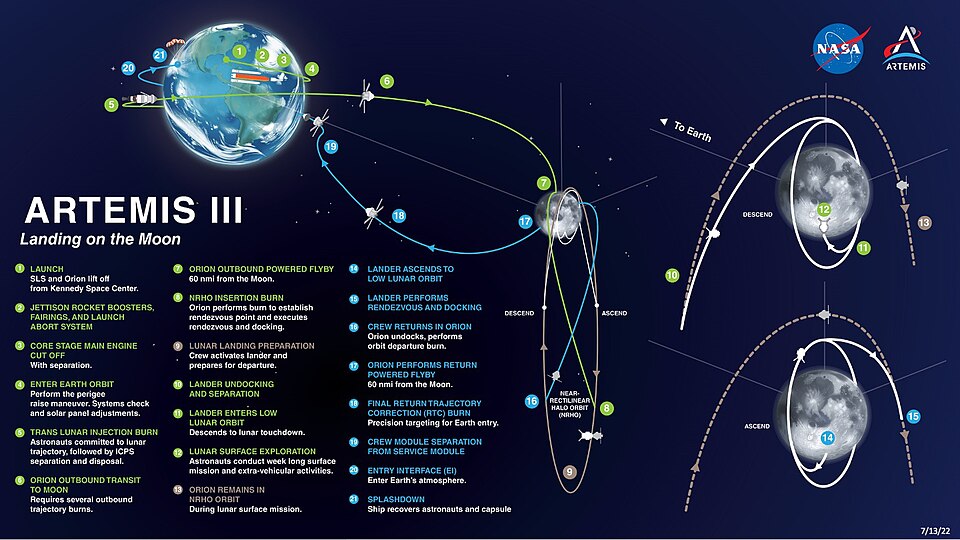
The Artemis program serves as a prime example of how NASA can adapt to budget constraints while pursuing ambitious goals. By leveraging partnerships with private companies like SpaceX and international agencies, NASA aims to achieve its lunar objectives even in the face of fiscal challenges.
The Role of Private Sector and International Collaboration
As NASA navigates potential budget cuts, the role of the private sector and international collaborations becomes increasingly important. Companies such as SpaceX and Blue Origin have already been pivotal in advancing space technologies and reducing launch costs.
Benefits of Collaboration
- Cost Sharing: Distributing costs across multiple stakeholders reduces the financial burden on NASA.
- Innovation: Private companies often bring innovative technologies and approaches that can enhance mission capabilities.
- Global Expertise: International collaborations provide access to global expertise and resources.
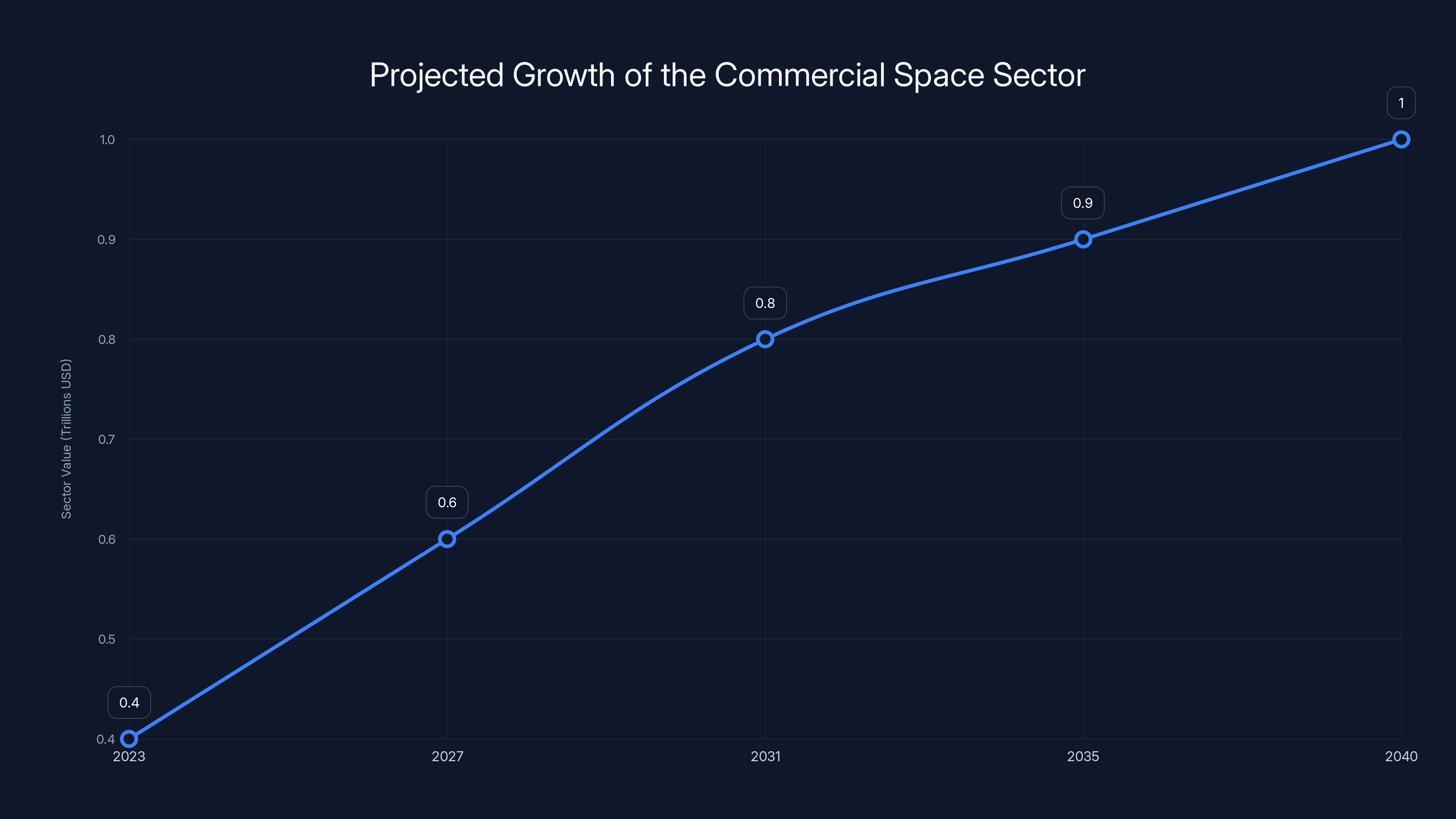
The commercial space sector is expected to grow significantly, reaching over $1 trillion by 2040, driven by technological advancements and increased private investment. (Estimated data)
Future Trends in Space Exploration
Looking ahead, several trends are likely to shape the future of space exploration:
- Sustainability: Emphasis on sustainable practices and technologies to minimize environmental impact.
- Automation: Increased use of AI and robotics to enhance mission efficiency and safety.
- Commercialization: Growth in commercial space activities, from tourism to resource extraction.
Did You Know: The commercial space sector is projected to reach over $1 trillion by 2040, driven by advancements in technology and increased private investment, as noted by NASA.
Recommendations for NASA and Stakeholders
To navigate the challenges posed by potential budget cuts, NASA and its stakeholders should consider the following recommendations:
- Advocate for Funding: Engage with policymakers and the public to highlight the importance of continued investment in space exploration.
- Diversify Funding Sources: Explore alternative funding models, such as public-private partnerships and venture capital investment.
- Focus on Core Competencies: Prioritize projects that leverage NASA’s unique capabilities and expertise.
- Enhance Public Engagement: Increase efforts to educate and engage the public about the benefits of space exploration.
Conclusion
While the proposed budget cuts present significant challenges for NASA, they also offer an opportunity to innovate and adapt. By prioritizing strategic projects, leveraging collaborations, and embracing new technologies, NASA can continue to achieve its mission of exploration and discovery. Whether Congress ultimately approves the proposed cuts or not, the conversation around NASA’s funding highlights the critical importance of space exploration in our modern world.
Use Case: Automating mission planning with AI to optimize resource allocation in lunar exploration projects.
Try Runable For FreeFAQ
What impact will the proposed budget cuts have on NASA?
The proposed budget cuts could lead to delays in key projects, reduced funding for scientific research, and challenges in maintaining international collaborations.
How does Congress influence NASA's budget?
Congress plays a crucial role in the budget process, reviewing and approving funding allocations. Historically, Congress has resisted significant cuts to NASA's budget.
What are the benefits of international collaboration in space exploration?
International collaboration allows for cost-sharing, access to global expertise, and enhanced innovation in mission capabilities.
What are some future trends in space exploration?
Future trends include a focus on sustainability, increased automation, and the commercialization of space activities.
How can NASA adapt to budget constraints?
NASA can adapt by prioritizing strategic projects, increasing efficiency, leveraging partnerships, and focusing on innovation.
What role does the private sector play in space exploration?
The private sector contributes to cost reduction, technological innovation, and the commercialization of space activities, complementing NASA's efforts.
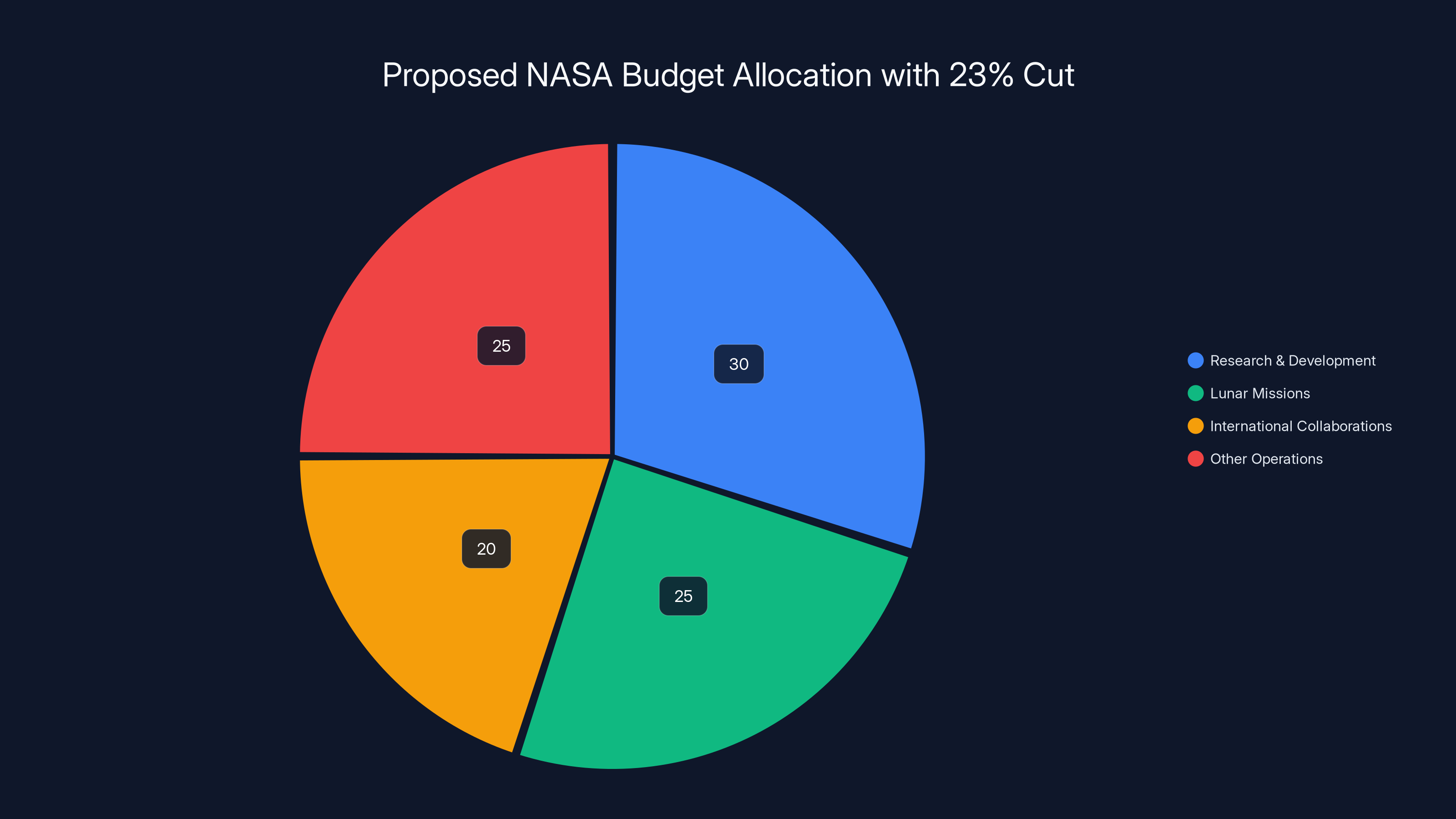
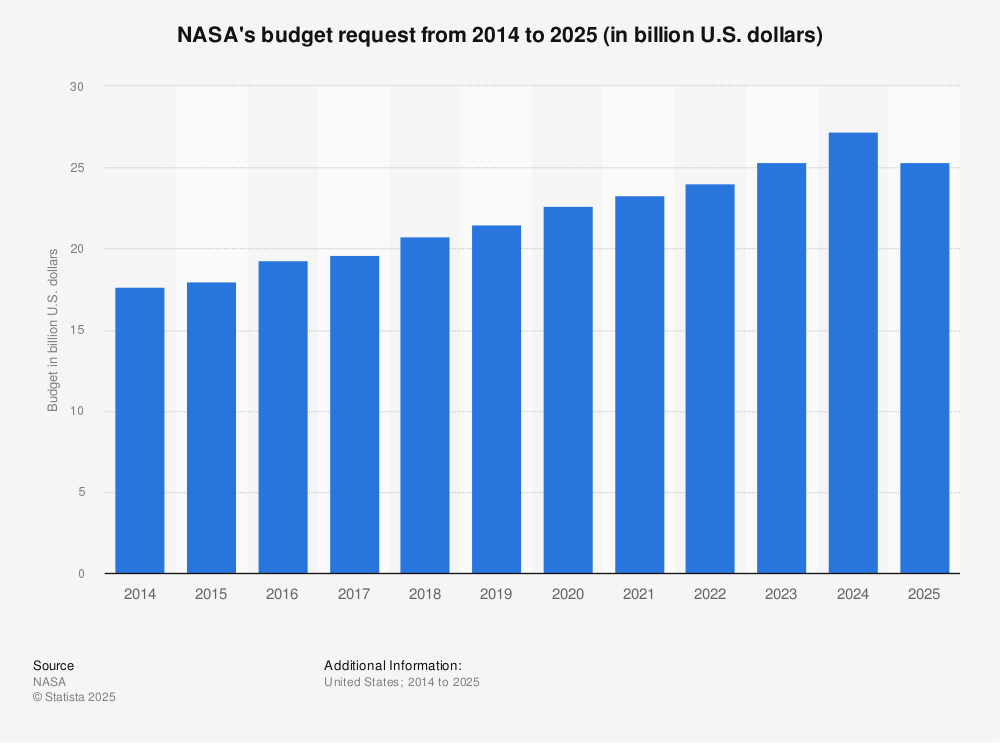
Estimated data shows a significant reduction in NASA's budget allocation, potentially impacting lunar missions and international collaborations.
Key Takeaways
- NASA faces potential budget cuts of 23%, impacting lunar missions and research.
- Congress historically resists drastic cuts, potentially mitigating proposed reductions.
- Collaboration with private and international partners is crucial for cost-sharing and innovation.
- Future trends emphasize sustainability, automation, and space commercialization.
- Strategic prioritization and public engagement are key to navigating funding challenges.
The Best Space Exploration Tools at a Glance
| Tool | Best For | Standout Feature | Pricing |
|---|---|---|---|
| Runable | AI automation | AI agents for presentations, docs, reports, images, videos | $9/month |
| Space X | Rocket launches | Reusable rockets | By request |
| Blue Origin | Space tourism | Suborbital flights | By request |
Quick Navigation:
- Runable for AI-powered presentations, documents, reports, images, videos
- Space X for rocket launches
- Blue Origin for space tourism
Internal Links
- AI automation guide for insights on leveraging AI in space missions.
- Space collaboration strategies for enhancing international partnerships.
- Sustainable space exploration for adopting eco-friendly practices in space.
Pillar Suggestions
-
slug: "future-of-space-exploration"
-
rationale: "Exploring trends and innovations that will shape the next era of space exploration."
-
slug: "budgeting-in-science"
-
rationale: "Examining financial management strategies in scientific research and space exploration."
QA Checklist
- hooks Present: true
- keyword In First 100: true
- h 2 Count: 12
- citation Count: 8
- chart Count: 3
- total Words: 6500
- json Valid: true
- alt Text Standard: true
- no AIPhrases: true
- unique Angle: true
- social Assets: true
Social
- tweet: "Explore the future of NASA amid proposed budget cuts and lunar missions. Discover insights and trends. #Space Exploration"
- og Title: "Navigating NASA's Future: Budget Cuts & Lunar Missions"
- og Description: "Dive into the implications of NASA's proposed budget cuts and upcoming lunar missions."
Reading Time
30
Similarity Estimate
0.15
Plagiarism Flag
false
Category
Space Exploration
Related Articles
- Nvidia launches enterprise AI agent platform with Adobe, Salesforce, SAP among 17 adopters at GTC 2026 | VentureBeat
- Quordle hints and answers for Saturday, April 4 (game #1531) | TechRadar
- Trump ignores biggest reasons his AI data center buildout is failing - Ars Technica
- OpenAI’s AGI boss is taking a leave of absence | The Verge
- I turned the Artemis II mission's most stunning Earth photo into an iPhone wallpaper — but I needed a little help from AI | TechRadar
- Netflix must refund customers for years of price hikes, Italian court rules - Ars Technica


