
![Navigating Google's AI Search: Challenges and Future [2025]](https://tryrunable.com/blog/navigating-google-s-ai-search-challenges-and-future-2025/image-1-1779468019966.png)
Navigating Google's AI Search: Challenges and Future [2025]
Last month, a tech-savvy friend of mine reached out, frustrated with her Google search results. She was searching for information on a specific programming framework, and yet, despite her precise query, Google provided results that were both irrelevant and outdated. This isn't an isolated incident; many users have reported that Google's AI-powered search often overlooks the very information they're seeking.
TL; DR
- Google's AI search can sometimes overlook specific, user-intended information, leading to irrelevant results.
- Current AI limitations impact search accuracy, often prioritizing popular or recent data over precise matches.
- Users can employ strategies to improve search results, such as using advanced search operators and alternative search engines.
- Future advancements in AI, like context understanding and personalization, hold promise for more accurate searches.
- Developers have opportunities to create tools that assist in refining search queries and results.
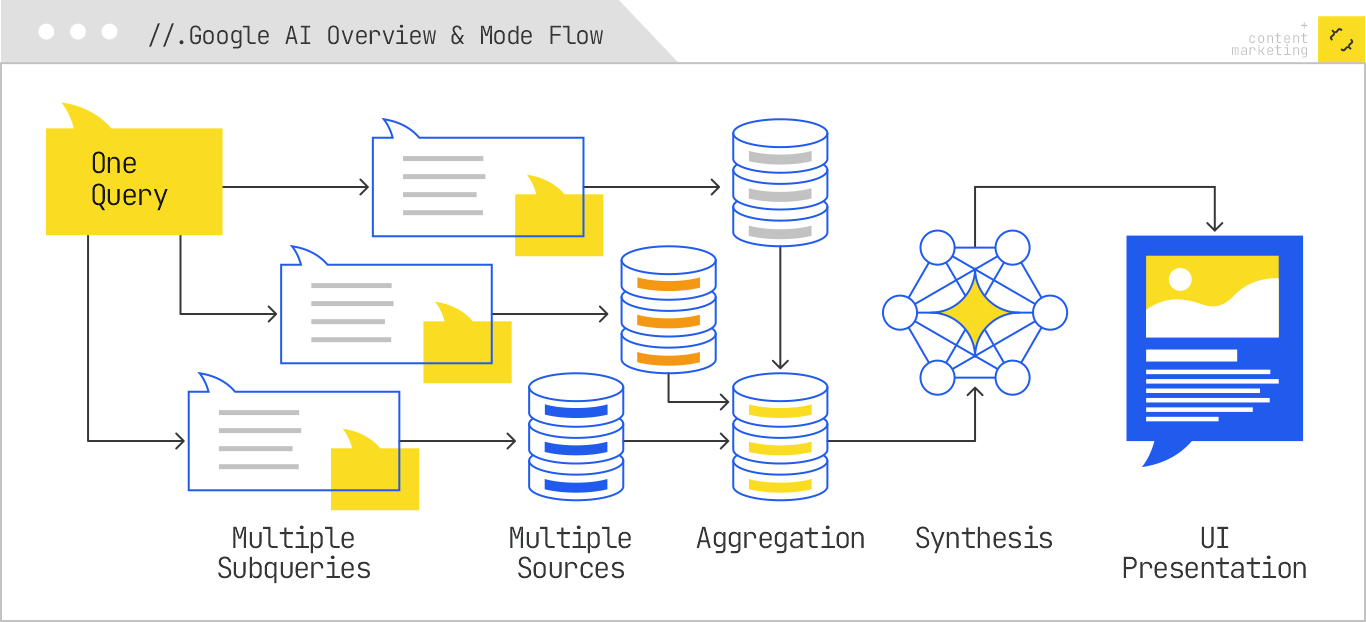
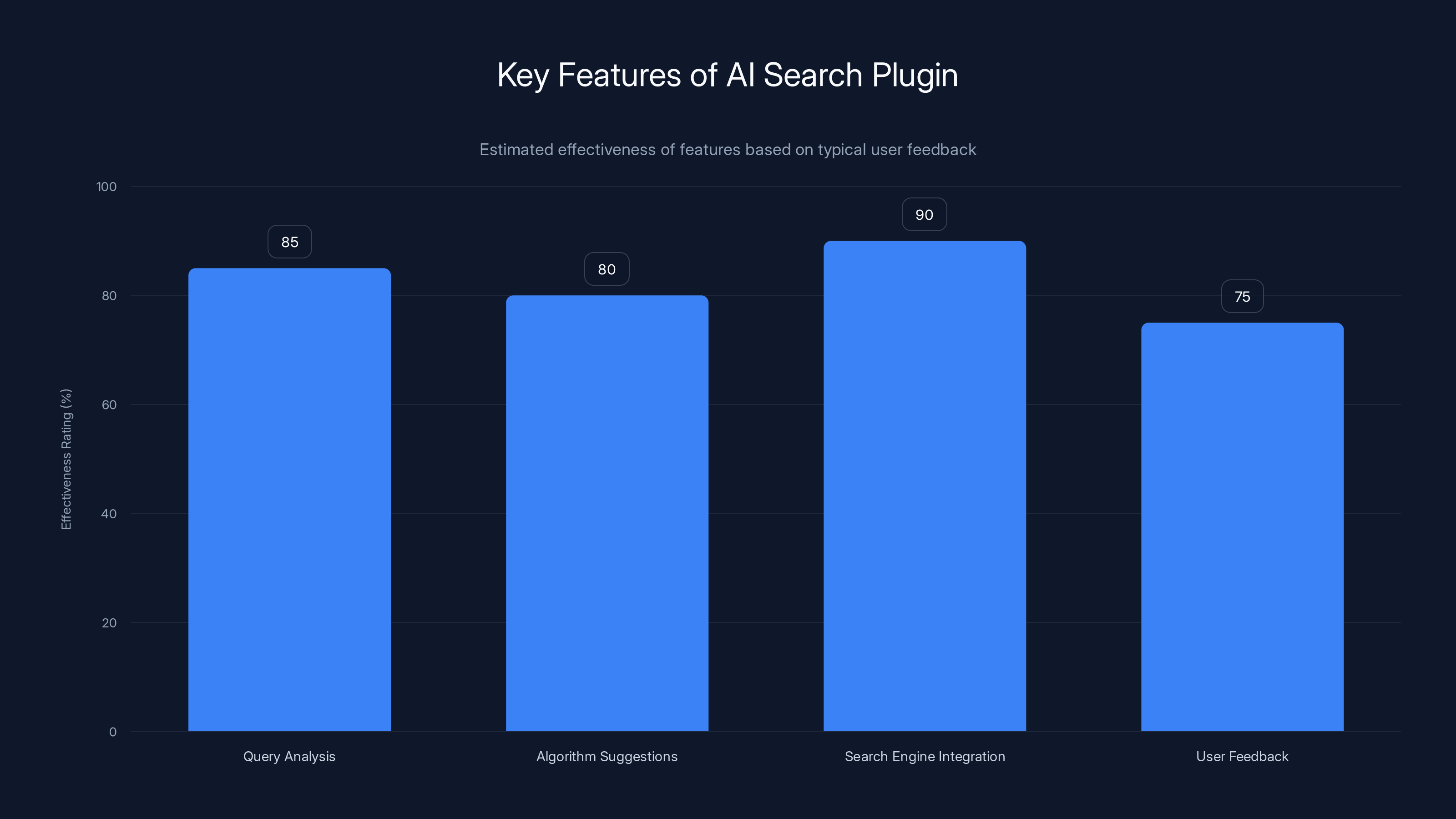
The AI search plugin's integration with search engines is rated highest in effectiveness, followed by query analysis and algorithm suggestions. Estimated data based on typical user feedback.
The Current State of Google's AI Search
Google's AI search is powered by a complex system of algorithms designed to understand and interpret user queries. The goal is to deliver results that are not only relevant but also timely and authoritative. However, the reliance on AI introduces certain challenges.
How AI Impacts Search Results
AI search algorithms prioritize certain factors when determining search results. These include:
- Relevance: How closely a webpage matches the search query.
- Authority: The credibility of the source.
- Freshness: The publication date, with newer content often favored.
- User Engagement: How users interact with content, such as click-through rates.
While these factors generally improve search results, they can sometimes lead to unintended consequences, as noted in recent studies.
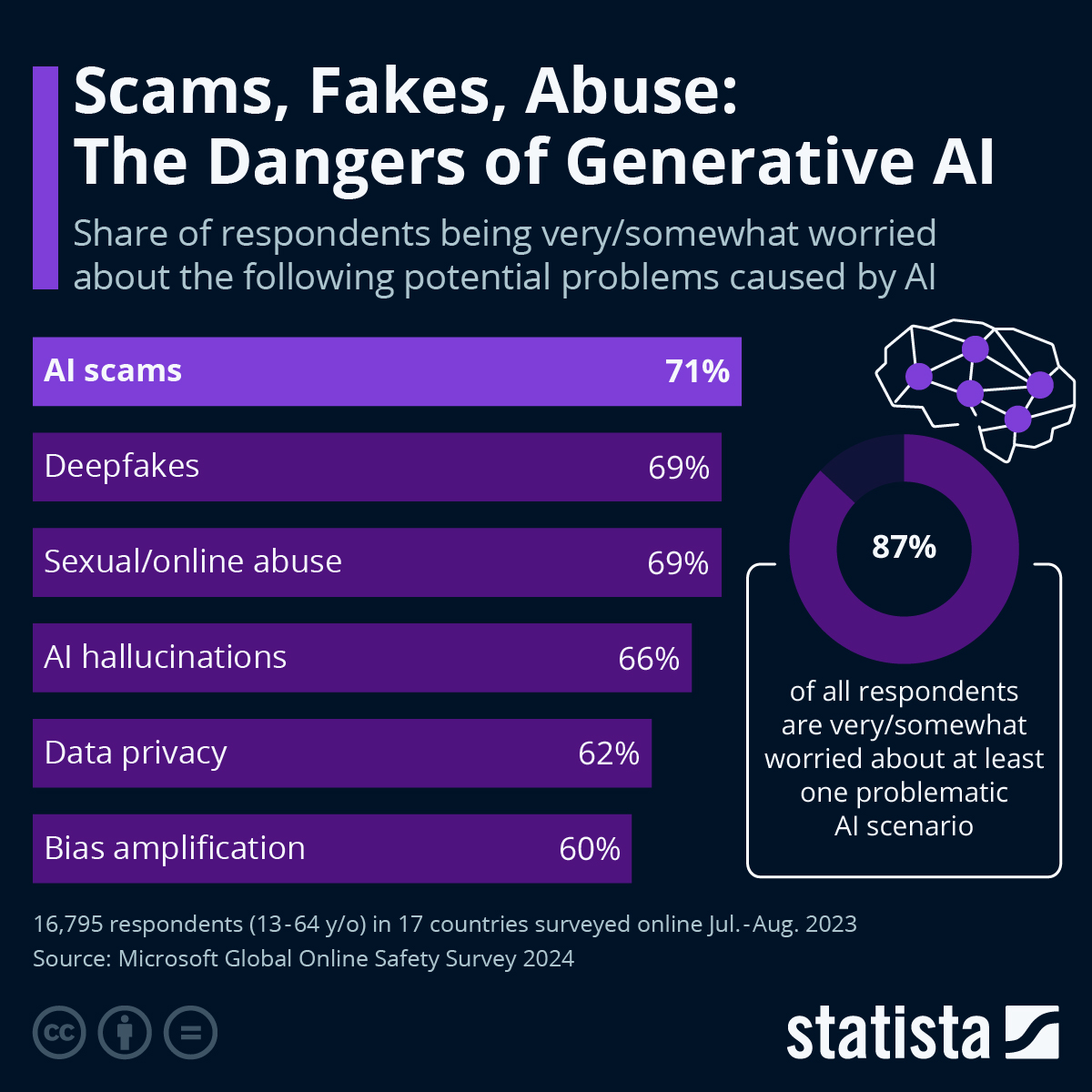
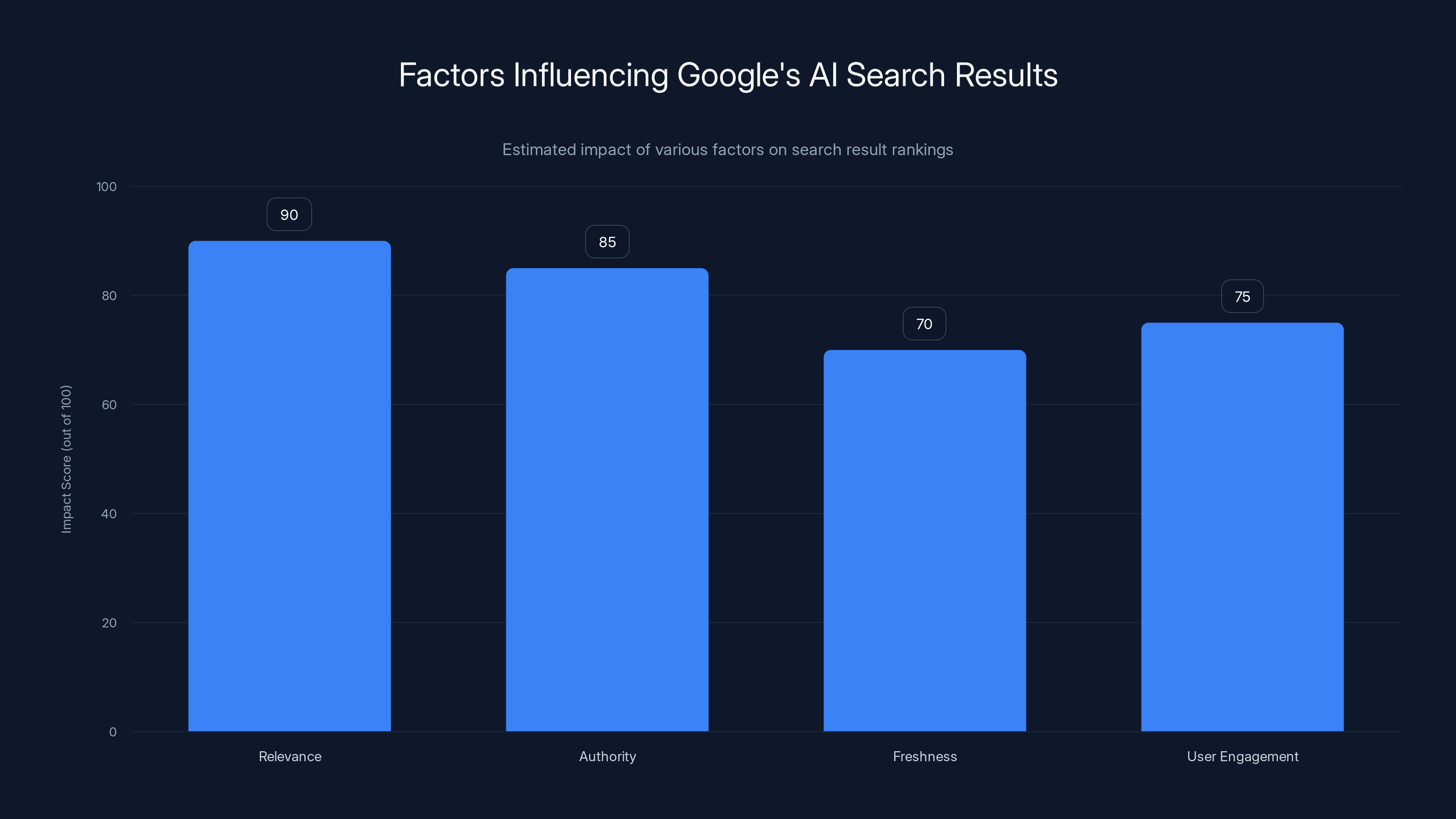
Relevance and authority are estimated to have the highest impact on Google's AI search results, followed by user engagement and freshness. Estimated data.
Common Pitfalls of AI Search
Overemphasis on Popularity
One major issue with AI search is the tendency to prioritize popular results over niche or specific information. For instance, a search for a niche programming issue might yield results filled with popular but unrelated articles.
Context Misinterpretation
AI algorithms occasionally misunderstand the context of a query. A search for "Python class" might return results about animal classifications instead of programming unless specified otherwise.
Limited Understanding of Nuance
AI struggles with understanding nuance or ambiguity in language. Queries with multiple meanings or those requiring contextual understanding can yield mixed results.

Improving Your Search Experience
Despite these challenges, there are several ways to improve your search results using Google's AI-powered system.
Advanced Search Operators
Google offers a range of advanced search operators that can help refine search results. Some useful operators include:
- Quotation Marks: Use " " to search for exact phrases.
- Minus Sign: Use - to exclude terms (e.g.,
python -snake). - Site Search: Use
site:to limit results to a specific website (e.g.,site: github.com).
Alternative Search Engines
Sometimes, it's worth exploring alternative search engines that might handle queries differently. Options include:
- Duck Duck Go: Known for privacy and offering unbiased search results.
- Bing: Provides competitive search results with different ranking factors.
Utilizing Forums and Communities
For niche topics, forums like Reddit or Stack Overflow can provide valuable insights and answers from real users.
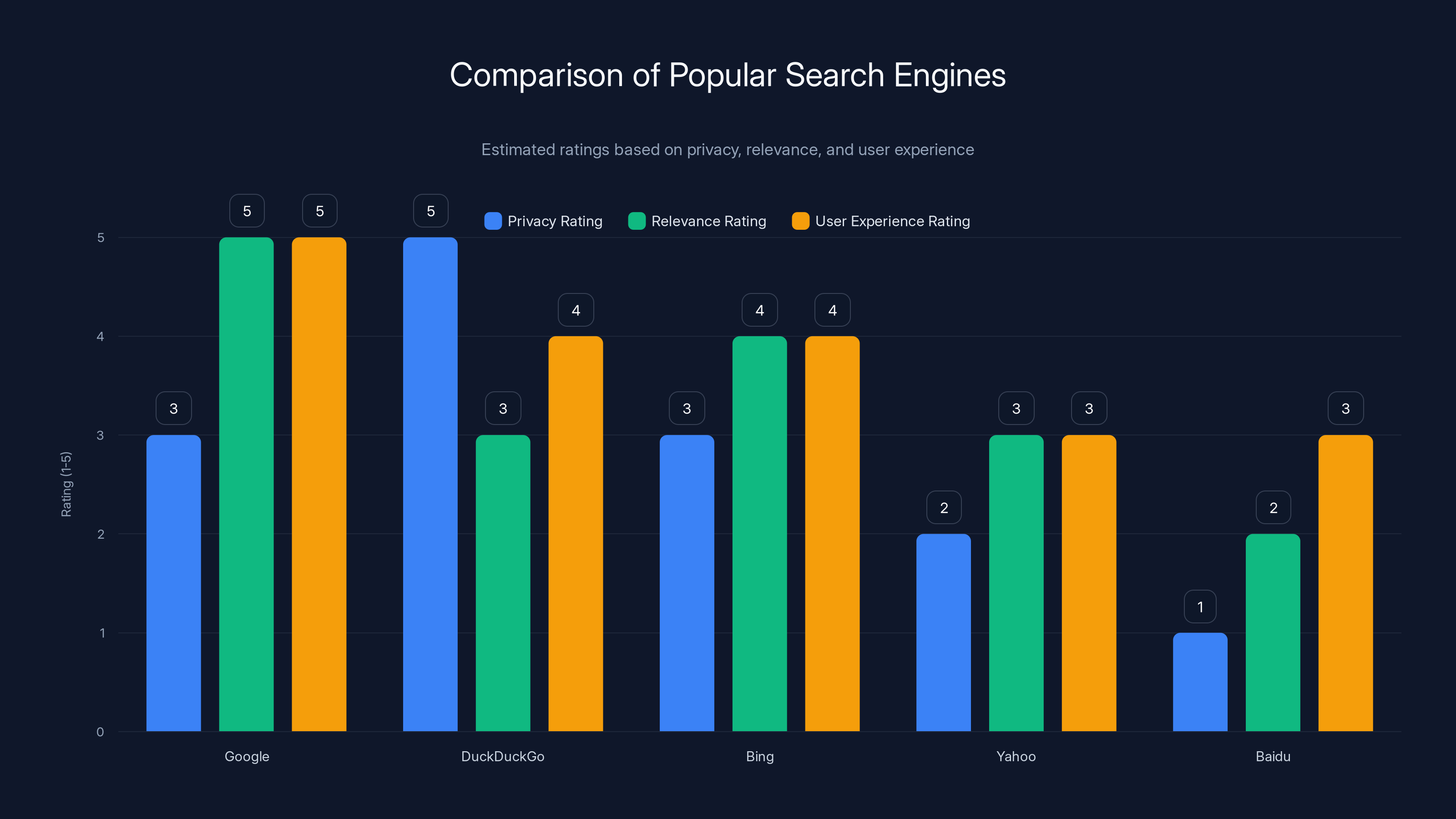
This chart compares popular search engines based on privacy, relevance, and user experience. Google leads in relevance and user experience, while DuckDuckGo excels in privacy. (Estimated data)
Future Trends in AI Search
The future of AI search looks promising, with several advancements on the horizon.
Contextual Understanding
AI is evolving to better understand context. This includes interpreting the intent behind queries and distinguishing between multiple meanings of a word, as highlighted in recent experiments.
Personalized Search Results
Personalization is becoming a key focus, with AI tailoring search results based on a user's search history and preferences.
Enhanced Natural Language Processing
Improvements in natural language processing (NLP) will allow AI to better understand and respond to complex queries.

Developers' Role in Enhancing AI Search
Developers have a unique opportunity to create tools that enhance AI search capabilities. This includes developing plugins or applications that:
- Refine Search Queries: Tools that suggest more precise search terms based on initial queries.
- Filter Irrelevant Results: Algorithms that help filter out unwanted results.
- Provide Contextual Suggestions: Apps that offer context-based recommendations.
Case Study: Improving AI Search with Plugins
Consider a developer who created a browser plugin designed to enhance AI search functionality. The plugin analyzes a user's query and suggests modifications to narrow down results. It also integrates with multiple search engines, allowing users to compare results side by side.
Implementation Steps:
- Analyze User Queries: Use machine learning to understand common query patterns and issues.
- Develop Algorithms: Create algorithms that suggest query modifications or alternative search terms.
- Integrate with Search Engines: Allow users to toggle between different search engines for comparison.
- User Testing and Feedback: Continuously improve the plugin based on user feedback and testing.

Challenges and Solutions
Challenge: Data Privacy Concerns
Users may be concerned about sharing their search data with third-party plugins.
Solution:
Implement robust privacy measures, ensuring data is anonymized and not stored beyond necessary use.
Challenge: Adapting to AI Updates
AI search algorithms are constantly evolving, which can impact the effectiveness of plugins.
Solution:
Maintain an agile development approach, regularly updating algorithms to align with changes in AI technology.
Recommendations for Users
For users seeking to improve their search experience, consider the following tips:
- Experiment with Different Search Engines: Don't rely solely on Google; explore alternatives.
- Use Advanced Operators: Master Google's advanced search operators to refine queries.
- Leverage Community Knowledge: Use forums and communities to find answers to niche questions.
Conclusion
While Google's AI search offers powerful capabilities, it is not without its challenges. Understanding the limitations of AI and employing strategies to refine search queries can significantly improve user experience. As AI technology advances, we can expect more personalized and contextually aware search results, ultimately transforming how we access information.
FAQ
What is Google's AI search?
Google's AI search utilizes artificial intelligence algorithms to process and deliver search results based on relevance, authority, freshness, and user engagement.
How does AI impact search results?
AI impacts search results by prioritizing factors like relevance and popularity, which can sometimes lead to unintended consequences such as overlooking specific or niche information.
What are advanced search operators?
Advanced search operators are special commands that help refine search results, such as using quotation marks for exact phrases or the minus sign to exclude specific terms.
What are some alternative search engines to Google?
Alternative search engines include Duck Duck Go, which offers privacy-focused searches, and Bing, known for its different ranking factors and competitive results.
How can developers enhance AI search?
Developers can enhance AI search by creating tools that refine search queries, filter irrelevant results, and provide contextual suggestions, improving overall search accuracy.
What future trends are expected in AI search?
Future trends in AI search include improvements in contextual understanding, personalized search results, and enhanced natural language processing, leading to more accurate and relevant search outcomes.
Key Takeaways
- Google AI search sometimes overlooks specific queries, prioritizing popularity over precision.
- Using advanced search operators can significantly refine search results.
- Alternative search engines like DuckDuckGo offer privacy-focused searches with unbiased results.
- Future AI advancements promise more personalized and contextually aware search results.
- Developers have opportunities to create tools that enhance AI search accuracy.
Related Articles
- Forget “Would You Hire Them Again.” The Real Test Now Is Whether You’d Replace Them With an AI Agent [2025]
- Navigating the AI Waters: Balancing Innovation and Integrity in Content Creation [2025]
- How Zendesk's AI Agents Transform Customer Service with ChatGPT and Gemini [2025]
- Spotify Studio's AI Agent: Revolutionizing Personalized Podcasts [2025]
- How the New AI Meter is Shaping Gemini Image Generation [2025]
- Google’s AI Agent Ecosystem: A Deep Dive Into Its Potential and Pitfalls [2025]


