
![Microsoft and Yobi: A New Era in AI-Driven Consumer Insight [2025]](https://tryrunable.com/blog/microsoft-and-yobi-a-new-era-in-ai-driven-consumer-insight-2/image-1-1775590502325.jpg)
Microsoft and Yobi: A New Era in AI-Driven Consumer Insight [2025]
Last week, Microsoft announced a groundbreaking collaboration with Yobi, a pioneering startup, to deploy a colossal 700 billion parameter AI model designed to track consumer behavior. This partnership marks a significant milestone in the realm of AI-driven insights, leveraging vast datasets to predict consumer actions across various real-world interactions. According to TechRadar, this model is expected to revolutionize consumer behavior analysis by providing enhanced marketing strategies and personalized consumer experiences.
TL; DR
- Massive AI Model: A 700 billion parameter model to revolutionize consumer behavior analysis.
- Microsoft & Yobi Partnership: Joint efforts to leverage vast behavioral datasets.
- Real-World Applications: Enhanced marketing strategies, personalized consumer experiences.
- Data Privacy Focus: Commitment to consent and transparency in data usage.
- Future Implications: Potential shifts in marketing dynamics globally.

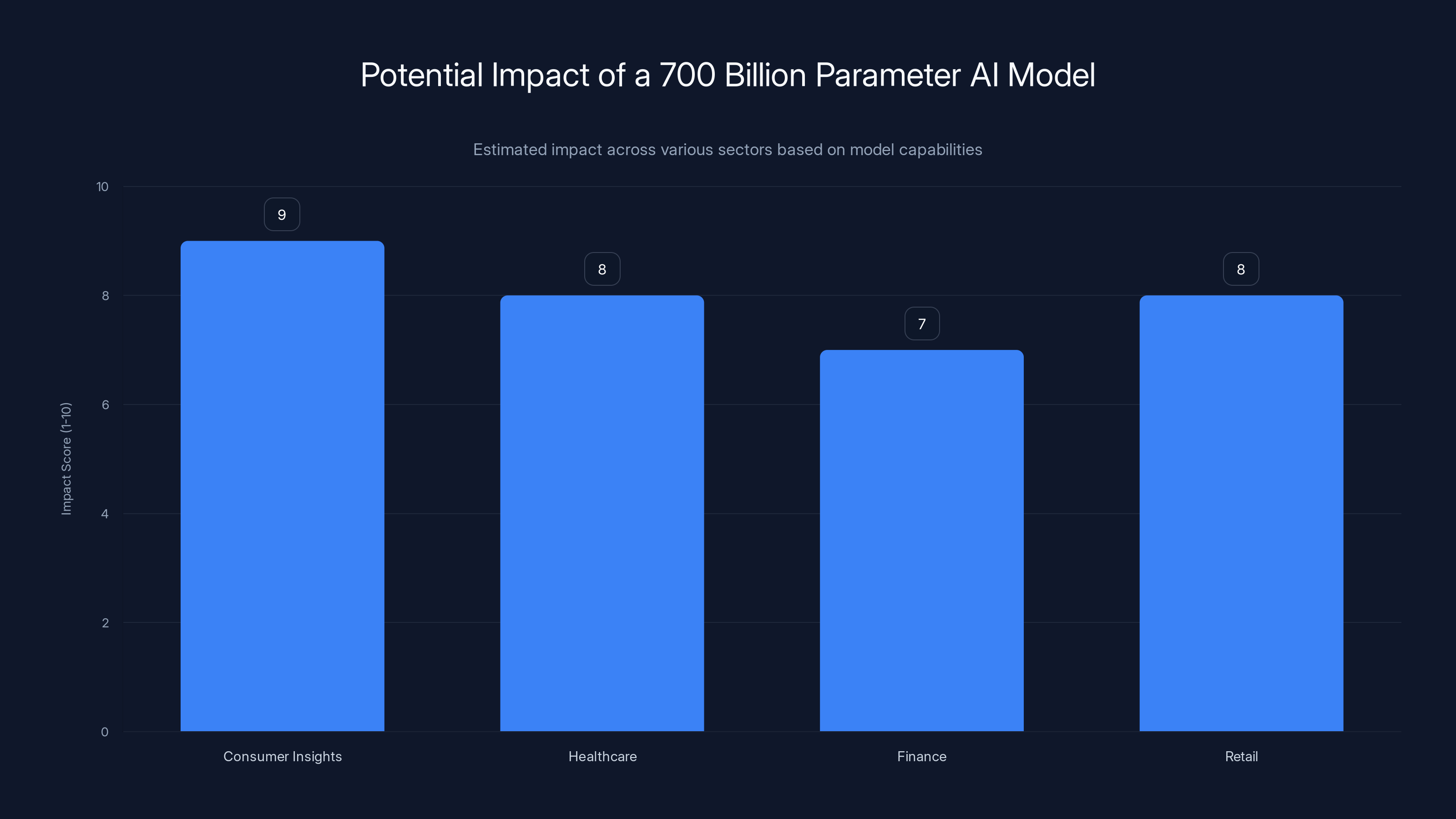
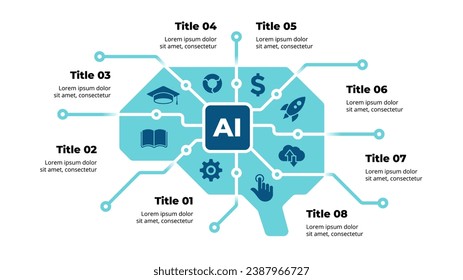
The 700 billion parameter AI model is expected to have a significant impact across various sectors, with the highest potential in consumer insights. (Estimated data)
The Significance of a 700 Billion Parameter Model
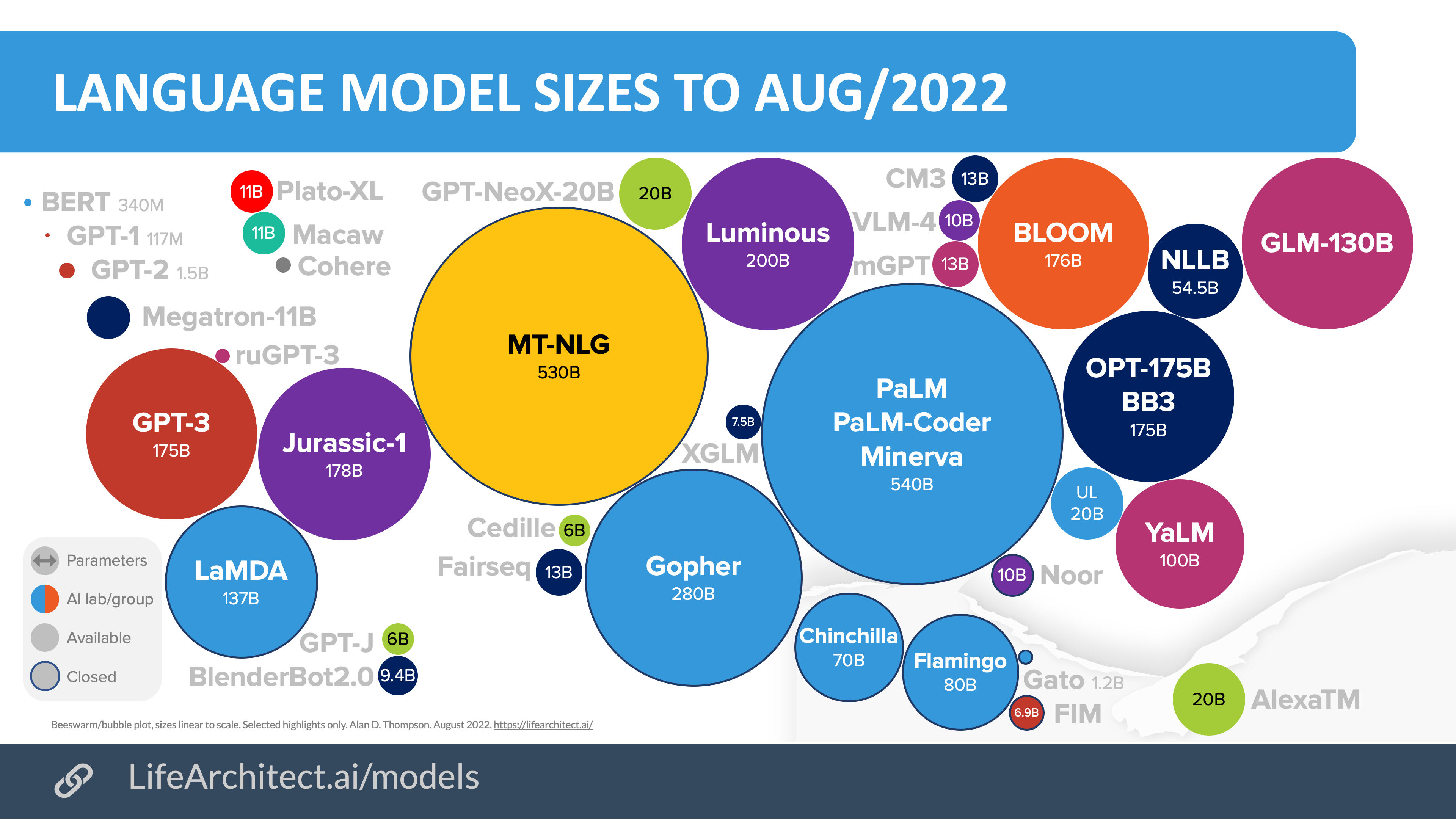
To appreciate the magnitude of this AI model, let's start with the basics. In AI, parameters are akin to the neurons in a human brain. They play a crucial role in how a model learns and processes information. With 700 billion parameters, this model is not just big—it's monumental. Such a scale allows the AI to handle a complexity previously unattainable, offering insights that are more nuanced and precise.
Why Size Matters
A larger model means better generalization. It can understand and predict consumer behavior with higher accuracy by learning from a more extensive dataset. This is crucial for applications where understanding subtle trends and patterns can lead to significant business advantages.
- Enhanced Precision: Larger models can capture intricate patterns in data, leading to more accurate predictions.
- Broader Scope: The ability to process vast amounts of information enables the model to consider diverse variables and scenarios.
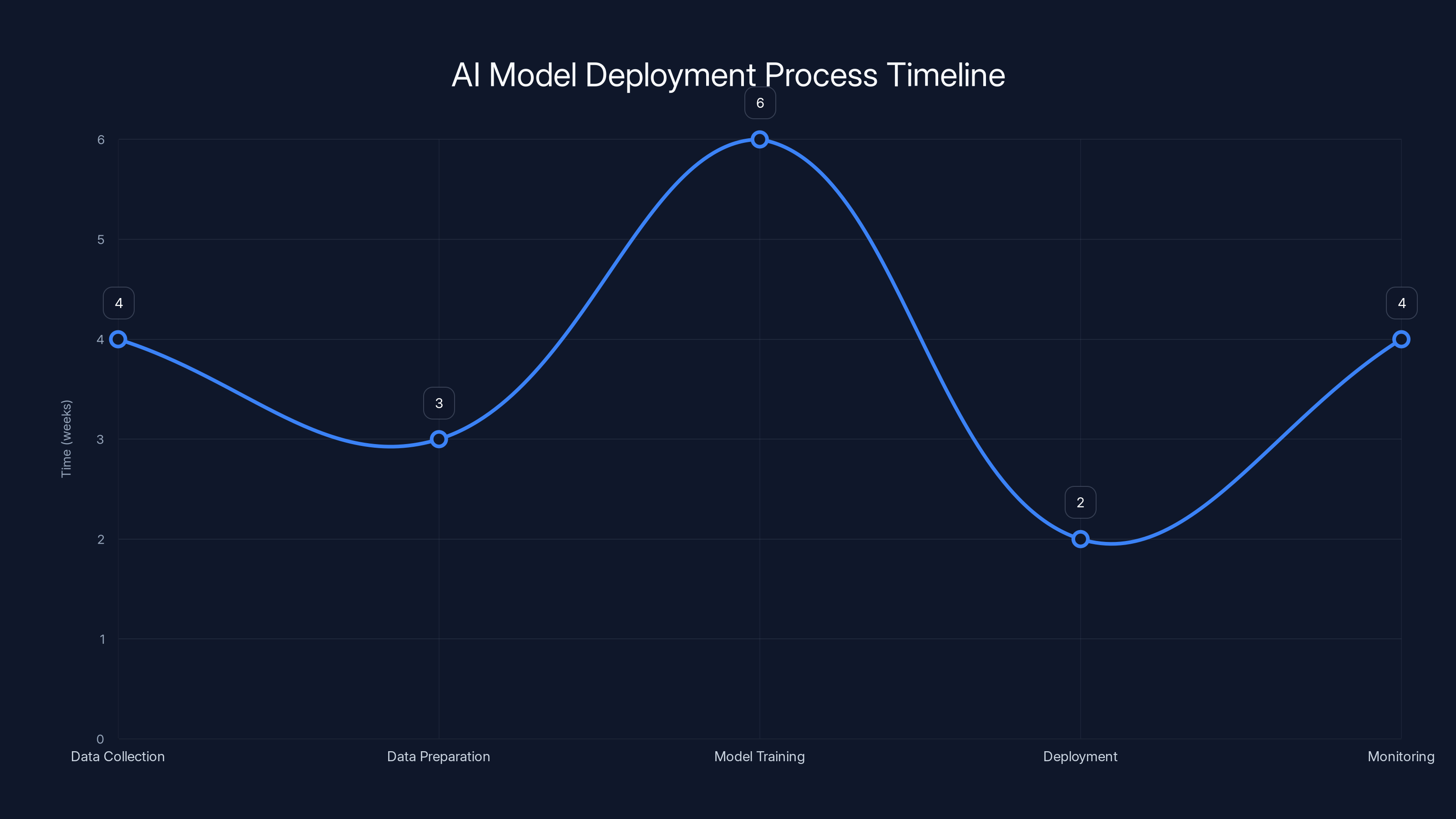
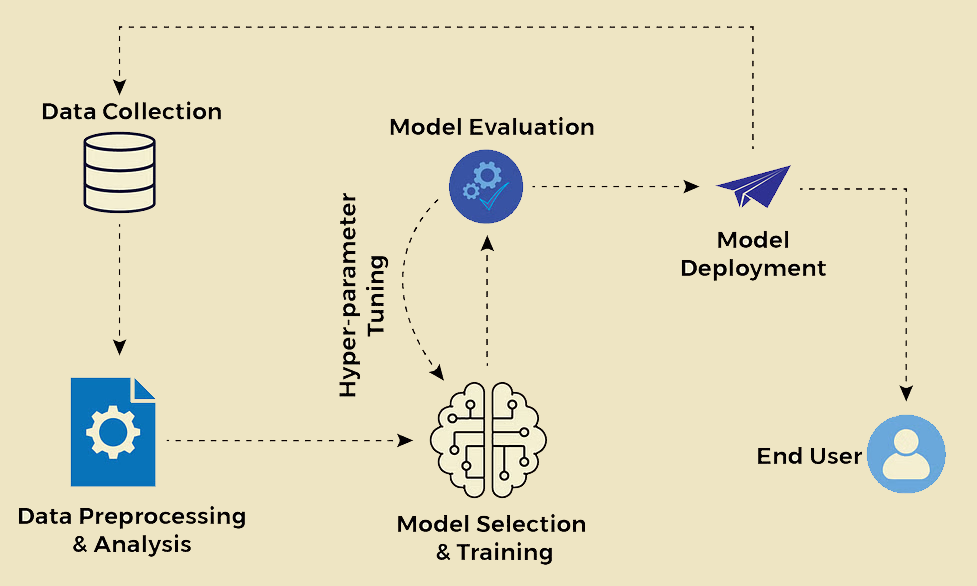
The deployment of an AI model typically involves several stages, with model training being the most time-intensive step. Estimated data.
Microsoft and Yobi: A Symbiotic Partnership
Microsoft, a titan in technology, has partnered with Yobi, a relatively unknown startup, for this ambitious project. Yobi brings to the table one of the largest consented behavioral datasets in the United States, which is crucial for training the model effectively. As reported by Appinventiv, the use of such extensive datasets is essential for creating AI models that can predict consumer actions with high accuracy.
The Role of Yobi
Yobi specializes in aggregating and analyzing behavioral data with a strong emphasis on consent and transparency. Their data is collected from various sources, including online interactions, purchase histories, and even real-world activities, all with user permission.
- Data Sources: Online interactions, purchase histories, real-world activities.
- Emphasis on Consent: All data is collected with explicit user permission, ensuring privacy and compliance with regulations like GDPR.
Practical Applications of the AI Model
This AI model's potential applications are vast, ranging from e-commerce to personalized marketing strategies. Here are a few practical scenarios:
1. Tailored Marketing Campaigns
Imagine a world where every advertisement you see feels like it was made just for you. With this AI model, marketers can craft highly personalized campaigns that cater to individual preferences and past behaviors.
- Personalization: Ads are tailored based on a user's specific interests and past purchases.
- Improved ROI: By targeting the right audience with the right message, businesses can significantly enhance their return on investment.
2. Enhanced Customer Service
Customer service can be vastly improved by predicting customer needs and issues before they arise. This model can analyze past interactions and predict potential problems, allowing businesses to proactively address customer concerns.
- Predictive Analysis: Anticipate customer needs and potential issues.
- Proactive Solutions: Offer solutions before customers even realize they have a problem.
3. Real-Time Consumer Insights
For retailers, understanding consumer behavior in real-time can lead to better inventory management and sales strategies. This AI model can monitor shopping trends and predict upcoming demands, allowing businesses to adjust their strategies accordingly.
- Trend Analysis: Monitor and predict shopping trends in real-time.
- Inventory Management: Optimize stock levels based on predictive insights.
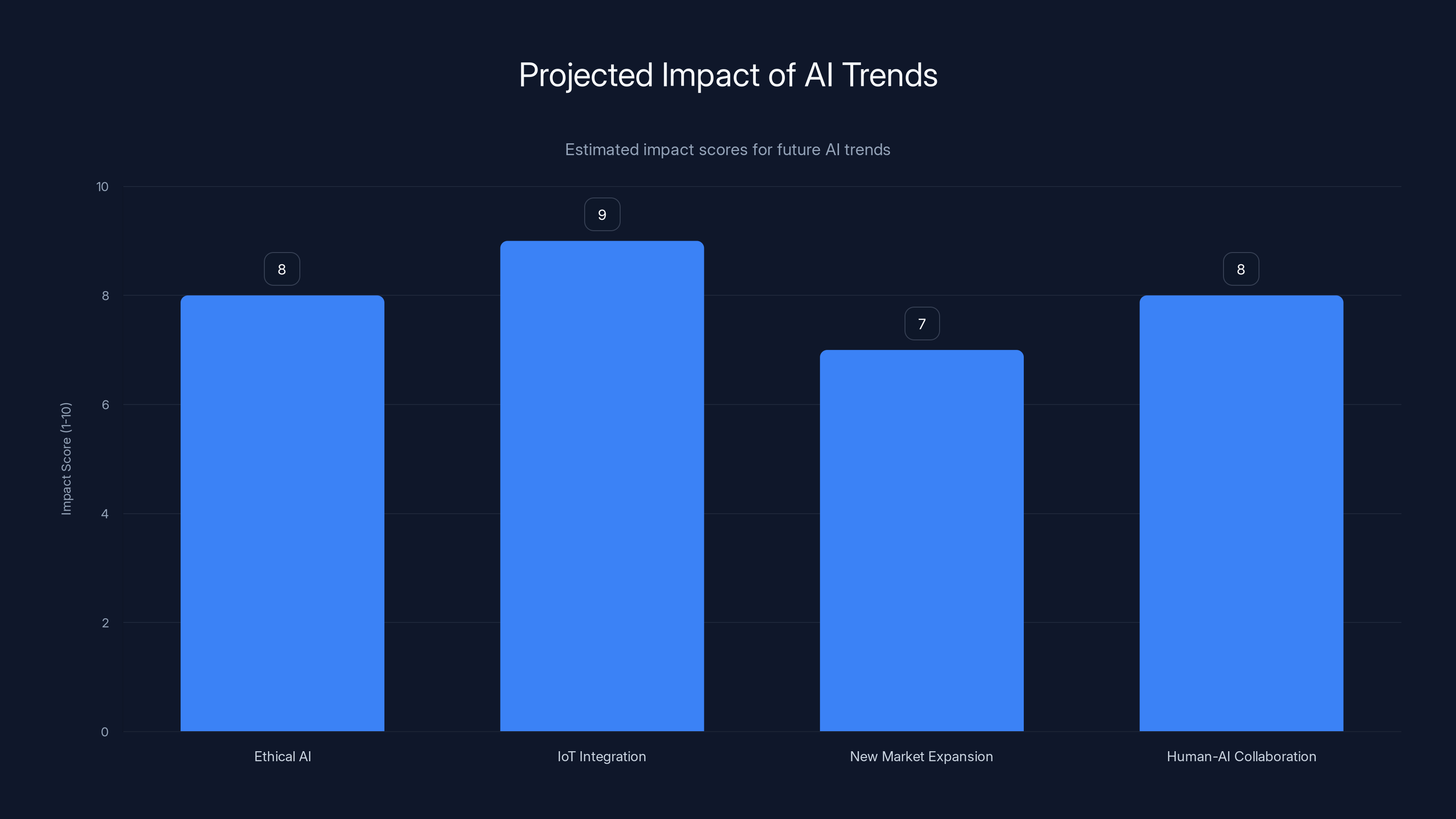
Estimated data suggests IoT integration will have the highest impact, followed closely by ethical AI and human-AI collaboration.
Implementation Guide: Deploying the AI Model
Deploying such a large-scale AI model requires careful planning and execution. Below are the steps and considerations for a successful implementation:
Step 1: Data Collection and Preparation
The first step in deploying the model is collecting and preparing data. This involves gathering data from various sources and ensuring it is clean and structured for the model to process.
- Data Sources: Identify and gather data from online and offline interactions.
- Data Cleaning: Ensure data is free of errors and inconsistencies.
- Data Structuring: Organize data into a format suitable for analysis.
Step 2: Model Training
Training the model involves feeding it with vast amounts of data to help it learn patterns and make accurate predictions.
- Parameter Tuning: Adjust model parameters for optimal performance.
- Validation: Use a subset of data to validate the model's accuracy.
- Iteration: Continuously refine the model based on validation results.
Step 3: Deployment and Monitoring
Once the model is trained, it needs to be deployed in a live environment where it can continuously analyze data and provide insights.
- Deployment: Integrate the model into existing systems for real-time analysis.
- Monitoring: Continuously monitor the model's performance and accuracy.
- Feedback Loop: Use feedback to refine and improve the model over time.
Common Pitfalls and Solutions
Implementing a large-scale AI model is not without its challenges. Here are some common pitfalls and how to address them:
Data Privacy Concerns
With data being at the core of AI models, privacy is a significant concern. Ensuring compliance with data protection regulations is crucial.
- Solution: Implement robust data governance policies and ensure all data is collected with explicit consent.
Model Bias
Bias in AI models can lead to inaccurate predictions and unfair treatment of certain groups.
- Solution: Regularly audit the model for bias and implement corrective measures to ensure fairness.
Scalability Issues
As the model grows in complexity, scalability can become an issue, impacting performance.
- Solution: Use scalable cloud-based infrastructure to ensure the model can handle increasing amounts of data.
Future Trends and Recommendations
The deployment of such a massive AI model is just the beginning. Here are some future trends and recommendations:
1. Increased Emphasis on Ethical AI
As AI becomes more integrated into daily life, there will be an increased focus on ethical AI practices, ensuring models are fair and unbiased. According to USC News, ethical considerations are becoming increasingly important in AI research and development.
2. Integration with IoT Devices
The Internet of Things (IoT) presents a vast opportunity for AI models to collect and analyze real-world data, providing even deeper insights into consumer behavior.
3. Expansion into New Markets
As AI models become more sophisticated, they will expand into new markets, offering insights into areas such as healthcare and finance. The NVIDIA Newsroom highlights how AI is being integrated into various industries, including robotics and healthcare.
4. Enhanced Human-AI Collaboration
Future AI models will likely focus on enhancing collaboration between humans and AI, allowing businesses to leverage AI insights while maintaining a human touch.
Conclusion
The partnership between Microsoft and Yobi represents a significant step forward in AI-driven consumer insights. By deploying a 700 billion parameter model, they are paving the way for more personalized and effective marketing strategies. As this technology continues to evolve, businesses that embrace these insights will be better positioned to meet the needs of their customers and stay ahead in an increasingly competitive market.
FAQ
What is the significance of a 700 billion parameter AI model?
A 700 billion parameter AI model offers unprecedented capability in understanding and predicting complex consumer behaviors, leading to more accurate and personalized insights.
How does Microsoft benefit from partnering with Yobi?
By collaborating with Yobi, Microsoft gains access to one of the largest consented behavioral datasets, enhancing the model's effectiveness and accuracy.
What are the privacy concerns with such AI models?
Privacy concerns revolve around data collection and usage. Ensuring explicit user consent and adhering to data protection regulations are critical.
How can businesses implement this AI model?
Businesses can implement the model by collecting and preparing data, training the model, and deploying it in a live environment while continuously monitoring performance.
What are the potential future applications of this technology?
Future applications could expand into new markets like healthcare and finance, providing deeper insights into consumer behavior and trends.
Key Takeaways
- Microsoft's partnership with Yobi leverages a massive 700 billion parameter AI model, offering unparalleled insight into consumer behavior.
- The AI model uses extensive datasets to track and predict consumer actions in real-world interactions, enhancing personalization in marketing.
- Yobi contributes one of the largest consented behavioral datasets, emphasizing privacy and transparency in data collection.
- Practical applications include tailored marketing campaigns, real-time consumer insights, and enhanced customer service.
- Future trends point to ethical AI practices, IoT integration, and expansion into new markets like healthcare and finance.
Related Articles
- How Databricks Sells to Diverse Industries Without a Single Vertical Product [2025]
- Artemis II: A New Era of Lunar Exploration and Discoveries [2025]
- Amazon S3 Files: Bridging the Gap Between AI Agents and Object Storage [2025]
- Understanding the SCOTUS Ruling Impact on ISPs and Piracy [2025]
- Apple's Foldable iPhone: A New Era in Smartphone Technology [2025]
- Why NASA Astronauts Chose a Decade-Old DSLR for Iconic Moon and Earth Photos [2025]


