
![Lab-Grown T-Rex Leather: The Future of Phone Cases or Just a Tech Gimmick? [2025]](https://tryrunable.com/blog/lab-grown-t-rex-leather-the-future-of-phone-cases-or-just-a-/image-1-1775149522185.jpg)
Lab-Grown T-Rex Leather: The Future of Phone Cases or Just a Tech Gimmick? [2025]
Imagine this: you're scrolling through your favorite tech site, and you stumble upon the headline, "Your next iPhone case could be made from lab-grown T-Rex leather thanks to ‘world first’ technology." Intriguing, right? But is this the future of phone accessories, or just another tech gimmick?
TL; DR
- Lab-grown leather: Uses cellular agriculture to create sustainable materials, potentially including extinct species. According to Gear Patrol, this innovative approach is gaining traction in various industries.
- T-Rex leather feasibility: Scientifically intriguing but faces ethical and technical challenges.
- Current applications: Focus on more practical uses like cow and alligator leather. Companies like Modern Meadow are already pioneering these applications.
- Future outlook: Promising for sustainable fashion, but T-Rex leather remains speculative.
- Expert opinions: Caution against hype, emphasizing realistic applications like reducing animal farming.
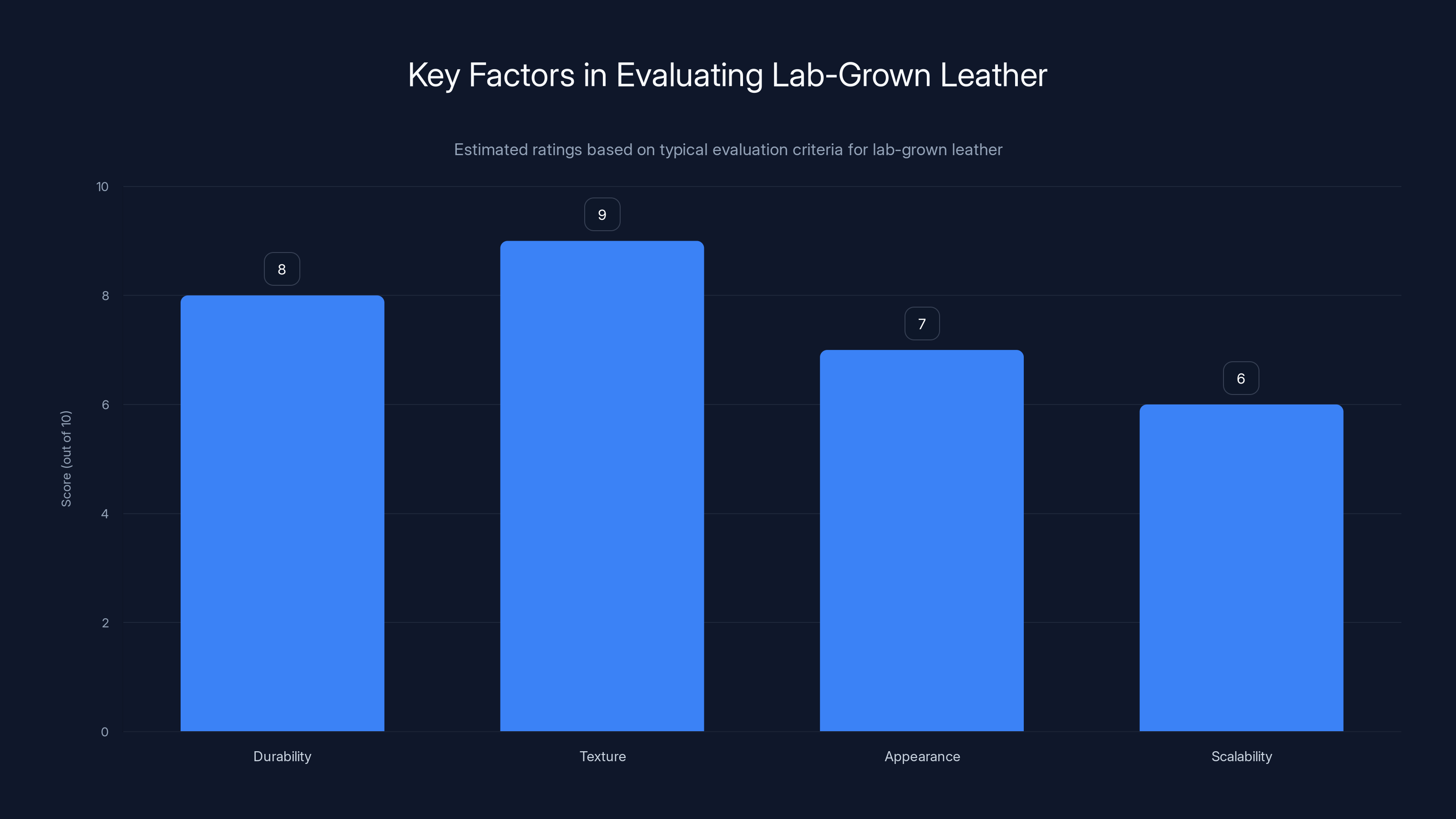
Estimated data suggests that texture is a standout feature of lab-grown leather, while scalability may present more challenges.
Introduction
Last month, the tech world was buzzing with news about lab-grown T-Rex leather potentially being used for iPhone cases. While the idea sounds straight out of a sci-fi novel, it raises a host of questions about feasibility, ethics, and sustainability. In this article, we'll dissect these aspects, delve into the technology behind lab-grown leather, and explore its realistic applications.
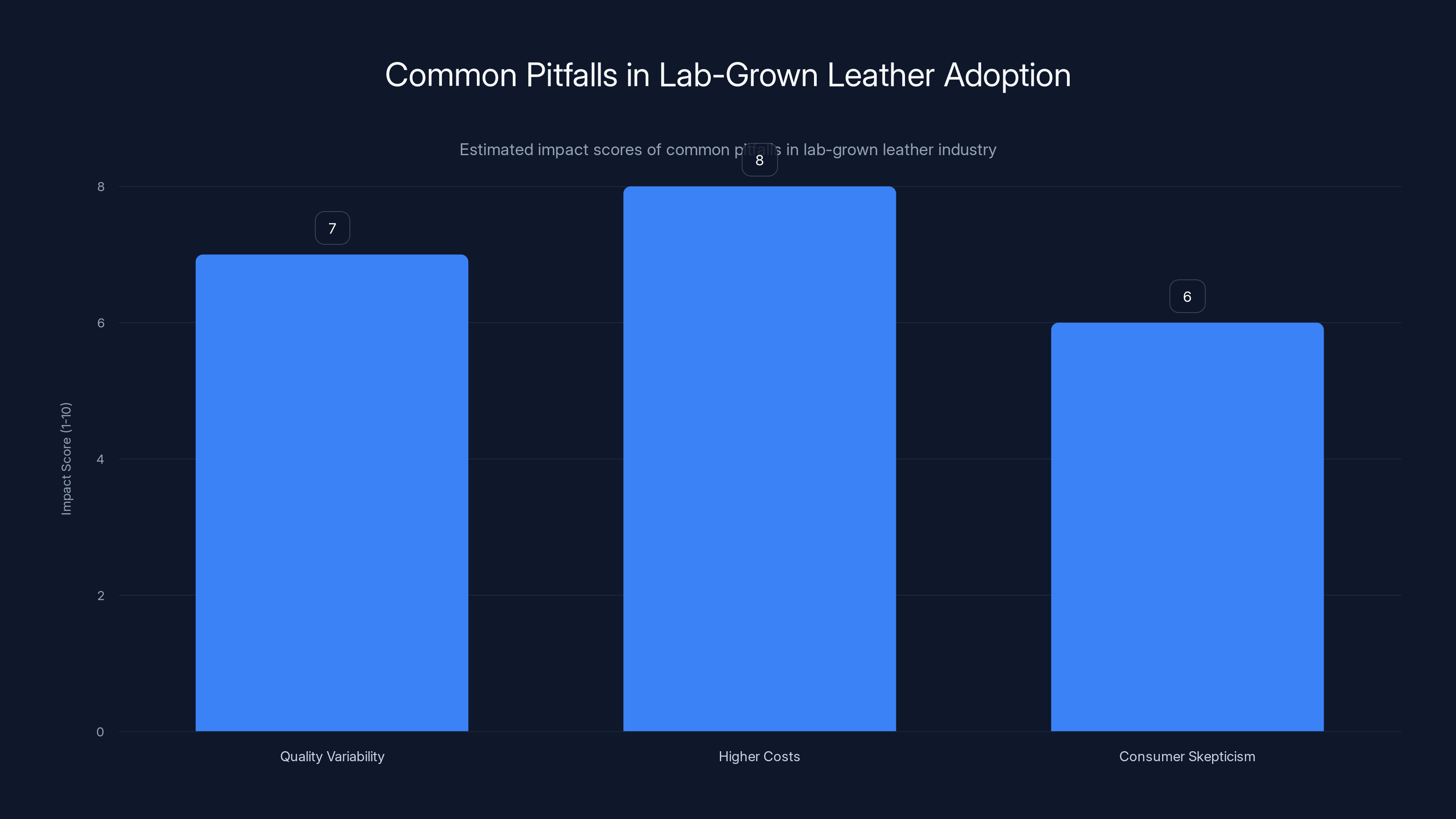
This chart estimates the impact of common pitfalls in lab-grown leather adoption, with higher costs being the most significant challenge. (Estimated data)
What is Lab-Grown Leather?
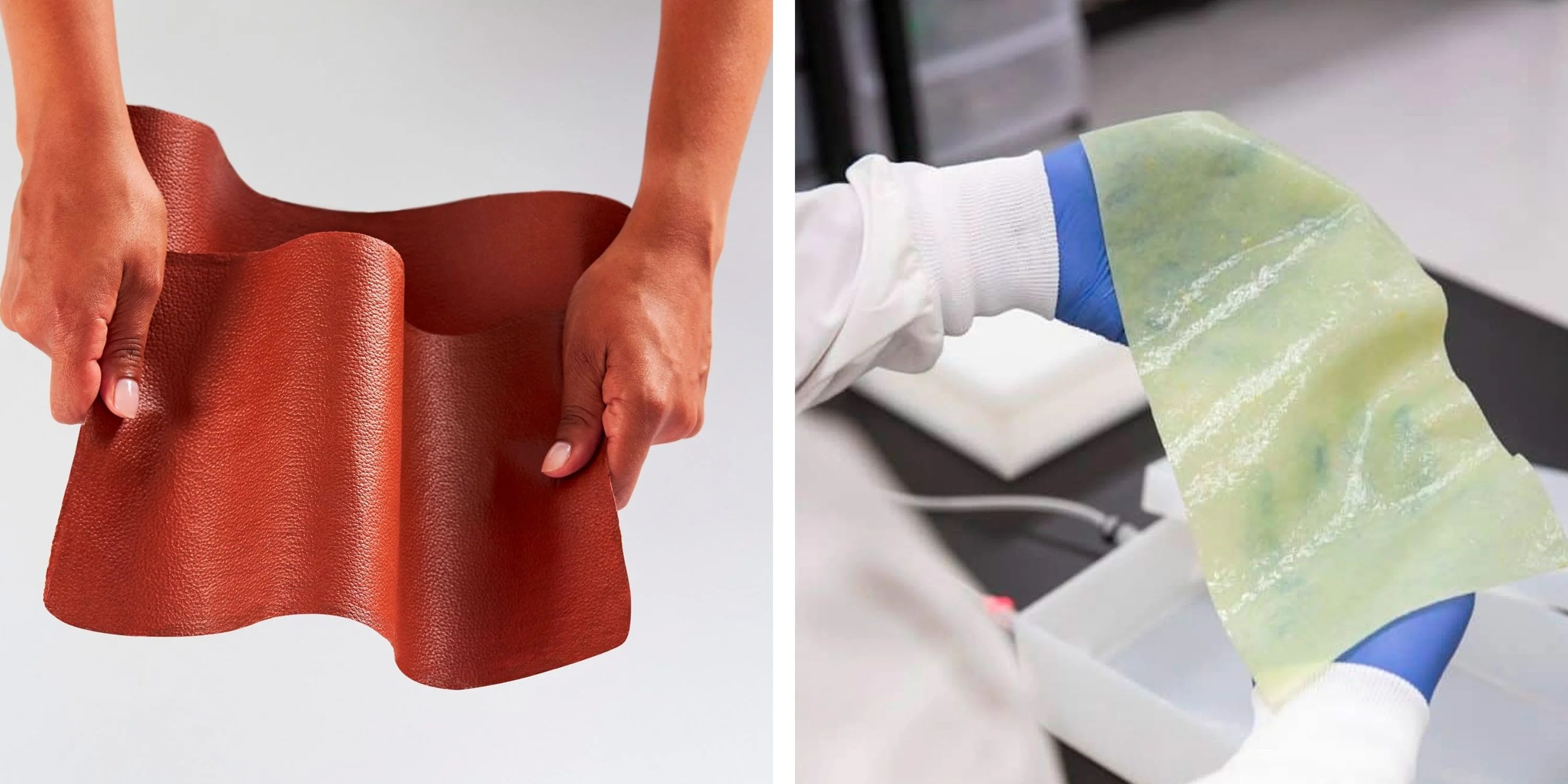
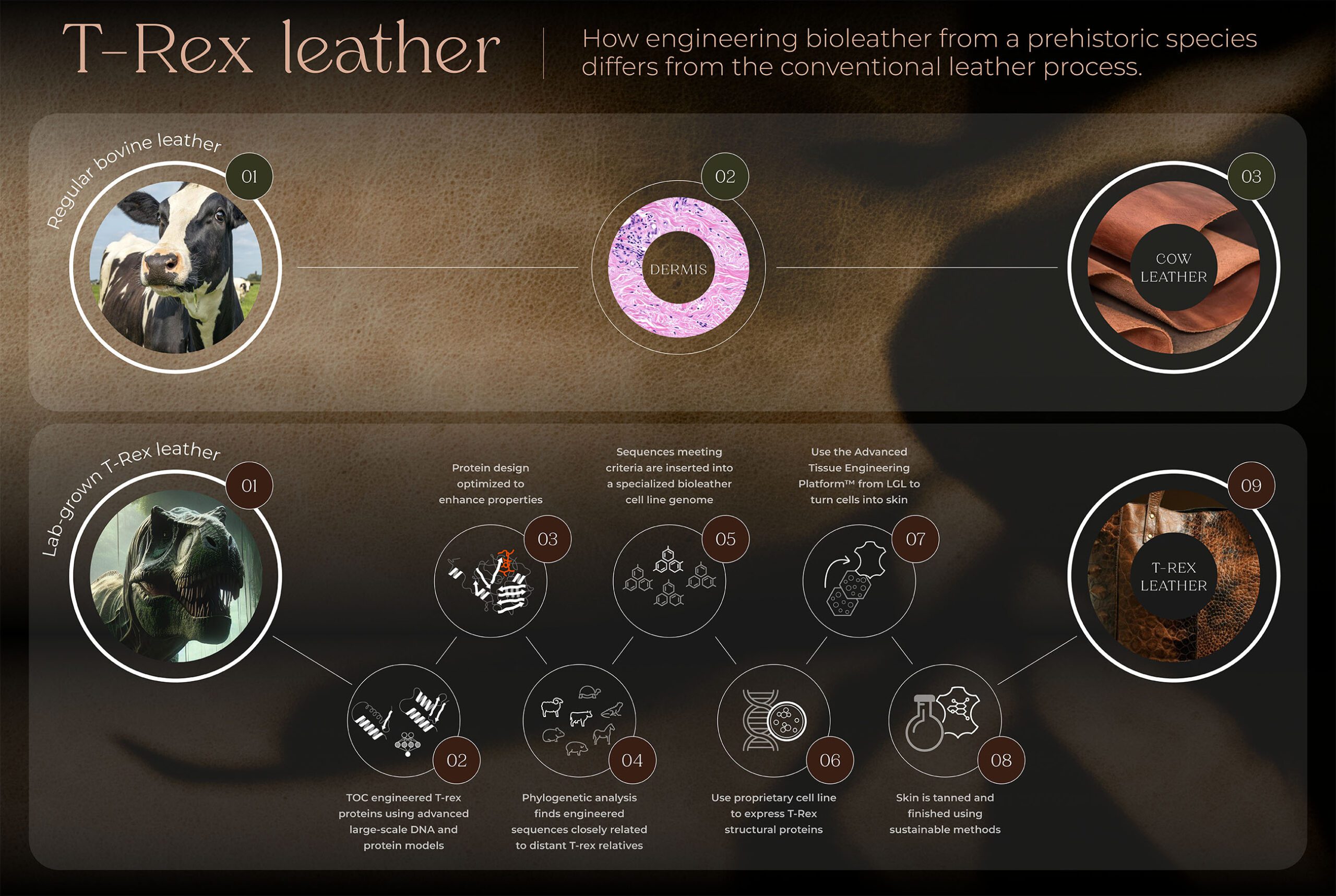
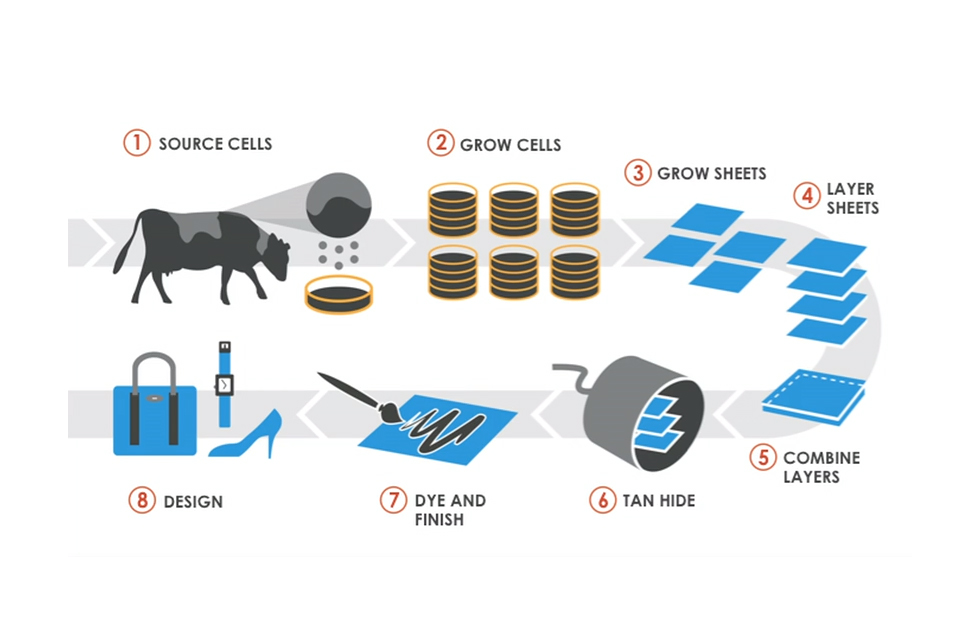
Lab-grown leather, also known as biofabricated leather, is produced using cellular agriculture. This involves culturing animal skin cells in a lab, allowing them to proliferate and form leather without the need to raise and slaughter animals. The process is quite similar to lab-grown meat but focused on producing materials for fashion and other industries.
How Does It Work?
- Cell Collection: It starts with collecting a small sample of animal skin cells, usually from a biopsy.
- Cell Culturing: These cells are then placed in a nutrient-rich environment that mimics the natural conditions of the animal body, encouraging them to multiply.
- Tissue Development: Over time, these cells develop into a structure that resembles natural leather.
- Finishing: The final step involves finishing the material to achieve the desired texture, durability, and appearance.
Current Applications and Benefits
Lab-grown leather is already making waves in the fashion industry, with companies like Modern Meadow developing biofabricated materials for handbags and shoes. The benefits are clear: reduced environmental impact, no animal cruelty, and the ability to engineer materials with specific properties.
The T-Rex Leather Phenomenon
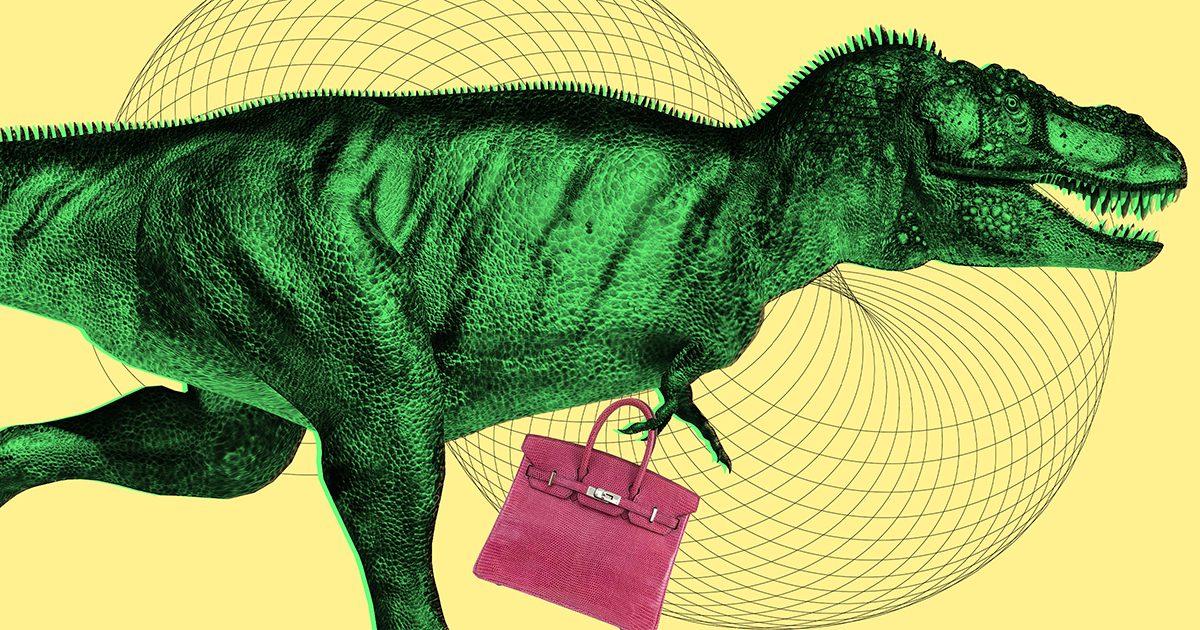
The idea of using lab-grown T-Rex leather for iPhone cases is both fascinating and controversial. While technically possible, it involves several hurdles.
Scientific Challenges
- DNA Reconstruction: Extracting and sequencing T-Rex DNA is a monumental task. While fragments of DNA have been found in fossils, reconstructing a full genome is, as of now, beyond our capabilities.
- Cell Viability: Even if we could reconstruct the DNA, ensuring that the cells are viable and can be cultured as leather is another challenge.
Ethical Considerations
- Biodiversity Concerns: Could reviving extinct species in this manner disrupt current ecosystems?
- Animal Welfare: While no animals are harmed in the process, the ethical implications of "playing God" with extinct species need consideration.

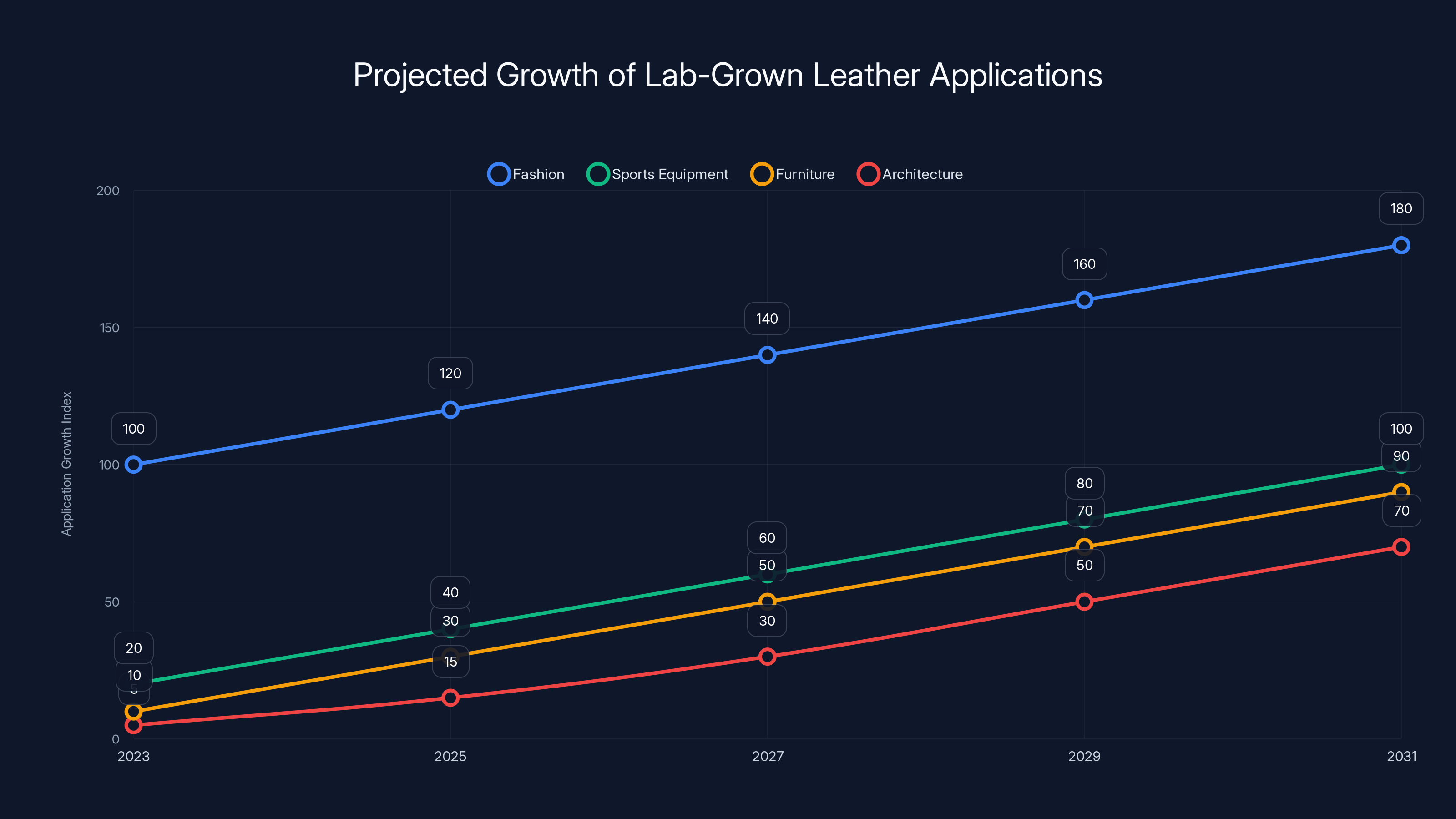
Lab-grown leather is expected to significantly expand beyond fashion into sports equipment, furniture, and architecture by 2031. (Estimated data)
Real-World Use Cases
While T-Rex leather might remain a speculative endeavor, lab-grown leather has several practical applications today.
Sustainable Fashion
Brands are increasingly turning to biofabricated materials to meet consumer demands for sustainable fashion. Companies like Bolt Threads are using mycelium, a type of fungus, to create leather-like materials.
Automotive Upholstery
The automotive industry is another area where lab-grown leather can make a significant impact. With the rise of electric vehicles, manufacturers are looking for sustainable materials to use in car interiors.
Tech Accessories
Finally, tech accessories like phone cases and laptop sleeves made from lab-grown leather are a growing trend. These products appeal to consumers who value sustainability and innovation.
Implementation Guides: How to Work with Lab-Grown Leather
If you're considering integrating lab-grown leather into your product line, here are some steps to get you started.
Step 1: Identify Suppliers
Start by researching suppliers who offer biofabricated leather. Some leading companies include Modern Meadow and Bolt Threads.
Step 2: Evaluate Material Properties
Test the material for durability, texture, and appearance to ensure it meets your product requirements.
Step 3: Develop Prototypes
Create prototypes to assess how the material behaves in real-world conditions. This will help you identify any potential issues early in the process.
Step 4: Scale Production
Once you're satisfied with the prototypes, work with your supplier to scale production. Ensure that they can meet your volume needs while maintaining quality.

Common Pitfalls and Solutions
Pitfall 1: Quality Variability
Solution: Work closely with your supplier to establish clear quality standards and conduct regular inspections.
Pitfall 2: Higher Costs
Solution: While lab-grown leather can be more expensive than traditional materials, focus on the long-term savings from reduced environmental impact and enhanced brand reputation.
Pitfall 3: Consumer Skepticism
Solution: Educate your customers on the benefits of lab-grown leather, emphasizing sustainability and innovation.

Future Trends and Recommendations
Trend 1: Expansion Beyond Fashion
Expect lab-grown leather to expand into industries beyond fashion, including sports equipment, furniture, and even architecture.
Trend 2: Improved Material Properties
As technology advances, lab-grown leather will become more customizable, allowing for enhanced durability, breathability, and aesthetics.
Trend 3: Regulatory Developments
As the industry grows, expect more regulations to ensure safety and sustainability standards are met. Companies should stay informed about these developments to remain compliant.
Conclusion
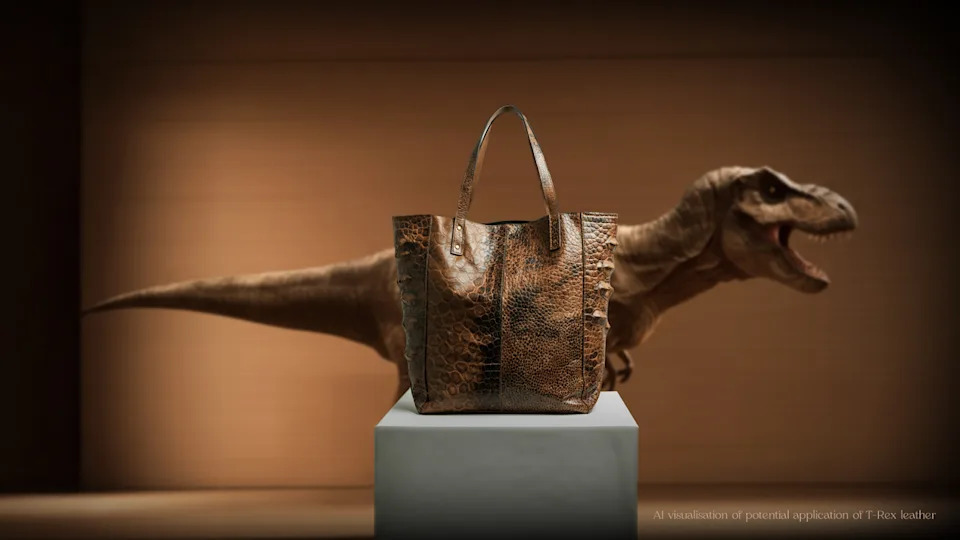
Lab-grown T-Rex leather for iPhone cases is a captivating concept that illustrates the potential of cellular agriculture. However, while the idea sparks the imagination, practical applications are more likely to focus on materials with immediate benefits for sustainability and fashion. As the technology evolves, expect lab-grown leather to play a significant role in reducing the environmental impact of various industries.
FAQ
What is lab-grown leather?
Lab-grown leather is a biofabricated material created using cellular agriculture. It involves culturing animal skin cells in a lab to produce leather without raising and slaughtering animals.
How is lab-grown leather made?
The process begins with collecting animal skin cells through a biopsy. These cells are cultured in a nutrient-rich environment to proliferate and form leather-like tissue, which is then finished to achieve the desired texture and appearance.
Can T-Rex leather be made using this technology?
While theoretically possible, creating T-Rex leather involves significant scientific, ethical, and technical challenges, including reconstructing the dinosaur's DNA and ensuring cell viability.
What are the benefits of lab-grown leather?
Lab-grown leather offers reduced environmental impact, no animal cruelty, and customizable material properties. It also uses significantly less water and emits fewer greenhouse gases than traditional leather production.
What industries can benefit from lab-grown leather?
Beyond fashion, lab-grown leather can be used in automotive upholstery, tech accessories, sports equipment, furniture, and even architecture.
How can companies start using lab-grown leather?
Companies should begin by researching suppliers, evaluating material properties, developing prototypes, and scaling production with clear quality standards.
What are the cost implications of lab-grown leather?
While initially more expensive, lab-grown leather offers long-term savings through reduced environmental impact and enhanced brand reputation.
What are the future trends for lab-grown leather?
Expect expansion into new industries, improved material properties, and increased regulatory oversight to ensure safety and sustainability.
Key Takeaways
- Lab-grown leather offers sustainable alternatives to traditional materials.
- Creating T-Rex leather involves significant scientific and ethical challenges.
- Lab-grown leather is already used in fashion and automotive industries.
- The technology reduces environmental impact significantly.
- Future trends include expanding applications and improved material properties.
Related Articles
- Uber's Nationwide EV Incentive Expansion: Driving the Future of Ride-Sharing [2025]
- Building Diverse Teams Starts with Diverse Venture Capitalists [2025]
- Best Lego Gifts for Brick Builders [2026]: Smart Bricks, Video Games, and More
- Navigating the Complex Path of Getting Depression-Detecting AI through the FDA [2025]
- Why AI Agents Outlast the Best Agencies [2025]
- Tesla’s Sales Recovery: A Glimpse of Hope Amidst Worrisome Trends [2025]


