
![How to Sell Online Without a Website: A Comprehensive Guide [2025]](https://tryrunable.com/blog/how-to-sell-online-without-a-website-a-comprehensive-guide-2/image-1-1783438443731.png)
How to Sell Online Without a Website: A Comprehensive Guide [2025]
The internet has revolutionized the way we do business. And now, you don't even need a website to sell online. This might sound surprising, but thanks to advancements in technology, entrepreneurs can reach their customers through various digital channels without the need for a traditional website.
TL; DR
- New Tools: Platforms now allow sales without a website.
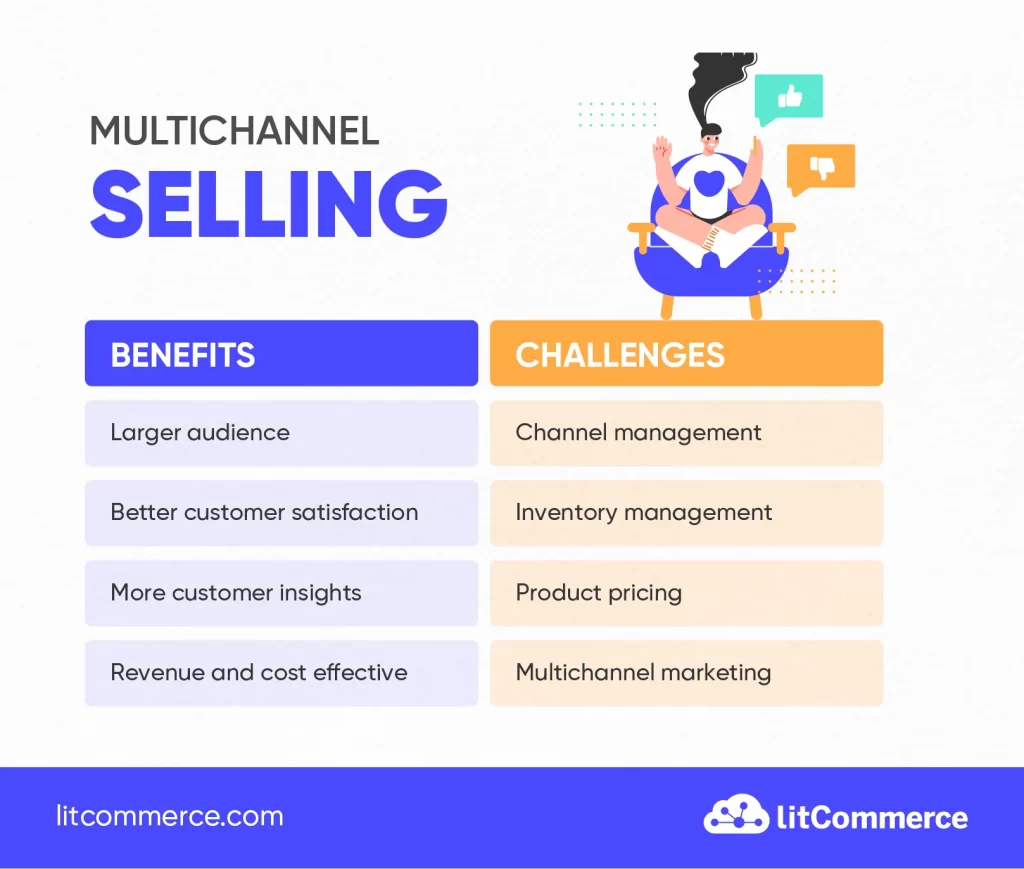
- Multi-Channel Selling: Reach customers via social media and marketplaces.
- Cost-Effective: Save on website design and hosting.
- Implementation Tips: Use social commerce and marketplaces.
- Future Trends: Expect more AI-driven sales channels.
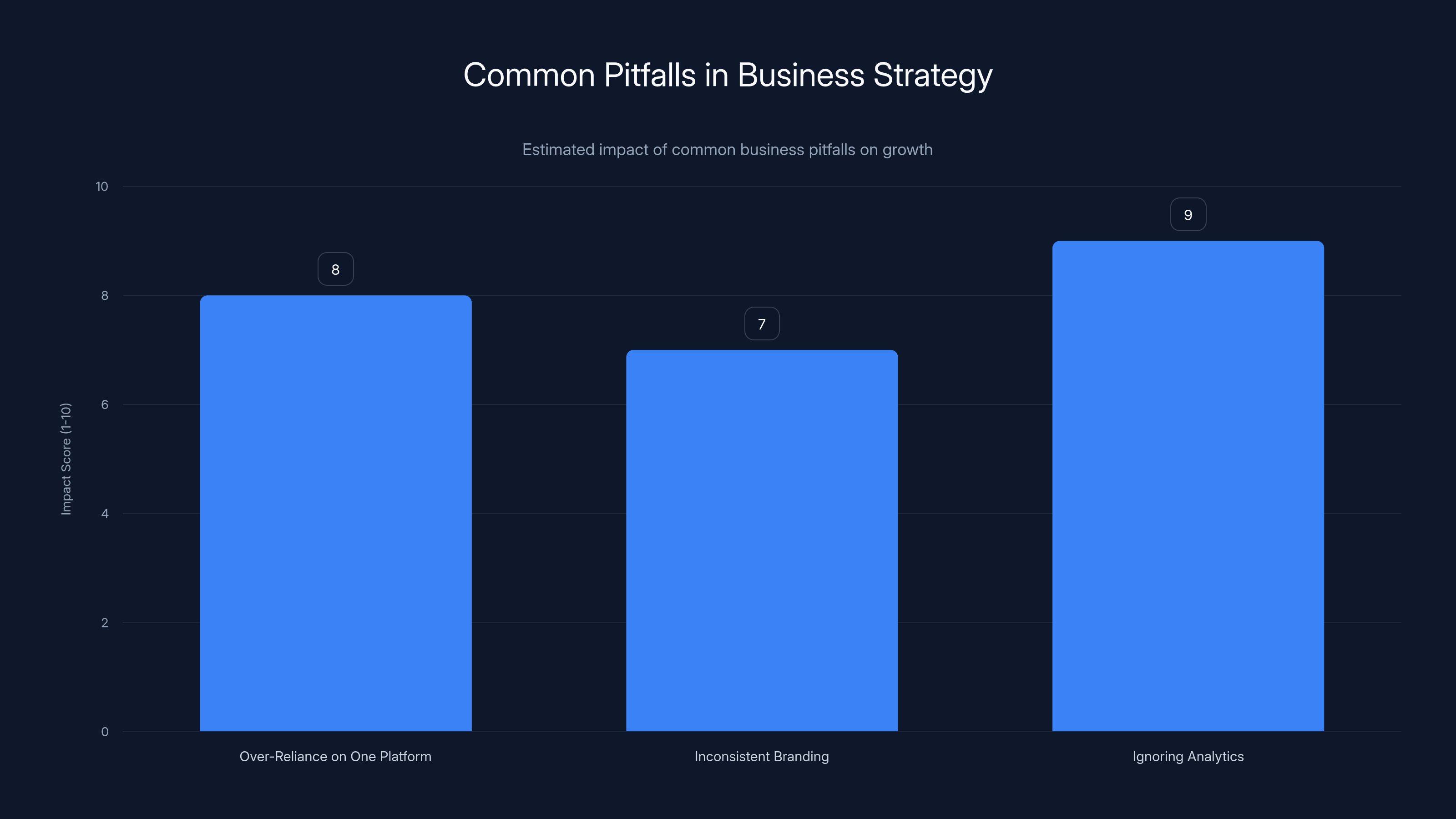
Ignoring analytics has the highest potential negative impact on business growth, followed by over-reliance on a single platform. Estimated data.
The Rise of Website-Less Selling
The Traditional E-commerce Model
Traditionally, if you wanted to sell online, you needed a website. This involved purchasing a domain, setting up hosting, designing the site, and ensuring it was secure and functional for e-commerce. It was a process that required both time and money.
New Tools and Platforms
Today, platforms like Hostinger are changing the landscape. They provide tools that allow businesses to sell directly through social media, marketplaces, and other online venues without needing a standalone website.
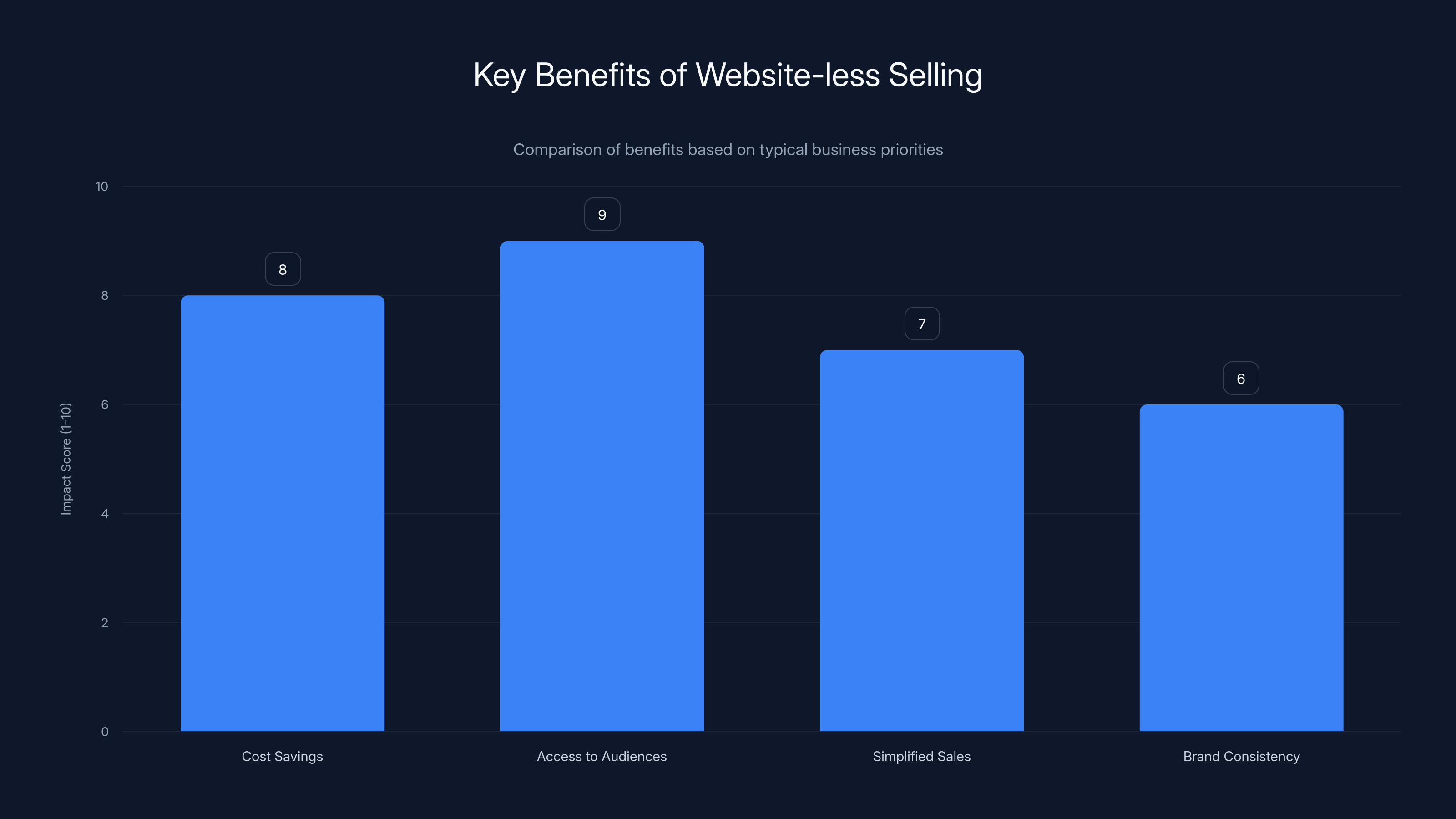
Website-less selling offers significant cost savings and access to built-in audiences, making it an attractive option for businesses. (Estimated data)
How Does It Work?
Utilizing Social Media
Social media platforms like Facebook, Instagram, and Pinterest have integrated shopping features. These allow businesses to list products, make sales, and even handle transactions directly on the platform.
- Facebook Shops: Lets you create a full-fledged store on Facebook and Instagram.
- Instagram Shopping: Allows product tagging in posts and stories.
- Pinterest Buyable Pins: Enables purchases directly from pins.
Leveraging Marketplaces
Marketplaces such as Amazon, Etsy, and eBay provide a ready-made customer base. You can list your products and take advantage of their existing traffic without needing your own site.
Key Features of Website-Less Selling Tools
Multi-Channel Integration
One of the biggest advantages is the ability to manage all your sales channels from a single dashboard. This includes social media, marketplaces, and even offline sales.
- Centralized Dashboard: Manage inventory, orders, and customer interactions in one place.
- Analytics and Insights: Track performance across different channels.
Payment Gateways
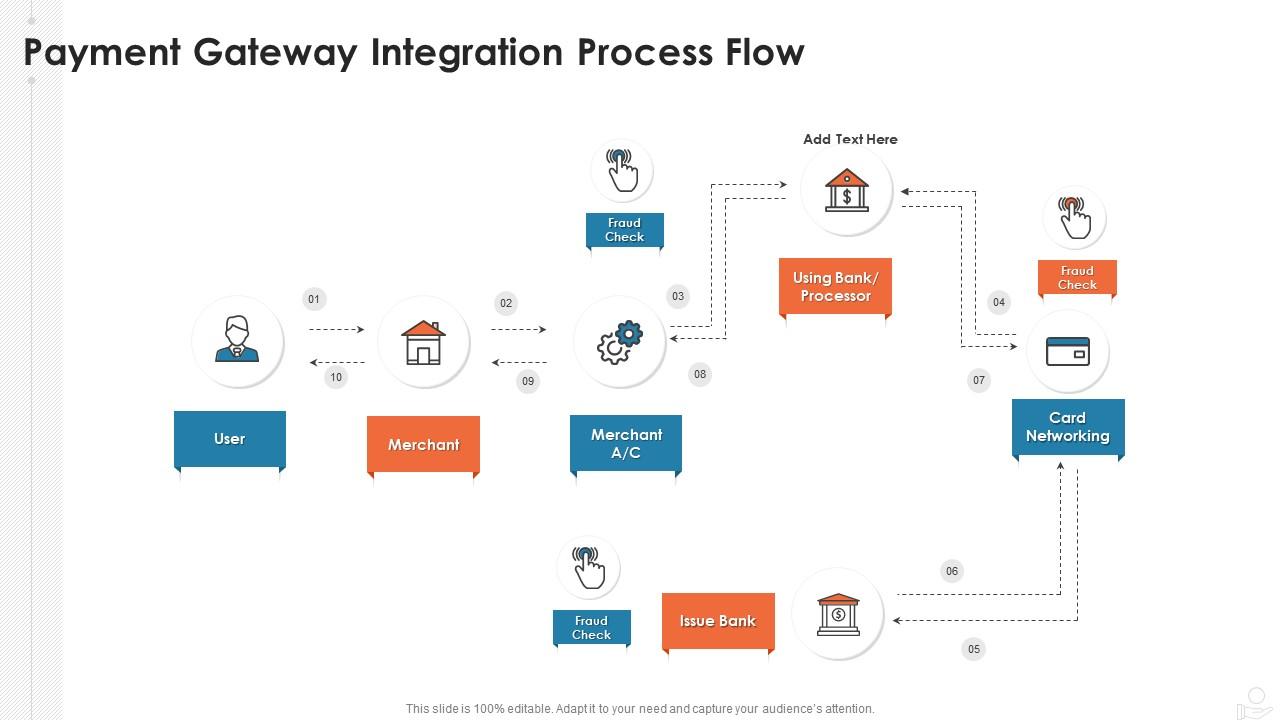
Tools often integrate with popular payment gateways like PayPal and Stripe, ensuring secure and efficient transactions. According to CNBC, these payment methods are among the safest for online transactions.
- Multiple Payment Options: Offer customers flexibility in how they pay.
- Security Features: Protect against fraud and ensure compliance with regulations.
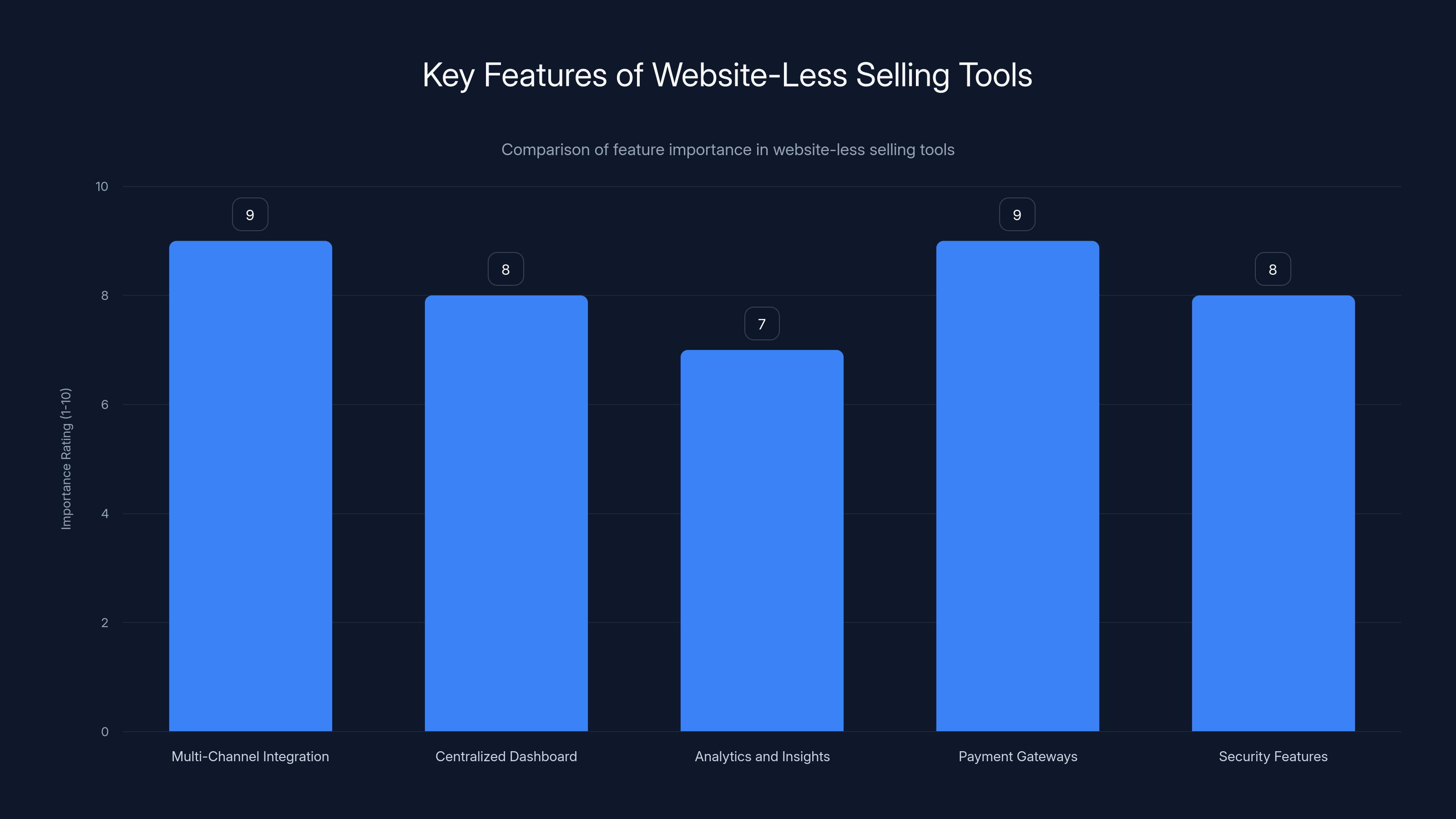
Multi-channel integration and payment gateways are rated as the most important features in website-less selling tools. Estimated data.
Real-World Use Cases
Case Study: Local Artisan
A local artisan wanted to sell handmade jewelry but didn't want the hassle of managing a website. By using a combination of Instagram Shopping and Etsy, they were able to reach a wider audience and increase sales by 40% in just three months.
Case Study: Small Retailer
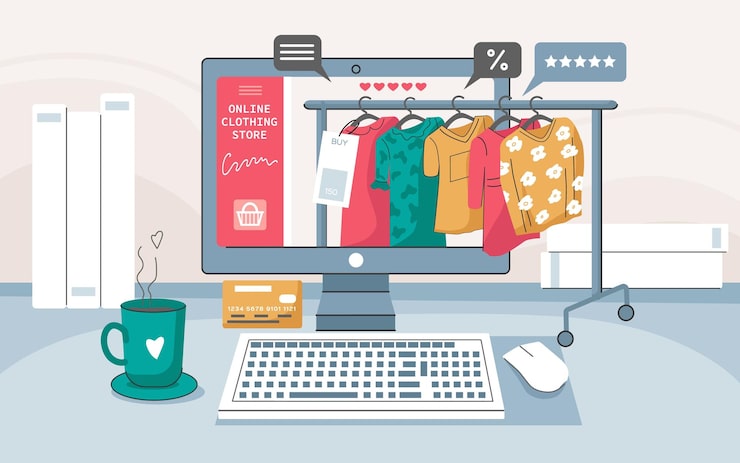
A small clothing retailer used Facebook Shops to showcase their products and connected it with their in-store inventory system. This allowed them to seamlessly manage both online and offline sales, leading to a 25% increase in total revenue.
Implementation Guide
Step 1: Identify Your Channels
Determine which platforms your target audience frequents. This could be social media, a specific marketplace, or both.
Step 2: Set Up Your Accounts
Create business accounts on these platforms. Ensure that your branding is consistent across all channels.
- Profile Setup: Use high-quality images and complete all business information.
- Legal Compliance: Make sure to follow each platform's rules and regulations.
Step 3: Integrate Tools
Use tools that allow you to manage multiple channels efficiently. Many platforms offer integrations that help streamline processes.
Step 4: Engage Your Audience
Consistently engage with your audience through posts, stories, and ads. Use analytics to refine your strategy.
- Content Strategy: Develop a content calendar to keep your audience engaged.
- Customer Interaction: Respond promptly to inquiries and feedback.
Common Pitfalls and Solutions
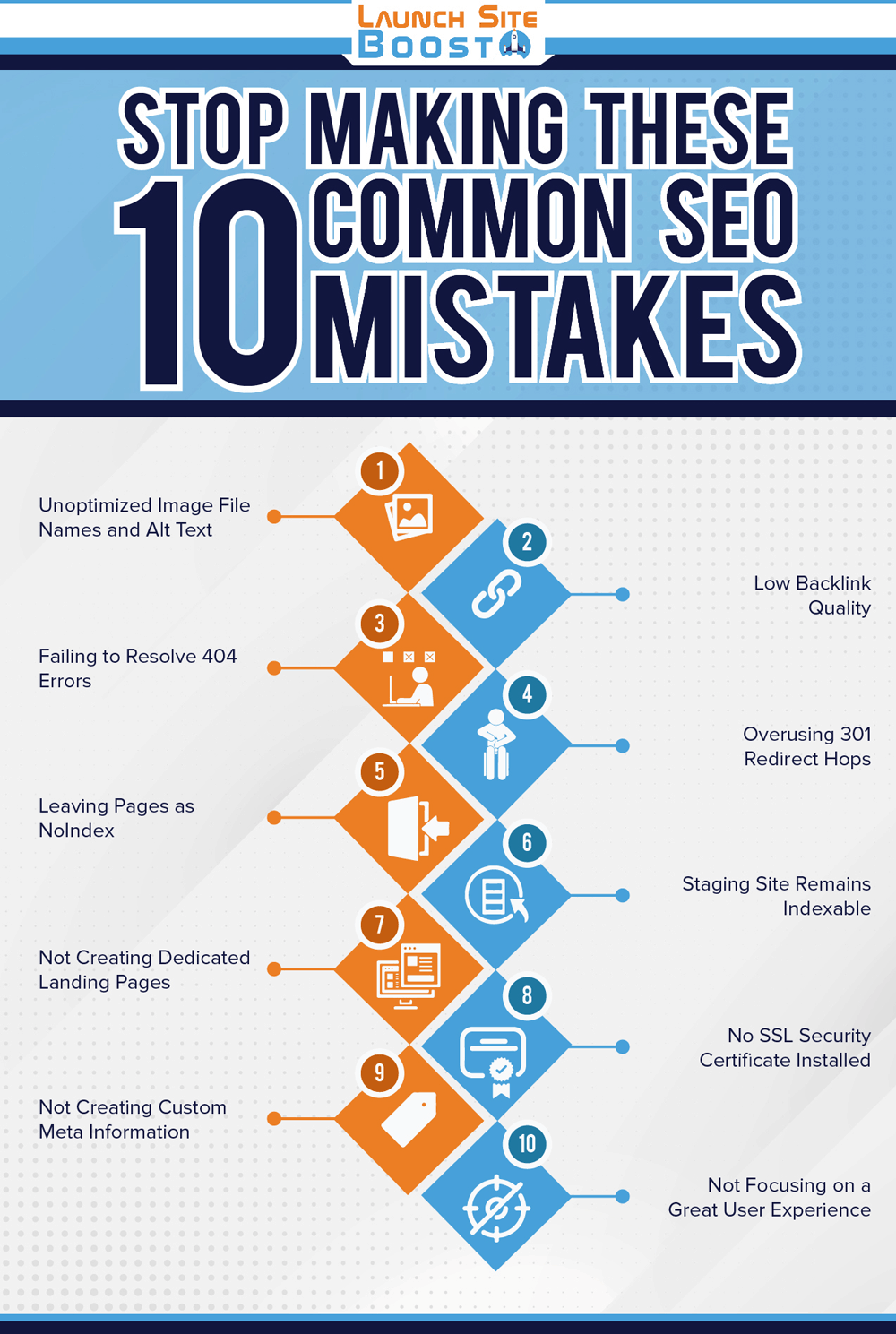
Pitfall 1: Over-Reliance on One Platform
Relying too heavily on one platform can be risky. Diversify your sales channels to mitigate this risk.
Pitfall 2: Inconsistent Branding
Ensure your branding is consistent across all platforms to build trust and recognition.
Pitfall 3: Ignoring Analytics
Neglecting analytics can lead to missed opportunities. Regularly review performance data to optimize strategies.
Future Trends
AI-Driven Sales Channels
Expect more AI-driven tools that will allow for even more personalized and automated customer interactions. According to Ecolab's recent acquisition, AI is becoming integral in optimizing sales processes.
Enhanced Augmented Reality (AR)
AR features are becoming more common in e-commerce, allowing customers to "try before they buy." This trend is highlighted in McKinsey's insights on consumer behavior.
Blockchain for Transactions
Blockchain technology is set to revolutionize online transactions with enhanced security and transparency. The market for blockchain in sales performance management is expected to grow significantly.

Conclusion
Selling online without a website is not only possible, but it's becoming increasingly popular. By leveraging the right tools and platforms, businesses can reach their customers directly where they spend their time online.
Use Case: Streamline your sales process by integrating AI-driven automation with Runable's tools, perfect for businesses looking to expand without the need for a traditional website.
Try Runable For Free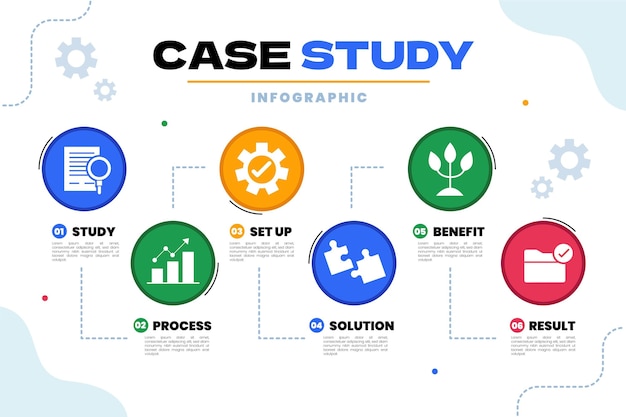
FAQ
What is website-less selling?
Website-less selling refers to the ability to sell products online through platforms like social media and marketplaces without having a traditional e-commerce website.
How does website-less selling work?
It works by utilizing platforms that offer shopping features, allowing businesses to list products and manage sales without a standalone website.
What are the benefits of website-less selling?
Benefits include cost savings on website development, access to built-in audiences, and simplified sales processes.
Can I use multiple platforms for website-less selling?
Yes, you can use multiple platforms to reach a broader audience and diversify your sales channels.
Is website-less selling secure?
Most platforms offer secure payment gateways and comply with necessary regulations to ensure secure transactions.
How can I ensure consistent branding across multiple platforms?
Use consistent images, logos, and messaging across all platforms to build a cohesive brand identity.
What tools can help with website-less selling?
Tools like Hostinger's ecommerce tool, social media shopping features, and marketplace integrations can facilitate website-less selling.
Are there any drawbacks to website-less selling?
Potential drawbacks include reliance on third-party platforms, which may change their policies or algorithms, affecting your sales.
How do I start website-less selling?
Begin by identifying the platforms your audience uses, set up business accounts, and integrate tools to manage sales efficiently.
What future trends should I watch in e-commerce?
Keep an eye on AI-driven sales channels, AR for e-commerce, and blockchain technology for secure transactions.
Key Takeaways
- Platforms now allow sales without a traditional website.
- Utilize social media and marketplaces for multi-channel selling.
- Save costs on website design and hosting.
- AI-driven sales channels are on the rise.
- Consistent branding is crucial across platforms.
- Secure transactions with integrated payment gateways.
- Diversify sales channels to mitigate risks.
- AR and blockchain are emerging trends in e-commerce.
Related Articles
- 5 Simple Reasons We Won’t All Vibe Code Our Own HubSpot or Salesforce [2025]
- Mastering DIY: The Ultimate Guide to iFixit's New Toolkit for Home Repairs [2025]
- Marshall's Wireless Speakers: Enhanced Bass and Repairability [2025]
- The Global Puzzle: Why Nothing’s First B-Series Phone is Skipping the US [2025]
- Exploring the Innovations of Nothing’s Earbuds: Recording Calls and Beyond [2025]
- Quantum Computing: The Invisible Threat to Your Data Security [2025]


