
![How the Apple Watch Revolutionized Modern Health Tech [2025]](https://tryrunable.com/blog/how-the-apple-watch-revolutionized-modern-health-tech-2025/image-1-1775227072500.jpg)
How the Apple Watch Revolutionized Modern Health Tech [2025]
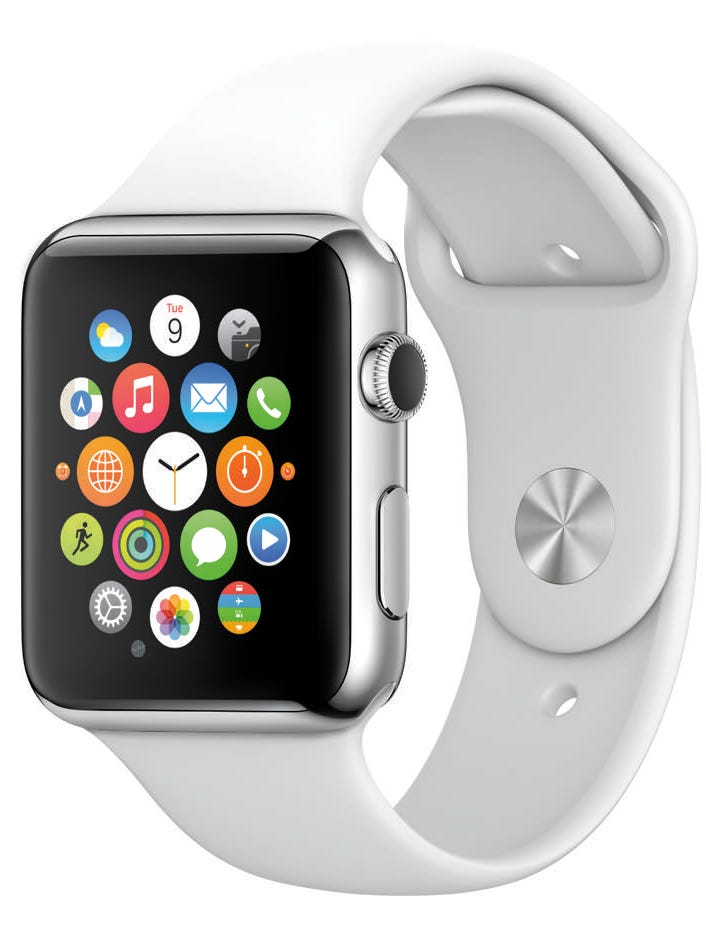
The Apple Watch has become an icon in the world of health technology, setting a gold standard for wearables. Since its inception, it has dramatically reshaped how we perceive personal health management. This article dives deep into how the Apple Watch has defined modern health tech, examining its features, impact, and future potential.
TL; DR
- Apple Watch set the benchmark for health monitoring in wearables with features like ECG, heart rate monitoring, and blood oxygen detection, as highlighted in Yahoo Tech's analysis of Apple Watch innovations.
- Prominent use cases include real-time heart monitoring, fitness tracking, and emergency services, as noted by CNET's review of fitness trackers.
- Common pitfalls involve privacy concerns and data accuracy, but Apple continues to innovate solutions, as discussed in Chief Healthcare Executive's report on Apple's healthcare strategies.
- Future trends suggest integration with AI for predictive health analytics and broader healthcare applications, as explored in a Nature article on AI in health tech.
- Bottom Line: The Apple Watch is not just a gadget; it’s a critical tool in modern health management.
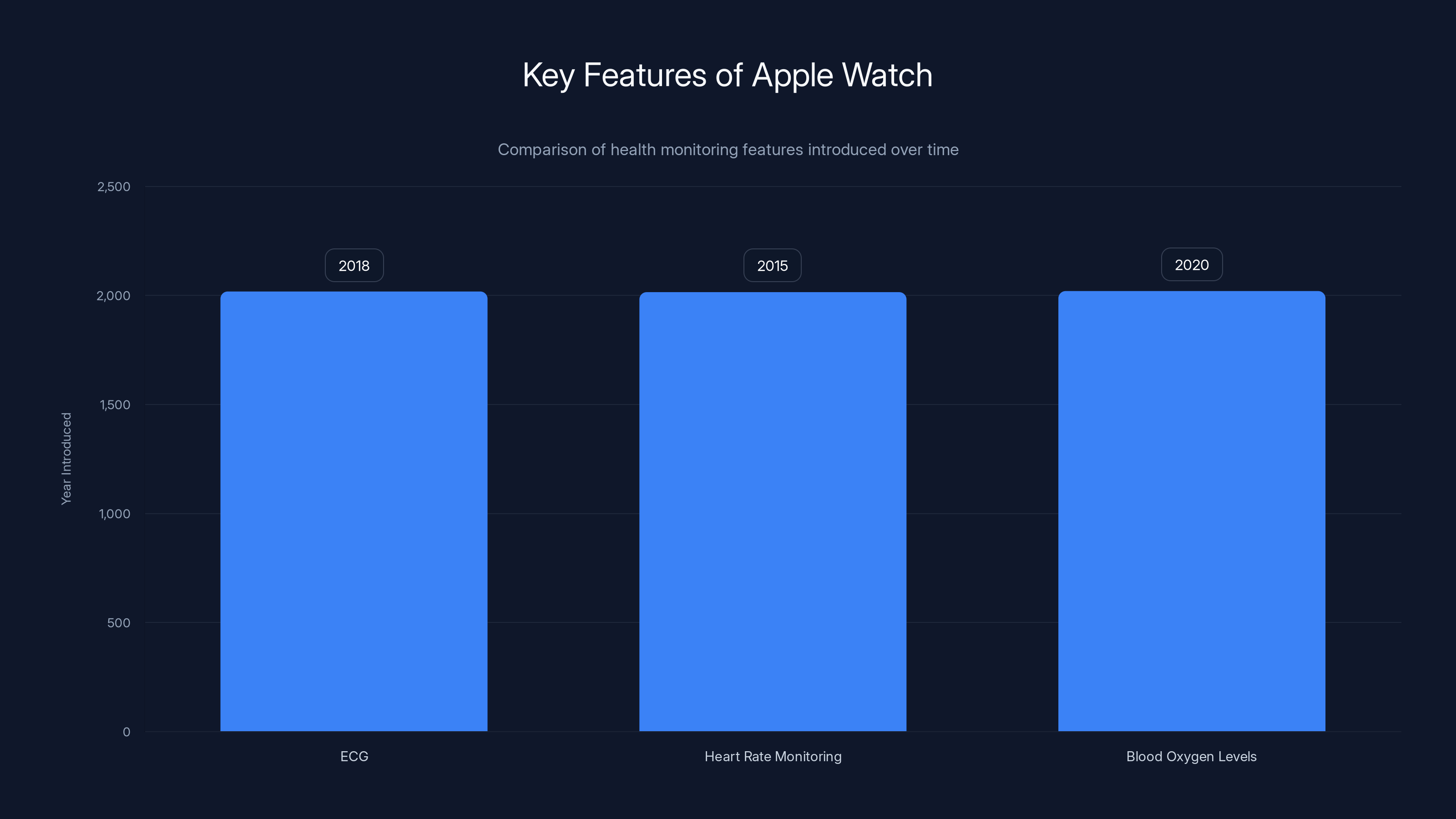
The Apple Watch has progressively introduced significant health features, with ECG in 2018 and Blood Oxygen Levels in 2020, enhancing its role in health monitoring.
The Birth of a Game-Changer
When Apple first announced its watch in 2015, it was a bold move into an emerging market. At first, many saw it as just another gadget, a luxury accessory with limited utility. Fast forward to today, and the Apple Watch is a central figure in the health tech landscape, as noted by The Northwestern's coverage of new Apple Watch applications.
What Sets It Apart?
Apple’s focus wasn’t merely on creating a watch but a device that could seamlessly blend into our daily lives while providing critical health insights. Here are some standout features:
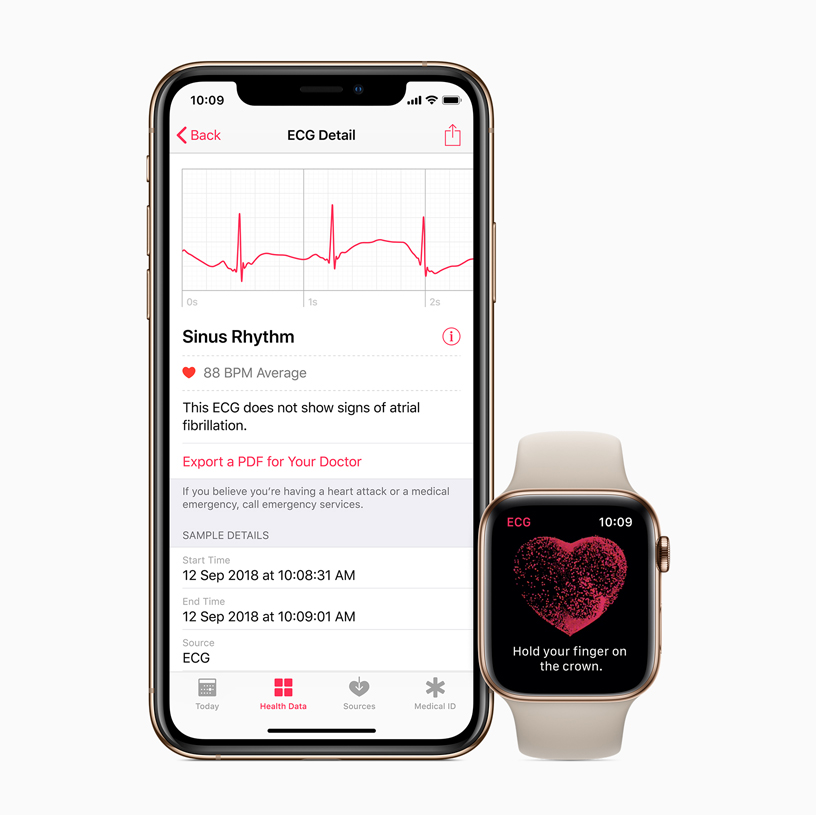
- Electrocardiogram (ECG): The ability to take an ECG anytime has been a game-changer. It allows users to detect atrial fibrillation, a condition that can lead to serious complications if untreated, as highlighted by Harvard Health's findings on smartwatches.
- Heart Rate Monitoring: Continuous heart rate monitoring provides insights into your cardiovascular health, alerting you to irregularities, as detailed in Wired's guide to heart rate monitors.
- Blood Oxygen Levels: Introduced in the Apple Watch Series 6, this feature helps detect respiratory and cardiac issues early, as reported by ElectroIQ's smartwatch statistics.
Real-World Impact
Case Study: John’s Story
John, a 45-year-old executive, never considered himself at risk for heart disease. One day, while sitting at his desk, his Apple Watch alerted him to an irregular heart rhythm. A trip to his doctor confirmed atrial fibrillation. Thanks to the early warning, John received timely treatment, potentially saving his life, a scenario supported by Gastroenterology Advisor's insights on wearable technology.
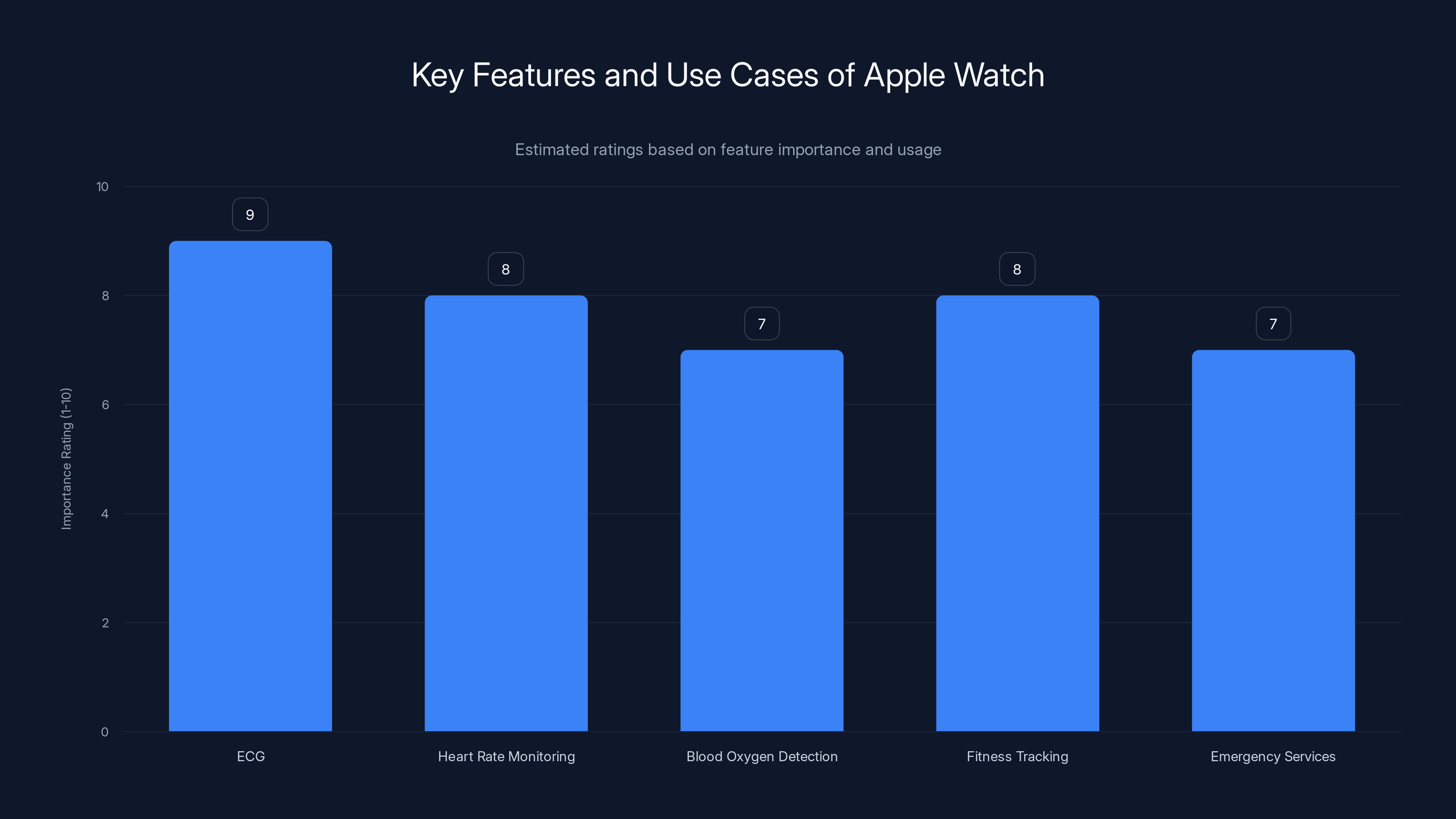
Apple Watch excels in ECG and heart rate monitoring, making it a leader in health-focused wearables. (Estimated data)
The Technology Behind the Magic
Sensors and Algorithms
The Apple Watch’s ability to monitor health relies heavily on its advanced sensors and algorithms. Here’s a breakdown:
- Optical Heart Sensor: Uses photoplethysmography to measure heart rate by detecting blood flow changes.
- Electrical Heart Sensor: Works in tandem with the ECG app to record the electrical signals of the heart.
- Accelerometer and Gyroscope: Track movement and can detect falls, automatically alerting emergency services, as explained in CNET's article on iPhone features.
javapublic class Heart Rate Calculator {
private int[] heart Rates;
public Heart Rate Calculator(int[] heart Rates) {
this.heart Rates = heart Rates;
}
public double calculate Average() {
int sum = 0;
for (int rate : heart Rates) {
sum += rate;
}
return (double) sum / heart Rates.length;
}
}
Data Security and Privacy
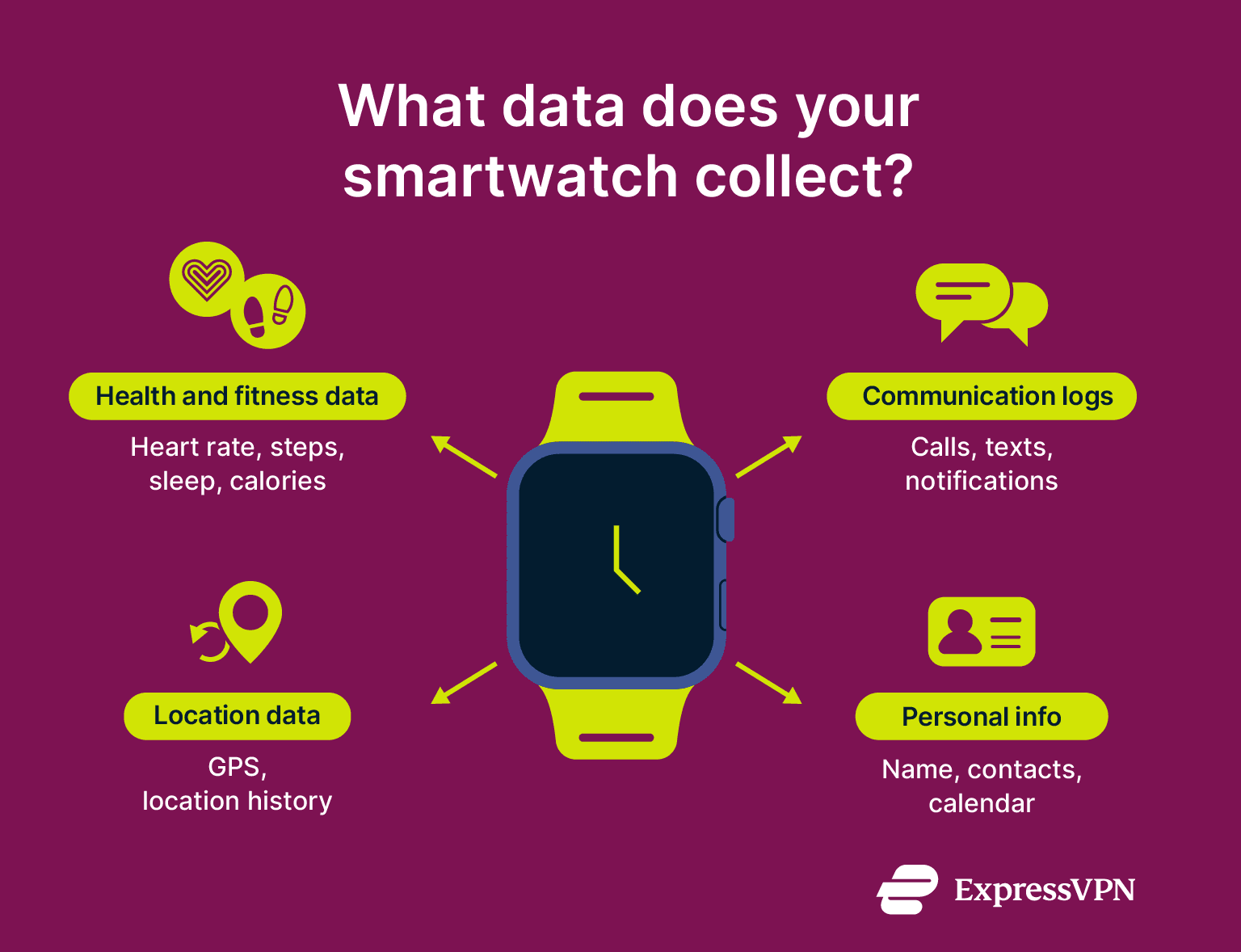
Apple has taken substantial steps to ensure that health data is secure. Data is encrypted on the device and in transit to Apple’s servers. Users have control over who can access their information, as emphasized in Yahoo Finance's report on healthcare data security.

Common Pitfalls and Solutions
Privacy Concerns
One of the biggest concerns with wearable tech is privacy. Users are often wary of how their data is used and stored. Apple addresses this by:
- Providing Transparency: Users can see exactly what data is collected and have the option to share or withhold it.
- Local Data Processing: Health data is processed on the device itself, minimizing exposure to potential breaches, as discussed in Chief Healthcare Executive's report.
Accuracy Issues
While the Apple Watch is highly accurate, there are limitations. For instance, the ECG can sometimes misinterpret benign conditions as irregularities. Apple advises users to consult healthcare professionals for comprehensive evaluations, as noted in Wired's guide.
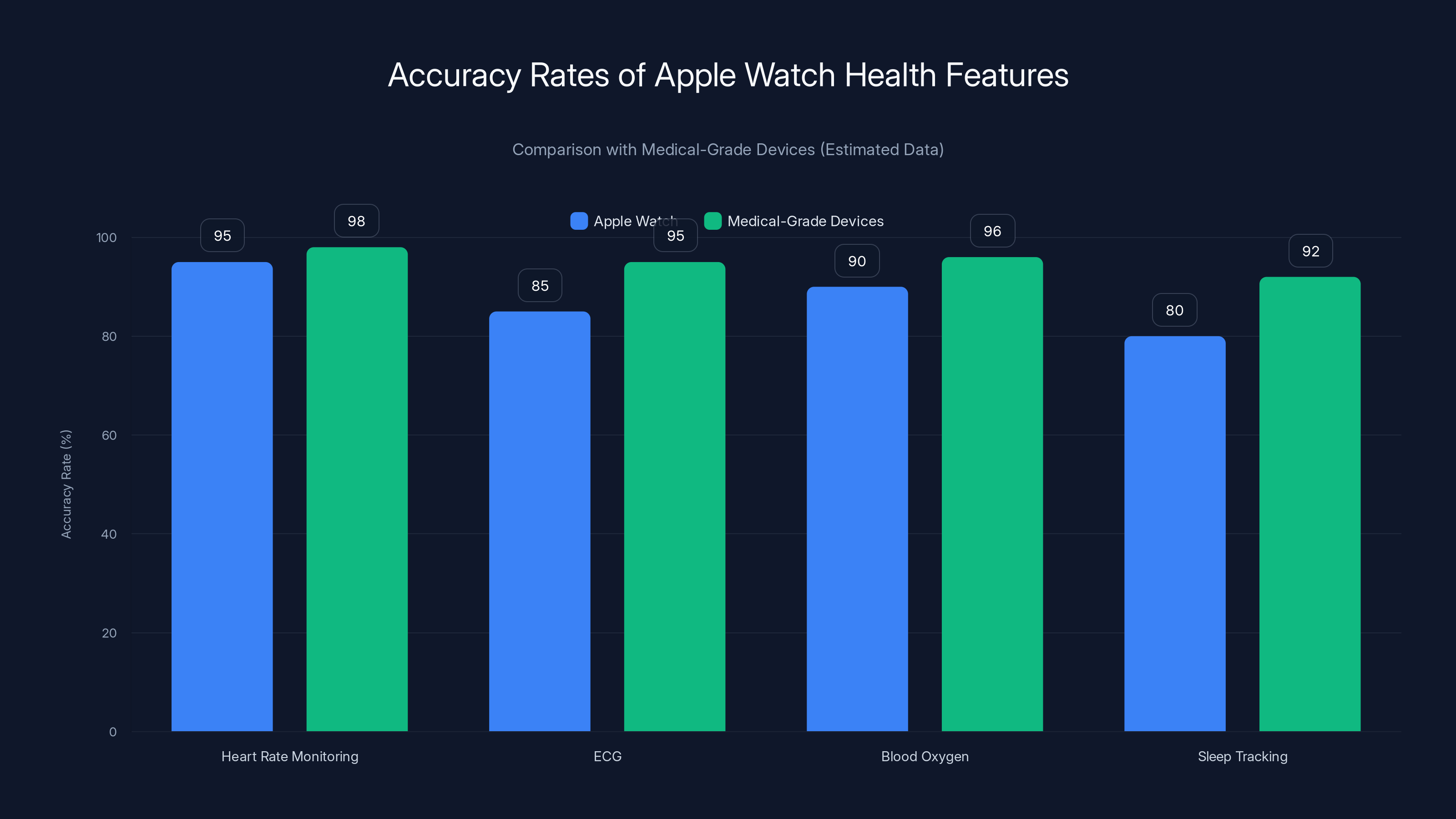
The Apple Watch shows high accuracy in health monitoring, though slightly lower than medical-grade devices. Estimated data highlights typical performance.
Future Trends in Health Tech
AI and Predictive Analytics
The integration of AI with wearable technology is the next frontier. Apple is rumored to be developing AI algorithms that can predict health events before they occur, using patterns in data collected over time, as explored in Nature's article on AI in health tech.
Expanded Health Monitoring
Future iterations of the Apple Watch may include features like glucose monitoring, hydration tracking, and even mental health assessments, aligning with the growing trend towards holistic health management, as suggested by Gastroenterology Advisor's insights.
Integration with Healthcare Systems
The Apple Watch is also poised to become a staple in clinical settings. Integration with electronic health records (EHRs) could streamline data sharing between patients and healthcare providers, leading to better-informed treatment plans, as reported by Chief Healthcare Executive.
Practical Implementation Guides
Setting Up Your Apple Watch for Health Monitoring
- Pair Your Device: Ensure your Apple Watch is paired with your iPhone.
- Enable Health Features: Go to the Health app and set your preferences for data sharing and notifications.
- Calibrate Your Watch: For accurate activity tracking, calibrate your watch by walking or running outdoors with your iPhone.
- Regular Updates: Keep your device updated to access the latest features and security patches.
Using the ECG Feature
- Open the ECG App: Place your finger on the Digital Crown.
- Hold Steady: Wait for the recording to complete, typically 30 seconds.
- Review Results: The app will notify you if atrial fibrillation is detected, as supported by Harvard Health's findings.
plaintextStep 1: Open the ECG app on your Apple Watch. Step 2: Rest your arm on a table or in your lap. Step 3: Hold your finger on the Digital Crown. Step 4: Wait for the 30-second countdown to complete. Step 5: Review your results on the watch or in the Health app on your iPhone.
Recommendations for Users
- Stay Informed: Regularly review Apple's updates and guidelines for using health features.
- Consult Professionals: Use the Apple Watch as a supplement to, not a replacement for, professional medical advice.
- Personalize Your Settings: Customize notifications and data tracking to align with your health goals.
Conclusion
The Apple Watch has undeniably set a precedent in the wearable tech industry, especially in health monitoring. Its innovative features and commitment to privacy and security have made it an indispensable tool in modern health management. As technology advances, the potential for wearables like the Apple Watch to transform healthcare continues to grow, promising more personalized and predictive health solutions.
FAQ
What is the Apple Watch?
The Apple Watch is a smartwatch developed by Apple Inc. that offers a range of features including fitness tracking, health monitoring, and wireless communication.
How does the Apple Watch monitor health?
It uses sensors to track various health metrics such as heart rate, ECG, blood oxygen levels, and physical activity, providing insights through its Health app.
What are the benefits of using an Apple Watch?
Benefits include real-time health monitoring, emergency alert features, and integration with other Apple devices for a seamless user experience.
Can the Apple Watch replace medical devices?
While it provides valuable health insights, it should not replace medical devices and professional advice. It’s best used as a complementary tool.
How secure is the data collected by the Apple Watch?
Apple prioritizes user privacy, encrypting health data on the device and in transit, with user-controlled permissions for data sharing.
What future features can we expect from the Apple Watch?
Future features may include glucose monitoring, mental health assessments, and deeper integration with healthcare systems for comprehensive health management.
Key Takeaways
- Apple Watch has redefined wearable tech standards with its advanced health features.
- The device offers real-time monitoring, enhancing personal health management.
- Privacy and data security remain top priorities for Apple.
- AI integration in wearables will offer predictive health analytics.
- Future developments include holistic health monitoring and healthcare integration.
Related Articles
- The Rise of AI in Healthcare: Chatbots Prescribing Psychiatric Drugs [2025]
- Celebrating Apple's 50th Anniversary: Deals on Watches and AirPods [2025]
- Agentic AI: Transforming Industries and Tackling the Interoperability Imperative [2025]
- Why Traditional Metrics Give CISOs a False Sense of Security [2025]
- New Garmin Training Features (2026): Nutrition Tracking, Lifestyle Logging, and More [2026]
- 2026: The Year Enterprise AI Finally Gets to Work [2026]


