
![How Roomba Sparked a Robotic Revolution [2025]](https://tryrunable.com/blog/how-roomba-sparked-a-robotic-revolution-2025/image-1-1782045210166.jpg)
How Roomba Sparked a Robotic Revolution [2025]
In the early 2000s, a small, disc-shaped vacuum cleaner quietly rolled into homes worldwide, and nothing has been quite the same since. The Roomba, introduced by iRobot, wasn't just a novel gadget—it was the beginning of a robotic revolution that changed how we interact with technology in everyday life.
TL; DR
- Roomba's debut in 2002 marked the beginning of the robotic era in household appliances.
- AI advancements have made robots smarter, with Roomba leading the charge in autonomous navigation.
- User-friendly design and practical utility drove Roomba's widespread adoption.
- Future trends point towards fully integrated smart homes with interconnected devices.
- Challenges remain in terms of cost and adaptability in diverse home environments.
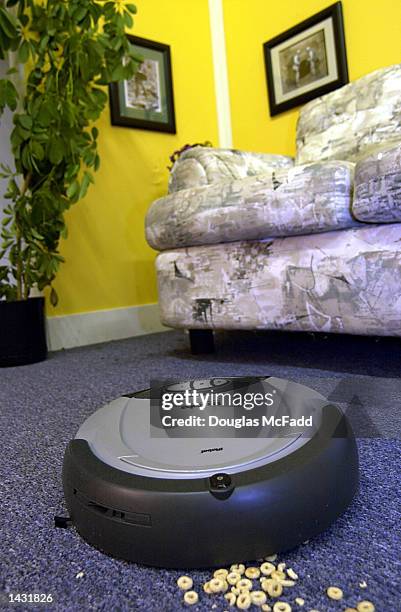
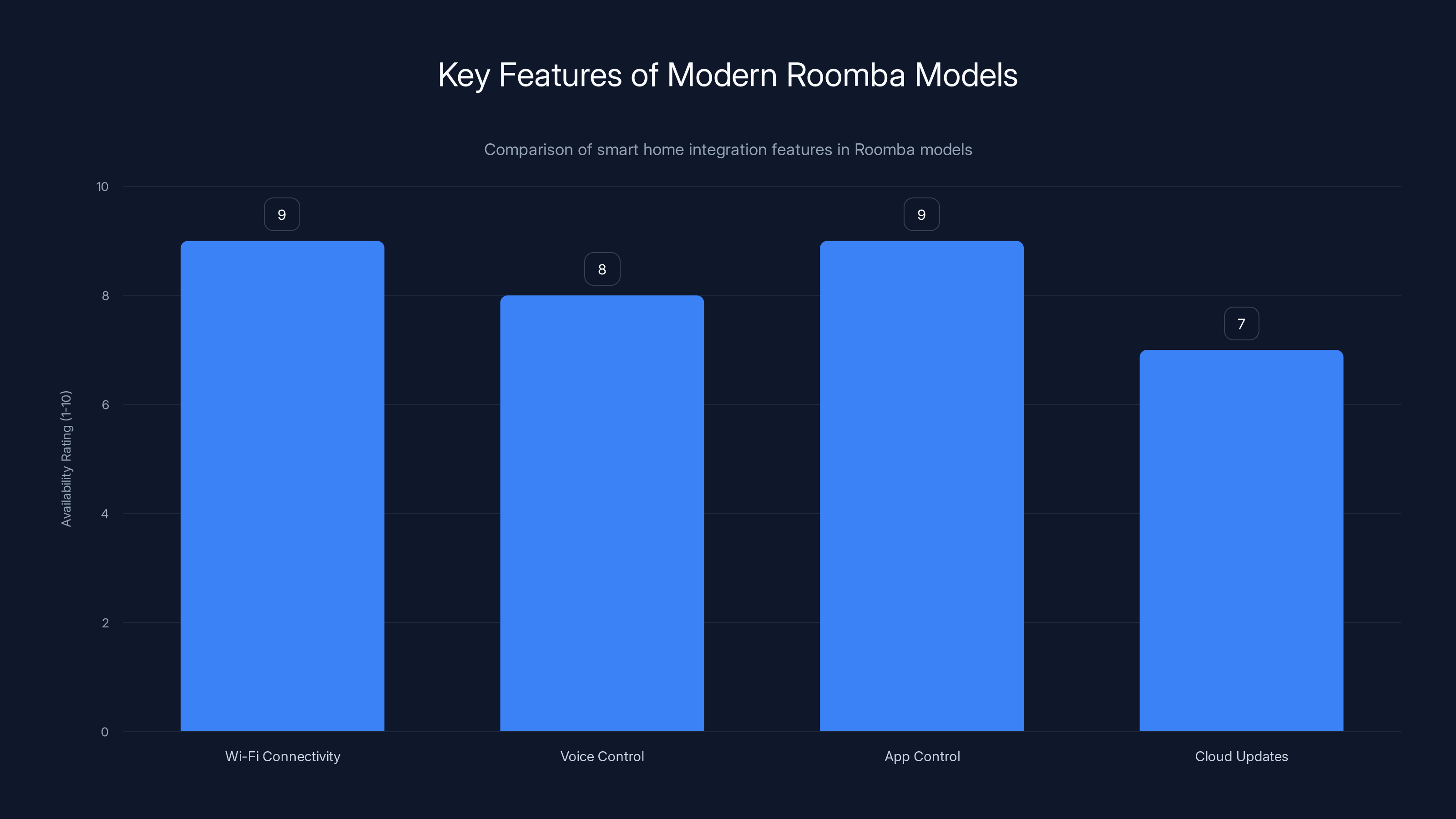
Modern Roomba models excel in Wi-Fi connectivity and app control, with high ratings for feature availability. Estimated data.
The Humble Beginnings of Roomba
The concept of a robotic vacuum wasn't new in the early 2000s, but iRobot's Roomba was the first to successfully commercialize it. Initially, many saw it as a novelty, but its practical benefits quickly became apparent. The Roomba offered a glimpse into a future where mundane tasks could be automated, freeing up time for more meaningful activities.
Why Roomba Was Revolutionary
Roomba's success lay in its simplicity and effectiveness. Unlike previous attempts at robotic vacuums, Roomba didn't try to do too much. It focused on one task: cleaning floors, and it did this well. The technology behind Roomba, while basic by today’s standards, was groundbreaking at the time.
- Autonomous Navigation: Roomba used a simple form of AI to navigate rooms, avoiding obstacles and covering areas more efficiently than a human could.
- Intelligent Sensors: These sensors prevented it from falling down stairs or getting stuck under furniture.
- Recharge and Resume: Early models could find their way back to a charging station, a feature that made Roomba truly autonomous.
Technical Foundations
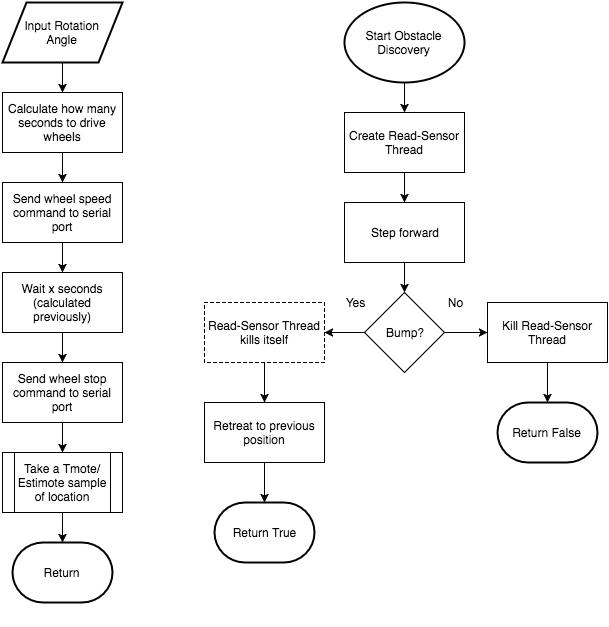
Roomba's initial models were equipped with infrared sensors and bumpers to detect obstacles. The algorithm used was a simple random bounce, which, surprisingly, proved effective over time. This was later improved with the addition of more sophisticated sensors and mapping capabilities.
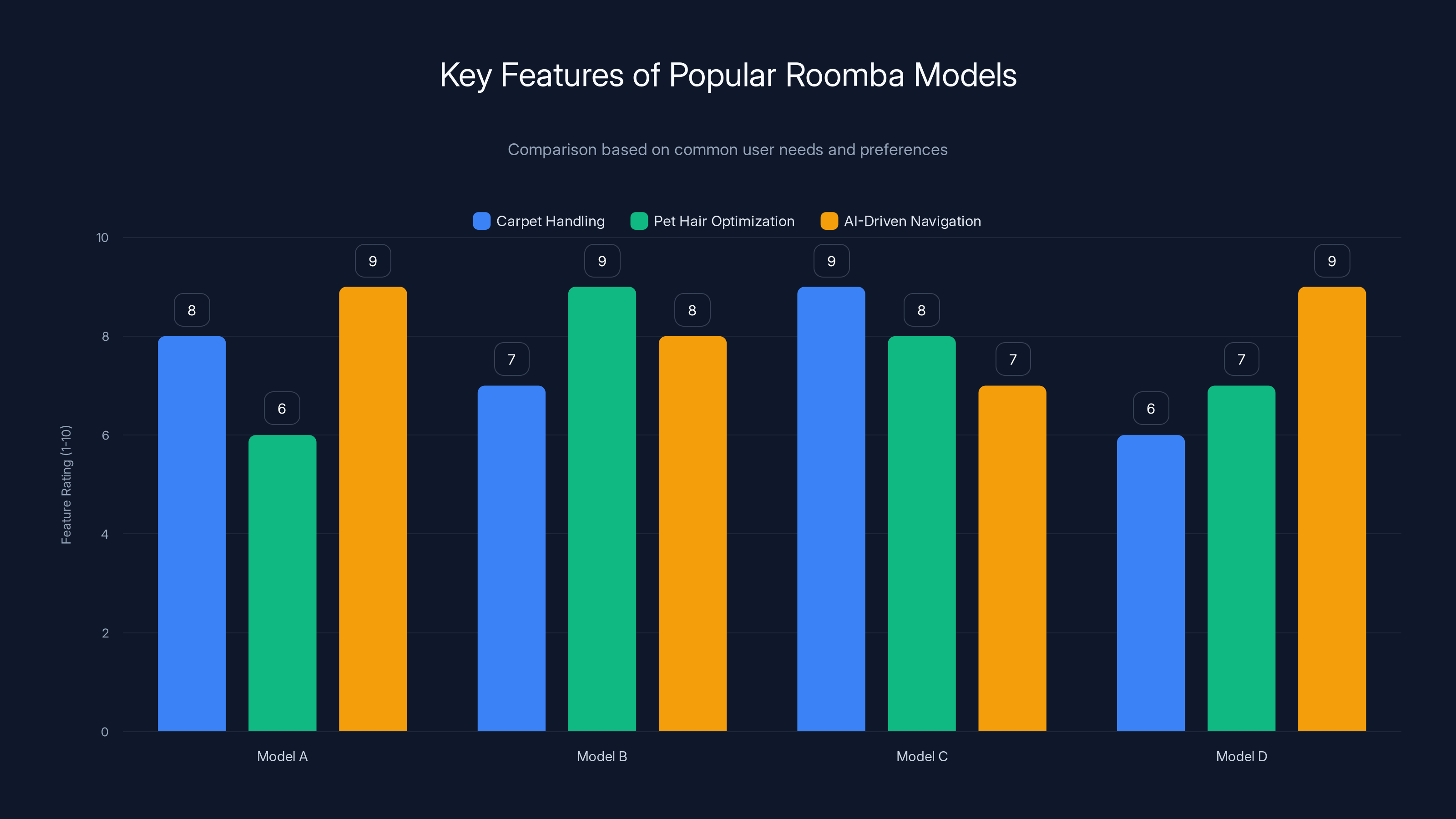
Comparison of Roomba models shows Model A excels in AI-driven navigation, while Model B is best for pet hair. Estimated data based on typical features.
The Rise of Smart Home Integration
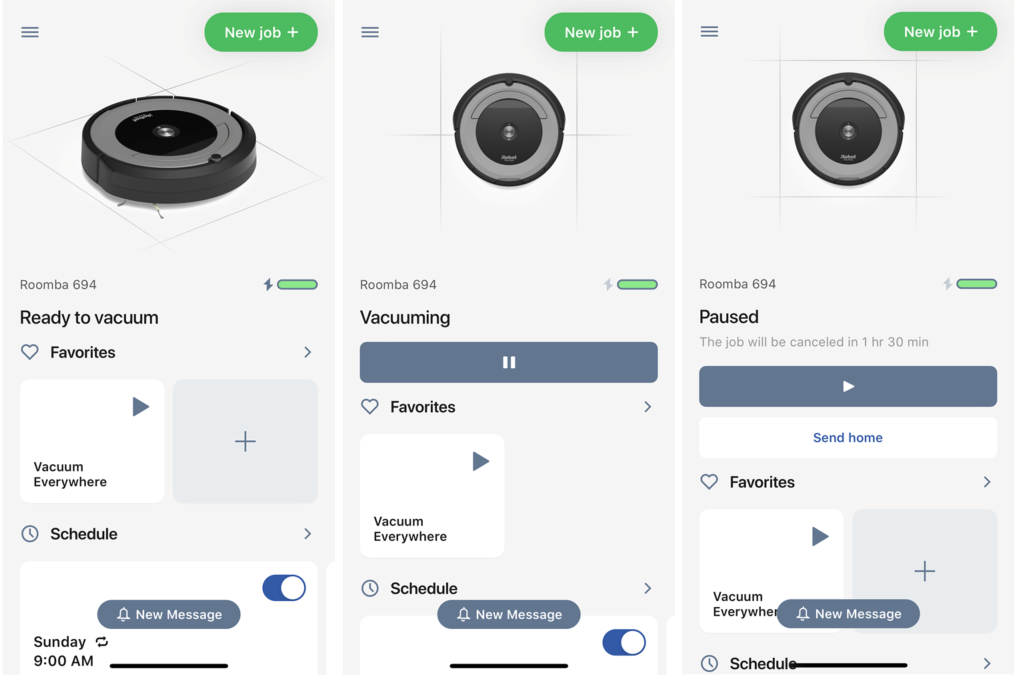
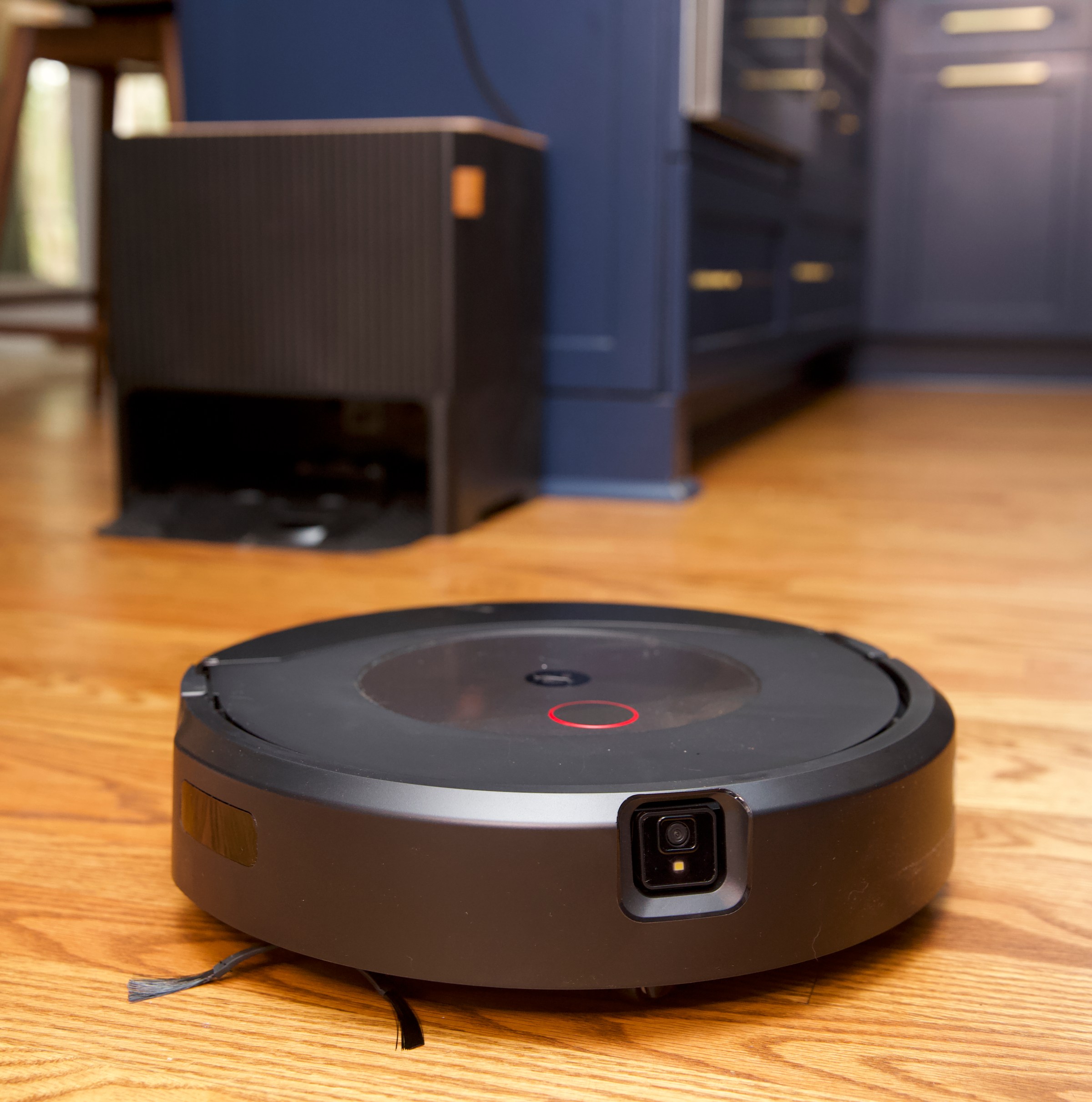
As smart technology evolved, so did Roomba. The advent of Wi-Fi and cloud computing allowed for more advanced models that could be controlled via smartphone apps. This capability was a game-changer, enabling users to start, stop, and schedule cleaning sessions remotely.
- Wi-Fi Connectivity: Modern Roombas connect to home networks, allowing for updates and integration with other smart devices. According to PCMag, this feature is essential for smart home integration.
- Voice Control: Integration with digital assistants like Amazon Alexa and Google Assistant provides hands-free operation, as highlighted by PCMag.
Best Practices for Integration
Integrating Roomba into a smart home requires a few best practices to maximize its utility:
- Strategic Placement: Ensure the charging dock is placed in an accessible location.
- Routine Scheduling: Set regular cleaning schedules that align with your lifestyle.
- Connectivity Checks: Regularly update the app and firmware for optimal performance.
Common Pitfalls and Solutions
While Roomba has transformed home cleaning, it's not without its challenges. Here are some common issues users face and how to overcome them:
- Navigation Errors: Ensure that the room is free from loose cables and small objects that could obstruct the Roomba.
- Maintenance Needs: Regularly clean the brushes and empty the dustbin to maintain performance.
- Connectivity Issues: Keep the app updated and ensure that your Wi-Fi network is stable.
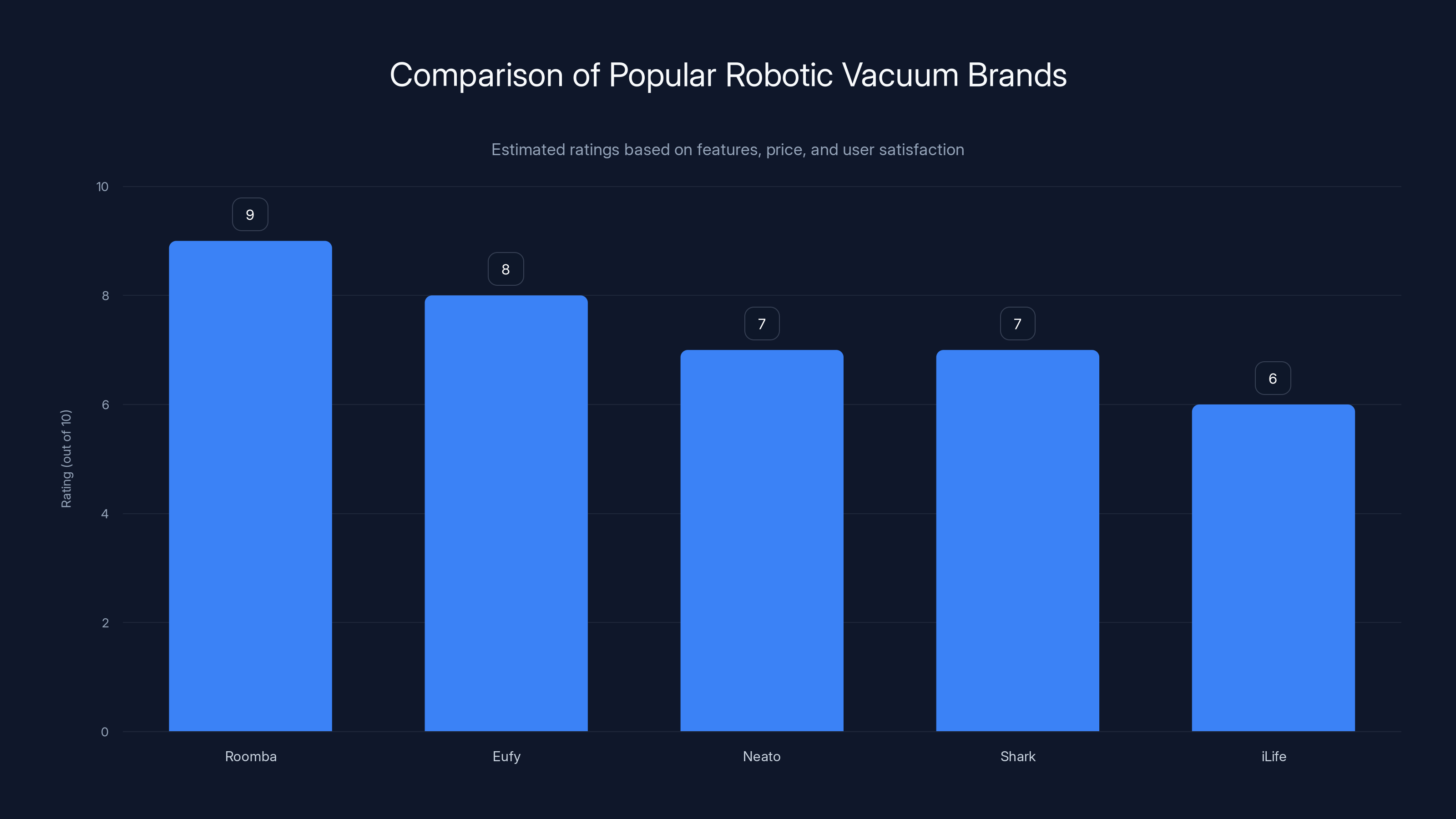
Roomba leads in innovation and user satisfaction with a rating of 9 out of 10, followed by Eufy and Neato. (Estimated data)
The Future of Home Robotics
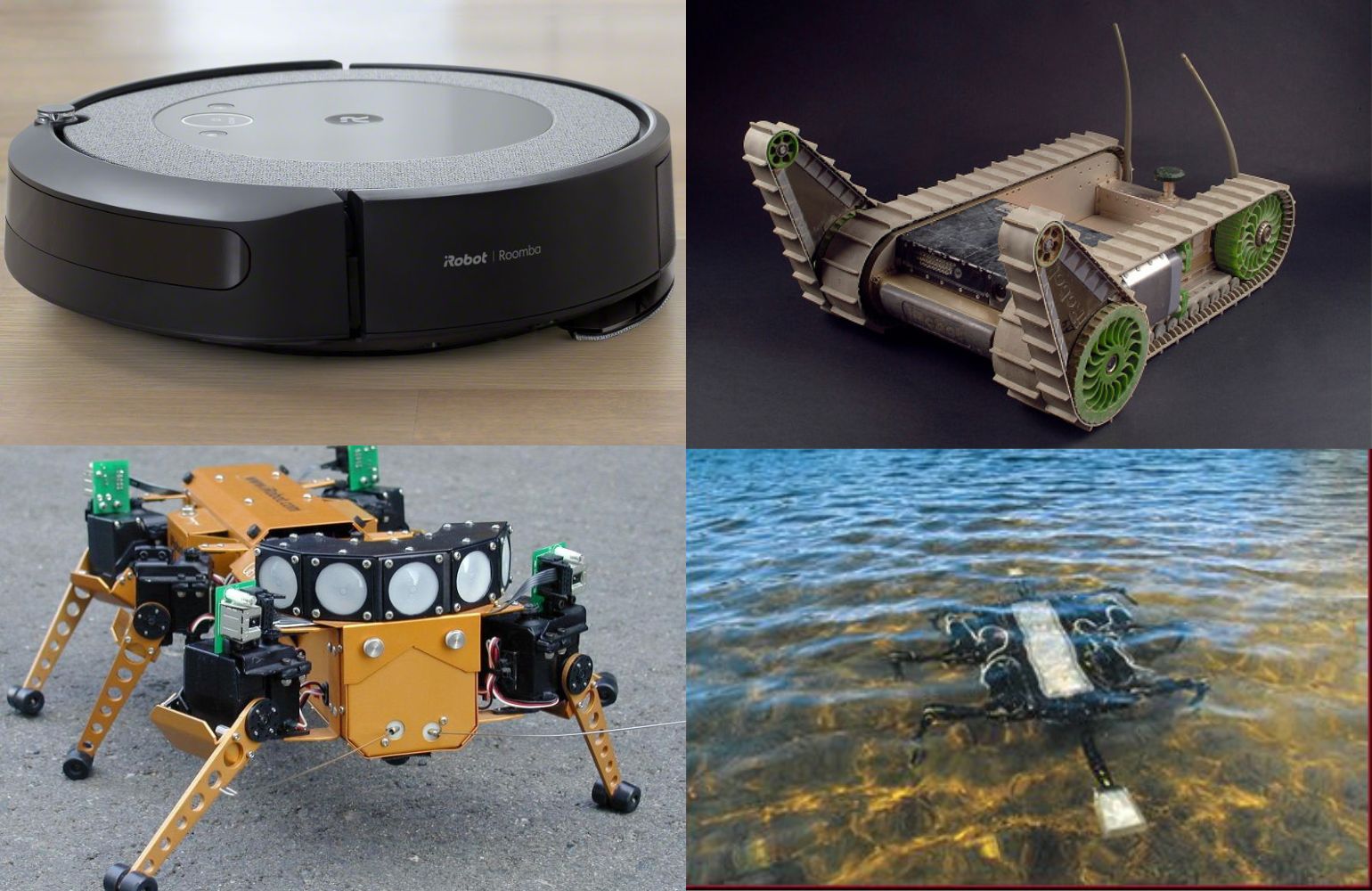
Roomba's success paved the way for a myriad of new robotic solutions in the home. From robotic mops to lawnmowers, the principles behind Roomba's design are now applied to other areas, enhancing home automation.
Emerging Trends
- AI-Driven Improvements: Future Roombas could use advanced AI to learn and adapt to new environments, offering even greater cleaning efficiency, as noted by Fortune Business Insights.
- Inter-device Communication: As part of a smart home ecosystem, Roombas will likely communicate with other devices to optimize overall home management.
- Eco-Friendly Designs: Expect future models to incorporate more sustainable materials and energy-efficient technologies.
Practical Implementation Guides
For those considering a Roomba or similar device, here's a step-by-step guide to getting the most out of your investment:
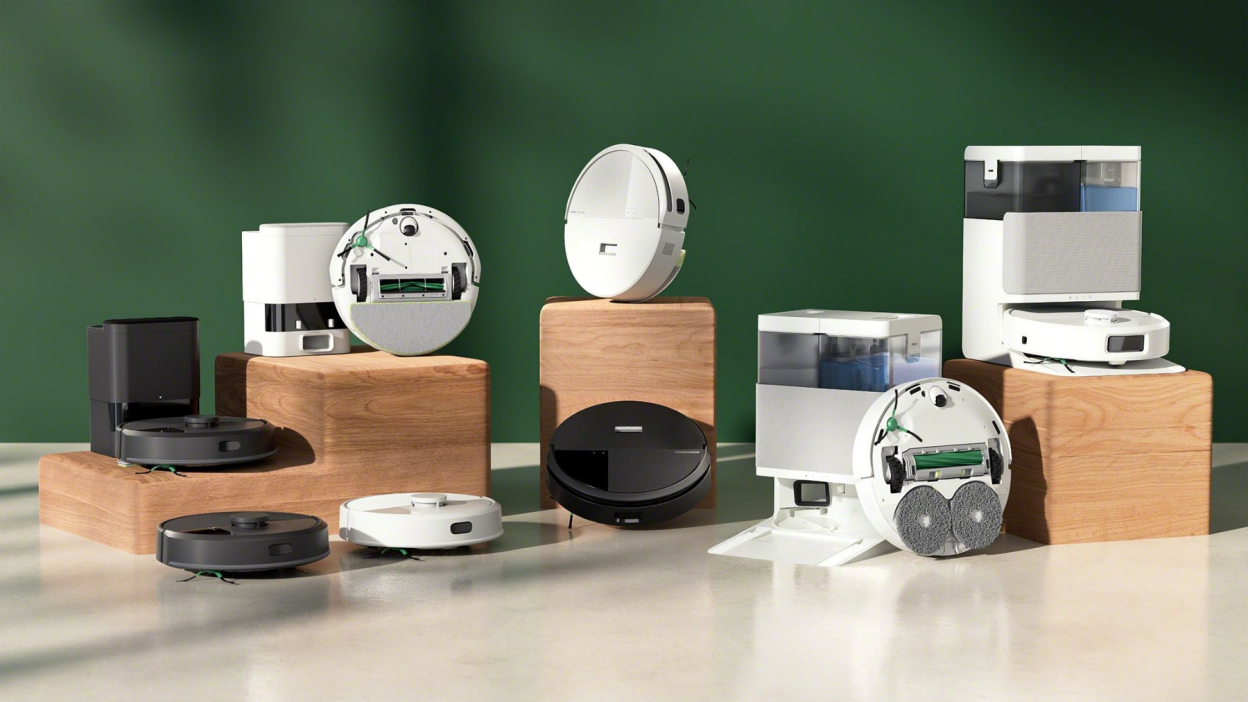
- Research Models: Determine your needs—do you need a model that can handle carpets, or one that's optimized for pet hair? Vacuum Wars provides a comprehensive buyer's guide.
- Home Assessment: Understand your home's layout and potential obstacles.
- Setup and Customization: Follow the setup guide to connect your Roomba to your home network and customize settings.
- Routine Maintenance: Establish a maintenance routine to ensure longevity and performance.
Case Studies: Roomba in Action
To truly appreciate Roomba's impact, consider these real-world applications:
Case Study 1: Busy Family Household
In a household with two working parents and three children, the Roomba became essential for maintaining cleanliness without sacrificing family time. By scheduling daily cleanings, the family found they had more time for activities and less stress about housework.
Case Study 2: Pet Owners
Pet hair can be a persistent problem, but Roomba's specialized pet models are designed to tackle this issue. One pet owner reported a significant reduction in manual cleaning time, allowing more time to enjoy their pets rather than clean up after them.
Future Recommendations for Home Robotics
As we look to the future, the potential for home robotics is vast. Here are some recommendations for the industry:
- User-Centric Design: Continued emphasis on ease of use and intuitive interfaces.
- Enhanced AI Capabilities: Investing in AI research to improve adaptability and efficiency.
- Sustainability Focus: Developing products with a reduced carbon footprint.
Conclusion
The Roomba's introduction was more than just a new product release; it was the dawn of a new era in household technology. By automating one of the most tedious tasks, it not only improved quality of life but also paved the way for future innovations in home automation.
As technology continues to evolve, so too will our homes. The Roomba serves as a reminder of how a simple idea can lead to widespread change, one sweep at a time.

FAQ
What is a Roomba?
A Roomba is an autonomous robotic vacuum cleaner that uses sensors and AI to navigate and clean floors, as described by Wired.
How does a Roomba work?
Roombas use a combination of sensors and algorithms to map rooms, avoid obstacles, and efficiently clean floors.
Are Roombas worth the investment?
For many, the time and effort saved by automating cleaning tasks justify the investment in a Roomba, as highlighted by Consumer Reports.
What maintenance does a Roomba require?
Regular maintenance includes cleaning brushes, emptying dustbins, and updating software for optimal performance.
Can Roombas work on all floor types?
Most Roombas are designed to work on various floor types, including hardwood, tile, and carpet, as noted by PCMag.
How do Roombas fit into smart home ecosystems?
They integrate with apps and digital assistants, allowing for remote control and scheduling as part of a smart home setup.
What are the future trends in robotic vacuums?
Future trends include improved AI, better energy efficiency, and enhanced inter-device communication in smart homes, as reported by Fortune Business Insights.
Are there alternatives to Roomba?
Yes, many brands offer robotic vacuums with varying features and price points, but Roomba remains a leader in innovation, as discussed by Kitsap Sun.
Key Takeaways
- Roomba revolutionized home cleaning with autonomous functionality.
- Advanced AI and sensors improved efficiency and adoption.
- Integration with smart homes adds convenience and control.
- Regular maintenance is crucial for optimal performance.
- Future trends include better AI and eco-friendly designs.
- User-centric design remains a priority for robotic advancements.
- Roomba's impact led to widespread innovation in household robotics.
Related Articles
- The Reality of AI Chatbots: Beyond the Illusion of Friendship [2025]
- Why CMF, Nothing's Budget Brand, Is Holding Off on a New Phone Release [2025]
- From VLC to Kyber: Revolutionizing Robotics with Real-Time Control
- Navigating the Future: America's Data Center Boom and the Impending Rule Gap [2025]
- Exploring In the Weights: A Deep Dive into AI-Centric Vanity Searches [2025]
- NASA's Advanced Rover: Faster Speeds and Obstacle-Climbing Capabilities [2025]


