
![Google Pixel 10a Deals: Every Network's Best Discounts [2025]](https://tryrunable.com/blog/google-pixel-10a-deals-every-network-s-best-discounts-2025/image-1-1771659519844.jpg)
How to Get the Best Google Pixel 10a Deals in 2025
You're thinking about picking up a Google Pixel 10a, but the sticker price is making you hesitate. That's smart. The gap between what carriers advertise and what you actually pay can be massive, and frankly, most people leave hundreds of dollars on the table by not shopping around.
I spent weeks pulling together every major network's current offers, comparing trade-in values, and finding the hidden deals that carriers bury in the fine print. The difference between a good deal and a great one often comes down to timing, the right retailer, and knowing which trade-in programs actually work.
Here's what you need to know: carrier deals change constantly. One day Verizon has a killer promotion, the next week T-Mobile tops it. The Google Pixel 10a sits in that sweet spot where it's new enough to qualify for serious discounts but old enough that carriers are aggressive about moving inventory. That's good news for you.
The real game here isn't just about finding the lowest price. It's about understanding trade-in values, comparing monthly payment plans across networks, spotting bundle offers, and knowing when to wait for seasonal promotions. Some carriers offer better trade-in values for older phones. Others throw in free accessories. A few will give you bill credits that rival actual discounts.
What surprised me most while researching this is how fragmented the market has become. Five years ago, carriers pretty much offered identical deals. Now? Each network has its own strategy. Verizon focuses on trade-in credits. T-Mobile aggressively undercuts on monthly pricing. AT&T bundles stuff differently. And the MVNOs are suddenly competitive on price in ways that would've been unthinkable a couple of years back.
This guide breaks down exactly where to get the Pixel 10a cheapest, whether you should buy outright or finance, and what to watch out for when comparing deals. I've included specific carrier offerings, trade-in value ranges, and timing recommendations that'll save you real money.
TL; DR
- Trade-in value is often where you save the most, with popular older Pixels worth $200-350 in store credit
- T-Mobile frequently offers the lowest monthly payment plans for qualified customers, sometimes $0-10/month with eligible trade-ins
- Verizon's deals emphasize bill credits rather than upfront discounts, making them competitive for existing customers with specific upgrade eligibility
- Seasonal promotions typically hit hardest during carrier promotional periods (March, September, Black Friday), offering 20-30% additional savings
- Bundle deals combining accessories, extended warranties, and service discounts can add $100-200 in real value beyond the phone price

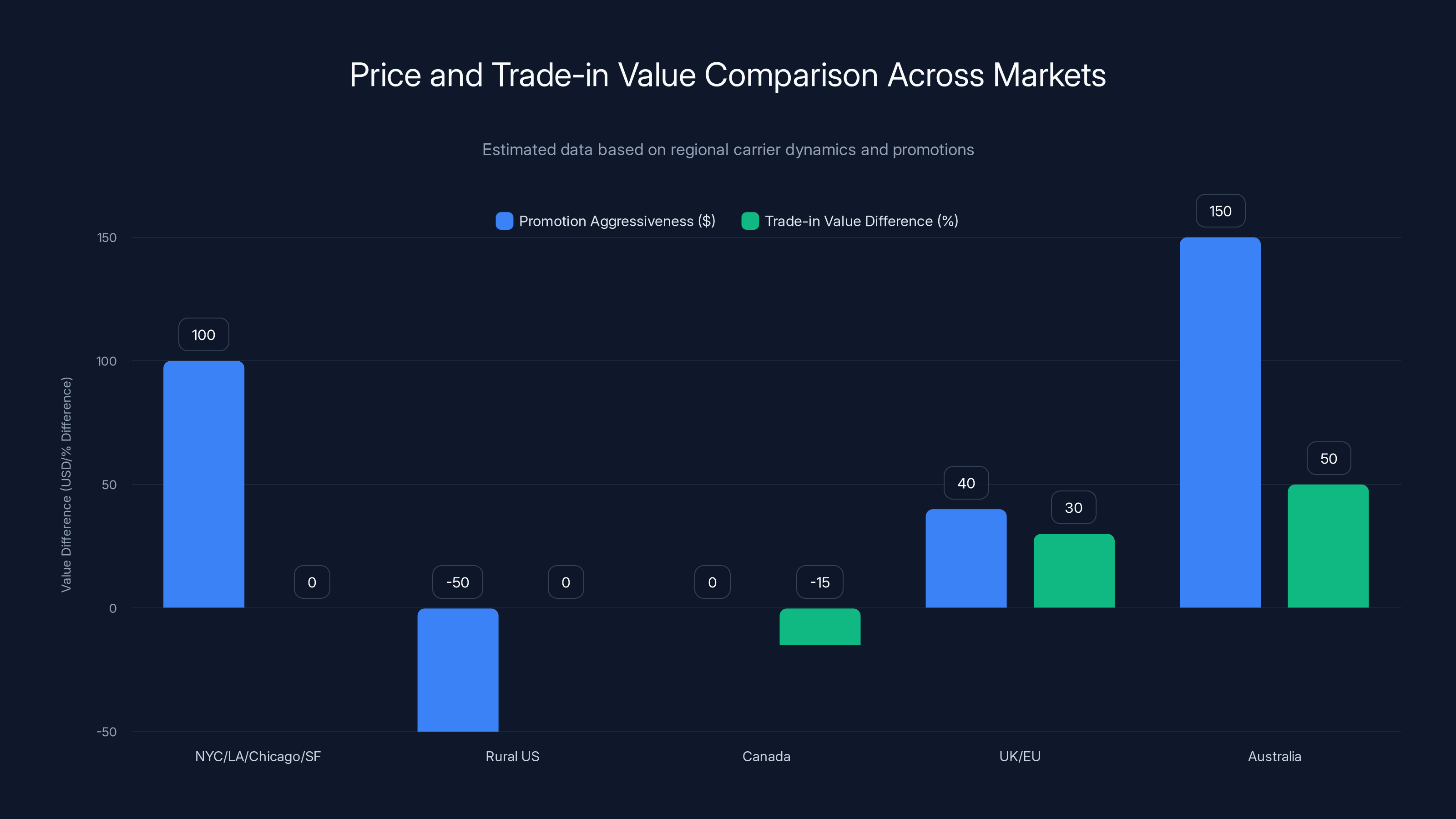
Urban US markets show the most aggressive promotions, while Australia has the highest price and trade-in value differences. Estimated data reflects regional carrier strategies.
Understanding Carrier Pricing Strategy for the Pixel 10a
Carrier pricing isn't random. Each network uses the same playbook, but with different emphasis.
Verizon typically leads with trade-in value. They'll give you $300-350 for an older Pixel, which effectively lowers your net cost significantly. But here's the catch: that credit usually applies only to device financing, not if you buy outright. It also takes 2-3 bill cycles to show up, so your first bill hits at the full price.
T-Mobile's strategy is more aggressive on monthly payment reduction. They'll sometimes offer $0-5/month financing with a qualifying trade-in, which means your total out-of-pocket is dramatically lower. The math works because they're banking on you keeping that service contract long-term.
AT&T sits between them. They offer competitive trade-in values but often bundle in free accessories or extended warranty coverage, which changes the real value proposition even when the headline number looks lower.
The carrier game has fundamentally shifted because of eSIM adoption and reduced switching friction. You can now move between networks in minutes rather than hours. That's why carriers are more willing to lose money on the device sale—they're betting on service revenue.
Understanding this dynamic matters because it tells you which promotions are real and which are just accounting tricks. A trade-in offer that takes 3 months to reflect isn't as valuable as a monthly payment reduction you see immediately.
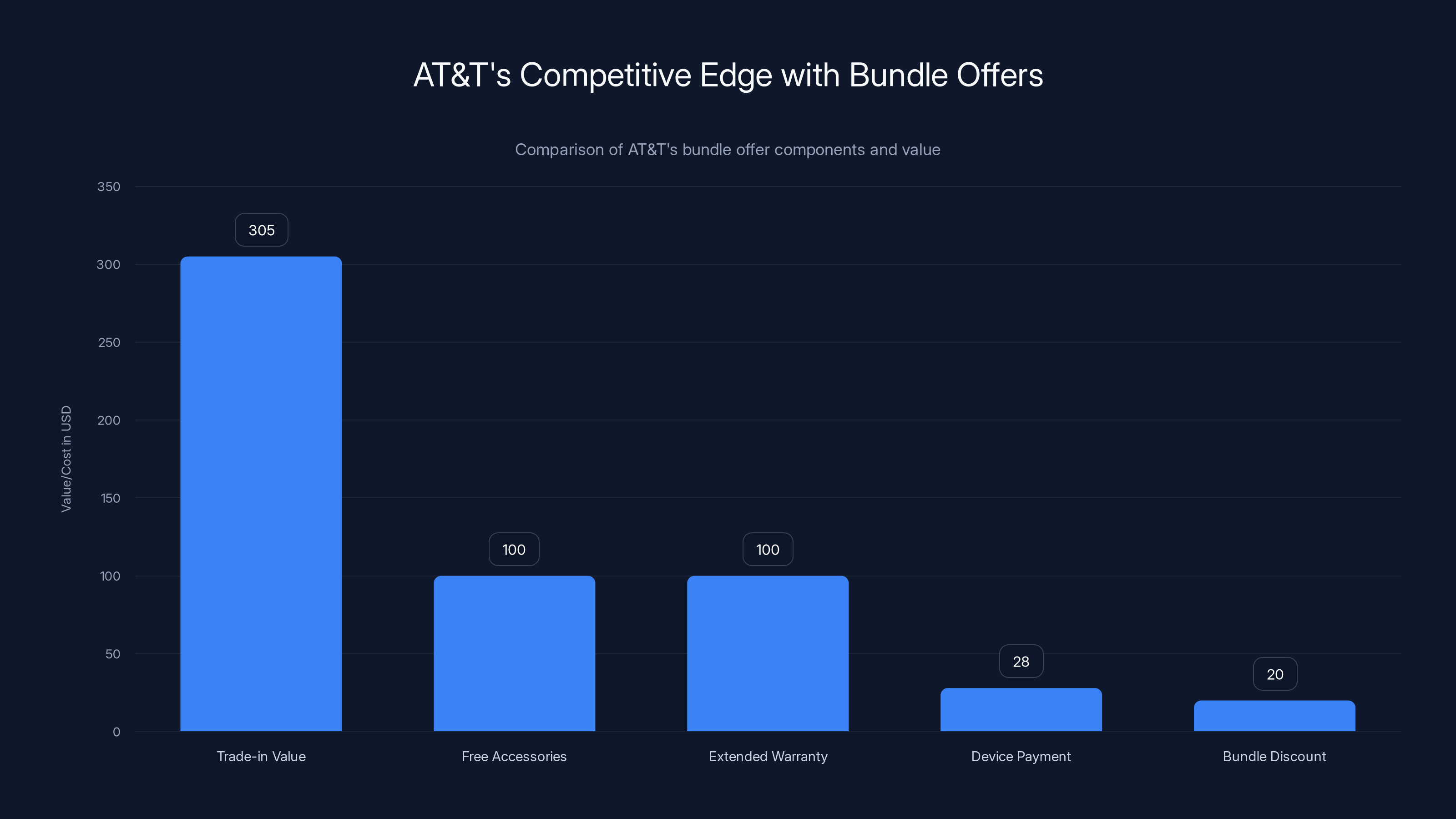
AT&T's bundle offers provide significant value through trade-ins, free accessories, and discounts, making their plans competitive despite similar base costs. Estimated data.
Verizon's Pixel 10a Promotions and Trade-In Values
Verizon's approach with the Pixel 10a focuses on maximizing trade-in credit while maintaining premium positioning. Right now, they're offering up to $350 in trade-in credit for an eligible older Pixel, which is aggressive.
But here's where it gets specific. A Pixel 8 trades in for roughly
The way Verizon structures it is important. That trade-in credit applies as a bill credit spread over 24 months if you're financing through them. If you're paying cash, you don't get the promotional credit. That's a crucial difference.
Their device payment plan runs about
Verizon also has layer offers for loyalty. If you're an existing customer upgrading, you might qualify for an additional $50-100 discount depending on your account history. New customers get different offers—usually more aggressive up-front pricing to acquire the account.
One thing worth noting: Verizon's pricing on the Pixel 10a is often 5-10% higher than T-Mobile's when you compare the same financing term without trade-in. But they sometimes run "double trade-in" promotions where an eligible device gets extra credit. Those pop up every couple of months.
Verizon bundle offers typically include a free case or screen protector with the Pixel 10a purchase. They've also been known to throw in 3-6 months of premium services during heavy promotional periods, though you have to ask about it explicitly.
T-Mobile's Aggressive Pricing and Monthly Payment Strategy
T-Mobile has become the aggressive competitor on Pixel pricing, particularly for customers willing to finance. Their approach is almost the opposite of Verizon's—they're willing to lose money on the device to keep service revenue locked in.
Right now, T-Mobile is offering financing as low as
The trade-in values are comparable to Verizon—
Here's a concrete example: trade in a Pixel 8 (
T-Mobile's newer "Magenta Max" customers sometimes get additional perks—better trade-in values or exclusive promotional pricing. If you're considering the plan upgrade, the math sometimes works out if you're buying a device anyway.
One catch: T-Mobile's promotional offers sometimes require a port-in if you're coming from another carrier. If you're already with T-Mobile, you might get a slightly different offer. That's frustrating but worth checking before committing.
Their bundle game is weaker than Verizon's. Free accessories are less common, but they sometimes bundle a free month of premium streaming access (Paramount+, Max, etc.). The value there is hit-or-miss depending on whether you'd actually use it.
T-Mobile also has become aggressive with their 55+ plans and military discounts, which sometimes stack with device promotions. If you qualify for either, the total savings can be substantial.
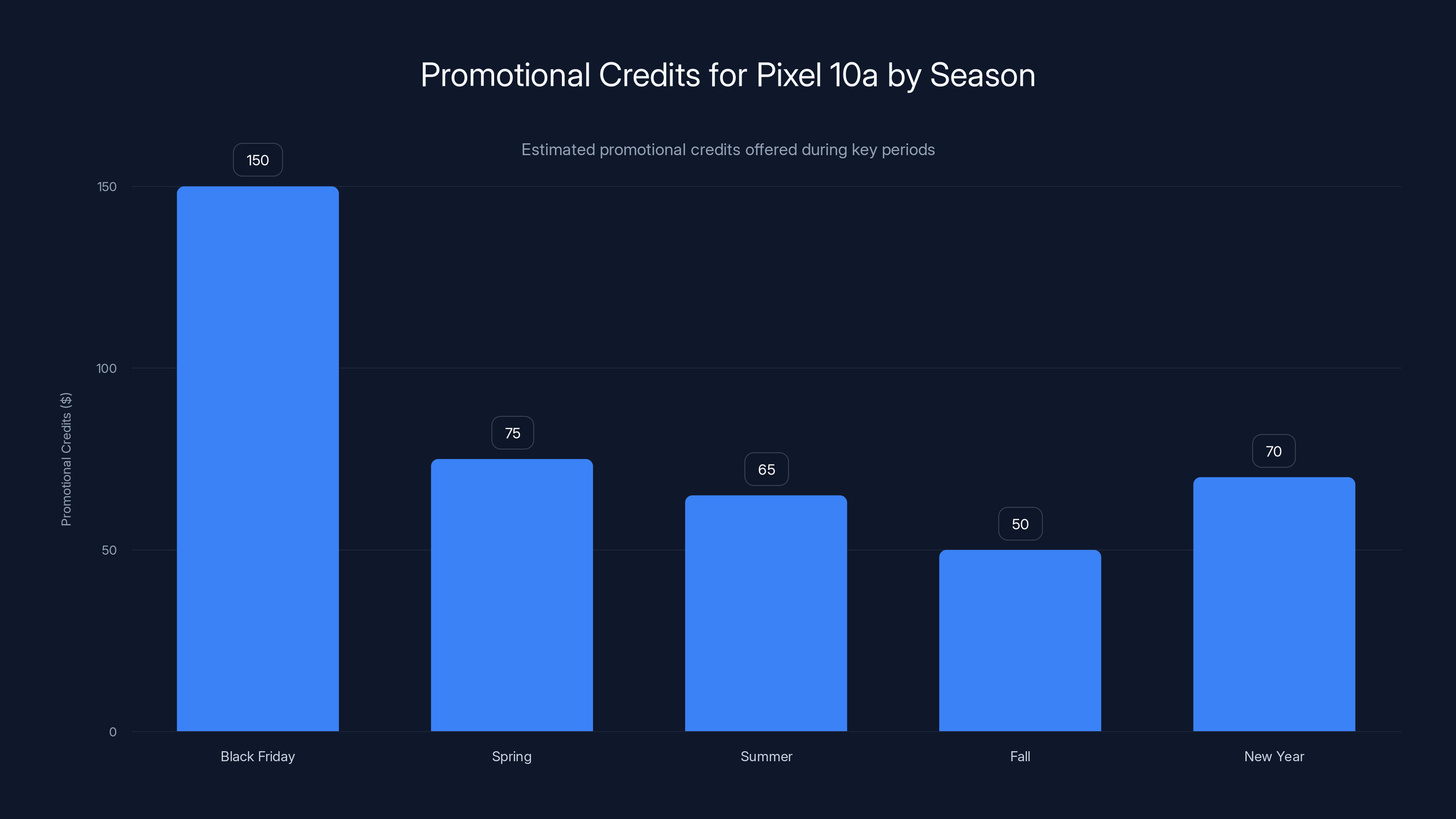
Black Friday offers the highest promotional credits for the Pixel 10a, ranging from $100-200, while other seasons offer less aggressive promotions. Estimated data based on typical carrier strategies.
AT&T's Competitive Edge with Bundle Offers
AT&T's positioning with the Pixel 10a is subtly different from the other two. They're not trying to undercut on base price. Instead, they're competing on total value through bundling and flexibility.
Their trade-in values are in the same ballpark—
AT&T's device payment is usually similar to Verizon's, somewhere around
Where they've been clever recently is with their "AT&T Next" plan flexibility. You can upgrade every 12 months instead of the traditional 24. If you're someone who likes having the latest tech, that's valuable even if the monthly cost is slightly higher. You break even after two upgrades instead of being locked in.
AT&T also has aggressive offers for bundling services—if you add or upgrade your home internet alongside the phone upgrade, you sometimes unlock additional device discounts. That's worth considering if you're already thinking about switching providers or upgrading your connection.
Their loyalty program for longtime customers is legitimate. After 5+ years with AT&T, you unlock "premium" device offers that genuinely beat what new customers get. This is one area where Verizon and T-Mobile don't compete as hard.
One thing to watch: AT&T's pricing can vary significantly by region and store. A Best Buy AT&T stand sometimes has different promotions than an AT&T corporate location. Always check both.
MVNO and Prepaid Options: The Often-Overlooked Savings Path
Here's where most people miss out. MVNOs and prepaid carriers often have significantly better device pricing than the big three, especially if you're willing to bring your own phone or accept a slight service trade-off.
Carriers like Mint Mobile, Visible, and Google's own Fi offer the Pixel 10a at significantly lower effective costs. Not because the device is cheaper (MSRP is MSRP), but because they structure their offers around service bundling rather than device financing.
Visible (which is Verizon's prepaid brand) offers the Pixel 10a for around $20-22/month on their standard plan when you factor in device financing plus service. That's a brutal comparison: you're essentially getting service plus a device for the price other carriers charge just for the device.
Google Fi's approach is different. They charge full MSRP but offer payment plans where you can finance through Google directly, separate from your service. The monthly device cost is usually
Mint Mobile's angle is even more aggressive. They sell the Pixel 10a at around
The catch with MVNOs is twofold: (1) you sacrifice premium customer service and (2) you're sometimes limited on network priority, especially during peak usage. Visible customers get deprioritized on Verizon's network compared to main Verizon subscribers. That rarely matters, but it can in congested areas during busy times.
That said, if you're not in a congested area or don't care about marginally slower speeds during peak hours, MVNO pricing is genuinely hard to beat. Over 24 months, choosing Visible or Mint Mobile can save $300-600 compared to Verizon or T-Mobile.
One more angle: some MVNOs run seasonal promotions that stack with device discounts. Keep eyes on Visible during Black Friday—they sometimes offer $100-150 additional credits on top of already-discounted device pricing.
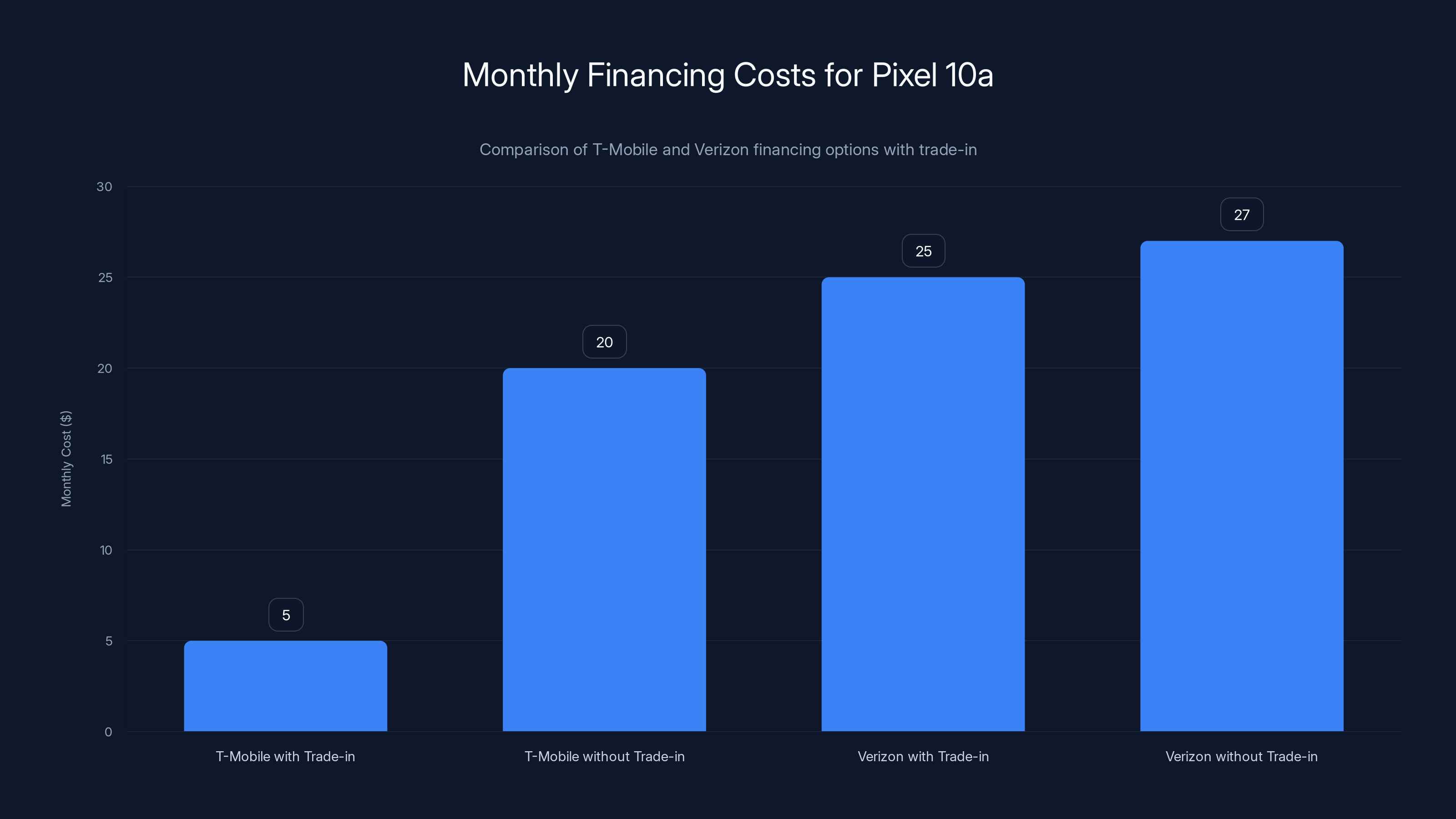
T-Mobile offers significantly lower monthly financing costs for the Pixel 10a with trade-in, saving customers $96-144 over 24 months compared to Verizon.
Best Buy and Retailer-Exclusive Deals You Shouldn't Ignore
Best Buy isn't just a showroom for carrier promotions—they sometimes run their own exclusive device deals that beat what carriers offer directly.
Best Buy has relationship agreements with carriers that let them run independent promotions. Right now, they're running $50-100 instant discounts on the Pixel 10a at certain times, sometimes with specific trade-in qualifications or plan requirements.
The advantage of buying through Best Buy is flexibility. You can choose your carrier at the register and sometimes get offers that aren't available on that carrier's website. Best Buy also offers their own Geek Squad protection plans, which sometimes cost less than carrier-offered plans with better coverage.
Best Buy's trade-in values usually match carriers', but occasionally they run bonus trade-in credit promotions where a device trades for 10-20% more than you'd get directly from the carrier. These pop up sporadically and require checking their app.
One hidden benefit: Best Buy price-matches other retailers, including carrier websites. If you find a better deal online, bring it to the store. They'll usually match it, which sometimes creates a competitive dynamic where their in-store team can dig deeper on promotions.
Best Buy's membership program (My Best Buy) also matters. Plus members sometimes unlock exclusive device pricing or faster returns. If you already have a membership, check the app before buying anywhere else.
Target and Walmart also sell the Pixel 10a, though with less negotiating room than Best Buy. They usually match Best Buy's pricing when pressed, but you have to ask. Their trade-in programs are weaker (sometimes unavailable), so the value proposition is more about convenience than savings.
Walmart has been aggressive on unlocked devices, occasionally discounting MSRP by $30-50. That doesn't match carrier financing deals, but if you prefer unlocked, it's worth a look.
Trade-In Values: What Your Old Phone Actually Gets You
Trade-in is where the real math lives. A
Pixel phones hold value relatively well. A Pixel 8 (one year old) trades for
Non-Pixel phones trade lower. An iPhone 13 trades for around
Condition matters massively. Carriers use a three-tier system: "like new" (minimal visible wear), "good" (normal wear, fully functional), and "fair" (cosmetic damage, maybe a crack, but functional). The difference between tiers is usually $50-80.
Here's the real cost of minor damage: a small crack on the back? Your phone probably drops from "like new"
Some carriers are more lenient than others on condition ratings. T-Mobile has been slightly more generous with the "good" tier, while Verizon is stricter. AT&T sits in the middle. But differences are usually $20-40, not massive.
One smart move: if your phone has minor damage, check online estimates before going to the store. Sometimes the damage isn't obvious, and different carriers might rate it differently. In one case, a Pixel with a small back crack got
Timing matters for trade-in too. New flagship releases often trigger "boost trade-in" promos where older models spike in value temporarily. If you're holding a Pixel 7 or 8, trading it during the month after a Pixel 11 launch (even though you're buying a 10a) sometimes nets $30-50 bonus credit.
One final angle: online trade-in estimates are just estimates. You'll see a popup quote when you select your device condition, but the actual inspection can differ. They're legally required to honor the estimate if it's wrong, but it takes time to process a correction. Get it in writing before completing your purchase.
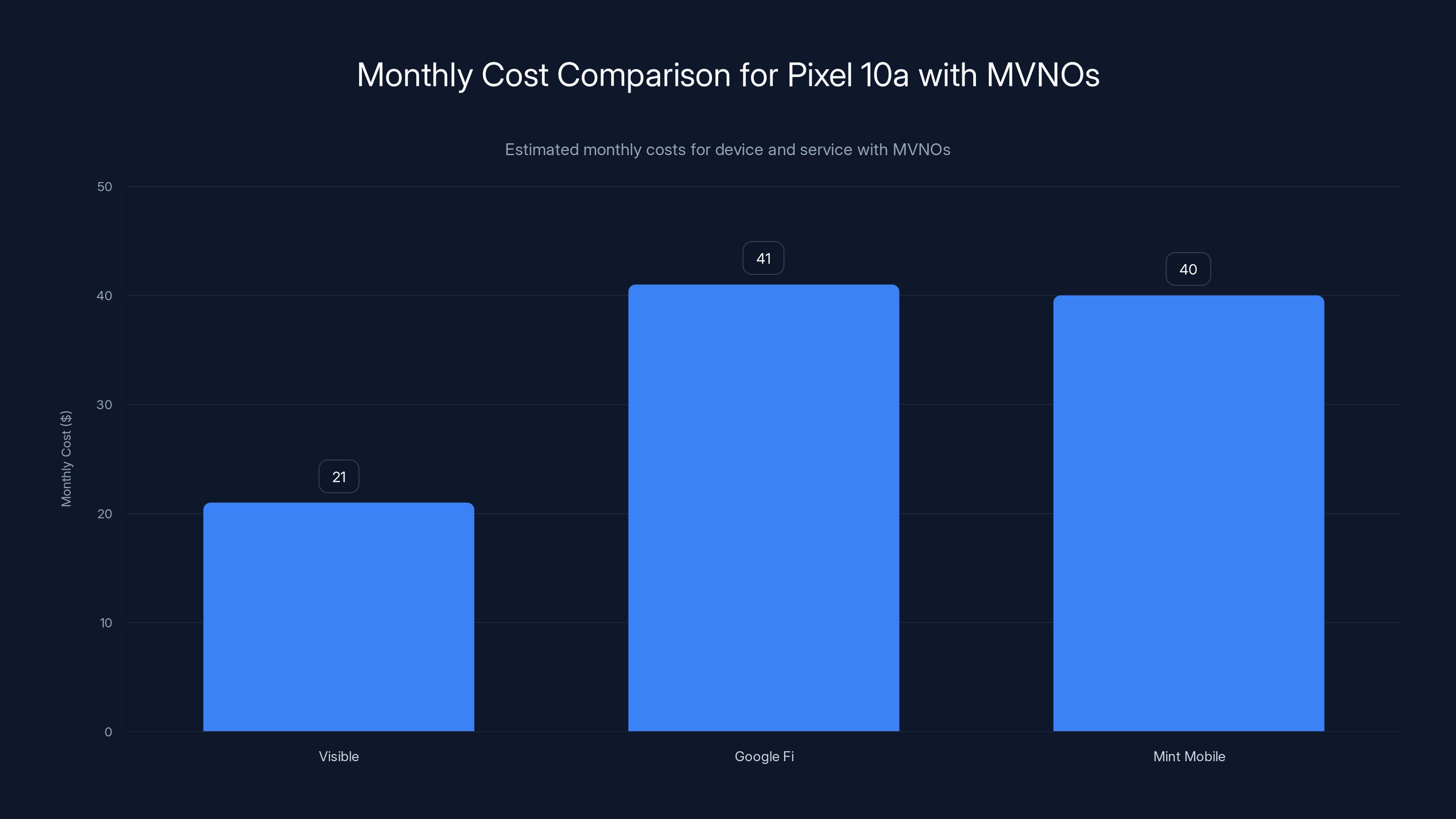
Visible offers the lowest monthly cost for the Pixel 10a at approximately $21, combining device and service. Mint Mobile and Google Fi are slightly higher due to different pricing structures. Estimated data based on typical plans.
Financing vs. Paying Outright: The Math
Should you finance or pay cash? The answer depends on three variables: interest rates available to you, the deal's terms, and whether you have cash.
If a carrier is offering 0% interest financing (which is common for qualified customers), the math is clear: finance it. You're not paying extra, and you preserve cash for emergencies. Over 24 months at 0%, a
However, if you're getting 0% financing, it's usually because you're financing through the carrier or a carrier-affiliated lender (Verizon's arrangement with Affirm, T-Mobile's internal finance, etc.). That financing is often tied to activation on that network. Switching networks before paying it off can trigger early payoff clauses or device unlock fees.
Payment over time through a carrier vs. an external lender matters legally. If you finance through Verizon directly and want to leave Verizon, they can demand payment in full. If you finance through an independent company and just happen to use Verizon service, you have more flexibility.
The outright purchase argument only wins if you get a material discount for paying cash. Some independent retailers offer $20-50 cash discounts, but you don't see that at major carriers. The discount-per-dollar of cash is minimal.
Tax timing is worth considering. Sales tax on a
Credit card considerations: some premium credit cards offer 12-month purchase protection or extended warranties. If you're buying outright and have a good rewards card, using it instead of debit/cash could net you $25-50 in travel credits (depending on card), plus warranty protection. That's a real benefit worth factoring in.
Here's the scenario where paying outright wins: you're buying an unlocked device and will keep it for 3+ years. In that case, avoiding carrier finance means no early termination issues if you switch networks later. Unlocked devices on MVNOs or prepaid carriers make this mathematically better because you're not locked into a service contract.
Black Friday, Seasonal, and Limited-Time Promotions
Timing your purchase matters. The Pixel 10a moves through clear promotional cycles aligned to carrier push periods and retail calendars.
Black Friday through Cyber Monday is historically the most aggressive promotional period. Carriers typically offer $100-200 additional credits on top of standard trade-in. Some bundle free accessories with higher value than usual. The selection is usually best, and all networks are competing hard for holiday upgrades.
Spring (March-April) is secondary because it aligns with carriers' quarterly earnings pushes. They want to show device activations in quarterly reports, so March often brings competitive offers. Nothing matches Black Friday, but you'll see $50-100 extra credits.
Summer (June-August) is traditionally slower for device promotions. Carriers are less aggressive, but trade-in values sometimes bump up slightly because they're trying to manage inventory before fall releases. The deals aren't great—expect 5-10% less aggressive pricing than spring.
Fall (September-October) brings new flagship releases, which sometimes creates clearance promotions on the previous generation. But the Pixel 10a released in spring, so by fall it's essentially "current" year still (unlike iPhone, which releases in September). Fall promotions favor flagship models, not mid-range devices.
Holiday season beyond Black Friday (November-December) has mixed promotional activity. Thanksgiving week sometimes has strong offers, but late December through early January is often quieter on promotions while carriers focus on customer service.
New Year (January) sometimes brings promotional pushes as carriers try to hit annual activation targets, but it's unpredictable. Don't count on January being better than December.
Carrier strategy sometimes ties to Apple events too. If there's an iPhone announcement, Android carriers sometimes run defensive discounts for 1-2 weeks post-announcement, trying to retain customers considering a switch. That's an edge you can exploit if you're watching Apple's keynote calendar.
One more timing angle: end-of-month bonuses exist. If a carrier wants to hit their monthly device activation targets, the last week of the month sometimes brings emergency promotions. These aren't advertised heavily, but calling a store manager directly sometimes unlocks them.

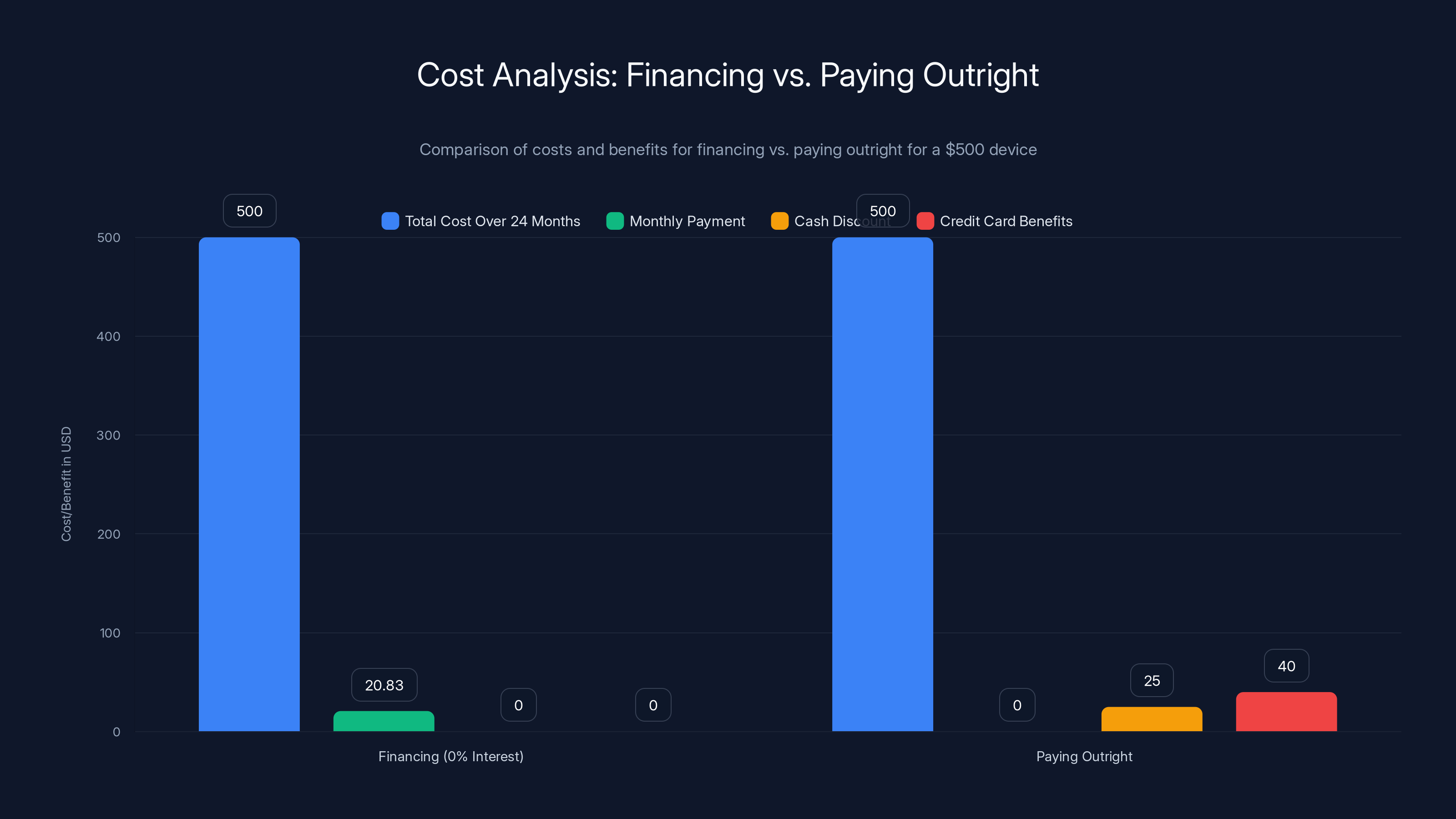
Financing at 0% interest results in the same total cost as paying outright, but paying outright can offer additional benefits like cash discounts and credit card rewards.
Promotional Bundles: Free Accessories, Service Credits, and Plan Upgrades
The headline price is rarely the complete picture. Bundles and add-ons sometimes represent $100-150 in real value.
Free accessories are common. A free case (worth
Better bundles include extended warranty or accidental damage protection. If it's free for the first year, you're saving
Service upgrades bundled with device promotions are underrated. Some carriers offer a free month of premium service, a free upgrade to higher data tier for 12 months, or free international roaming for a year. Evaluating this means knowing your actual usage—if it doesn't apply to you, it's worthless.
Streaming bundles (free Paramount+, Max, Disney+, etc.) have a real value if you'd use them, but honestly, that's diminishing. Most people already subscribe to their preferred streaming services. A free month is worth $12-15, not life-changing.
Sometimes bundles include tech support or data transfer assistance. If you're not comfortable moving data from an old phone, having a technician handle it (free) saves you time and risk. Value that at whatever your time is worth—probably $50-100 for an hour of professional setup.
The tradeoff to watch: some carriers bundle aggressive offers with service plan upgrades you don't need. Don't take the "Magenta Max" upgrade with a higher device discount if you're not using the extra perks. Do the math on the full 24-month plan cost, not just the device number.
Bundle timing matters. End-of-quarter pushes bundle more aggressively. Mid-month, they're often stripped down. If you can wait two weeks, you'll often see better bundling.
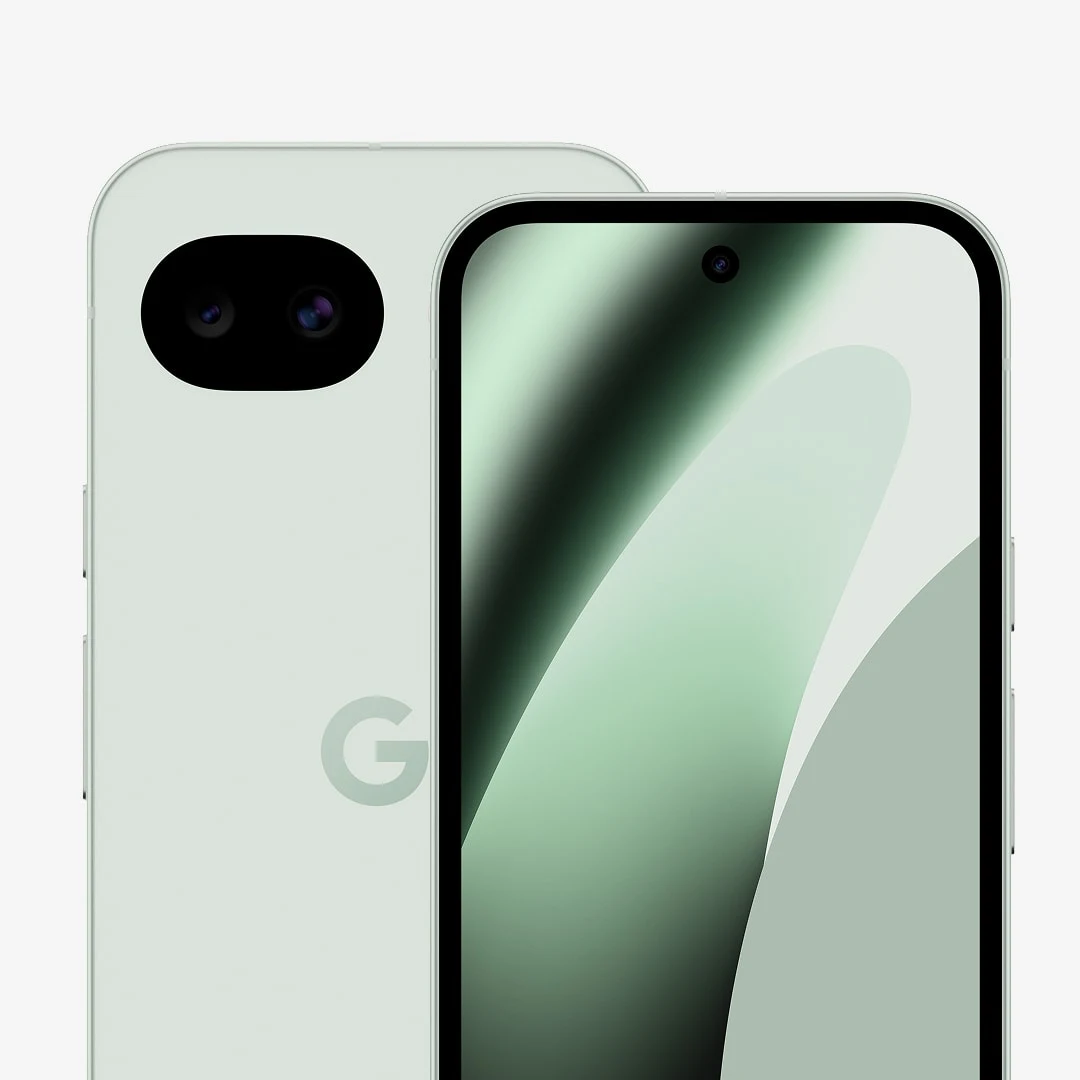
Price Comparison Across Major Markets
Geography matters. Carrier promotions vary by region, and sometimes it's worth understanding regional variations.
In major metros (NYC, LA, Chicago, SF), carrier competition is fierce because market density means easier customer switching. You often see $50-100 more aggressive promotions in dense urban areas compared to rural regions.
In rural or low-density areas, competition is weaker, and promotions are less aggressive. A place with one primary coverage carrier has less promotional pressure. You might see $30-50 less aggressive pricing.
International markets (Canada, UK, Australia, etc.) have entirely different carrier dynamics. Verizon and T-Mobile don't exist; Rogers and Bell compete in Canada; O2 and Vodafone in the UK. Trade-in values are sometimes 20-30% different due to market-specific demand.
In Canada, the Pixel 10a pricing is roughly 10-15% higher in CAD equivalent due to import duties and smaller market scale. Trade-in values are proportionally lower too.
In the UK and EU, the Pixel 10a pricing is sometimes more aggressive because competition from Samsung and Apple is fiercer in those regions. Trade-in for older devices is sometimes €20-40 higher in the EU than US.
Australia has the most regional variation. The Pixel 10a pricing is AUD
If you're relocating or traveling, understanding regional pricing helps. Sometimes buying in one region and selling in another creates margin, though importing phones risks warranty issues.
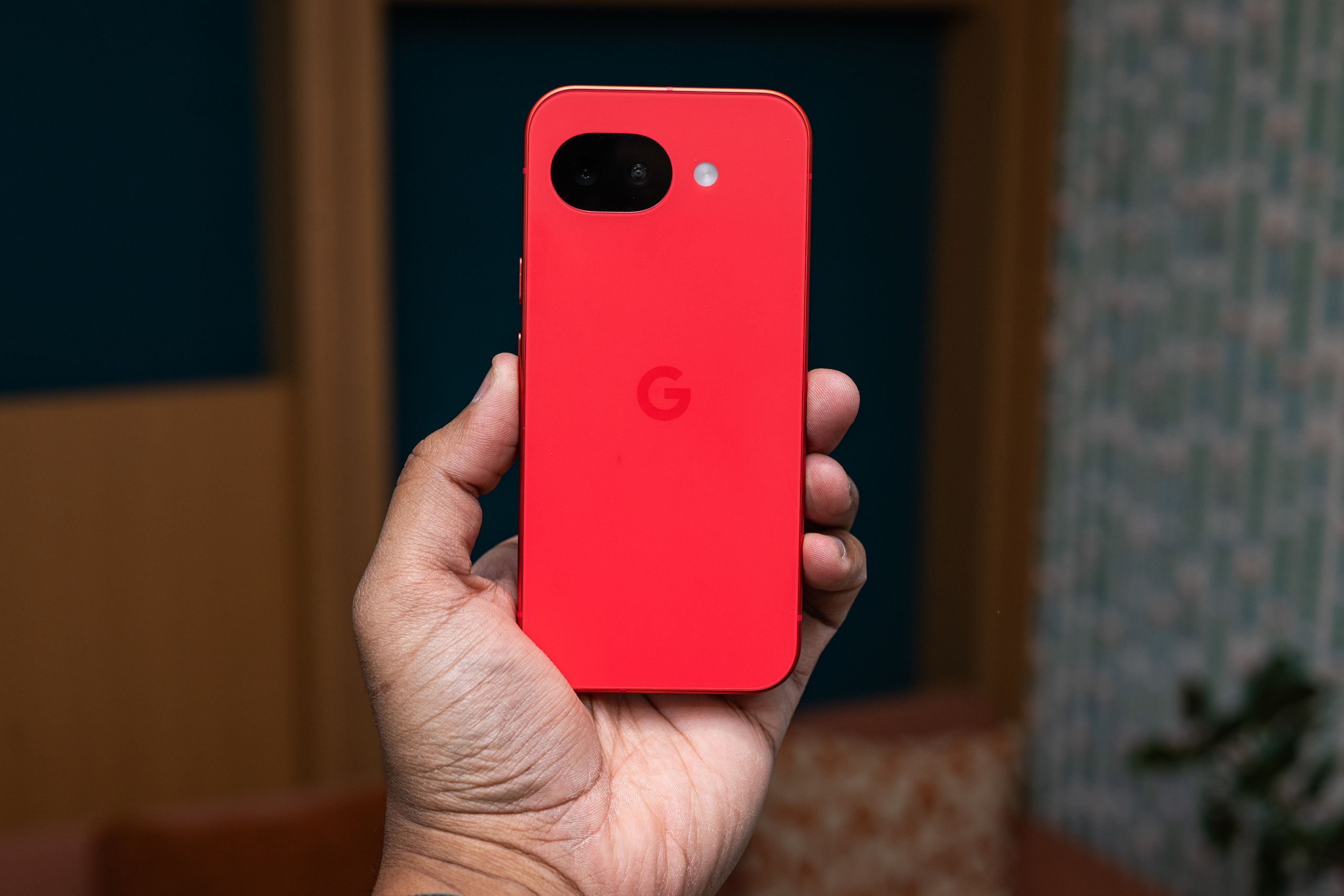
Network Coverage, Performance, and Practical Considerations
Price is only half the equation. Coverage and network quality matter for the actual experience.
The Pixel 10a supports all major network bands, so it works on Verizon (mmWave and sub-6 5G), T-Mobile (sub-6 5G), and AT&T (sub-6 5G) equally well. There's no technical disadvantage to choosing one carrier based on the phone itself.
Network quality varies dramatically by location. In dense urban areas, all three carriers offer similar 5G coverage. In suburban or rural areas, one usually dominates. Check coverage maps before deciding which carrier's deal is best.
Verizon's 5G mmWave is fastest but only in major downtown areas of big cities. It's not worth switching carriers for if you don't work/live in a specific downtown corridor.
T-Mobile's 5G covers more geographic area because it's sub-6 (not mmWave), but it's slower. For most users, the speed difference is imperceptible. The coverage difference is tangible.
AT&T's 5G is inconsistent. Some cities have excellent coverage, others are behind T-Mobile significantly. Check AT&T's coverage map for your specific location.
Network reliability (uptime, call quality) is broadly similar across carriers. There's been historical variation, but modern networks are stable enough that any of them work fine for real-world use.
Customer service quality has diverged. Verizon still has better in-store support in most locations, better phone support, and more reliable billing. T-Mobile's customer service has improved significantly but is still playing catch-up in some markets. AT&T's customer service is inconsistent by location.
If you're choosing between a great deal on a carrier with mediocre service versus a less-great deal with excellent service, factor in the time cost of dealing with customer service issues. If you're unhappy with your carrier, switching costs are now low, but it's still friction.

Warranty, Protection Plans, and Total Cost of Ownership
A
Carrier protection plans (Verizon's Total Mobile Protection, T-Mobile's Insurance, AT&T's Mobile Protect) typically cover accidental damage with a
Actual Pixel 10a screen repair from Google is roughly
Better Buy's Geek Squad protection is sometimes cheaper—
Google's built-in warranties are minimal. The Pixel 10a comes with 1-year hardware warranty covering manufacturing defects, not accidents. After one year, you're completely exposed unless you buy extended coverage.
Should you buy protection? If you've broken phones before or have kids who use your phone, yes. If you've kept phones for 2-3 years without damage, probably not. The actuarial math slightly favors insurance companies, meaning they profit on average. But emotional risk matters too.
One angle: Apple Care+ through Apple is $3.99/month but only works on iPhones. The Pixel 10a doesn't have direct Google equivalent at that price point. This is one area where iPhone is cheaper to protect.
Total cost of ownership over 24 months: a
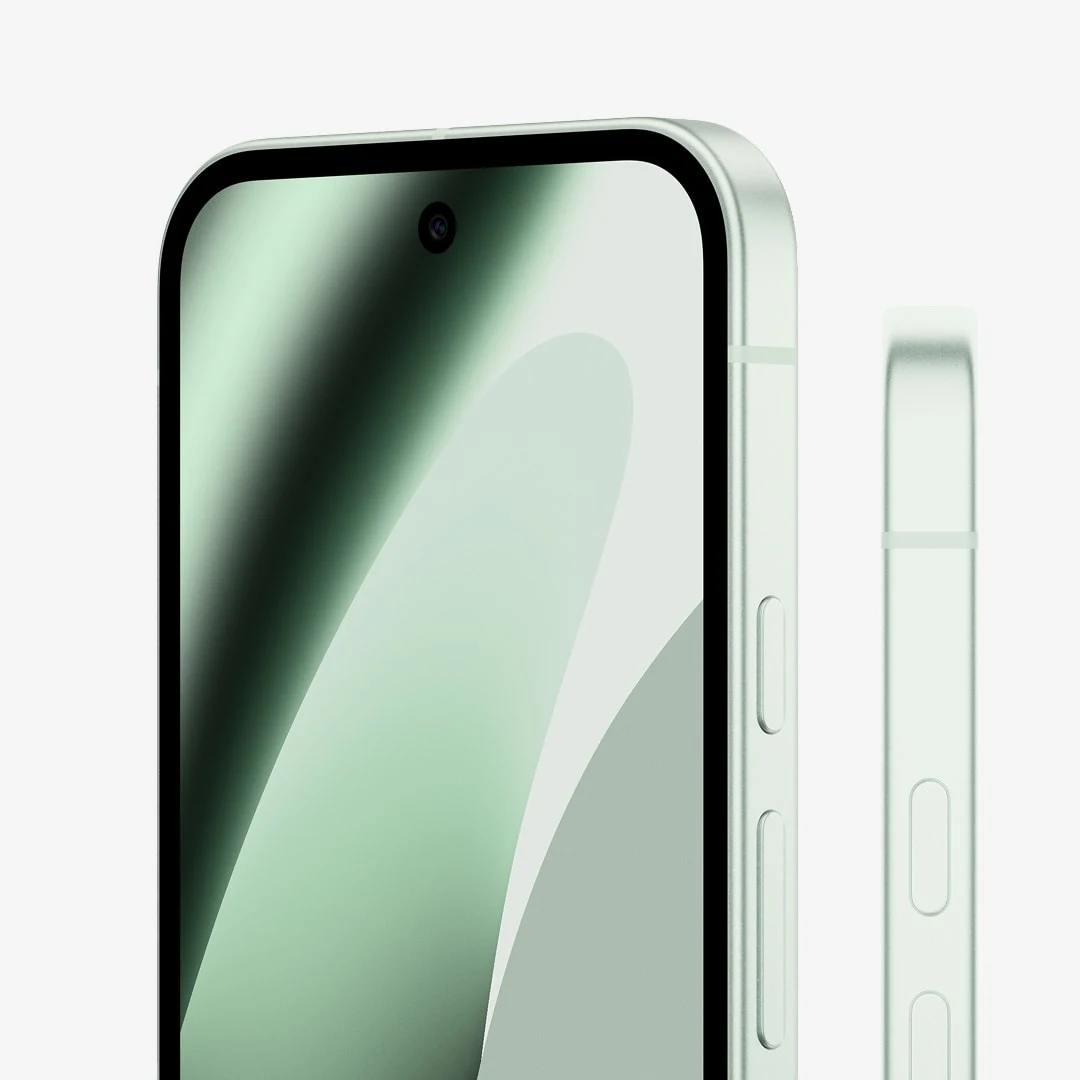
How to Negotiate and Get Better Deals
Carrier promotions posted online aren't always the final offer. There's negotiation room, especially for certain types of customers.
First, call the carrier's loyalty department, not the retention department. Loyalty is for long-term customers thinking of staying; retention is for people leaving. Loyalty reps have more promotional authority.
Second, timing. Call on a Monday morning, not Friday afternoon. Reps have more flexibility mid-week. End of the month, they have even more flexibility if trying to hit activation goals.
Third, have an alternative ready. "I can get it for $18/month from T-Mobile" is a negotiating statement that gives Verizon permission to beat it. Don't be bluffing—actually check the competing offer first.
Fourth, ask about loyalty credits or long-term customer discounts. After 3+ years, many carriers have unpublished loyalty discounts. They don't advertise them because they don't want everyone demanding them.
Fifth, sometimes combining with other purchases works. Upgrading home internet alongside a phone sometimes unlocks device discounts that don't exist standalone. Ask explicitly.
Sixth, ask about early-bird promos for upcoming releases. If a new phone is launching soon, carriers sometimes give current promotions a boost before the launch to clear inventory.
Seventh, in-store negotiation is different from phone negotiation. In-store, reps have slightly less authority but more direct approval for local deals. They can sometimes bundle things that phone reps can't.
Negotiation doesn't always work, but at least half the time, you'll unlock $30-50 in additional value just by asking. The worst they say is no.
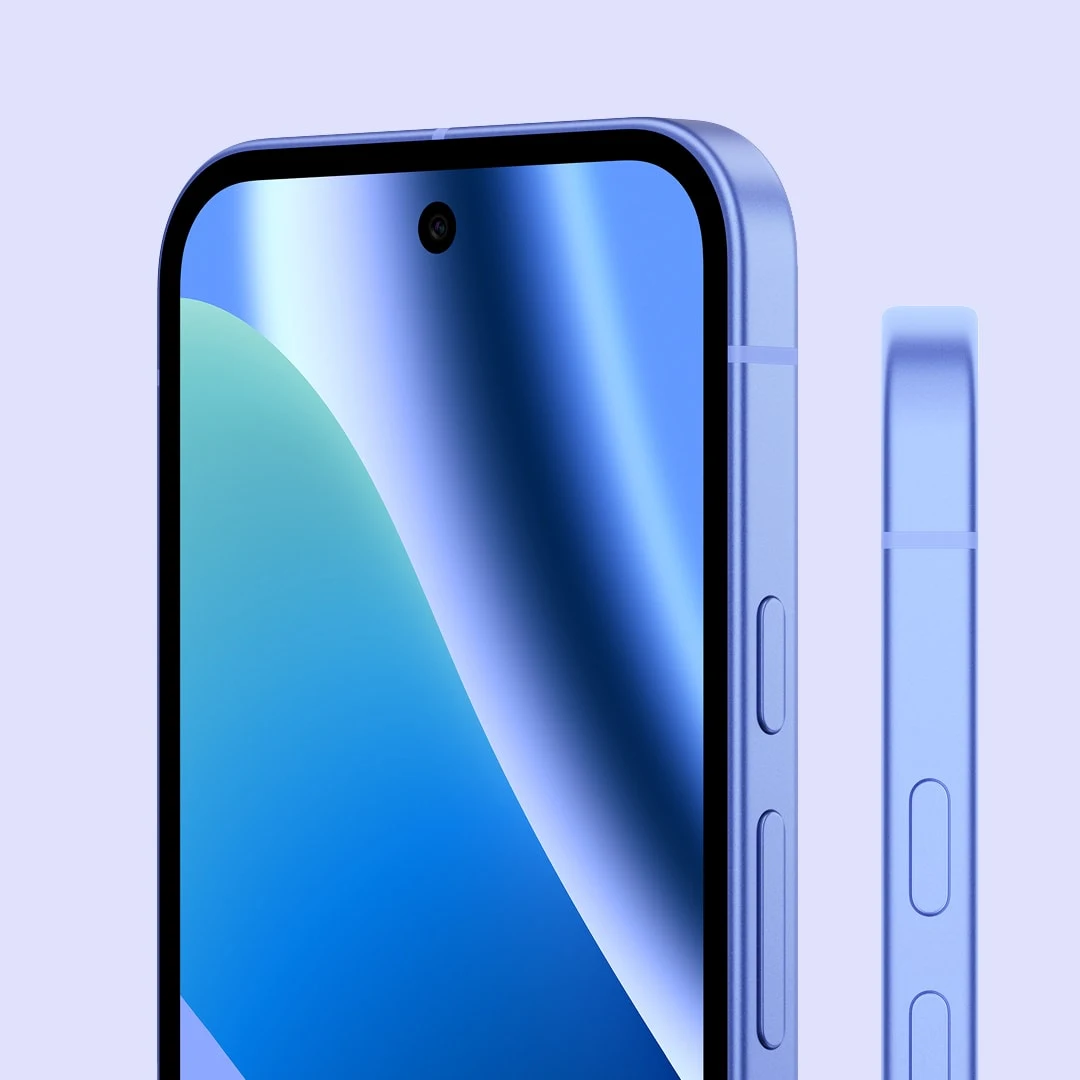
Regional Carrier Details and Country-Specific Guidance
Carrier dynamics vary globally. Here's specific guidance for major regions.
United States: Verizon, T-Mobile, and AT&T dominate. Regional MVNOs like Visible and Google Fi are viable alternatives. T-Mobile generally has best price-on-device, Verizon has best trade-in value, AT&T has best bundling. Choose based on network coverage for your location.
Canada: Rogers, Bell, and Telus compete. Pricing is roughly 10-15% higher than US. Trade-in values are lower. Coverage in dense urban areas is comparable to US networks. Rural coverage favors specific carriers by region.
UK: O2, Vodafone, and EE compete. The Pixel 10a is less subsidized than in US because UK phone market is more competitive. Unlocked purchases are often better value than carrier contracts. Contract phone pricing and MVNO pricing are closer than in US.
Germany: Telekom, Vodafone, and O2 compete. Pricing is usually 5-10% higher than US in EUR. Contract terms are sometimes less aggressive about bundling (EU law limits some bundling practices). Trade-in through carriers is less common; separate resale platforms dominate.
Australia: Telstra, Optus, and Vodafone compete. Pricing is significantly higher (AUD$700-800 equivalent). Trade-in values are also higher in AUD. Network coverage is similar to US in urban areas but much sparser regionally due to geography.
Japan: NTT Docomo, SoftBank, and KDDI dominate. The Pixel line is less popular than in US; pricing is sometimes higher relative to local purchasing power. Trade-in is less common. Unlocked imports from US sometimes work but lack local warranty coverage.
Southeast Asia: Varies significantly by country. Singapore has competitive carrier pricing. Thailand and Vietnam have aggressive MVNO markets. Philippines has multiple carriers with varying reliability. Always check local coverage, not just pricing.
Global rule: contract term lengths vary. US typically uses 24 months. Some countries favor 12-month or 18-month contracts. Shorter contracts mean you can switch faster if dissatisfied but sometimes have less aggressive promotional pricing.

Making Your Final Decision: A Practical Framework
All this information needs to compile into a decision. Here's a framework for choosing.
Step 1: Check network coverage for your specific location (home, work, commute). Use Open Signal or the carriers' own maps. Identify which carrier has best 5G/4G coverage in your area.
Step 2: Go to each of the three major carriers' websites and get exact promotional pricing for your situation (trade-in value, monthly payment, upfront cost, bundle value).
Step 3: Calculate total 24-month cost. This is: monthly payment × 24 + (sales tax if paying upfront) - (trade-in credit) - (bundle value) + (monthly protection if adding it) × 24.
Step 4: Check Best Buy, MVNOs (Visible, Google Fi, Mint Mobile), and prepaid options. Get pricing for each.
Step 5: If the difference between top two options is less than
Step 6: Call the winner carrier's loyalty line with a screenshot of the competing offer. Ask if they can match or beat it. You'll get an answer in 5 minutes.
Step 7: Verify warranty and protection plan options before finalizing.
Step 8: Activate and get a final written confirmation of all promotional credits. Sometimes credits don't apply correctly; having documentation prevents billing disputes.
The decision framework prioritizes coverage over price only if the coverage difference is meaningful. For most people, all three carriers are adequate. Coverage differentials matter in rural areas or specific locations with known weak coverage.
FAQ
What is the current price for the Google Pixel 10a?
The Google Pixel 10a has a manufacturer's suggested retail price (MSRP) of approximately
How much do carriers value my old phone in trade-in?
Trade-in values depend on device model and condition. A recent Pixel phone (Pixel 8 or 9) typically trades for
Is T-Mobile or Verizon offering better deals on the Pixel 10a right now?
T-Mobile typically offers lower monthly payment plans (sometimes $0-5/month with trade-in), while Verizon emphasizes trade-in credits and loyalty rewards. The best choice depends on your specific situation: T-Mobile wins on upfront monthly cost if you're financing, Verizon wins if you have a high-value trade-in and value customer loyalty discounts. Check current promotions directly or call both carriers' loyalty departments with a competing offer to unlock negotiation room.
Should I buy the Pixel 10a outright or finance through a carrier?
Finance it if the carrier offers 0% APR, which is standard for qualified customers on new devices. You preserve cash, pay no interest, and can benefit from promotional credits applied to financing. Pay outright only if you're getting a material discount (which rarely happens at major carriers) or if you prefer buying unlocked phones through retailers to retain flexibility for switching networks later.
What's included in carrier protection plans, and should I buy one?
Carrier protection plans typically cost
How do I know if I'm getting the best deal available?
Call each major carrier's loyalty department with a screenshot of a competing offer. Ask if they can match or beat it. Most will unlock additional $20-50 in promotional credits if you're a long-term customer. End-of-month timing sometimes reveals additional promotions. Check Best Buy alongside carriers—they sometimes have exclusive deals. Compare your final 24-month total cost (device payment + tax + service + protection) across all options before deciding.
Can I switch carriers after buying a Pixel 10a on a contract?
Yes, you can switch anytime, but the timing matters. If you finance through Carrier A and switch to Carrier B within 24 months, you're responsible for the remaining device balance. If you pay the device off before switching, you owe nothing. Unlocked phones purchased outright have no carrier lock-in. Always verify a phone is unlocked or plan to pay off financing before switching.
Are MVNO options like Visible or Google Fi cheaper for the Pixel 10a?
MVNOs sometimes have better device pricing (free or low-cost financing) combined with lower service costs (
What's the difference between locked and unlocked Pixel 10a models?
Locked models are sold by carriers and work only on that carrier (until potentially unlocked after 60+ days of service). Unlocked models work on any carrier immediately. Unlocked devices sometimes cost $10-30 more upfront but provide flexibility. If you think you might switch carriers, buy unlocked. If you're committed to a carrier and want promotional financing, buy locked.
When is the best time to buy the Pixel 10a for maximum savings?
Black Friday through Cyber Monday offers the most aggressive promotions ($100-200 additional credits on top of standard deals). March-April (spring carrier promotions) is the second-best period. Avoid summer months (June-August) when promotional intensity is lowest. End-of-month timing (last week of any month) sometimes unlocks additional deals if carriers are trying to hit monthly activation targets. New flagship releases sometimes trigger clearance pricing on the 10a if it's the previous year's model.
Conclusion: Making Your Move on the Pixel 10a
The Google Pixel 10a is priced aggressively enough that you can save $200-400 by shopping strategically. But that savings requires homework. Carriers won't volunteer their best offers, and the promotional landscape shifts constantly.
What I've learned researching this is that the biggest mistake people make isn't choosing the wrong carrier—it's not negotiating. The gap between advertised pricing and what you can unlock by calling loyalty lines is real. That $30-50 conversation literally takes five minutes.
Second biggest mistake: not accounting for trade-in value properly. A
Third: not understanding your actual network coverage needs. Picking a carrier for a deal when that carrier has weak coverage in your primary area creates friction that costs time and money in the long run. The best deal means nothing if you're constantly switching back to Wi-Fi or dealing with dropped calls.
Here's my honest take on each carrier:
Verizon makes sense if you've been with them for years and qualify for loyalty discounts. They're not dramatically cheaper, but the trade-in values are solid, and customer service is reliable. You're paying for stability.
T-Mobile makes sense if you want pure price optimization and don't mind slightly newer customer service processes. Their 0-5/month financing with trade-in is genuinely aggressive, and they've improved service quality significantly over the last few years.
AT&T makes sense if you're bundling services or want the flexibility of upgrading every 12 months. You're rarely getting the absolute cheapest price, but the bundle value sometimes makes up for it.
MVNOs (Visible, Google Fi, Mint Mobile) make sense if you want to optimize long-term cost and don't need hand-holding. The total cost over 24 months is substantially lower if you have cash for upfront purchase or are comfortable with slightly different network behavior.
Best Buy makes sense if you want flexibility on carrier choice, your state has sales tax rate that makes buying unlocked cheaper, and you value Geek Squad setup.
The single best approach: pick your preferred carrier, get their exact promotional pricing, screenshot it, then call competitors with that screenshot and ask them to beat it. Most will unlock
The Pixel 10a is a solid phone. Getting a great deal on it is entirely achievable if you do the legwork. Don't rush the purchase—deals exist constantly, and carrier promotions cycle regularly. Spend two hours on the research; save hundreds on the device.
Good luck with the upgrade.

Key Takeaways
- T-Mobile offers aggressive financing as low as 300-350 for newer Pixels)
- Trade-in values represent the largest savings opportunity, with Pixel 8 devices worth $300-330 across carriers
- Negotiating with carrier loyalty departments after checking competitor offers unlocks $20-50 additional savings most customers miss
- Black Friday and end-of-month periods offer dramatically better promotions ($100-200 additional credits) than mid-month purchases
- MVNOs like Visible and Mint Mobile offer lower total 24-month costs despite standard device pricing due to reduced service fees
Related Articles
- Best Google Pixel 10a Preorder Deals & Savings Guide [2025]
- Apple's March 4 Event: What to Expect From New MacBooks and iPads [2025]
- Google Pixel 10a: The Phone That Refuses to Compromise [2025]
- Google Pixel 10a Review: Specs, Design & Features [2025]
- Should You Wait for Galaxy S26? Why Skipping S25 Makes Sense [2025]
- Optus Free Apple Watch SE 3 with iPhone 17: Full Deal Breakdown [2025]


