
![Chiikawa: The Complete Character Guide & Series Overview [2025]](https://runable.blog/blog/chiikawa-the-complete-character-guide-series-overview-2025/image-1-1765652259658.webp)
Chiikawa: The Complete Character Guide & Series Overview [2025]
Introduction
There's something deceptively simple about Chiikawa that makes it impossible to look away. The series—which started as a humble Twitter creation in May 2017—has exploded into a cultural phenomenon that rivals some of Japan's most established franchises. At the heart of everything is Chiikawa itself: a character that shouldn't work on paper but absolutely does in practice.
When you first see Chiikawa, you see a tiny creature with white fur, round ears, and an expression that seems perpetually caught between curiosity and worry. They don't speak in complete sentences—just monosyllabic utterances like "waa" and "yaah." They cry easily. They're physically weak. By every conventional storytelling metric, Chiikawa is the underdog's underdog.
Yet somehow, this character has become the centerpiece of a multimedia empire. There are anime seasons, mobile games, crossovers with massive franchises, merchandise collaborations with everyone from Sanrio to Uniqlo, and a fanbase that spans continents. The reason? Chiikawa represents something universal—the struggle of being small and uncertain in a world that doesn't always make space for you.
This guide dives deep into everything you need to know about Chiikawa as a character, exploring their personality, relationships, abilities, and the broader narrative arc that's unfolded since 2017. Whether you're a longtime fan or someone curious about why this series has captured so many hearts, you'll find comprehensive insights here.
TL; DR
- Main Character Profile: Chiikawa is the protagonistic Chiikawa (a species, not a name) who debuted on Twitter in May 2017 and received an anime adaptation by Doga Kobo in April 2022
- Core Personality Traits: Emotionally sensitive, physically weak, timid, but selflessly brave when friends are in danger—and remarkably persistent despite repeated failures
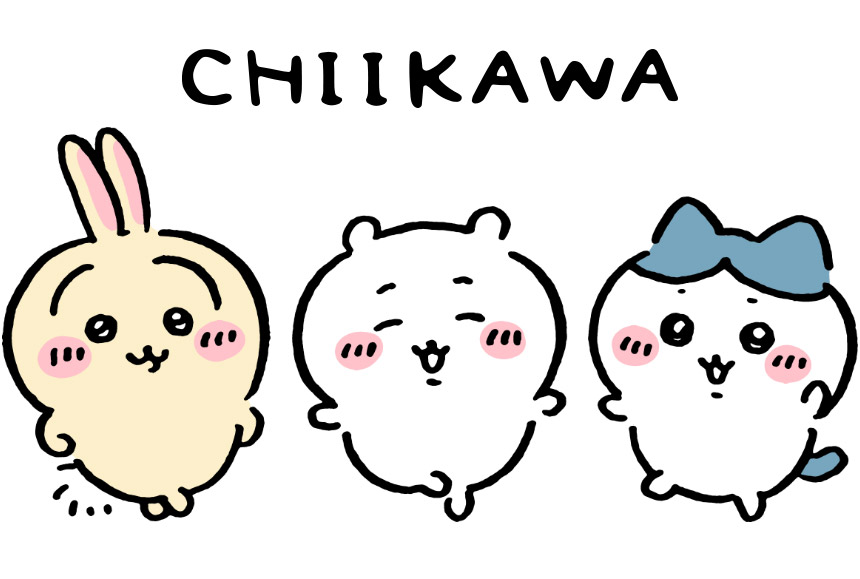
- Key Relationships: Forms an inseparable trio with Hachiware (their talking companion) and Usagi (a rabbit character), with distinct dynamics that drive much of the series' narrative
- Unique Communication: Cannot speak full sentences but communicates through monosyllabic utterances and onomatopoeia while being fully literate and able to write complete sentences
- Cultural Impact: The series has expanded into anime, games, merchandise collabs, and crossovers with major franchises, making Chiikawa a mainstream character in contemporary Japanese pop culture
Who Is Chiikawa? Understanding the Protagonist
The Character's Origin Story
Chiikawa wasn't born from a major studio brainstorm or a developed pitch deck. Instead, creator Nagano started posting simple, charming illustrations on Twitter in May 2017. The character was designed with minimal features—almost deliberately cute in an understated way. There was no grand marketing plan, no predetermined multimedia expansion. It was just an artist drawing something they found interesting, posting it online, and letting the internet decide if it was worth paying attention to.
What made those early drawings resonate was their authenticity. Chiikawa wasn't designed to be cute by committee standards. Instead, the character embodied a specific kind of vulnerability that felt real. The tiny frame, the expressions of worry, the way Chiikawa seemed slightly overwhelmed by the world around them—these weren't cynical appeals to sentimentality. They felt like honest observations about what it means to be small and uncertain.
The Twitter run lasted years before any major adaptation happened. During this time, the series built an underground following that was passionate and dedicated. When the anime adaptation finally arrived in April 2022 through Doga Kobo, it didn't feel like an inevitable cash-grab. Instead, it felt like a community finally getting recognition for something they'd loved quietly all along.
Physical Appearance and Design Philosophy
Chiikawa's design is deceptively simple, which is precisely why it works so effectively. The character is drawn with white fur, small round ears, and a spherical tail. They have a bipedal stance, beady eyes, and pink blush marks on their cheeks. The facial features include a cat-like muzzle with an outlined bottom lip—a design choice that gives Chiikawa an eternally innocent appearance.
The iconic outfit consists of a pink bear pochette and, frequently, a pink onesie. During bug hunts and dangerous situations, Chiikawa wields a pink Sasumata (a traditional Japanese farming tool used for restraining). These aren't random aesthetic choices. The pink coloring immediately signals gentleness and approachability. The Sasumata subverts expectations—a character so delicate and fearful shouldn't be the one picking up weapons, yet Chiikawa does, because their friends need protection.
Chiikawa's most recognizable expressions involve crying. The character is drawn with teardrop outlines running down their face in a way that's simultaneously heartbreaking and endearing. When worried or distressed, Chiikawa furrows their eyebrows in a very human gesture. These expression choices make the character feel remarkably alive despite the minimal design language. You can read Chiikawa's emotional state immediately without any explanation needed.
The design philosophy extends to Chiikawa's species classification itself. Chiikawa belongs to the Chiikawa species—a detail that shouldn't matter but does, because it establishes that there are other creatures like Chiikawa throughout the world. This grounds the character in a larger ecosystem rather than making them a unique anomaly.
Personality and Character Development
Core Personality Traits
Chiikawa's personality reads like a detailed character study in emotional vulnerability. The series consistently portrays Chiikawa as emotionally sensitive—quick to cry, easily frightened, and prone to anxiety in social situations. In group settings, Chiikawa often relies on Hachiware to speak on their behalf, preferring observation to direct participation. This isn't portrayed as a flaw to overcome; instead, it's treated as a valid way of being in the world.
The physical weakness component is equally important to understanding Chiikawa's character arc. They're not just emotionally delicate—they're physically outmatched by nearly every threat the series presents. When dangerous monsters appear, Chiikawa lacks the strength or combat ability to fight back effectively. This creates a recurring dynamic where Chiikawa must either hide, run away, or rely on their stronger friends for protection.
Yet here's where Chiikawa's character transcends simple "weakling" tropes: they're not paralyzed by their limitations. Instead, they exhibit a kind of stubborn perseverance that contradicts their fearful nature. When presented with challenges—like the Weed Pulling License exam that Chiikawa failed twice—the character doesn't give up. They study, they practice, they try again. This persistence in the face of repeated failure becomes one of Chiikawa's defining traits.
The most significant aspect of Chiikawa's personality is their capacity for selfless action. Despite being the weakest, the most anxious, and the most easily frightened of their friend group, Chiikawa is often the first to throw themselves in front of danger to protect Hachiware and Usagi. This creates a compelling contradiction: the character least equipped to handle danger is the one most willing to face it for those they care about. The series doesn't shy away from showing Chiikawa's guilt and shame when these protective impulses don't result in actual protection—when Hachiware or Usagi have to step in and save them instead.
Passions and Artistic Pursuits
Chiikawa shares Hachiware's passion for dancing, though Chiikawa's expression of this passion is complicated by stage fright. The character wants to dance, wants to sing, but freezes when put in front of an audience—even an audience of familiar people. This creates a relatable struggle that many viewers recognize. How many of us have passions we're terrified to share publicly?
The dancing sequences in the series reveal a softer side of Chiikawa. When not performing for others, Chiikawa dances with genuine joy and abandon. The movements are fluid and unrestrained in a way that contrasts sharply with Chiikawa's usual fearful demeanor. This suggests that much of Chiikawa's anxiety comes from external social pressure rather than internal capability. In private, Chiikawa is confident and joyful. In public, those same talents become sources of anxiety.
Communication Style and Linguistic Limitations
One of Chiikawa's most distinctive features is their inability to speak full sentences. Instead, Chiikawa communicates through monosyllabic utterances and onomatopoeia. "Waa," "aaah," and "yaah" comprise most of Chiikawa's spoken vocabulary. The character also vocalizes eating sounds—"mogu" when chewing, "kami" as a general eating noise. This communication style shouldn't work. In standard narrative design, characters need verbal articulation to express complex emotions and ideas.
Yet Chiikawa proves that limitation is irrelevant. The series demonstrates that meaning doesn't require elaborate vocabulary. A single "waa" can convey surprise, fear, or excitement depending on context and facial expression. The creative team uses visual storytelling—body language, expressions, reaction shots—to communicate what Chiikawa cannot express verbally.
What makes this particularly interesting is Chiikawa's literacy. Despite being unable to speak in complete sentences, Chiikawa can write full sentences perfectly well. This was revealed when Hachiware read from Chiikawa's "Things I Want to Do" list (episode 242). This detail establishes that Chiikawa's communication limitation is one of expression, not comprehension or intelligence. They understand the world perfectly; they simply express themselves differently.
The Trio Dynamic: Chiikawa, Hachiware, and Usagi
Hachiware: The Confident Counterpart
Hachiware serves as the perfect foil to Chiikawa. Where Chiikawa is anxious and socially withdrawn, Hachiware is confident and articulate. Hachiware can speak in full sentences and does so frequently, often serving as the group's spokesperson in social situations. This dynamic creates a natural balance—when Chiikawa freezes up socially, Hachiware steps in and handles communication.
Despite their differences in personality, Chiikawa and Hachiware share a genuine affection that forms the emotional core of the series. Hachiware never treats Chiikawa's anxiety as a burden or something to be fixed. Instead, Hachiware simply accommodates it. They speak when Chiikawa can't. They protect when Chiikawa is vulnerable. This acceptance creates a relationship that feels authentic rather than performative.
Both characters share a passion for dancing, which becomes a recurring activity the trio engages in together. During these dance sequences, the relationship between Chiikawa and Hachiware shifts slightly. They're equals, moving together in synchronized patterns. The dancing removes some of the social pressure that normally constrains Chiikawa, allowing them to participate as a full peer rather than a protected liability.
Usagi: The Wild Card
Usagi introduces a different energy to the trio. While Hachiware is reliable and Chiikawa is endearingly anxious, Usagi occupies a more unpredictable space. Usagi is a rabbit character who brings spontaneity and sometimes chaos to the group's routine. The three-person dynamic creates enough complexity that no single relationship dominates—instead, different pairings emerge depending on the situation.
Chiikawa's relationship with Usagi seems less developed in terms of explicit emotional beats compared to Chiikawa's bond with Hachiware, but that doesn't diminish its importance. Usagi is a full member of the trio, and Chiikawa cares deeply about their wellbeing, as evidenced by Chiikawa's willingness to put themselves in danger when Usagi is threatened.
Group Dynamics and Mutual Protection
What makes the trio work narratively is that protection flows in multiple directions. Chiikawa protects through emotional vulnerability and willingness to sacrifice. Hachiware protects through strength and capability. Usagi provides the element of surprise and unpredictability. None of them is the "main" protector, and none is merely "the protected." Instead, each contributes to group survival in different ways.
The series frequently puts the trio in situations where they must rely on each other's strengths to overcome challenges. A monster appears—Chiikawa might panic, but their panic makes Hachiware more alert. Hachiware fights, but Usagi's quick thinking provides an escape route. This mutual interdependence makes the friendship feel earned rather than scripted.
Abilities, Skills, and Limitations
Combat and Tool Proficiency
Chiikawa wields a pink Sasumata during bug hunts and dangerous encounters. The Sasumata is a traditional Japanese farming tool with a forked end used for restraining animals or defending against attackers. For a character as physically delicate as Chiikawa, the weapon seems comically oversized. Yet Chiikawa uses it with apparent competence, suggesting that while physical strength may be lacking, basic combat training has been acquired.
The choice of a Sasumata specifically is interesting from a design perspective. It's not a traditional weapon like a sword or bow. Instead, it's a tool—something practical and utilitarian. This fits Chiikawa's character perfectly. They're not a warrior by inclination or training. They're someone who picked up whatever was available to help protect their friends.
Chiikawa's combat effectiveness remains limited regardless of tool proficiency. In most dangerous encounters, Chiikawa's role is not to defeat threats but to distract them or buy time for Hachiware or Usagi to arrive. This isn't presented as a character flaw to be overcome through training montages. It's simply the reality of Chiikawa's existence—and the series respects that reality.
License and Occupational Achievements
One of the series' most significant character arcs involves Chiikawa's pursuit of a Fifth Grade Weed Pulling License. This might sound trivial, but it becomes the vehicle for exploring Chiikawa's relationship with failure, persistence, and self-improvement. Chiikawa fails the exam twice. The first failure hits hard—Chiikawa experiences genuine shame and frustration. The second failure compounds the disappointment.
Yet Chiikawa keeps trying. They study. They practice. They prepare for the third attempt with careful deliberation. When Chiikawa finally obtains the license, it's not framed as a minor achievement. Instead, it's positioned as a significant personal victory—all the more meaningful because Chiikawa was the last member of their friend group to achieve it.
This arc reveals something important about how the series views achievement. It's not about being the fastest or the strongest. It's about showing up repeatedly and refusing to accept permanent defeat. Chiikawa's persistence with the Weed Pulling License exam becomes a microcosm of their entire character arc.
Economic Independence and Adult Responsibilities
Despite their childlike behavior and communication style, Chiikawa handles adult responsibilities. They own a house (won in a Muchauma yogurt contest, which is characteristically absurd and wonderful). They live alone. They work to earn money for daily needs and larger purchases. This combination of childlike innocence with adult obligations creates an interesting tension that gives the series unexpected depth.
Chiikawa's homeownership and economic independence suggest that they're not actually a child, despite their behavior patterns. Instead, they're an adult who experiences anxiety and expresses emotion differently than typical adult characters. This reframes our understanding of what adulthood means—suggesting that adult responsibilities don't require emotional suppression or constant confidence.
Dietary Preferences and Social Negotiation
Chiikawa particularly dislikes broccoli and has been repeatedly shown avoiding it on their plate. This dietary preference is played for comedy, but it also reveals something about Chiikawa's character. They have clear preferences and boundaries, even if they struggle to express them verbally. When peers encourage them to eat the broccoli anyway, Chiikawa initially resists but eventually complies. This pattern—resistance followed by acceptance—mirrors Chiikawa's general approach to social pressure.
The broccoli running gag becomes significant because it shows Chiikawa has not entirely surrendered their autonomy to anxiety. They make their preferences known (through action if not words), they hold out for a bit, and eventually they find a way to compromise without completely sacrificing their wellbeing. It's a small thing, but it's a concrete example of how Chiikawa navigates a world that doesn't always accommodate their preferences.
The Species Distinction: Chiikawa vs. Chiikawas
Understanding the Naming Convention
One of the most confusing aspects of the series for newcomers is the name overlap between the protagonist and their species. The character's name is Chiikawa. The species name is Chiikawas. This sounds redundant until you realize that hundreds of Chiikawas exist throughout the series—various individuals who belong to the same species as the protagonist.
This naming choice creates an interesting dynamic in how we relate to the protagonist. They're not unique by virtue of their species membership. They're one among many. This grounds the character in a larger world rather than making them a chosen one or special individual. The protagonist is special because of their personality, their relationships, and their actions—not because they're the only one of their kind.
The Wider Chiikawa Species
Throughout the series, we encounter other Chiikawas beyond the protagonist. These other Chiikawas have their own lives, concerns, and personalities. Some work in the marketplace. Some appear in background scenes going about their daily routines. The existence of other Chiikawas establishes that the protagonist is part of a community rather than being isolated by their uniqueness.
Interestingly, the other Chiikawas don't seem to have the same communication limitations as the protagonist. Or perhaps they do, and we simply don't spend enough time with them to notice. Either way, the series suggests that being a Chiikawa doesn't automatically determine your communication style or personality. The protagonist is unique as an individual, even while being one among many in terms of species classification.
Biological and Social Classification
The series never explicitly confirms Chiikawa's biological species, despite using "Chiikawa" as both a name and a species identifier. This ambiguity is probably intentional. The creator leaves room for interpretation—is the protagonist literally a Chiikawa (species), or is "Chiikawa" more of a colloquial name that also happens to be the species name? The series allows both interpretations to coexist.
What matters narratively is that the protagonist exists within a social and species-based community. They interact with other Chiikawas, other species, and the broader ecosystem of the series world. This community membership shapes their story and experiences.
The Series' World and Setting
Locations: Marketplace, Grove, and Beyond
Chiikawa's world includes several distinct locations that serve as recurring settings. The Marketplace functions as a central hub where various characters gather to trade, work, and socialize. The Fish Sausage Grove represents a more natural area, suggesting the series world includes both developed commercial spaces and wilder regions. These locations aren't just backdrops—they're integral to the plot, establishing both the daily routine and the potential for adventure.
The presence of multiple locations suggests a world with depth and history. It's not a single contained setting but rather a genuine ecosystem with different areas serving different purposes. This world-building, while subtle, gives the series a sense of verisimilitude that makes the absurd elements (like winning a house in a yogurt contest) feel natural when placed against a grounded background.
Items and Economics
The series' world operates on an economy that involves licenses, jobs, and material goods. Chiikawa works to earn money. They can afford items like the pink Sasumata and maintain their house. This economic system, while not deeply detailed, establishes that characters operate within practical constraints. They can't simply manifest what they need; they must earn it through labor.
This grounding in practical economics makes the more fantastical elements feel more present. When Chiikawa wins a house in a yogurt contest, it's funny precisely because it violates the normal economic rules of the world. The joke lands because the series has established that houses are typically obtained through conventional means, making the contest victory feel unexpectedly lucky.
Media Expansion: From Twitter to Multimedia
The Anime Adaptation
The anime adaptation by Doga Kobo debuted in April 2022, bringing the series to a broader audience. The animation style maintains the charming simplicity of the original designs while adding movement and voice acting (or rather, the monosyllabic utterances that make up Chiikawa's vocalizations). Doga Kobo's adaptation respects the source material while making creative choices that enhance the series' visual storytelling.
The anime doesn't significantly change Chiikawa's character or relationship dynamics. Instead, it translates the existing narrative into a new medium. The adaptation proves that the appeal of the series transcends format—what worked on Twitter works equally well in animated form.
Mobile Game and Interactive Media
Beyond the anime, Chiikawa has expanded into mobile games and other interactive formats. These games typically maintain the series' gentle tone while creating new scenarios for characters to inhabit. The games serve as additional touchpoints for fans while introducing the series to people who prefer interactive media to anime or manga.
Franchise Collaborations and Brand Partnerships
Chiikawa has been featured in collaborations with major brands including Sanrio, Uniqlo, and crossovers with My Hero Academia. These partnerships introduce Chiikawa to different audiences—people who might not watch anime but shop at Uniqlo or follow Sanrio products. The collaborations also position Chiikawa as a mainstream character rather than a niche internet phenomenon.
The Sanrio collaboration is particularly significant, as Sanrio represents the Japanese cute character establishment. By collaborating with Sanrio, Chiikawa gains legitimacy within institutional cute character culture. The Uniqlo partnership positions Chiikawa merchandise as everyday casual wear, suggesting mainstream cultural acceptance.
Magical Girl Chiikawa and Genre Expansion
Magical Girl Chiikawa represents an interesting creative direction—taking the character and placing them into a completely different genre context. While Chiikawa remains fundamentally the same character, the magical girl framing allows for new storytelling possibilities and visual designs. This spin-off approach keeps the franchise fresh while maintaining core character identity.
Character Psychology and Emotional Depth
The Anxiety Framework
Chiikawa's anxiety isn't incidental to their character—it's fundamental. The series explores anxiety with unusual nuance for a cute character series. Chiikawa doesn't overcome their anxiety through willpower or character development in the traditional sense. Instead, they learn to exist alongside it. They still feel afraid, still cry, still want to hide. But they also show up. They try. They fail and try again.
This portrayal validates the experience of anxious people watching the series. You don't have to conquer your anxiety to be worthwhile. You don't have to fake confidence to contribute meaningfully to your community. Your anxiety is real, and you can still be brave despite it—not in some inspiring "conquering your fears" way, but in the mundane, daily way of simply continuing to show up.
Emotional Authenticity in a Cute Character Series
Cute character series often prioritize cuteness over emotional realism. Chiikawa reverses this hierarchy. Yes, the character is objectively adorable. But the emotional reality—the fear, the shame at repeated failures, the guilt at being weak—takes precedence. When Chiikawa cries, it matters. When they feel ashamed, we're meant to take that seriously rather than dismiss it as part of the cute aesthetic.
This emotional authenticity is why the series resonates beyond its intended cute character audience. Adults watch Chiikawa and see themselves—the version of themselves that feels small and overwhelmed but keeps trying anyway.
Growth Without Transformation
Chiikawa doesn't experience a traditional character arc where their fundamental nature changes. They don't become confident. They don't stop crying easily. They don't suddenly develop physical strength. Instead, they expand their capacity to function alongside these traits. They obtain licenses, they maintain relationships, they occasionally save their friends despite being weak.
This form of character development is less dramatic than transformation arcs but more realistic. Real people rarely undergo fundamental personality restructuring. Instead, we learn to operate more effectively within our existing parameters. Chiikawa models this kind of personal development beautifully.
The Cultural Phenomenon: Why Chiikawa Resonates
Social Media Origins and Authenticity
Chiikawa emerged from social media rather than from corporate creative departments. This origin story matters because it affects how the character is perceived. Social media creators have fewer institutional constraints than corporate entertainment divisions. They can take creative risks that might not test well in focus groups. The result is something that feels genuine rather than engineered for maximum appeal.
The Twitter origin also created a community before the character became famous. Fans discovered Chiikawa organically, shared it with friends, and built enthusiasm before any major studio got involved. This grassroots adoption creates genuine fandom rather than manufactured hype.
Universal Appeal Across Demographics
Chiikawa's success crosses traditional demographic boundaries in unusual ways. Children love Chiikawa for the obvious reasons—the character is cute, the stories are gentle, and there's an element of wish-fulfillment in following adventures. Adults love Chiikawa for more complex reasons—the emotional depth, the anxiety representation, the metaphors for struggling through adulthood.
The character appeals across cultural boundaries too. While Japanese in origin, Chiikawa's struggles are recognizable to people worldwide. Anxiety, friendship, the desire to be brave despite fear—these are universal human experiences. The series' simplicity in visual and verbal communication actually increases its international accessibility.
Kawaii Culture and Emotional Legitimacy
Kawaii (cuteness) culture in Japan doesn't require cuteness to come at the expense of emotional or thematic depth. Chiikawa operates within kawaii traditions while refusing to be shallow. The series demonstrates that cute things can be meaningful, that gentle narratives can explore complex emotions, and that approachable aesthetics don't necessitate dumbed-down storytelling.
This approach challenges Western assumptions that cuteness = low artistic value. By proving that cute and sophisticated can coexist, Chiikawa has influenced broader creative conversations about what "serious" and "respectable" art can look like.
The Comfort Factor in Uncertain Times
Chiikawa gained significant momentum during and after the COVID-19 pandemic—a period when many people were experiencing elevated anxiety and uncertainty. The series provided comfort without dismissing real fears. You could watch Chiikawa struggling with their anxieties and feel less alone. The gentle adventures, the supportive friendships, and the low-stakes humor created a safe space for emotional processing.
Character Relationships Beyond the Main Trio
Encounters with Other Species
Throughout the series, Chiikawa and friends encounter various other creatures and species. These interactions expand the world and provide opportunities for Chiikawa to interact with characters who don't share the main trio's dynamic. Some of these encounters are comedic; others reveal something new about Chiikawa's capacity for kindness or courage.
Chimeras and Antagonistic Encounters
The Chimera species represents more dangerous elements in the world. These encounters force the trio into situations where their normal routines become threatened. Chiikawa's response to genuine danger—immediately volunteering to protect friends despite being physically outmatched—becomes the proving ground for their character.
Miscellaneous Characters and Community Building
Beyond major named characters, the series includes miscellaneous creatures that populate the world. These background characters create a sense of community and ecosystem. The world of Chiikawa isn't just about the main characters; it's about a functioning society with multiple inhabitants going about their lives.
Narrative Themes and Storytelling Patterns
Recurring Story Structures
Many Chiikawa episodes follow similar structural patterns: the trio encounters a situation or problem, Chiikawa becomes anxious, they work together to address it, and resolution arrives through cooperation rather than individual heroics. This predictable structure works because the execution varies sufficiently. The problems change. The emotional beats shift. The comedy lands differently each time.
This episodic, repeating structure mirrors real life more than traditional narrative arcs. Life doesn't follow three-act structures. Instead, we face recurring types of challenges and gradually develop more effective responses. Chiikawa's narrative structure reflects this reality.
Humor Rooted in Character
The series' comedy emerges from character rather than situational gags. Chiikawa's anxious reactions are funny not because the situation is inherently absurd but because we understand Chiikawa's personality and can anticipate their response. The humor comes from recognition and affection rather than surprise.
This character-rooted comedy creates situations where viewers laugh while simultaneously feeling emotionally connected to the character. You're not laughing at Chiikawa's expense; you're laughing with recognition of shared experiences.
Visual Storytelling and Artistic Choices
Expression and Body Language
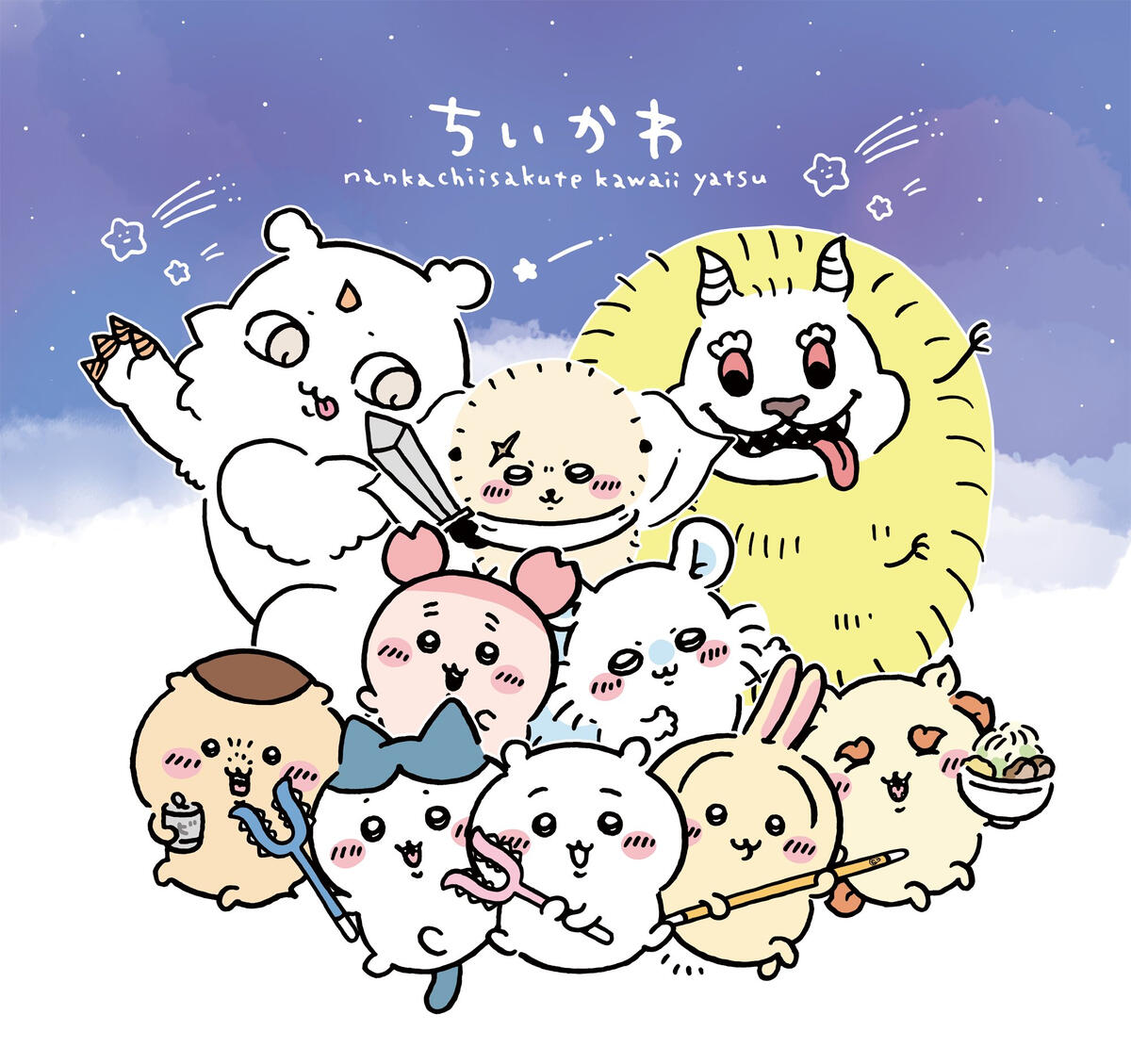
Chiikawa communicates massive amounts of information through facial expressions and body language. The character's eyes widen in fear, furrow in worry, and shine with joy. The tears, the posture, the way Chiikawa's body language shifts with emotion—all of this compensates for limited verbal communication.
This visual emphasis forces the creative team and animators to be intentional about every gesture. Nothing can be phoned in; everything must earn its place through clear visual communication. The result is a character who feels remarkably expressive despite lacking traditional dialogue.
Color Symbolism and Design Choices
The consistent use of pink—in the pochette, the onesie, the Sasumata—creates visual cohesion while reinforcing Chiikawa's associated personality traits. Pink reads as gentle, approachable, vulnerable. The color choice grounds Chiikawa's visual identity in emotional meaning rather than arbitrary aesthetic preference.
Simplicity as Strength
Chiikawa's minimal design is deliberately simple. The character has just enough features to communicate emotion and personality. There's no unnecessary detail. This simplicity is actually a sophisticated design choice—it makes the character easier to animate, easier to draw consistently, easier for audiences to read emotionally. Sometimes the most effective design is the most restrained.
Chiikawa's Future and Long-Term Trajectory
Franchise Sustainability
Chiikawa's success has been sustained across multiple seasons and years, suggesting the franchise has staying power beyond initial novelty. The gentle, episodic storytelling structure allows for indefinite expansion without narrative exhaustion. Unlike story-driven series that must build toward climactic conclusions, Chiikawa can continue generating content as long as the character relationships remain engaging.
Potential for New Stories
Despite years of content, Chiikawa still has room for new stories. The side characters, the world-building, the relationships—all of these could be expanded without fundamentally changing the character or the series' tone. A Hachiware-focused episode, an exploration of how Chiikawa won that house, a deeper dive into the Marketplace community—all of these feel like natural extensions.
Cultural Longevity
The question isn't whether Chiikawa will remain popular but how that popularity might evolve. Will the character maintain mainstream status, or will they return to more niche fandom? The answer likely depends on continued quality content and the series' ability to remain emotionally resonant as audience circumstances change.
What seems certain is that Chiikawa has already secured a place in animation history. The character has demonstrated that cutting-edge production values aren't necessary for creating meaningful art. A character who can't speak in full sentences can reach millions of hearts.
The Educational Value of Chiikawa's Narrative
Emotional Intelligence Through Story
Chiikawa serves an educational function for younger viewers by validating emotional experiences that are often minimized. When Chiikawa cries, the series doesn't shame them for it. When Chiikawa feels afraid, their fear is portrayed as legitimate. This affirmation helps young viewers understand that their own emotions—anxiety, sadness, fear—are acceptable and normal.
Friendship and Social Dynamics
The relationship between Chiikawa, Hachiware, and Usagi provides a model for healthy friendships. The characters support each other's weaknesses without judgment. They accommodate each other's different communication and personality styles. They show up for one another without expectation of reciprocal heroics. These are valuable social lessons packaged in an entertaining format.
Persistence Despite Failure
Chiikawa's multiple failures at the Weed Pulling License exam and their persistent retrying teaches that failure isn't final. You can fail multiple times and still succeed eventually. The series doesn't celebrate failure or pretend it doesn't hurt. Instead, it shows the realistic process of trying, failing, hurting, and trying again.
Comparative Analysis: Chiikawa's Unique Position
Distinction from Other Cute Character Series
While series like Sanrio, Hello Kitty, and other kawaii franchises focus primarily on aesthetics and merchandise appeal, Chiikawa emerged with narrative and emotional depth from the beginning. The character wasn't designed primarily as a merchandise vehicle. Instead, merchandise followed successful storytelling.
This origin difference manifests in how the character is used across media. Chiikawa doesn't exist just to be cute; the cuteness serves the emotional storytelling. The character can support meaningful narratives in anime form or operate as a relatable icon in merchandise form.
Relationship to Internet Culture
Chiikawa represents a specific moment in internet culture where social media creators could achieve mainstream success without corporate gatekeeping. The character exemplifies the creative potential of decentralized media distribution while also showing how traditional structures (anime studios, major brands) can successfully integrate with that creative process.
Global vs. Japanese-Specific Appeal
Unlike some Japanese characters whose appeal is culturally specific, Chiikawa's anxiety and friendship themes translate globally. The character resonates internationally without requiring cultural context for understanding. This universal applicability distinguishes Chiikawa from characters whose appeal depends on specific Japanese cultural knowledge.
FAQ
What exactly is Chiikawa—a character name or a species name?
Chiikawa functions both ways. Chiikawa is the protagonist's name, but Chiikawa is also the name of their species, with multiple other Chiikawas appearing throughout the series as separate individuals. The protagonist is sometimes distinguished as simply "the" Chiikawa (the main character of that name), while other members of the species are referred to as Chiikawas. This dual naming creates intentional ambiguity that grounds the protagonist as part of a larger community rather than a unique individual.
Why can't Chiikawa speak in complete sentences when they're clearly intelligent?
Chiikawa's communication limitation is about verbal expression rather than intelligence or comprehension. The character is fully literate and can write complete sentences (as shown when Hachiware read Chiikawa's "Things I Want to Do" list), but communicates verbally through monosyllabic utterances and onomatopoeia. This distinction suggests that Chiikawa's limitations are about how they express themselves rather than what they understand. The series uses this limitation as an opportunity for visual storytelling rather than treating it as a character flaw that needs fixing.
What makes Chiikawa's character design so effective despite its simplicity?
Chiikawa's minimal design—white fur, round ears, beady eyes, and simple facial features—works because it maximizes clarity while remaining visually appealing. The simplicity makes the character easy to recognize, easy for animators to draw consistently, and easy for viewers to read emotionally. Every feature serves a purpose: the small frame conveys vulnerability, the round ears enhance cuteness, the tear-filled expressions communicate distress. The design doesn't waste effort on unnecessary details, which paradoxically makes the character feel more expressive and alive than more complex designs would.
How does Chiikawa manage adult responsibilities like homeownership despite childlike behavior?
Chiikawa's combination of childlike emotional expression with adult responsibilities creates interesting narrative depth. The character won their house in a yogurt contest, demonstrating that the series doesn't follow strict economic logic. More importantly, Chiikawa's childlike behavior doesn't indicate childhood status. The character is an adult who experiences anxiety and expresses emotion differently than typical adult characters. This combination suggests that adulthood doesn't require emotional suppression or constant confidence, validating viewers who feel similar internal contradictions.
What's the relationship between Chiikawa's physical weakness and their repeated acts of protection for friends?
Chiikawa's willingness to protect friends despite being the weakest member of the group creates one of the series' central tensions. Chiikawa repeatedly throws themselves in front of danger to shield Hachiware and Usagi, though their lack of physical capability usually results in their friends having to save them in return. This pattern isn't framed as a flaw; instead, it reveals the distinction between bravery and physical capability. Chiikawa is genuinely brave—they're willing to face danger for others—but bravery doesn't translate to combat effectiveness. The series respects both the courage and the limitation simultaneously.
How has Chiikawa maintained popularity across multiple years and media formats?
Chiikawa's sustained success stems from emotional authenticity combined with gentle, episodic storytelling. The character's anxiety, friendship dynamics, and small personal victories resonate across age groups and cultural boundaries. The series doesn't attempt dramatic narrative arcs that would eventually exhaust themselves; instead, Chiikawa continues generating new stories within familiar patterns. The character's adaptability across media (anime, games, merchandise, collaborations) allows Chiikawa to reach different audiences while maintaining core appeal. Additionally, the series' emergence from social media created genuine fan investment before corporate expansion, establishing emotional connection rather than manufactured brand loyalty.
Conclusion
Chiikawa represents something quietly revolutionary in animation and character design. The series didn't emerge from a creative boardroom brainstorm or market research committee. Instead, it began with an artist drawing something they found interesting, posting it on Twitter, and letting the internet decide what mattered.
What makes this story significant is what the internet decided. Rather than gravitating toward the shiniest production values or the most aggressive marketing push, audiences latched onto Chiikawa's authenticity. Here was a character who was anxious, physically weak, emotionally vulnerable—everything that protagonist archetypes typically avoid—and yet somehow that character felt more real than most.
The series' genius lies in its refusal to "fix" Chiikawa. The character doesn't overcome their anxiety through willpower or suddenly become physically strong through training montages. Instead, Chiikawa learns to exist alongside their limitations while maintaining persistence and showing up for their friends. This form of character development reflects actual human experience more accurately than transformational arcs do.
Chiikawa also demonstrates that cuteness and depth aren't mutually exclusive. The character can be adorable while also exploring real emotional territory. The gentle aesthetics don't compromise narrative meaning. If anything, the contrast between Chiikawa's innocent appearance and the emotional weight they carry makes both aspects more impactful.
The multimedia expansion—anime adaptation, mobile games, brand collaborations—hasn't diluted the core appeal. If anything, it's validated what fans recognized from the beginning: Chiikawa's story resonates across formats and demographics. The character works on Twitter, in anime form, as merchandise, in crossovers with major franchises. This versatility suggests something enduring about the character's fundamental appeal.
Looking forward, Chiikawa will likely continue generating content as long as the series maintains its emotional authenticity and narrative focus on character relationships rather than escalating plot stakes. The character has proven that you don't need cutting-edge action sequences or world-threatening stakes to create meaningful entertainment. Sometimes the most powerful stories are about small creatures working through everyday challenges with friends alongside them.
Chiikawa matters because it validates a specific human experience that entertainment often overlooks. If you've ever felt small, anxious, or incapable but tried anyway—this character gets that. If you've surrounded yourself with friends who compensate for your weaknesses while you try to do the same for them—this series understands that too. Chiikawa has become a cultural touchstone not through hype or aggressive marketing, but through genuine resonance with what it means to be uncertain and courageous simultaneously. And in a world that often demands constant confidence, that kind of character feels like exactly what people need.

Key Takeaways
- Chiikawa emerged from social media authenticity rather than corporate design, creating genuine emotional connection with global audiences across demographic boundaries
- The character deliberately refuses transformation arcs, instead modeling realistic personal development through persistence alongside limitations—a unique narrative approach for protagonist characters
- Minimal visual design paired with emotional authenticity creates a character who communicates powerfully despite monosyllabic speech, demonstrating that effective storytelling transcends verbal articulation
- The trio dynamic between Chiikawa, Hachiware, and Usagi establishes healthy friendship models through mutual accommodation and multidirectional support rather than hierarchical protection
- Chiikawa's sustained popularity across anime, games, merchandise, and brand collaborations proves that cuteness and narrative depth are complementary rather than conflicting creative goals


