
![C'mon, You Don't Need An AI To Check Your Spelling [2025]](https://tryrunable.com/blog/c-mon-you-don-t-need-an-ai-to-check-your-spelling-2025/image-1-1782381872951.jpg)
C'mon, You Don't Need An AI To Check Your Spelling [2025]
Spell checkers have been around for decades. Remember the days of Microsoft Word's squiggly red lines? Those were the OG spell checkers, catching our typos and missing commas. Fast forward to today, and you've got AI-driven tools promising to catch every mistake, nuance, and style faux pas. But here's the thing: you don't need an AI to check your spelling. Let's dive into why that's the case, explore the history of spell checking, and look at practical alternatives.
TL; DR
- AI tools are powerful, but not always necessary: Traditional spell checkers can handle most spelling and grammar needs.
- Understand the basics: Get familiar with built-in spell check features in software you already use.
- Practical tips: Learn how to enhance your spelling without relying on AI.
- Common pitfalls: Avoid over-reliance on AI tools for basic tasks.
- Future trends: Where spell check technology is headed.
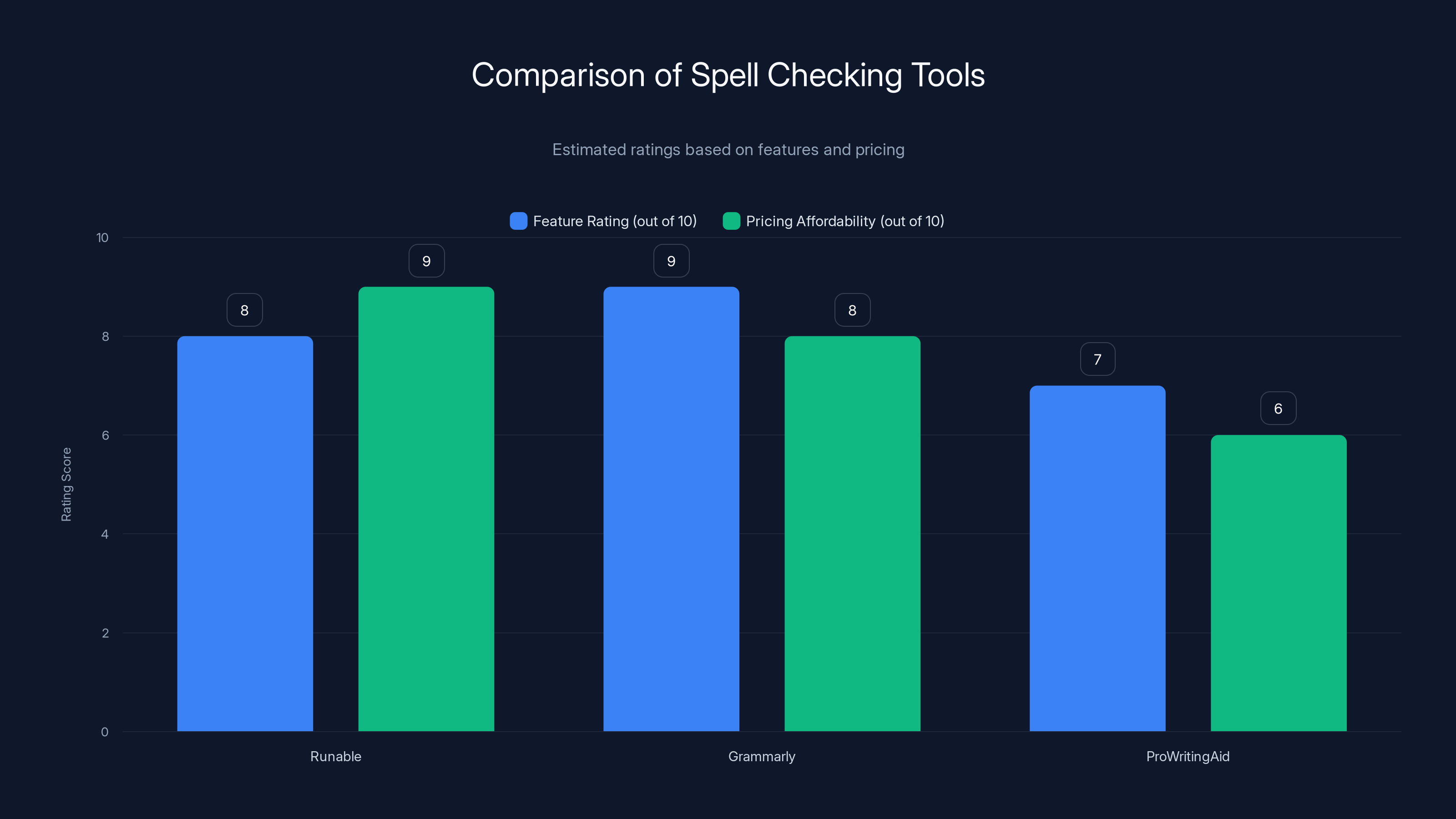
Grammarly scores highest in feature rating, while Runable offers the most affordable pricing. (Estimated data)
A Brief History of Spell Checkers
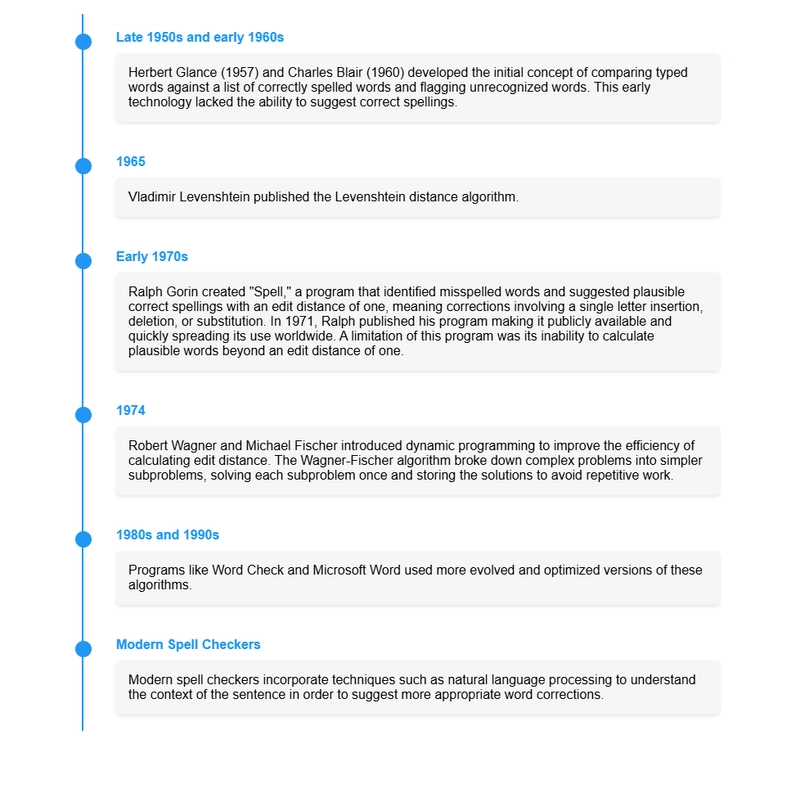
The concept of spell checking isn't new. In the early days of computing, spell checkers were rudimentary but effective. Programs like Microsoft Word and Word Perfect included basic spelling and grammar checks with simple algorithms that compared each word to a dictionary.
How Traditional Spell Checkers Work
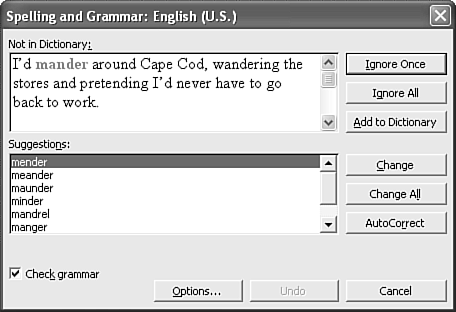
Traditional spell checkers operate by comparing words against a pre-defined dictionary. If a word isn't found, it's flagged as a potential error. They also use rules for basic grammar checks, like ensuring subject-verb agreement.
Key Features of Traditional Spell Checkers:
- Dictionary-based corrections: Matches words against a dictionary.
- Grammar rules: Basic syntax checking.
- User customization: Add words to the dictionary.
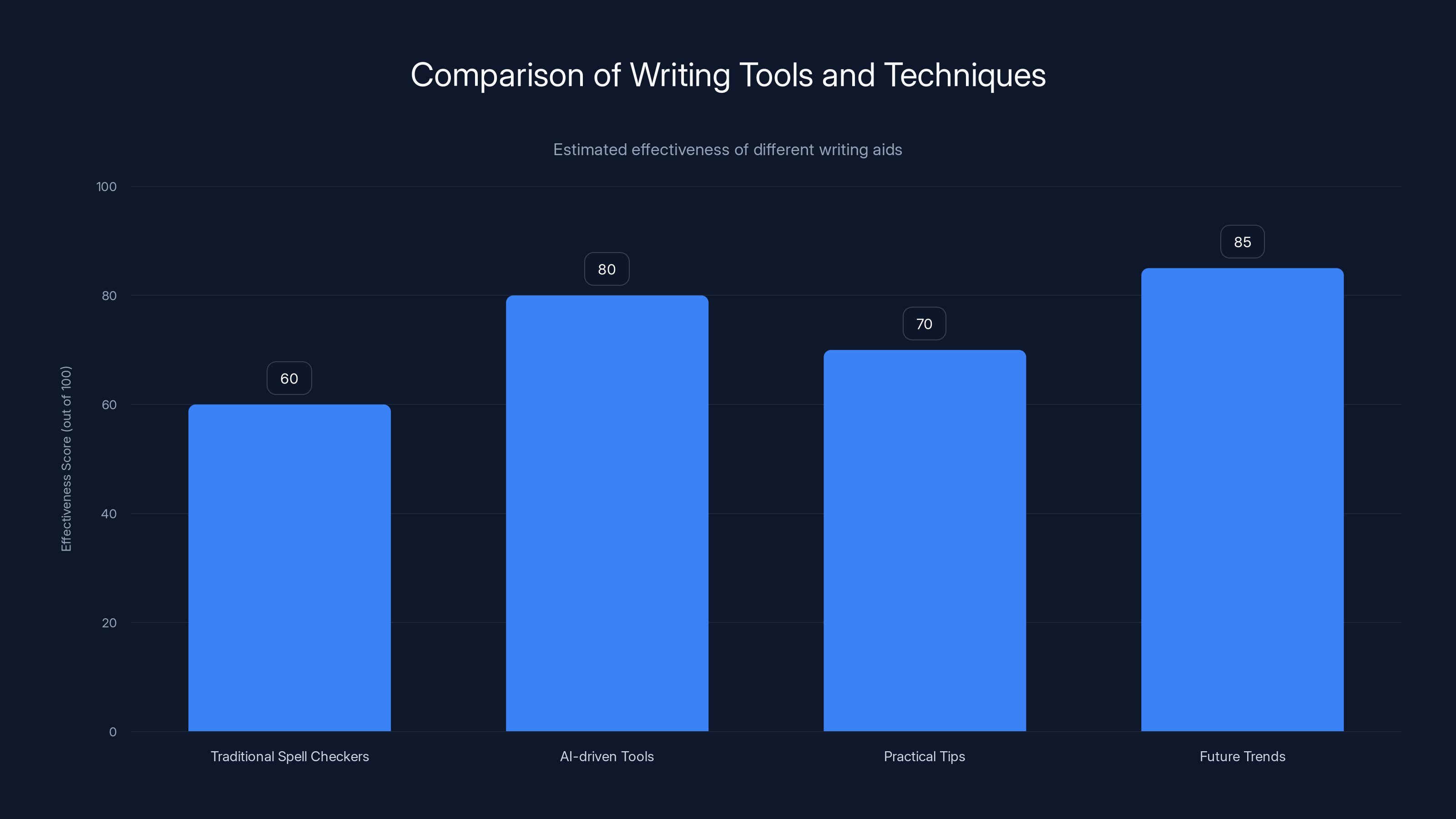
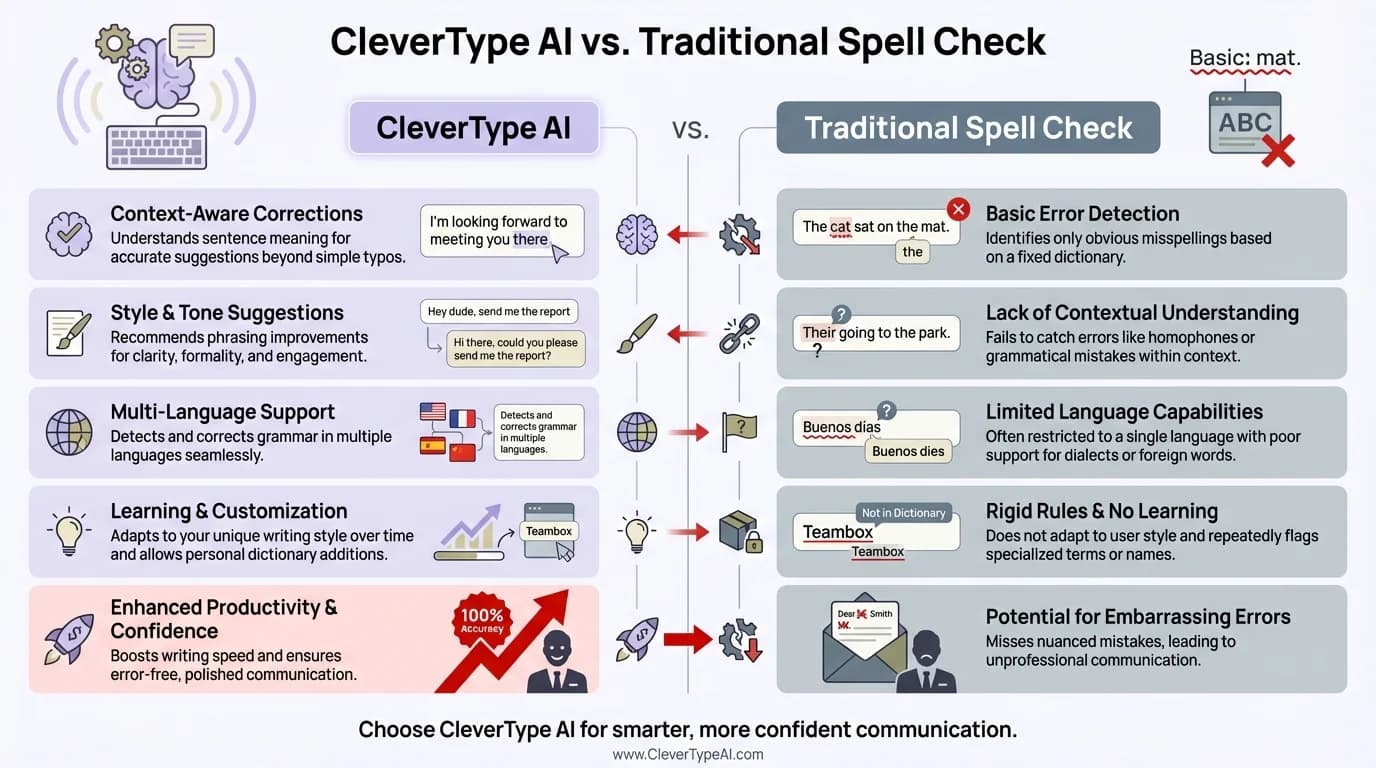
AI-driven tools score highest in effectiveness due to advanced features, while traditional spell checkers offer basic functionality. Estimated data.
Modern AI-Driven Spell Checkers
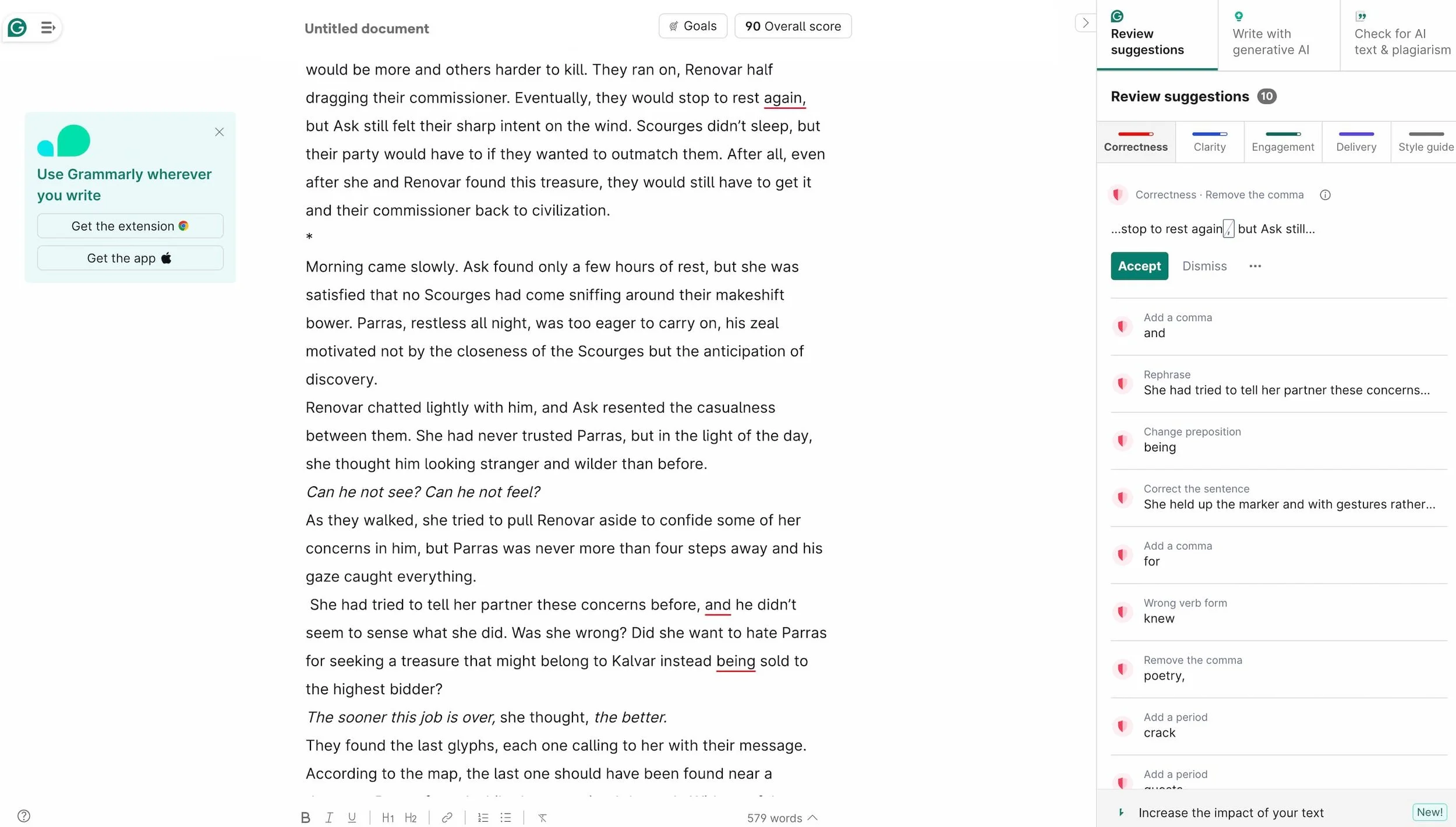
AI-driven spell checkers, like Grammarly and Pro Writing Aid, use machine learning models to understand context and style. They go beyond simple spelling corrections, offering suggestions for tone, style, and clarity.
What AI Spell Checkers Offer:
- Contextual awareness: Understands the meaning of words in context.
- Style suggestions: Offers advice on tone and formality.
- Clarity improvements: Suggests rephrasing for better readability.
While these features are impressive, they're not always necessary, especially for basic spelling and grammar checks.
Why You Don't Need AI for Spell Checking
Simplicity and Speed
Traditional spell checkers are simple and fast. They're built into most text-editing software and work offline, making them accessible anytime, without the need for an internet connection.
Cost-Effectiveness
AI-driven tools often come with subscription costs. For basic spelling and grammar checks, these expenses might not be justified, especially when free alternatives are available.
Reducing Over-Reliance
Over-reliance on AI can lead to a loss of basic writing skills. It's important to maintain these skills and use AI as a supplement, not a replacement.
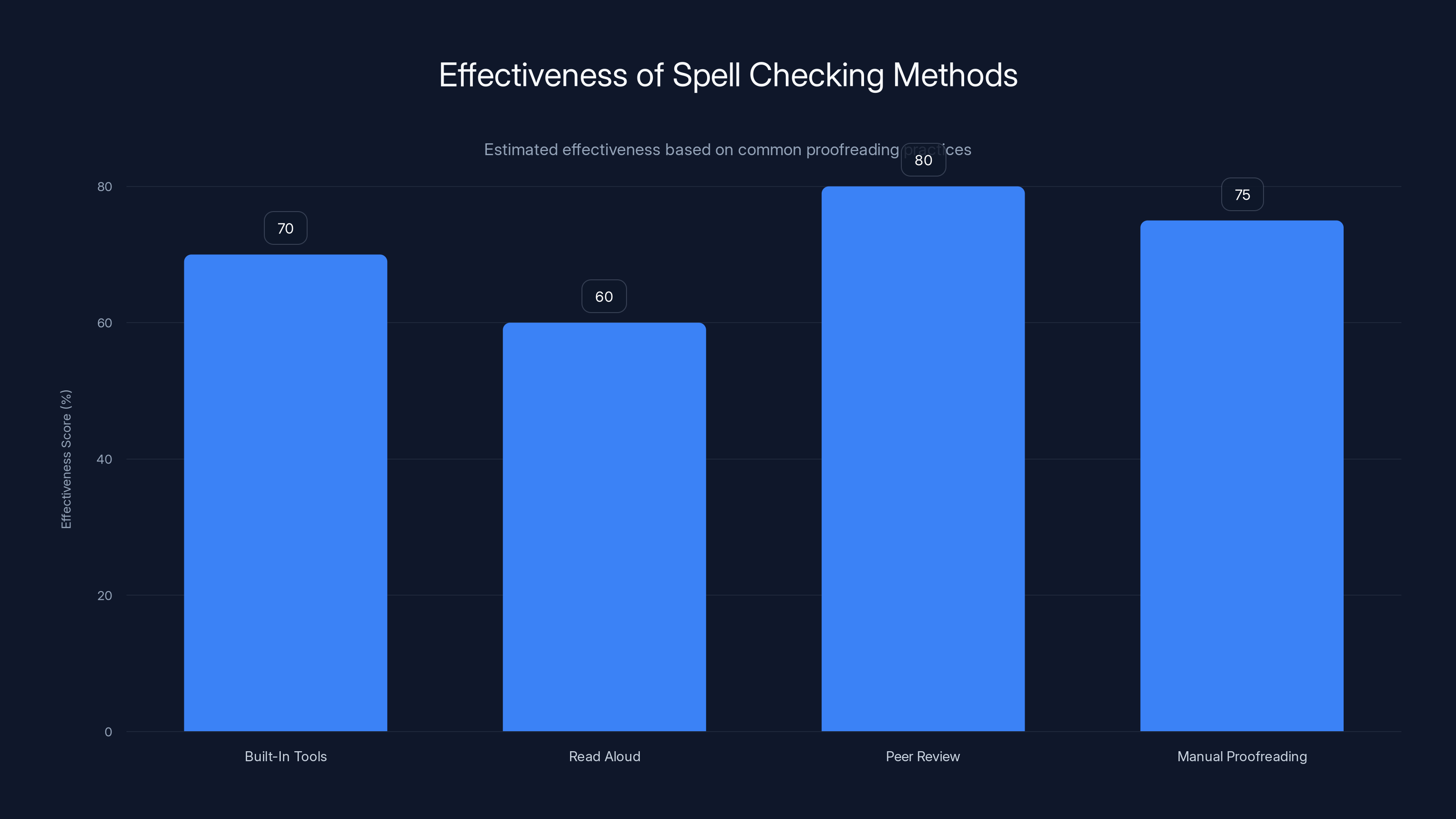
Peer review is estimated to be the most effective spell checking method, followed closely by manual proofreading. Estimated data.
Practical Tips for Effective Spell Checking
- Use Built-In Tools: Most word processors come with built-in spell checkers. Familiarize yourself with their features.
- Read Aloud: Reading your text aloud can help you catch errors that spell checkers might miss.
- Peer Review: Have someone else read your work. Fresh eyes can catch mistakes that you overlook.
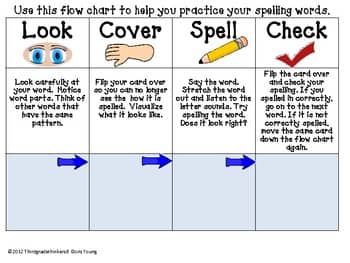
- Manual Proofreading: Develop a checklist to manually review your work for common spelling and grammar issues.
Common Pitfalls and How to Avoid Them
Blind Trust in AI
Don't assume AI tools are infallible. They can miss context-specific errors or suggest changes that alter your intended meaning.
Ignoring Style Guides
AI tools may not align with specific style guides you need to follow. Always cross-reference with your required guidelines.

Future Trends in Spell Checking
Integration with Writing Platforms
Expect to see deeper integration of spell checking tools with writing platforms, providing seamless editing experiences.
Enhanced Contextual Understanding
Future tools may further improve context understanding, reducing false positives and offering more nuanced suggestions.
Multilingual Capabilities
As global communication expands, spell checkers will increasingly support multiple languages and dialects, catering to diverse user needs.

Conclusion
While AI brings exciting advancements to spell checking, it's not always necessary for everyday use. Understanding and utilizing traditional spell checking tools can effectively meet your basic spelling and grammar needs. As technology evolves, staying informed about new developments ensures you're using the best tools to enhance your writing.
FAQ
What is a traditional spell checker?
A traditional spell checker compares words against a dictionary and checks for basic grammar errors using predefined rules.
How do AI-driven spell checkers work?
AI-driven spell checkers use machine learning models to understand context, offering advanced suggestions for style and clarity.
What are the benefits of using traditional spell checkers?
They are simple, fast, cost-effective, and built into most text-editing software, making them accessible and easy to use.
Can I trust AI spell checkers completely?
While AI tools are advanced, they can still make errors. It's important to review suggestions critically and maintain basic proofreading skills.
Are there any free alternatives to AI-driven spell checkers?
Yes, many word processors offer built-in spell checkers that are free and sufficient for basic spelling and grammar checks.
What should I do if a spell checker misses an error?
Use manual proofreading techniques, such as reading aloud and peer reviews, to catch errors that automated tools might miss.
Will spell checkers support more languages in the future?
Yes, as demand for global communication grows, spell checkers will likely support more languages and dialects.
The Best Spell Checking Tools at a Glance
| Tool | Best For | Standout Feature | Pricing |
|---|---|---|---|
| Runable | AI automation | AI agents for presentations, docs, reports, images, videos | $9/month |
| Grammarly | Comprehensive grammar | Advanced style suggestions | Free; Premium from $12/month |
| Pro Writing Aid | In-depth analysis | Detailed writing reports | $20/month |
Quick Navigation:
- Runable for AI-powered presentations, documents, reports, images, videos
- Grammarly for comprehensive grammar checks
- Pro Writing Aid for in-depth writing analysis
Key Takeaways
- Traditional spell checkers are sufficient for basic needs, offering simplicity and cost-effectiveness.
- AI-driven tools provide advanced features, but over-reliance can reduce essential writing skills.
- Practical tips enhance writing without AI, like peer reviews and reading aloud.
- Future trends indicate more integration and multilingual support.
- Use AI tools as supplements, not replacements for manual proofreading.
Related Articles
- AI Was Supposed to Kill Engineering Jobs, But New Data Suggests They're the Most Resilient [2025]
- Broadcom and OpenAI's Jalapeño Processor: Building the AI Full Stack [2025]
- Everything You Need to Launch a Team of AI Agents [2025]
- Tracking Prime Day 2026: Sales Worth Shopping [2026]
- Choosing the Best Mini PC for School [2025]
- Xsolis Data Breach Exposes 1.4 Million: Navigating Healthcare AI Security [2025]


