
![Blue Origin's New Glenn: Lessons Learned from a Misguided Orbit [2025]](https://tryrunable.com/blog/blue-origin-s-new-glenn-lessons-learned-from-a-misguided-orb/image-1-1776699362998.jpg)
Blue Origin's New Glenn: Lessons Learned from a Misguided Orbit [2025]
Space exploration is as fascinating as it is challenging, with every mission presenting unique uncertainties. Recently, Blue Origin's New Glenn rocket faced an unexpected setback when it delivered a satellite to the wrong orbit. This incident provides a critical opportunity to delve into the complexities of orbital mechanics, mission planning, and future aerospace innovations.
TL; DR
- Orbital Mechanics: Understanding the precise calculations and adjustments required for successful satellite deployment.
- Mission Planning: The importance of meticulous pre-launch simulations and real-time monitoring.
- Technical Challenges: Overcoming propulsion and guidance systems issues.
- Lessons Learned: Implementing better error-checking protocols and redundancy systems.
- Future Recommendations: Emphasizing adaptive AI for in-flight adjustments and continuous learning.
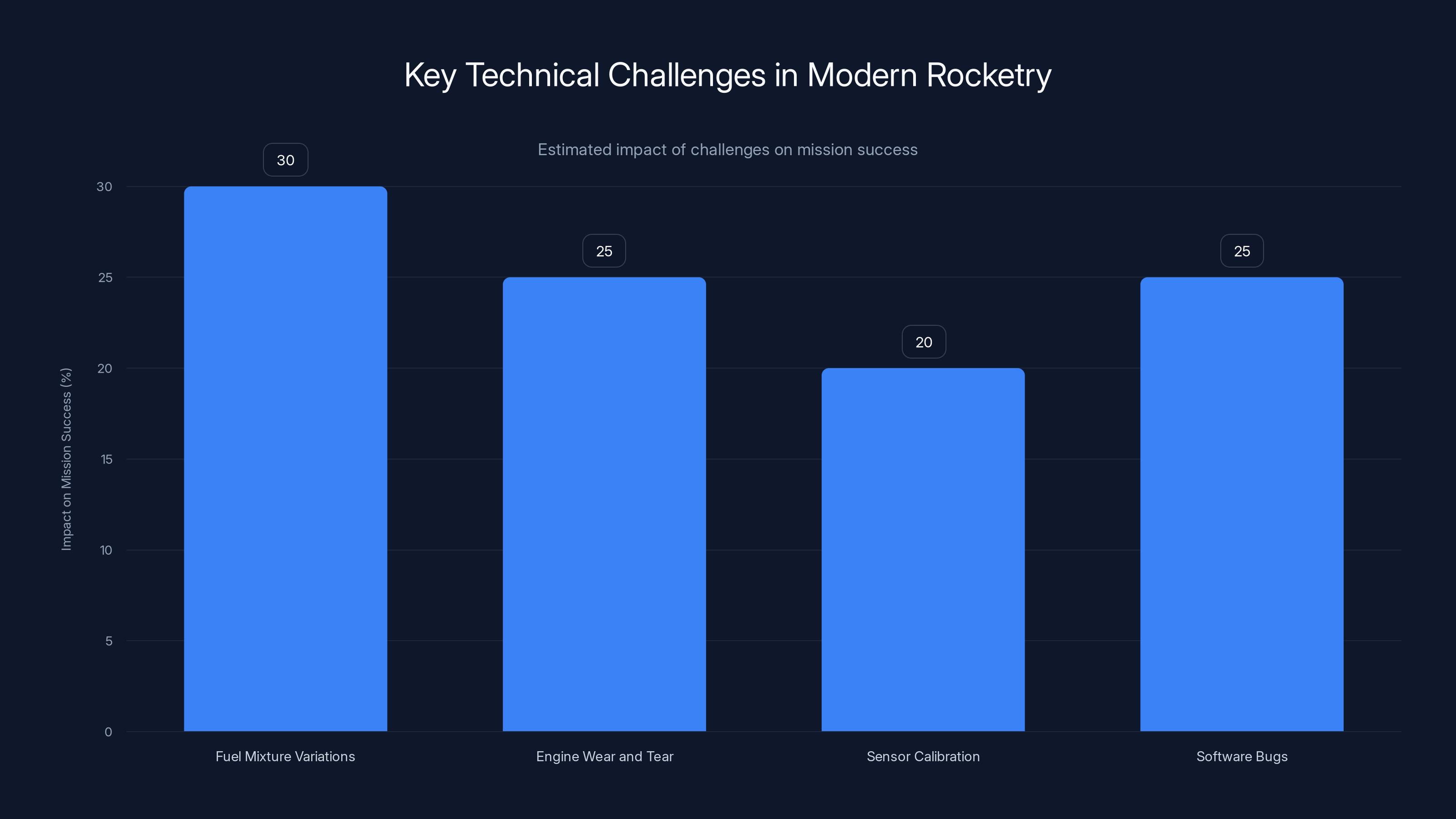
Estimated data suggests that fuel mixture variations and software bugs are significant challenges, each contributing to 30% and 25% of potential mission failures respectively.
Understanding Orbital Mechanics
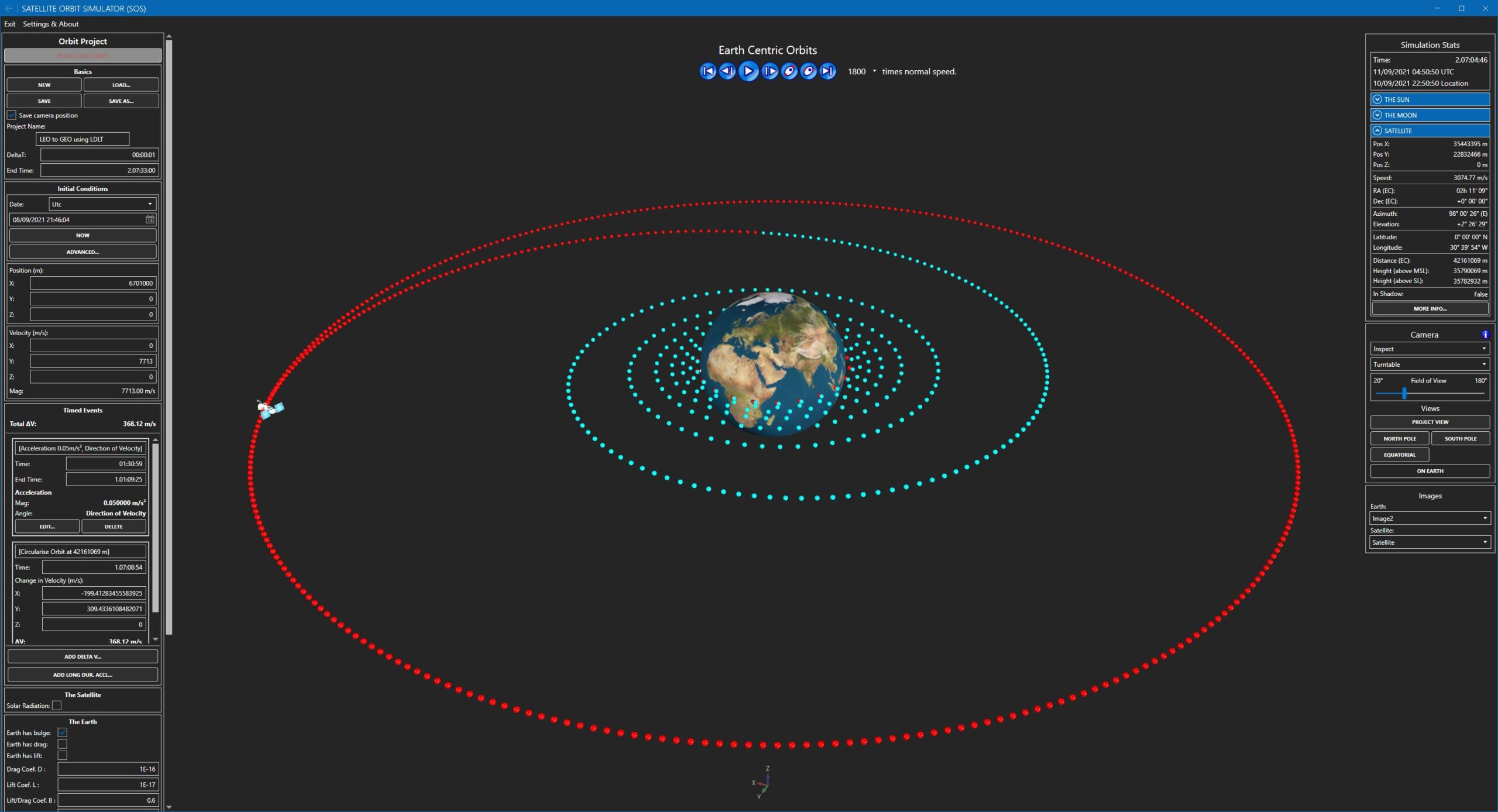
When we talk about satellites and orbits, we're diving into a field that combines physics, engineering, and precision. Orbital mechanics, or astrodynamics, is the science of how objects move in space under the influence of gravity. This field's foundation was laid by Kepler and Newton, and it remains crucial for modern space missions.
The Basics of Orbits
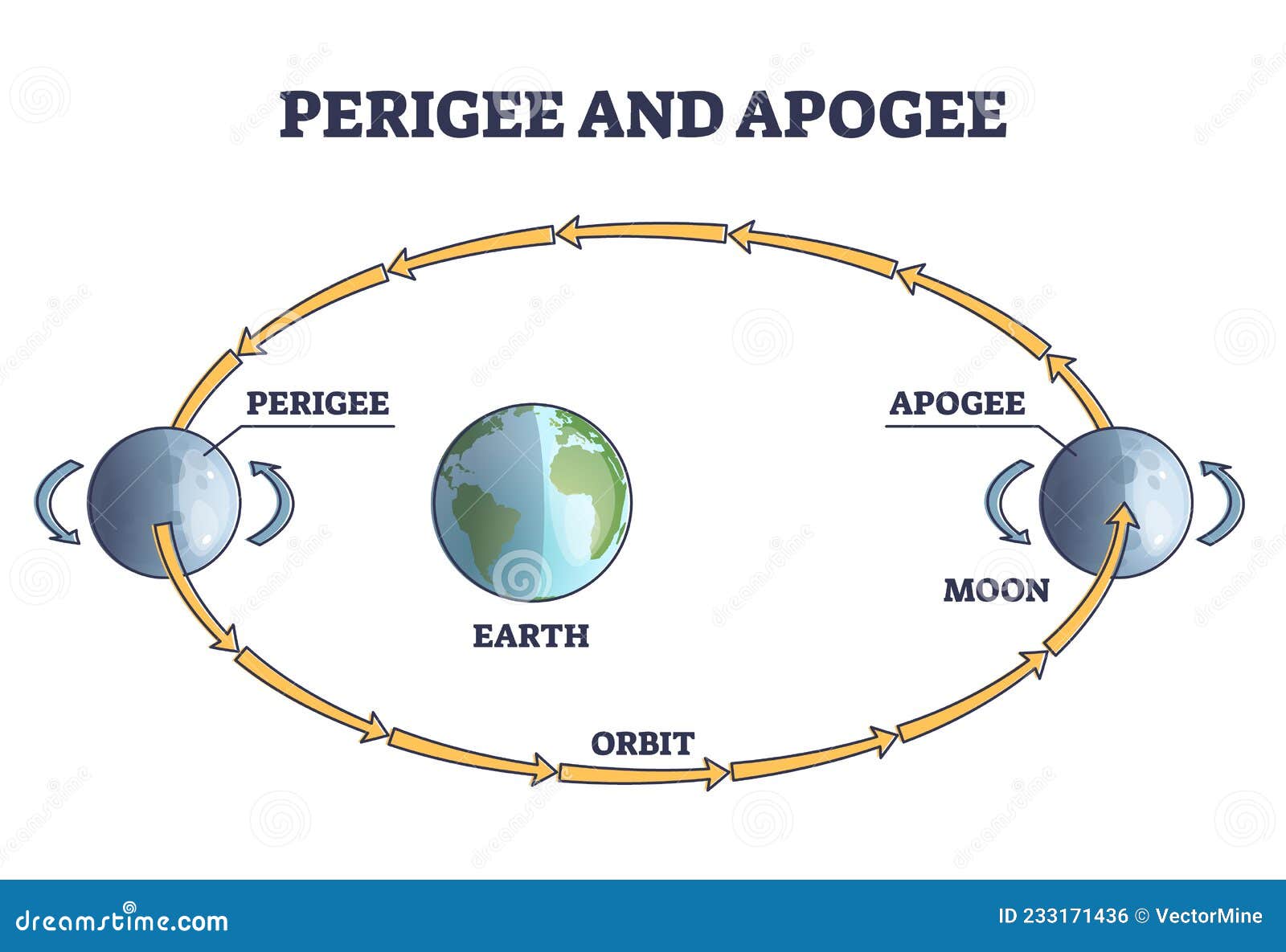
At its core, an orbit is the path one object in space takes around another due to gravitational forces. Satellites typically follow elliptical or circular orbits. The two primary parameters defining an orbit are:
- Apogee: The farthest point from Earth.
- Perigee: The closest point to Earth.
These parameters are crucial for determining a satellite's speed and the duration of its orbit.
Orbital Insertion and Adjustments
Getting a satellite into the correct orbit requires precise calculations and adjustments. A minor miscalculation can lead to significant deviations. For example, if a satellite is launched too quickly, it might end up in a higher orbit than intended.
Key Calculation: The Hohmann Transfer
Most satellite deployments use a Hohmann transfer, an efficient way to move a satellite between two orbits. This maneuver involves two engine burns:
- Initial Burn: To push the satellite into an elliptical transfer orbit.
- Final Burn: To circularize the orbit at the desired altitude.
Where:
- (\Delta v) is the change in velocity required.
- (G) is the gravitational constant.
- (M) is the mass of the Earth.
- (r_1) and (r_2) are the radii of the initial and target orbits.
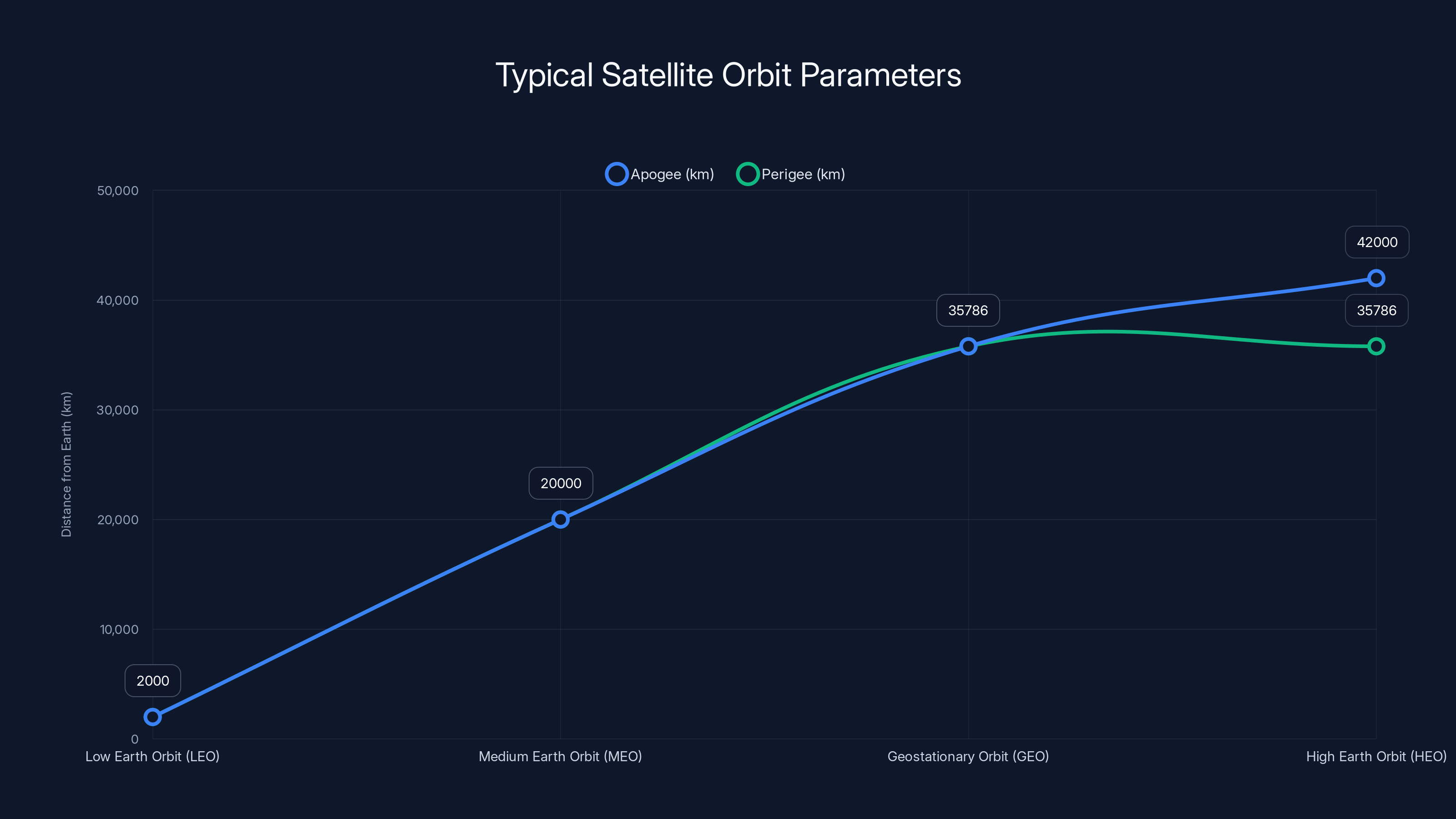
The chart shows typical apogee and perigee distances for different types of satellite orbits. Estimated data based on common orbital parameters.
Mission Planning: Beyond the Calculations
While calculations are essential, successful missions rely on thorough planning and execution. Let's explore the steps involved in mission planning that could mitigate the risk of such errors.
Pre-Launch Simulations
Simulations allow teams to test multiple scenarios and outcomes. They can help identify potential issues with propulsion, trajectory, and payload deployment.
- Software Tools: Advanced tools like STK (Satellite Tool Kit) help simulate real-world conditions.
- Iterative Testing: Running multiple simulations to cover all possible contingencies.
Real-Time Monitoring and Adjustments
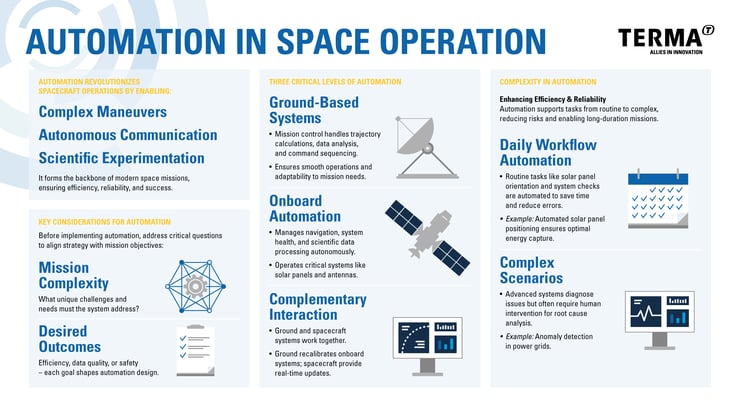
Once a mission is underway, continuous monitoring is vital. Real-time data feeds can alert teams to deviations early, allowing for mid-course corrections.
- Telemetry Systems: Provide real-time data on satellite position, velocity, and system status.
- Ground Control Interventions: Ability to send corrective commands during the mission.

Technical Challenges in Modern Rocketry
Rocketry is a symphony of engineering, where each component must work flawlessly. A failure in any subsystem can lead to mission failure. The New Glenn incident highlights several areas of interest.
Propulsion Systems
The engine's performance is crucial for achieving and maintaining the desired orbit. Issues might arise from:
- Fuel Mixture Variations: Even slight inconsistencies can alter thrust.
- Engine Wear and Tear: Regular maintenance and checks are essential.
Guidance and Control
Precision in guidance systems ensures that the rocket follows its planned trajectory. Challenges include:
- Sensor Calibration: Ensuring all sensors provide accurate data.
- Software Bugs: Regular updates and testing can help mitigate risks.
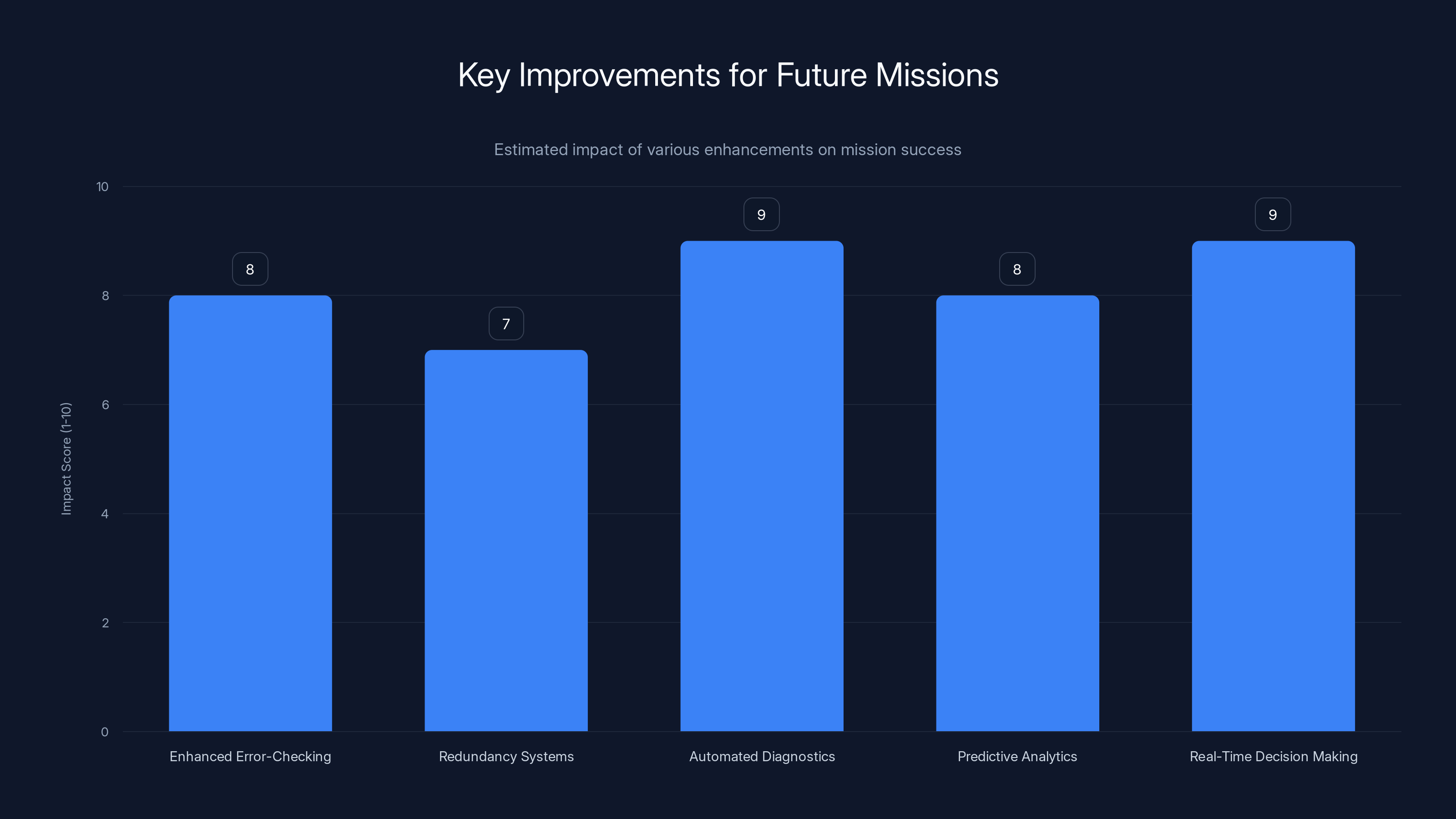
Implementing automated diagnostics and real-time decision making are estimated to have the highest impact on mission success. Estimated data.
Lessons Learned: Improving Future Missions
Incidents like these offer valuable lessons for future missions. By understanding what went wrong, we can implement measures to prevent similar issues.
Enhanced Error-Checking Protocols
Developing more robust error-checking protocols can catch potential issues before they escalate.
- Redundancy Systems: Incorporating backup systems that can take over in case of a failure.
- Automated Diagnostics: Use AI to analyze data and suggest corrective actions.
Adaptive AI and Machine Learning
Incorporating AI that can adapt and learn from past missions can enhance decision-making processes during flights.
- Predictive Analytics: AI can predict potential points of failure based on historical data.
- Real-Time Decision Making: AI can assist in making quick decisions when new data comes in.
Future Recommendations
Looking ahead, several recommendations can help ensure the success of future space missions.
Collaboration and Open Data
Sharing data and insights across the industry can lead to improved best practices and innovations.
- Industry Consortiums: Collaborate with other space agencies to share knowledge and resources.
- Open Data Initiatives: Provide access to mission data for educational and research purposes.
Continuous Learning and Adaptation
The aerospace industry must remain agile, continuously learning from each mission.
- Post-Mission Analysis: Conduct thorough post-mission reviews to identify successes and failures.
- Training Programs: Regular training for engineers and mission planners on the latest technologies and methodologies.
Common Pitfalls and Solutions
No mission is without its challenges, but understanding common pitfalls can prepare teams for success.
Pitfall: Overconfidence in Systems
Solution: Regular system audits and third-party reviews can provide fresh perspectives and catch overlooked issues.
Pitfall: Insufficient Backup Systems
Solution: Design missions with multiple redundancy layers to ensure mission continuity despite failures.
Conclusion
The recent New Glenn mishap is a reminder of the complexities involved in space missions. However, by learning from these experiences and implementing robust systems and protocols, we can pave the way for more successful and efficient space explorations.
Quick Navigation:
- Understanding Orbital Mechanics
- Mission Planning
- Technical Challenges
- Lessons Learned
- Future Recommendations
FAQ
What is orbital mechanics?
Orbital mechanics is the study of the motion of objects in space under the influence of gravitational forces. It involves calculating orbits, trajectories, and maneuvers to ensure successful satellite deployment.
How does a Hohmann transfer work?
A Hohmann transfer is a maneuver used to move a satellite between two orbits efficiently. It involves two engine burns: one to enter an elliptical transfer orbit and another to circularize the orbit at the desired altitude.
What are common pitfalls in rocket launches?
Common pitfalls include overconfidence in systems, insufficient backup systems, and lack of real-time monitoring. Addressing these through audits, redundancy, and continuous monitoring can improve mission success rates.
How can AI improve space missions?
AI can enhance space missions by providing predictive analytics, assisting in real-time decision-making, and learning from past missions to suggest improvements and avoid previous mistakes.
What are industry recommendations for future missions?
Industry recommendations include fostering collaboration, sharing open data, conducting post-mission analysis, and maintaining continuous learning and adaptation in mission planning and execution.
Why is real-time monitoring crucial in space missions?
Real-time monitoring allows mission control to track a satellite's position, velocity, and system status, enabling immediate corrective actions if deviations or issues are detected.

Key Takeaways
- Precise orbital mechanics are essential for satellite deployment.
- Real-time monitoring can prevent mission deviations.
- Redundancy systems mitigate risks in rocket launches.
- AI offers predictive analytics for space missions.
- Continuous learning improves future mission success.
Related Articles
- Understanding the Challenges of Orbital Launches: Lessons from Blue Origin's New Glenn Mission [2025]
- Blue Origin's Milestone: Reusing the New Glenn Rocket [2025]
- Blue Origin's New Glenn: Reusable Rocketry's Next Leap [2025]
- Reentry: The Pivotal Moment in the Future of the Artemis Program [2025]
- Artemis II: Pushing Boundaries with Astronauts Venturing Further Than Ever [2025]
- The Engineering Marvel of Artemis II: Charting a Course to the Moon [2025]


